

Michelin Plate · Macarfi 8 Food Rating
Our verdict
A Michelin Plate-recognised restaurant on Rúa das Nóreas in central Lugo, Paprica builds its contemporary menu around vegetables from small organic producers and meats from farms with documented animal welfare standards. Chef Michael Helfrich works across tapas and two tasting menus, drawing on Galician tradition while folding in measured references to other culinary cultures.

Pearl is the En Primeur Club membership app, where members save venues, book tables and use the concierge.
The menu
What to order
- Hake salpicón
- Chicken gyozas
- Canelón de ropa vieja
Where the Food Comes From
In Galicia, sourcing has always been part of the story. The region's reputation for shellfish, Celtic pork, and dark leafy greens like grelo and nabo is built on specific producers, specific soils, and a farming culture that predates any current trend toward provenance-led cooking. Paprica, on Rúa das Nóreas in the old city of Lugo, works within that tradition deliberately: the kitchen draws its vegetables from small organic producers and its meat from farms where animal welfare is a documented operating standard, not a marketing claim. That supply chain shapes the menu rather than decorating it.
This approach places Paprica in a broader shift happening across mid-market contemporary restaurants in provincial Spanish cities, where the loudest ingredient sourcing arguments no longer belong exclusively to the starred avant-garde. Restaurants at the €€ price tier are increasingly building their identities around supplier relationships that were, a decade ago, more commonly associated with the €€€€ tier occupied by places like El Celler de Can Roca in Girona or Azurmendi in Larrabetzu. The difference is that at Paprica, those sourcing principles operate within a format that is accessible rather than ceremonial.
The Setting and the Approach
Rúa das Nóreas sits within Lugo's Roman-walled centre, a compact historic core where restaurants occupy narrow stone-fronted buildings and dining tends toward the convivial. Paprica holds a patio-terrace alongside its interior dining room, which makes it one of the more versatile options in the city for eating through the warmer months when Galicia's Atlantic climate allows it. The terrace format suits the menu's structure: a selection of tapas alongside two longer menus, an arrangement that works both for tables grazing across dishes and for those who want a more directed progression through the kitchen's ideas.
Chef Michael Helfrich's cooking is described as traditional cuisine with modern touches and measured references to other cultures. The cultural references here function as accents rather than departures. A chicken gyoza arrives with balsamic and black beer. A canelón de ropa vieja incorporates Celtic pork, black chickpeas, and a green turnip leading mojo. The hake salpicón stays close to the Galician source material while functioning as a signature dish.
Dishes Worth Understanding
Ropa vieja as a concept belongs to a culinary tradition of slow-cooked shredded meat that runs from Cuba through the Canary Islands and back to the Iberian peninsula. Helfrich's version, folded into a canalón with Celtic pork and finished with a mojo built from green turnip tops, is a Galician reinterpretation of that broader tradition. The grelo-based mojo is particularly specific: grelos are the leafy tops of turnip plants, central to Galician cooking in a way that has no direct equivalent in other Spanish regional cuisines. Using them as a mojo base rather than as a side vegetable reflects the kind of lateral thinking that distinguishes a kitchen with genuine knowledge of its ingredients from one simply listing local names.
The gyoza reference, meanwhile, sits within a wider tendency in contemporary Spanish cooking to treat Asian dumpling formats as a vehicle for Iberian fillings. It is a device that can feel lazy in the wrong hands, but the balsamic and black beer pairing suggests a more considered attempt at flavour logic. The salpicón, the most classically anchored dish on the known menu, grounds all of this in Galician coastal tradition: hake is among the most important fish in northwestern Spanish cooking, and a well-made salpicón depends on the quality of the fish rather than technique alone.
Lugo's Dining Context
Lugo is not a city that appears on most Spanish gastronomy itineraries, which functions more as a structural gap than a reflection of its actual dining quality. The city holds the only fully intact Roman wall in the world (a UNESCO World Heritage Site), and its compact centre generates the kind of local restaurant culture that survives on repeat custom rather than tourist throughput. That dynamic tends to reward kitchens that deliver consistent quality at honest prices over those chasing attention.enprimeurclub.com/restaurants/arzak-san-sebastin-restaurant">Arzak in San Sebastián, Disfrutar in Barcelona, DiverXO in Madrid, Mugaritz in Errenteria, Quique Dacosta in Dénia, Martin Berasategui in Lasarte-Oria, or Aponiente in El Puerto de Santa María.
For visitors comparing Paprica against Lugo's other contemporary options, it occupies different territory from Os Cachivaches, which anchors the traditional end of the local dining scene, and Prebe by Bret, which takes a farm-to-table approach as its organising principle. Paprica sits between those positions: rooted in Galician tradition and ingredient integrity, but willing to move across culinary registers when the dish logic supports it.enprimeurclub.com/restaurants/csar-new-york-city-restaurant">César in New York City and Jungsik in Seoul, both of which work in the space between classical grounding and cultural cross-reference.
Planning Your Visit
Paprica is at Rúa das Nóreas, 10, in the walled centre of Lugo, walkable from any point within the old city. The €€ price range makes it one of the more accessible Michelin-recognised options in the region. The menu structure, tapas plus two longer menus, accommodates both shorter and fuller meals, which gives it practical flexibility as either a standalone dinner or part of a longer evening in the city. For a fuller picture of where Paprica sits within Lugo's broader options, or explore, and our Lugo experiences guide.
Frequently asked questions
How do I find Paprica?
Paprica is located at Rúa das Nóreas, 10, 27001 Lugo, Spain.
Price and Positioning
| Venue | Cuisine | Price | Awards | Notes |
|---|---|---|---|---|
| PapricaThis venue (the venue you are viewing) | Modern Galician with Japanese Influences | $50–100 | Michelin Plate · Macarfi 8 Food Rating | Not listed |
| Aponiente | Avant-Garde Marine Seafood | $200–300 | 3 Michelin Stars · World's 50 Best #84 | Progressive - Seafood, Creative |
| Arzak | Contemporary Basque Fine Dining | $300–500 | 3 Michelin Stars · World's 50 Best #31 | Modern Basque, Creative |
| DiverXO | Avant-Garde Spanish Tasting Menu | $300–500 | 3 Michelin Stars · World's 50 Best #4 | Progressive - Asian, Creative |
| El Celler de Can Roca | Creative Catalan Fine Dining | $300–500 | 3 Michelin Stars · World's 50 Best #2 | Progressive Spanish, Creative |
| Quique Dacosta | Avant-Garde Spanish Fine Dining | $300–500 | 3 Michelin Stars · World's 50 Best #65 | Creative |
Recognition history
Dated appearances from independent guides and award organizations, with the underlying list record or original source where available.
Michelin Plate
Michelin
Macarfi 8 Food Rating
Macarfi
Full recognition history (4 entries)
Michelin Plate
Michelin
Michelin Plate
Michelin
Continue exploring
More in Lugo
Details
- Cozy
- Elegant
- Modern
- Date Night
- Special Occasion
- Group Dining
- Open Kitchen
- Terrace
- Extensive Wine List
- Local Sourcing
- Organic
- Tasting Menu
- A La Carte
- Small Plates
- Vegetarian Friendly
- Gluten Free Options
Current opening hours
- Monday
- Closed
- Tuesday
- Closed
- Wednesday
- Closed
- Thursday
- 1:30–3:30 PM, 9–10:30 PM
- Friday
- 1:30–3:30 PM, 9–10:30 PM
- Saturday
- 1:30–3:30 PM, 9–10:30 PM
- Sunday
- 1:30–3:30 PM, 9–10:30 PM
Hours can change for holidays and private events. Hours as of .
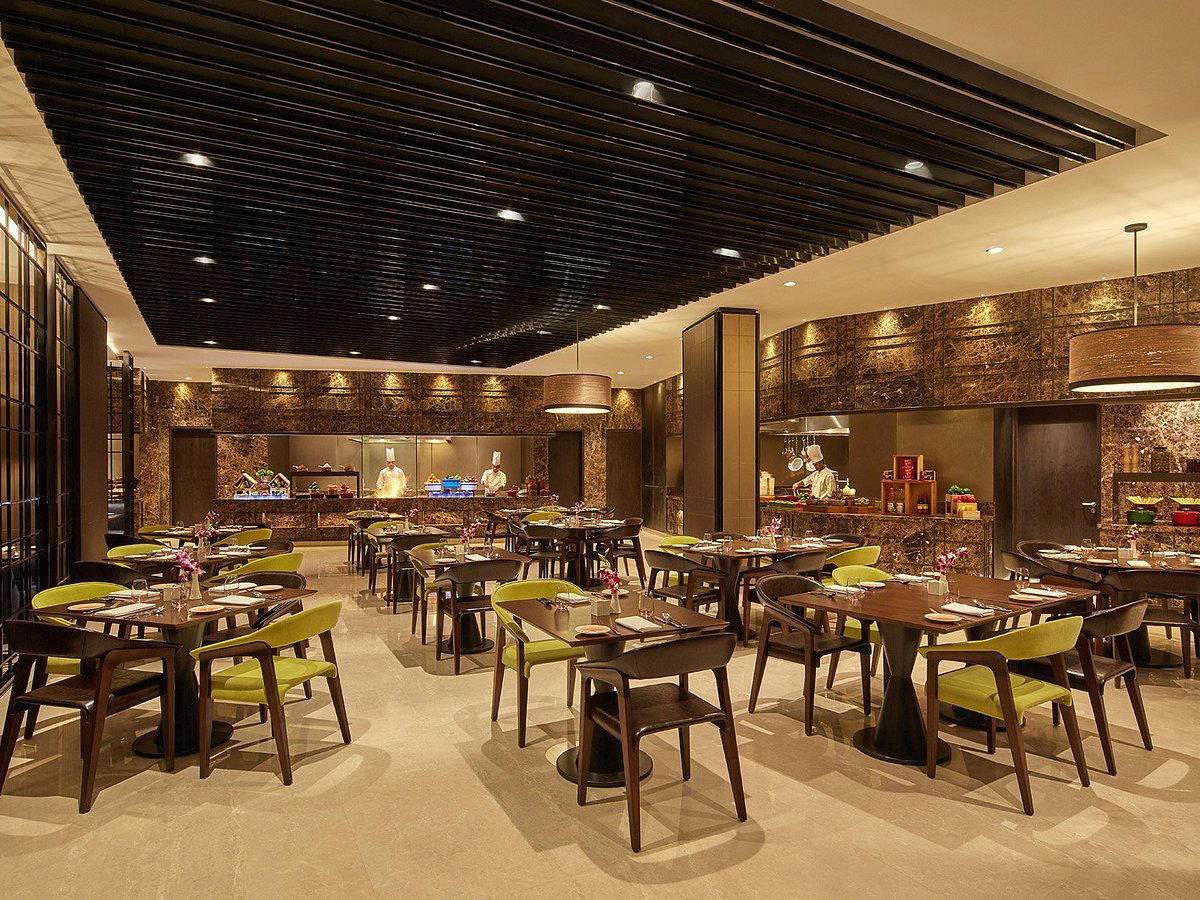
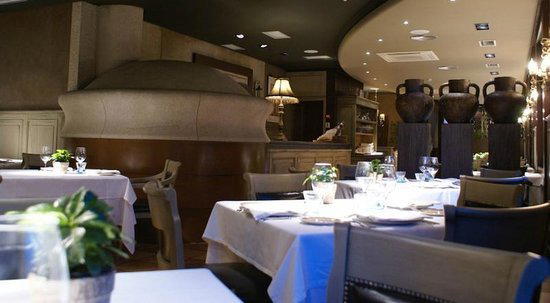
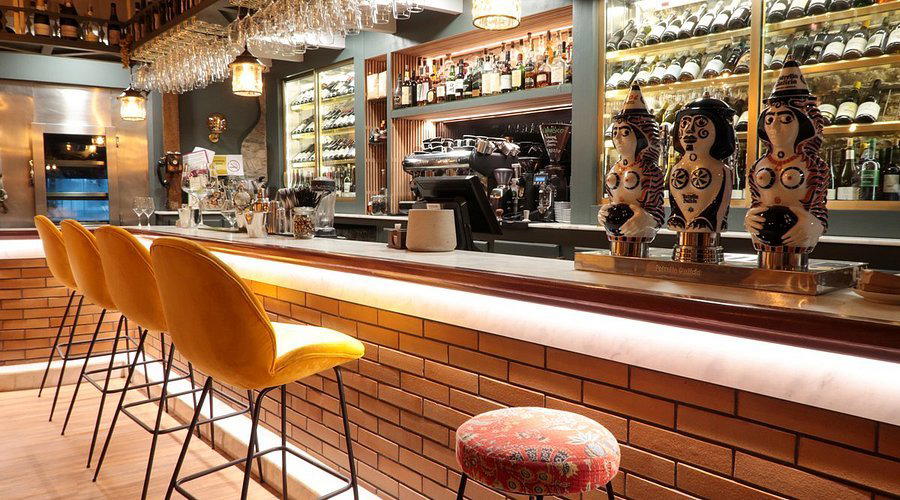
Simple but pleasant and comfortable interior with cozy details, open kitchen, and a charming patio-terrace.