

Michelin Plate · Macarfi 7.3 Food Rating
Our verdict
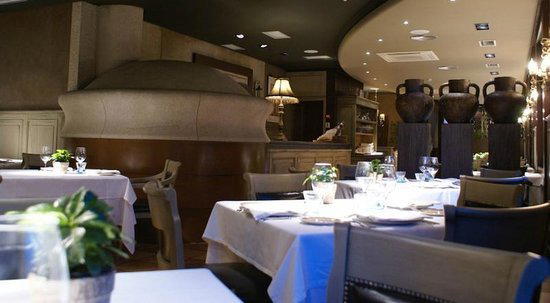
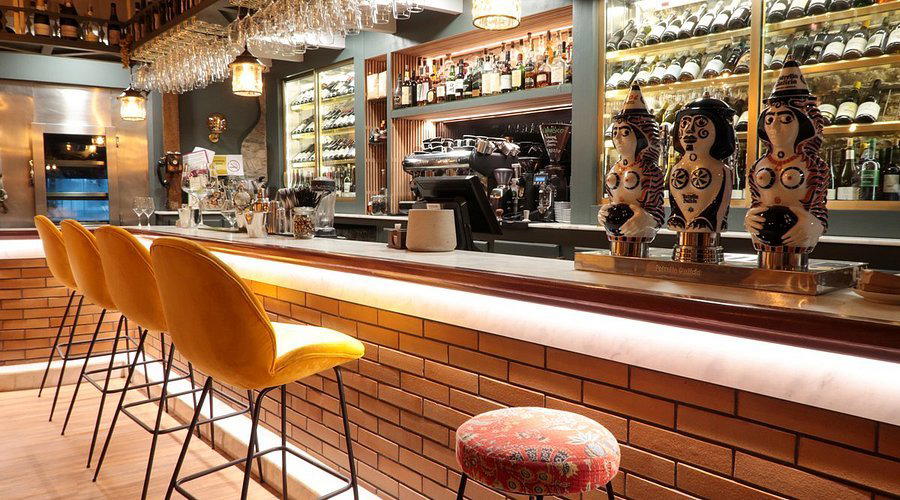
The format splits between a tapas bar with high tables and two fuller dining rooms, with an à la carte that leans heavily on Galician rice cookery and seasonal produce at a mid-range price point for Lugo.

Pearl is the En Primeur Club membership app, where members save venues, book tables and use the concierge.
The menu
What to order
- Creamy rice with marine plankton
- Brioche torrija with vanilla ice cream
- Cheesecake
A Residential Address That Earns Its Recognition
In many Spanish cities, the restaurants that accumulate the most consistent local loyalty are not found beside cathedral squares or on pedestrian shopping streets. They settle into residential districts, near universities, near ordinary life, and they survive on merit rather than footfall. That pattern holds in Lugo, where Os Cachivaches occupies a spot on Rúa Campos Novos, close enough to the university quarter that its lunch trade draws a mixed crowd of academics, families, and professionals from the surrounding blocks. The room does not announce itself with theatre.
Consecutive Michelin Plates in 2024 and 2025 confirm that the kitchen operates at a standard that Michelin's inspectors consider worth flagging, even if the full star conversation belongs to a different tier of ambition and investment. For context on what that upper tier looks like in Spain, consider what Arzak in San Sebastián, El Celler de Can Roca in Girona, or Disfrutar in Barcelona represent in terms of format, price, and creative intensity. Os Cachivaches is not competing on that axis. Its price range sits at €€, and its proposition is traditional Galician cooking done with attention to sourcing and craft, not avant-garde re-invention. That is the competitive set it belongs to, and within that set it performs well.
What the Rice Dishes Say About the Kitchen's Sourcing Priorities
Galicia's identity on the plate is built around the sea and the land in roughly equal measure: Atlantic shellfish, river-caught fish, slow-raised beef from the interior valleys, and dairy that shapes everything from sauces to desserts. What a kitchen does with rice in this context is revealing. Rice dishes in Spain are often categorised under Valencian or Alicantine traditions, but a restaurant that builds its à la carte around rice cookery in Galicia is making a quieter, more deliberate statement about sourcing, about getting shellfish, plankton, or estuary ingredients of sufficient quality that they can carry a dish where the base grain absorbs and amplifies every flavour in the stock.
The creamy rice with marine plankton that Michelin's inspectors call out as a recommendation is a case in point. Marine plankton as an ingredient entered Spanish fine dining through Aponiente in El Puerto de Santa María, where chef Ángel León spent years developing its culinary application. Its use at a mid-range neighbourhood restaurant in Lugo reflects how ingredients pioneered at the higher end of the market filter into serious but accessible kitchens over time. For that ingredient to work at the table, the sourcing chain from coast to kitchen has to be active and reliable. A creamy rice with marine plankton that falls flat is worse than one that was never attempted. The fact that this dish earns specific mention suggests the kitchen has earned the sourcing relationship that makes it credible.
This emphasis on ingredient provenance connects Os Cachivaches to a broader pattern visible across the Galician dining scene: the leading mid-range restaurants here tend to succeed because they are close to the source. Lugo sits inland but within practical reach of the Galician coast, and the regional market infrastructure for fresh Atlantic produce is among the most direct in Spain. Restaurants that use it well do not need to dress the plate in complexity. They need to respect the ingredient.
Format: Two Moods, One Kitchen
The physical format at Os Cachivaches reflects a pragmatic approach to serving different kinds of hunger. The tapas bar runs on high tables and supports informal eating, the kind of visit where you order two or three things, drink a glass of Galician white, and leave without having committed to a full meal. The two dining rooms behind it support longer, more considered eating from the full à la carte. This dual-track format is common in Galicia and across northern Spain, where the bar and the restaurant exist on a continuum rather than as separate experiences. It also allows a single kitchen to serve different price points within the same €€ bracket, depending on how much a guest orders.
The dessert list is worth treating as a structural part of the meal rather than an optional addition. The brioche torrija with vanilla ice cream uses a classic Spanish preparation, bread soaked in milk and egg, fried, typically served during Semana Santa but increasingly year-round in restaurants that have earned the right to serve it outside its seasonal context, and the kitchen's version is singled out alongside a cheesecake that has also accumulated strong word-of-mouth. At a restaurant where the main courses lean into seafood and Galician produce, ending on pastry that shows the same level of care signals a kitchen that does not lose focus between courses.
Os Cachivaches Within Lugo's Dining Scene
Lugo is not a city that generates significant international dining attention, which makes it easy to underestimate how well its mid-range restaurant tier actually performs. The Roman walls are a UNESCO World Heritage Site and pull cultural visitors, but the restaurant scene runs largely on local demand, and local demand in a Galician city is not easily satisfied by mediocrity. Residents here have access to good raw ingredients and strong culinary tradition, and they use that as a baseline against which restaurants are judged.
Within that context, Os Cachivaches occupies a position of genuine standing. It sits alongside addresses like Paprica and Prebe by Bret in a peer group of Lugo restaurants that take sourcing and cooking seriously within accessible price frameworks. For a broader picture of what Lugo offers across dining, drinking, and staying, see our full Lugo restaurants guide, our full Lugo bars guide, our full Lugo hotels guide, our full Lugo wineries guide, and our full Lugo experiences guide.
For a comparison point at a similar traditional register in another part of Atlantic Spain, Auga in Gijón operates in a comparable position within Asturian dining, and Auberge Grand'Maison in Mûr-de-Bretagne offers a French reference point for traditional cooking with regional sourcing at the centre. Those looking at the creative end of Spain's dining range can find different reference points at DiverXO in Madrid, Quique Dacosta in Dénia, Azurmendi in Larrabetzu, Martin Berasategui in Lasarte-Oria, and Mugaritz in Errenteria.
Planning a Visit
Os Cachivaches is on Rúa Campos Novos, 26, in the 27002 postal district of Lugo, a walkable distance from both the Roman walls and the university. The price range is €€, making it one of the more approachable options in the city for a full meal.
Frequently asked questions
What does dinner at Os Cachivaches typically cost?
Pricing at Os Cachivaches is listed as €€.
A Quick Peer Check
| Venue | Cuisine | Price | Awards | Notes |
|---|---|---|---|---|
| Os CachivachesThis venue (the venue you are viewing) | Traditional Spanish Rice Dishes | Not listed | Michelin Plate · Macarfi 7.3 Food Rating | Not listed |
| Aponiente | Avant-Garde Marine Seafood | $200–300 | 3 Michelin Stars · World's 50 Best #84 | Progressive - Seafood, Creative |
| Arzak | Contemporary Basque Fine Dining | $300–500 | 3 Michelin Stars · World's 50 Best #31 | Modern Basque, Creative |
| DiverXO | Avant-Garde Spanish Tasting Menu | $300–500 | 3 Michelin Stars · World's 50 Best #4 | Progressive - Asian, Creative |
| El Celler de Can Roca | Creative Catalan Fine Dining | $300–500 | 3 Michelin Stars · World's 50 Best #2 | Progressive Spanish, Creative |
| Quique Dacosta | Avant-Garde Spanish Fine Dining | $300–500 | 3 Michelin Stars · World's 50 Best #65 | Creative |
Recognition history
Dated appearances from independent guides and award organizations, with the underlying list record or original source where available.
Michelin Plate
Michelin
Macarfi 7.3 Food Rating
Macarfi
Full recognition history (4 entries)
Michelin Plate
Michelin
Michelin Plate
Michelin
Continue exploring
More in Lugo
Details
- Cozy
- Modern
- Group Dining
- Family
- Date Night
- Open Kitchen
- Extensive Wine List
- A La Carte
- Small Plates
- Vegetarian Friendly
- Vegan Options
- Gluten Free Options
Current opening hours
- Monday
- 1:15–5:30 PM
- Tuesday
- 1:15–5:30 PM
- Wednesday
- 1:15 PM–12 AM
- Thursday
- 1:15 PM–12 AM
- Friday
- 1:15 PM–12 AM
- Saturday
- 1:15 PM–12 AM
- Sunday
- 1:15–6 PM
Hours can change for holidays and private events. Hours as of .
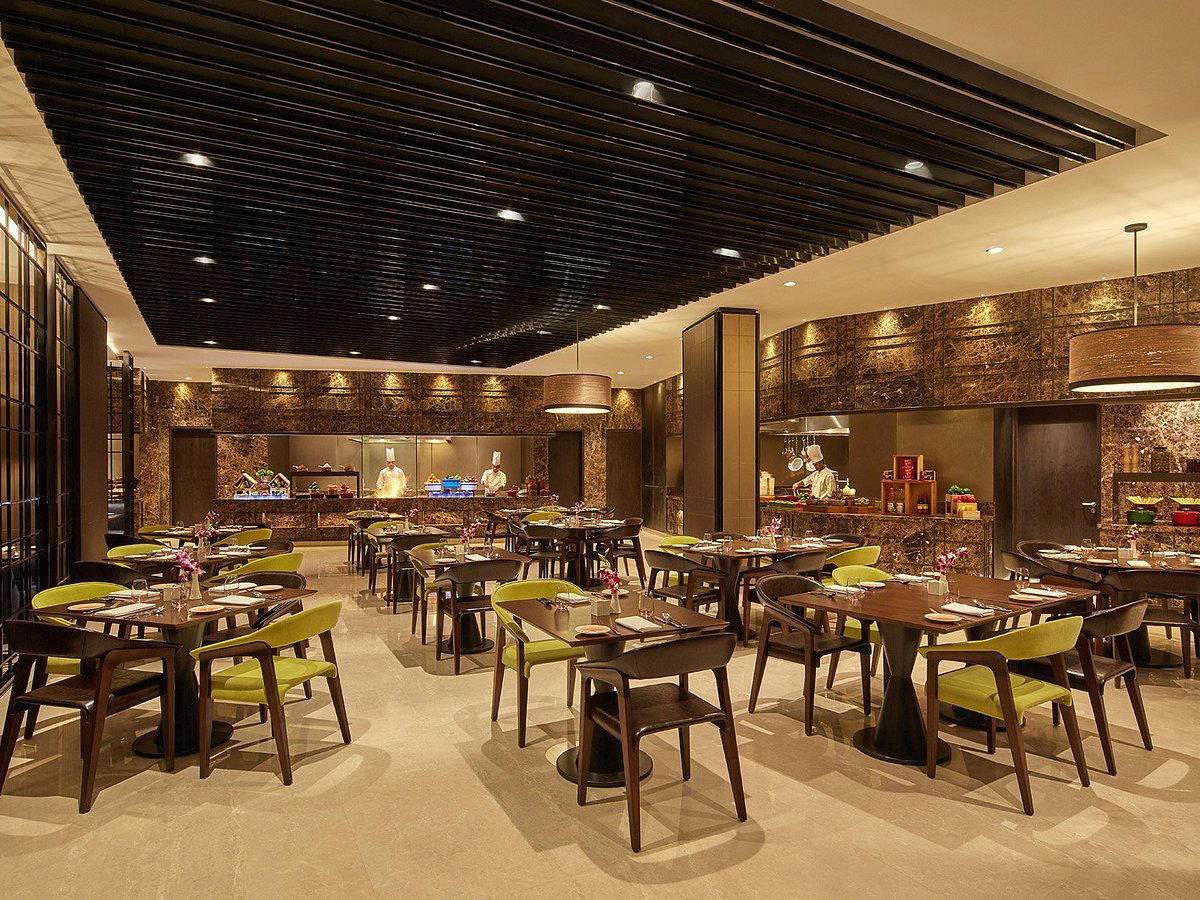
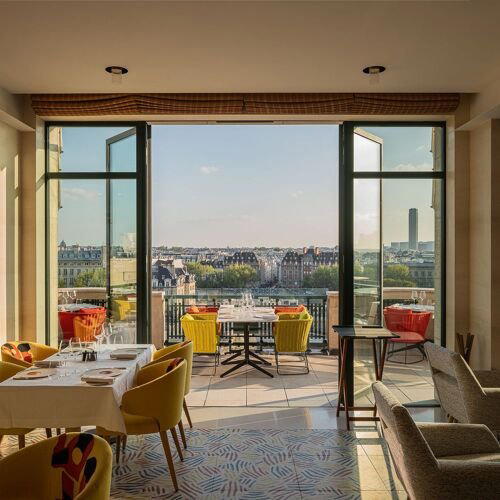
Spacious and modern with light-filled dining rooms and a welcoming tapas bar atmosphere.