

Michelin Plate · Macarfi 7.4 Food Rating
Our verdict
A Michelin Plate–recognised asador in Rábade, roughly 15km from Lugo, Asador Coto Real operates one of the few Castilian wood-fired roasting ovens in Galicia alongside an open charcoal grill.

Pearl is the En Primeur Club membership app, where members save venues, book tables and use the concierge.
The menu
What to order
- Lechazo castellano asado en horno de leña
- Chuleta de vaca “Alta selección”
- Cordero al horno
- Pulpo a la brasa
- Tarta de queso
Fire as Method: What the Asador Tradition Means in Galicia
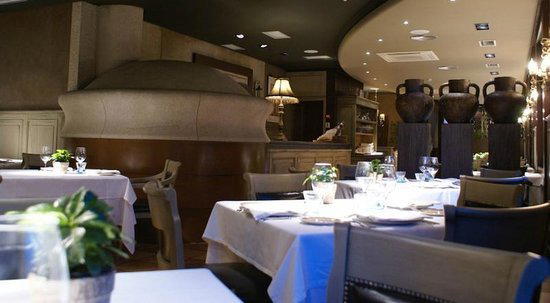
Walk into a serious asador and the kitchen tells you everything before the menu does. The Castilian roasting oven, a domed, wood-fired chamber designed to cook whole animals low and slow in their own fat, is not a decorative feature. It is a commitment: to a specific fuel source, a specific temperature curve, and a philosophy that treats fire as the primary seasoning. At Asador Coto Real, positioned along the main Avenida A Coruña in the small town of Rábade, that oven sits behind the counter in full view, alongside an open charcoal grill. The arrangement is unusual enough in Galicia that it is worth noting as a structural fact, not a selling point. Most asadors in the region default to the grill alone. The Castilian oven is a tradition rooted further inland, in Castile and León, where roast suckling pig and baby lamb have long been benchmark dishes. To find one operating in Galicia is genuinely atypical.
Rábade is a modest town on the main road between Lugo and A Coruña, without the tourist infrastructure or dining density of either city. The restaurant shares its name with an adjacent small hotel, and the two have developed together over time, the facilities gradually updated without losing the core format. For the broader regional dining picture, see our full Rábade restaurants guide.
The Cut Question: What Fire Does to Different Grades of Beef
The editorial angle at an asador is always the cut, because the cooking method amplifies rather than masks the qualities of the raw material. A wood-fired grill strips away the margin for error that a modern kitchen might allow: there is no sauce work, no multi-component plating, no brigade-level refinement. The beef has to carry its own weight.
At Coto Real, the flagship beef option is described as "alta selección", a designation pointing at sourcing and aging rather than a specific breed. It is served for two to share, a format that signals a substantial cut rather than an individual portion. In the context of Galician beef culture, this matters. Galicia has its own deep tradition of "vaca vieja" (older dairy cattle retired to pasture), a category of beef prized for its depth of fat marbling and mineral character, quite different from the leaner grain-finished profile of Castilian breeds.
On the grill side, the open fire format suits different textures and thicknesses than the oven. Roasting a baby lamb low and slow in the Castilian oven produces skin that crisps without the direct char that a grill would impose, while the internal temperature stays controlled enough to keep the meat moist. The grill, by contrast, creates a hard exterior crust quickly, which suits well-aged, thickly cut beef. The two cooking methods are not interchangeable, and an operation running both is making a deliberate point about range.
Where Coto Real Sits Against the Regional Hierarchy
Spain's dining conversation tends to centre on the Basque Country, Catalonia, and Madrid. Venues like Arzak in San Sebastián, Azurmendi in Larrabetzu, El Celler de Can Roca in Girona, DiverXO in Madrid, Martin Berasategui in Lasarte-Oria, Cocina Hermanos Torres in Barcelona, Aponiente in El Puerto de Santa María, Mugaritz in Errenteria, Quique Dacosta in Dénia, and Ricard Camarena in València operate at three and two Michelin star levels, in a price tier (€€€€) and a format (creative tasting menus) far removed from the asador tradition. The comparison set for Coto Real is different: it operates at the €€ price point, holds the Michelin Plate in both 2024 and 2025, and competes in a category where execution consistency and raw material quality are the benchmarks, not concept or creativity.
The Michelin Plate is not a starred distinction. It signals that Michelin inspectors consider the cooking worth acknowledging, without placing the venue in the starred hierarchy. For an asador in a small Galician town, consecutive Plate recognition across two guide years is a meaningful signal of consistency. Peer comparisons outside Spain exist in the same fire-focused category: Carcasse in Sint-Idesbald and Damini Macelleria & Affini in Arzignano both represent European asador-adjacent traditions where the quality of the animal and the handling of fire are the primary editorial points. Across the rest of Extremadura and western Spain, Atrio in Cáceres offers a different register entirely, with creative fine dining rather than fire-focused tradition.
Planning the Visit
Rábade sits on the A-6 motorway corridor between Lugo and A Coruña, making it an accessible stop for anyone travelling between the two cities rather than a destination that requires a dedicated drive. Lugo, 15km south, is the more logical base, particularly given its intact Roman wall circuit and its own serious dining scene. The restaurant operates at a €€ price level, positioning it well below the tasting-menu circuit but above casual tavern pricing. For visitors staying in the area, our full Rábade hotels guide covers the accommodation options including the hotel that shares the Coto Real name. Rounding out the wider picture, bars, wineries, and experiences in the area are covered in the respective EP Club guides.
A Coruña, 107 is the reliable route for reservations, particularly for larger groups planning to order the two-person beef cut.
Frequently asked questions
Would Asador Coto Real be comfortable with kids?
The asador format translates well to family meals. Grilled and oven-roasted meats are straightforward for most ages, the €€ pricing keeps the bill reasonable for a group, and the attached hotel setting at Coto Real gives the dining room a relaxed, unhurried character rather than a formal one.
Is Asador Coto Real better for a quiet night or a lively one?
Rábade is a small town on the A-6 between Lugo and A Coruña, so expect a calm evening rather than a city atmosphere. The asador format rewards exactly that: shared cuts, long pacing, and conversation, which is how the Michelin Plate-recognised kitchen is best appreciated.
What kind of recognition has Asador Coto Real received?
Asador Coto Real has received recognition including: Located in a small town just over 15km from Lugo, this restaurant is the perfect place for meat-lovers who can choose between dishes roasted in the wood-fired oven (such as baby lamb) or steak cooked on the grill. This “asador”, which share….
What should I eat at Asador Coto Real?
The menu organises around two cooking methods. The Castilian wood-fired oven, one of the few in Galicia, is the reference point for baby lamb. From the open grill behind the counter, the alta selección beef steak is designed for two to share and is the table's natural anchor for a full meal.
How It Stacks Up
| Venue | Cuisine | Price | Awards | Notes |
|---|---|---|---|---|
| Asador Coto RealThis venue (the venue you are viewing) | Spanish Asador / Grill | Not listed | Michelin Plate · Macarfi 7.4 Food Rating | Not listed |
| Aponiente | Avant-Garde Marine Seafood | $200–300 | 3 Michelin Stars · World's 50 Best #84 | Progressive - Seafood, Creative |
| Arzak | Contemporary Basque Fine Dining | $300–500 | 3 Michelin Stars · World's 50 Best #31 | Modern Basque, Creative |
| DiverXO | Avant-Garde Spanish Tasting Menu | $300–500 | 3 Michelin Stars · World's 50 Best #4 | Progressive - Asian, Creative |
| El Celler de Can Roca | Creative Catalan Fine Dining | $300–500 | 3 Michelin Stars · World's 50 Best #2 | Progressive Spanish, Creative |
| Quique Dacosta | Avant-Garde Spanish Fine Dining | $300–500 | 3 Michelin Stars · World's 50 Best #65 | Creative |
Recognition history
Dated appearances from independent guides and award organizations, with the underlying list record or original source where available.
Michelin Plate
Michelin
Macarfi 7.4 Food Rating
Macarfi
Full recognition history (4 entries)
Michelin Plate
Michelin
Michelin Plate
Michelin
Continue exploring
More in Rábade
Details
- Classic
- Cozy
- Elegant
- Rustic
- Family
- Group Dining
- Business Dinner
- Special Occasion
- Casual Hangout
- Wine Cellar
- Hotel Restaurant
- Extensive Wine List
- Sommelier Led
- Local Sourcing
- A La Carte
- Wine
- Vegetarian Friendly
- Vegan Options
- Gluten Free Options
Current opening hours
- Monday
- 1:30–3:30 PM, 8:30–11 PM
- Tuesday
- 1:30–3:30 PM, 8:30–11 PM
- Wednesday
- 1:30–3:30 PM, 8:30–11 PM
- Thursday
- 1:30–3:30 PM, 8:30–11 PM
- Friday
- 1:30–3:30 PM, 8:30–11 PM
- Saturday
- 1:30–3:30 PM, 8:30–11 PM
- Sunday
- 1:30–3:30 PM, 8:30–11 PM
Hours can change for holidays and private events. Hours as of .
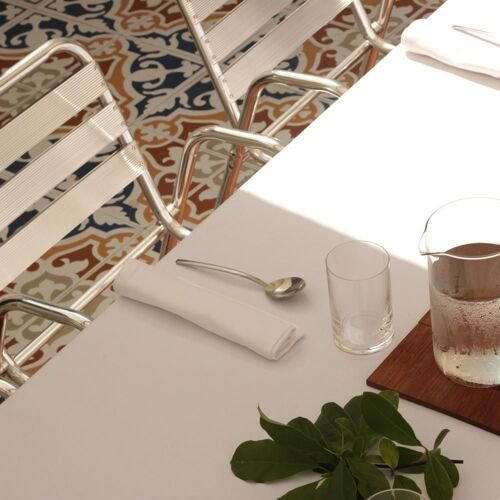
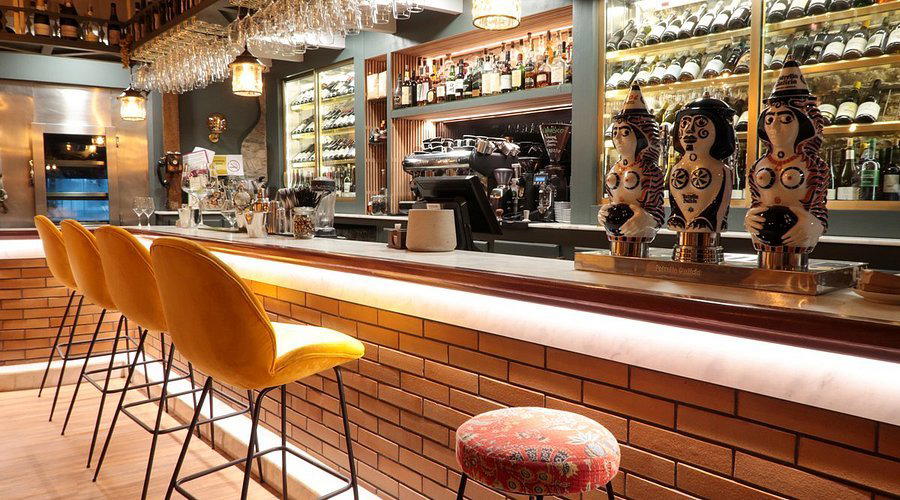
Traditional asador atmosphere with a refined, food-focused dining room centered on wood-fired roasting and grilling, plus a chilled wine cellar that suggests a classic, wine-forward setting.