
PANTRY COYOTE brings Chiba’s American-leaning burger culture into a compact, value-driven format, with Tabelog Hamburger 100 selections across multiple years through 2026. The appeal is not ceremony but concentration: a 17-seat room, no-reservation setup, take-out availability, cocktails, and a price band that keeps the decision casual while the recognition places it above routine station-area burger stops.
Pearl is the En Primeur Club membership app — saves, bookings, and concierge access live there. Same editors, same standards.
- Address
- 千葉県千葉市中央区中央3-11-11 ニュー豊田ビル 1F
- Phone
- +81432258677
- Website
- tabelog.com
 Saves & bookings on Pearl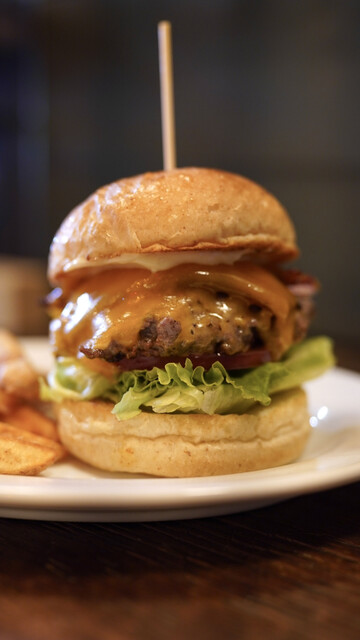
Central Chiba’s burger scene is built less on spectacle than on small rooms, quick turnover, and a Japanese habit of treating casual food with unusual seriousness. PANTRY COYOTE fits that pattern: 17 seats split between tables and a short counter, a non-smoking room, and a dining-bar edge that makes the category feel broader than a simple lunch stop. In a city where many visitors default to ramen, izakaya, or department-store dining, the better burger addresses work because they compress craft into an everyday price bracket.
The value proposition is the point. With lunch and dinner both sitting in the JPY 1,000 to JPY 1,999 range, this is not positioned against Chiba’s special-occasion restaurants such as Seikou En or Private room Yakiniku GYU CHIBA, where dinner pricing moves several brackets higher. It competes instead with high-frequency meals: ramen counters, curry shops, casual American rooms, and dining bars where the test is whether the food feels deliberate enough to justify choosing it over another low-friction option. Its Tabelog score of 3.72 and selection for Tabelog Hamburger 100 in 2026 give that choice a measurable signal.
Chiba's burger niche, priced for repeat use rather than occasion dining
Japan’s serious hamburger culture has long sat in an interesting middle tier. It borrows from American diner grammar, then filters it through Japanese expectations around portion control, texture, service rhythm, and category specialization. The result is rarely the oversized, messy burger-bar model common in the United States. In Chiba, where the dining field includes everything from Ramen Jiro Chiba ten at the low-price end to yakiniku rooms with private dining, a recognized hamburger counter has to make a tight argument: enough craft to be destination-worthy, enough affordability to stay in everyday rotation.
PANTRY COYOTE’s repeated Tabelog Hamburger 100 selections, including 2017, 2018, 2019, 2021, 2022, 2024, and 2026, matter because the category is crowded and nationally visible. Tabelog’s Hyakumeiten lists reward consistency within a specific genre, not broad fine-dining ambition. That distinction is useful for travelers. This is not a tasting-menu detour or a chef-driven room asking for a long evening. It is a specialist casual restaurant whose credibility comes from staying inside a narrow lane and doing enough within it to keep appearing on a category list.
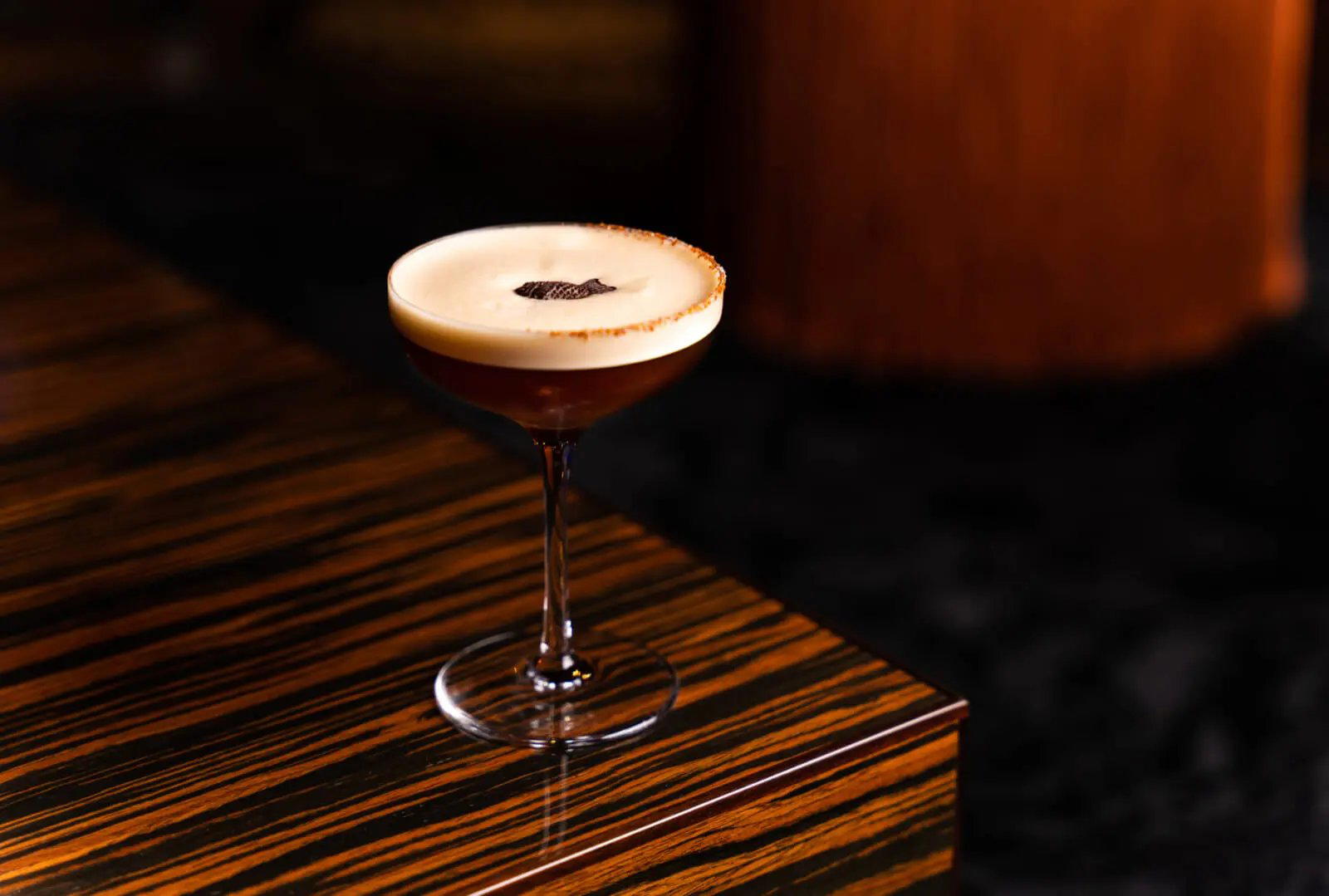
The American and dining-bar classification also changes how to read the experience. Cocktails are available, take-out is offered, and the room includes counter seating, which makes it useful for solo dining as well as a low-commitment meal with friends. That combination is common in Japan’s stronger casual specialist restaurants: the format feels easy, but the category discipline is serious. For a broader look at how Chiba’s dining map spreads across genres, compare it with nearby editorial entries such as BAMBOU, Bengal Tiger, Boushu En, Chinese Komugiko Ryori Senmonten Keisen, and Cinq au Pied.
A small-room format that rewards timing and simple expectations
The practical character is built into the footprint. Seventeen seats is compact enough that the room can fill quickly, especially because reservations are unavailable. That changes the planning logic: treat it as a flexible meal rather than a fixed appointment, and avoid assuming a large group can be absorbed easily. The table-to-counter split helps solo diners, while the casual pricing keeps the visit from feeling overplanned.
Access also suits the category. The restaurant is listed near Yoshikawakoen Station, with Chiba Chuo Station also within walking range, so it works as a central Chiba meal before or after other city plans rather than a long suburban detour. Parking is not provided, though paid coin parking is listed next to the restaurant. Payment is another old-school detail with real consequences: credit cards, electronic money, and QR code payments are not accepted, so cash is the sensible assumption. These are not atmospheric quirks; they shape whether the meal feels smooth.
The absence of private rooms and private-use availability keeps the format firmly casual. That is part of the appeal. Chiba has restaurants for reserved dinners and higher-spend nights, but this address belongs to a different tier: recognized, compact, informal, and priced so the decision can be made on appetite rather than occasion. Travelers building a wider city plan can place it beside Our full Chiba restaurants guide, then branch into Our full Chiba hotels guide, Our full Chiba bars guide, Our full Chiba wineries guide, and Our full Chiba experiences guide depending on how much of the city sits around the meal.
Where it fits for travelers comparing casual Japan dining
For visitors moving through Japan, the useful comparison is not only within Chiba. Casual specialist restaurants across the country often express local eating habits through tight formats and modest spend. A traveler who understands the appeal of focused genre rooms will recognize the same logic in places as different as -Grilled beef Sukiyaki- KAMAKURA TANUKIAN 鎌倉 たぬき庵 in Kamakura. 鮪と炭火焼き うお炭 秋葉原店 in Tokyo.cafe in Osaka.know in Kumamoto, (Shoku) Vietnam in Kawasaki, and [Curry Senmon Ten] Maruyama Kyoju. in Sapporo. The same applies beyond Japan when casual formats carry specialist intent, from Jōdo Saké Bar in Los Angeles to Onigiri Time in Pasadena.
The editorial call is clear: choose PANTRY COYOTE when the brief is a recognized Chiba burger meal without ceremony. The award history supplies the trust signal, the price keeps risk low, and the small room gives the meal a focused local rhythm. It is strongest for solo diners, pairs, or friends who value category precision over breadth, and less suited to travelers trying to stage a long, reserved dinner around a large party.
Reputation First
Comparable venues for orientation by cuisine and category.
| Venue | Cuisine | Price | Notes |
|---|---|---|---|
| PANTRY COYOTEThis venue — the venue you are viewing | American burger diner | $$ | Not listed |
| Bengal Tiger | Modern Indian Fine Dining Course | $$ | Chuo-ku Matsunami |
| patisserie SATSUKI | Hotel patisserie & bakery | $$ | Kaihimmakuhari / Mihama-ku |
| Private room Yakiniku GYU CHIBA | Private-room premium Yakiniku | $$$ | Chuo Ward |
| Cinq au Pied | French Fine Dining | $$ | Makuhari Hongo |
| Hiroshima Ya | Hiroshima-style Okonomiyaki | $$ | Minami Nagareyama |
Recognition history
Dated appearances from independent guides and award organizations, with the underlying list record or original source where available.
Tabelog 100 #65 · No. 65
Tabelog · Tabelog 100 - Hamburger - 2026


At a Glance
- Cozy
- Trendy
- Classic
- Solo
- Casual Hangout
- After Work
- Standalone
- Design Destination
- Beer Program
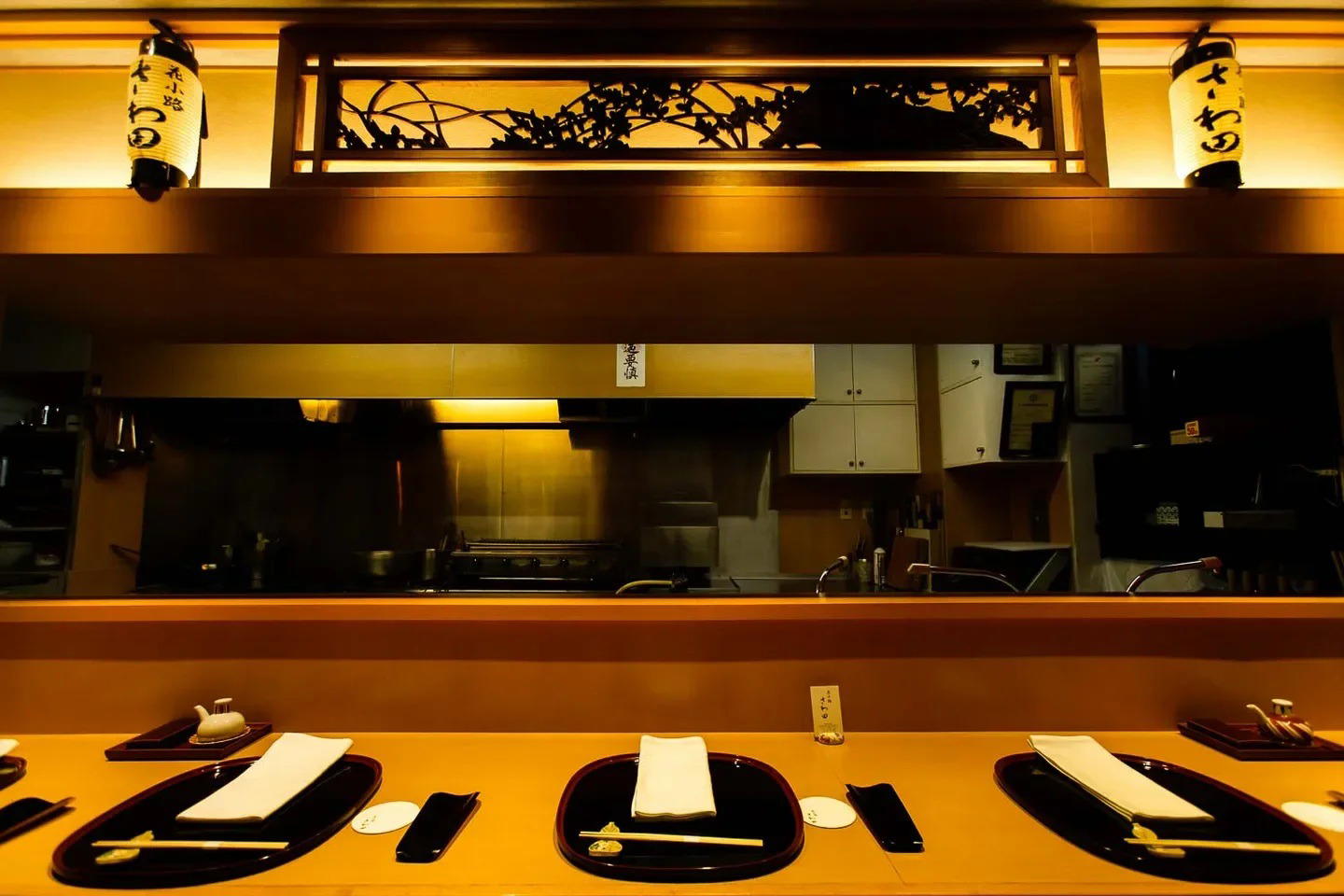
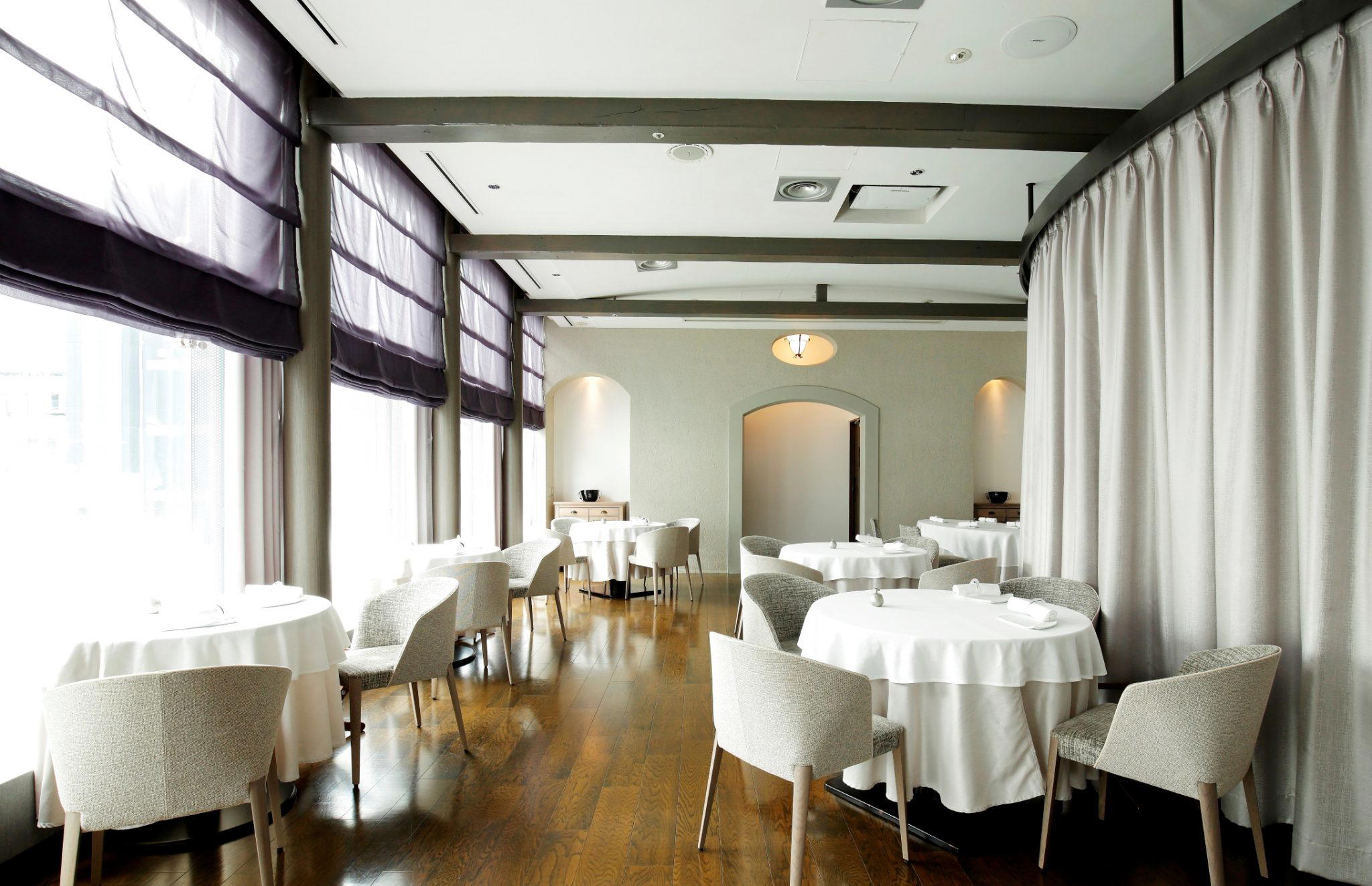
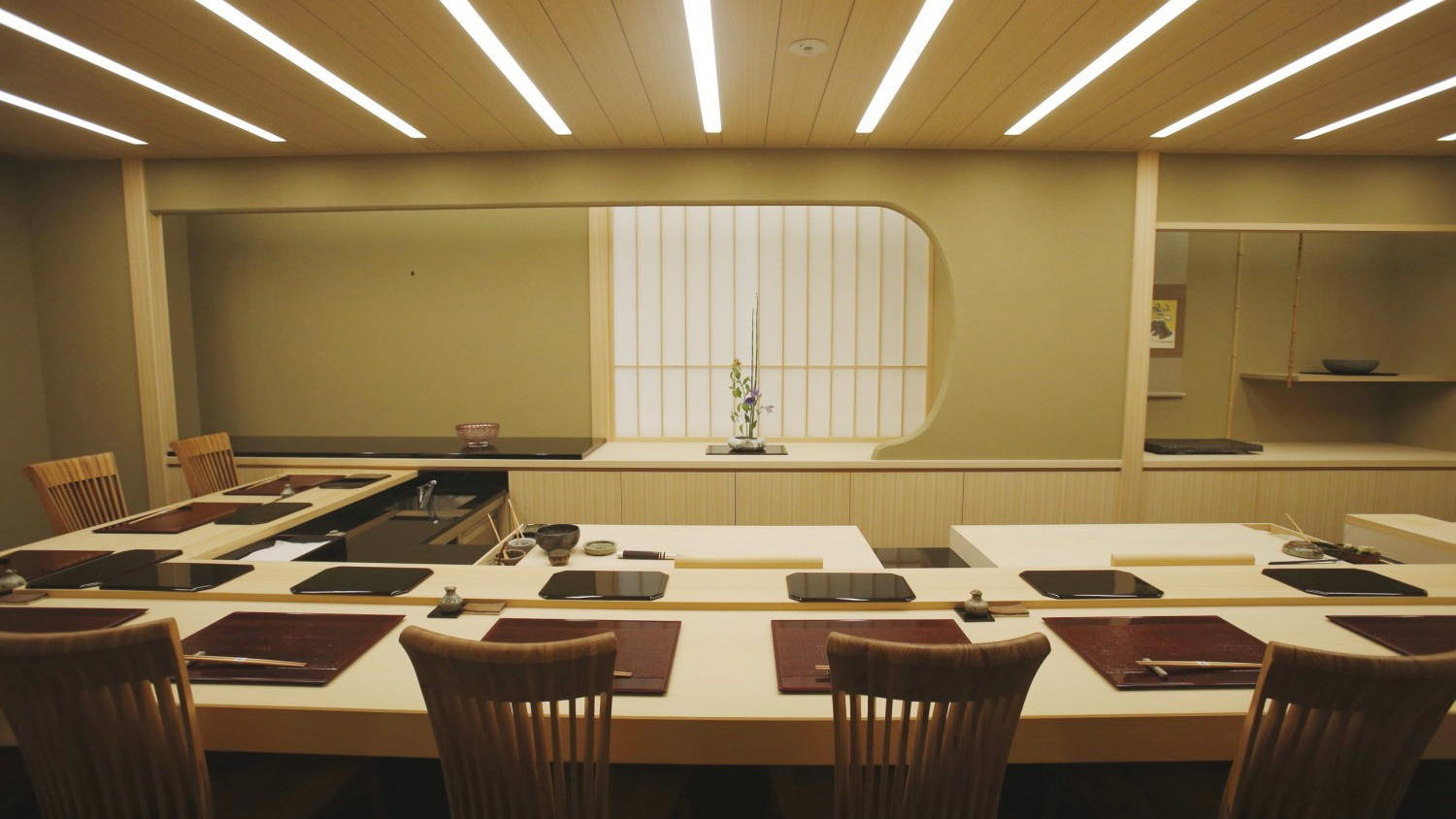
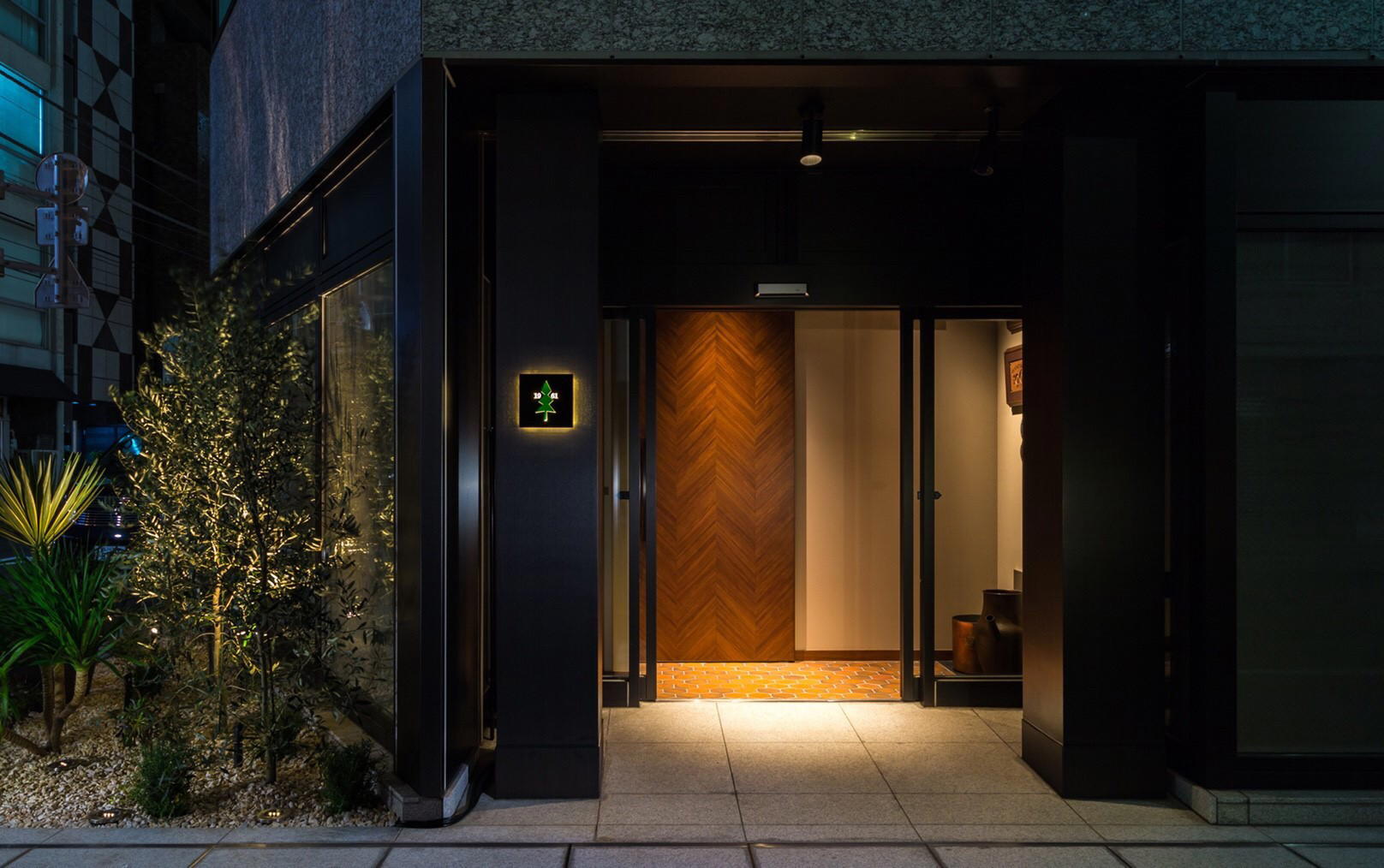
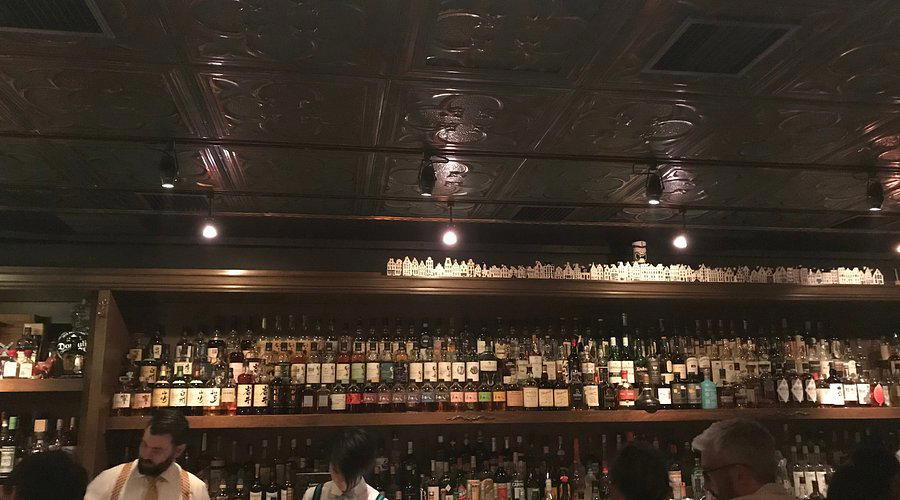
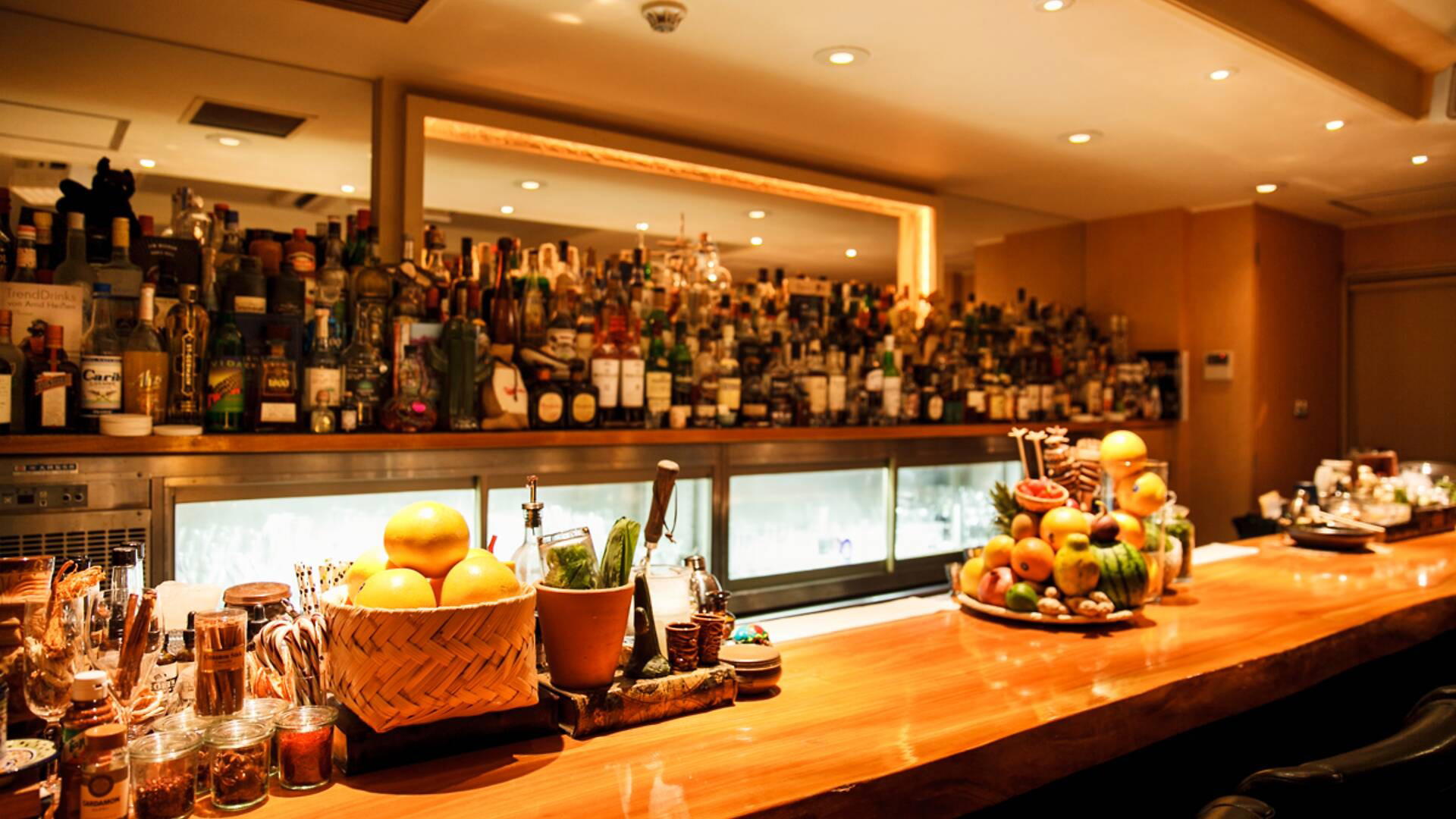
A small, non-smoking, American retro-style space with counter and table seating, relaxed vibe, and a bit of a hidden-hideout feel near Yoshikawakoen Station.