Chima Steakhouse Orlando

Chima Steakhouse on Sand Lake Road sits inside Orlando's Restaurant Row, where Brazilian churrasco format meets a formal, multi-course meat progression. The all-you-can-eat rodízio structure organizes the meal around continuous tableside carving rather than à la carte selection, placing it in a distinct tier from the city's conventional steakhouse options. Plan ahead: weekend covers fill quickly along this stretch.
Pearl is the En Primeur Club membership app — saves, bookings, and concierge access live there. Same editors, same standards.
- Address
- 7830 W Sand Lake Rd, Orlando, FL 32819
- Phone
- +13214046001
- Website
- chimasteakhouse.com
- Directions
- Get directions
 Saves & bookings on Pearl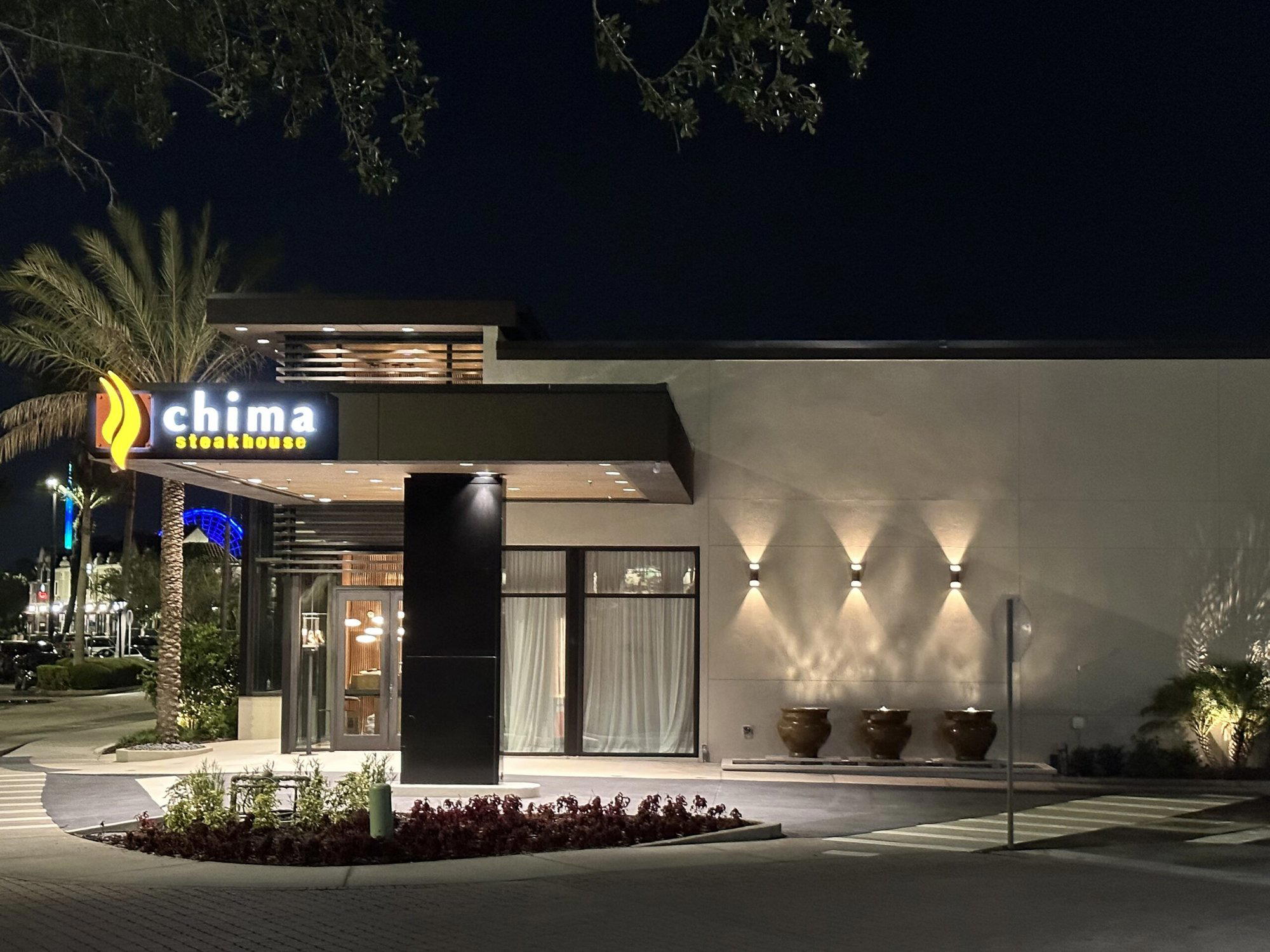
The Logic of the Gauchos' Table in Central Florida
Chima Steakhouse, at 7830 W Sand Lake Rd, operates on a structure that predates the Orlando dining scene by centuries: Brazilian rodízio, the tradition of continuous tableside carving that originated with gaucho cattle culture in the southern states of Rio Grande do Sul. Understanding the format is, in practice, understanding the meal.
How the Menu Is Built, and What That Reveals
The rodízio format is architectural by nature. Rather than a printed menu that routes a diner through courses chosen in advance, the Brazilian churrascaria model distributes decision-making across the entire meal. Passadores, the carving attendants, circulate through the room bearing skewers of meat at different stages of cooking, different fat contents, different cuts. The diner controls pace and portion through a two-sided table marker: green side up signals readiness; red side signals a pause. The menu, in this sense, is never finished, it is always mid-sentence.
This structural choice has real implications. A conventional steakhouse, including Orlando competitors like Capa (Steakhouse) at Four Seasons Resort, organizes the meal around a single centerpiece cut selected from a fixed list, with the kitchen managing all timing. Chima inverts that logic: the kitchen's output is continuous and the guest manages timing entirely. The salad bar operates as a separate section with composed dishes and hot sides.
This dual-track structure means arriving hungry but not ravenous is the practical calculation. Beginning at the salad station is conventional wisdom in the rodízio format worldwide, but restraint there matters: the carving sequence builds in intensity, moving from leaner birds and pork through beef picanha and ribeye to the fattiest cuts in later rotations. Pacing that arc correctly is what separates a satisfying meal from an exhausted one.
Meat Progression and the Salad Bar Counterbalance
Within the churrascaria tradition, picanha, the rump cap with a thick fat collar, is the reference cut against which the rest of the menu is judged. It is the cut most associated with Brazilian barbecue identity and the one regulars use to evaluate a churrascaria's credential. Alongside it, the standard rotations at venues in this format include chicken hearts, linguiça, lamb, and multiple preparations of beef, each arriving at different internal temperatures based on where a cut sits on the skewer relative to the heat source. The outermost slices are typically the well-done; a skilled passador will ask for preference and carve accordingly.
The salad bar in a serious Brazilian steakhouse is not an afterthought. At venues operating in the mid-to-upper segment, it typically anchors composed dishes: farofa (toasted manioc flour), vinagrete (the Brazilian-style tomato and pepper salsa), black beans, and a range of cured meats and cheeses.
Where Chima Sits in Orlando's Dining Tier
Orlando's upper dining tier has diversified considerably. Venues like Sorekara (Japanese), Camille (Vietnamese), Kadence (Japanese), and Natsu (Japanese) represent a more recent wave of chef-driven, format-specific dining that competes on precision and editorial identity. Chima operates in a different register entirely: its format is established rather than emerging, communal rather than intimate, and built for sustained duration rather than narrative economy. These are not competing propositions so much as different decisions about what a dinner should be.
Compared to nationally recognized steakhouse formats, from the tasting-menu precision of Le Bernardin in New York City to the farm-to-table integration at Blue Hill at Stone Barns in Tarrytown or the wine-country elegance of The French Laundry in Napa, the churrascaria sits in its own competitive category. It shares more DNA with abundance-format celebrations than with the restrained, chef-authored experiences that dominate award discourse. That is not a disadvantage; it is a format calibration. The reference set for evaluating a rodízio house includes Emeril's in New Orleans as an example of a venue that built its reputation on a specific culinary identity and held it through consistency over time, a durable model for any format-driven restaurant.
For those tracking the broader national fine-dining conversation, Orlando now sits in the same breath as cities hosting venues like Smyth in Chicago, Providence in Los Angeles, Addison in San Diego, Lazy Bear in San Francisco, Atomix in New York City, Single Thread Farm in Healdsburg, The Inn at Little Washington, and Atelier Moessmer Norbert Niederkofler in Brunico, a sign of how far the city's dining ambition has extended beyond its theme-park origin. Chima is not part of that chef-driven conversation, but it occupies a specific and consistent position in a market that now has room for multiple dining identities. See our full Orlando restaurants guide for the broader picture.
Planning the Visit
Booking ahead for Friday and Saturday evenings is recommended. The per-person cost is fixed rather than variable by order. Dress is smart casual.
What It’s Closest To
Comparable venues nearby, for context on price, style, and recognition.
| Venue | Cuisine | Price | Notes |
|---|---|---|---|
| Chima Steakhouse OrlandoThis venue — the venue you are viewing | Brazilian Rodizio Steakhouse | $$$ | Not listed |
| Adega Gaucha Orlando | Brazilian Churrascaria Steakhouse | $$$ | I Drive / Sand Lake |
| Divina Carne Orlando | Brazilian Steakhouse with Japanese & Italian | $$$$ | Convention Center |
| Corazon by Baires | Latin American Steakhouse | $$$ | Convention Center |
| Whisper Creek Farm | Farm-to-Table American Small Plates | $$$ | Sky Lake South |
| Trabucco | Coastal Italian Seafood | $$$ | Convention Center |
Recognition history
Dated appearances from independent guides and award organizations, with the underlying list record or original source where available.
Wine Spectator Award of Excellence
Wine Spectator
At a Glance
- Elegant
- Sophisticated
- Lively
- Date Night
- Group Dining
- Celebration
- Special Occasion
- Open Kitchen
- Private Dining
- Craft Cocktails
- Beer Program
- Local Sourcing
Current opening hours
- Monday
- 5:30–9 PM
- Tuesday
- 5:30–9 PM
- Wednesday
- 5:30–9 PM
- Thursday
- 5:30–9 PM
- Friday
- 5:30–10 PM
- Saturday
- 12:30–3 PM, 5–10 PM
- Sunday
- 12:30–3 PM, 4–9 PM
Hours can change for holidays and private events. Last verified .
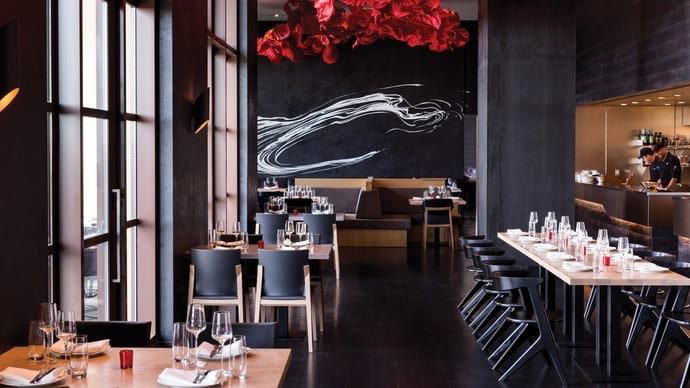
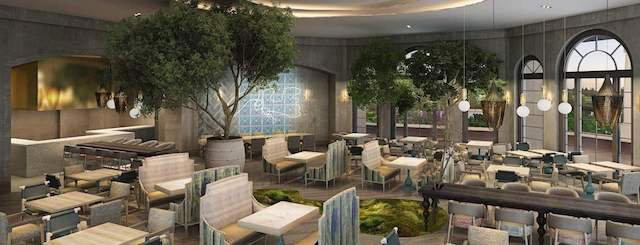
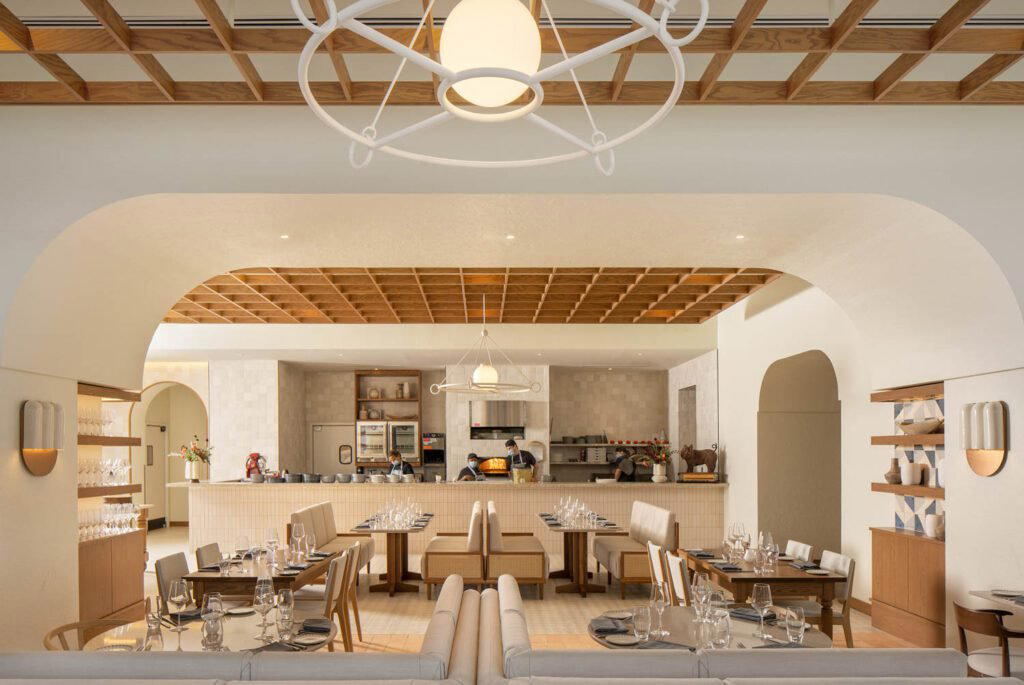
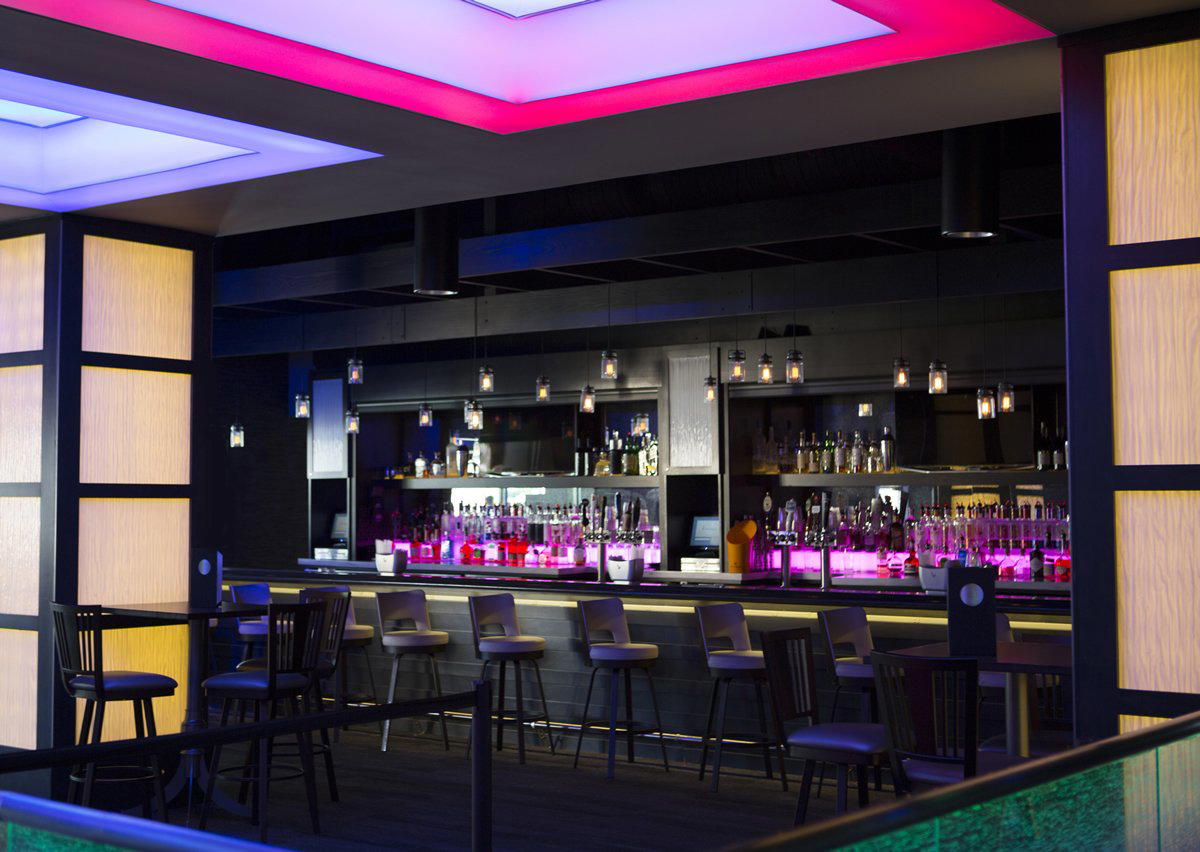
Upscale and energetic dining room with elegant setting, featuring tableside service by traditionally-dressed Brazilian gauchos creating an interactive and theatrical atmosphere.