Pakhuis occupies a converted warehouse in Ghent's historic centre, channelling the city's tradition of repurposing industrial architecture into contemporary dining spaces. The kitchen works within a broader Belgian pattern of pairing local produce with technique drawn from further afield, positioning it among Ghent's mid-to-upper casual dining tier. Address: Schuurkenstraat 4, 9000 Gent.
Pearl is the En Primeur Club membership app — saves, bookings, and concierge access live there. Same editors, same standards.
- Address
- Schuurkenstraat 4, 9000 Gent, Belgium
- Phone
- +3292235555
- Website
- pakhuis.be
- Directions
- Get directions
 Saves & bookings on Pearl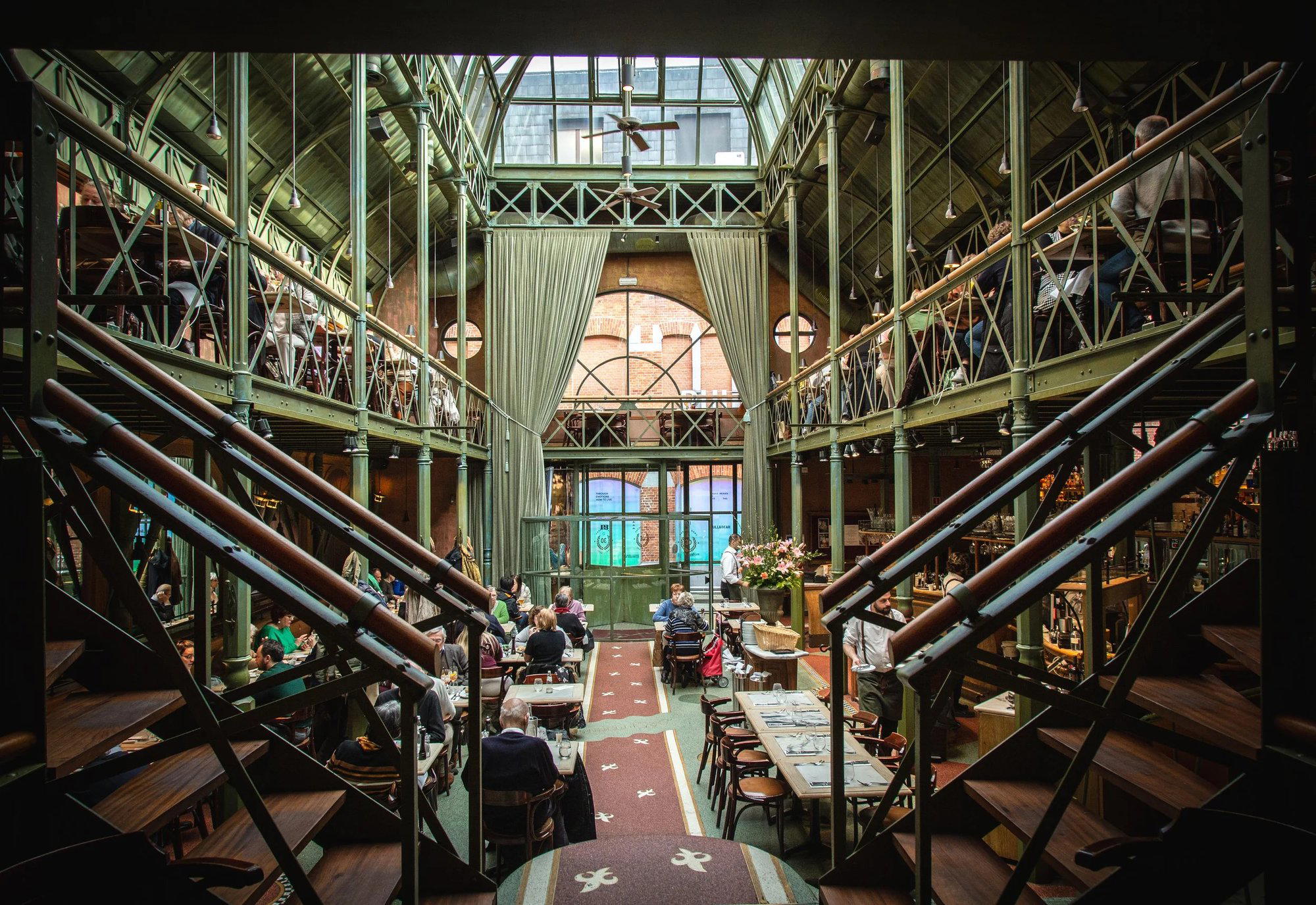
A Warehouse That Sets the Tone for Ghent Dining
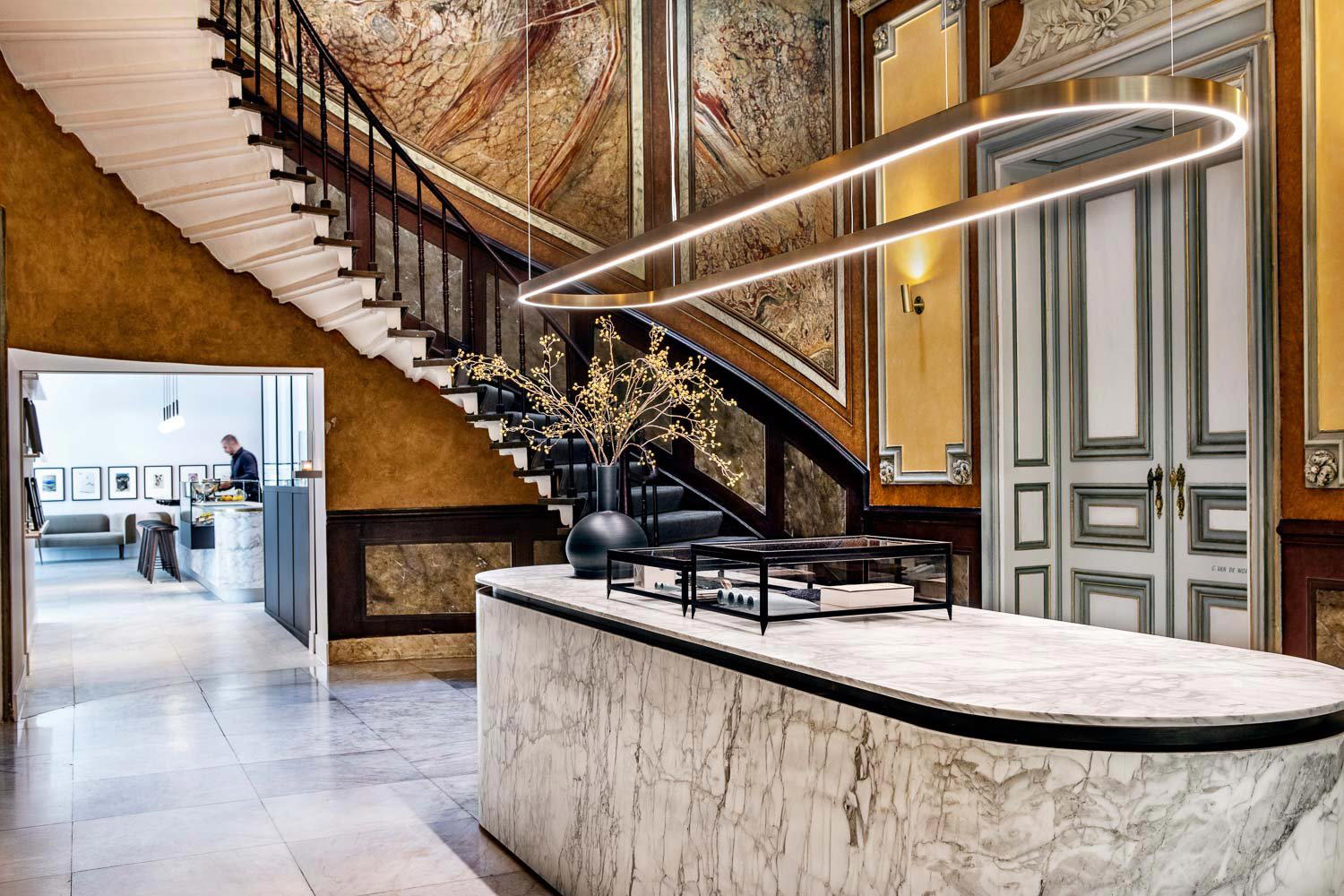
There is a particular kind of building that Ghent does better than almost any other Flemish city: the converted warehouse. High ceilings held up by iron columns, original brickwork left deliberately unplastered, and daylight pouring in through industrial-scale windows that were never designed with atmosphere in mind but create it effortlessly. Pakhuis, at Schuurkenstraat 4 in the heart of the city, is among the most frequently cited examples of this format. Before a single dish arrives, the space itself signals something about where Ghent's dining scene has been and where it is going. The word pakhuis means warehouse in Dutch, and the name is not metaphorical. The building's bones are still visible, and that decision to preserve rather than conceal sets an honest, confident tone that carries through to the plate.
Ghent's Approach to Produce and Technique
Belgian cooking at its most considered has always occupied an interesting position between French technical rigour and a more vernacular, ingredient-led North Sea tradition. In Ghent specifically, that tension has produced a restaurant culture that is notably less fixated on classical French hierarchy than Brussels, and more willing to let a good piece of East Flemish beef or a well-sourced waterzooi vegetable carry the argument. The wider dining scene in the city, which includes ambitious addresses like Arbane and the playful Astro Boy, has increasingly absorbed techniques from further afield while keeping provenance local. Pakhuis sits within that pattern. The kitchen's approach reflects a broader generational shift visible across Flemish dining: apply imported method to indigenous product, and let the architecture of the dish serve the ingredient rather than obscure it.
This is not a purely Belgian phenomenon. Across northern Europe, kitchens that once looked exclusively to French coding have spent two decades absorbing ideas from Japan, the Levant, and the Nordic countries. The difference in Ghent is that those imports tend to be edited through a pragmatic Flemish filter. BABÚ and Beiruti are useful reference points here: both pull global technique into a local dining frame without losing their Ghent address. Pakhuis operates on a larger, more brasserie-scaled canvas, which means the editorial ambition is broader but the execution must be consistent across a wider menu range.
The Industrial-Brasserie Format and What It Demands
The converted-warehouse brasserie is a distinct format with its own demands and its own logic. Scale matters. A 300-seat room requires a kitchen that can produce with consistency rather than inspiration, and the leading examples of this format across Europe — from certain Paris brasseries de gare to Antwerp's landmark dining rooms — succeed by treating volume as discipline rather than compromise. Zilte in Antwerp, while operating at a different price tier, demonstrates what Flemish kitchens can achieve when they take the regional larder seriously. Pakhuis operates further down the formality register, which is not a criticism: the brasserie format serves a function that the tasting-menu counter cannot, drawing in a broader cross-section of the city rather than a narrow slice of it.
The format also suits Ghent's identity as a student city with a strong local dining culture that does not require international validation to feel confident. The city's restaurants are less dependent on destination-dining visitors than Bruges, and that local pressure creates a different kind of accountability. A room that fills nightly with people who live nearby and return regularly is subject to a more granular form of scrutiny than one that turns over tables of tourists who will never come back.
Ghent's mid-to-upper casual dining tier has grown considerably in the last decade. Addresses like Bij Den Wijzen En Den Zot represent a more intimate, neighbourhood-scaled version of the same local-produce commitment. Pakhuis competes on a different axis: it offers the kind of space where a table of ten can eat well on a Wednesday evening without the booking complexity of the city's smaller, tighter-capacity rooms. That is a specific value proposition, and it is one the Ghent market consistently rewards.
Nationally, Belgium's reference points for the technique-meets-terroir argument are well-established. Hof van Cleve in Kruishoutem and Boury in Roeselare operate at the formal end of that spectrum. Further down the coast, Bartholomeus in Heist and Willem Hiele in Oudenburg take a more elemental approach to the same North Sea larder. Pakhuis does not sit in direct competition with any of them, but the underlying logic of pairing global technique with Belgian produce connects it to the same national conversation. For international reference, the discipline of letting the ingredient lead technique is visible in kitchens as different as Le Bernardin in New York City and Atomix in New York City, though the register and price tier are entirely different. The principle travels; the expression is local.
Other Belgian addresses worth mapping against this context include Bozar Restaurant in Brussels, Castor in Beveren, d'Eugénie à Emilie in Baudour, De Jonkman in Sint-Kruis, and L'air du temps in Liernu, each of which works through a version of the same local-product, imported-technique negotiation at different price points and formats.
Planning a Visit
Pakhuis is at Schuurkenstraat 4, 9000 Gent, placing it within easy walking distance of the historic centre and the main canal belt. Ghent's compact core means it is reachable from most of the city's key neighbourhoods on foot or by tram. For a room of this scale and visibility, booking ahead for dinner, particularly on weekend evenings, is the sensible approach: large-format brasseries in popular Belgian city centres fill quickly from Thursday through Saturday, and the warehouse space, however generous, does not expand to absorb last-minute demand. Lunch tends to offer more flexibility. For the full context of what Ghent's dining scene offers across price tiers and formats, the EP Club Ghent restaurants guide maps the city's key addresses in detail.
At a Glance
- Industrial
- Lively
- Elegant
- Modern
- Well Known
- Business Dinner
- Group Dining
- Open Kitchen
- Historic Building
- Farm To Table
- Local Sourcing
Current opening hours
- Monday
- 12–2:15 PM, 6:30–10:30 PM
- Tuesday
- 12–2:15 PM, 6:30–10:30 PM
- Wednesday
- 12–2:15 PM, 6:30–10:30 PM
- Thursday
- 12–2:15 PM, 6:30–10:30 PM
- Friday
- 12–2:15 PM, 6:30–11 PM
- Saturday
- 12–2:15 PM, 6:30–11 PM
- Sunday
- Closed
Hours can change for holidays and private events. Last verified .
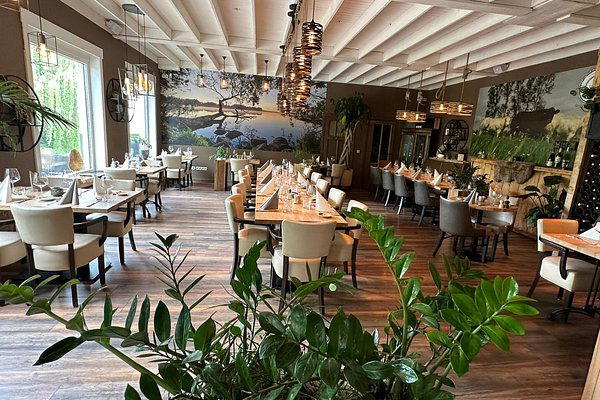
Bright, high-ceilinged industrial space with glass ceilings, dining balconies, and an animated atmosphere.
Know Before You Go
- Getting there
- Schuurkenstraat 4, 9000 Gent, Belgium