De Rave occupies a storied address on Schepenhuisstraat in central Ghent, placing it within a city whose restaurant scene has become one of Belgium's most ethically engaged. Among Ghent's growing cohort of sustainability-conscious tables, De Rave draws attention for its position in a neighbourhood dense with culinary ambition, sitting alongside contemporaries who treat sourcing and waste reduction as core disciplines rather than marketing postures.
Pearl is the En Primeur Club membership app — saves, bookings, and concierge access live there. Same editors, same standards.
- Address
- Schepenhuisstraat 2, 9000 Gent, Belgium
- Phone
- +32 9 225 96 60
- Website
- restaurantderave.be
- Directions
- Get directions
 Saves & bookings on Pearl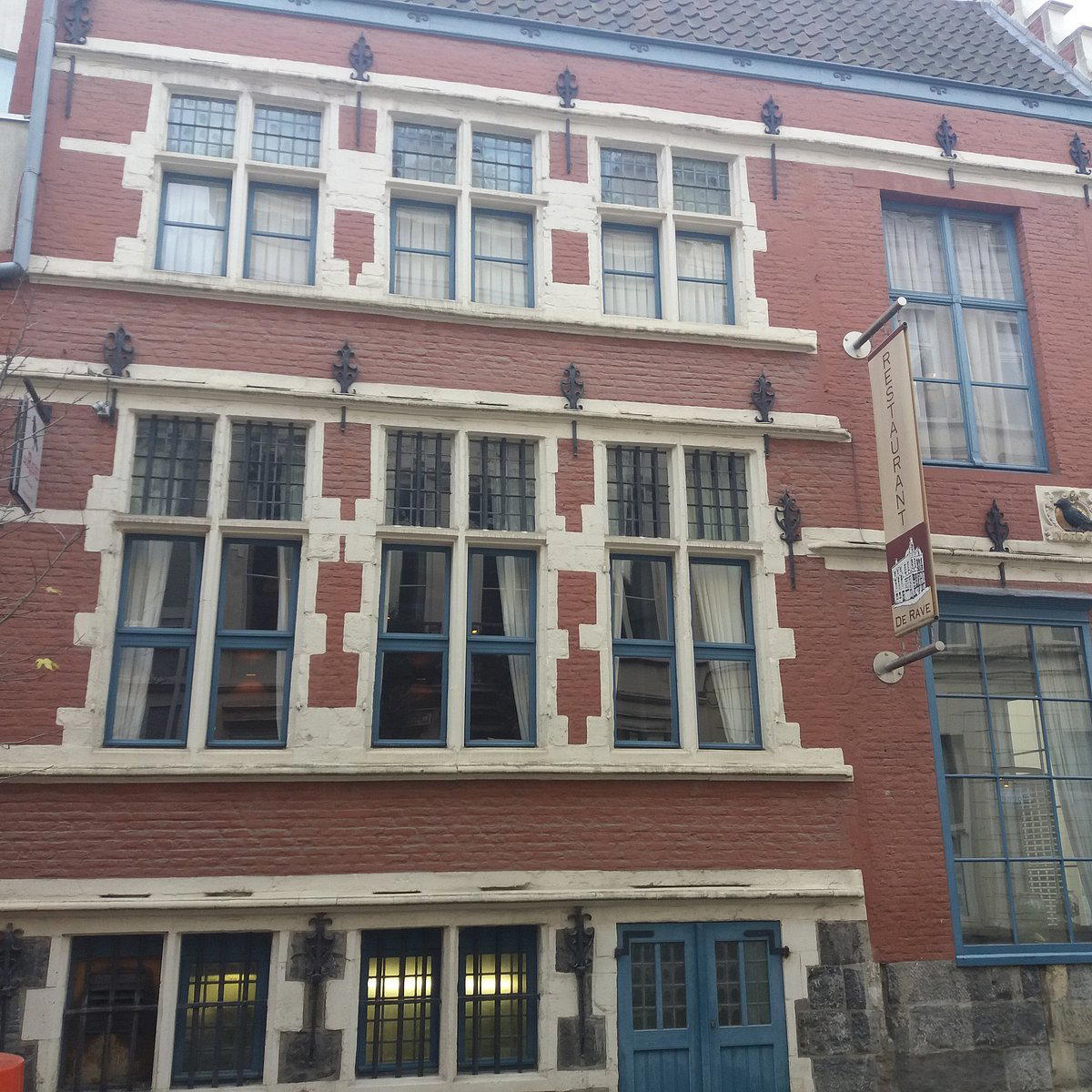
Ghent's Sustainability Turn and Where De Rave Sits Within It
Ghent has spent the past decade building a reputation that distinguishes it from Brussels and Antwerp in one specific way: it takes environmental responsibility in food seriously at the institutional level, not just the trend level. The city introduced a weekly meat-free day in 2009, a policy that predated mainstream conversation about food systems by years, and that early commitment filtered into the dining culture. Restaurants here are more likely to name their suppliers, run tight waste programmes, and rotate menus around what's available than to maintain a static card engineered around customer expectations. De Rave, addressed at Schepenhuisstraat 2 in central Gent, sits inside that tradition.
The street itself anchors a part of the city where medieval building stock presses close to the canal network, and where the density of serious restaurants has made the area a reliable circuit for anyone spending more than a day in the city. Neighbours in ambition, if not always in format, include Vrijmoed in Gent, which has built a following around vegetable-forward cooking and careful sourcing, and Arbane, whose tighter format signals the kind of precision that has become the local benchmark. De Rave operates on this same block, in a city where proximity to strong competition sharpens rather than dilutes the offer.
The Ethical Sourcing Frame: What It Means in Practice in Belgian Fine Dining
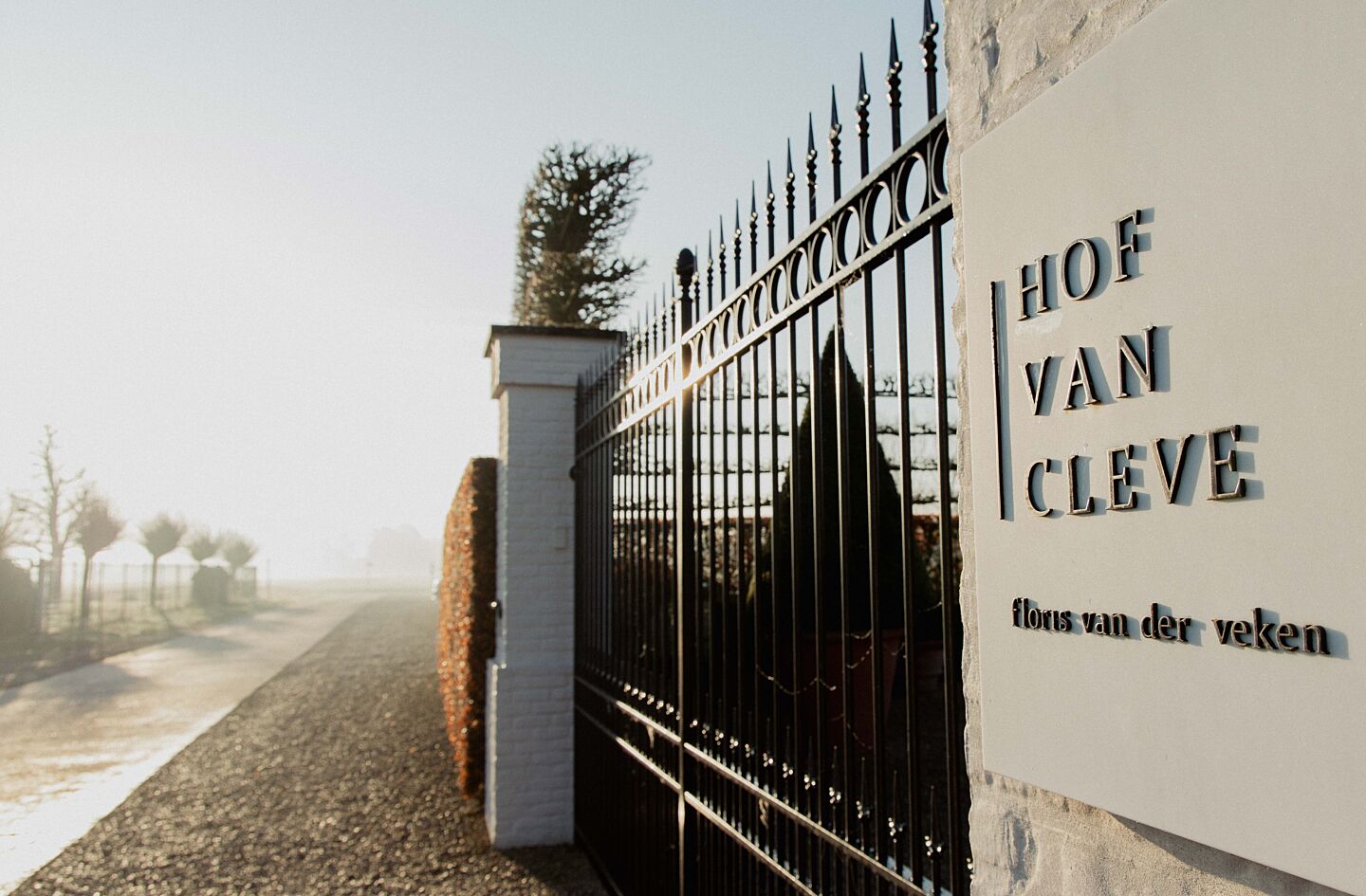
Belgium's most celebrated kitchens have moved steadily toward supply-chain transparency over the past decade. At tables like Hof van Cleve in Kruishoutem and Boury in Roeselare, the sourcing narrative is inseparable from the menu narrative. Closer to the coast, Willem Hiele in Oudenburg has made ethical fishing and hyperlocal foraging central to its identity. In Antwerp, Zilte operates at a different register but with the same underlying seriousness about ingredient provenance. What connects these kitchens is a shift away from importing prestige ingredients and toward building menus around what Belgian and Flemish producers can actually supply at a given moment in the season.
That context matters when reading any Ghent restaurant that positions itself in this space. Sustainability, in Belgian fine dining, has become less a moral claim and more an operational discipline: shorter supply chains reduce cost volatility, seasonal constraints force creativity, and waste reduction programmes compress overheads. Restaurants that commit to these systems tend to develop a particular kind of menu intelligence, where the dish architecture is built around the available ingredient rather than the ingredient being sourced to fit a predetermined concept.
The Schepenhuisstraat Address: Neighbourhood Character and Dining Density
Schepenhuisstraat runs through one of Ghent's most historically layered districts, close to the Graslei and Korenlei waterfront and within easy walking distance of the Gravensteen. The foot traffic here skews toward visitors who have done some research and locals who treat the area as a default circuit for mid-week dinners. It is not a neighbourhood of tourist-first dining; the concentration of kitchens with genuine culinary ambition is high enough that casual visitors tend to self-select into the more obvious waterfront options, leaving the tighter, quieter rooms to a more deliberate clientele.
Other addresses in this orbit include Astro Boy, BABÚ, and Beiruti, each approaching the city's multicultural ingredient vocabulary from a different angle. BIJ DEN WIJZEN EN DEN ZOT BVBA occupies a longer-standing position in the local conversation, the kind of address that regulars return to because the format is reliable rather than because it is fashionable. De Rave operates in this environment, where the competitive pressure is real and the diner arriving on Schepenhuisstraat is likely to have made a considered choice rather than a spontaneous one.
Belgian Dining Beyond Ghent: The Regional Frame
Understanding De Rave's position requires some sense of the broader Belgian restaurant circuit. The country punches above its size in formal dining; the concentration of Michelin-recognised tables per capita is among the highest in Europe, and the standards that have developed around sourcing, technique, and service at tables like Bozar Restaurant in Brussels and d'Eugénie à Emilie in Baudour have raised the baseline expectations for what a serious Belgian kitchen looks like. Further afield, the format discipline at places like La Durée in Izegem, Cuchara in Lommel, and Ralf Berendsen in Neerharen confirms that ambition in Belgian dining is not concentrated in any single city. Internationally, the conversation around sustainability-led tasting menus has been shaped by kitchens like Le Bernardin in New York City and Lazy Bear in San Francisco, where the sourcing story has become part of the menu's editorial logic. De Rave participates in a Ghent-specific version of this broader shift.
Planning a Visit
De Rave is located at Schepenhuisstraat 2, 9000 Gent, in a part of the city that is walkable from the main train station in under twenty minutes and directly accessible from the Graslei waterfront. As with most serious Ghent addresses, booking ahead is advisable; the dining room at this level of the city's restaurant circuit tends to fill early in the week, and weekend availability is tighter. Current contact details, hours, and reservation options are best confirmed directly with the venue, as these can shift seasonally. For a broader overview of what Ghent's restaurant scene offers across different formats and price points, see our full Ghent restaurants guide.

At a Glance
- Cozy
- Intimate
- Classic
- Date Night
- Special Occasion
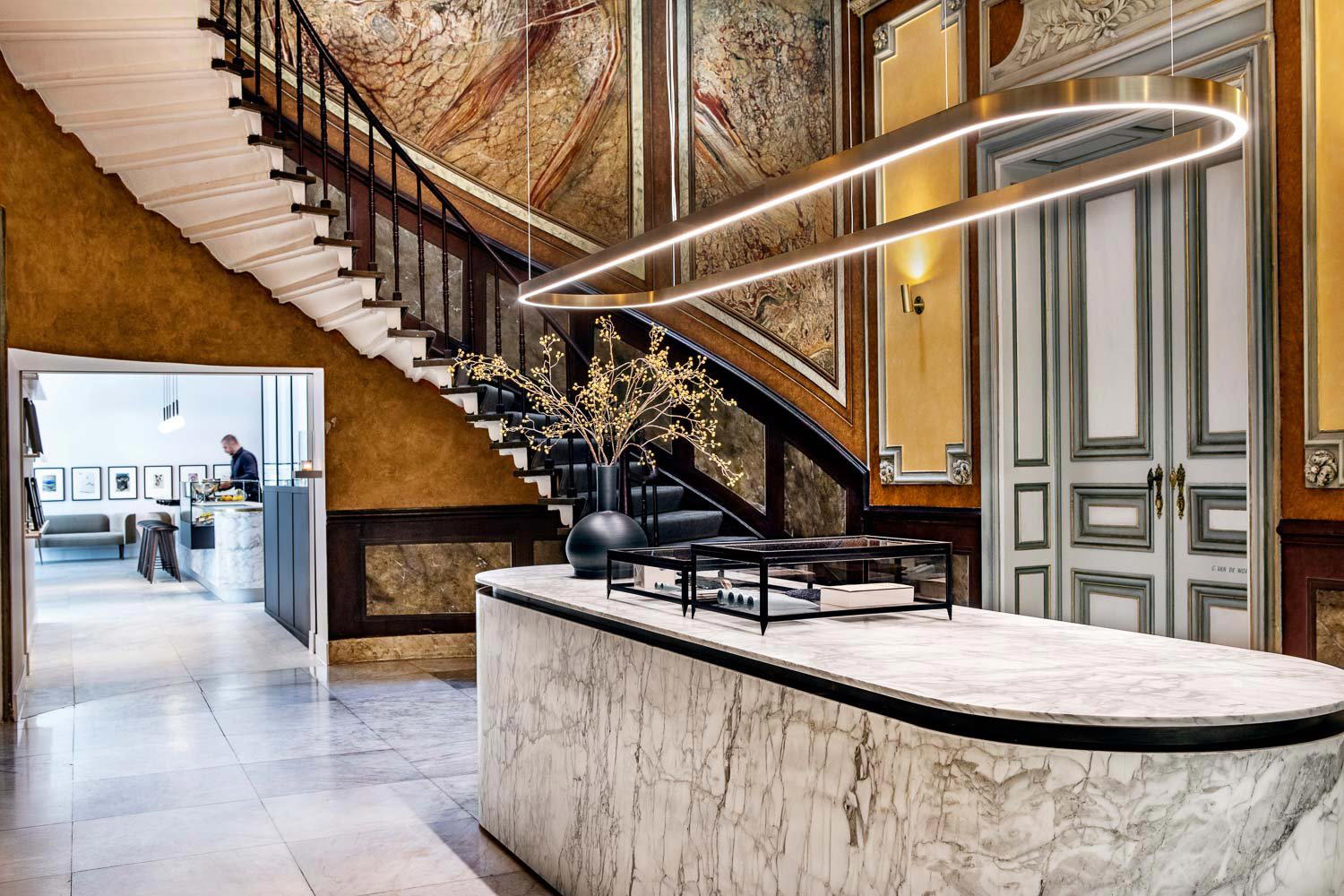
- Historic Building
Current opening hours
- Monday
- Closed
- Tuesday
- Closed
- Wednesday
- Closed
- Thursday
- Closed
- Friday
- 12–1 PM, 6–8 PM
- Saturday
- 6–8 PM
- Sunday
- 12–1 PM, 6–8 PM
Hours can change for holidays and private events. Last verified .
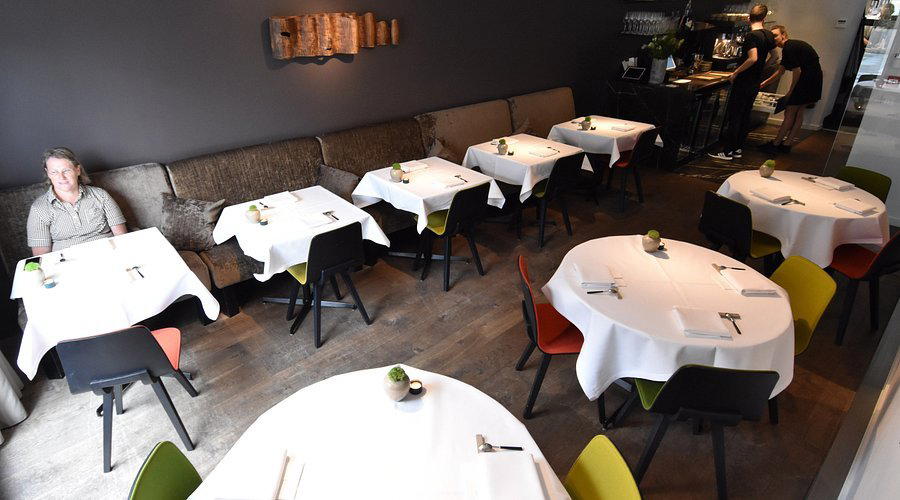
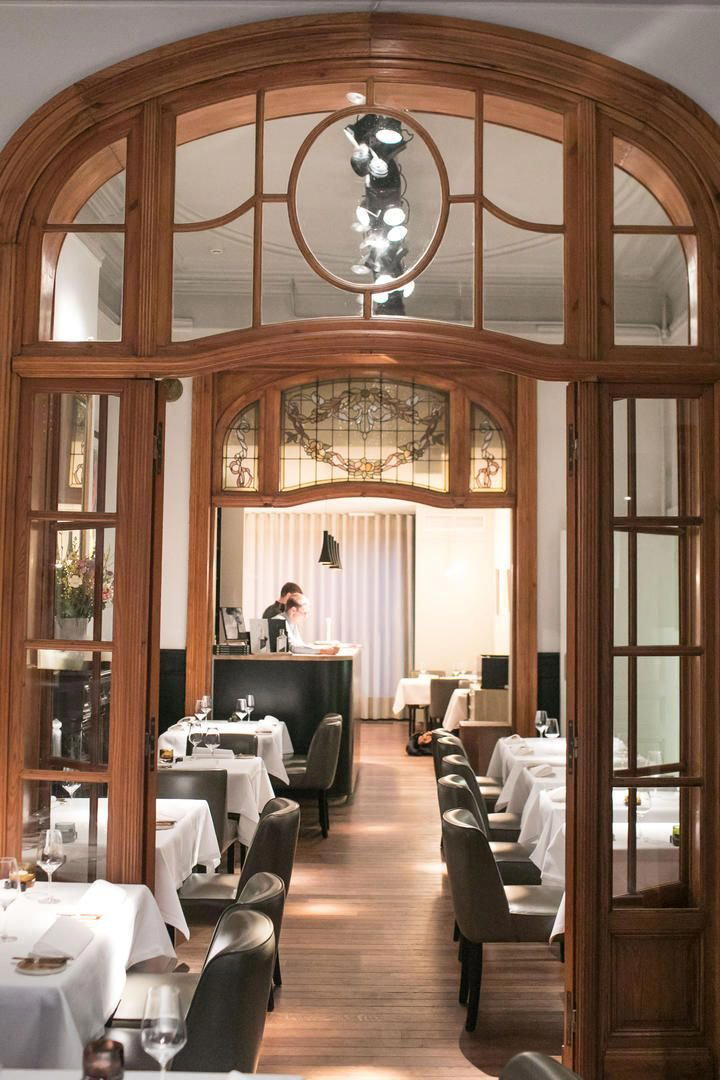
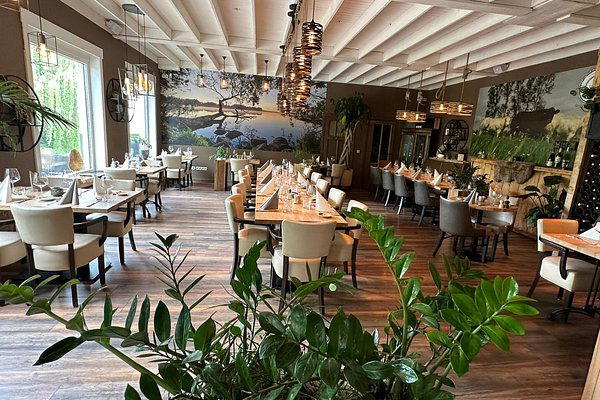
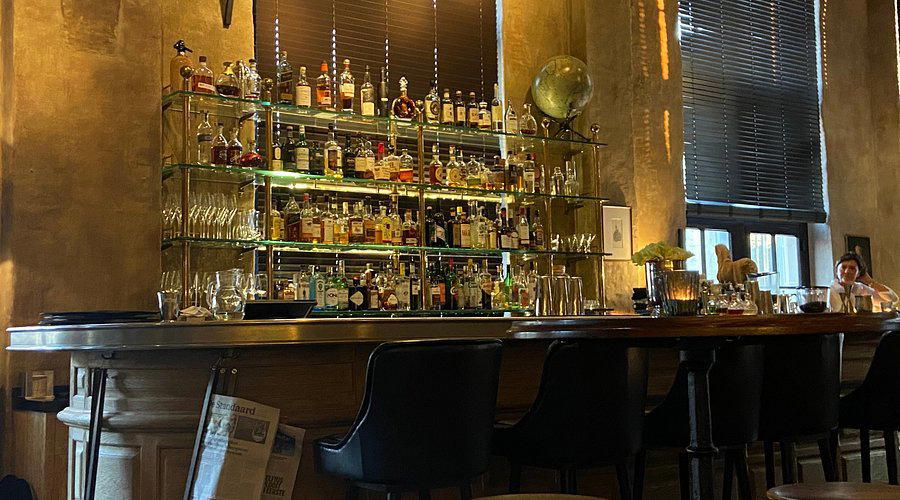
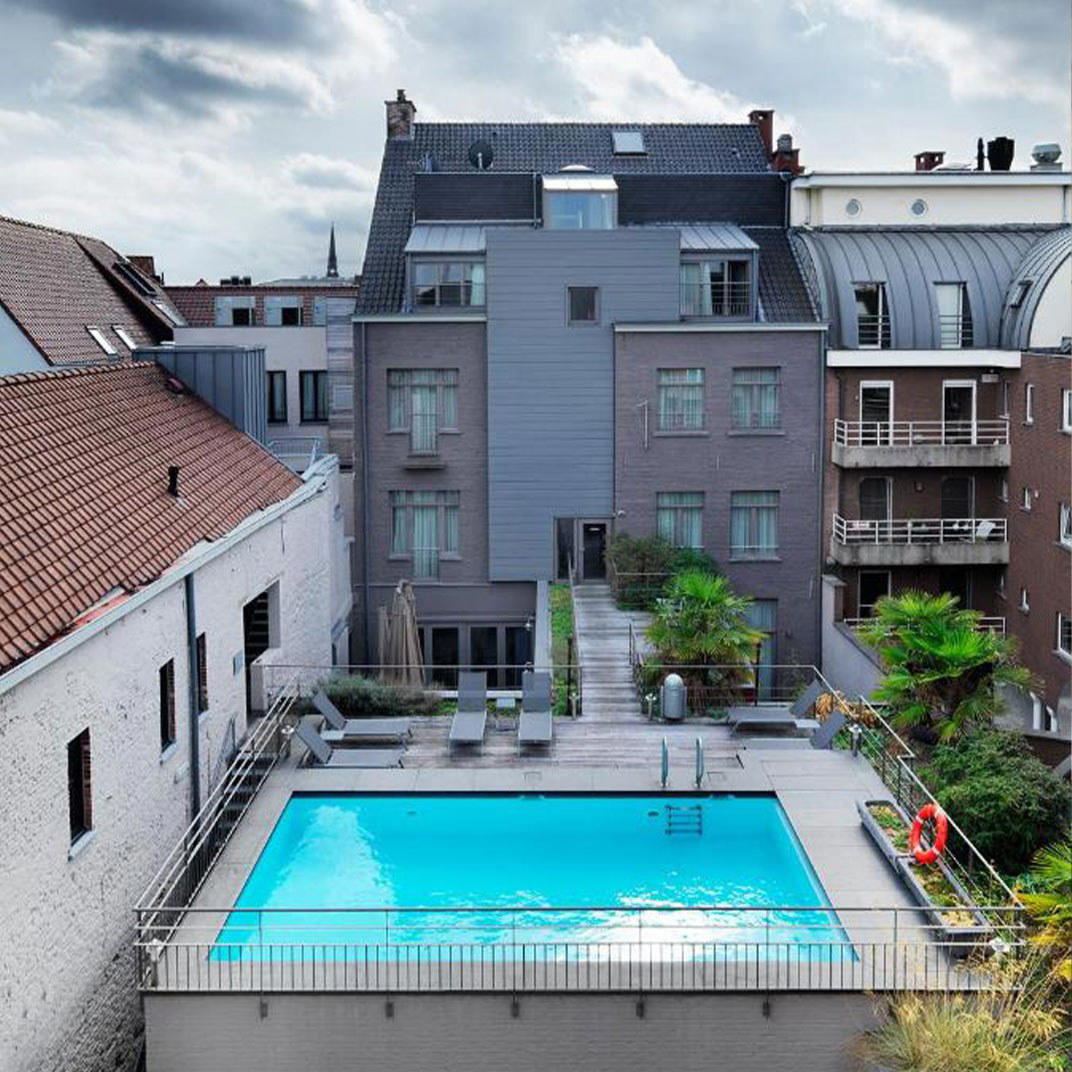
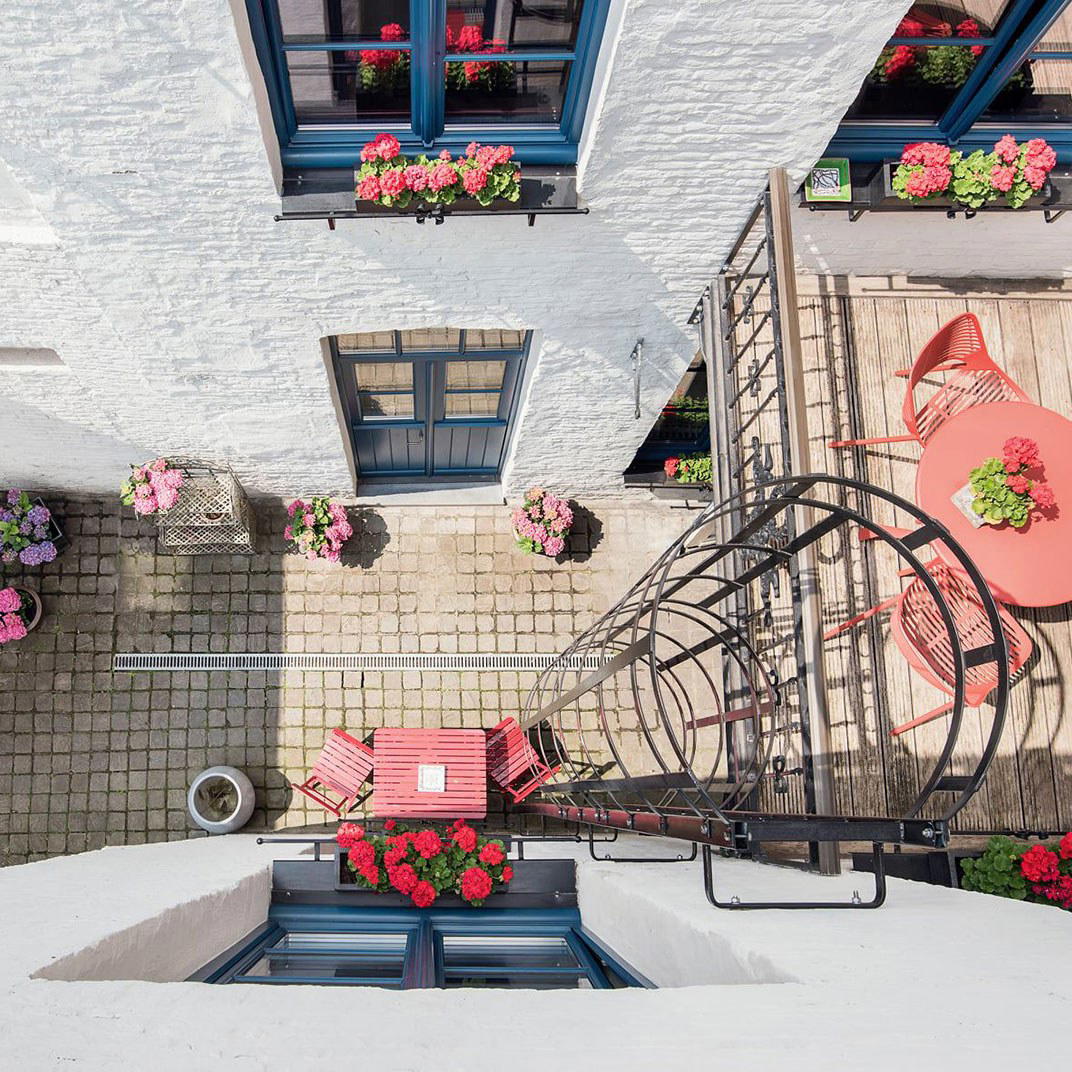
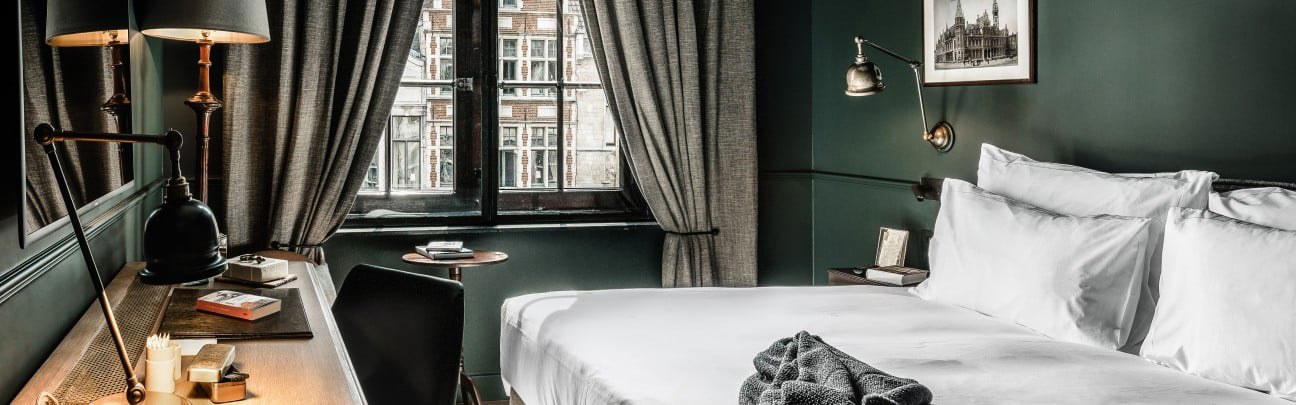
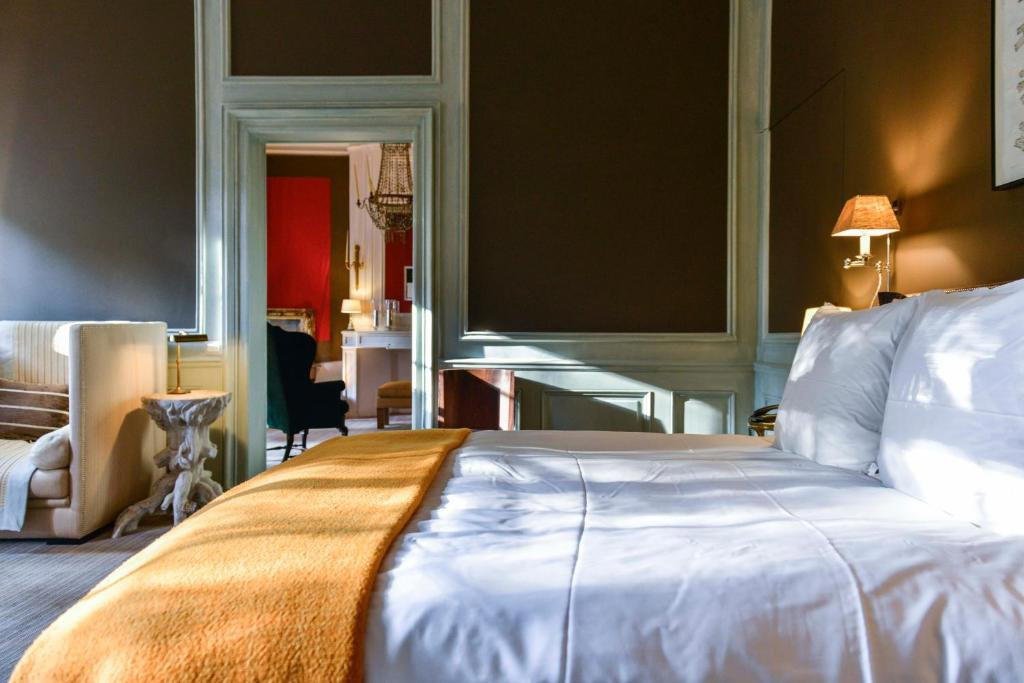
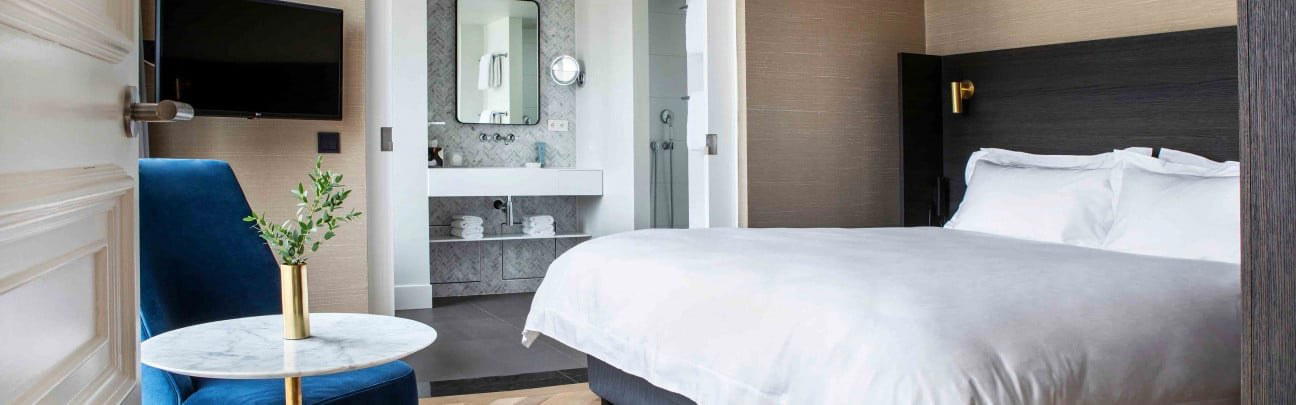
Cozy and intimate atmosphere with white tablecloths, sufficient privacy, and a peaceful oasis in the city center.
Know Before You Go
- Getting there
- Schepenhuisstraat 2, 9000 Gent, Belgium