
PAI brings Northern Thai cooking to downtown Toronto's Financial District with a commitment to regional specificity that separates it from the city's broader Thai dining scene. The address on Duncan Street puts it within reach of both the theatre district and the core.
Pearl is the En Primeur Club membership app — saves, bookings, and concierge access live there. Same editors, same standards.
- Address
- 18 Duncan St, Toronto, ON M5H 3G8, Canada
- Phone
- +1 416-901-4724
- Website
- paitoronto.com
- Directions
- Get directions
 Saves & bookings on Pearl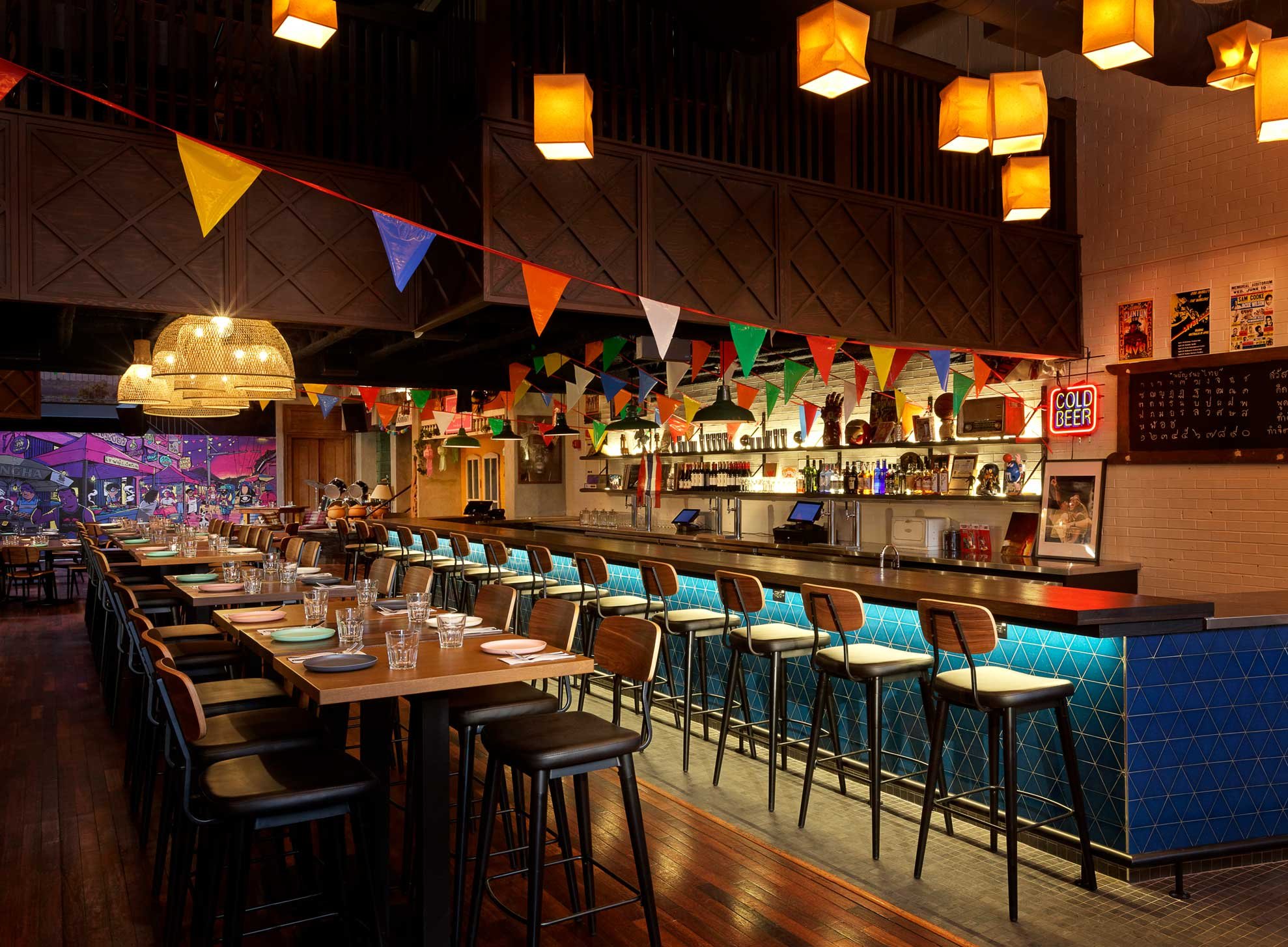
Northern Thai in the Financial District: The Scene PAI Occupies
Duncan Street sits at the edge of Toronto's Financial District, a block where lunch crowds move fast and evening diners tend to want something with more specificity than a broad pan-Asian menu. That specificity is precisely what Northern Thai cooking delivers when it's done with regional seriousness, and it's what separates PAI from the majority of Thai restaurants operating in the city at a comparable price point. Northern Thai cuisine draws from a landlocked culinary tradition centered on Chiang Mai and the surrounding highlands: curries built on fermented soybean pastes rather than coconut milk, grilled meats with dry herb rubs, and noodle dishes with a distinct lineage from neighboring Shan State and Yunnan province across the border. In Toronto, where the broader Thai dining market skews toward central Thai standards, a restaurant holding to that northern register occupies a narrower, more committed position.
PAI has received Michelin Plate recognition in both 2024 and 2025, a designation that signals consistent cooking quality without necessarily implying the tasting-menu formality of a starred room. In Toronto's current Michelin cohort, that places PAI alongside a tier of restaurants recognized for reliable execution at accessible price points, a different competitive conversation from the $$$$ rooms like Alo, Sushi Masaki Saito, or Aburi Hana. The $$ price bracket is deliberate, Northern Thai food, even at its most accomplished, doesn't carry the same premium signaling as omakase or kaiseki, and PAI prices accordingly.
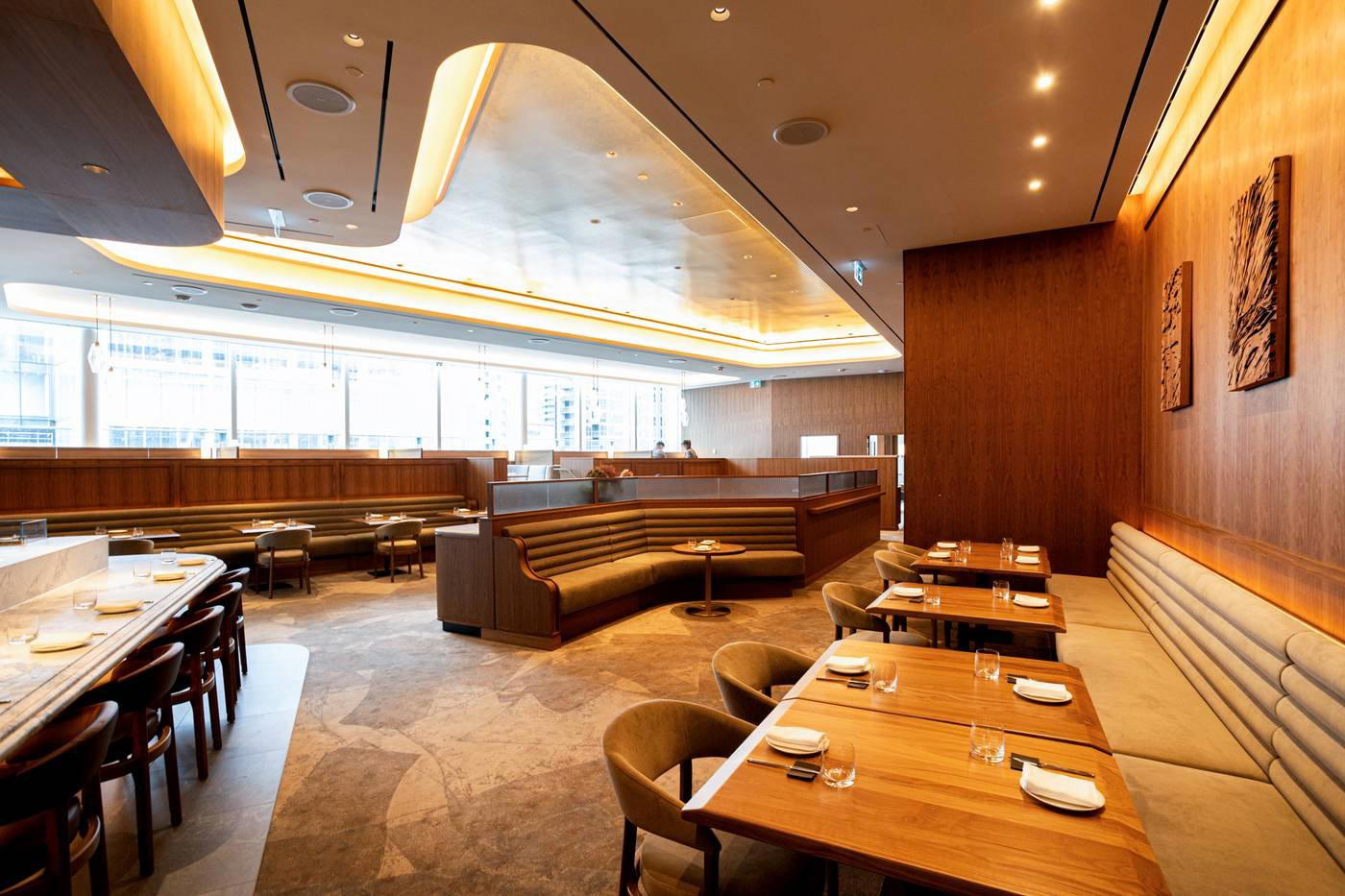
The Dining Room and What to Expect on Arrival
That review volume is worth pausing on. Ratings sustained across a large sample over multiple years, rather than concentrated in a short window, tend to reflect operational reliability more than novelty effect, the restaurant is drawing repeat visitors and new arrivals at a sustained rate, not coasting on a recent opening buzz.
Service is structured for the neighbourhood: efficient enough for a lunch block, relaxed enough to support a longer evening meal. The Financial District draws a professional crowd that knows how to read a room, and PAI's positioning between the quick-service end of the market and the formal tasting-menu tier suits that demographic without pandering to it.
The Drinks Program: Where Northern Thai Kitchens and Wine Lists Intersect
Northern Thai cuisine presents a specific challenge for wine pairing that distinguishes it from the broader Thai dining context. The fermented, funky bases of northern curries, the heat from dried chilies, and the brightness of fresh herbs call for wines that can hold their own without amplifying tannin-driven bitterness. In practice, particularly coherent pairings tend to come from aromatic whites, Alsatian Gewürztraminer, off-dry Riesling from the Mosel or Clare Valley, and lighter Pinot Gris, and from lower-alcohol reds with high acidity and minimal extraction. Gamay from Beaujolais or lighter Pinot Noir from cooler climates handles a broader range of northern Thai dishes better than the Cabernet-heavy pours that would work against the cuisine's flavor profile.
Toronto's mid-range dining market has become noticeably more wine-literate over the past decade, with a number of $$ and $$$ restaurants carrying lists that go beyond the obligatory house pours. For a Northern Thai kitchen, a drinks program that acknowledges the cuisine's pairing demands, rather than defaulting to a generic import list, is the difference between a competent wine offering and one that actually adds to the meal. Given PAI's Michelin recognition and its sustained standing in the Toronto dining conversation, the expectation is that the drinks side of the experience at least reflects awareness of the cuisine it's serving.
Thai beer and non-alcoholic alternatives remain one common choice at Northern Thai restaurants across Southeast Asia, a practical reflection of how the food was historically consumed. Visitors who want to understand the cuisine in context, rather than through a Western pairing lens, will find that approach equally valid at PAI. For comparison with the source tradition, Busarin Cuisine in Chiang Mai and Chum in Saraphi both represent Northern Thai cooking in its home geography.
PAI in the Wider Toronto and Canadian Dining Picture
Toronto's Michelin-recognized dining scene covers a wide range of formats and price points. At the formal end, rooms like DaNico and Don Alfonso 1890 operate in the contemporary Italian register with $$$$ pricing and a different set of expectations around pacing and ceremony. PAI operates in a different register entirely, regional specificity at a democratic price, recognized by the same guide but serving a different function in the city's dining ecosystem.
Within Canada, the conversation around regional and culturally specific cooking has shifted considerably. Restaurants like Tanière³ in Québec City and AnnaLena in Vancouver represent different expressions of that same impulse, cooking that commits to a specific tradition rather than hedging toward broad palatability. Jérôme Ferrer's Europea in Montreal, Narval in Rimouski, The Pine in Creemore, and Restaurant Pearl Morissette in Lincoln extend that picture further across the country's culinary geography.
Planning Your Visit
PAI is located at 18 Duncan Street in the Financial District. The $$ price point makes it one of the more approachable Michelin-recognized addresses in the city. Reservations are recommended, especially for dinner and weekend visits.
Credentials Lens
Comparable venues nearby, for context on price, style, and recognition.
| Venue | Cuisine | Price | Awards | Notes |
|---|---|---|---|---|
| PAIThis venue — the venue you are viewing | Northern Thai Kitchen | $$ | Michelin Plate | Not listed |
| Bar Vendetta | Italian Wine Bar with Pasta | $$ | Michelin Plate | Little Italy |
| Pai Northern Thai | Northern Thai Street Food | $$ | Not listed | Entertainment District |
| Queen Mother Cafe | Global Comfort Food with Lao-Thai Influence | $$ | Not listed | Queen West |
| The Wood Owl | Seasonal Small Plates Wine Bar | $$ | Michelin Plate | Danforth Village |
| Thai Express | Fast-Casual Thai | $$ | Not listed | Old Toronto |
Recognition history
Dated appearances from independent guides and award organizations, with the underlying list record or original source where available.
Michelin Plate
Michelin
Michelin Plate
Michelin
Continue exploring
More in Toronto
Restaurants in Toronto
Browse all →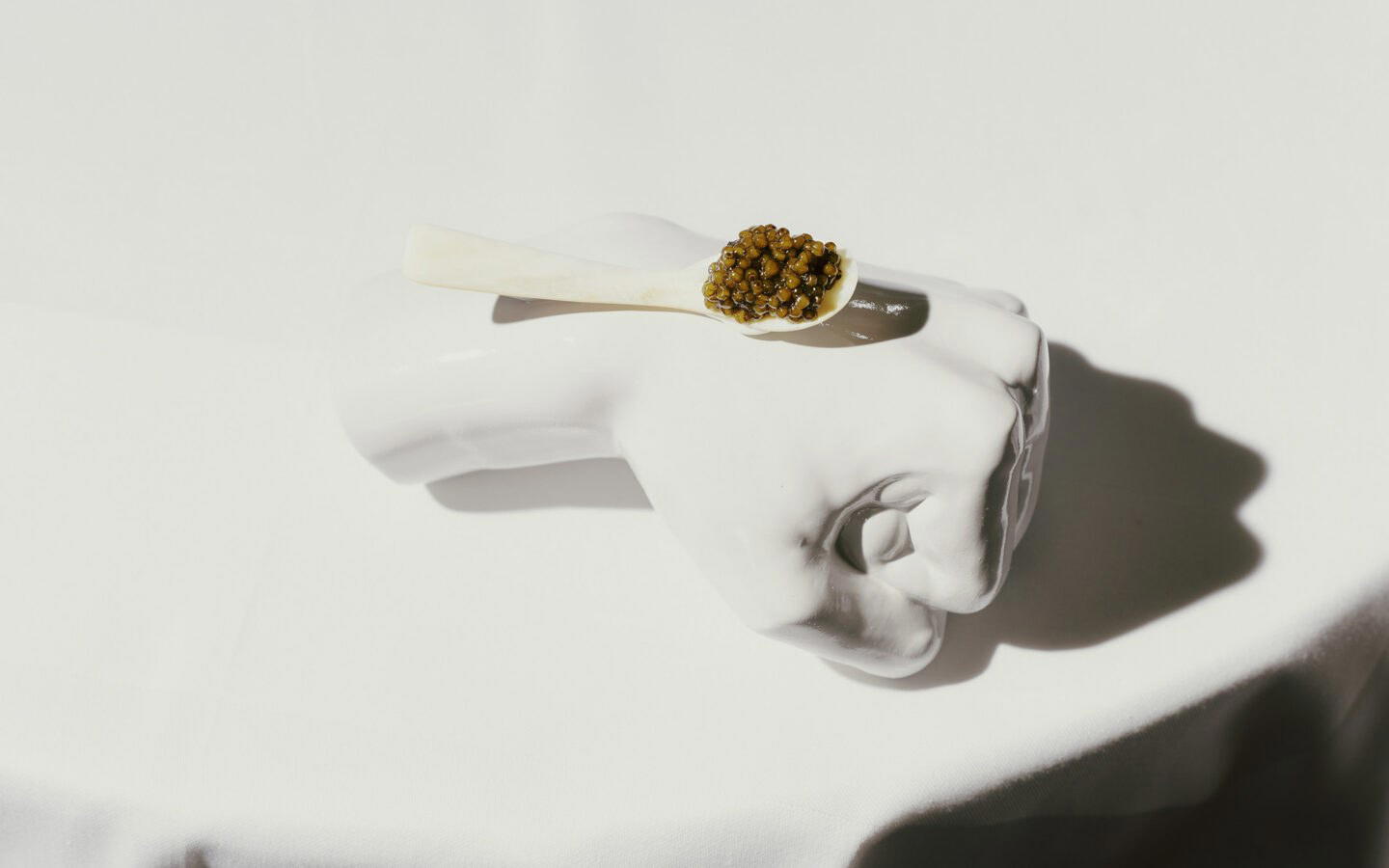
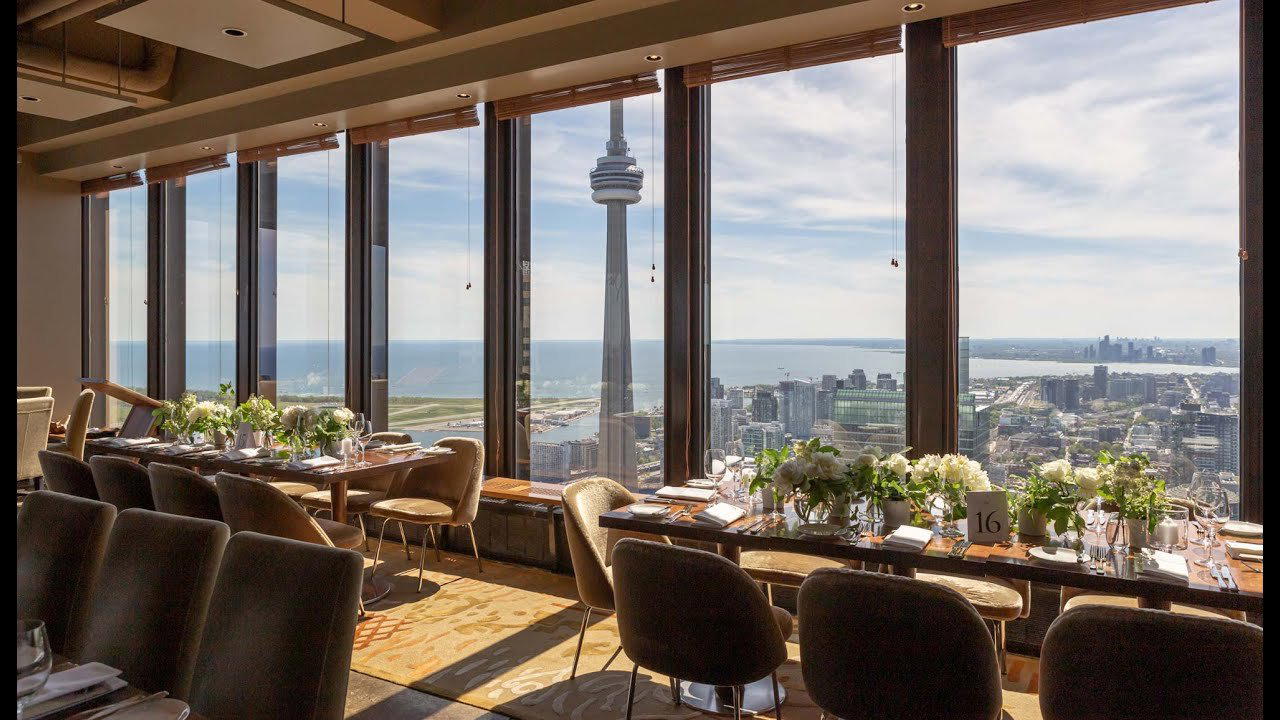
Bars in Toronto
Browse all →
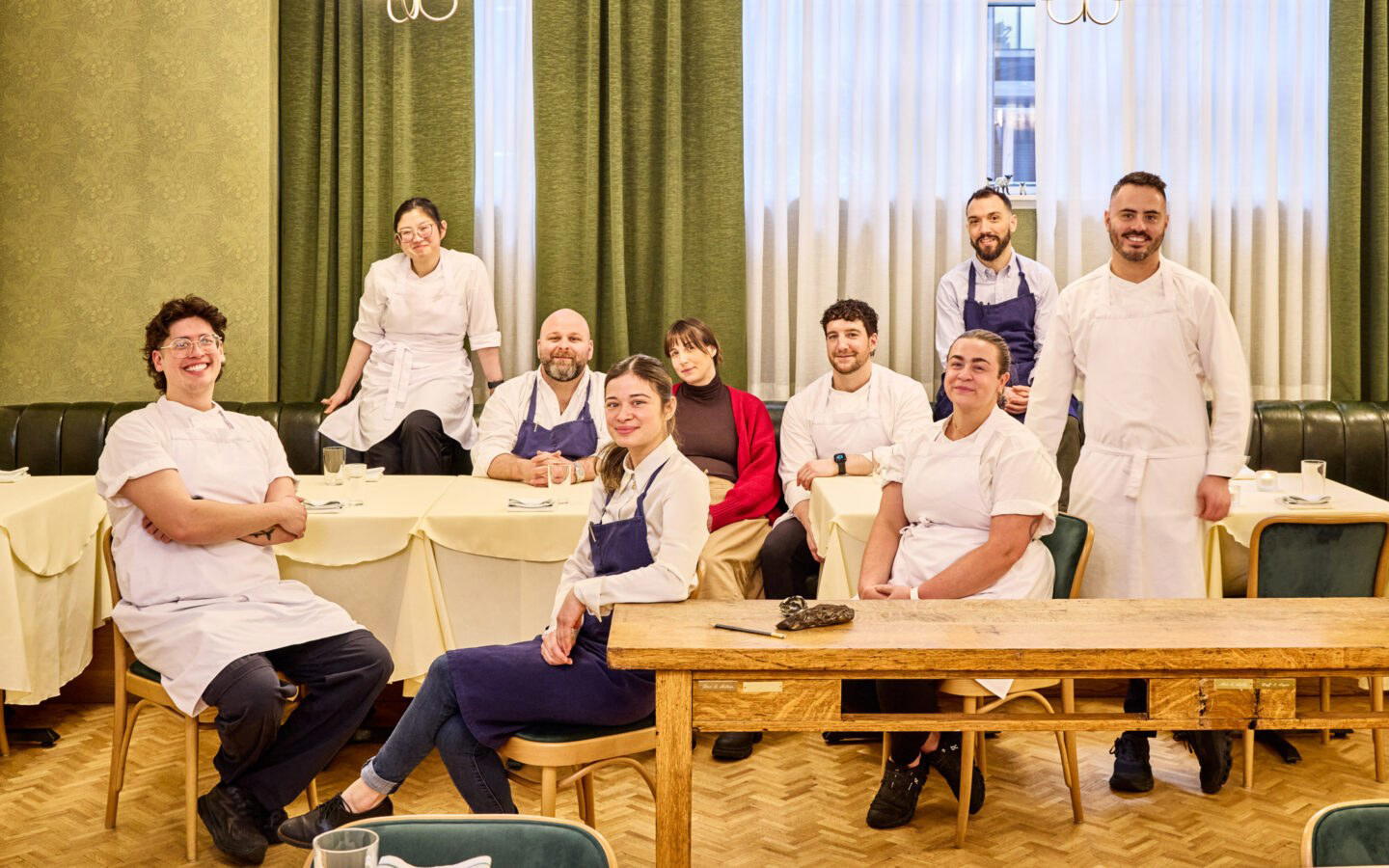
Hotels in Toronto
Browse all →

At a Glance
- Lively
- Trendy
- Date Night
- Group Dining
- Family
- Casual Hangout
- Open Kitchen
- Craft Cocktails
Current opening hours
- Monday
- 4–9:30 PM
- Tuesday
- 11:45 AM–9:30 PM
- Wednesday
- 11:45 AM–9:30 PM
- Thursday
- 11:45 AM–9:30 PM
- Friday
- 11:45 AM–10 PM
- Saturday
- 11:45 AM–10 PM
- Sunday
- 11:45 AM–9:30 PM
Hours can change for holidays and private events. Last verified .
Lively, eclectic, and busy with a chill hippie vibe, memorabilia-covered walls, lively energy, and bold aromas.