
Michelin Plate
Our verdict
A Michelin Plate holder for two consecutive years, Pacht 26 brings a farm-to-table approach to the quiet Aalst-adjacent village of Gijzegem. The kitchen's sourcing discipline places it within a small but growing cohort of Flemish restaurants treating provenance as the starting point rather than the garnish.

Pearl is the En Primeur Club membership app, where members save venues, book tables and use the concierge.
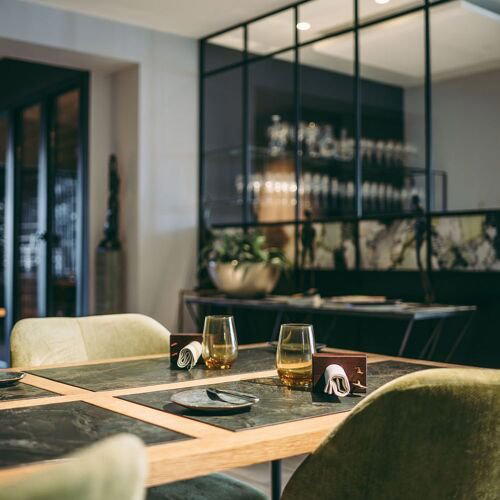
Where the Fields Set the Menu
The road into Gijzegem, a small village folded into the agricultural patchwork southeast of Aalst, does not announce itself with the kind of urban density that typically frames a destination restaurant. The surrounding East Flemish countryside, flat and deliberately paced, is the first thing you register here, and that is entirely the point. Pacht 26 sits within that landscape not as an interruption of it but as a continuation, the building at Pachthofstraat 26 drawing its logic directly from the land that surrounds it. Before you have read the menu, the setting has already told you something about what the kitchen values.
Farm-to-table has become a phrase applied so broadly across contemporary European dining that it risks meaning very little. What separates the restaurants where provenance is a genuine operating constraint from those where it is a marketing note tends to be legible in the plate: shorter ingredient lists, seasonal specificity that actually shifts the menu rather than decorates it, and a willingness to serve less glamorous cuts and vegetables when the supply chain dictates. Pacht 26 operates in this stricter interpretation of the format, positioning itself within a small cohort of Flemish kitchens where sourcing decisions are the primary editorial voice.
The Sourcing Logic Behind Farm-to-Table in Flemish Belgium
Flanders has a particular agricultural identity that makes the farm-to-table model both easier and more demanding than in many other European regions. The density of small-scale producers within a short radius of any given village means access to quality ingredients is genuinely available without importing a philosophy from elsewhere. But it also raises the bar: when a kitchen claims proximity sourcing in this part of Belgium, informed diners can, and often do, interrogate it. East Flanders specifically, with its mix of market gardening, livestock farming, and artisan dairy production, provides a supply base that supports serious kitchen commitments rather than just seasonal gestures.
That context matters when placing Pacht 26 against the wider Belgian fine dining bracket. The restaurants occupying the €€€€ tier in Flanders, Boury in Roeselare, Hof van Cleve - Floris Van Der Veken in Kruishoutem, Zilte in Antwerp, tend toward the creative-modern end of the spectrum, with sourcing serving broader artistic ambitions. Pacht 26 at €€€ occupies a different position: sourcing is not the supporting structure for a chef's compositional vision, it is the primary subject. That distinction shifts both the eating experience and the criteria by which you should judge it. You are not here for technical theatrics; you are here for the argument that good ingredients, handled with intelligence rather than embellishment, make a compelling case on their own terms.
For additional context on how Belgium's restaurant scene approaches provenance at various price points.enprimeurclub.com/restaurants/bok-restaurant-brust-oder-keule-mnster-restaurant) and Clostermanns Le Gourmet in Niederkassel, where similar sourcing philosophies play out against different agricultural supply chains.
Michelin Recognition and What It Signals
Michelin has awarded Pacht 26 its Plate distinction in both 2024 and 2025. The Plate, sometimes under-read as a minor credential, is worth clarifying: it denotes a restaurant where inspectors found good cooking, placing it above the generic listing tier but below the Star hierarchy. For a farm-focused kitchen at the €€€ level in a small Flemish village, consecutive Plate recognition across two guide editions signals consistency rather than a single strong showing, which is often the harder thing to achieve when menus shift with seasonal availability. Consistency under a variable sourcing model is the actual technical challenge, and the back-to-back recognition suggests the kitchen has found a reliable method.
The guest response data reinforces this reading. The 4.8 score across that volume is not the result of a small group of enthusiastic locals; it reflects a pattern of satisfaction across a broader dining audience.
Comparable Belgian kitchens working at the intersection of rural setting and sourcing discipline include Willem Hiele in Oudenburg and Bartholomeus in Heist, both of which have built reputations partly on proximity to their ingredient sources. Pacht 26 operates within that same logic, though in an inland agricultural context rather than a coastal one.
Dining at Pacht 26: Tone and Format
The farm-to-table format, when executed with seriousness, tends to produce a particular dining tone: attentive without being stiff, specific about what is on the plate and where it came from, less preoccupied with presentation spectacle than with the integrity of the ingredient. This is, broadly, the register in which Pacht 26 operates. The €€€ pricing places it above casual bistro territory but below the ceremony-heavy stratosphere of the starred houses. That middle register, in Flanders and across Belgium, is where the most interesting sourcing-led cooking has been happening over the past decade, as a generation of kitchens decided that the most honest expression of Flemish terroir did not require the full apparatus of fine dining theatre.
For diners accustomed to the Bozar or Comme chez Soi register, see Bozar Restaurant in Brussels, Pacht 26 will feel deliberately informal by comparison. That informality is not a shortcoming; it is a position. Restaurants operating at this intersection of provenance focus and approachable pricing have found audiences who are fatigued by the formality of the top tier and equally uninterested in the volume-driven casual end. They want the sourcing conversation without the white-glove performance.
Wider explorations of Belgian and regional dining in this register can be found through d'Eugénie à Emilie in Baudour, L'Eau Vive in Arbre, La Durée in Izegem, Ralf Berendsen in Neerharen, and Sir Kwinten in Sint-Kwintens-Lennik, each mapping a slightly different approach to the same broad territory of serious Belgian cooking at the €€€ and €€€€ tier.
Planning Your Visit
Pacht 26 is addressed at Pachthofstraat 26, 9308 Aalst, in the village of Gijzegem. Driving is the practical option for most visitors; the location is not served by direct public transport with the frequency that urban venues take for granted, and arriving by car also allows for the approach through the surrounding farmland that frames the experience before you sit down. The €€€ price range positions a full dinner in the mid-tier bracket for Belgium, meaning two people can expect a considered meal without the outlay required at the starred houses. For accommodation, bars, and additional experiences in the area, and experiences guide cover the surrounding options.
Frequently asked questions
Does Pacht 26 work for a family meal?
At the €€€ price point in a small Flemish village setting, the format skews toward couples and small groups treating it as a destination dinner rather than a drop-in family occasion. The farm-to-table format tends to produce multi-course or set menus that require some engagement with the sourcing narrative, which works well with adult diners who are invested in that conversation. Families with children who are comfortable at a considered sit-down dinner should find it manageable, but it is not a venue designed around accommodating the full range of family dining logistics.
Is Pacht 26 formal or casual?
The Michelin Plate recognition and €€€ pricing place it in a middle register: more attentive than a neighbourhood bistro, less ceremonial than a starred house. Belgian farm-to-table restaurants at this price tier in rural settings tend toward a warm, knowledgeable service style rather than formal table choreography. Gijzegem is not Antwerp or Brussels, and the setting reflects that. Smart-casual dress would align with the environment and the pricing without overreaching.
What do people recommend at Pacht 26?
With a farm-to-table kitchen earning consecutive Michelin Plate recognition, the safe assumption is that whatever the kitchen is featuring from current seasonal supply is the thing to order rather than anchoring expectations to specific dishes. The cuisine type and the sourcing model mean the menu moves with what is available rather than repeating fixed signatures. Follow the recommendation of the kitchen over any pre-set expectations.
A Quick Peer Check
| Venue | Cuisine | Price | Awards | Notes |
|---|---|---|---|---|
| Pacht 26This venue (the venue you are viewing) | Modern Belgian Fine Dining | $50–100 | Michelin Plate | Not listed |
| Boury | Creative French Fine Dining | $300–500 | 3 Michelin Stars · La Liste Top Restaurants | Modern Frlemish, Creative French |
| Comme chez Soi | French - Belgian, Classic Cuisine | Not listed | Michelin 1 Star | Not listed |
| Hertog Jan at Botanic | Modern Japanese Omakase Fine Dining | Not listed | 2 Michelin Stars · La Liste Top Restaurants | Modern Flemish, Creative |
| L'Eau Vive | Modern French Fine Dining | $150–200 | 2 Michelin Stars · La Liste Top Restaurants | French, Modern French |
| La Durée | Modern French Fine Dining | $150–200 | 2 Michelin Stars · La Liste Top Restaurants | French-Belgian, Creative |
Recognition history
Dated appearances from independent guides and award organizations, with the underlying list record or original source where available.
Michelin Plate
Michelin
Full recognition history (3 entries)
Michelin Plate
Michelin
Michelin Plate
Michelin
Continue exploring
More in Gijzegem
Restaurants in Gijzegem
All restaurants in Gijzegem →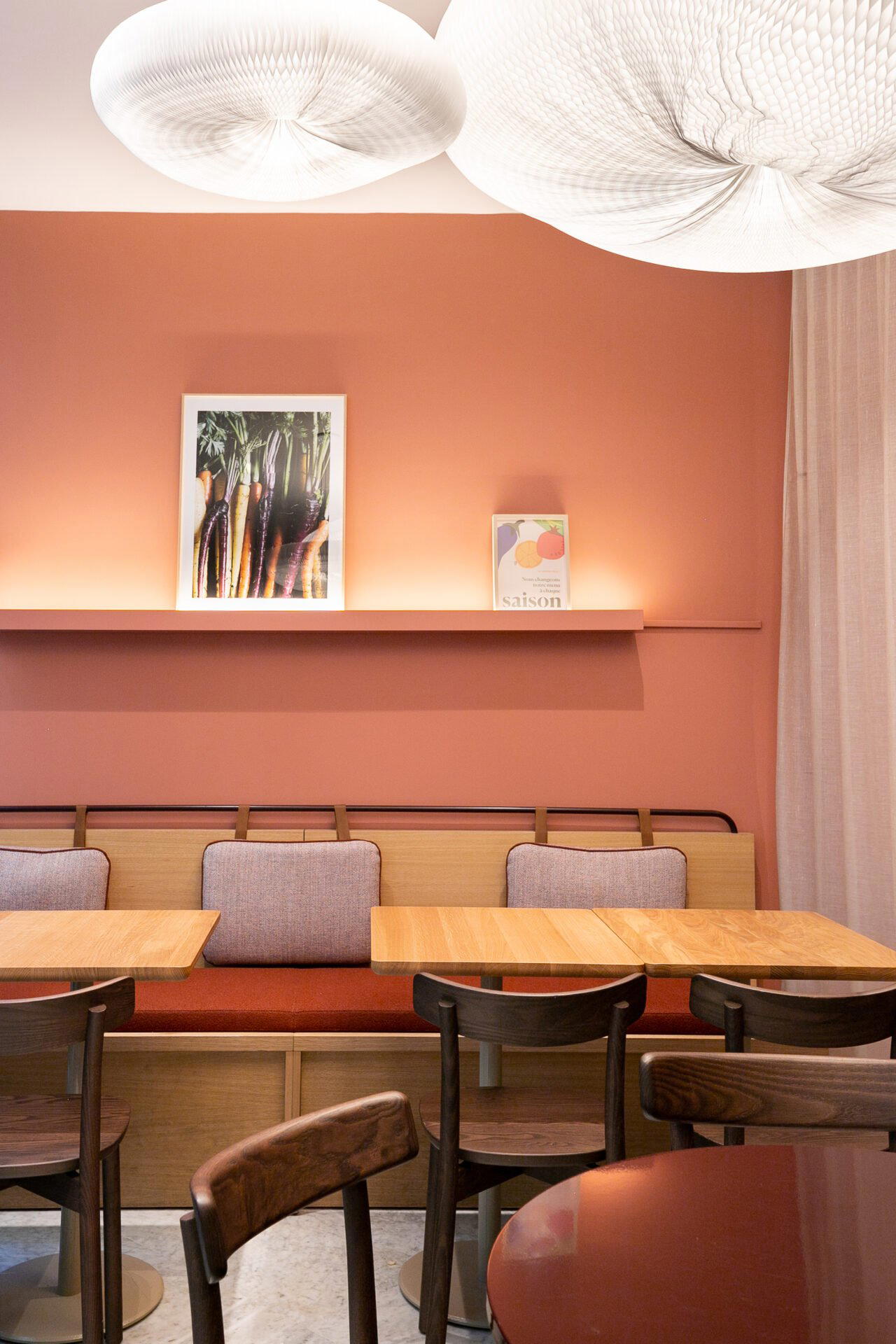

Details
- Cozy
- Elegant
- Intimate
- Date Night
- Special Occasion
- Open Kitchen
- Extensive Wine List
- Local Sourcing
- Tasting Menu
- Vegetarian Friendly
- Gluten Free Options
Current opening hours
- Monday
- 12–2 PM
- Tuesday
- 12–2 PM
- Wednesday
- Closed
- Thursday
- 12–2 PM, 7–9 PM
- Friday
- 12–2 PM, 7–9 PM
- Saturday
- 7–9 PM
- Sunday
- Closed
Hours can change for holidays and private events. Hours as of .
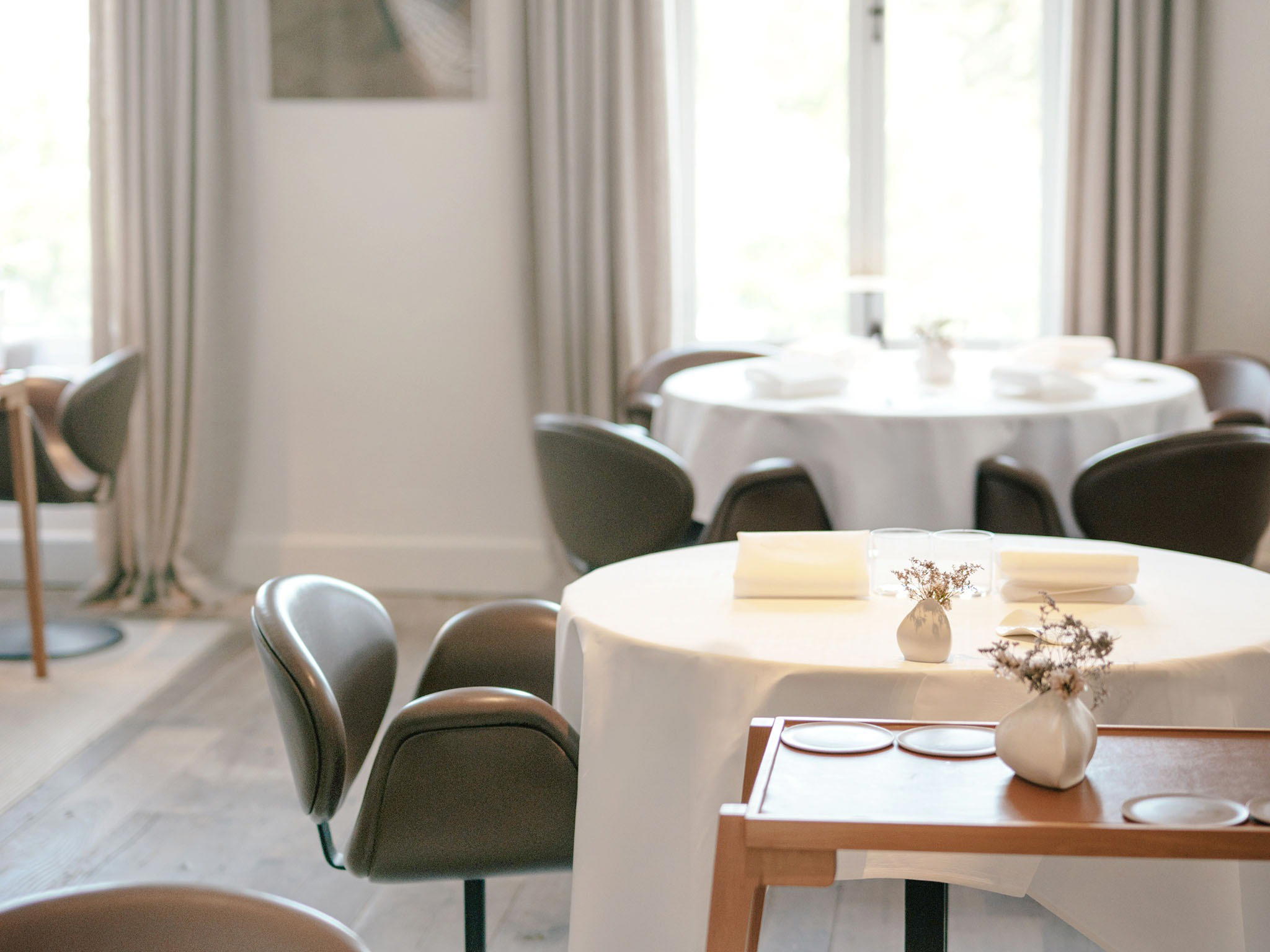
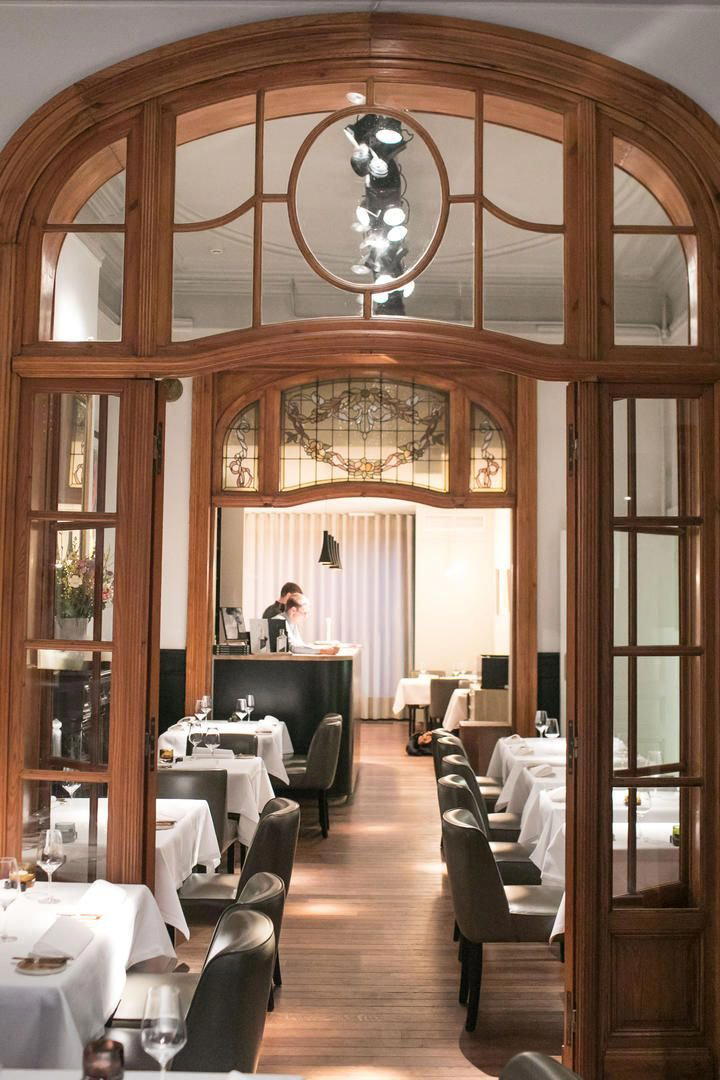
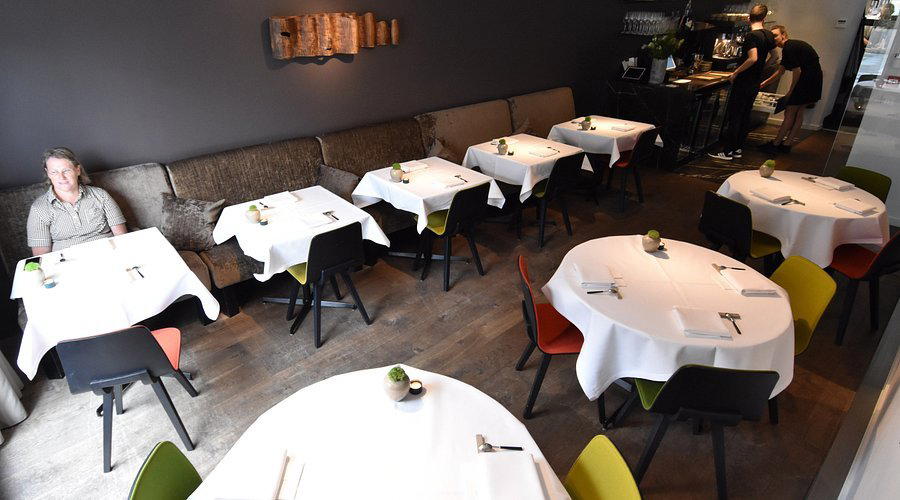
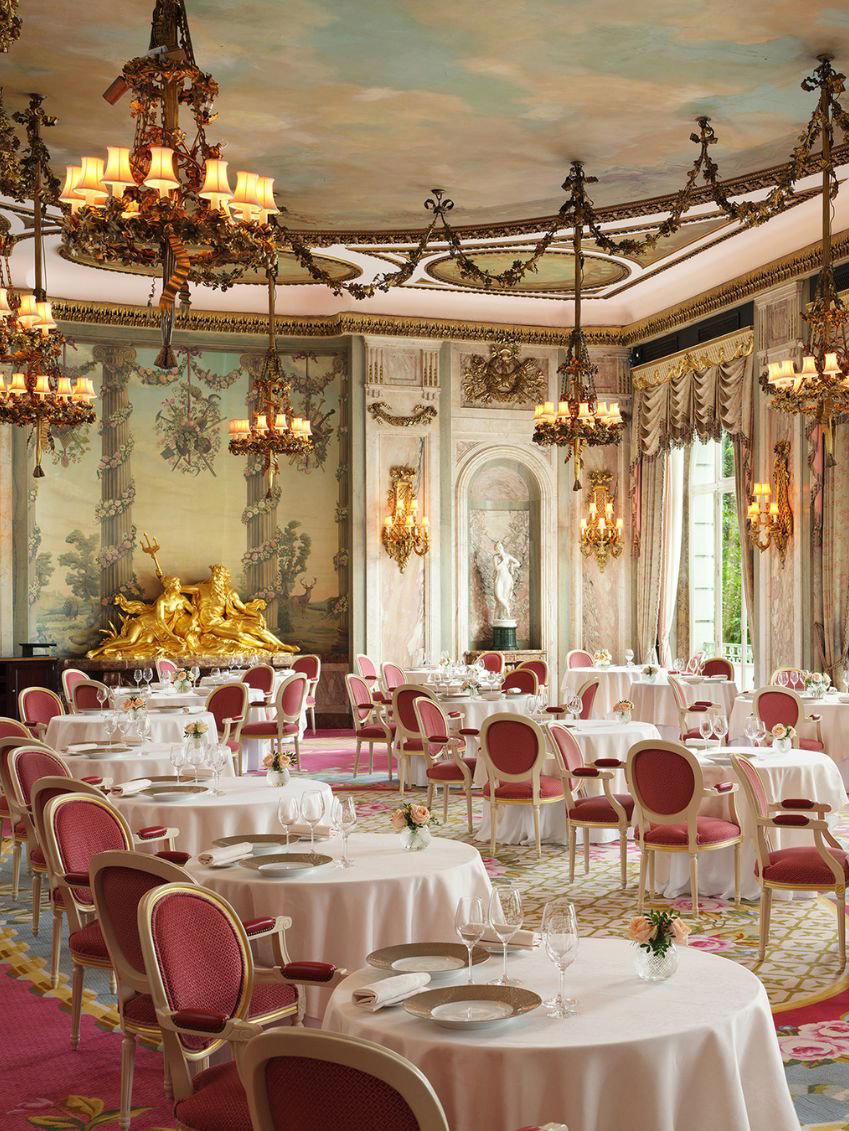
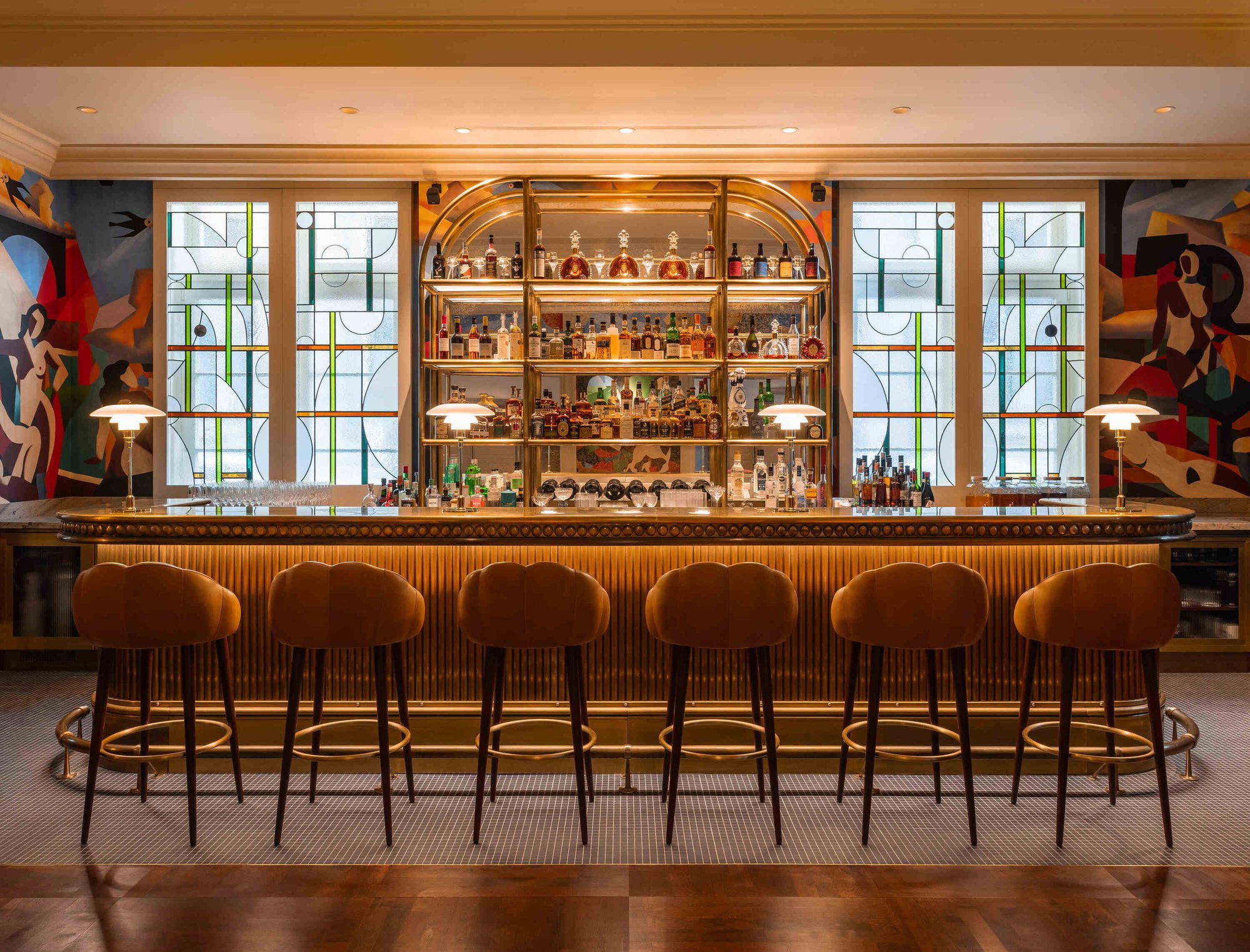
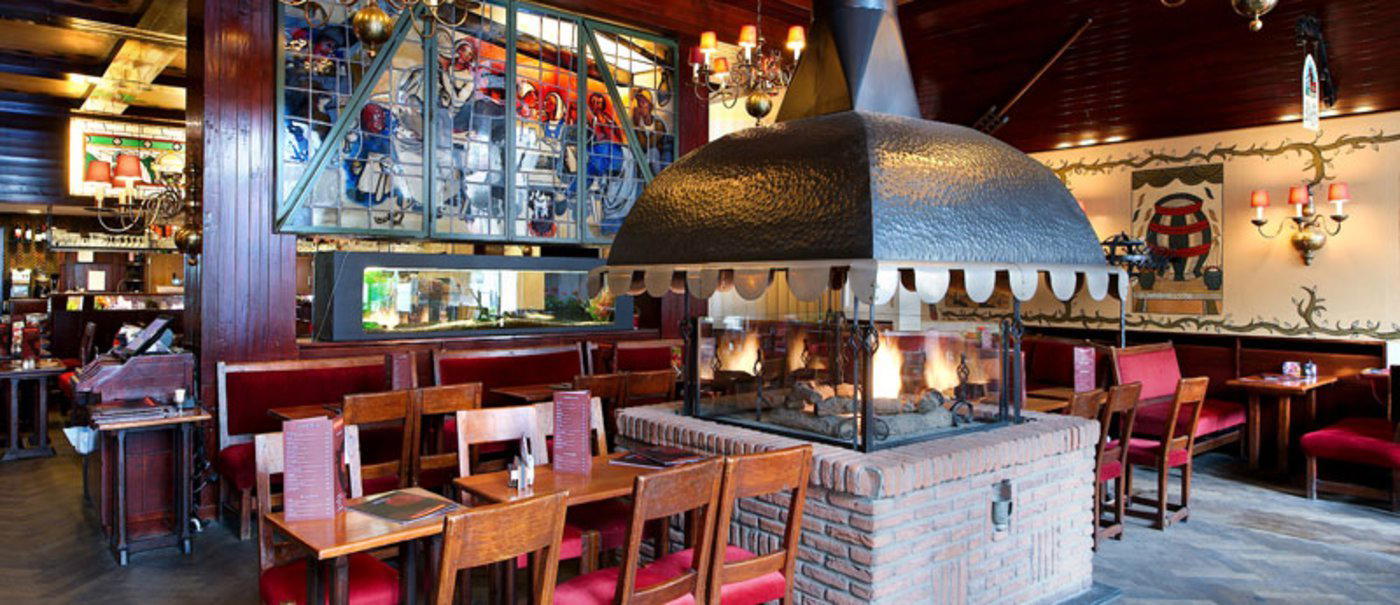
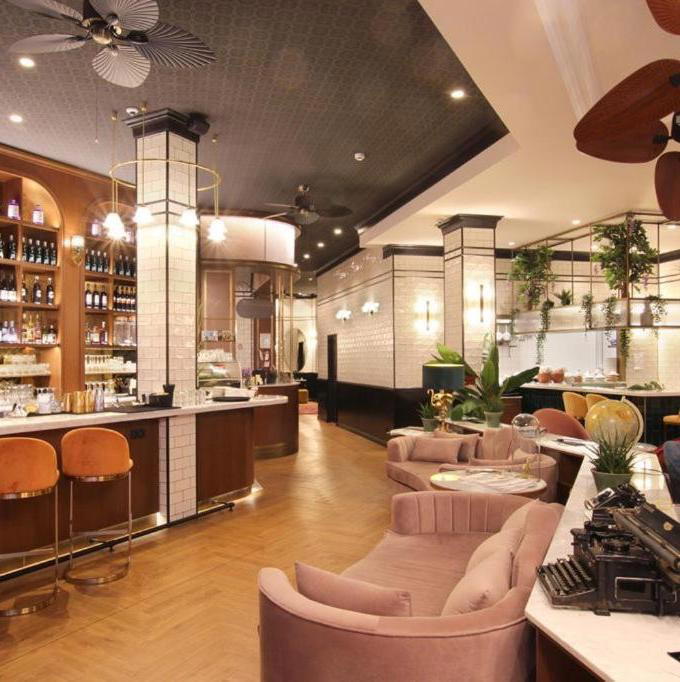
Cozy and elegant with lots of light, relaxed atmosphere, and views of the open kitchen.