De Kruier

De Kruier sits in the quiet Flemish village of Ramskapelle near Knokke-Heist, holding a Michelin Plate in both 2024 and 2025 for its classic cuisine at an accessible €€ price point. A grounded option in a coastal area with several higher-priced Michelin-recognised neighbours.
Pearl is the En Primeur Club membership app — saves, bookings, and concierge access live there. Same editors, same standards.
- Address
- Ramskapellestraat 66, 8301 Knokke-Heist, Belgium
- Phone
- +32 50 51 53 13
- Website
- kruier.be
- Directions
- Get directions
 Saves & bookings on Pearl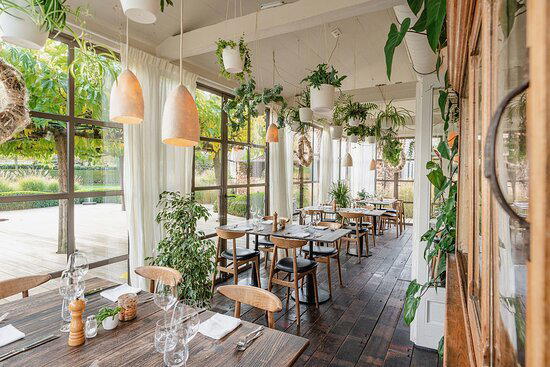
Classic Cuisine in the Flemish Polders
The road into Ramskapelle flattens out quickly. The polder landscape around Knokke-Heist is deliberately unhurried, and the village itself reflects that rhythm: low farmhouses, church steeples, the horizontal line of the North Sea coast somewhere beyond the dunes. De Kruier, at Ramskapellestraat 66, sits within this setting in a way that positions it as a neighbourhood anchor rather than a destination built for passing trade. That distinction matters when you are trying to understand what kind of meal is on offer here.
Classic cuisine, as a category, has a specific meaning in Belgium. It does not signal stagnation; it signals a deliberate commitment to a culinary tradition that runs from the French-Flemish border through Brussels and out into the coastal provinces. Think carefully executed stocks, seasonal produce handled without unnecessary intervention, and a kitchen that measures itself against consistency rather than novelty. At the €€ price range, De Kruier occupies a tier where that tradition is accessible without the full ceremony of the region's higher-spend Michelin-starred rooms.
What the Michelin Plate Tells You
De Kruier has held a Michelin Plate for both 2024 and 2025. The Plate designation, introduced in Michelin's modern guide format, marks kitchens that inspectors consider to produce consistently good food — restaurants that cook with care, even if they sit below the star tier. It is not a consolation award. In Belgium, where the density of Michelin-recognised addresses is high relative to population, a Plate indicates that a kitchen has passed a specific quality threshold and held it across inspection cycles.
For context, the West Flanders coastal corridor has attracted significant Michelin attention. Bartholomeus in Heist sits at a higher bracket. Further inland, Boury in Roeselare carries three Michelin stars and operates at €€€€. Willem Hiele in Oudenburg represents the creative Flemish strand with its own star recognition. De Kruier at €€ and Plate level is therefore not competing with those rooms; it operates in a different register, one where regulars return for reliably executed seasonal cooking rather than transformative tasting menus.
A score at that level, spread across that volume, suggests sustained satisfaction rather than a single strong season. It maps onto what the Michelin Plate implies: a kitchen that does not peak and trough dramatically.
The Belgian Classic Cuisine Tradition
Belgium's culinary identity is sometimes reduced to its most exported products: chocolate, waffles, frites. The restaurant tradition, particularly in Flanders, is more textured than that shorthand allows. Classic Belgian-French cooking draws on a shared bourgeois tradition that values the table as a serious institution, not merely a refuelling stop. Dishes are built around technique: proper reductions, well-managed acidity, seasonal vegetables treated as primary ingredients rather than garnishes.
This is the tradition that produced restaurants like Bozar Restaurant in Brussels and, at the higher end, the extended lineage visible in places like Hof van Cleve in Kruishoutem. The classic cuisine category at a Plate level in a village like Ramskapelle represents the more rooted end of that spectrum: cooking that is embedded in a specific place and community rather than performing for a national or international audience.
Across Europe, this kind of mid-range classic restaurant faces commercial pressure from both ends. Above it, starred kitchens capture aspirational spend. Below it, casual formats absorb the everyday meal. The restaurants that hold the middle ground successfully tend to do so through repeat local custom and a kitchen that keeps its standards without chasing trend cycles. De Kruier's back-to-back Michelin Plate recognitions suggest it belongs to that category of survivor rather than novelty.
For international comparisons within the classic cuisine format, the approach has some parallels with Maison Rostang in Paris, which operates in a different price tier but shares the commitment to French-classical lineage over creative reinvention. Closer in sensibility to the Flemish tradition is KOMU in Munich, another address working the classic-cuisine register with modern consistency.
Where De Kruier Sits in the Wider Area
Ramskapelle is administratively part of the Knokke-Heist municipality, a stretch of the Belgian coast known for its higher-end summer economy and significant property values. The dining profile of Knokke-Heist skews toward premium seasonal spend; De Kruier at €€ represents a different access point into that area's restaurant culture. For visitors spending time along the coast, it offers the kind of grounded meal that the more formal rooms in the vicinity do not provide.
Within Ramskapelle specifically, 't Kantientje represents the traditional cuisine strand of the local restaurant offer. The two addresses together give the village a small but coherent dining character that punches above what its size would predict. For a broader view of what the area supports, our full Ramskapelle restaurants guide maps the complete picture.
Elsewhere in the Belgian Michelin-recognised field, addresses like De Jonkman in Sint-Kruis, Castor in Beveren, Cuchara in Lommel, and d'Eugénie à Emilie in Baudour operate at the two-star and higher level, which clarifies where De Kruier sits in the national hierarchy. The Plate at €€ is its own coherent position, not a step on a ladder toward those addresses.
Planning Your Visit
De Kruier's address at Ramskapellestraat 66 in the Knokke-Heist municipality is reachable by car from the coast road, and the village setting means parking is generally not the obstacle it would be in central Knokke.
Visitors building a longer stay along the Belgian coast will find supporting context in our Ramskapelle hotels guide, the bars guide, the wineries guide, and the experiences guide for the area.
Price and Recognition
| Venue | Cuisine | Price | Awards |
|---|---|---|---|
| De KruierThis venue — the venue you are viewing | Classic Cuisine | €€ | Michelin Plate (2025); Michelin Plate (2024) |
| Boury | Modern Frlemish, Creative French | €€€€ | Michelin 3 Star |
| Comme chez Soi | French - Belgian, Classic Cuisine | €€€€ | Michelin 1 Star |
| Hertog Jan at Botanic | Modern Flemish, Creative | €€€€ | Michelin 2 Star |
| L'Eau Vive | French, Modern French | €€€€ | Michelin 2 Star |
| La Durée | French-Belgian, Creative | €€€€ | Michelin 2 Star |
Recognition history
Dated appearances from independent guides and award organizations, with the underlying list record or original source where available.
Michelin Plate
Michelin
Michelin Plate
Michelin
Michelin Plate
Michelin
Continue exploring
More in Ramskapelle
Restaurants in Ramskapelle
Browse all →
Bars in Ramskapelle
Browse all →
At a Glance
- Rustic
- Elegant
- Cozy
- Scenic
- Classic
- Date Night
- Family
- Group Dining
- Special Occasion
- Open Kitchen
- Terrace
- Garden
- Extensive Wine List
- Garden
Current opening hours
- Monday
- 12–2 PM, 6–10 PM
- Tuesday
- Closed
- Wednesday
- Closed
- Thursday
- Closed
- Friday
- 12–2 PM, 6–10 PM
- Saturday
- 12–2 PM, 6–10 PM
- Sunday
- 12–2 PM, 6–10 PM
Hours can change for holidays and private events. Last verified .
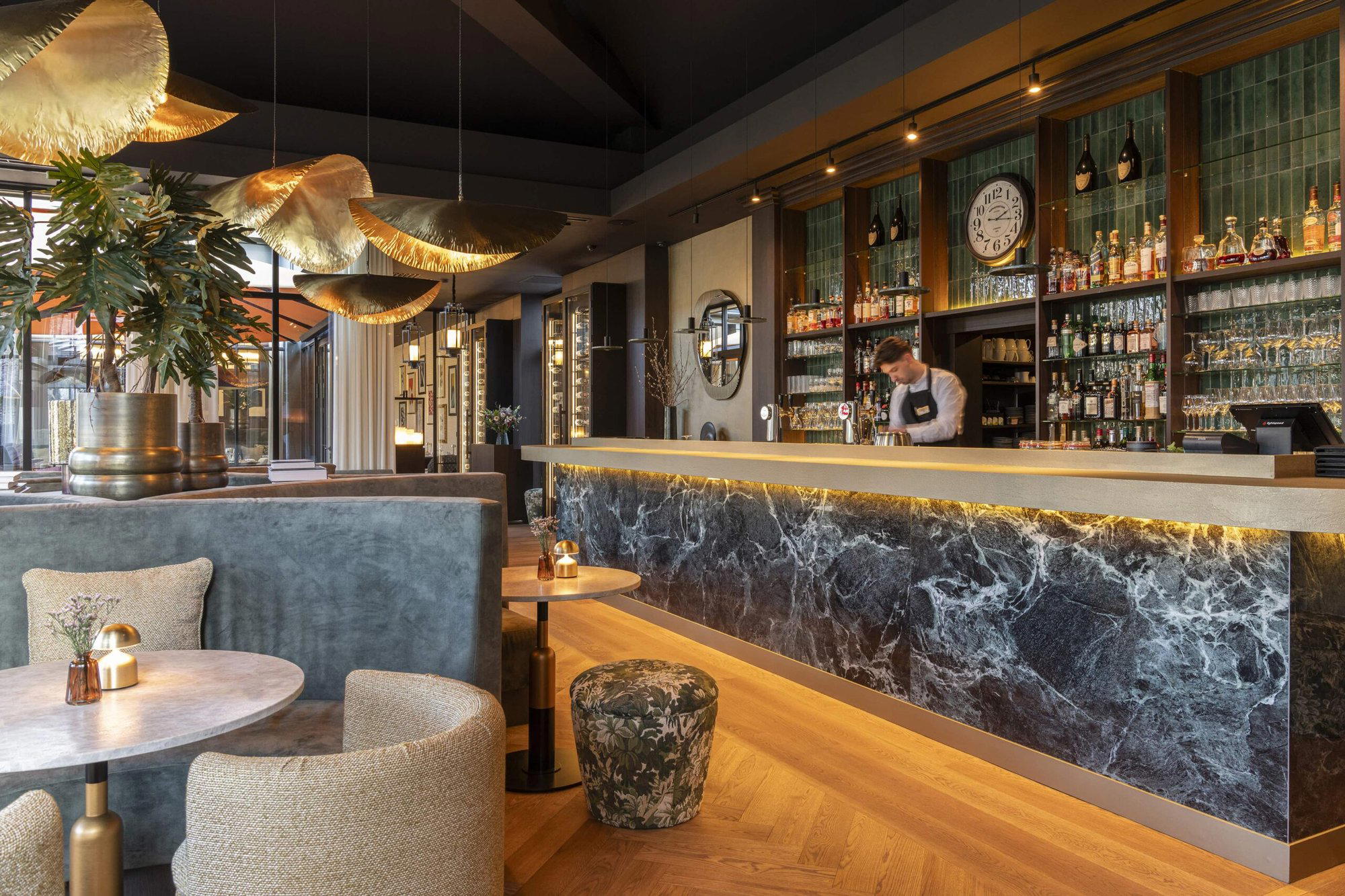
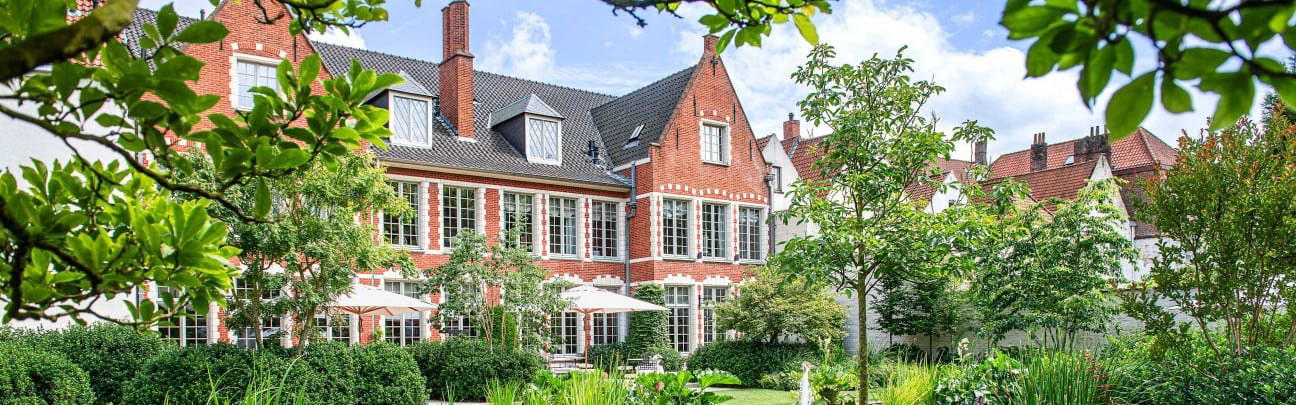
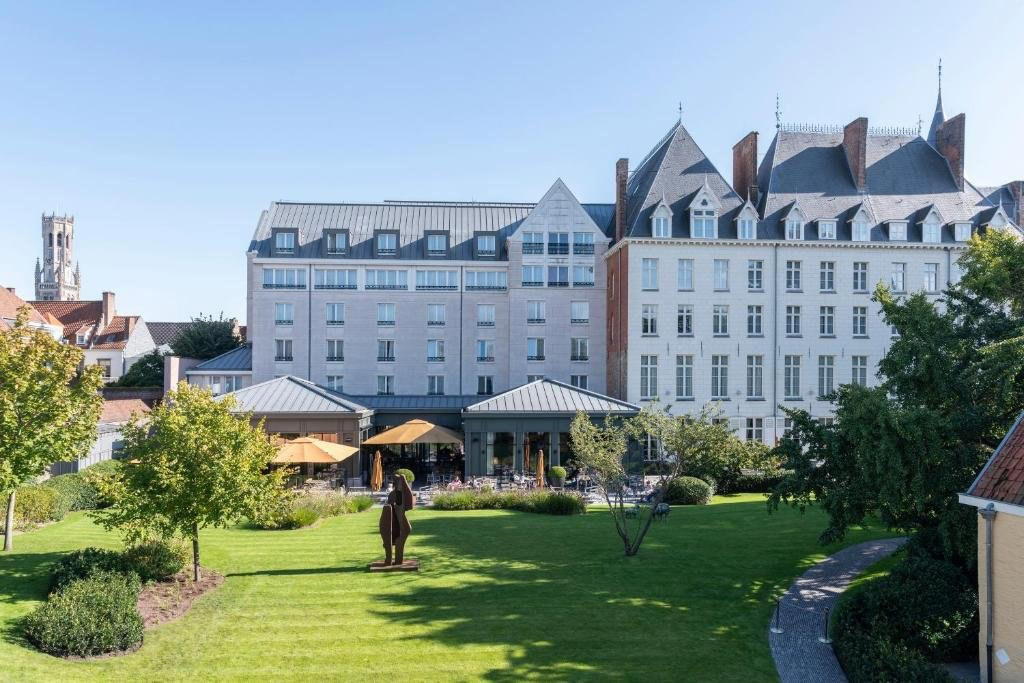
Elegant and cozy setting in a manicured garden with picturesque windmill views, warm and inviting atmosphere.
Know Before You Go
- Getting there
- Ramskapellestraat 66, 8301 Knokke-Heist, Belgium