Reštaurácia NOSTALGIE
In Spišská Nová Ves, Reštaurácia NOSTALGIE occupies a address on Letná 49 that signals something about the town's relationship with its own culinary past. The name alone sets an editorial frame: this is a kitchen that looks backward to make sense of what Slovak cooking actually means at the table, in a region where the High Tatras shape both the produce and the appetite.
Pearl is the En Primeur Club membership app — saves, bookings, and concierge access live there. Same editors, same standards.
- Address
- Letná 49, 052 01 Spišská Nová Ves, Slovakia
- Phone
- +421534414144
- Website
- nostalgie.sk
- Directions
- Get directions
 Saves & bookings on Pearl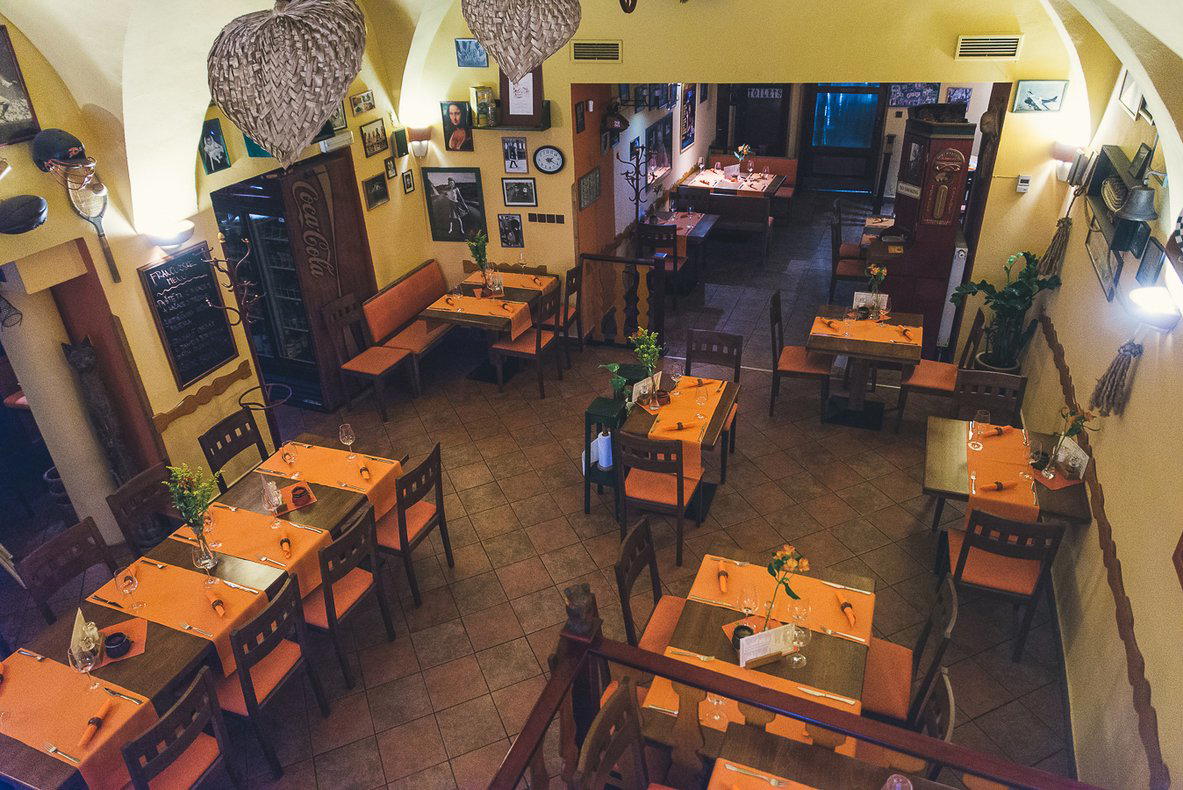
What Slovak Nostalgia Tastes Like in Spiš
There is a particular kind of restaurant that every Central European town produces almost inevitably: the place that wears its regional identity as a point of principle rather than a marketing strategy. Spišská Nová Ves, in eastern Slovakia, sits in the Spiš region and serves as the town for Reštaurácia NOSTALGIE. That relative quiet has allowed a specific kind of dining culture to persist here, one oriented toward locals, toward tradition, and toward the agricultural rhythms of the surrounding countryside rather than toward visitor expectations. Reštaurácia NOSTALGIE, at Letná 49, operates within that culture.
The name is not accidental. Across Slovakia, the post-communist generation of restaurateurs has split into two broad camps: those who look westward, importing culinary formats from Vienna, Budapest, or further afield, and those who look inward, toward the bryndza-sheep-milk, game, and root-vegetable traditions that define the central and eastern Slovak table. NOSTALGIE belongs, by name and by apparent orientation, to the second camp. In a town where SOTTO Ristorante occupies the Italian-import tier and comparison venues like ECK Restaurant and UFO (Slovak Modern) cover the contemporary end of the local spectrum, NOSTALGIE's positioning as a keeper of something older is distinctive.
The Sourcing Logic of the Spiš Region
To understand what a restaurant like NOSTALGIE represents, it helps to understand the agricultural character of the Spiš basin. The region sits at altitude, with shorter growing seasons than the warmer plains of western Slovakia, and its food culture reflects that constraint. Smoked meats, fermented dairy, preserved vegetables, and game from the Tatra foothills have historically formed the backbone of the local diet, not as rustic curiosity but as practical response to climate and terrain. These are ingredients shaped by geography rather than by fashion.
That sourcing context matters in Slovak dining. While Bratislava-based restaurants like Don Saro Cucina Siciliana draw on imported Mediterranean produce and urban consumers with cosmopolitan appetites, the eastern Slovak dining scene has a different available larder. The sheep farming traditions of the Spiš highlands, the freshwater fish from rivers threading the valley, and the forest produce from the Tatra edge all feed into kitchens that, at their most considered, reflect something genuinely regional. Venues like Koliba Patria in Štrbské Pleso and KOLIBA na Vršku in Bytča work within the same broader koliba-and-Slovak-highland tradition, which gives some sense of the peer context: a dispersed network of establishments across northern and central Slovakia that treat altitude-farming produce as the primary editorial material.
Closer in orientation but different in approach are venues in other mountain-adjacent Slovak towns. Fatrabeef in Ľubochňa has made beef sourcing from the Fatra region a specific identity claim, demonstrating that ingredient provenance can function as a distinct positioning strategy rather than background detail. That move, naming the source, building the menu around a defined agricultural geography, represents the more deliberate end of the same sourcing logic that regional restaurants like NOSTALGIE engage with implicitly.
Reading the Room in Eastern Slovakia
Spišská Nová Ves itself is a useful case study in provincial Slovak dining culture. The town is large enough to support a differentiated restaurant scene but small enough that venues tend to serve a primarily local clientele rather than tourists. That distinction shapes everything from menu pricing to the weight given to traditional dishes versus contemporary adaptations. Restaurants that succeed here over time tend to do so by embedding in the community rather than by chasing seasonal visitor traffic.
The contrast with Tatra resort dining is instructive. The mountain stations further north, Štrbské Pleso, Tatranská Lomnica, operate on a tourism-driven calendar where summer and winter peaks drive menu decisions and pricing tiers. Spišská Nová Ves operates on a different rhythm, one closer to the working week of a regional administrative town. That rhythm favours restaurants that can sustain a regular local clientele across the full year, which typically means accessible pricing, consistent menus anchored in familiar dishes, and a dining room that functions as community space as much as destination venue.
For context, the approach at Hotel and Restaurant Drak in Liptovský Mikuláš offers a useful parallel. Cafe Sissi in Trenčín and Focus Restaurant in Žilina show how western Slovak regional towns have navigated the same tension between local anchoring and contemporary aspiration. NOSTALGIE's Letná 49 address places it in the residential-commercial edge of the town centre, a location that suggests the restaurant's primary orientation is toward the town's own inhabitants.
Planning a Visit
Spišská Nová Ves is accessible by rail from Košice in under an hour, and the main train station sits within walking distance of the town centre. For visitors arriving from further afield, the town serves as a practical base for the Spiš castle complex and the adjacent UNESCO-listed village of Spišské Podhradie. Within the local dining scene, the Spišská Nová Ves restaurants guide maps the range of options across cuisine type and price point.
Because no direct booking contact or operating hours appear in the public record for NOSTALGIE, one reliable approach for a visit is to present in person or to check current hours through local listings before travelling specifically for dinner. This is not unusual for smaller regional Slovak restaurants. Venues in this category in eastern Slovakia generally follow lunch-centred service patterns on weekdays, with fuller dinner service on weekends, though this should be confirmed locally.
For a broader sense of the Slovak regional dining circuit and how eastern venues compare to restaurants elsewhere in the country, the experiences at Holotéch víška in Kosariska, Kaštieľ Čičmany in Čičmany, and Afrodita in Čereňany offer reference points for the rural and small-town Slovak dining tradition. At the other end of the Slovak dining spectrum entirely, Allora Fresh Pasta in Nitra and Klára v GOYA vitality hotel in Voderady show how the western regions have absorbed different culinary influences. And for those calibrating Slovak dining against international reference points, Le Bernardin in New York City and Atomix in New York City represent the kind of technically driven, sourcing-conscious cooking that the leading regional European kitchens are increasingly in dialogue with, even from a considerable distance.
Comparable Spots, Quickly
Comparable venues nearby, for context on price, style, and recognition.
| Venue | Cuisine | Price | Notes |
|---|---|---|---|
| Reštaurácia NOSTALGIEThis venue — the venue you are viewing | Central European | $$ | Not listed |
| SOTTO Ristorante | Italian Seafood Trattoria | $$ | Spišská Nová Ves |
| Reštaurácia Poézia | Seasonal Central European | $$ | Hlavné námestie |
| Hotel and Restaurant Drak | Modern Central European | $$ | Demanova |
| Pizzeria Rustika | Italian Pizza | $$ | Zdiar |
| Savage Garden | Modern European Grill | $$ | Staré Mesto |
Continue exploring
More in Spisska Nova Ves
Restaurants in Spisska Nova Ves
Browse all →
Bars in Spisska Nova Ves
Browse all →
Hotels in Spisska Nova Ves
Browse all →
At a Glance
- Cozy
- Classic
- Intimate
- Family
- Casual Hangout
- Terrace
Current opening hours
- Monday
- 11 AM–10 PM
- Tuesday
- 11 AM–10 PM
- Wednesday
- 11 AM–10 PM
- Thursday
- 11 AM–10 PM
- Friday
- 11 AM–11 PM
- Saturday
- 11 AM–11 PM
- Sunday
- 11:30 AM–10 PM
Hours can change for holidays and private events. Last verified .
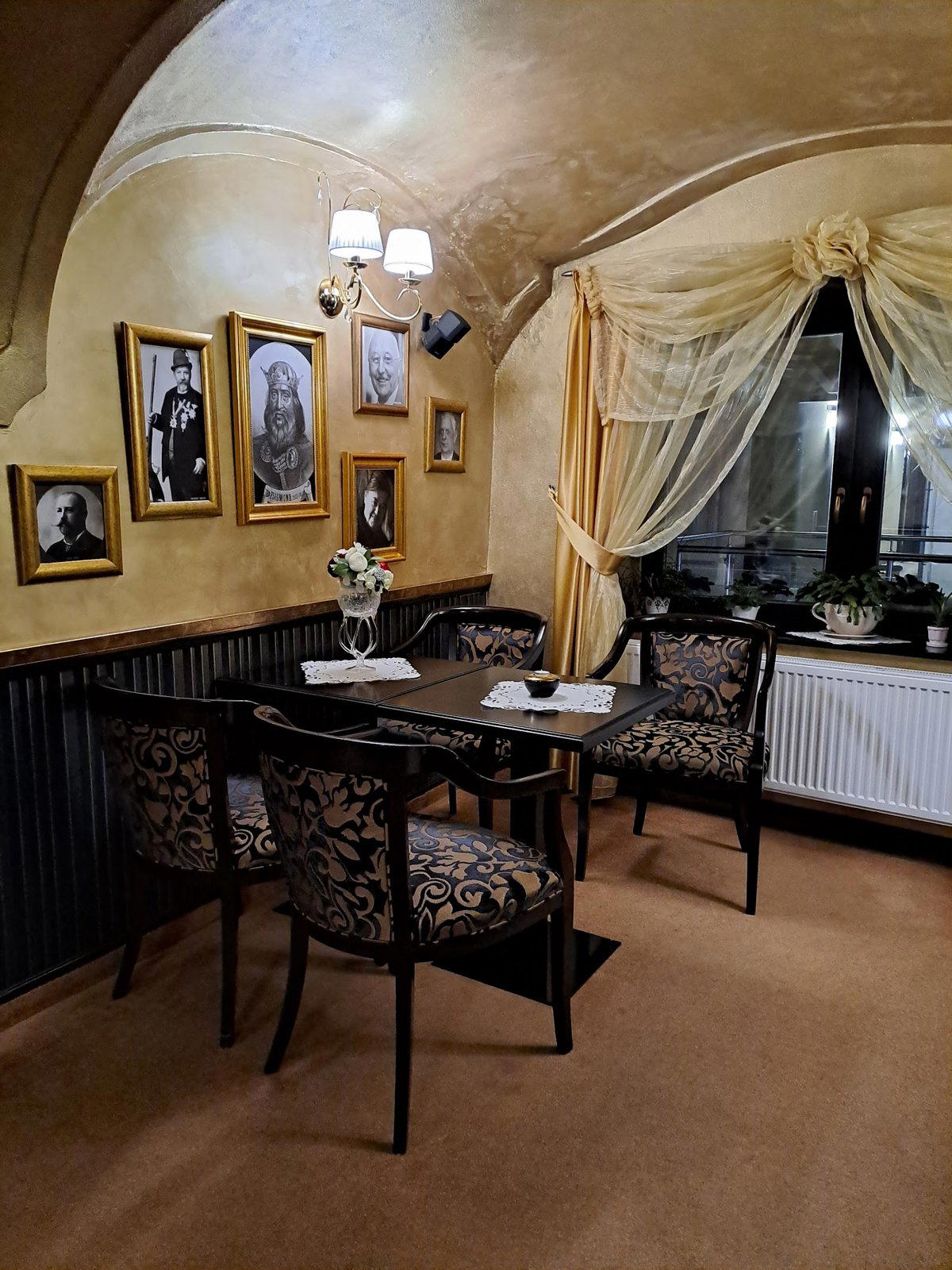
Calm and relaxed with nostalgic charm, non-smoking interior, terrace for smokers.