Our verdict
Paakari sits at Ruutanantie 3 in Kangasala, a town that sits at the edge of the Pirkanmaa lake district and draws visitors who have already exhausted Tampere's restaurant row. Kangasala's dining scene operates on a smaller register than its regional neighbour, which means places like Paakari carry proportionally more weight for anyone planning a meal in the area. Check the venue directly for current hours and booking arrangements before making the trip.

Pearl is the En Primeur Club membership app, where members save venues, book tables and use the concierge.

Where Kangasala Eats: Reading the Regional Context
The towns ringing Tampere occupy an interesting position in Finland's dining geography. Close enough to benefit from the city's food culture, Tampere itself has produced serious kitchens like Bistro Henriks, but far enough removed that their restaurants serve a community first and a destination audience second. Kangasala, with its chain of lakes and forest-lined roads, sits squarely in that category. The address at Ruutanantie 3 places Paakari within the town's fabric rather than on any tourist circuit, which tells you something about the nature of the operation before you have even looked at a menu.
Finland's smaller-city dining scene has shifted considerably over the past decade. The New Nordic wave that produced €€€€ tasting menus in Helsinki, at places like Palace and Kaskis in Turku, did not simply stay in the capitals. It filtered outward, reshaping how regional restaurants think about sourcing, seasonality, and the relationship between a kitchen and its immediate landscape. In practice, that means a greater emphasis on what grows, swims, or forages within reach, rather than imported product assembled for maximum technical display. Paakari sits within this broader current, operating in a town where the Pirkanmaa countryside is close enough to matter.
The Ingredient Question: What the Location Implies
Ingredient sourcing is the lens through which Finnish regional cooking makes the most sense. The country's short growing season creates intense focus: producers, kitchens, and diners all understand that certain ingredients are available for weeks, not months, and that proximity to those sources is not a marketing position but a practical reality. In the lake district around Kangasala, that means freshwater fish, wild mushrooms, game, and a compressed summer harvest that shapes menus by necessity rather than philosophy.
This is the model that has given Finnish regional cooking its coherence. Where a restaurant like VÅR in Porvoo operates in a town with strong Swedish-Finnish culinary heritage, and Figaro in Jyväskylä draws on the broader Central Finland catchment, a Kangasala kitchen draws from Pirkanmaa's specific ecology. The difference between these regional expressions is often less about technique than about what the surrounding land and water actually produce at a given time of year. That specificity is the argument for eating outside the capital entirely.
The comparison with high-investment urban formats is instructive. At Atomix in New York City or Le Bernardin, sourcing is a curatorial exercise carried out across global supply chains. In a Finnish lake-district town, sourcing is a geographical constraint that doubles as a creative framework. Neither is superior, they are different modes of practice, but the latter tends to produce cooking that is harder to replicate anywhere else, which is precisely the argument for going there.
The Finnish Regional Register: Smaller Rooms, Closer Sourcing
Across Finland's smaller cities and towns, the restaurants worth tracking share a set of operating characteristics. They run tighter seat counts than their urban counterparts. They shift menus with greater frequency because their supply is more volatile. And they tend to operate with less of the formal apparatus, dress codes, multi-hour tasting formats, elaborate wine programs, that defines the Helsinki €€€€ tier. This is the register in which places like Vino in Mikkeli, Hejm in Vaasa, and Filipof in Joensuu operate, and it is a register that rewards diners who are willing to do a little more groundwork before arriving.
That groundwork includes confirming hours and booking arrangements directly with the venue. Finnish restaurants at this scale do not always maintain consistent online presence, and information available through third-party platforms is not always current. The practical advice here applies broadly across the regional tier: contact the venue before planning travel around a meal, particularly if you are coming from outside Kangasala itself. For those already in the Pirkanmaa area, the trip is considerably lower-stakes, but the principle holds.
The Kangasala surroundings also give context to timing. The lake district is a different place in July than in November, not just in weather but in what the landscape provides a kitchen. Summer visits coincide with the most active local growing and fishing season; autumn visits shift toward preserved, dried, and foraged product. Both have their logic. The question is what you want the meal to reflect. Elsewhere in Finland's north and east, restaurants like Laanilan Kievari in Saariselka and Aurora Sky Restaurant in Sirkka lean into winter as an identity; in Pirkanmaa, the seasonal logic runs differently.
Placing Paakari in a Wider Finnish Itinerary
Kangasala is not a standalone destination for most international visitors. It fits naturally into a Pirkanmaa itinerary anchored in Tampere, or as a detour for those moving between the Finnish interior and the coast. The town is accessible by road from Tampere in under thirty minutes, which places it within range for a lunch or dinner without requiring an overnight stay. For those building a more considered route through central and southern Finland, the full picture is in our full Kangasala restaurants guide.
The broader Finnish regional circuit has developed enough depth that a serious eater could spend two weeks moving between smaller cities without repeating a format or a culinary logic. Mikko Utter in Lohja, Vintti in Hämeenlinna, and Gösta in Mänttä each occupy distinct positions in that network. JJ's BBQ in Salo and Hai Long in Rovaniemi add further range. The point is not to hit every venue but to understand that Finnish regional dining has genuine variety, and that Kangasala, for all its quietness, is part of that map.
Planning Your Visit
Paakari is located at Ruutanantie 3, 36200 Kangasala. Current hours, booking arrangements, and menu details are best confirmed directly with the venue, as the available public record for this address does not include reliable third-party reservation or operating information. Visitors coming from Tampere will find the drive direct; those arriving by public transport should check regional Pirkanmaa bus services in advance, as connections to this part of Kangasala may require planning. Dress and format questions are leading answered by the venue itself, and the same applies to any specific dietary requirements or group bookings.
Frequently asked questions
Would Paakari be comfortable with kids?
Kangasala is a family-oriented town on Tampere's eastern fringe, and restaurants in this register typically accommodate families without issue.
How does Paakari fit into a wider Tampere and Pirkanmaa itinerary?
Kangasala sits directly east of Tampere, making Paakari a practical stop for visitors exploring the Pirkanmaa region rather than staying within the city. The address at Ruutanantie 3 places it in a setting typical of Finland's smaller lakeside towns, suited to a half-day or full-day circuit that combines regional dining with the area's landscape. Cuisine type and operating hours are best confirmed with the venue in advance.
What's the signature dish at Paakari?
Given Kangasala's position within Pirkanmaa, Finnish regional kitchens in this area tend to draw on local lake fish, foraged ingredients, and short-season produce, but what Paakari puts on the plate is best learned from the venue itself.
What's Paakari's location?
Paakari is located at Ruutanantie 3, 36200 Kangasala, Finland, Kangasala.
Fast Comparison
Comparable venues nearby, for context on price, style, and recognition.
| Venue | Cuisine | Price | Awards | Notes |
|---|---|---|---|---|
| PaakariThis venue (the venue you are viewing) | French-Style Bistro with Seafood Focus | $20–30 | Not listed | Not listed |
| Gastropub Tuulensuu | Belgian Gastropub | $20–30 | Star Wine List | Haemeenpuisto |
| Restaurant Alexanderplats | Classic French & European Brasserie | $30–50 | Star Wine List | Kluuvi |
| Peloton Eatery | Bistro with Homemade Pasta | $20–30 | Not listed | Kalasatama |
| Bistro O Mat | Nordic-French Bistro | $30–50 | Not listed | Tapiola |
| Periscope | Global Fusion Shareable Plates | $20–30 | Not listed | Ratina |
Continue exploring
More in Kangasala
Restaurants in Kangasala
All restaurants in Kangasala →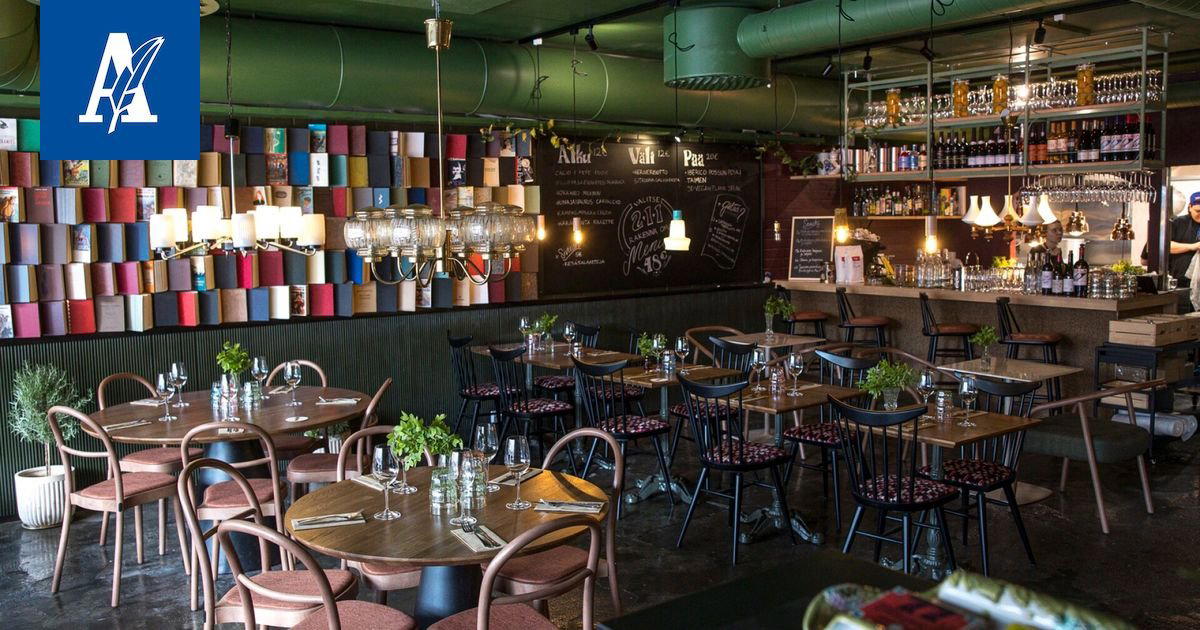
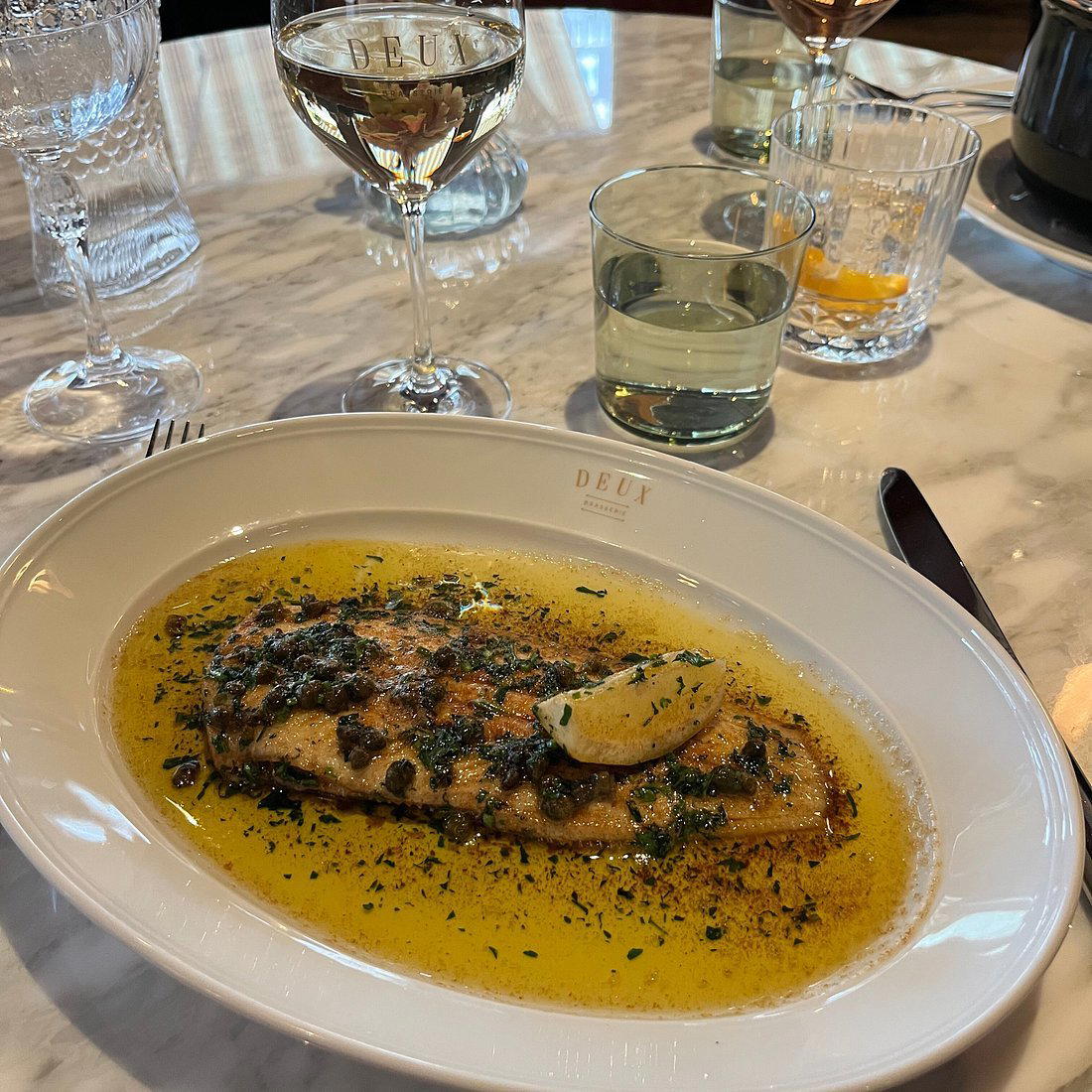
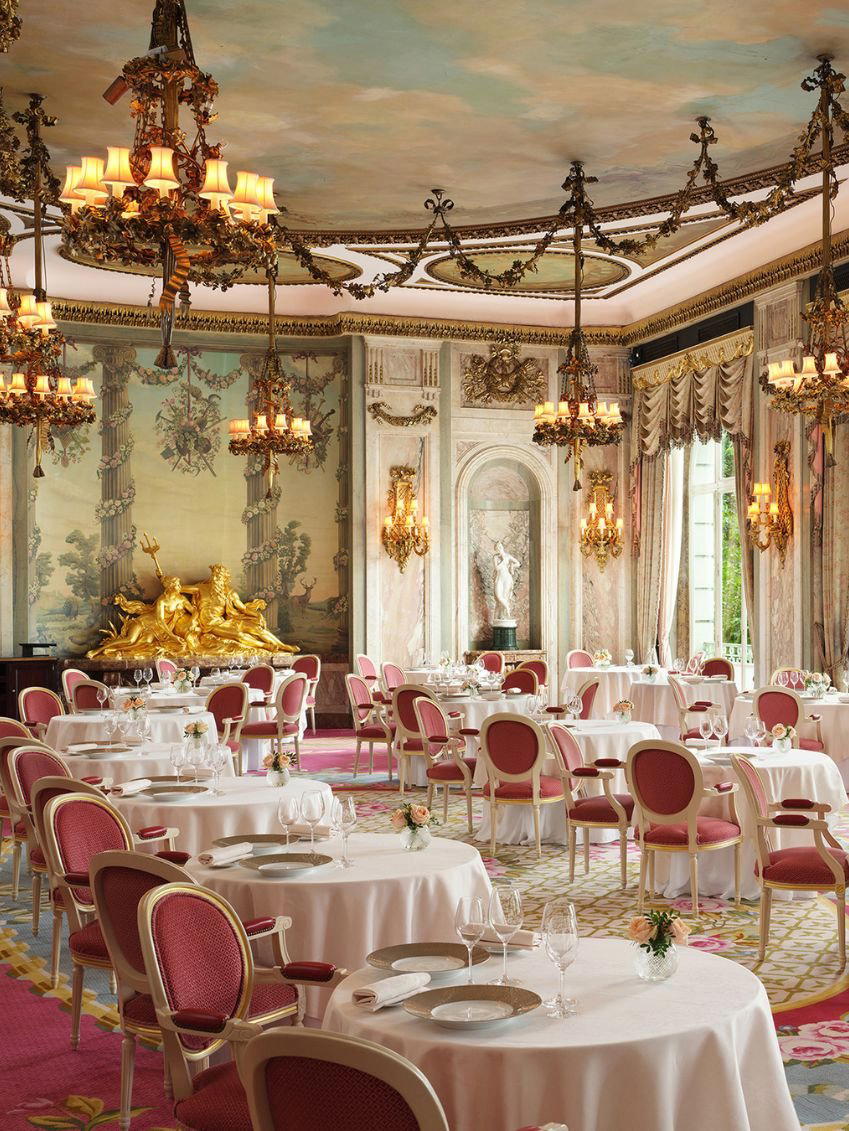
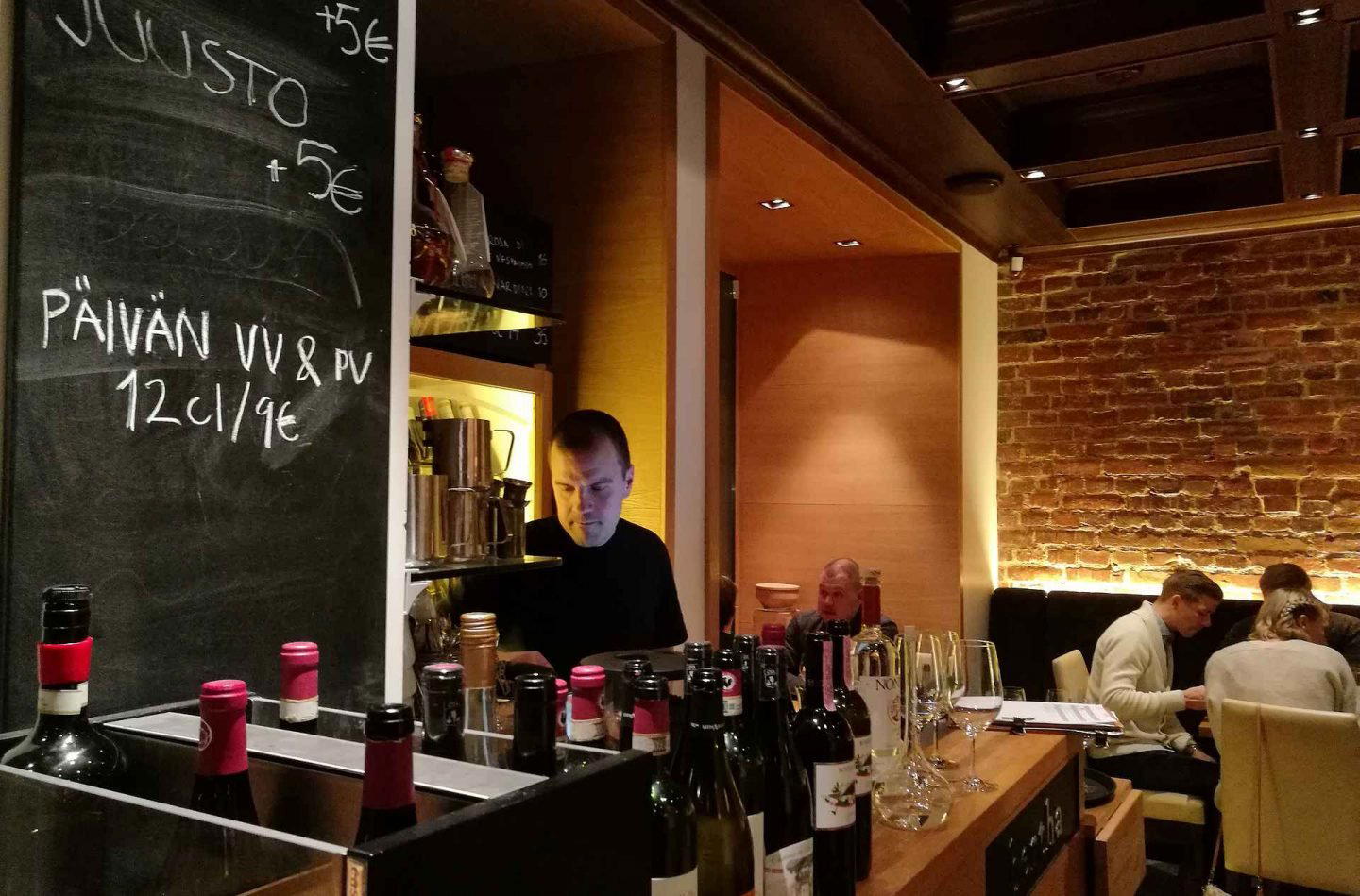
Bars in Kangasala
Browse all →
Details
- Cozy
- Rustic
- Terrace
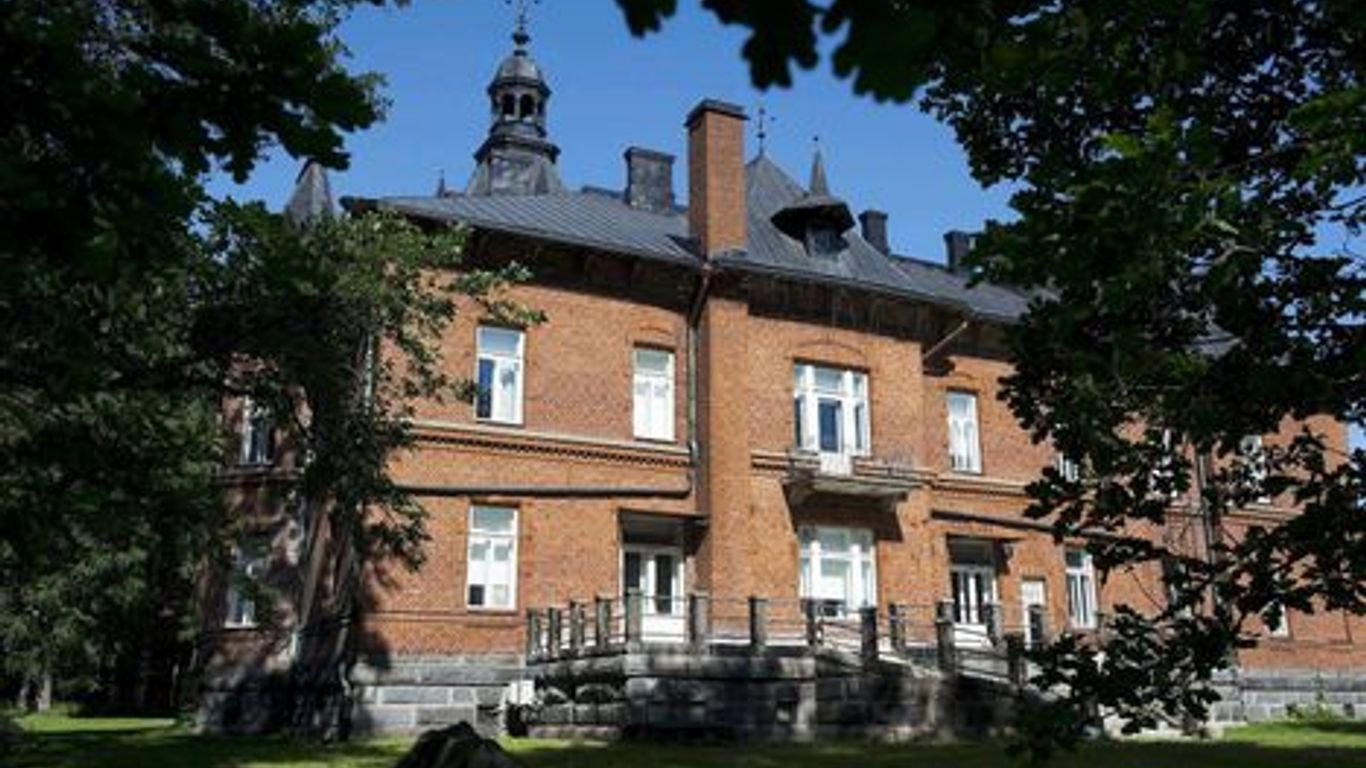
- Historic Building
- Local Sourcing
- A La Carte
- Gluten Free Options
Current opening hours
- Monday
- Closed
- Tuesday
- 11 AM–1:30 PM
- Wednesday
- 11 AM–1:30 PM
- Thursday
- 11 AM–1:30 PM
- Friday
- 11 AM–8 PM
- Saturday
- Closed
- Sunday
- 1–4 PM
Hours can change for holidays and private events. Hours as of .
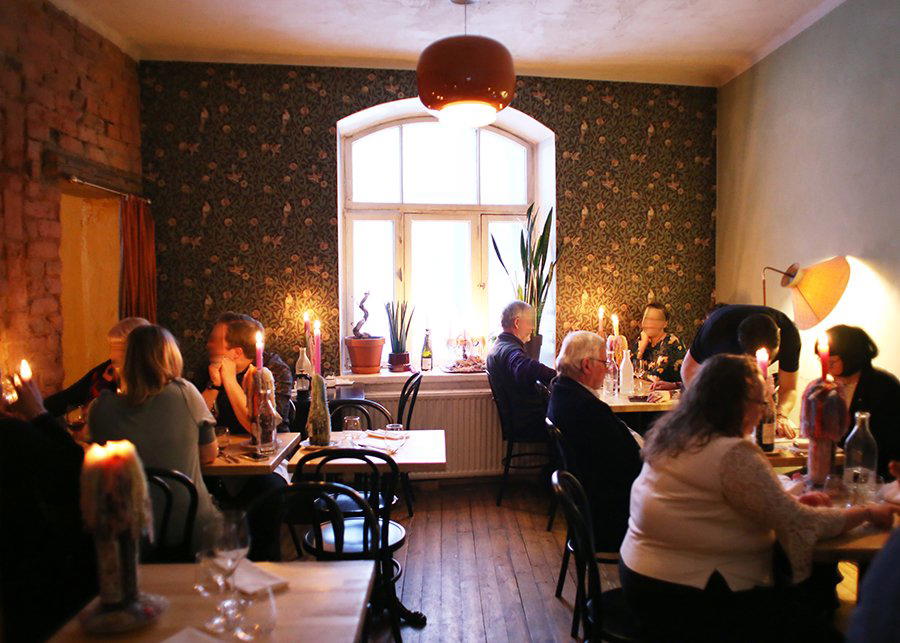
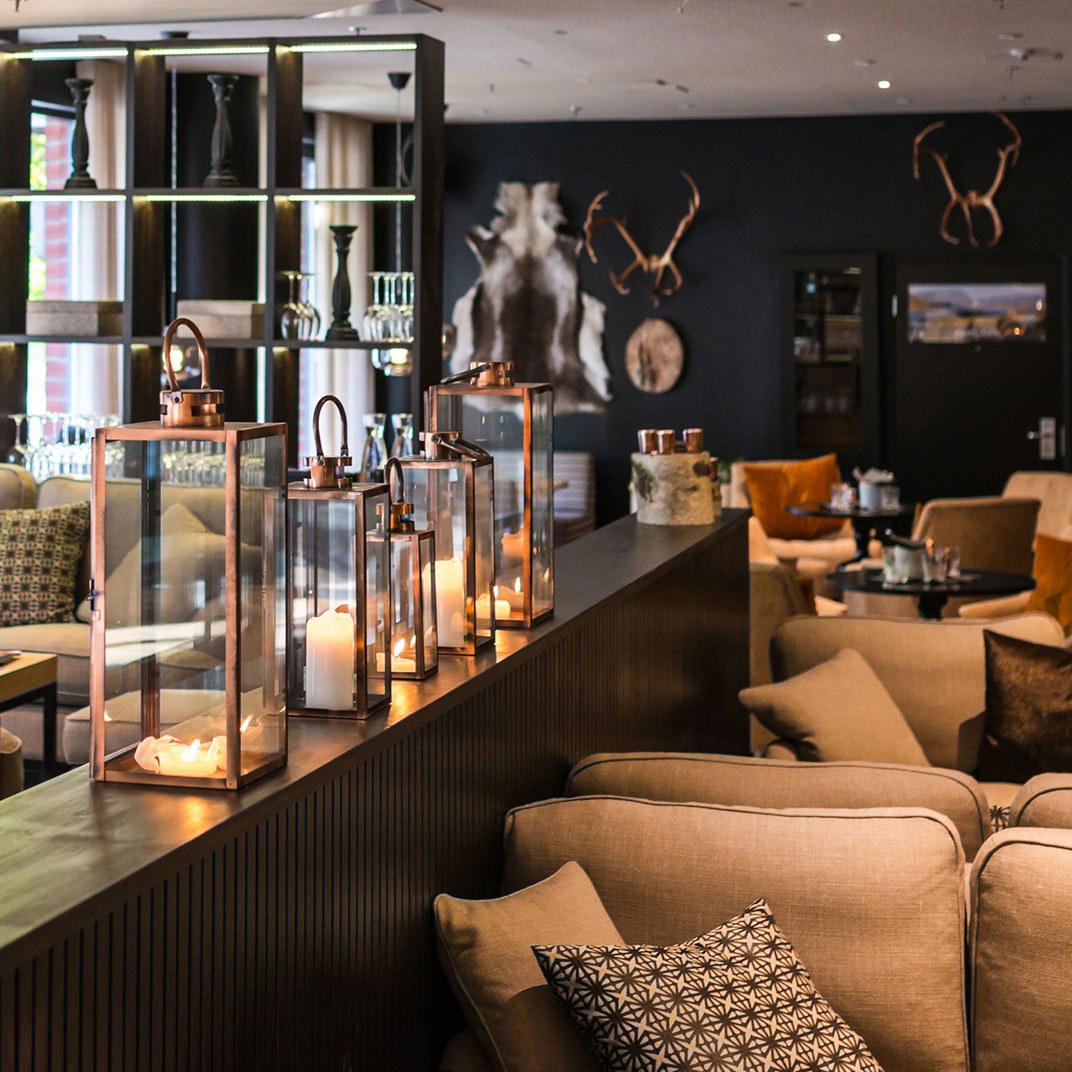
Warm, inviting, cozy, homely atmosphere with retro elements in a laid-back yet refined environment.