Aurora Sky Restaurant sits in Sirkka, a small settlement in Finnish Lapland where the landscape itself shapes what ends up on the plate. Dining here is inseparable from the region's extreme seasonality: long Arctic winters, fleeting summers, and a larder built around reindeer, wild berries, and freshwater fish pulled from rivers that freeze solid for months. It belongs to a dining tradition where geography is the primary ingredient.
Pearl is the En Primeur Club membership app — saves, bookings, and concierge access live there. Same editors, same standards.
- Address
- 99130 Sirkka
- Directions
- Get directions
 Saves & bookings on Pearl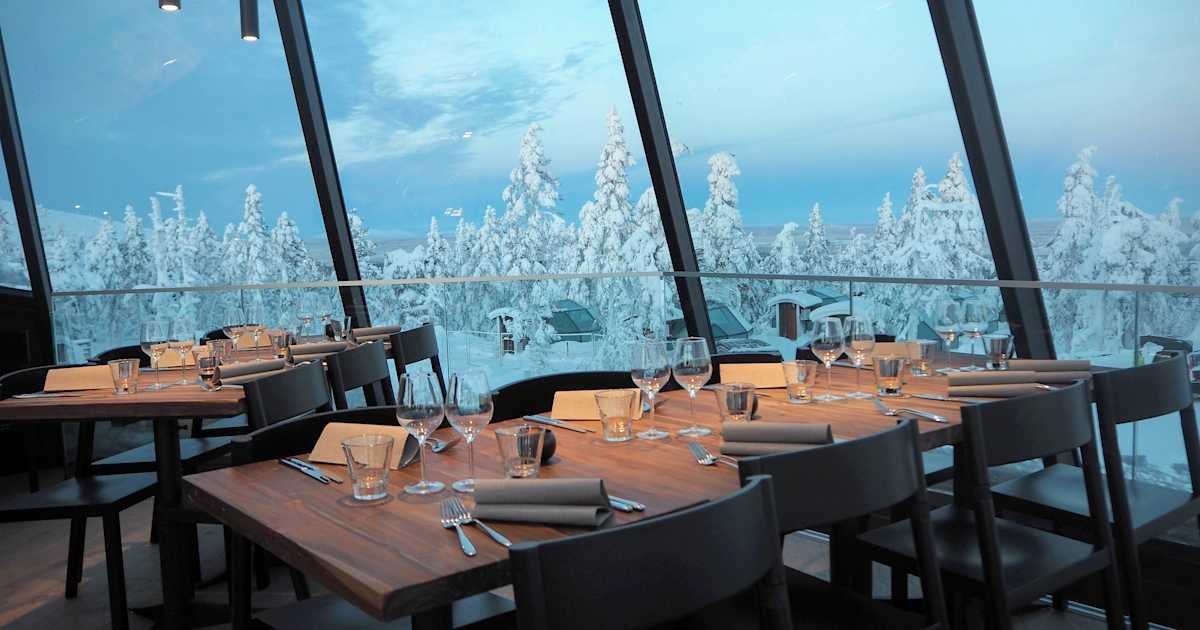
Where Lapland's Pantry Meets the Dark Sky
Sirkka sits inside the Levi ski resort municipality in Finnish Lapland, roughly 170 kilometres north of the Arctic Circle. At this latitude, the kitchen calendar runs on a logic that has little in common with how restaurants in Helsinki or Turku source their produce. The growing season compresses to a matter of weeks. Winters arrive fast, freeze hard, and last long enough that what the land offers must be preserved, fermented, or foraged before the cold sets in. Restaurants that operate seriously in this environment do not treat local sourcing as a marketing posture. They treat it as a structural constraint, and the menus that emerge from that constraint tend to be more honest about place than almost anything you will find in a capital city. For more on how Finnish restaurants approach this question at different price points and latitudes, see our full Sirkka restaurants guide.
Aurora Sky Restaurant takes its name from the phenomenon that defines this region for visitors more than any other: the northern lights. Between late September and late March, the sky above Sirkka is dark enough and clear enough on the right nights to make aurora viewing a serious pursuit rather than a lucky accident. The restaurant's positioning within that context is not incidental. Dining at a venue that carries this name, in this location, at this time of year, means the experience is shaped as much by what is happening outside as by what arrives at the table.
The Lapland Larder: What Grows, What Runs, What Swims
The ingredient logic of northern Finnish cooking is worth understanding before you arrive. Reindeer is the cornerstone protein of Sámi and Finnish Lapp tradition, and in Lapland it is not a novelty item on a tourist menu. Reindeer herding remains an active livelihood in this region, which means the supply chain between herd and kitchen is short and traceable in a way that equivalent proteins further south rarely achieve. The animals graze on lichen and wild herbs across vast open terrain, which produces a lean, mineral-forward meat with a flavour profile that reflects the land directly.
Wild fish from the rivers and lakes of Lapland, particularly Arctic char, grayling, and brown trout, represent a second pillar of the regional larder. These are cold, clean, slow-moving waters, and the fish that come from them have a distinct texture and fat content shaped by the need to survive long winters. Compare this with farmed equivalents available year-round in Helsinki and the difference is measurable, not just rhetorical. Restaurants at the sharper end of the Nordic dining scene, from Kaskis in Turku to Palace in Helsinki, have built reputations partly on their ability to source and present these northern ingredients with precision. In Sirkka, the distance between source and plate collapses further still.
Berries arrive in a narrow window. Cloudberries, which ripen in August across the tundra bogs of Lapland, are among the more geographically specific ingredients in Finnish cooking. They do not travel well, do not grow at scale in cultivated environments, and exist in meaningful quantities only in the far north. The same applies to lingonberries, crowberries, and the various wild mushrooms that emerge in the brief shoulder season between summer's end and the first hard frost. These ingredients carry genuine provenance because the environment that produces them cannot be replicated elsewhere.
Sirkka in Context: A Ski Resort That Eats Seriously
Levi is Finland's largest ski resort, and Sirkka is the village at its base. The hospitality infrastructure here is built primarily around winter sports tourism, which means restaurants have developed in a market that values warmth, speed, and crowd capacity alongside quality. The dining scene is not as concentrated or competitive as Rovaniemi, the regional capital, where restaurants like Hai Long serve a more mixed urban clientele year-round. In Sirkka, the season dictates everything: peak winter from December through March, a quieter autumn aurora season, and a summer period that draws hikers and fell walkers rather than skiers.
Finnish Lapland's food culture sits in a different category from the new Nordic wave that drew international attention to Copenhagen and Stockholm in the 2000s and early 2010s. That movement was urban, chef-driven, and consciously avant-garde. The cooking of Lapland predates it and operates on different terms. Preservation techniques like drying, smoking, and salt-curing are not deployed as fashionable references to tradition. They are how people here have managed food across dark seasons for centuries. Particularly thoughtful restaurants in the region translate this into contemporary formats without overstating the historical narrative. Across Finland more broadly, venues like VÅR in Porvoo and Bistro Henriks in Tampere demonstrate how regional ingredient logic can be articulated at a serious dining level without wholesale adopting the Scandinavian fine dining playbook.
Planning a Visit to Aurora Sky Restaurant
Sirkka is accessible by air via Kittilä Airport, which receives regular domestic flights from Helsinki throughout the ski season and handles seasonal charter traffic from several European cities during peak winter. The drive from Kittilä to Sirkka is approximately 15 kilometres, making the airport one of the more convenient regional gateways in Finnish Lapland. Visitors combining dining with aurora viewing should plan around the dark season window, which runs reliably from late September through early April, with the clearest aurora conditions typically occurring in late February and March when cloud cover is lower and nights remain long.
For those building a broader Finland itinerary, the contrast between Lapland dining and southern Finnish restaurant culture is worth treating as a deliberate editorial through-line. The new Nordic ambitions evident at Filipof in Joensuu, the regional produce focus at Gösta in Mänttä, or the more urban contemporary registers of Figaro in Jyväskylä, Vintti in Hameenlinna, Hejm in Vaasa, Vino in Mikkeli, Juurella in Seinajoki, and Mikko Utter in Lohja all sit within the same national tradition but reflect different geographic and commercial contexts. Laanilan Kievari in Saariselka offers the closest regional comparison to the Sirkka experience, operating within the same northern ingredient logic at a similarly remote latitude. For those curious how Finnish sourcing philosophies translate when placed against global reference points, JJ's BBQ in Salo provides an instructive contrast in format and ethos, while international benchmarks like Le Bernardin in New York City and Atomix in New York City illustrate how sourcing transparency has become a marker of seriousness across different culinary traditions.
How It Stacks Up
Comparable venues nearby, for context on price, style, and recognition.
| Venue | Cuisine | Price | Notes |
|---|---|---|---|
| Aurora Sky RestaurantThis venue — the venue you are viewing | Refined Nordic Cuisine | $$$$ | Not listed |
| Kakolanruusu | Open-fire Nordic Fine Dining | $$$ | Kakolanmäki |
| Restaurant Boreal | Modern Nordic Finnish | $$$ | Kamppi |
| Restaurant Sea Horse | Classic Finnish | $$$ | Ullanlinna |
| Bar4 | Cocktail Bar | $$ | City Centre |
| Ateljé Finne | Modern Finnish Bistro | $$$ | Etu-Toolo |
At a Glance
- Romantic
- Scenic
- Intimate
- Elegant
- Cozy
- Date Night
- Special Occasion
- Celebration
- Rooftop
- Panoramic View
- Hotel Restaurant
- Extensive Wine List
- Local Sourcing
- Mountain
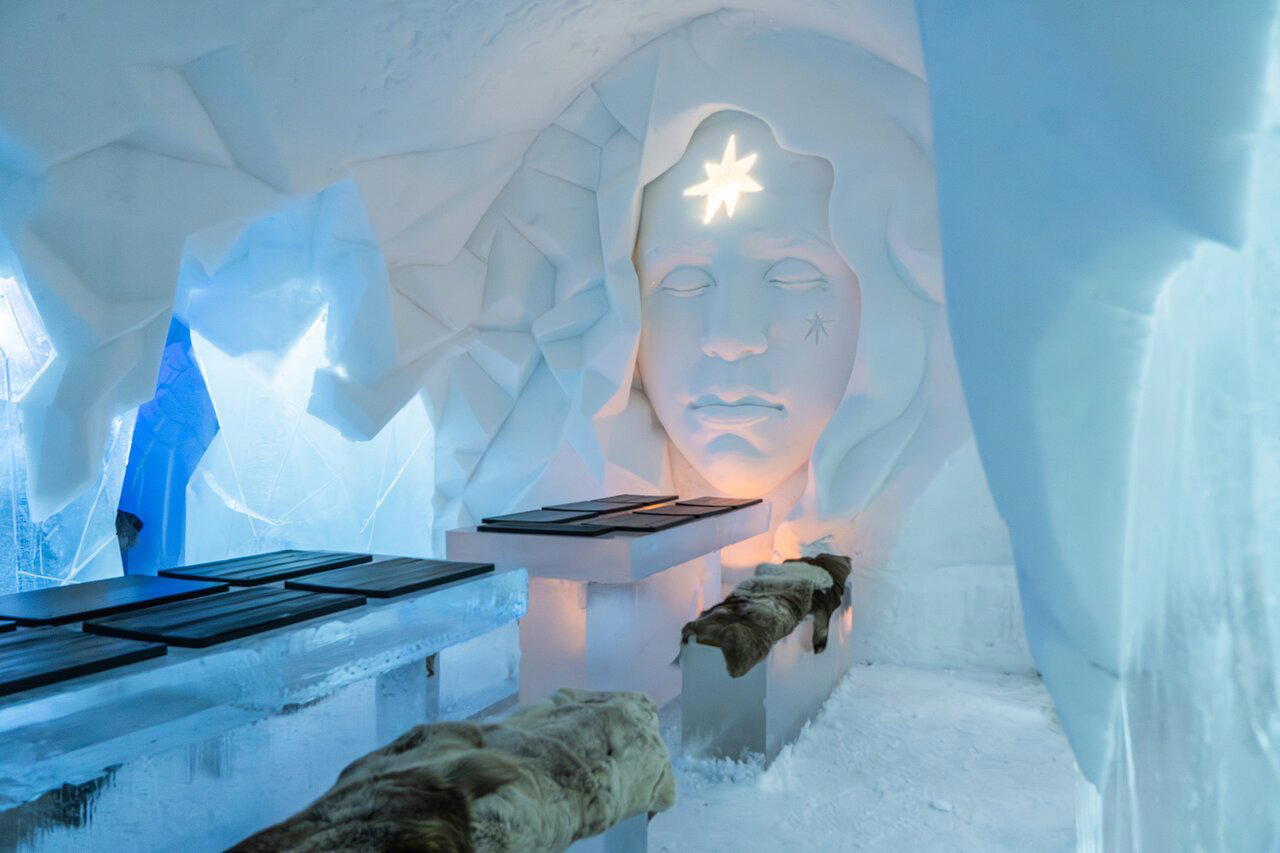
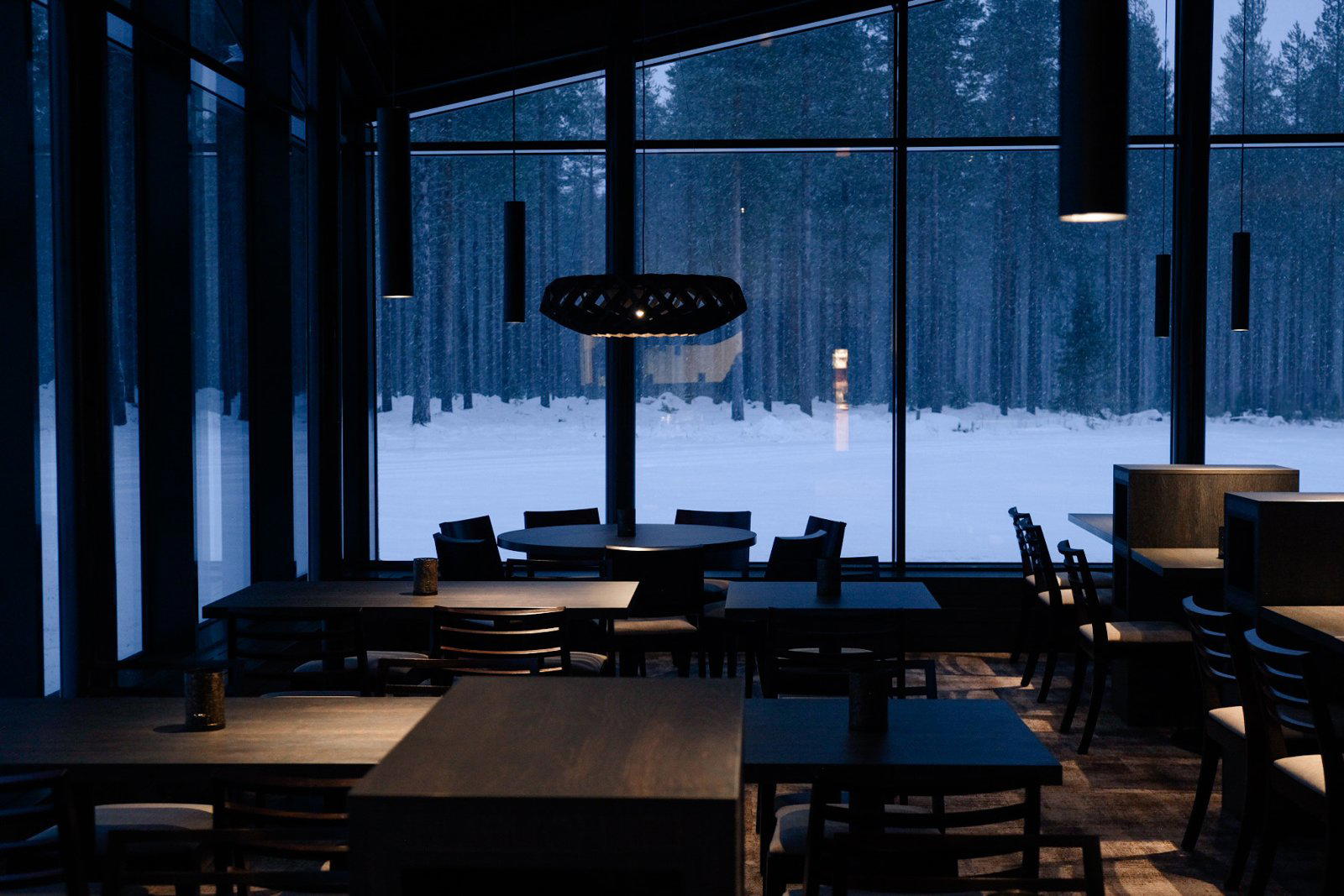
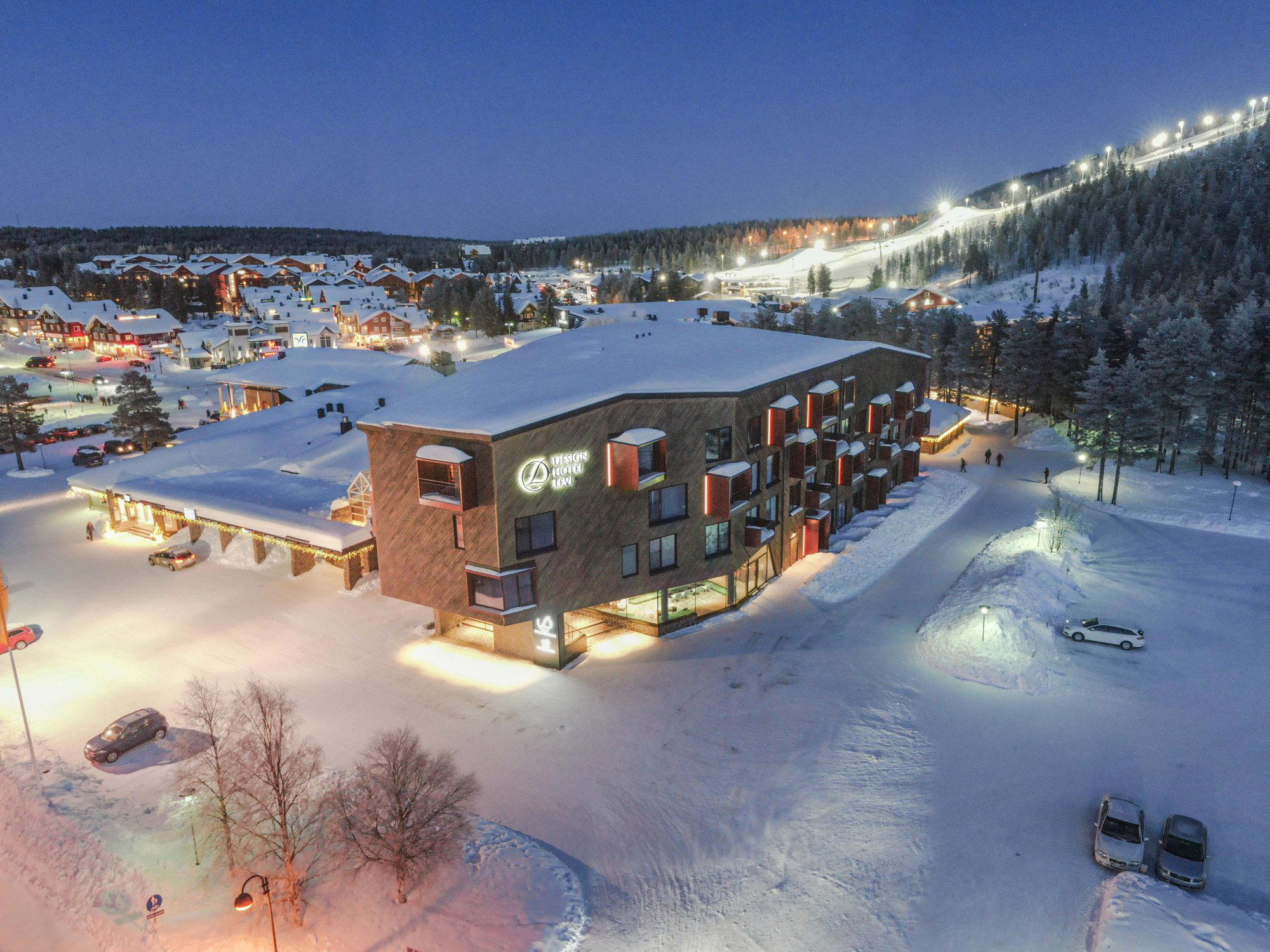
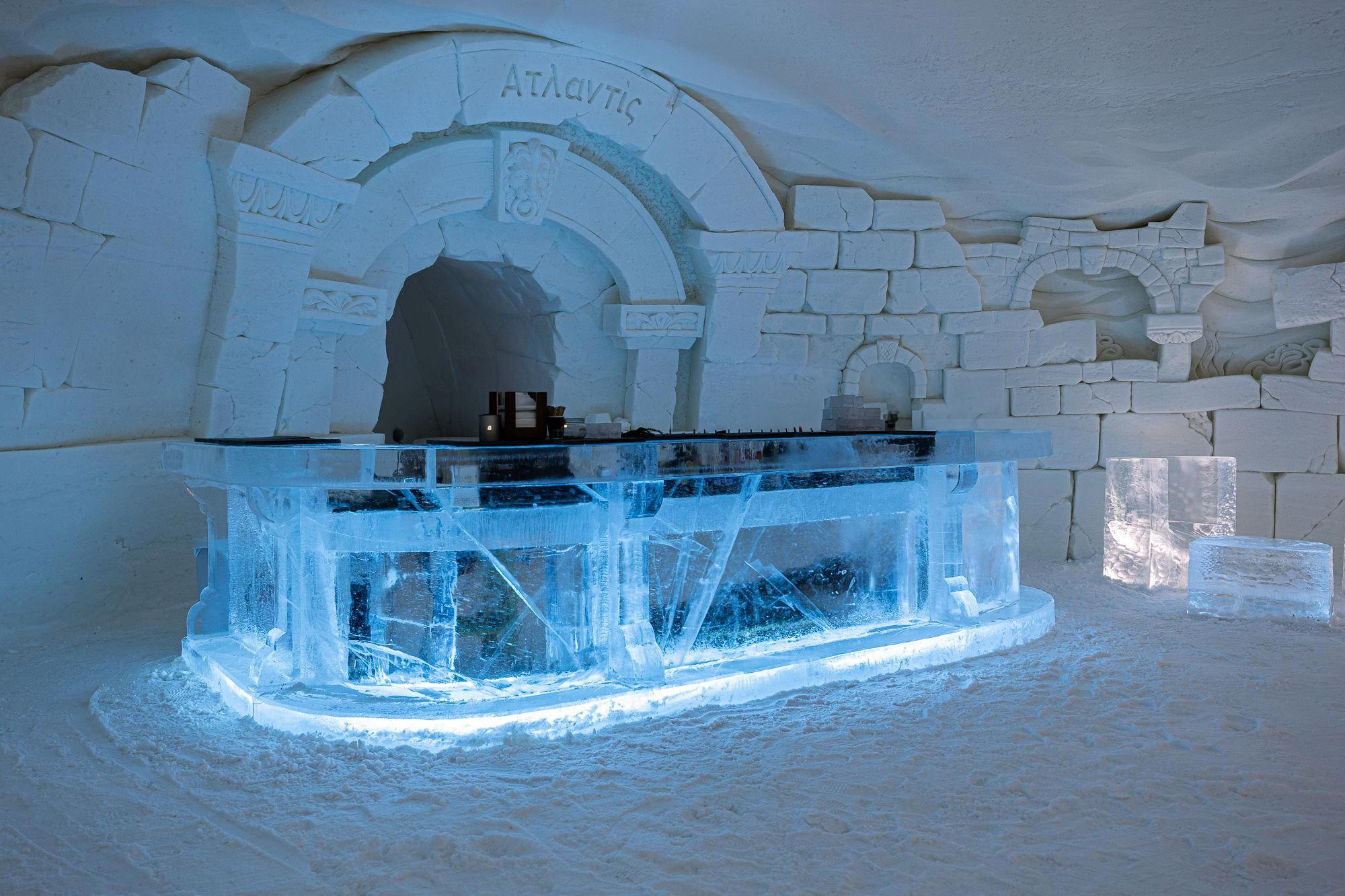
Cozy and intimate with stylish interior, glass walls and roof providing magical views of surrounding fells and potential northern lights.