
Restaurant Alexanderplats pairs Classic French & European Brasserie cooking with an extensive wine list, terrace seating, and a conversational pace for lunch or dinner in Helsinki.
Pearl is the En Primeur Club membership app — saves, bookings, and concierge access live there. Same editors, same standards.
- Address
- Eteläesplanadi 22, 00130 Helsinki, Finland
- Phone
- +358447239030
- Website
- alexanderplats.fi
- Directions
- Get directions
 Saves & bookings on Pearl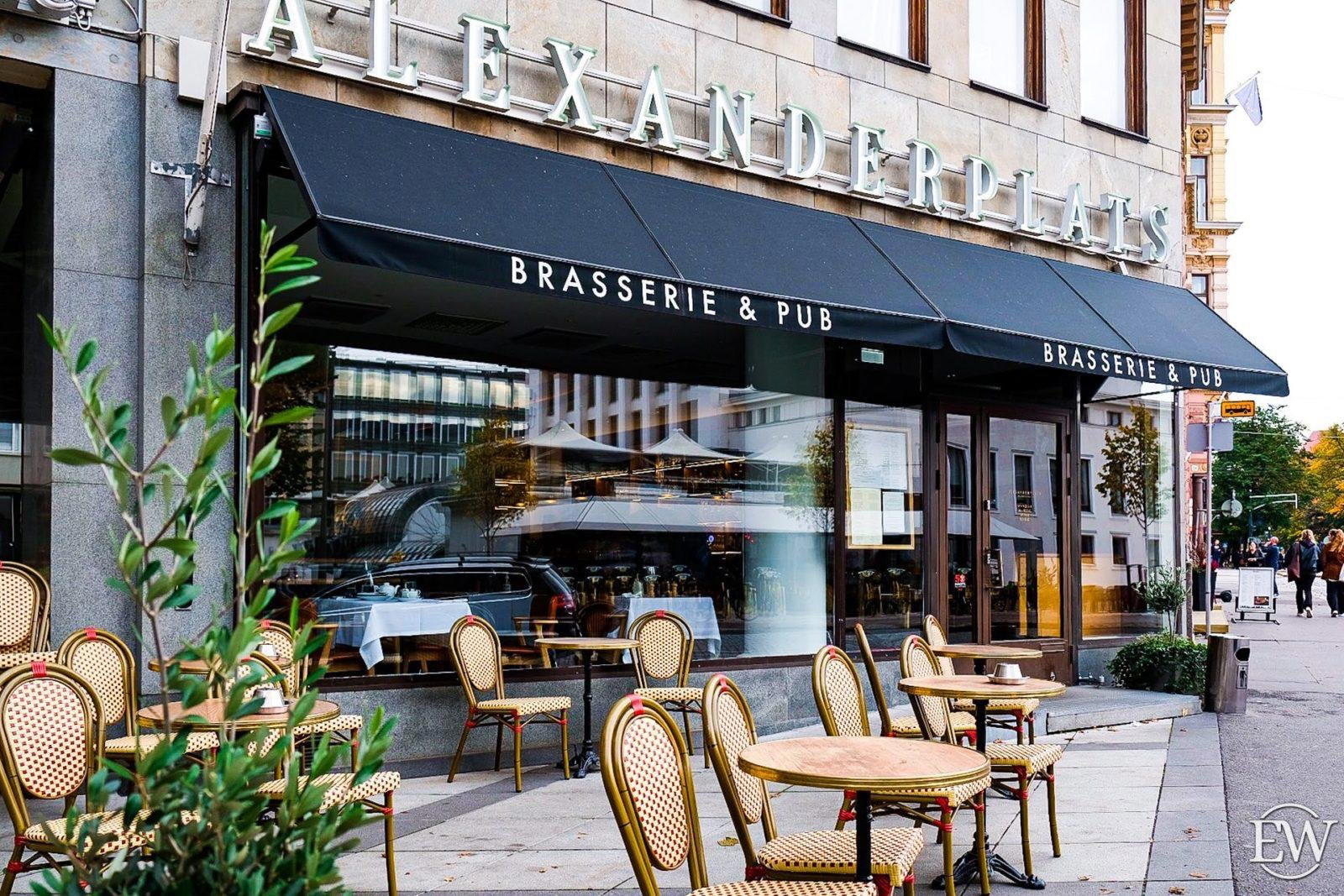
Eteläesplanadi and the Weight of Expectation
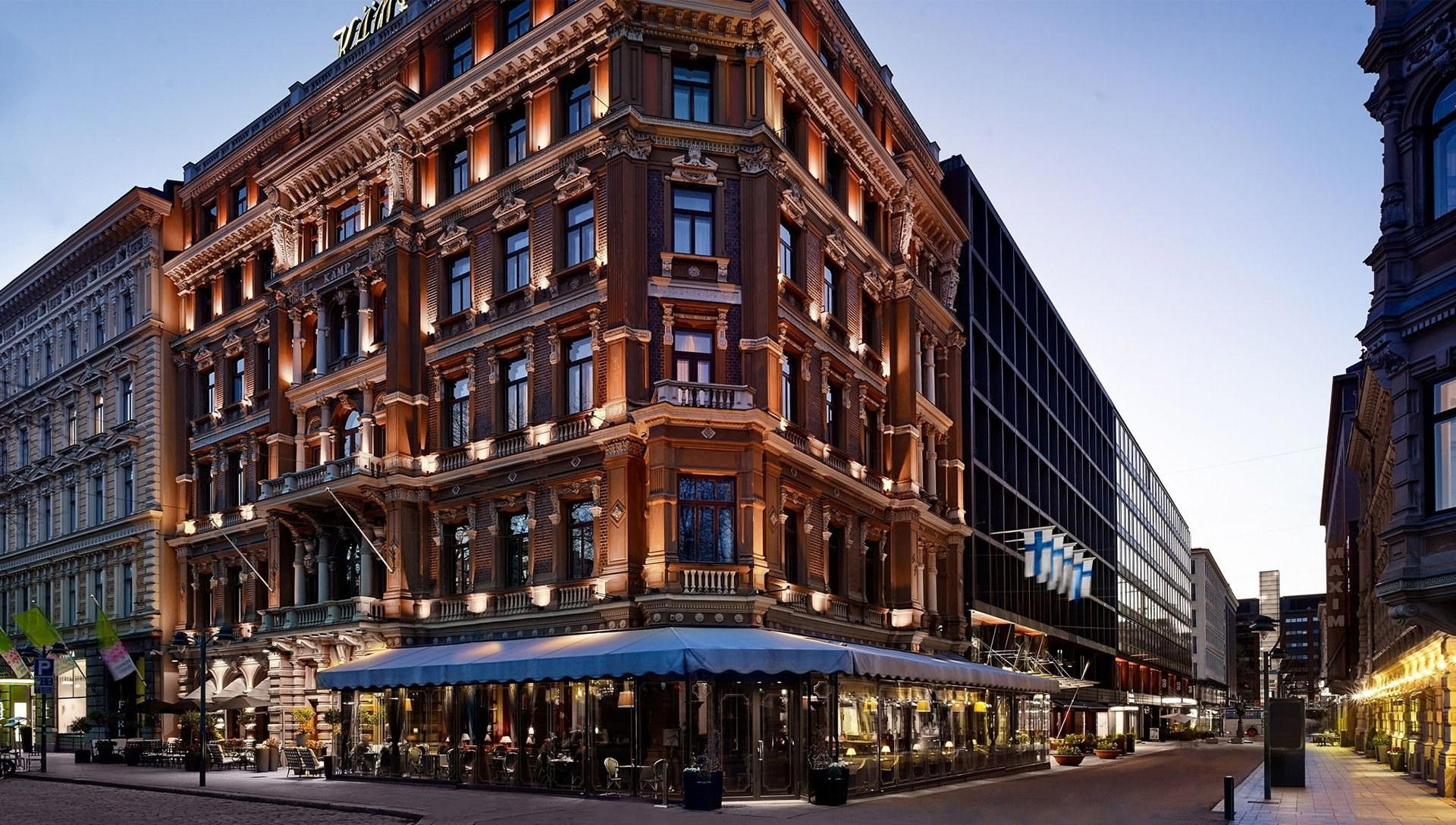
Eteläesplanadi 22 sits on one of Helsinki's most freighted addresses. The esplanade strip, running between the Market Square and the Swedish Theatre, has long been the city's formal promenade, the kind of address that carries an implicit promise before you reach the door. Arriving here, you are already inside a specific Helsinki idea: civic elegance, Baltic light in the windows, a certain seriousness of purpose. Restaurant Alexanderplats occupies that register. The address alone positions it within the upper tier of Helsinki dining, where the competition includes Palace, Olo, and Finnjävel Salonki, all clustered within the same compact southern district and all drawing from similar pools of Nordic produce and global technique.
Helsinki's serious restaurant culture has consolidated around a recognisable set of conventions over the past decade: tasting menus built on foraged and seasonal Finnish ingredients, wine lists that lean heavily on natural and low-intervention producers, and a restrained interior aesthetic that treats blondwood and concrete as default materials. What distinguishes individual venues within that consensus is almost always a matter of menu architecture, specifically how the kitchen decides to sequence flavours, where it draws the line between local reference and international vocabulary, and how much it trusts the produce to carry the course without compositional intervention. Those decisions are what a kitchen is arguing when it sets a menu.
What the Menu Structure Says
In Helsinki's upper dining tier, menu architecture functions as a kind of manifesto. At Grön, the structure is deliberately spare, courses arriving with minimal framing, the kitchen trusting that the ingredient will communicate without elaboration. At The ROOM by Kozeen Shiwan, the sequencing carries a clear biographical argument about where Nordic meets Middle Eastern influence. Each of these restaurants uses its menu order to tell the reader something about its values before the first course lands.
Restaurant Alexanderplats, positioned on this same esplanade corridor, enters that conversation through its address and its implied ambitions. Eteläesplanadi restaurants do not operate in the casual or experimental registers; the neighbourhood context presses toward formality and coherence. A kitchen here is expected to demonstrate command over the full arc of a meal: aperitif logic, the progression from lighter to more structurally complex plates, the management of richness across a sequence, and the point at which dessert course structure pivots from palate-cleansing to indulgence. That full-arc discipline is what separates venues that belong on this street from those that merely occupy it.
For broader context on how Helsinki's dining map is organised, the full Helsinki restaurants guide covers the city's distinct neighbourhood registers, from the Esplanadi corridor's formal tier to the more experimental kitchens operating further north and west of the centre.
Helsinki in a Wider Finnish Context
Helsinki's concentration of serious restaurants is not accidental. The city draws the majority of Finland's international culinary attention, which can obscure equally committed kitchens elsewhere in the country. Kaskis in Turku works a similarly rigorous seasonal approach with a fraction of the capital's competitive noise. VÅR in Porvoo operates in a small-town context that removes the pressure to perform for international audiences. Bistro Henriks in Tampere holds its own against Helsinki peers in terms of technique and sourcing discipline.
Within Helsinki itself, the Esplanadi address carries a different weight than, say, a kitchen in Punavuori or Kallio. Those districts permit informality, experimentation, and a looser relationship with the conventions of fine dining. Eteläesplanadi does not extend the same permission. A restaurant here is read against a formal register by default, which means any deviation from that register, whether in menu structure, service pacing, or room tone, reads as a deliberate choice rather than an oversight. That is the peculiar pressure of a prestigious address: it removes the ambiguity that gives younger kitchens room to define themselves.
Across Finland, the culinary culture that Helsinki's top tier now represents has taken decades to build. The shift from French-dominant fine dining to something genuinely Nordic in its ingredient logic, if not always in its technique, happened incrementally and unevenly. Venues like Figaro in Jyväskylä, Hejm in Vaasa, and Filipof in Joensuu reflect how that evolution has dispersed across the country, each city developing its own version of what serious Finnish cooking looks like outside the capital. Meanwhile Vintti in Hämeenlinna, JJ's BBQ in Salo, and Gösta in Mänttä illustrate the range of formats and price points that Finnish dining now supports beyond its dominant Nordic-tasting-menu mode. And far to the north, Hai Long in Rovaniemi shows how the country's most remote dining rooms handle the challenge of sourcing and seasonality at the edge of the Arctic, where ingredient access changes the menu conversation entirely.
The International Frame of Reference
Helsinki's upper-tier restaurants are increasingly benchmarked against international comparable venues rather than simply against each other. The comparison is not always flattering but it is useful. A kitchen like Le Bernardin in New York City demonstrates what three decades of single-minded focus on a cooking category produces at its apex: absolute technical mastery within a deliberately narrow remit. Atomix in New York City, operating in a different register, shows how tasting-menu architecture can carry a cultural argument across every element, from the sequencing of courses to the physical objects on the table. Both offer a useful lens for assessing what Helsinki kitchens are attempting and where the gap between ambition and execution still shows.
Restaurant Alexanderplats, operating from one of Helsinki's most deliberate addresses, is placed within this international conversation by default. The question for any restaurant on Eteläesplanadi is not whether it will be compared to the city's leading, but whether the comparison extends outward to that broader frame.
Planning a Visit
Eteläesplanadi 22 is a short walk from Helsinki's central Market Square, easily reached on foot from the main railway station in under fifteen minutes or directly from the waterfront tram stops that run along the Esplanadi. The neighbourhood is most atmospheric in summer, when the esplanade gardens fill and evening light over the harbour extends well past nine o'clock, but the formal indoor registers of restaurants on this strip are designed to function across all seasons.
Where It Fits
Comparable venues nearby, for context on price, style, and recognition.
| Venue | Cuisine | Price | Notes |
|---|---|---|---|
| Restaurant AlexanderplatsThis venue — the venue you are viewing | Classic French & European Brasserie | $$ | Not listed |
| Wino | Natural Wine Bistro | $$ | Harju |
| Ravinteli Olkkari | Modern European Fusion | $$$ | Linjat |
| Way Herttoniemi | Modern Finnish Bakery Café | $$ | Lansi-Herttoniemi |
| The Grand Bar & Grill | Modern Grill with Finnish Beef | $$$ | Ullanlinna |
| murasaki | Authentic Japanese Izakaya | $$ | Etu-Toolo |
Recognition history
Dated appearances from independent guides and award organizations, with the underlying list record or original source where available.
Star Wine List
Star Wine List
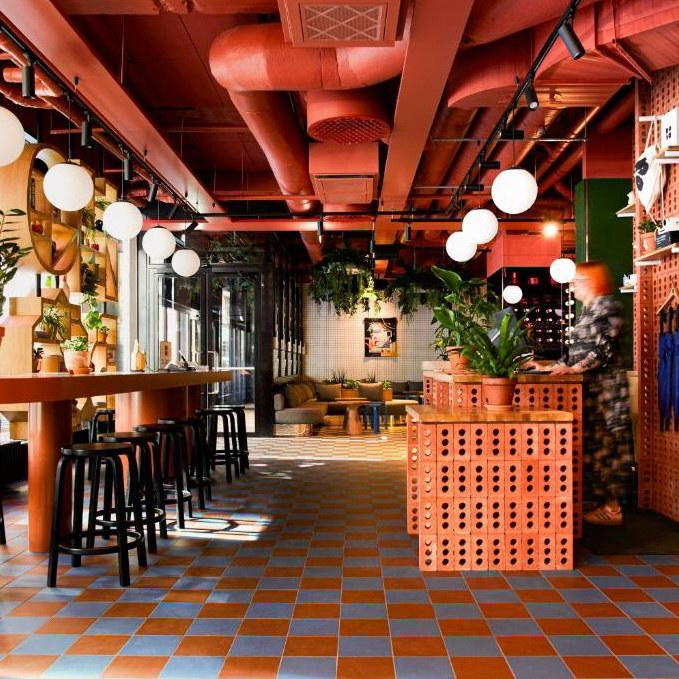
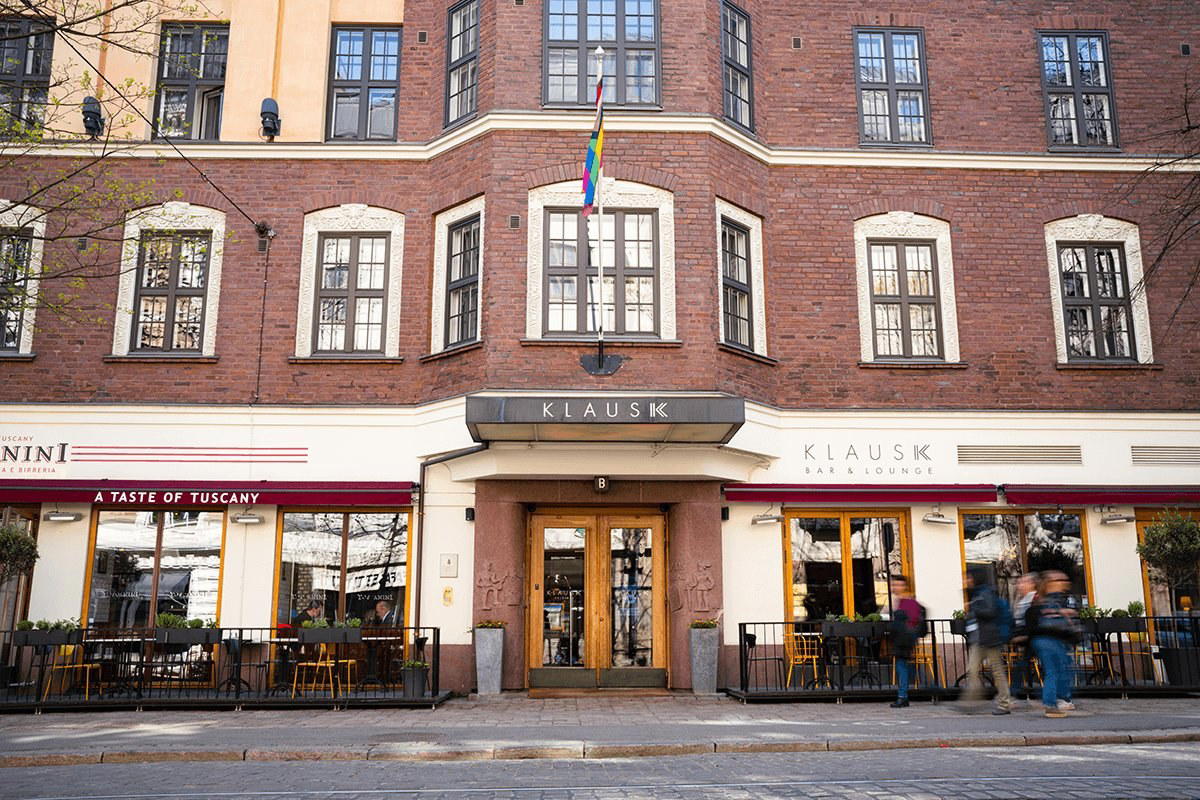
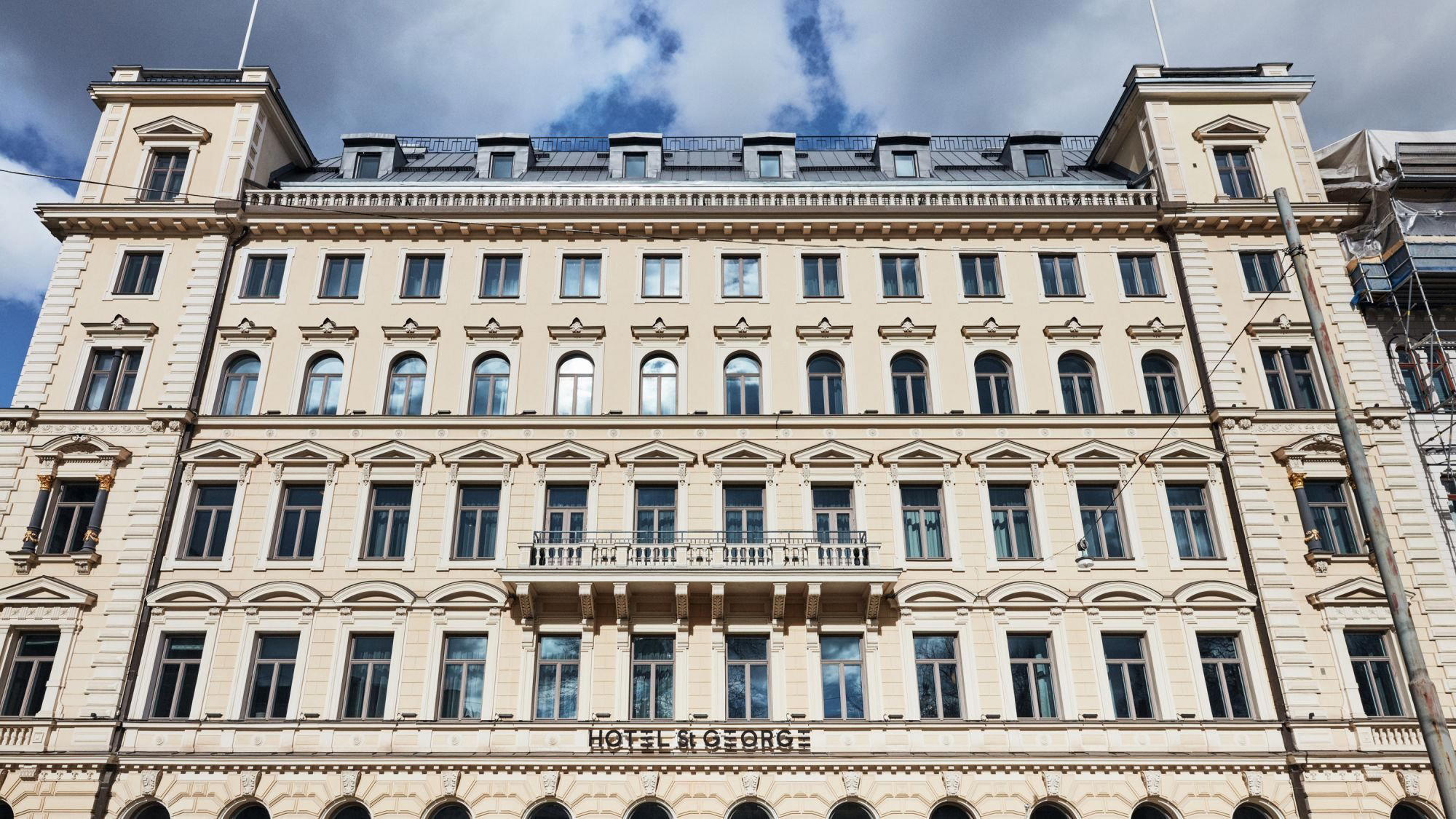
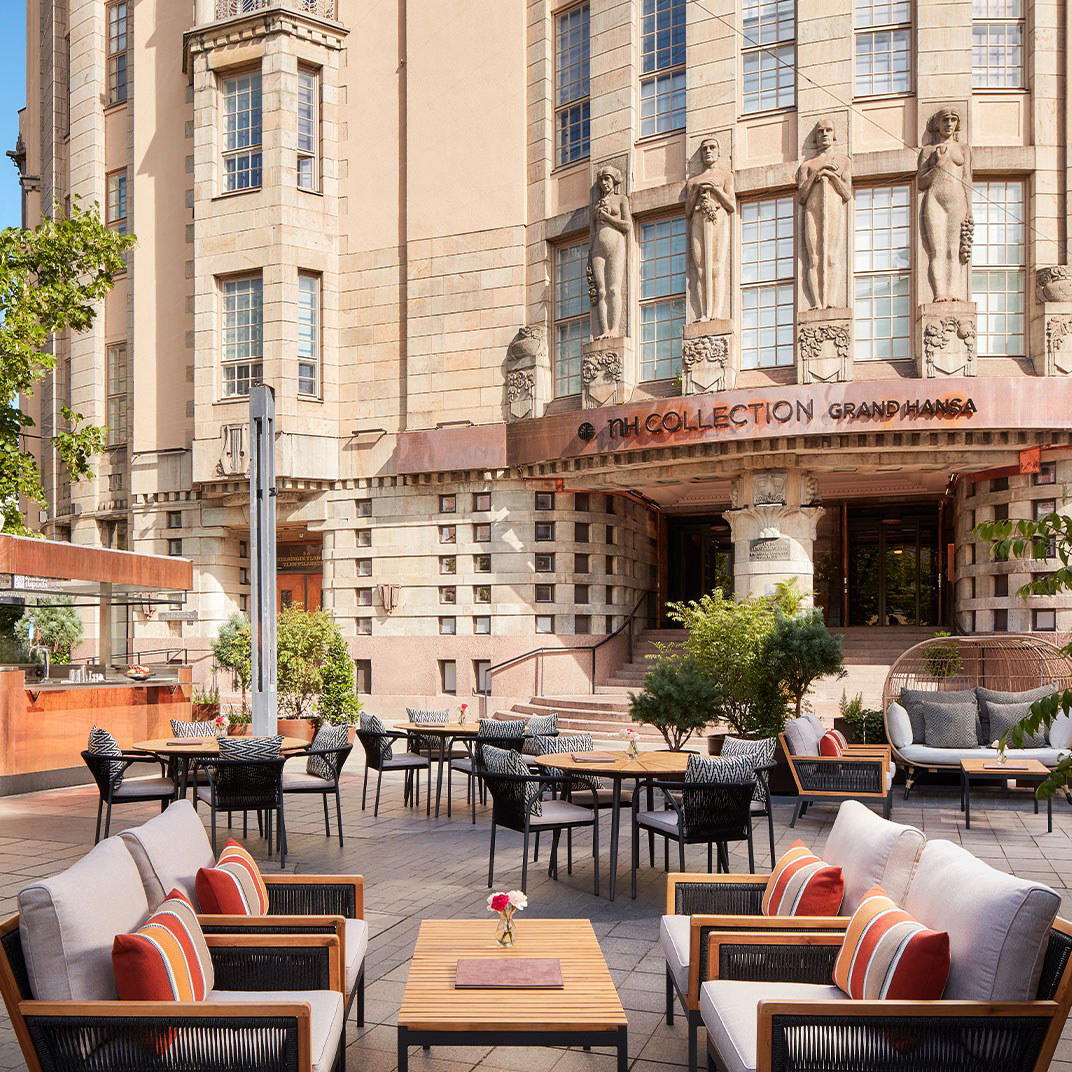
At a Glance
- Elegant
- Classic
- Cozy
- Business Dinner
- Terrace
- Extensive Wine List
- Local Sourcing
- Street Scene
Current opening hours
- Monday
- 11 AM–2:30 PM, 4:30 PM–12 AM
- Tuesday
- 11 AM–2:30 PM, 4:30 PM–12 AM
- Wednesday
- 11 AM–2:30 PM, 4:30 PM–12 AM
- Thursday
- 11 AM–2:30 PM, 4:30 PM–12 AM
- Friday
- 11 AM–2:30 PM, 4:30 PM–12 AM
- Saturday
- 1 PM–12 AM
- Sunday
- Closed
Hours can change for holidays and private events. Last verified .
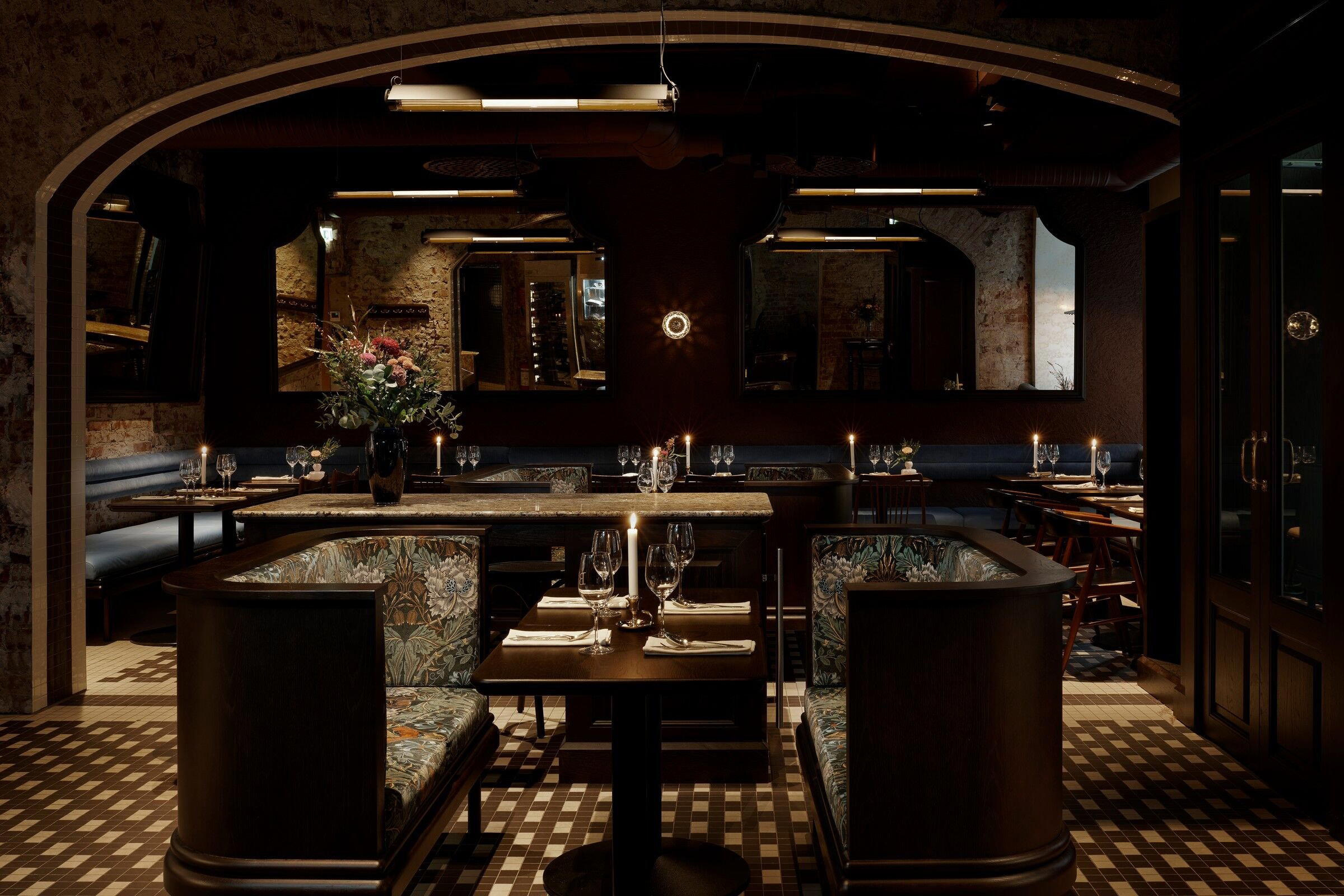
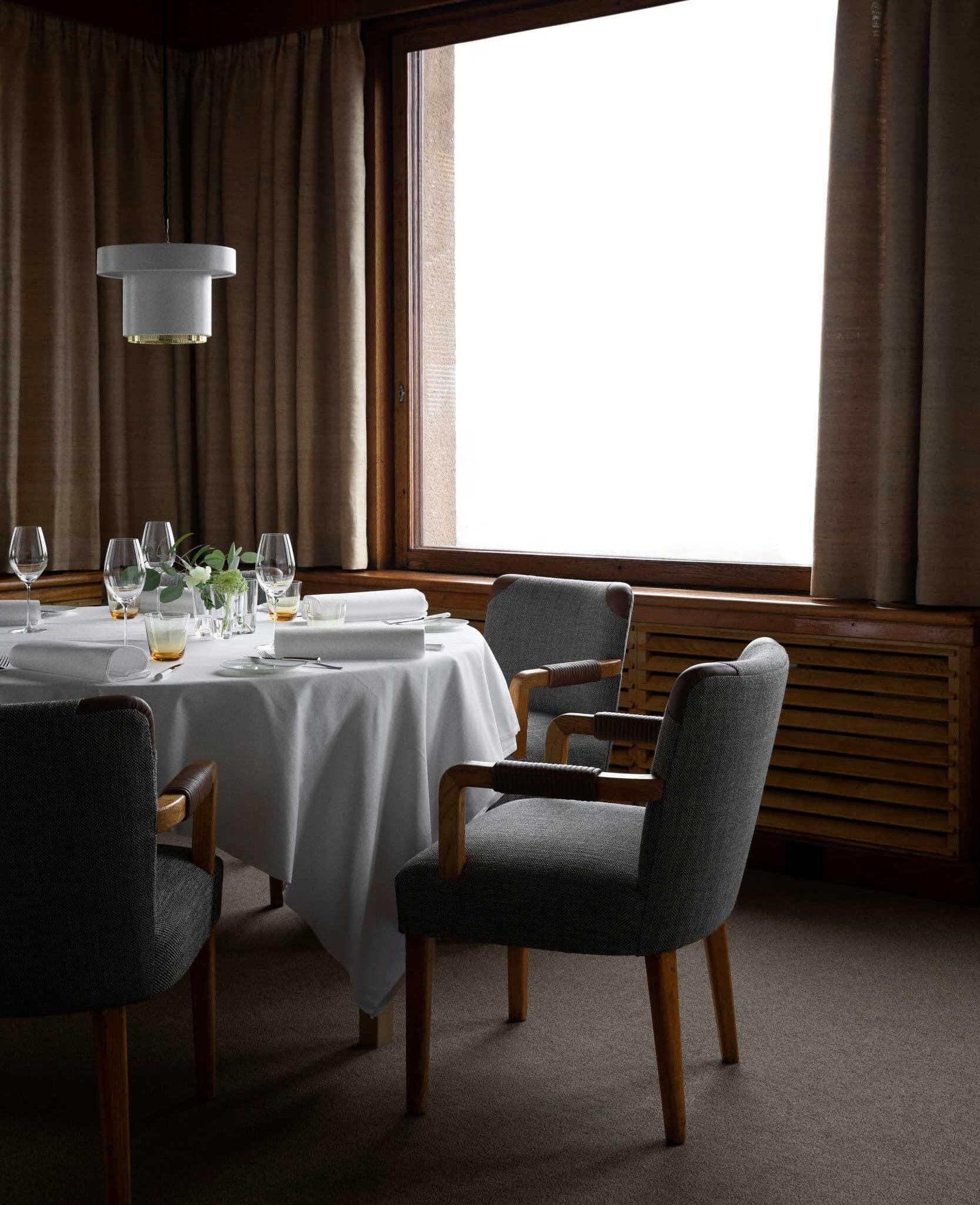
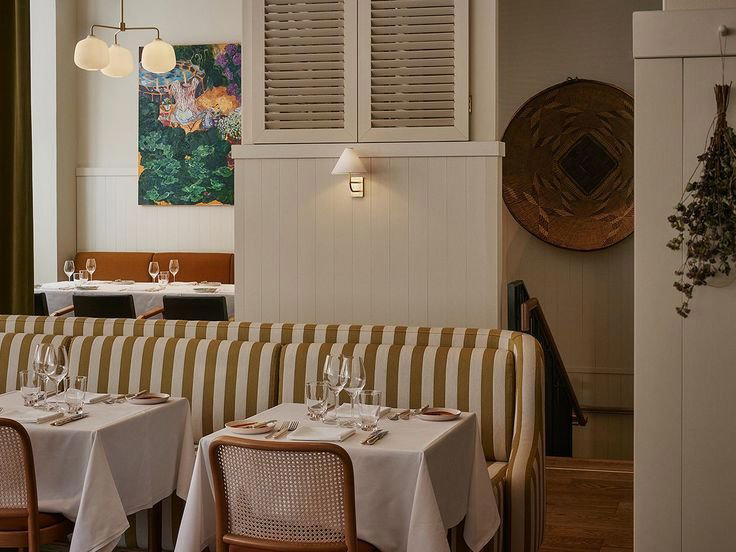
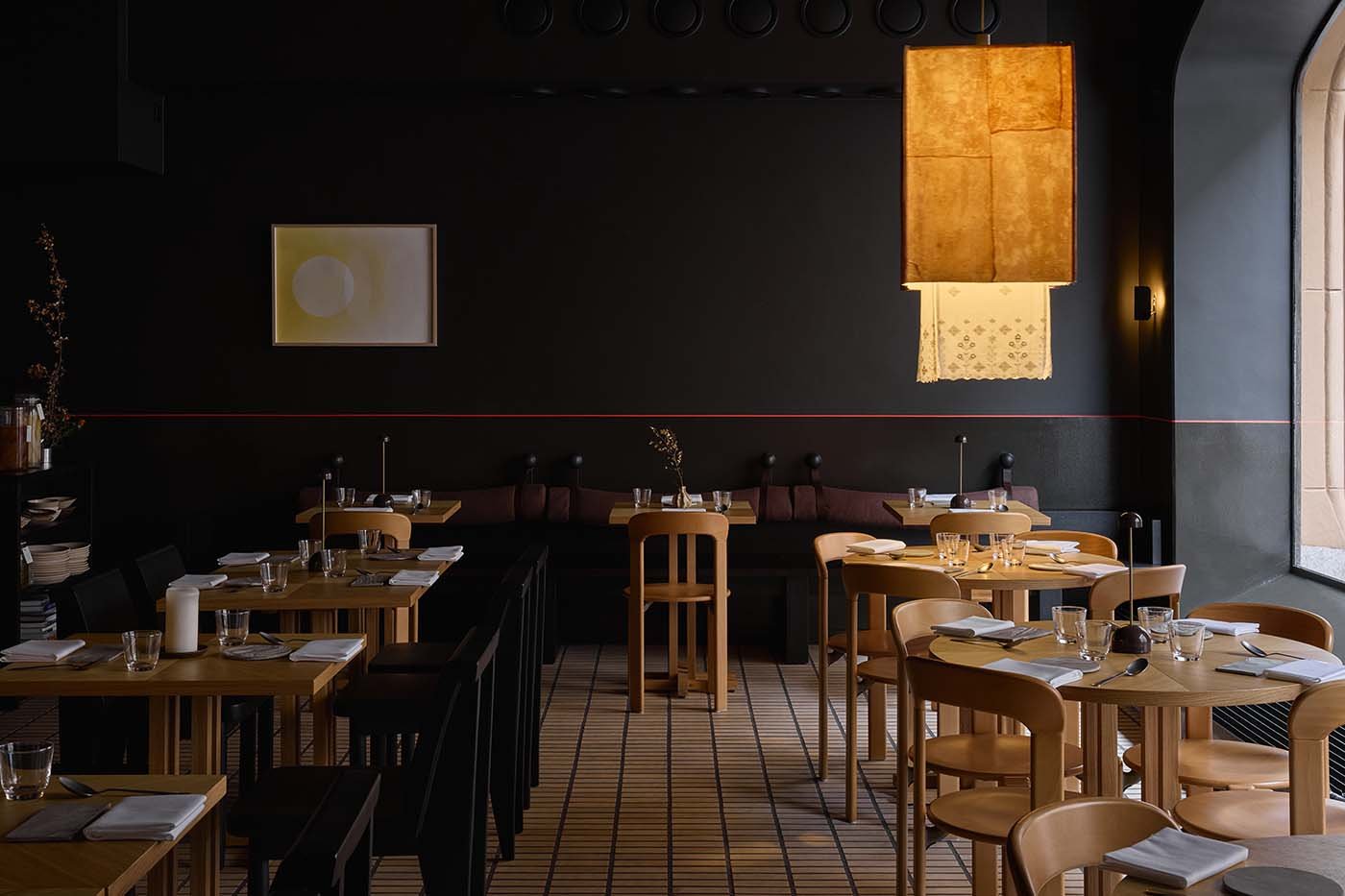
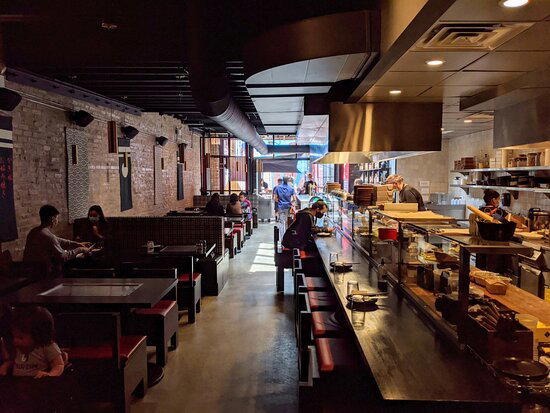
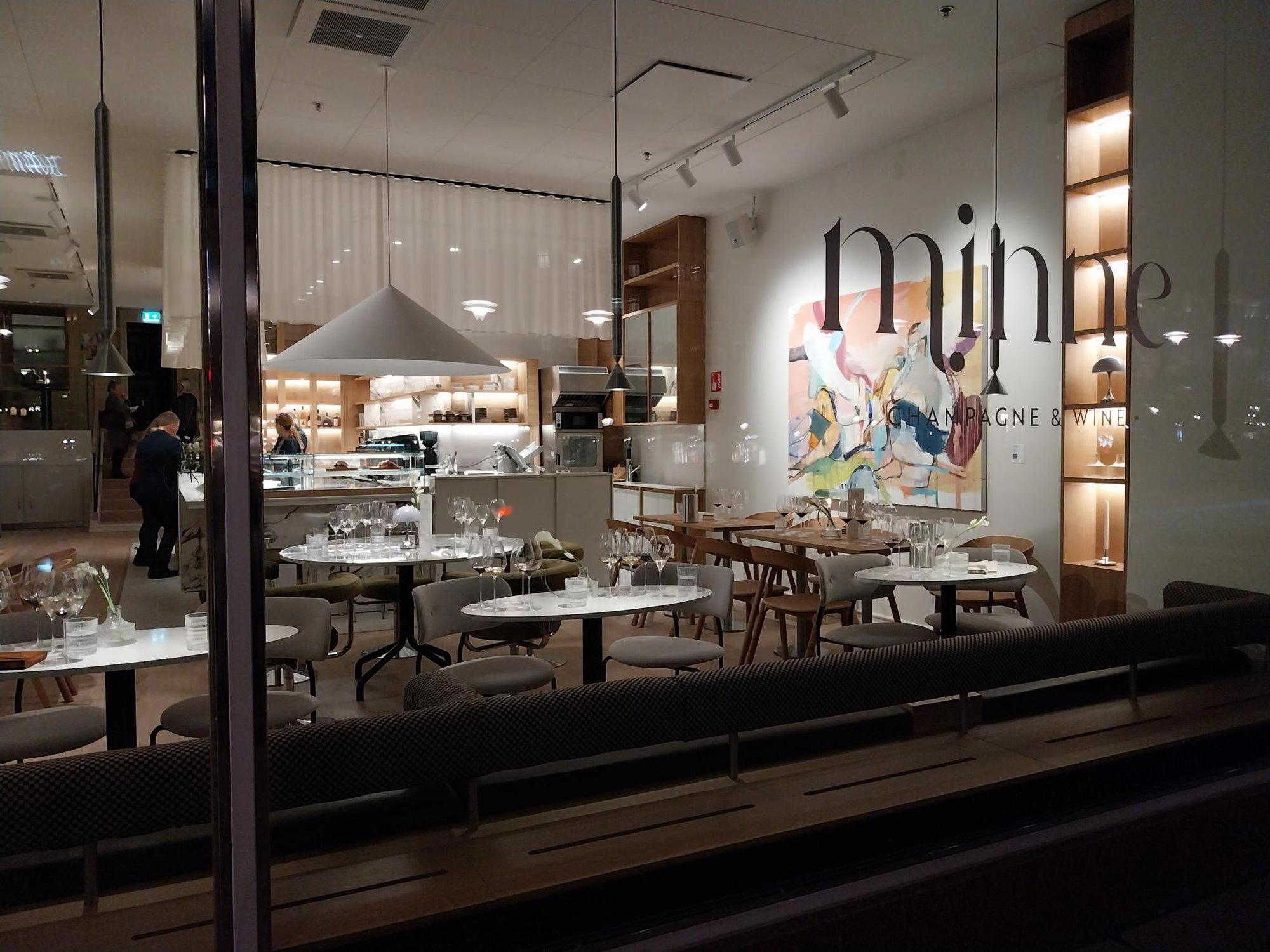
Pure and elegant atmosphere with terrace seating.