OYSHI occupies a quiet address on Matúšova in Trenčín, positioning itself within a city whose dining scene has been quietly diversifying beyond Slovak tradition. The name signals Japanese influence, placing it in a small but growing niche of Asian-leaning restaurants across provincial Slovakia. For travellers passing through the Váh valley corridor, it represents an alternative to the region's heavier Central European standards.
 Discover on Pearl
Pearl is the En Primeur Club membership app — saves, bookings, and concierge access live there. Same editors, same standards.
- Address
- Matúšova 22, 911 01 Trenčín, Slovakia
- Phone
- +421911051999
- Website
- oyshi.sk
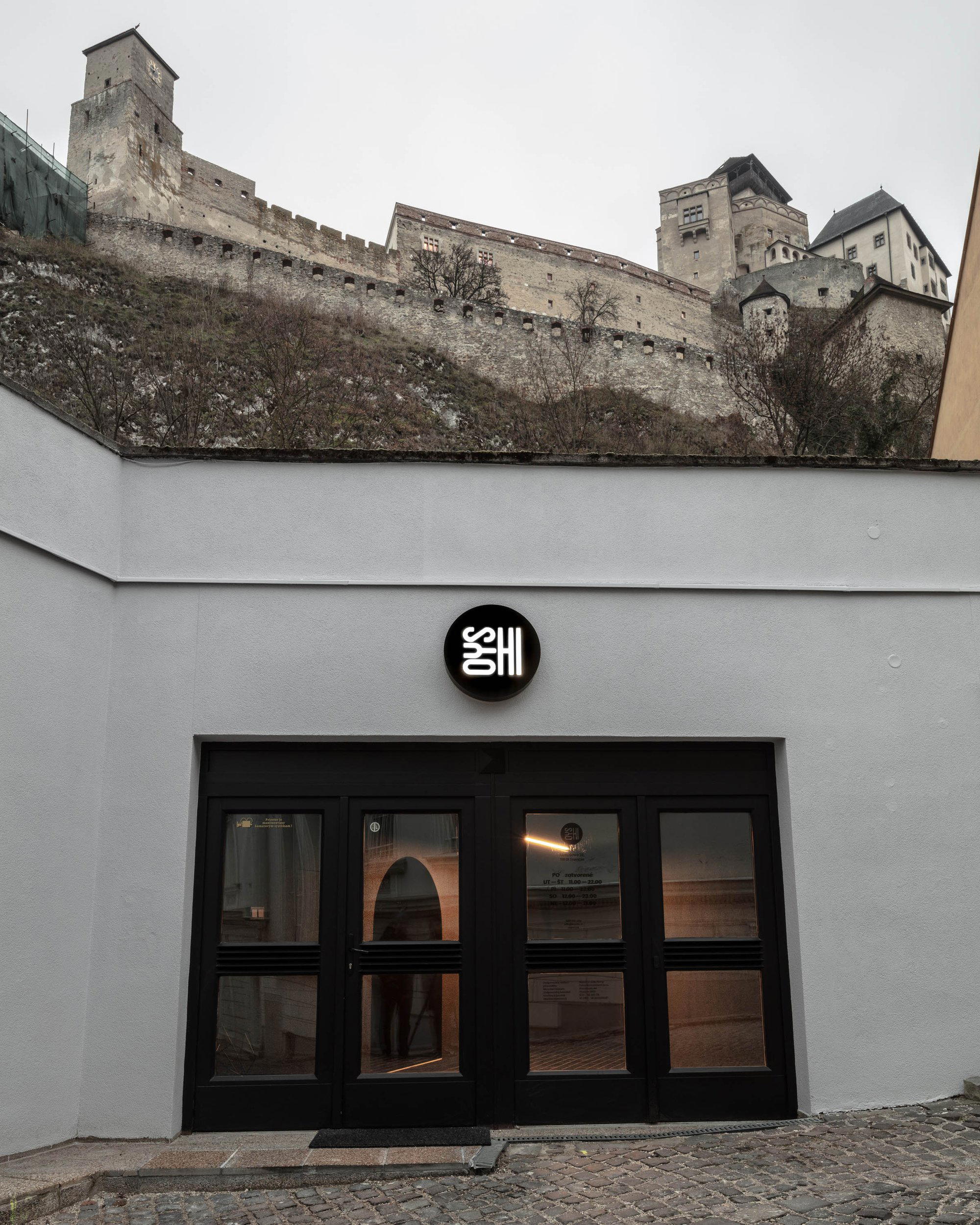
A Different Register on Matúšova
Trenčín's restaurant scene is shaped by its geography as much as its demographics. The city sits along the Váh river in western Slovakia, close enough to Bratislava to feel its culinary currents but far enough to develop its own character. OYSHI is a modern Japanese sushi and fusion restaurant at Matúšova 22 in Trenčín, a casual spot where reservations are recommended. The dominant mode here is Central European comfort: duck, pork, dumplings, hearty broths. Against that backdrop, restaurants that reference Japanese or broader Asian traditions occupy a genuinely distinct position, and OYSHI, at Matúšova 22, is one of a small number of addresses in the city operating in that register.
The name itself, OYSHI, a phonetic rendering of oishii, the Japanese word for delicious, signals intent before you step inside. In cities like Bratislava, Japanese-inflected dining has grown into a credible category, with venues ranging from fast-casual sushi rolls to more considered omakase-adjacent formats. Trenčín is earlier in that curve, which means a restaurant like OYSHI is not competing in a saturated field. Whether that reflects an opportunity seized or simply a gap that needed filling says something about the pace at which provincial Slovak cities are absorbing global food trends.
The Sourcing Question in Central Slovak Cooking
In central Slovakia, this plays out acutely. The fish markets of Tokyo or the specialist importers of Vienna are not on the doorstep. Restaurants working with raw fish, Japanese condiments, or precise fermentation products either invest in specialist import relationships or adapt their menus to what regional supply can support without compromise.
Where OYSHI Sits in Trenčín's Current Scene
Trenčín's dining options have expanded meaningfully over the past decade. The city now supports a range of formats alongside its traditional Slovak taverns: modern European cooking, international fast-casual, and a handful of addresses that draw on Asian traditions. OYSHI sits within that last bracket, in a city where such restaurants remain few enough that each one carries outsized weight in shaping what diners expect from the category.
For context, Trenčín's most-referenced addresses tend toward Slovak and Central European formats. Cafe Sissi and Remys represent the kind of European-influenced dining that anchors the city's mid-range. OYSHI is operating in a different register entirely, which means its competition is less about other restaurants on Matúšova and more about whether Trenčín diners are ready to commit to what Japanese or Japanese-adjacent cooking requires: attention to texture, temperature, and precision rather than volume and richness.
The Broader Slovak Context
Slovakia's restaurant scene has been in a period of genuine evolution. Bratislava leads, with restaurants like Don Saro Cucina Siciliana demonstrating that specialist international cooking can find an audience in the capital. Outside Bratislava, the picture is more varied. Traditional Slovak formats remain dominant in many areas, from the koliba-style mountain restaurants such as Koliba Patria in Štrbské Pleso and KOLIBA na Vršku in Bytča to hotel dining like Hotel and Restaurant Drak in Liptovský Mikuláš and Hotel and Restaurant Gino Park Palace in Považská Bystrica. Regional curiosities like Holotéch víška in Košariská and Kaštieľ Čičmany in Čičmany show how Slovak hospitality at its most specific can become a draw in itself.
Against that backdrop, a Japanese-named restaurant in Trenčín represents a bet on diversification. It is the same bet being made, in different formats, by places like Allora Fresh Pasta in Nitra and Afrodita in Čereňany. The question for all of them is whether local demand and supply chains have reached a point where the ambition is sustainable.
Planning a Visit
OYSHI is located at Matúšova 22 in the 911 01 postal district of Trenčín, a walkable address within the city centre. Trenčín is accessible by rail from Bratislava, with the main station a short walk from the city centre. For dining in the surrounding region, options range from the kebab-focused fast-casual format of Bulli Kebab in Košice to the more formal hotel dining environments elsewhere in western Slovakia.
Comparison Snapshot
Comparable venues nearby, for context on price, style, and recognition.
| Venue | Cuisine | Price | Awards | Notes |
|---|---|---|---|---|
| OYSHIThis venue — the venue you are viewing | Modern Japanese Sushi & Fusion | $$ | , | |
| Remys | American Steakhouse & Burgers | $$ | , | Sídlisko Juh |
| Cafe Sissi | Modern Central European | $$$ | , | City Center |
| Tatami | Japanese Sushi and Asian Fusion | $$ | , | city center |
| Wakizashi | Japanese Sushi Bar | $$ | , | Topolcany |
| Nitriansky Furmanský Dvor | Modern Slovak Cuisine | $$ | , | Nitra Center |
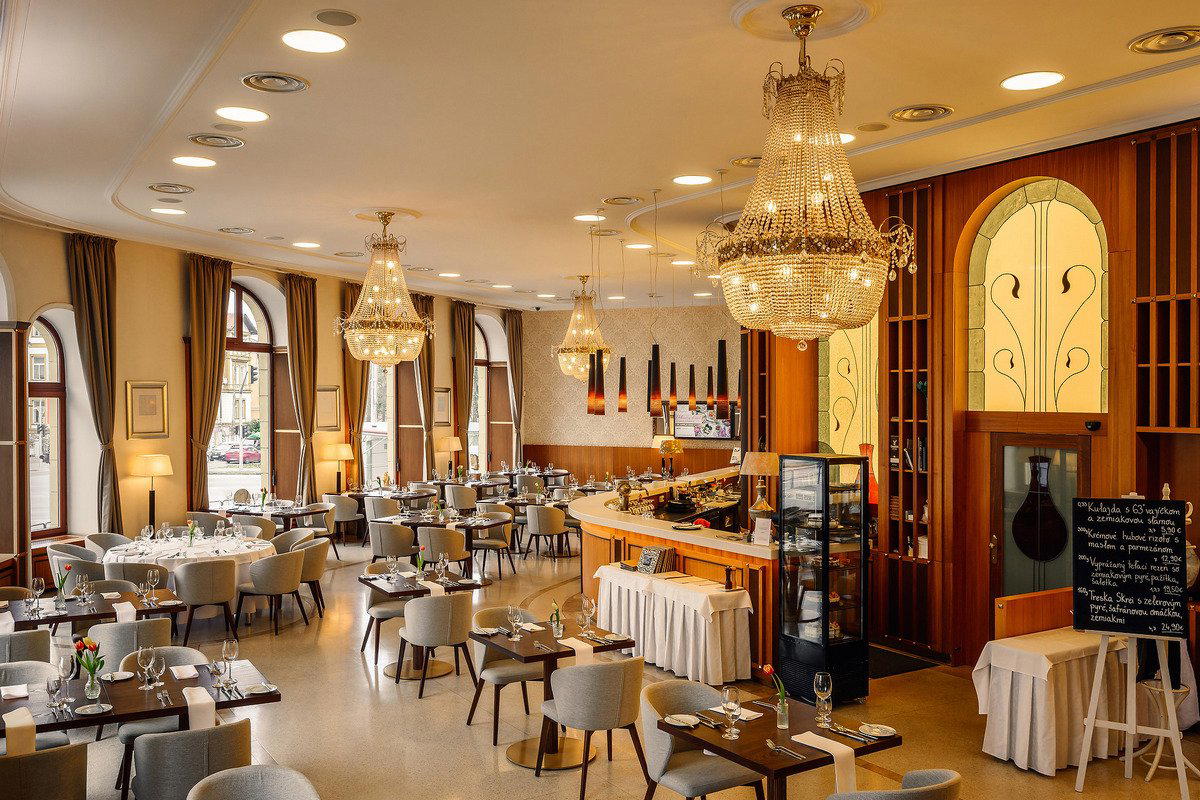
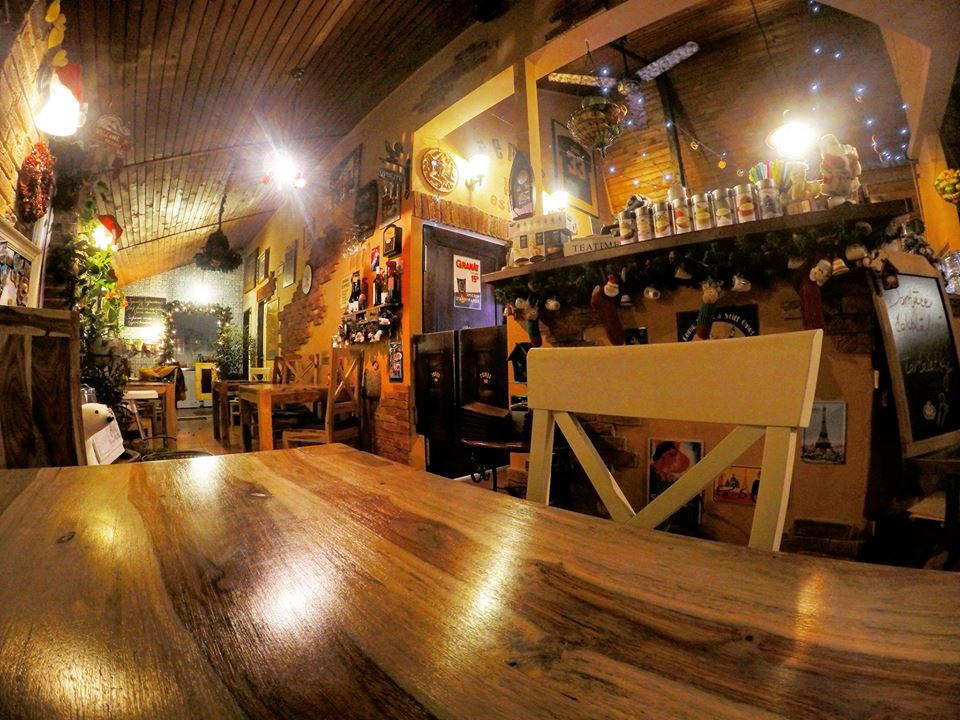
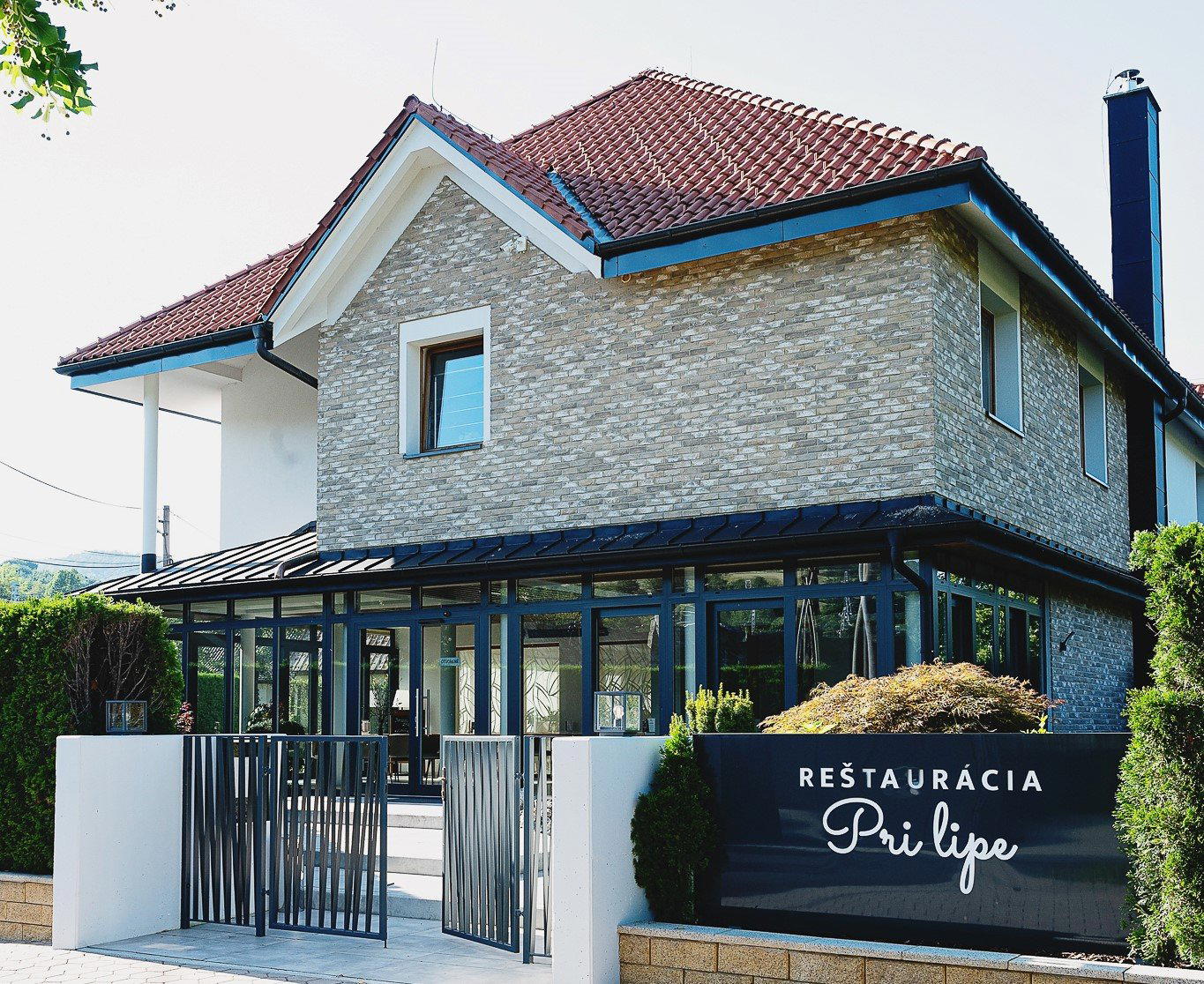

At a Glance
- Cozy
- Modern
- Date Night
- Casual Hangout
- Open Kitchen
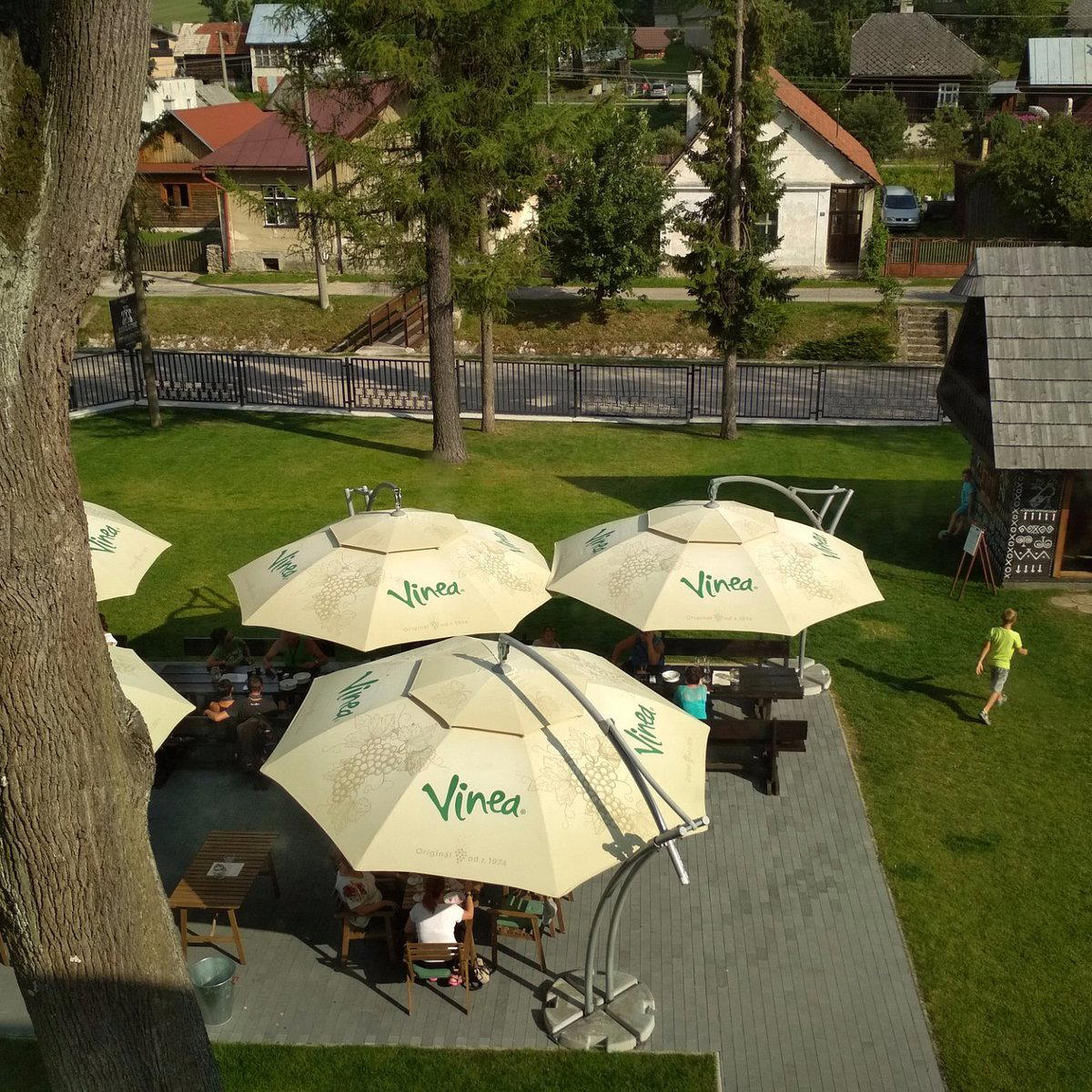
- Terrace
- Sake Program
Cozy and stylish with a modern Japan-inspired interior, open kitchen, and welcoming atmosphere.