Ox Club
Our verdict
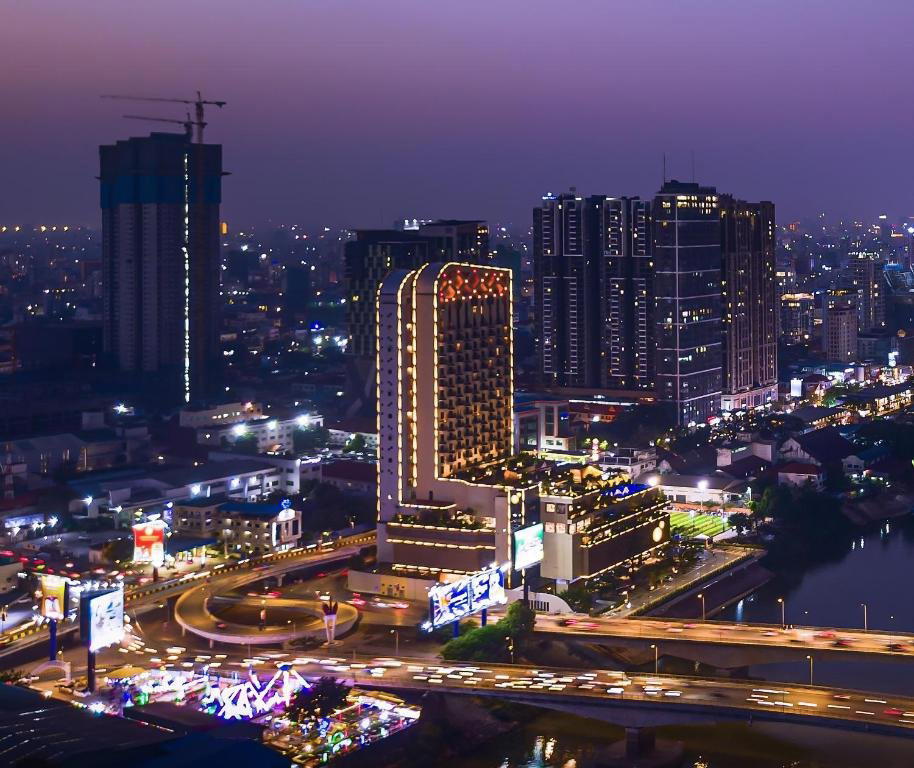
On the corner of Streets 71 and 400 in Phnom Penh, Ox Club occupies a position that reflects how the city's dining scene has quietly matured: grounded in provenance, oriented toward fire and aged protein, and aimed at a crowd that takes ingredient sourcing as seriously as technique. The address has become a reference point for meat-focused dining in the Cambodian capital.

Pearl is the En Primeur Club membership app — saves, bookings, and concierge access live there. Same editors, same standards.
- Address
- Street 71 corner street 400, Phnom Penh, Cambodia
- Phone
- +85515509222
- Hours
- Daily 11:30 AM–3 PM, 6–11 PM
- Website
- oxclubrestaurant.com
- Directions
- Get directions
- Booking
- Book on TableCheck
The menu
What to order
- Wagyu tenderloin tartare
- Foie gras
- Angus beef
- King crab
Fire, Provenance, and the Phnom Penh Grill Tradition
Phnom Penh's restaurant scene has developed along two distinct tracks over the past decade. One follows international formats transplanted with minimal local adaptation; the other, more interesting track, has seen kitchens begin to interrogate what premium ingredients look like in a Cambodian context, and what it means to source, age, and cook protein seriously in a city that sits at the intersection of Southeast Asian agricultural abundance and growing international demand. Ox Club, at the corner of Streets 71 and 400, belongs to the second category.
The address itself carries weight. The BKK1 corridor and its adjacent streets have long been the gravitational center of Phnom Penh's more considered dining, and a corner plot here is not incidental. Approaching along Street 71, the venue signals its orientation before you reach the door: the name alone stakes a position in a culinary tradition built around cattle, aging, and the kind of patient cooking that resists shortcuts. That tradition, well established in cities like New York, where Le Bernardin and Atomix represent the high-end of ingredient-led cooking, and in New Orleans where Emeril's helped define American culinary confidence, has been slower to take root in Southeast Asia. When it does appear, it tends to occupy a specific niche: a small number of operators willing to pay for quality sourcing in a market where logistics are harder and cold chains less reliable.
What the Name Signals About the Kitchen's Priorities
In the global steakhouse and grill register, naming a venue after the animal rather than an abstraction is a deliberate statement of culinary intent. It tells you that the kitchen's focus is the product itself, not a concept wrapped around it. This is the same logic that drives the leading grill rooms from London's Mayfair to San Francisco's Mission District, where Lazy Bear has built a reputation on provenance-first thinking. The question in Phnom Penh, as in any Southeast Asian city adopting this format, is always the same: where does the protein actually come from, and how does the kitchen handle the sourcing constraints that come with operating far from established beef supply networks?
Cambodia sits within a region where premium beef has historically arrived from Australia, Japan, or the United States, with local Cambodian cattle used primarily in traditional cooking rather than in Western grill formats. A kitchen operating under the Ox Club premise has to make a choice: lean into imported product and compete on aging and technique, or find ways to incorporate regional supply chains and treat local provenance as the differentiating story. Both approaches have merit; both require transparency about what is actually on the plate. The more interesting operators in Southeast Asia, from Cuisine Wat Damnak in Siem Reap to Jaan Bai Restaurant in Bat Dambang, have tended toward the latter, building menus around what Cambodia and its neighbors can actually produce with specificity and integrity.
The Phnom Penh Grill Scene in Context
Phnom Penh's meat-focused dining now spans several price tiers and format types. At the upper end, venues like CUTS represent the more international, hotel-adjacent steakhouse template. Elsewhere, TOPAZ situates itself in a French-influenced register that includes premium protein as part of a broader European fine dining format, and Le Royal at The Raffles brings a French Cambodian synthesis that places ingredient sourcing within a colonial-era dining heritage. Ox Club, as a standalone grill-focused address, operates in a more focused position: the entire premise centers on what happens when fire and quality protein are treated as the primary variables, without the surrounding apparatus of a hotel dining room or a multi-cuisine menu.
This is a format that rewards regulars. A kitchen this focused tends to develop depth over range, which means the return visitor gets more than the first-timer. The sourcing story also evolves: operators in this category tend to build supplier relationships over time, adjusting the menu as those relationships mature. For context on how Cambodia's broader dining scene is developing across formats, our full Phnom Penh restaurants guide maps the current state across cuisines and price points.
Regional Comparisons: Cambodia's Grill Moment
The grill-focused, provenance-led format is gaining traction across Cambodia beyond the capital. In Siem Reap, JOMNO in Sala Kamreuk Sangkat and Lum Orng Restaurant in Sla Kram Sangkat both approach Cambodian ingredients with a seriousness that the previous decade of dining there largely lacked, and Amansara Resort Dining Room in Siemreab demonstrates what luxury-tier sourcing looks like when it's tied to a resort's broader ecological commitments. On the coast, Maybe Later in Preah Sihanouk has become a reference point for how sourcing conversations are evolving outside the capital. Further afield, Shinta Mani Wild in Kampong Seila takes the provenance question to its logical extreme, placing the dining room inside a conservation property where the sourcing story and the landscape are inseparable.
That regional momentum matters for understanding why a venue like Ox Club has a clearer context now than it would have had five years ago. The audience for ingredient-led, fire-forward cooking in Phnom Penh has grown as the city's expatriate and tourist base has become more sophisticated, and as Cambodian diners themselves have developed stronger expectations around premium dining formats. In Italy-focused dining, Il Forno in Siem Reab has shown that format discipline and sourcing rigor can build a following in smaller Cambodian cities. Phnom Penh is a larger, faster-moving market where that case is easier to make.
Planning Your Visit
Ox Club sits at the corner of Streets 71 and 400 in Phnom Penh, a navigable address in the BKK1 corridor that is well served by tuk-tuk and ride-hailing apps. For diners also considering the city's broader grill and European-influenced dining circuit, Iza in Phnom Penh and Embassy in Svay Dankum Sangkat in Siem Reap round out a credible multi-stop itinerary across Cambodia's two main dining cities. As with most independently operated dining addresses in Phnom Penh, confirming current hours and booking availability directly is advisable, particularly for weekend evenings when demand from both residents and visitors tends to peak.
Frequently asked questions
Can I bring kids to Ox Club?
Families with older children who appreciate meat-centred formats should be comfortable. For specific arrangements, check the venue's official channels before visiting.
What kind of setting is Ox Club?
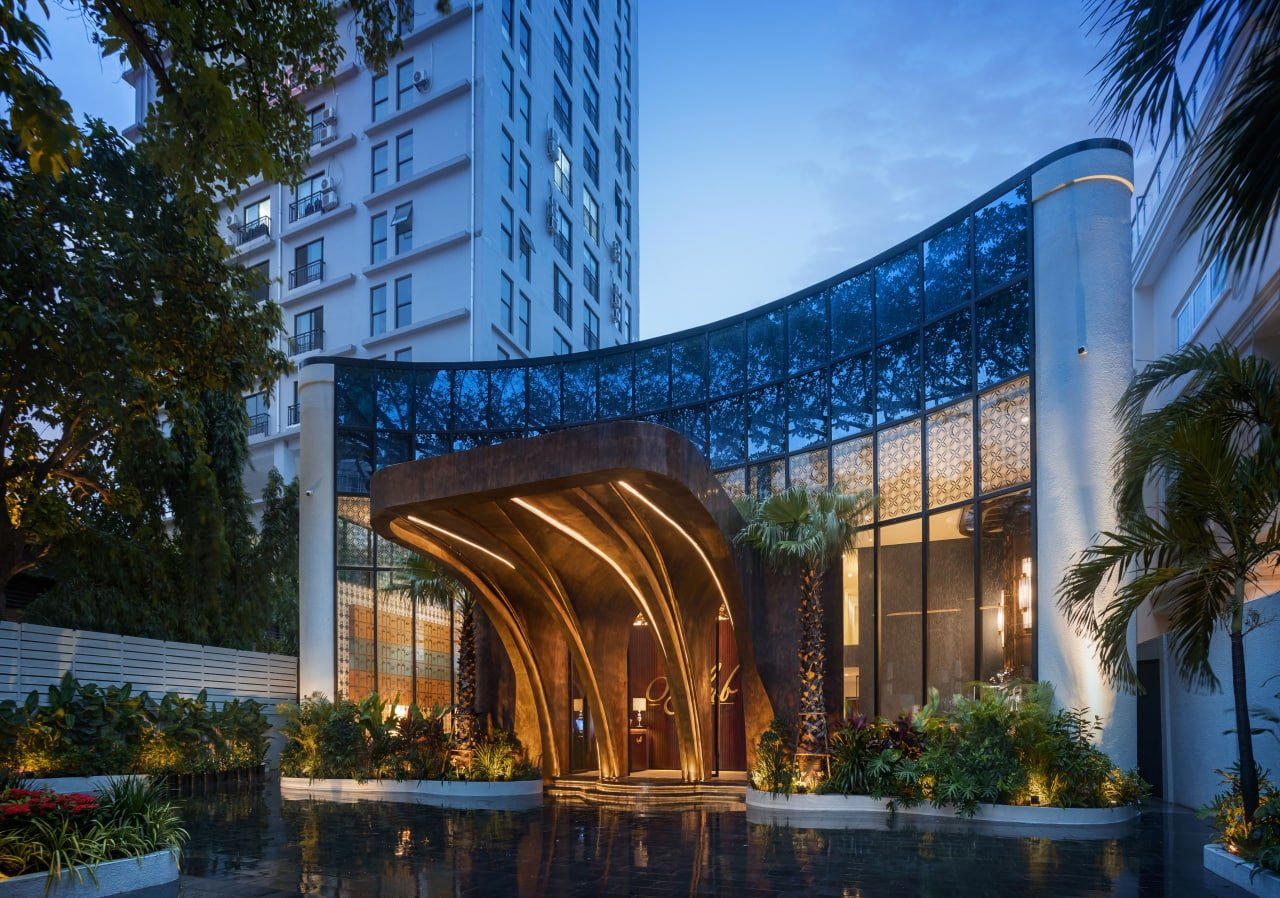
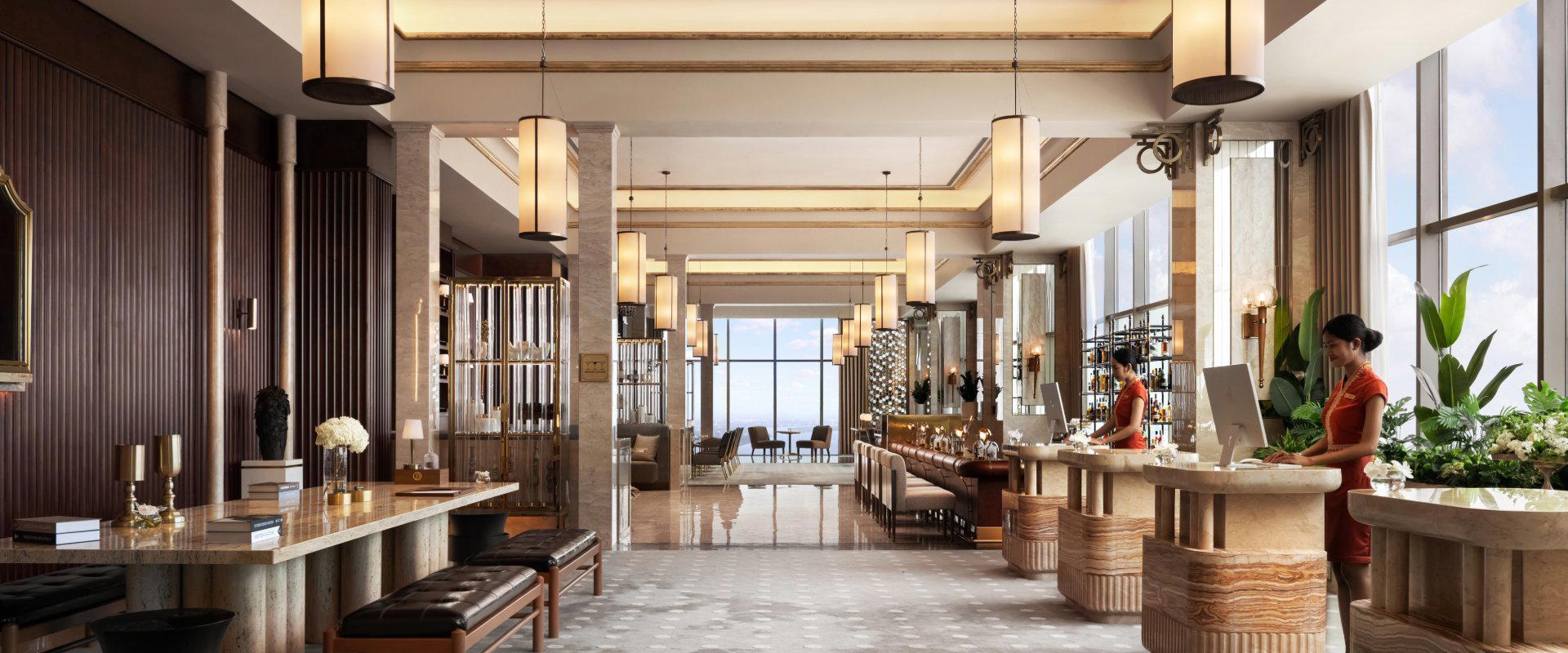
Ox Club occupies a corner plot at Streets 71 and 400 in Phnom Penh's BKK1 corridor, one of the city's more developed dining neighbourhoods. The venue follows the grill-room tradition where the kitchen's priorities take physical form: fire, provenance, and the product itself define the room's logic rather than decorative conceits. It sits closer to focused, ingredient-led dining than to the polished international steakhouse format.
How does Ox Club compare to other grill venues in Phnom Penh and Cambodia?
Within Phnom Penh, Ox Club occupies a different register from more international operations like CUTS, leaning toward provenance and fire technique rather than a transplanted steakhouse format. Across Cambodia, the grill-focused approach it represents is mirrored in Siem Reap by venues like JOMNO and Lum Or, suggesting the format is gaining traction beyond the capital. Its BKK1 address places it at the centre of the city's most concentrated dining district.
What should I eat at Ox Club?
The kitchen's identity centres on fire cookery and sourcing-conscious meat preparation, which means the grill-led dishes are the primary reason to visit. The venue name itself signals where the emphasis sits: beef, provenance, and the techniques applied to both. Specific menu details are best confirmed directly with the venue, as seasonal sourcing can shift what is available.
What part of town is Ox Club in?
Ox Club is located at îStreet 71 corner street 400, Phnom Penh, Cambodia, Phnom Penh.
How hard is it to get a table at Ox Club?
Ox Club sits in BKK1, Phnom Penh's most active dining corridor, where walk-in availability at well-regarded grill venues can tighten on weekends and during peak evening hours. No specific booking lead times are documented, but contacting the venue in advance is the practical approach for groups or preferred sittings. Tuk-tuk and ride-hailing apps make the Streets 71 and 400 corner address straightforward to reach.
What is Ox Club known for?
Ox Club represents the provenance-led, fire-focused strand of Phnom Penh's evolving restaurant scene, distinct from international formats transplanted with minimal local adaptation. The venue's name places the animal and its quality at the centre of the proposition, a positioning that aligns it with a growing cohort of grill-serious operators across Cambodia. It functions as a reference point for meat-focused dining in the BKK1 area.
Fast Comparison
Comparable venues nearby, for context on price, style, and recognition.
| Venue | Cuisine | Price | Awards | Notes |
|---|---|---|---|---|
| Ox ClubThis venue — the venue you are viewing | Modern Mediterranean Steakhouse | $50–100 | Not listed | Not listed |
| TOPAZ | Classic French Fine Dining | $100–150 | Not listed | Khan Chamcar Mon |
| CUTS | Modern Steakhouse & Grill | $50–100 | Not listed | Khan Daun Penh |
| Pi Sa | Modern Cambodian fine dining | $30–50 | Conde Nast Hot List Restaurants | Wat Phnom / Old Market (Phsar Chas) |
| Le Royal at The Raffles | Modern Khmer & French Fine Dining | $50–100 | La Liste Top Restaurants | Khan Daun Penh |
Continue exploring
More in Phnom Penh
Restaurants in Phnom Penh
Browse all →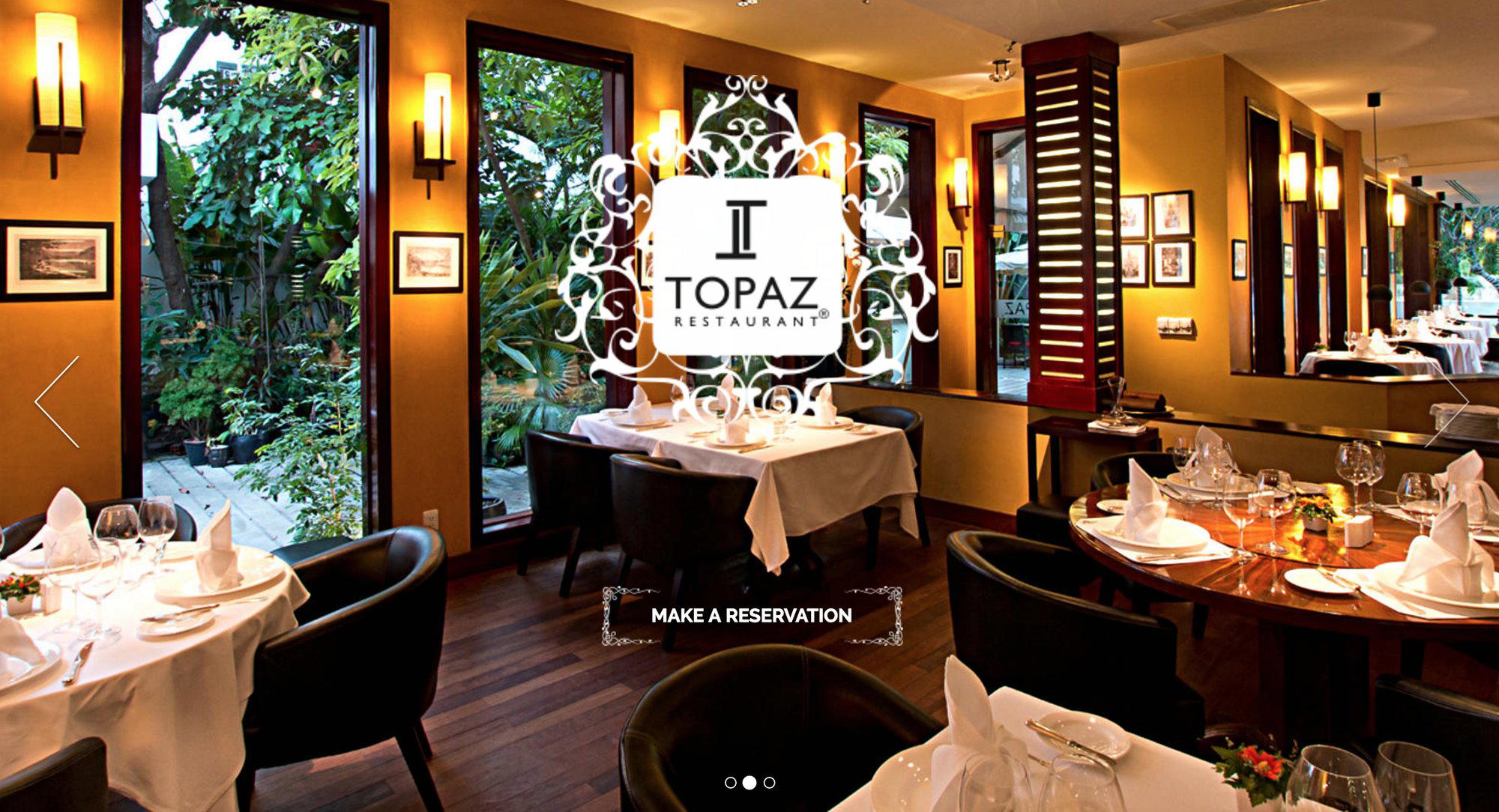
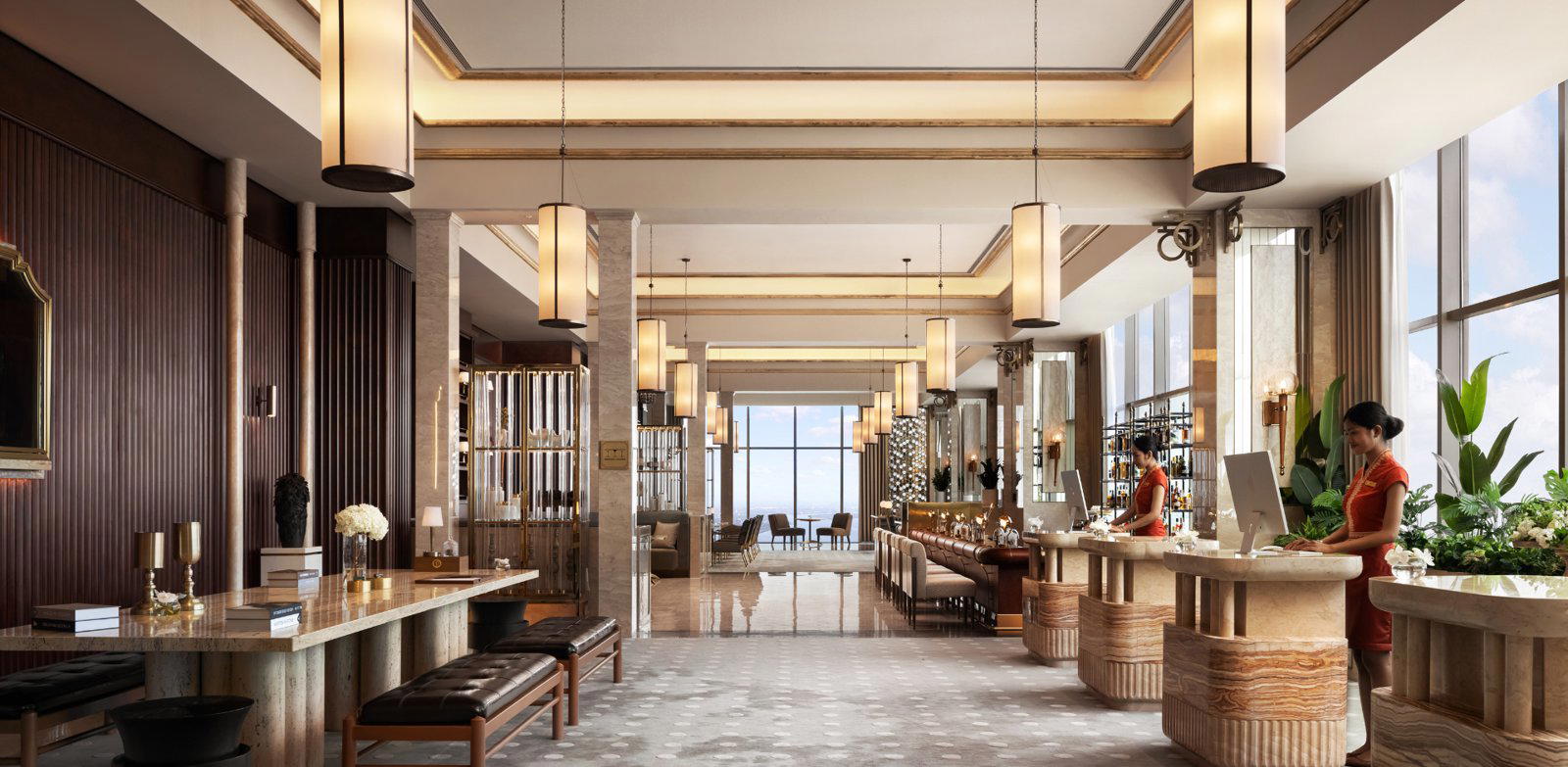
Bars in Phnom Penh
Browse all →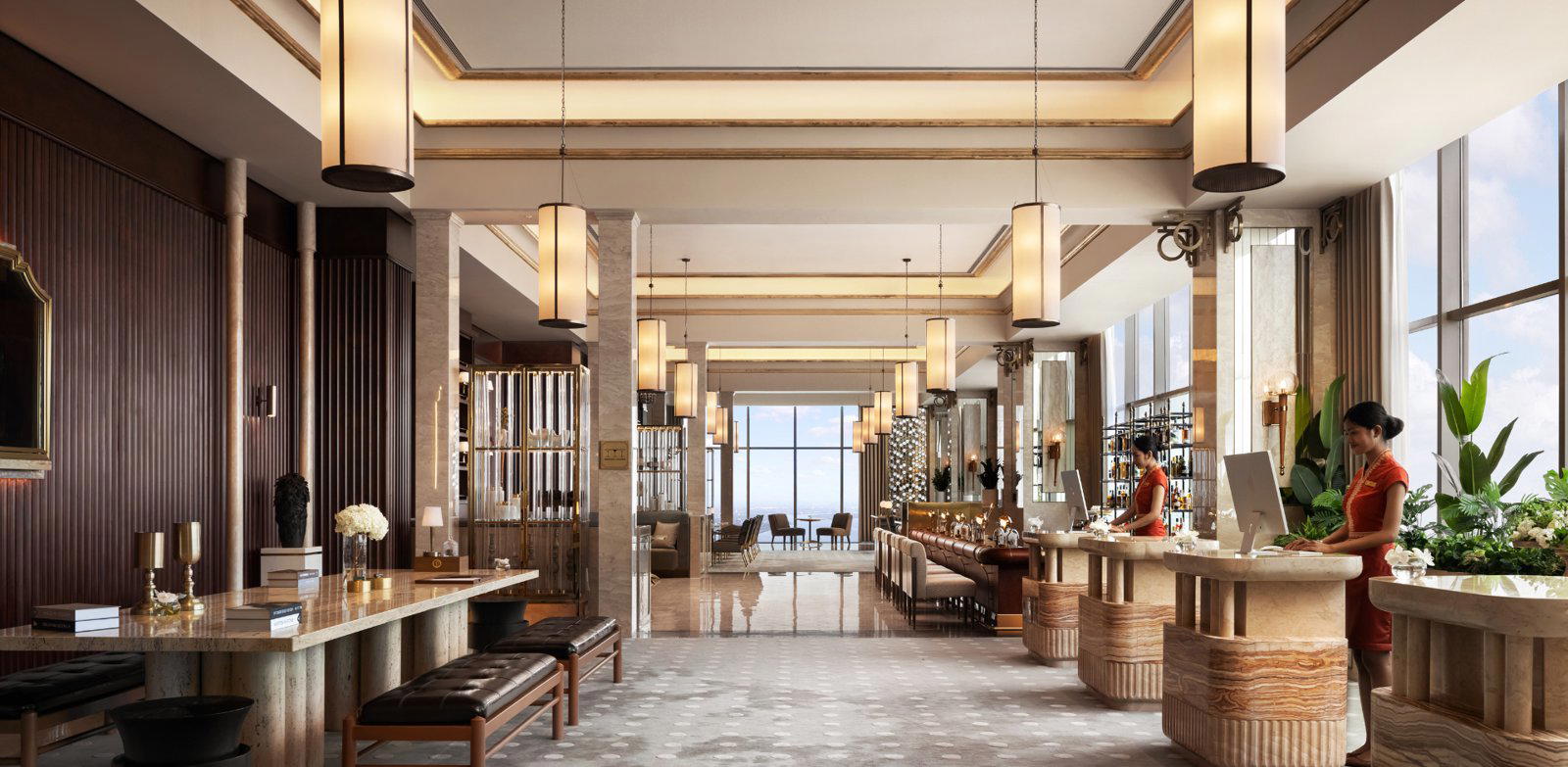



Ox Club
The wine
- Wine program
- Curated wine list
- Extensive wine list
Details
- Elegant
- Modern
- Ornate
- Sophisticated
- Date Night
- Special Occasion
- Celebration
- Live Music
- Private Dining
- Extensive Wine List
- A La Carte
- Prix Fixe
- Vegetarian Friendly
- Vegan Options
- Gluten Free Options
Current opening hours
- Monday
- 11:30 AM–3 PM, 6–11 PM
- Tuesday
- 11:30 AM–3 PM, 6–11 PM
- Wednesday
- 11:30 AM–3 PM, 6–11 PM
- Thursday
- 11:30 AM–3 PM, 6–11 PM
- Friday
- 11:30 AM–3 PM, 6–11 PM
- Saturday
- 11:30 AM–3 PM, 6–11 PM
- Sunday
- 11:30 AM–3 PM, 6–11 PM
Hours can change for holidays and private events. Last verified .
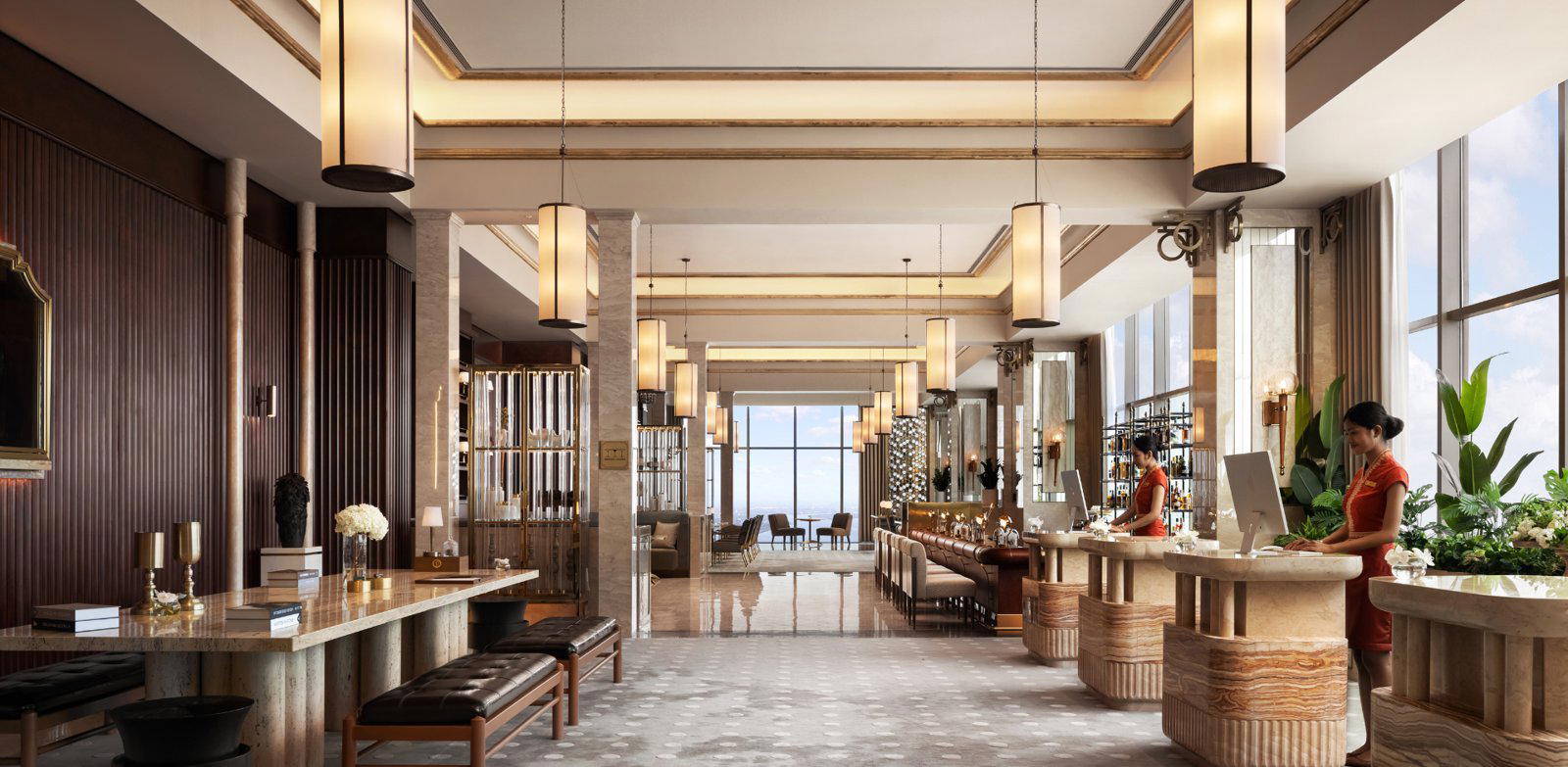
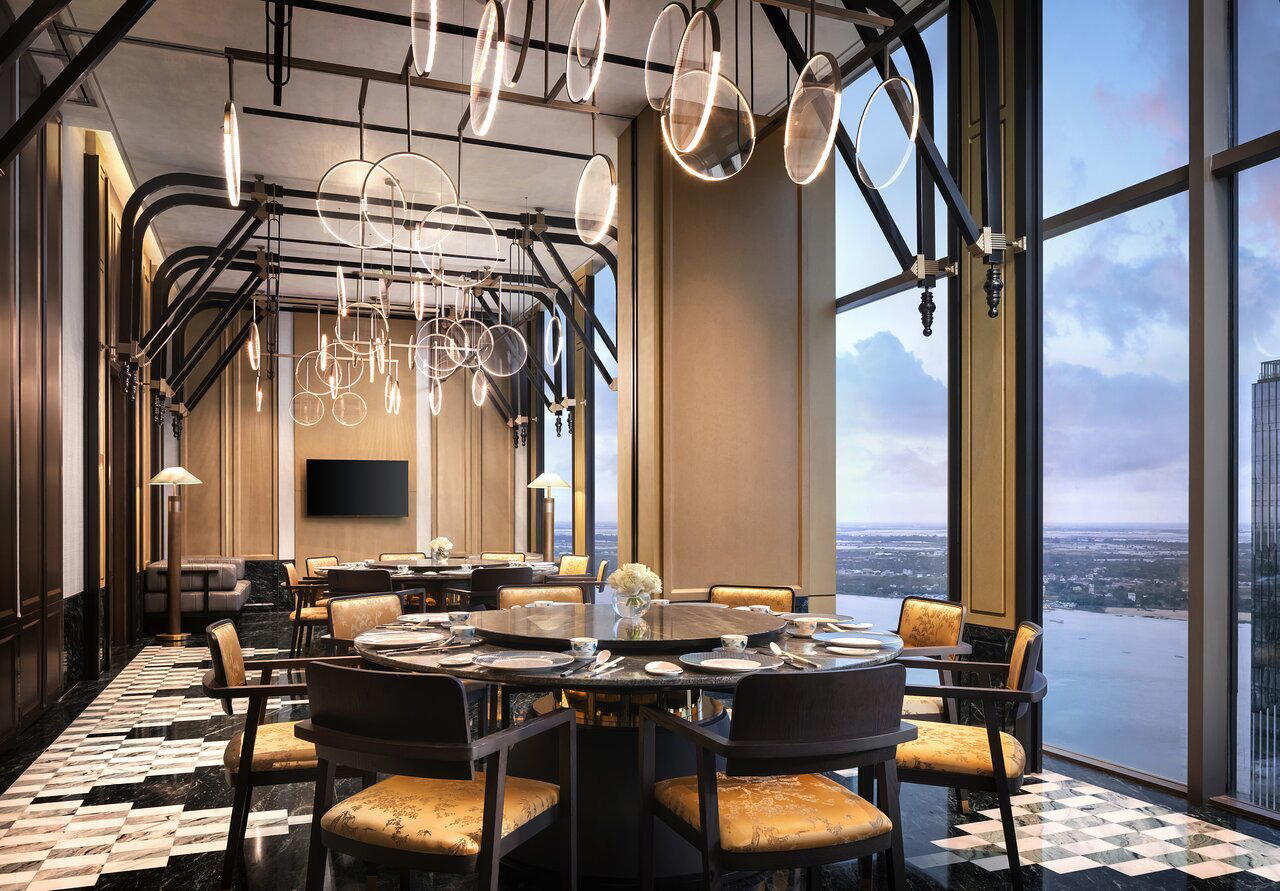
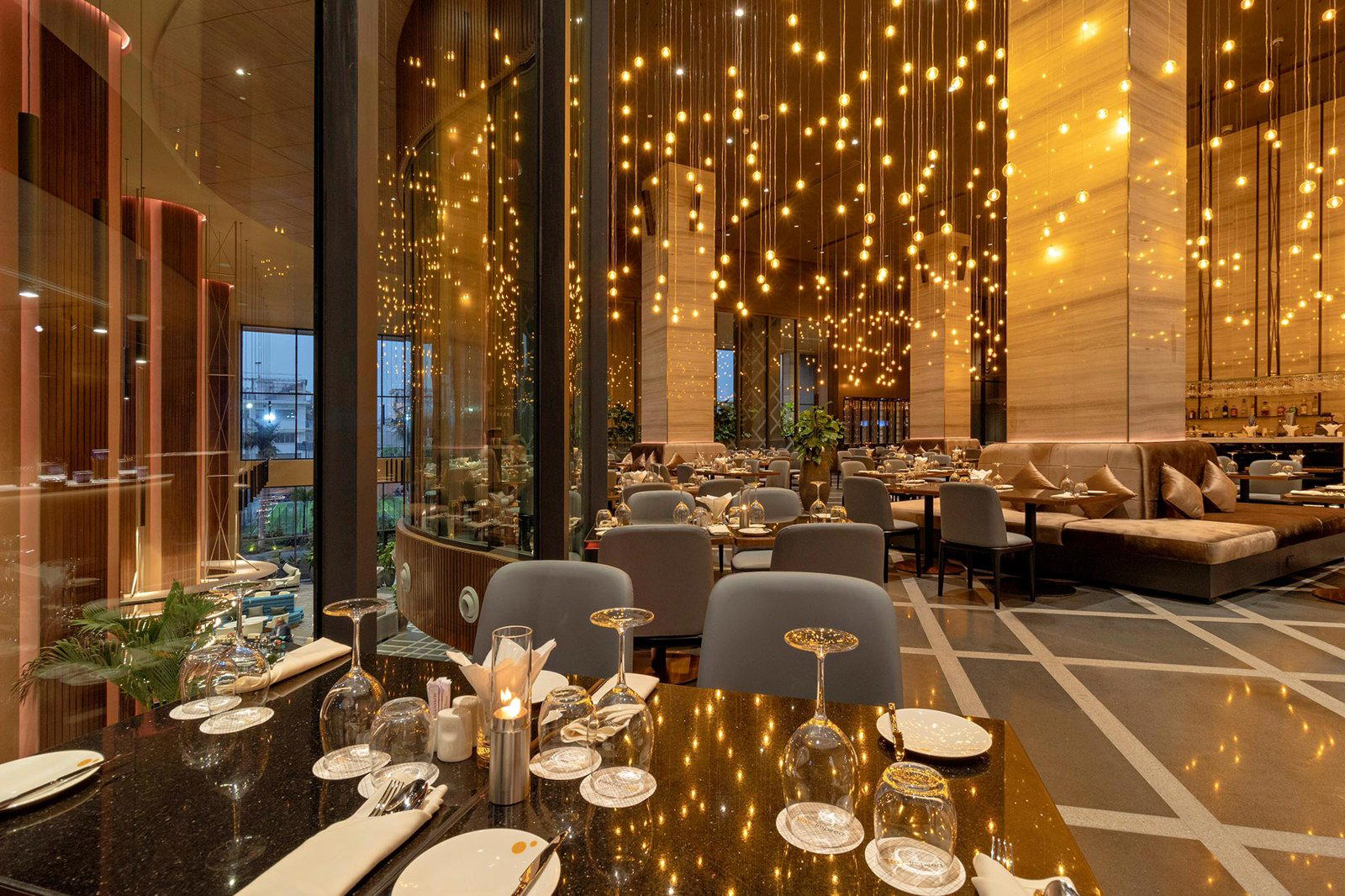
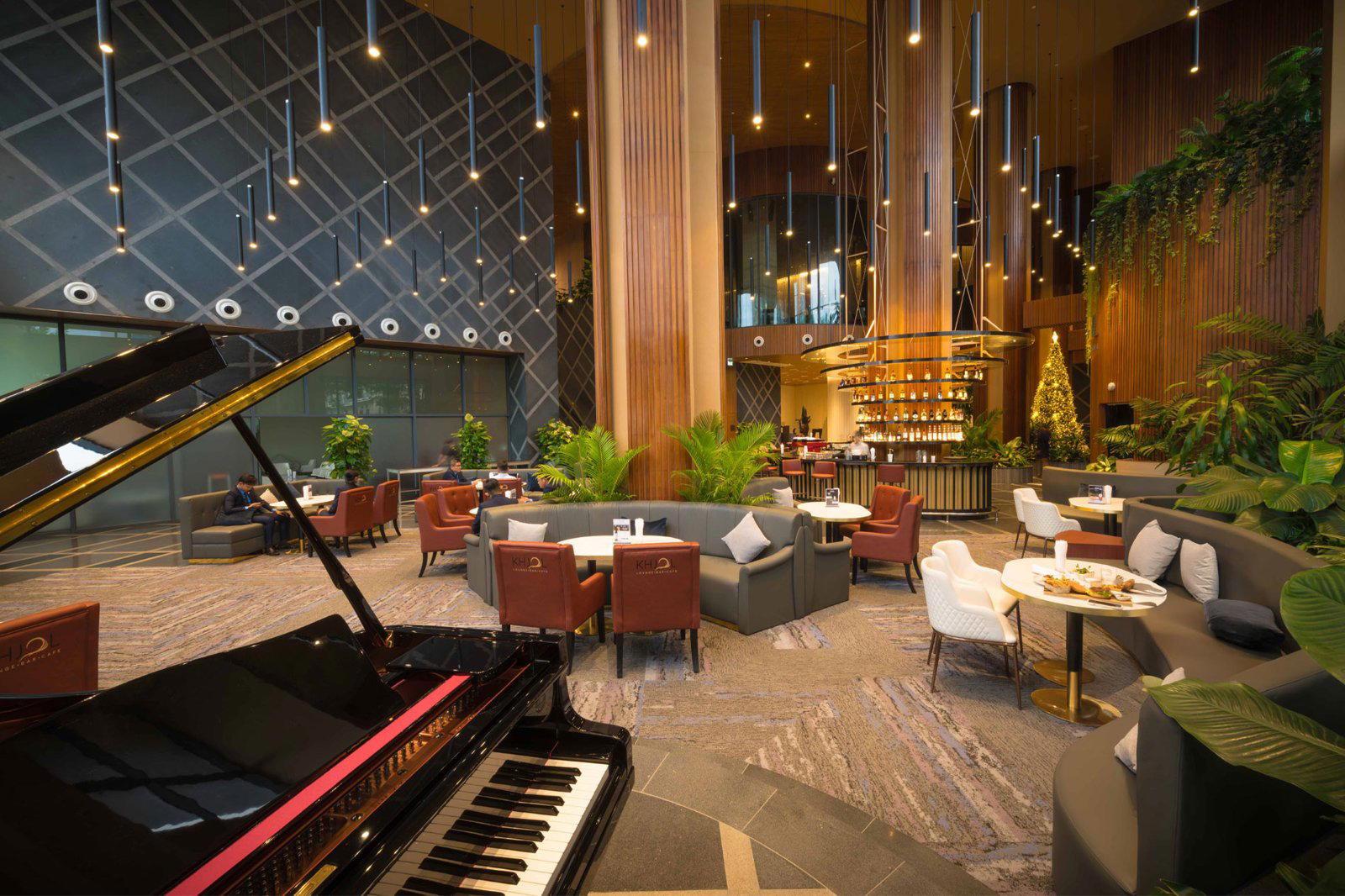
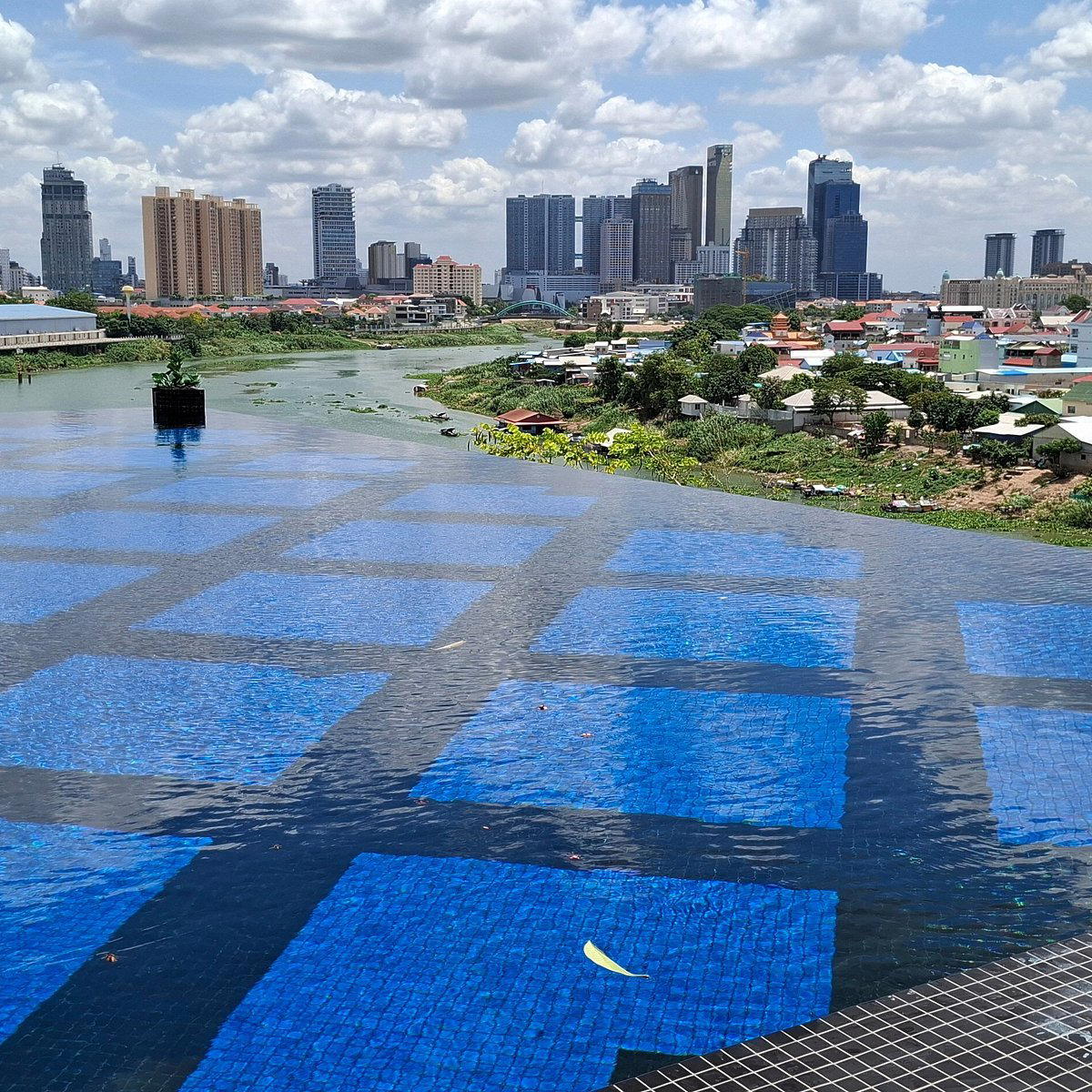
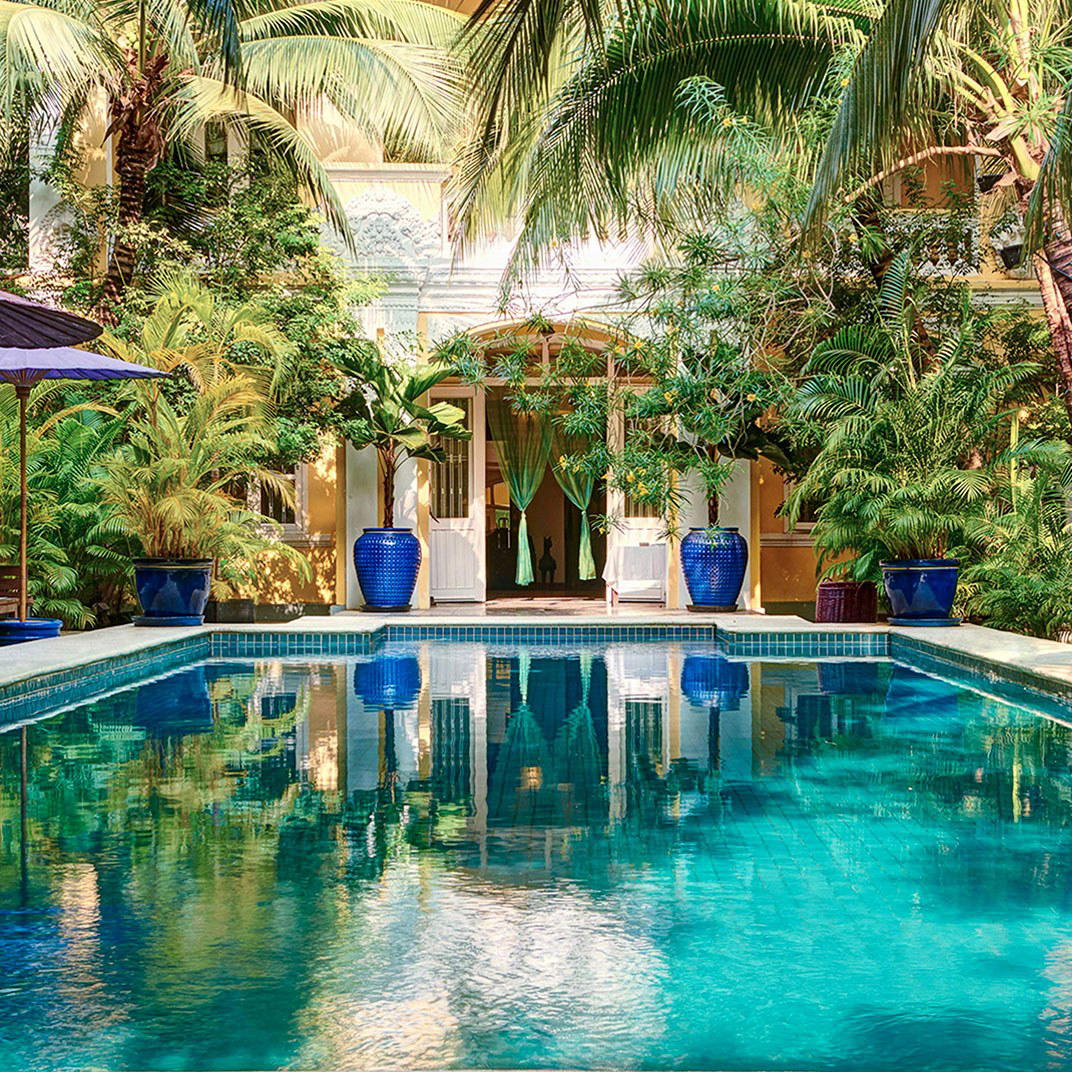
Ornate and contemporary with glittering light installations, plush upholstery, elaborate 3D wall art, beautiful decor, spacious setting, and relaxing music.