Our Habitas AlUla
Our verdict
Our Habitas AlUla sits in Ashar Valley, where the desert geology does most of the design work. The property belongs to a generation of destination stays built around immersive landscape rather than imported luxury — placing it squarely in the conversation about how Saudi Arabia's heritage corridor is redefining what a desert hotel can ask of its guests and its kitchen.

Pearl is the En Primeur Club membership app — saves, bookings, and concierge access live there. Same editors, same standards.
- Address
- QV65+RH3, Ashar Valley, AlUla 43511, Saudi Arabia
- Phone
- +966148213900
- Website
- ourhabitas.com
- Directions
- Get directions
The menu
What to order
- Carrot hummus
- Moringa ribeye
- Vegan pavlova
Desert Architecture as Context
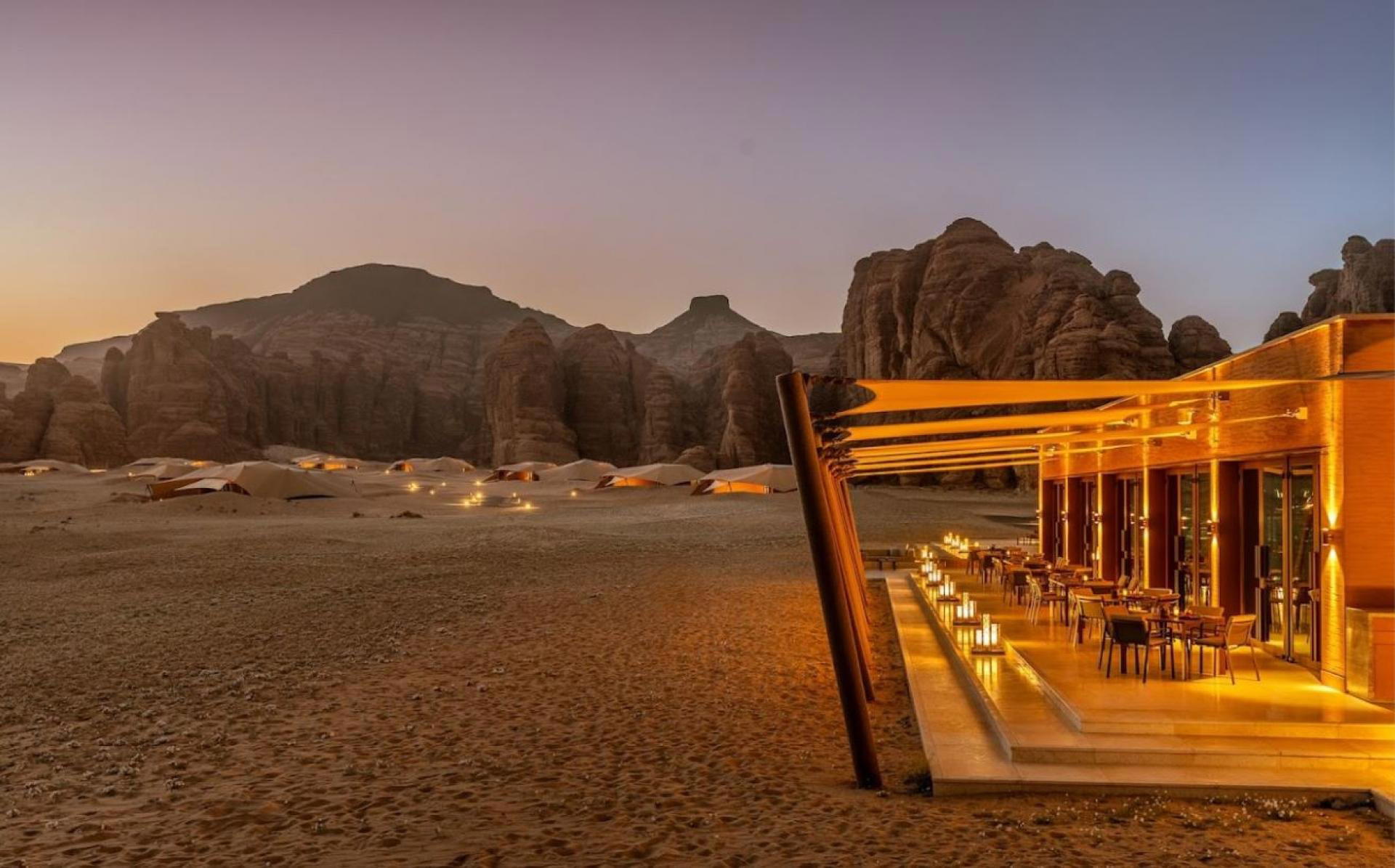
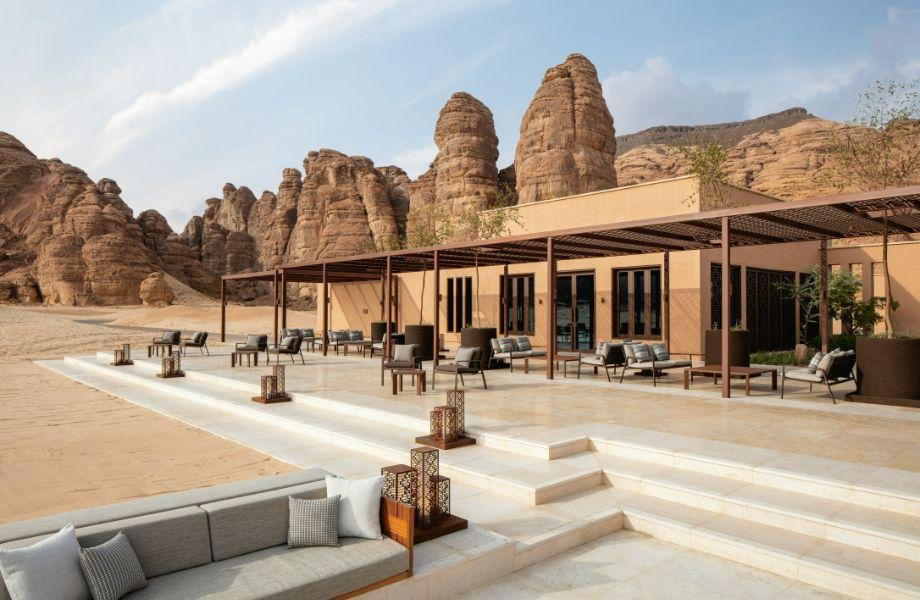
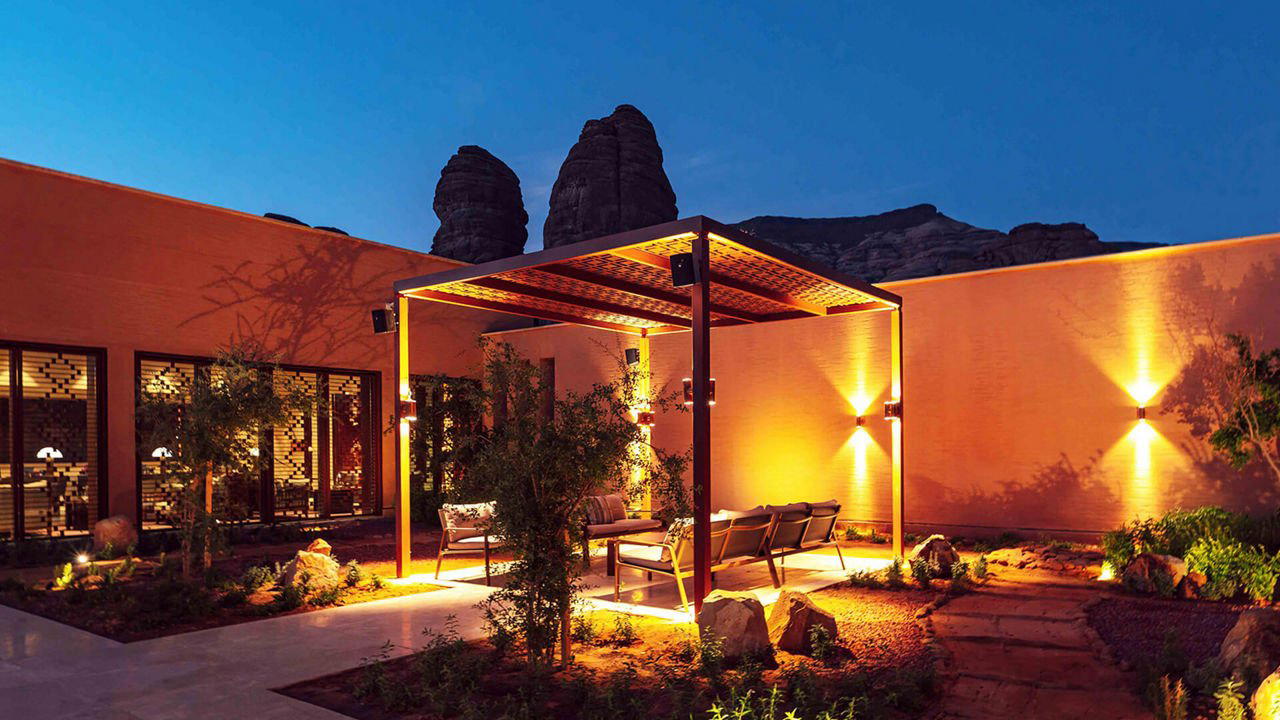
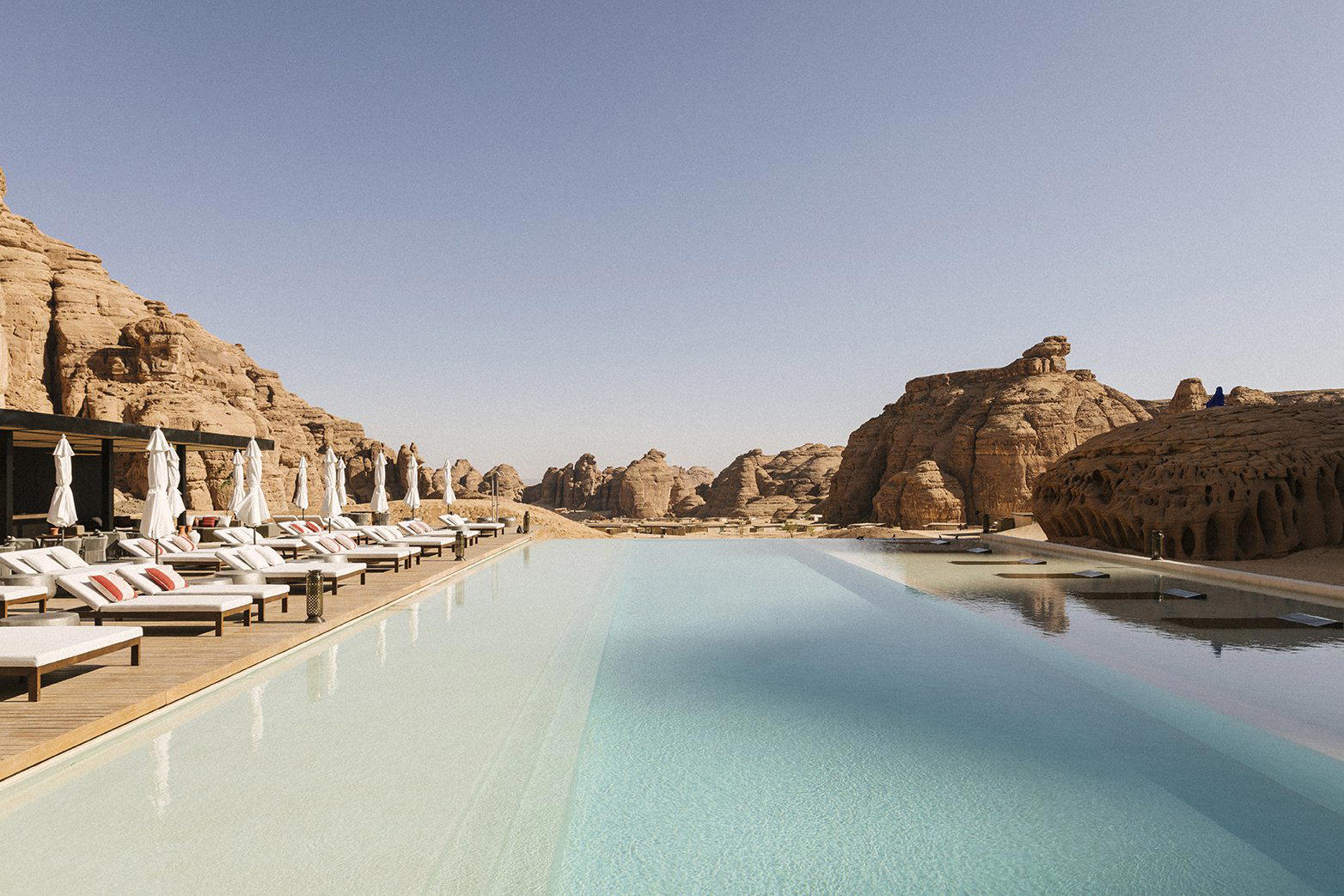
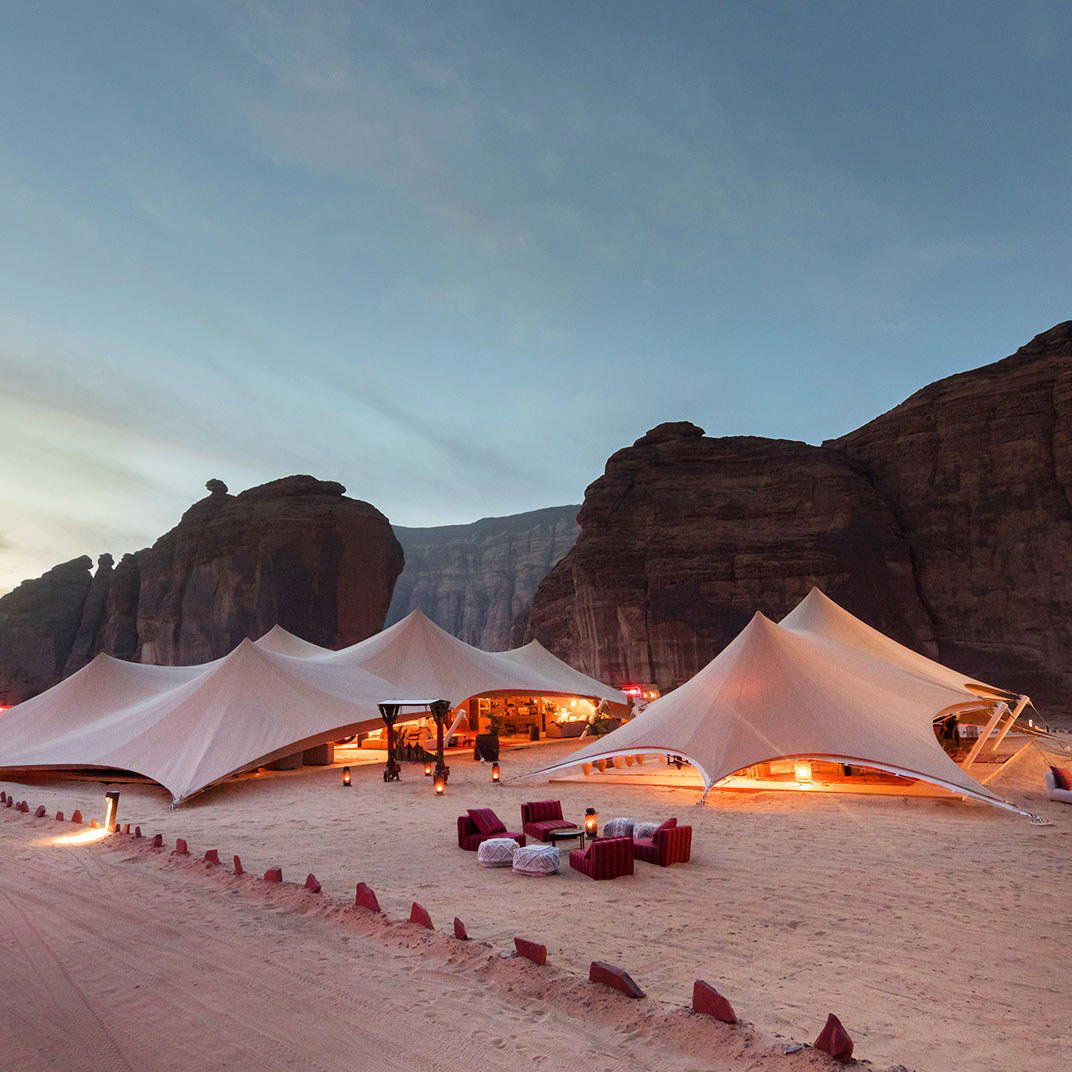
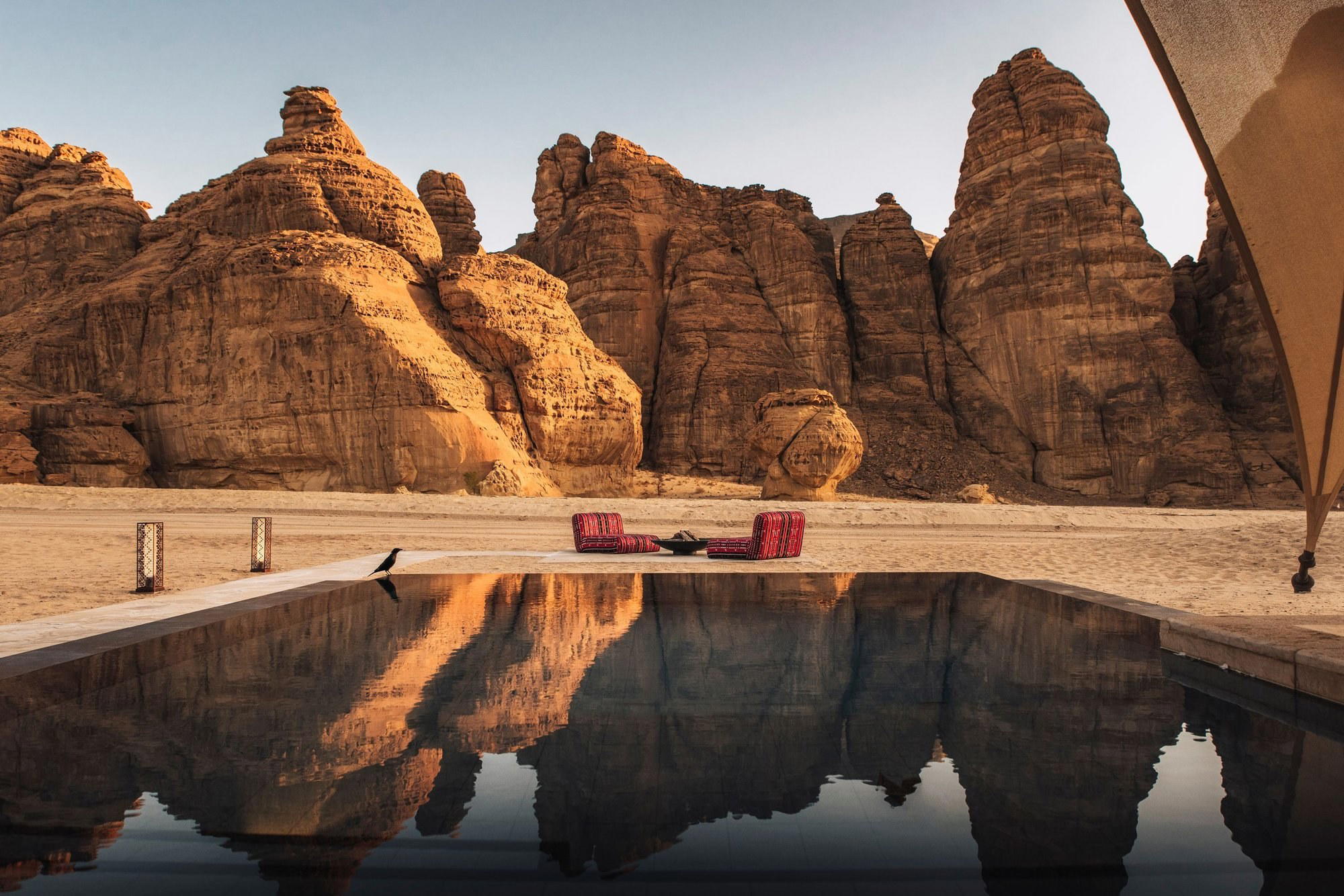
Ashar Valley does not require embellishment. The sandstone escarpments that frame Our Habitas AlUla have been shaped over millennia, and the property works with that geology rather than against it. This is the defining design tension in AlUla's hospitality development: a destination where the landscape carries so much weight that every architectural decision is implicitly a statement about what the built environment owes the natural one. Our Habitas belongs to the cohort of properties that have resolved this tension in favour of restraint, using low-rise structures and material palettes that read as interruptions to the rock rather than impositions on it.
The broader wave of openings in AlUla, from Banyan Tree AlUla to the dining destinations collecting along the valley floor, reflects a deliberate national investment in heritage tourism that accelerated sharply after AlUla was designated as a development priority under Vision 2030. Our Habitas arrived as part of that opening sequence, positioned at the experience-led, community-format end of the spectrum rather than the trophy-suite end.
Ingredient Geography and the Kitchen's Position
The editorial angle on any kitchen operating in AlUla begins with the same logistical reality: this is a remote destination, roughly 300 kilometres north of Madinah, with supply chains that demand either serious commitment to local sourcing or equally serious investment in freight. The properties that have built reputations on their food here have generally done so by treating that constraint as a creative brief. The desert and the adjacent Hejaz highlands are not barren in culinary terms. Date palms, camel milk, foraged herbs from the wadis, and lamb from the surrounding pastoral communities have all been absorbed into the menus of AlUla's more considered dining programs.
Our Habitas, as a brand with properties across multiple high-isolation destinations, has consistently positioned communal dining at the centre of its model. In AlUla, that translates into a food approach that draws on the region's ingredient vocabulary while serving an international guest demographic that arrives with significant expectations. The tension between heritage sourcing and cosmopolitan palate is one the whole destination manages, and it is where kitchens like this one operate with the most interesting constraints. For comparison with how Saudi Arabia's hospitality sector approaches ingredient sourcing and provenance across different latitudes, kol restaurant in Jizan offers a useful southern counterpoint, and Aseeb in Riyadh shows how the capital handles the same national ingredient canon in an urban context.
AlUla's Dining Tier and Where This Property Sits
The dining scene in AlUla has matured faster than many predicted. Standalone destination restaurants now operate alongside hotel dining programs, and they represent distinct tier positions. Harrat, Joontos, Sass Cafe, and Somewhere each occupy a different part of that spectrum, from relaxed all-day formats to more structured evening experiences. Our Habitas AlUla's dining sits within its own property ecosystem, meaning the guest experience is shaped by the wider communal programming that the brand runs rather than by competition with standalone restaurants.
That distinction matters for how you calibrate expectations. A hotel dining program in a destination property like this is evaluated differently from a standalone kitchen. The question is whether the food earns its place in the experience or simply supports it. In the Our Habitas model, meals are framed as social occasions tied to the day's rhythm: outdoor activities, cultural programming, and the valley's archaeological access points structure when and how guests eat. This is closer to how destination lodges in East Africa or the Atacama manage their dining proposition than it is to the hotel restaurant model in a city like Jeddah or Riyadh.
For travellers whose primary interest is in Saudi Arabia's restaurant culture beyond the resort context, Kuuru in Jeddah and Khayal Restaurant represent what the kingdom's dedicated dining circuit looks like, and the contrast with destination-property eating is instructive. The full picture of what AlUla has assembled is worth reading through our full AlUla restaurants guide.
The Cultural Programming Layer
What separates Our Habitas AlUla from a conventional resort stay is the cultural access it brokers. AlUla's archaeological record is extraordinary by any measure: Hegra, the Nabataean city of carved rock tombs, was Saudi Arabia's first UNESCO World Heritage Site, and the valley system contains additional sites ranging from the ancient Dadan kingdom to more recent Ottoman-era settlements. A property positioned in Ashar Valley is within the gravitational field of all of this, and how a hotel mediates that access determines much of its value to a serious traveller.
Our Habitas has built its brand across destinations on the premise that local cultural depth is a programme component, not a backdrop. In AlUla, that means the property's offering extends beyond the room and the meal into guided experiences, evening events, and the kind of access that comes from working within a destination that is itself tightly managed by the Royal Commission for AlUla. The RCU's involvement means that site access, event permits, and even the seasonal calendar are shaped by an institutional authority with significant resources and a clear tourism mandate.
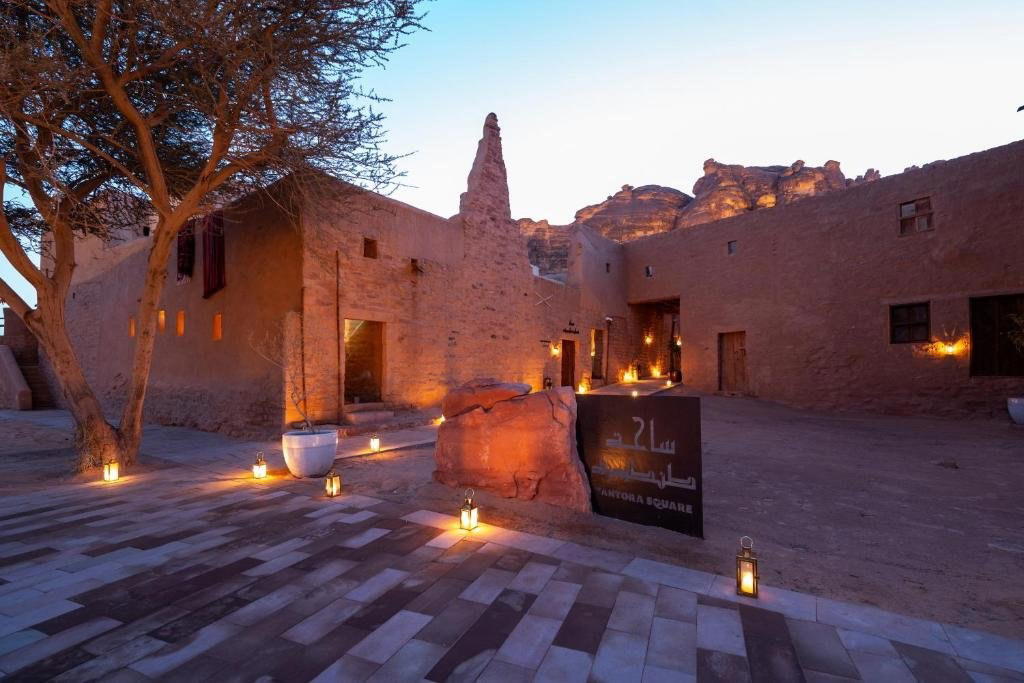
The seasonal dimension is worth flagging for planning purposes. AlUla's outdoor hospitality effectively closes during summer, when temperatures in the valley make outdoor activities impractical. The peak season runs from approximately October through March, coinciding with the Winter at Tantora festival programme, which has brought international artists and cultural events to the valley since 2019. Booking any stay in AlUla during this window requires advance planning; the destination's capacity is limited relative to its profile.
Planning a Stay
Our Habitas AlUla is located in Ashar Valley, addressable via QV65+RH3 in AlUla 43511. The nearest commercial airport is Prince Abdul Majeed bin Abdulaziz International Airport (ULH), which now receives direct flights from several Saudi cities and some international routes. The airport is within manageable distance of the valley, and the property can coordinate arrivals. Given the destination's remote position and limited walk-in dining infrastructure, guests should treat accommodation and dining as a single planning unit rather than separate decisions. For those who want to build an itinerary that combines Our Habitas with the wider dining scene, the independent restaurant circuit at venues like Harrat and Joontos is accessible from the valley, though transport should be arranged in advance.
Across Saudi Arabia, the hospitality sector is developing at a pace that makes any fixed comparison provisional. Properties like yello in Ad Diriyah and Takara in Khobar show how the kingdom's dining ambition extends from heritage sites into urban and coastal formats. For international travellers calibrating Saudi dining against global reference points, the distance between what is being built here and the standards set at places like Le Bernardin in New York City or Atomix in New York City is closing faster than the destination's age in international tourism would suggest.
Frequently asked questions
How do I find Our Habitas AlUla?
Our Habitas AlUla is located at QV65+RH3, Ashar Valley, AlUla 43511, Saudi Arabia, AlUla.
What is it like to stay at Our Habitas AlUla as a base for visiting Hegra and other AlUla heritage sites?
Our Habitas AlUla's address in Ashar Valley places it within the broader AlUla archaeological corridor, which includes Hegra (Mada'in Saleh), Saudi Arabia's first UNESCO World Heritage Site. The camp's cultural programming is designed to connect guests with this access rather than function as a standalone resort. AlUla's heritage sites require timed entry and are managed by the Royal Commission for AlUla, so coordinating visits through the property is the practical approach.
What's the must-try dish at Our Habitas AlUla?
The kitchen at Our Habitas AlUla operates in Ashar Valley, roughly 300 kilometres from the nearest major supply chain, which shapes what arrives on the plate. The menu leans on regional produce and reflects the logistical reality of cooking in a remote desert destination.
Is Our Habitas AlUla reservation-only?
Our Habitas AlUla is a destination camp in Ashar Valley, and given its remote location in AlUla 43511, stays are structured around advance bookings rather than walk-in arrangements. Dining and programming within the property typically follows the same reservation-led model. Contact details are best sourced through the Our Habitas brand directly, as no public phone line is listed for this site.
What has Our Habitas AlUla built its reputation on?
Our Habitas AlUla sits at the intersection of hospitality and cultural access in one of Saudi Arabia's most archaeologically significant regions. The property's position in Ashar Valley places guests within reach of the rock formations, inscriptions, and heritage sites that have made AlUla a focal point of the country's tourism development. The Our Habitas brand, which operates camps across remote destinations globally, has positioned this outpost around that archaeological and landscape context.
Can Our Habitas AlUla accommodate dietary restrictions?
Desert camp kitchens in AlUla work with limited daily resupply, which affects menu flexibility more acutely than urban hotel dining. That said, Our Habitas properties across their network have historically acknowledged dietary needs as part of the pre-arrival guest process. The most reliable approach is to communicate requirements at the time of booking, given the Ashar Valley location's distance from major provisions centres.
Quick Comparison
| Venue | Cuisine | Price | Awards |
|---|---|---|---|
| Our Habitas AlUlaThis venue — the venue you are viewing | Modern Middle Eastern Fusion | $100–150 | Not listed |
| Harrat | Pan-Arabic Fusion with International Influences | $100–150 | Michelin Plate |
| Joontos | Modern Saudi | $30–50 | Michelin Bib Gourmand |
| Somewhere | Modern Middle Eastern Fusion | $50–100 | Michelin Plate |
| Tama | Modern Middle Eastern Fusion | Not listed | Michelin Plate |
| Tofareya | Traditional Saudi Cuisine | $10–20 | Michelin Bib Gourmand |
Details
- Modern
- Scenic
- Elegant
- Sophisticated
- Minimalist
- Special Occasion
- Date Night
- Group Dining
- Hotel Restaurant
- Terrace
- Panoramic View
- Local Sourcing
- Mountain
- A La Carte
- Set Menu
- Vegetarian Friendly
- Vegan Options
- Gluten Free Options
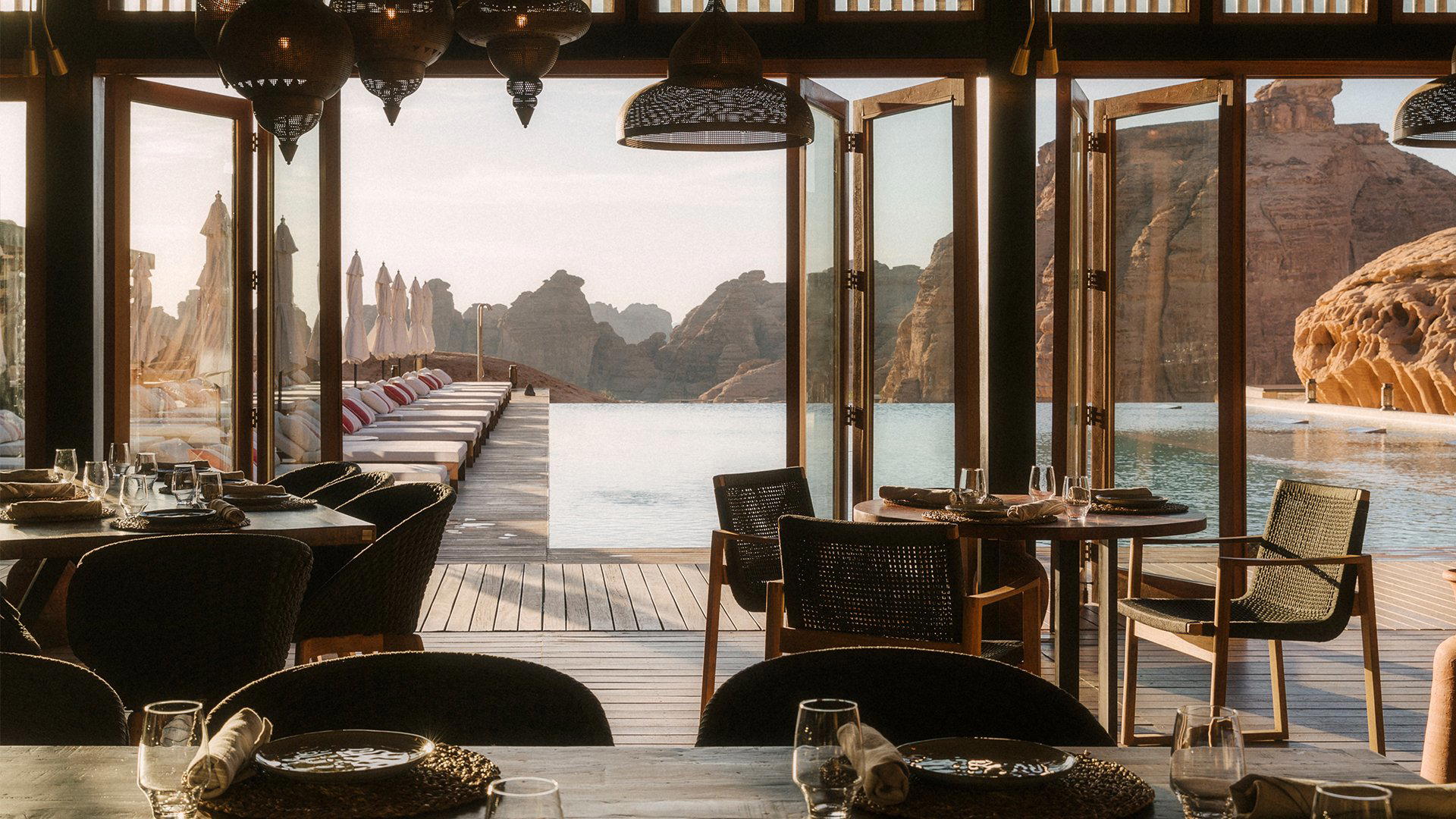
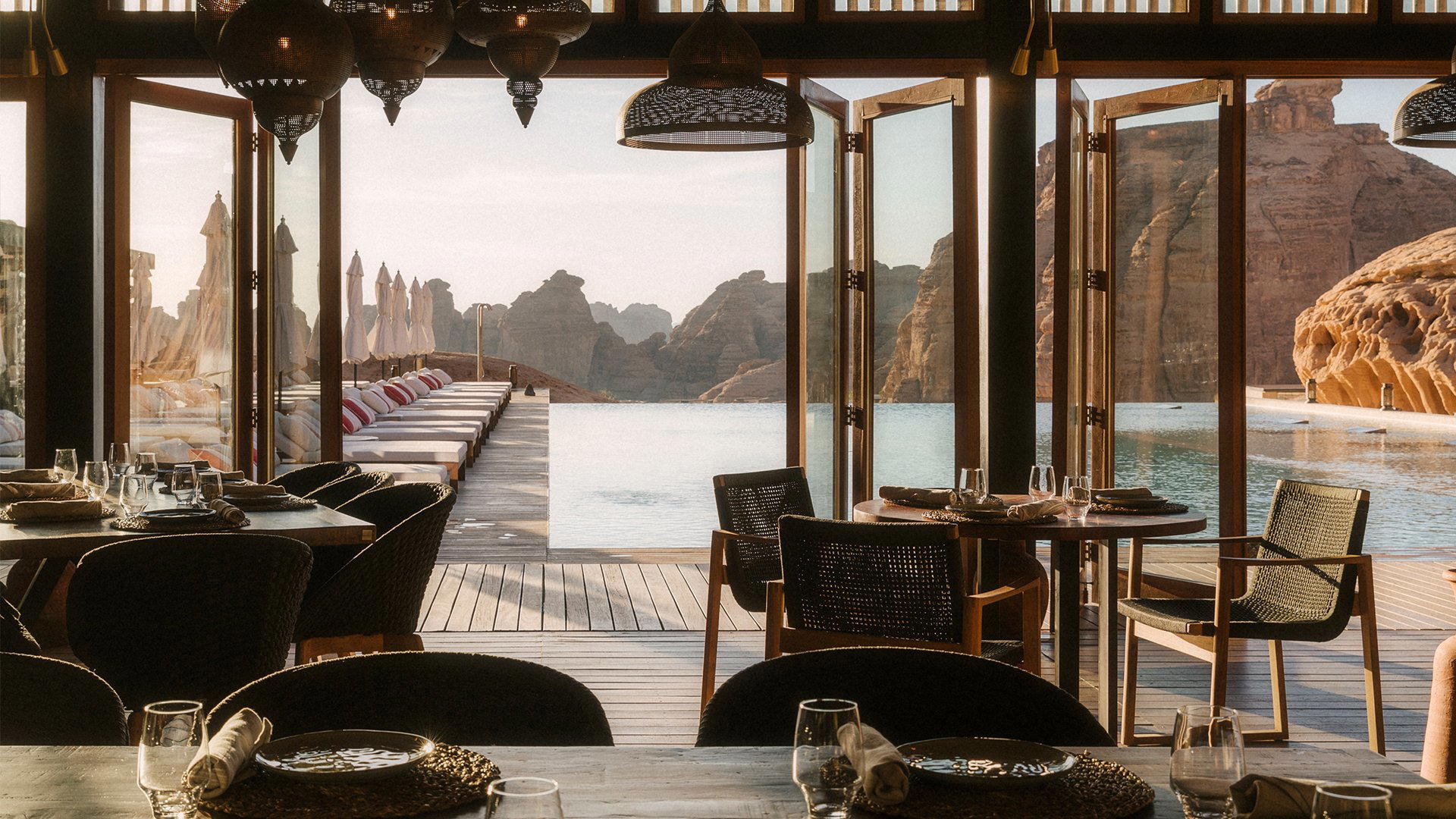
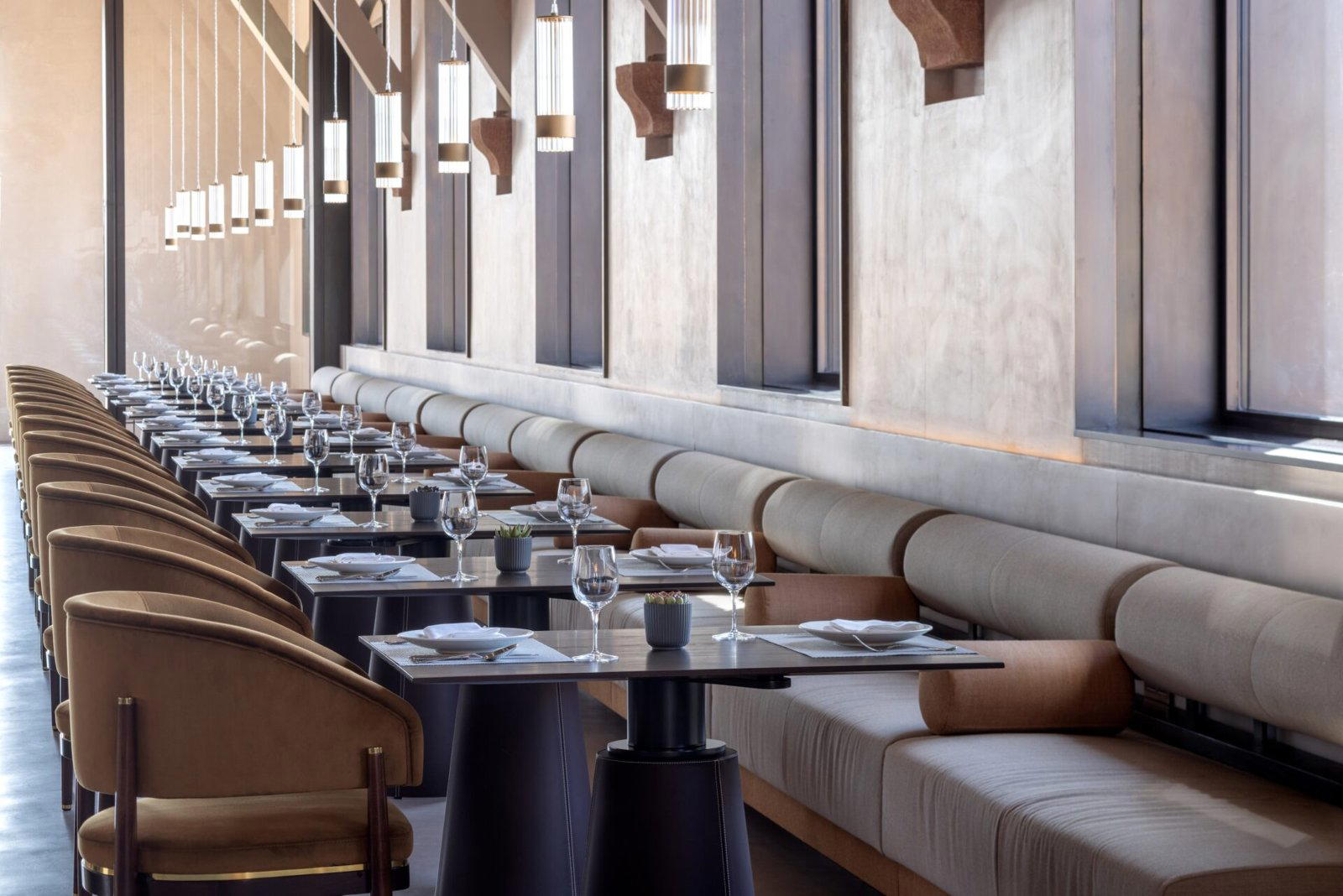
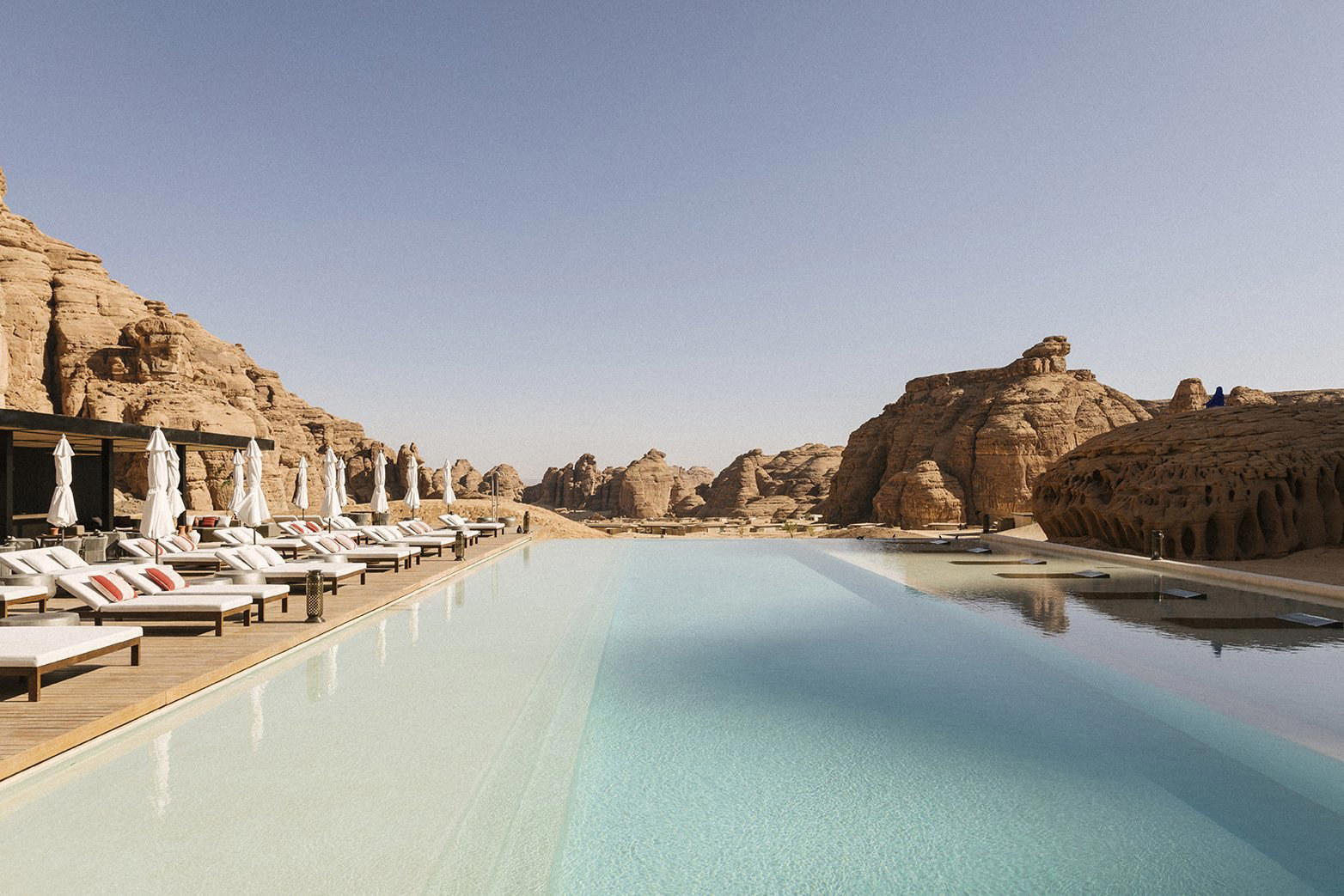
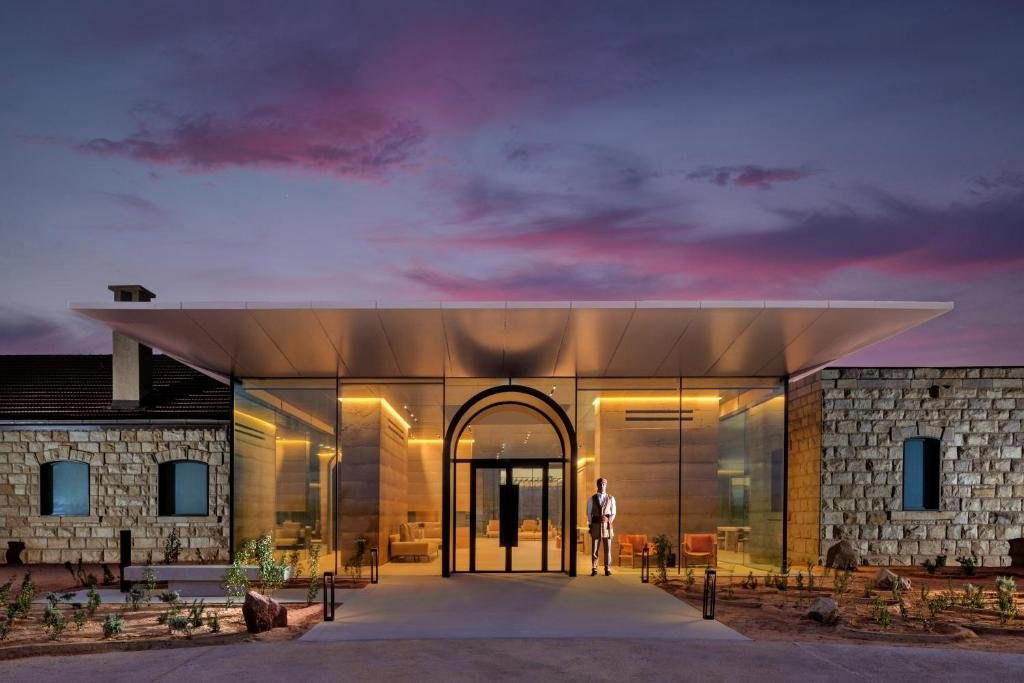
Modern desert oasis atmosphere with natural light from dramatic valley views, poolside setting, and elegant, minimalist design fostering social connections.