Tofareya

Michelin Bib Gourmand
Our verdict
A locally loved spot in AlUla's Old Town, Tofareya occupies a modest village house at the base of the ancient fort, with rooftop seating above a palm grove and a menu anchored in regional Saudi cooking. The kitchen draws on traditional recipes from the Hejaz and broader Arabian Peninsula, with dishes like orange-spiced kabsa and Omm Ali that reflect the area's agricultural identity. It is among the more affordable and honest meals available in the old city.

Pearl is the En Primeur Club membership app — saves, bookings, and concierge access live there. Same editors, same standards.
- Address
- Old Town
- Phone
- +966 55 447 1254
- Hours
- Daily 1 PM–12 AM
- Website
- tofareya.sa
- Directions
- Get directions
The menu
What to order
- Kabsa with AlUla oranges
- Omm Ali dessert
- Tawferee chicken samosa
- Miro kebab
- Red jareesh with chicken
A Village House at the Foot of the Fort
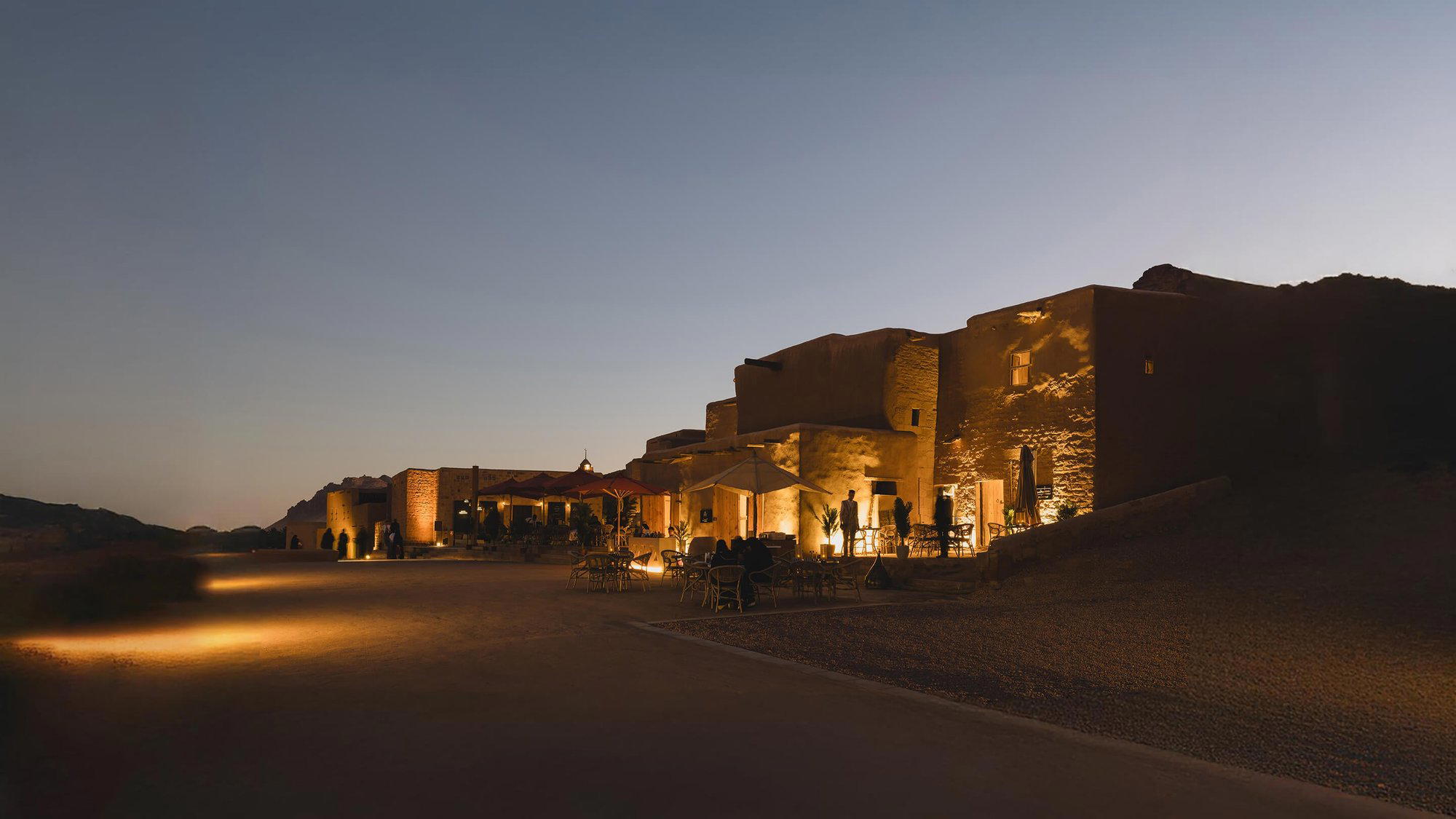
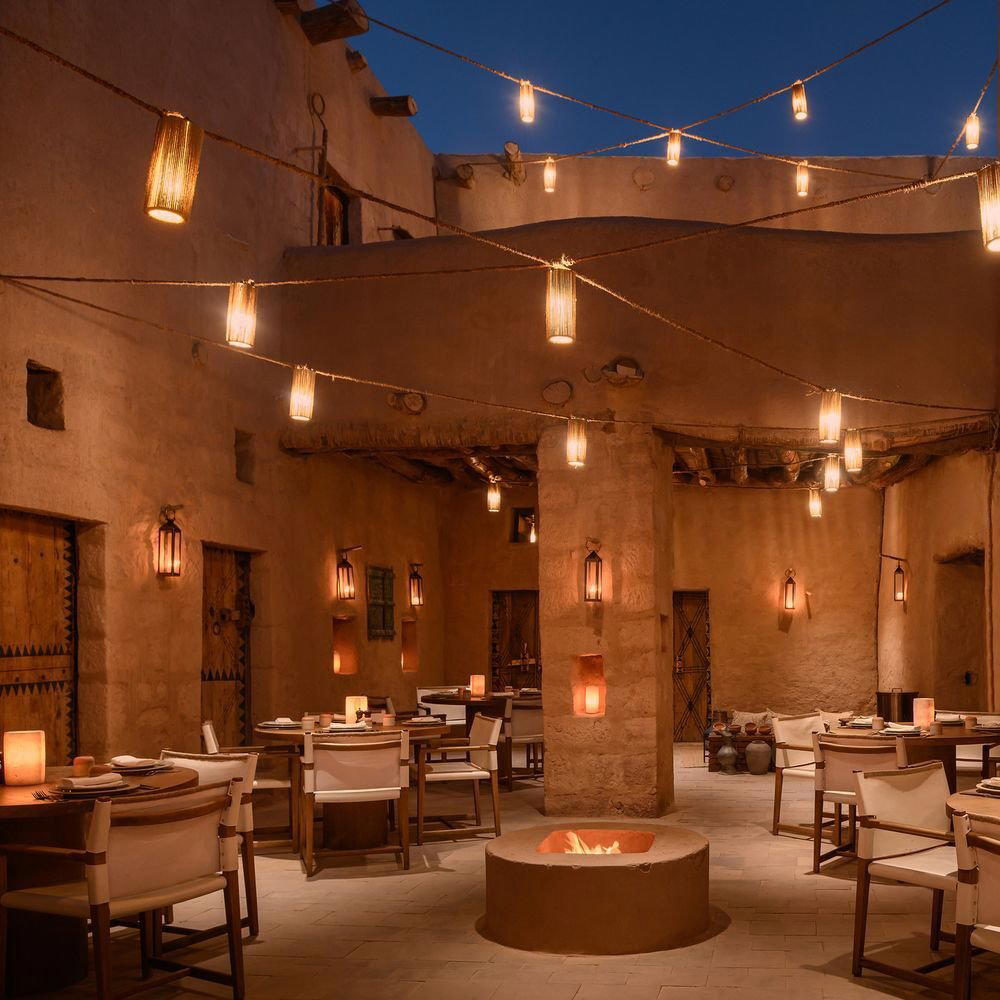
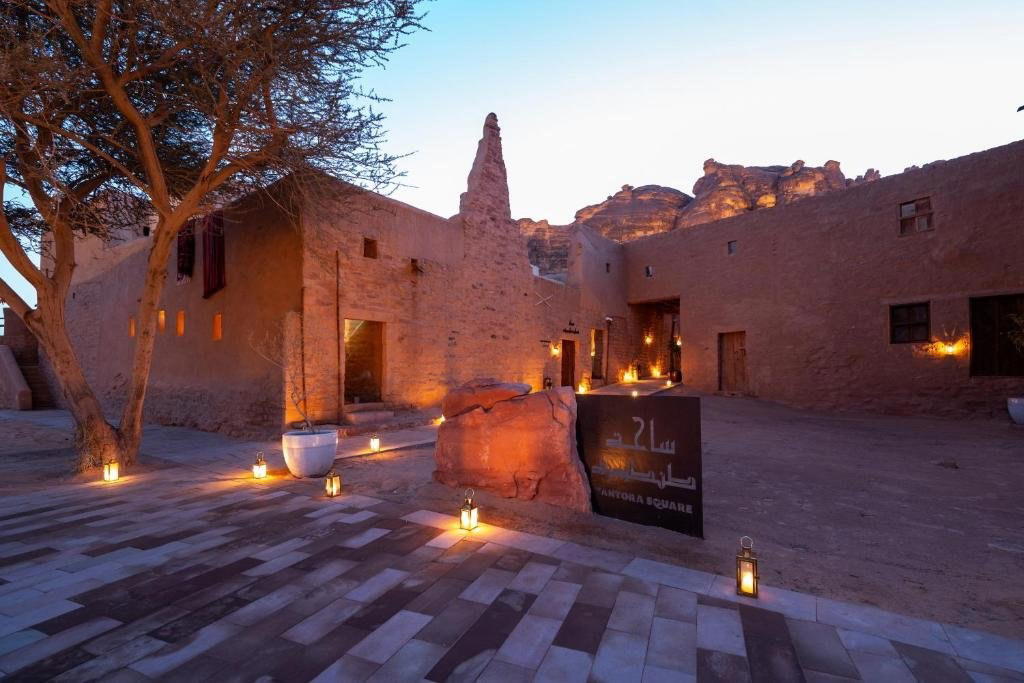
Old Town AlUla rewards slow movement. The mud-brick lanes narrow, the fort walls rise overhead, and the palm grove that has fed this settlement for centuries pushes in from the edges. It is in this compressed, layered environment that Tofareya operates, occupying a humble village house whose architecture makes no concessions to the new wave of resort hospitality arriving in the broader region. The building sits at the footsteps of AlUla's fort, and the dining happens across two small interior rooms, a handful of tables on the pavement, and a rooftop terrace positioned above the grove. That rooftop is the clearest argument for visiting: the palm canopy below, the stone walls above, and the particular quality of light that AlUla produces in the late afternoon make it a setting that no amount of designed resort space has yet replicated in this city.
What the Menu Reveals About the Region
The menu at Tofareya is worth reading as a document, not just an order sheet. In a dining environment where AlUla's newer openings frequently lean toward international formats or fusion positioning, this kitchen organises itself around a different logic: the traditional recipe archive of the Hejaz and the broader Arabian Peninsula, with the occasional dish from neighbouring Middle Eastern traditions. The structure is not elaborate. There is no tasting arc, no theatrical sequencing. What it offers instead is a set of regional dishes prepared according to received method, using local produce where the geography permits.
Kabsa anchors the savoury section. The version here is flavoured with AlUla's oranges, a specific agricultural detail that connects the dish to the oasis farming economy the city has sustained for generations. Kabsa is a rice-and-meat preparation that varies considerably across the Gulf and the Hejaz depending on spicing, protein, and the cook's lineage. The orange inflection at Tofareya is not a modification for novelty but a reflection of what this particular valley produces. AlUla's citrus cultivation, supported by the area's underground water system, is well documented and gives the kitchen a legitimate local ingredient that distinguishes this preparation from the same dish served in Riyadh or Jeddah.
On the dessert side, Omm Ali functions as the clearest reference point for the menu's ambitions. It is a bread pudding of Egyptian origin that has become a fixture across the wider Arab world, prepared here in what the kitchen describes as a textbook execution. Its presence signals the menu's willingness to draw from the broader Middle Eastern canon without pretending that Saudi cooking exists in isolation from its neighbours.
This architecture, direct categories, traditional method, regional sourcing where available, sits in contrast to the more scenographic approach taken by some of AlUla's newer dining projects. Harrat, Joontos, Somewhere, and Tama each operate within formats shaped partly by AlUla's incoming tourism infrastructure. Tofareya does not. It is, in the classification that matters most for understanding a city's dining ecology, a local restaurant that happens to be accessible to visitors rather than a visitor-facing operation that gestures toward local identity.
Value and Position in AlUla's Dining Tier
The restaurant has a reputation among residents, which in a city of AlUla's scale is a meaningful signal. Local endorsement in a place where the population is small and word travels quickly functions differently than a review aggregator score in a dense urban market. The note that this is great value sits within a broader pattern: traditional Saudi cooking in informal formats tends to run significantly cheaper than the international or resort-affiliated operations that have followed the region's tourism investment. For a traveller moving between the Hegra archaeological site, the old town lanes, and the broader Hejaz landscape, Tofareya offers a price point and a register of cooking that the more produced venues do not.
Comparable meals in terms of culinary ambition and formality at the level of, say, Le Bernardin in New York City, Alinea in Chicago, or Alléno Paris au Pavillon Ledoyen in Paris represent a different tier entirely, where the editorial point is refinement and technique at the apex of a national cuisine. Tofareya's value is not in that category. Its editorial point is authenticity of method and directness of form within a tradition that most visitors to AlUla will encounter only in diluted or recontextualised versions elsewhere. For a fuller picture of where Tofareya fits within AlUla's current dining offer, covers the range across price tiers and formats.
Planning a Visit
The practical case for Tofareya is clearest when you are already in the Old Town. The village house is located at the base of the fort, which makes it a natural pause during a walking circuit of the old city rather than a destination requiring a separate trip from the resort clusters further out. The rooftop seats above the palm grove are limited and exposed to the elements, so timing matters. AlUla's cooler months, roughly November through March, produce the conditions in which outdoor dining at this elevation and in this setting is at its most comfortable. The summer heat is a genuine constraint on any outdoor seating in the region.
No booking method or phone contact is listed in the available record, which suggests the restaurant operates on a walk-in basis typical of informal Old Town hospitality in Saudi cities. Arriving at a non-peak hour during the lunch or early evening window, when the light is falling across the fort walls, gives the leading chance of securing rooftop placement. For travellers organising the broader AlUla stay, experiences guide, and cover the surrounding infrastructure. For context on how regional Saudi cooking presents in other cities, Kuuru in Jeddah operates in a different format and price register, while Lunch Room in Riyadh occupies yet another point on the spectrum. Neither is directly comparable to Tofareya's informal village-house setting, but together they sketch the range of how Arabian Peninsula cooking is being presented to a new generation of diners.
Frequently asked questions
Is Tofareya good for families?
The layout suits families well. The village house in Old Town has two indoor dining rooms, rooftop tables overlooking the palm grove, and pavement seating outside — enough variety that groups of different sizes and preferences can find a configuration that works. The menu centres on familiar regional Saudi dishes, which means there is little on the table that requires explanation to younger diners.
Is Tofareya better for a quiet night or a lively one?
Tofareya runs closer to quiet than lively. A small village house at the foot of AlUla's fort, with a handful of tables spread across two rooms and a rooftop, does not generate the kind of noise a larger venue does. The draw here is the setting and the food, not the room's energy — it is the kind of place residents go specifically to avoid the newer, more performative openings in the wider AlUla development.
What dish is Tofareya famous for?
Two dishes are consistently noted by locals: the kabsa prepared with AlUla's own oranges, which gives the spiced rice a regional character distinct from the Riyadh or Jeddah versions, and the Omm Ali dessert, described as a textbook preparation of the bread-and-cream classic. Both are drawn from traditional recipes rather than modernised interpretations.
A Credentials Check
Comparable venues nearby, for context on price, style, and recognition.
| Venue | Cuisine | Price | Awards | Notes |
|---|---|---|---|---|
| TofareyaThis venue — the venue you are viewing | Traditional Saudi Cuisine | $10–20 | Michelin Bib Gourmand | Not listed |
| Joontos | Modern Saudi | $30–50 | Michelin Bib Gourmand | Old Town |
| Harrat | Pan-Arabic Fusion with International Influences | $100–150 | Michelin Plate | Ashar Valley |
| Somewhere | Modern Middle Eastern Fusion | $50–100 | Michelin Plate | Alula Oasis |
| طوفرية | Traditional Saudi Cuisine | $10–20 | Michelin Bib Gourmand | Al Ula Old Town |
| Tama | Modern Middle Eastern Fusion | Not listed | Michelin Plate | Ashar Valley |
Recognition history
Dated appearances from independent guides and award organizations, with the underlying list record or original source where available.
Michelin Bib Gourmand
Michelin

Details
- Rustic
- Cozy
- Classic
- Casual Hangout
- Family
- Group Dining
- Terrace
- Historic Building
- Local Sourcing
- Garden
- A La Carte
- Family Style
- Fresh Juices
- Traditional Beverages
- Halal
Current opening hours
- Monday
- 1 PM–12 AM
- Tuesday
- 1 PM–12 AM
- Wednesday
- 1 PM–12 AM
- Thursday
- 1 PM–12 AM
- Friday
- 1 PM–12 AM
- Saturday
- 1 PM–12 AM
- Sunday
- 1 PM–12 AM
Hours can change for holidays and private events. Last verified .
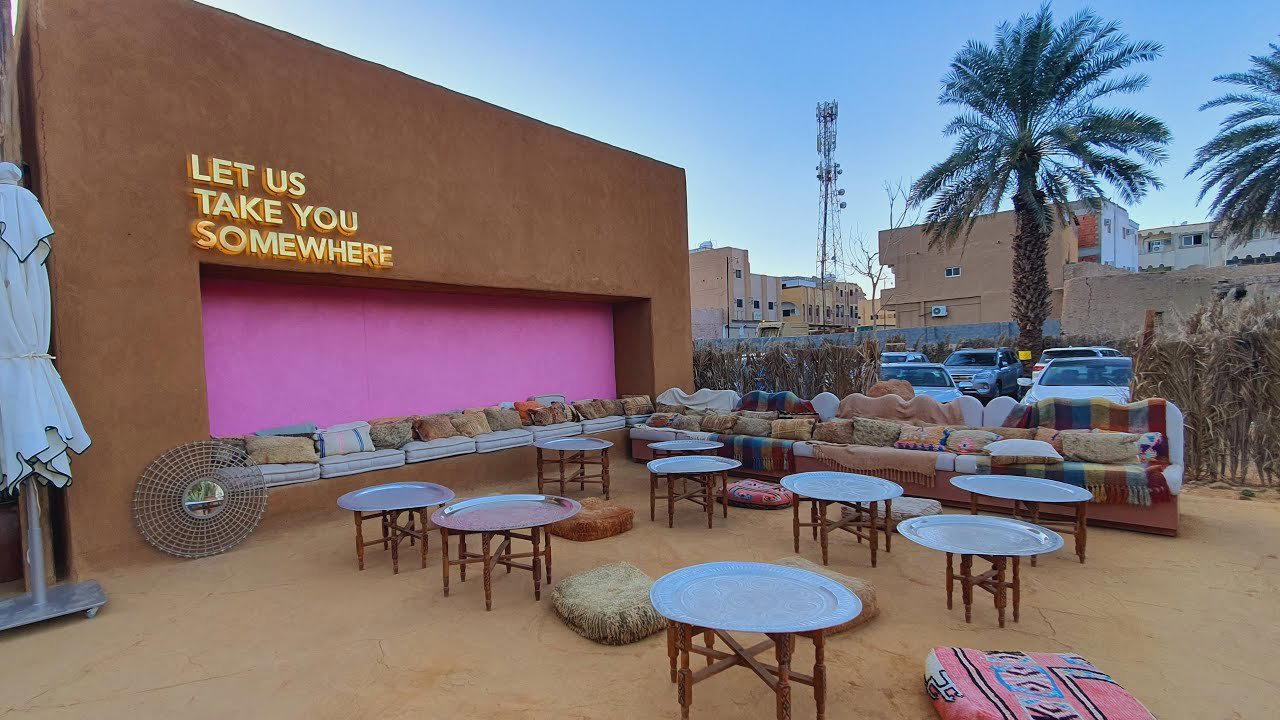
Intimate and humble setting with traditional village house charm, featuring small dining rooms and rooftop tables with views of the palm grove and surrounding Old Town landscape.