Sass Cafe
Our verdict
Sass Cafe sits within AlUla's fast-developing dining scene, where international café culture meets the cultural weight of one of Saudi Arabia's most archaeologically significant regions. The venue draws visitors looking for a grounded stop between heritage sites, offering a counterpoint to the more formal resort dining that dominates the area. Check directly for current hours and booking details.

Pearl is the En Primeur Club membership app — saves, bookings, and concierge access live there. Same editors, same standards.
- Address
- AlUla, Saudi Arabia
- Directions
- Get directions
The menu
What to order
- Truffle pizza
- Tagliatelle al limone
- Black cod with yuzo miso sauce
- Butcher's selection with chimichurri
- Smoked banana with dulce de leche
Where the Café Format Meets Archaeological Weight
AlUla occupies a specific position in the geography of Saudi tourism: a destination built around Nabataean rock tombs, sandstone canyons, and millennia of overland trade history, now receiving serious infrastructure investment as Vision 2030 reshapes who gets to visit and how. The dining scene here is not yet the dense, competitive field you find in Riyadh or Jeddah. Instead, it is a small, deliberately curated collection of venues serving a visitor population that skews toward cultural travelers, weekend escapes from Riyadh, and international guests arriving through Princes Hazzaa Airport. Within that context, cafés and casual venues carry more weight than they might elsewhere — they function as breathing room between heritage sites, as morning anchors before a day at Hegra, and as gathering points in a destination where the built social infrastructure is still forming.
Sass Cafe operates in that space. AlUla's café culture is relatively young, shaped less by local tradition than by the speed of the destination's development since the Royal Commission for AlUla began its transformation push in earnest after 2017. What that means in practice is that the best-performing casual venues here are not competing against decades of entrenched local competitors — they are defining a format in real time, for an audience that is simultaneously discovering the destination itself.
The Cultural Stakes of Eating in AlUla
Saudi food culture carries significant regional variation, and AlUla's is particularly layered. The region sits along ancient trade routes where Nabataean, Lihyanite, and early Arabian cultures exchanged goods, spices, and agricultural knowledge. Date palms, cultivated in the AlUla oasis for thousands of years, remain a central agricultural and culinary marker. The broader Hejaz culinary tradition that shapes northwestern Saudi cooking draws on those trade connections: aromatics, slow-cooked meats, and grain dishes that reflect centuries of caravan-era exchange rather than the Gulf-influenced food culture found further east.
Contemporary café and restaurant operations in AlUla sit against that backdrop, whether or not they engage with it directly. Venues like Harrat and Joontos occupy different points on the spectrum between local culinary reference and international format. Somewhere approaches the question differently again, as does the dining program at Our Habitas AlUla, which integrates the property's design ethos with its food offering. The resort tier, including the kitchen at Banyan Tree AlUla, tends toward more formal, internationally legible presentations. Casual formats like Sass Cafe exist in the gap between those poles, serving a function the higher-end resort dining does not.
Reading the Café Tier in a Developing Destination
In established dining cities, the café tier is often the most contested: margins are thin, competition is dense, and differentiation requires either a very specific format or a very loyal neighborhood following. AlUla presents different conditions. The visitor base is transient, most guests stay for two to four nights and move between heritage sites, desert experiences, and meals, which means a café's value is measured largely by timing, location, and the quality of the pause it offers rather than by repeat-visit loyalty.
The Saudi café market more broadly has undergone significant formalization in the past decade. Cities like Riyadh and Jeddah have developed recognizable specialty coffee cultures, with venues competing on single-origin sourcing, brew method, and aesthetic coherence. That sophistication has begun to travel into destination markets as the same demographic of younger, internationally aware Saudi consumers extends its travel patterns. AlUla, as a flagship Vision 2030 destination, receives a version of that same audience, visitors who have eaten at Aseeb in Riyadh or Kuuru in Jeddah and carry those reference points with them.
That creates a context in which even a casual café in AlUla is implicitly measured against a rising national baseline. Visitors accustomed to the quality signals of urban Saudi dining, or to venues as internationally positioned as Le Bernardin in New York City or Atomix, arrive with calibrated expectations. The opportunity for a venue like Sass Cafe lies in meeting those expectations with format discipline rather than scale.
Practical Considerations for Visiting
AlUla's operational rhythms are shaped by the climate and the event calendar. The destination runs its most intensive programming between October and March, when temperatures drop to manageable levels and festivals like Winter at Tantora bring concentrated visitor volume. During peak season, even casual venues can face meaningful demand, particularly around midday when heritage site visits and afternoon heat intersect. Outside those months, AlUla operates at significantly lower capacity, and opening hours and staffing at independent venues often adjust accordingly.
Visitors planning around Sass Cafe should confirm current hours and availability directly, as the venue's operational details are not centrally published. Given the broader scarcity of casual dining options relative to the resort tier, it is worth identifying your preferred stops before arrival rather than relying on walk-in availability during high season. For orientation across the full dining picture, the EP Club AlUla restaurants guide maps the current field. Those traveling across the wider Kingdom will find useful reference points in the dining scenes of kol restaurant in Jizan, Takara in Khobar, and yello in Ad Diriyah, each of which reflects a distinct regional register of Saudi hospitality.
For those building an itinerary that extends beyond AlUla's resort dining, options in the casual and street-food tier, including Camel Burger Food Truck in Medina, Shawarmer in Shaqra, and بروست طازة in Ta'if, provide useful calibration points for how informal formats operate across different Saudi markets. The 56th Avenue Diner and Khayal Restaurant represent further points on the spectrum of how international and local influences are being combined across the Kingdom's restaurant scene.
Frequently asked questions
Is Sass Cafe a good option for visitors arriving between archaeological site tours in AlUla?
AlUla's site visits, particularly around Hegra and the Old Town, are typically scheduled in the morning or late afternoon to avoid peak heat, which places a natural meal break mid-route. A café-format venue in AlUla fills that gap practically, offering a stop that doesn't require the commitment of a full restaurant reservation. Whether Sass Cafe's hours align with those windows is worth confirming directly, as operational schedules across AlUla shift with the season and event calendar.
What's the best thing to order at Sass Cafe?
AlUla's café circuit generally reflects a mix of regional Saudi flavours and internationally legible café staples, given the destination's growing international visitor base. Arriving with flexibility rather than a fixed dish in mind is the practical approach here.
How hard is it to get a table at Sass Cafe?
AlUla's dining infrastructure remains limited relative to the volume of visitors during its peak season, which runs October through April and intensifies around events like the Winter at Tantora festival. During those windows, any café with a central or well-positioned location in AlUla can see meaningful demand. Checking ahead during high-season visits is the sensible move.
What's the signature at Sass Cafe?
In AlUla's developing café tier, operators often anchor their identity around either local date-based preparations or regionally familiar coffee formats. The café's position within that scene is best assessed on the ground.
Can Sass Cafe accommodate dietary restrictions?
No formal dietary policy is published for Sass Cafe. Saudi café operators in tourist-heavy destinations like AlUla are generally accustomed to requests from international visitors, but confirming specific accommodations directly with the venue before visiting is the only reliable approach.
Is eating at Sass Cafe worth the cost?
No pricing data is confirmed for Sass Cafe, so a direct value assessment isn't possible here. AlUla's café tier is still maturing, and price points across the destination vary considerably depending on whether a venue targets international visitors or the local market. Context from recent visitor accounts would give the clearest picture.
What's the ideal time to eat at Sass Cafe?
AlUla's climate makes outdoor or casual dining most comfortable between October and March, when daytime temperatures drop to a workable range. The summer months bring heat that shapes operational hours across the destination, with many venues adjusting to evening-heavy schedules. Visiting during the cooler season aligns both comfort and the likelihood of fuller programming across AlUla.
Budget Reality Check
| Venue | Cuisine | Price | Awards |
|---|---|---|---|
| Sass CafeThis venue — the venue you are viewing | Mediterranean & South American Fusion with Open-Fire Cooking | $150–200 | Not listed |
| Harrat | Pan-Arabic Fusion with International Influences | $100–150 | Michelin Plate |
| Joontos | Modern Saudi | $30–50 | Michelin Bib Gourmand |
| Somewhere | Modern Middle Eastern Fusion | $50–100 | Michelin Plate |
| Tama | Modern Middle Eastern Fusion | Not listed | Michelin Plate |
| Tofareya | Traditional Saudi Cuisine | $10–20 | Michelin Bib Gourmand |
Details
- Elegant
- Lively
- Ornate
- Sophisticated
- Date Night
- Celebration
- Special Occasion
- Late Night
- Live Music
- Open Kitchen
- Terrace
- Panoramic View
- Design Destination
- Craft Cocktails
- Sommelier Led
- A La Carte
- Small Plates
- Craft Cocktails
- Wine
- Vegetarian Friendly
- Vegan Options
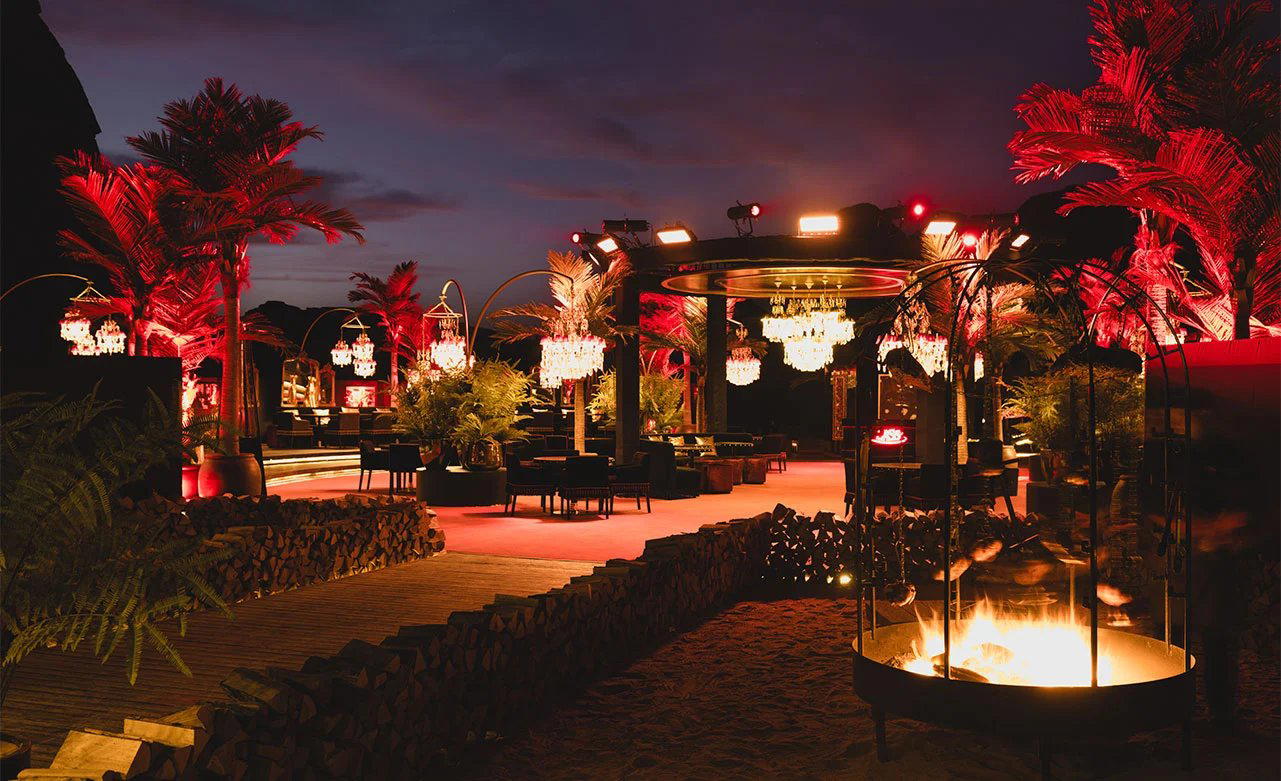
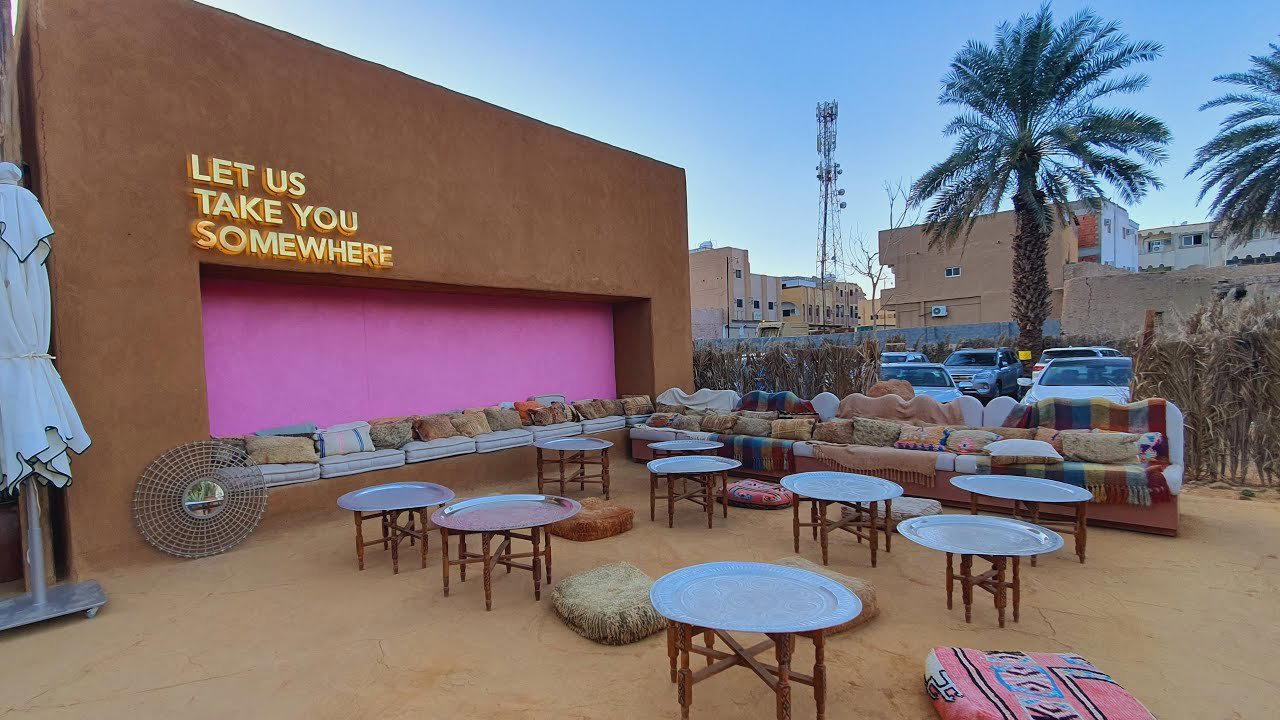
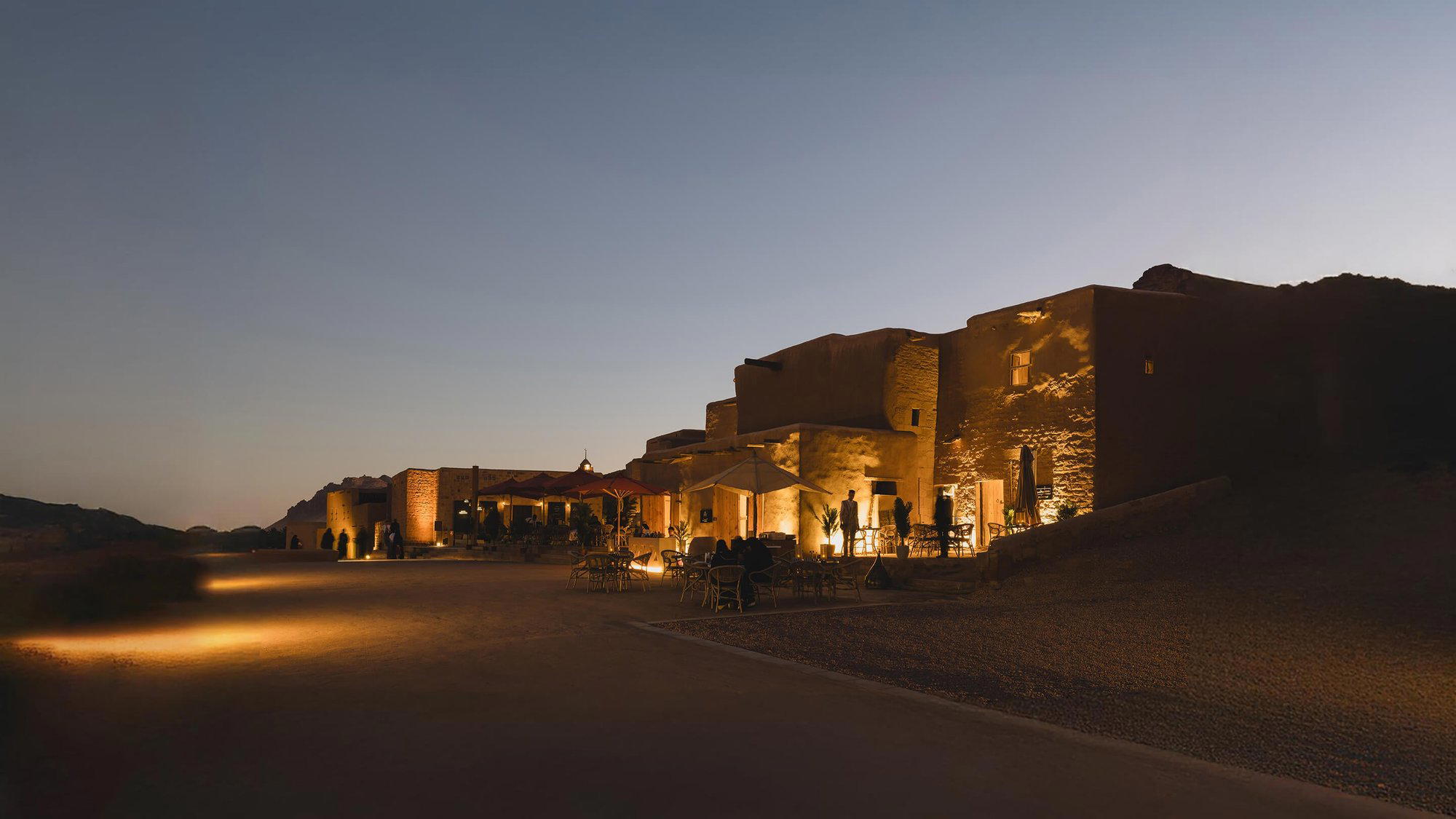
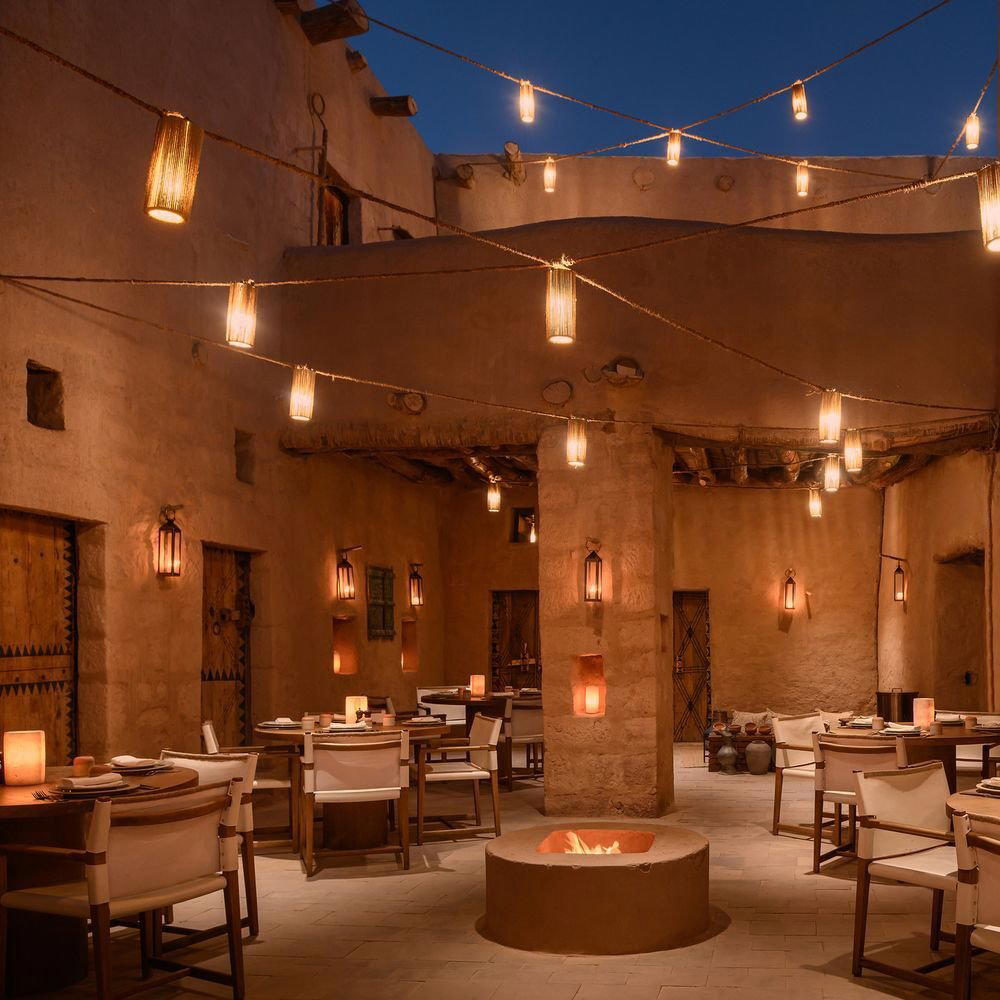
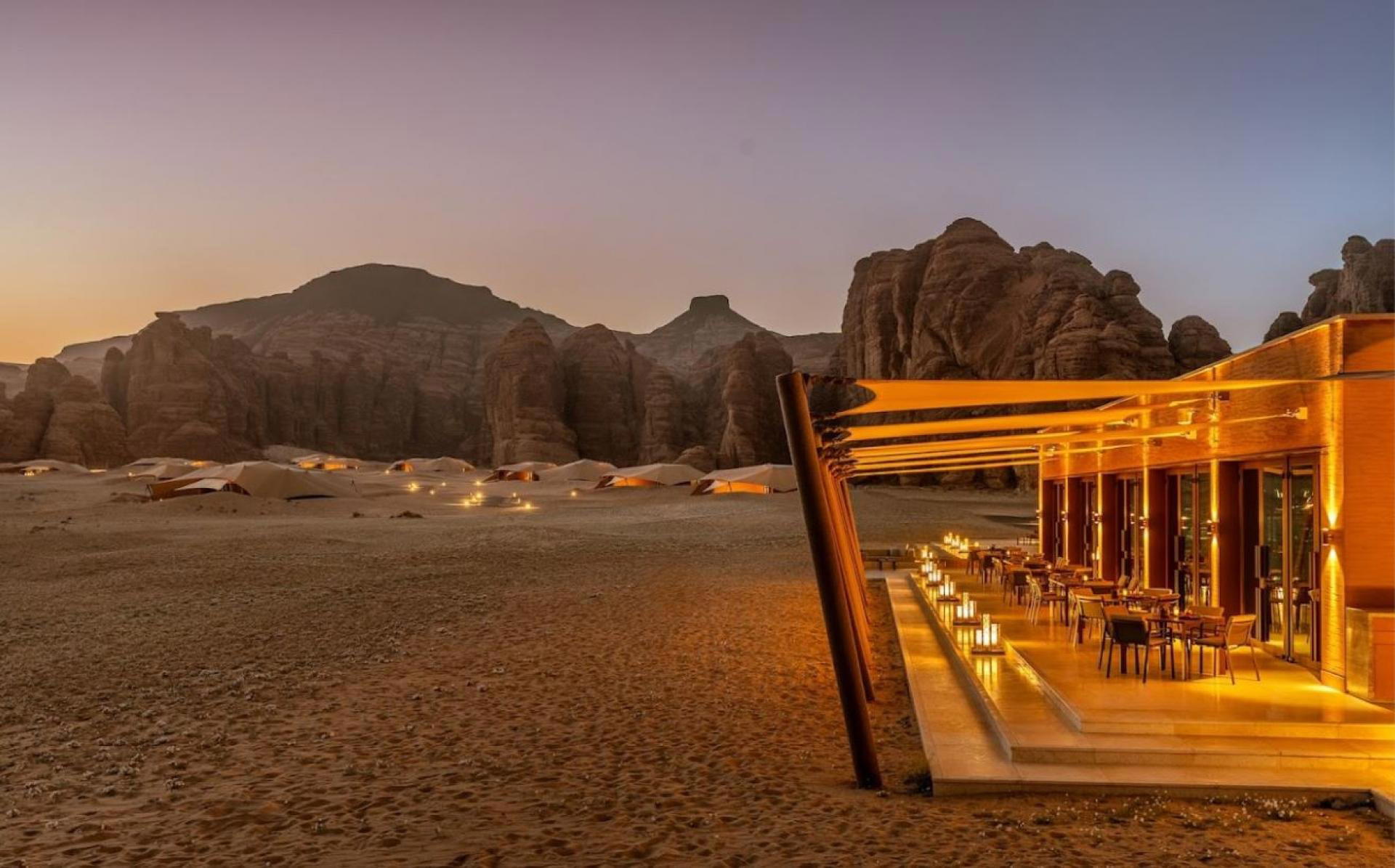
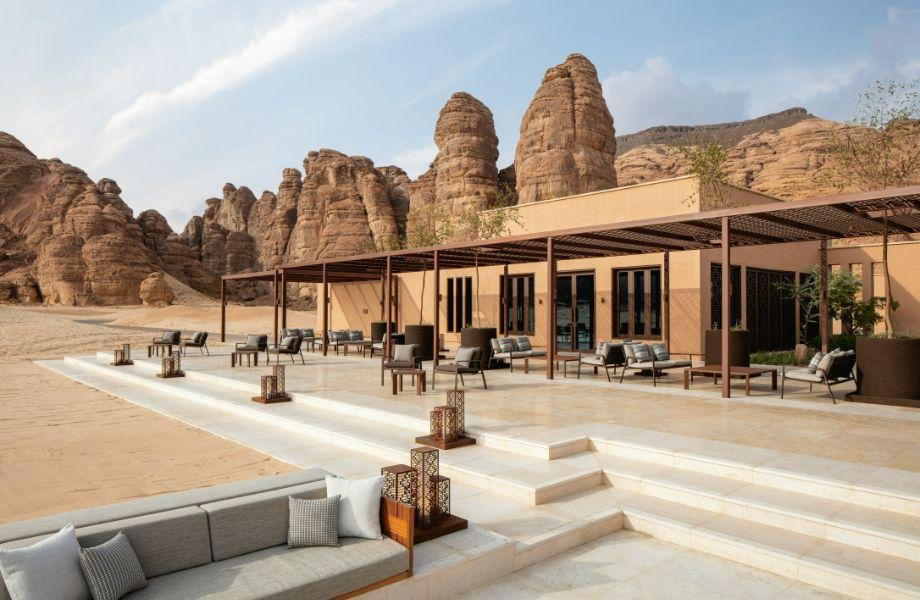
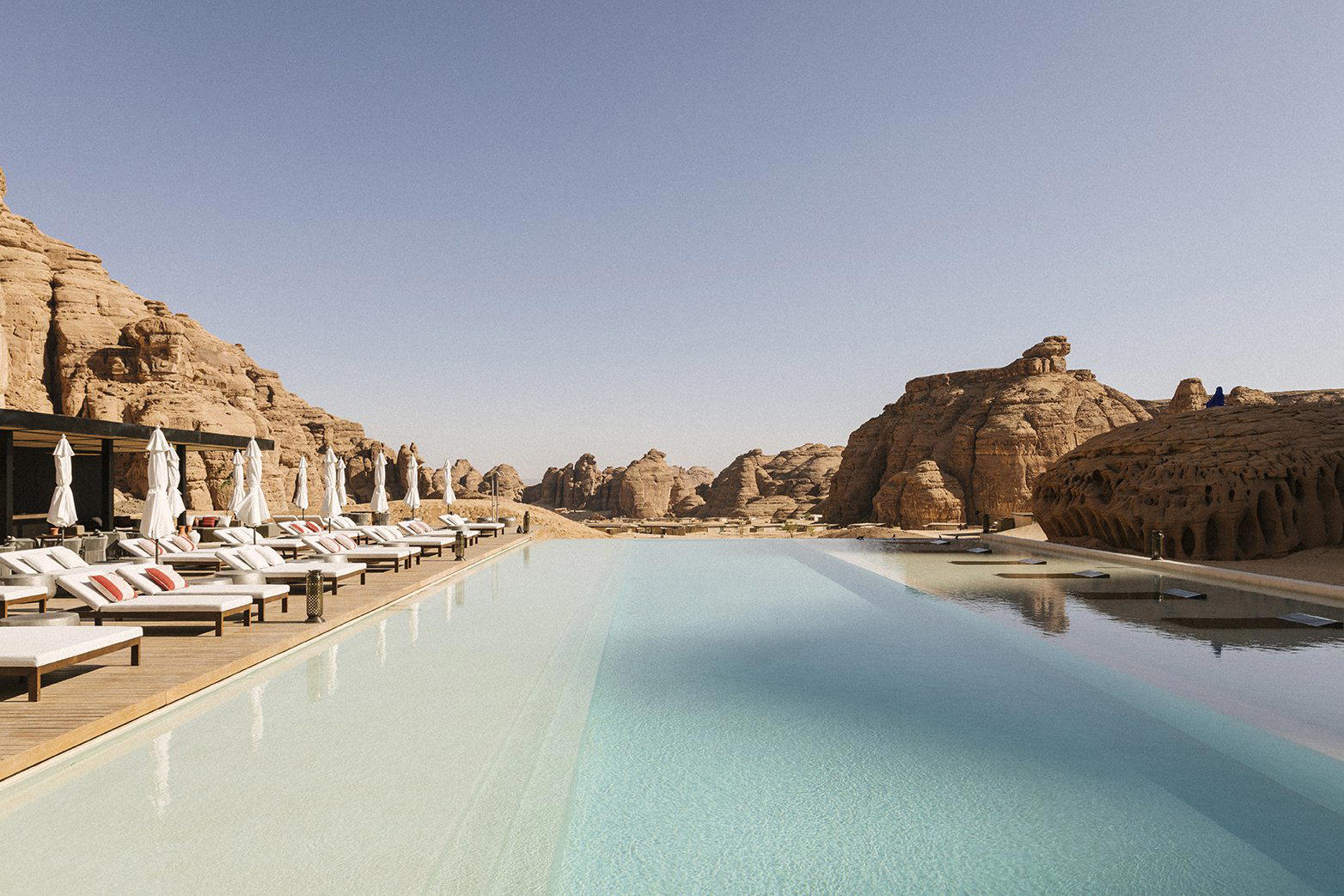
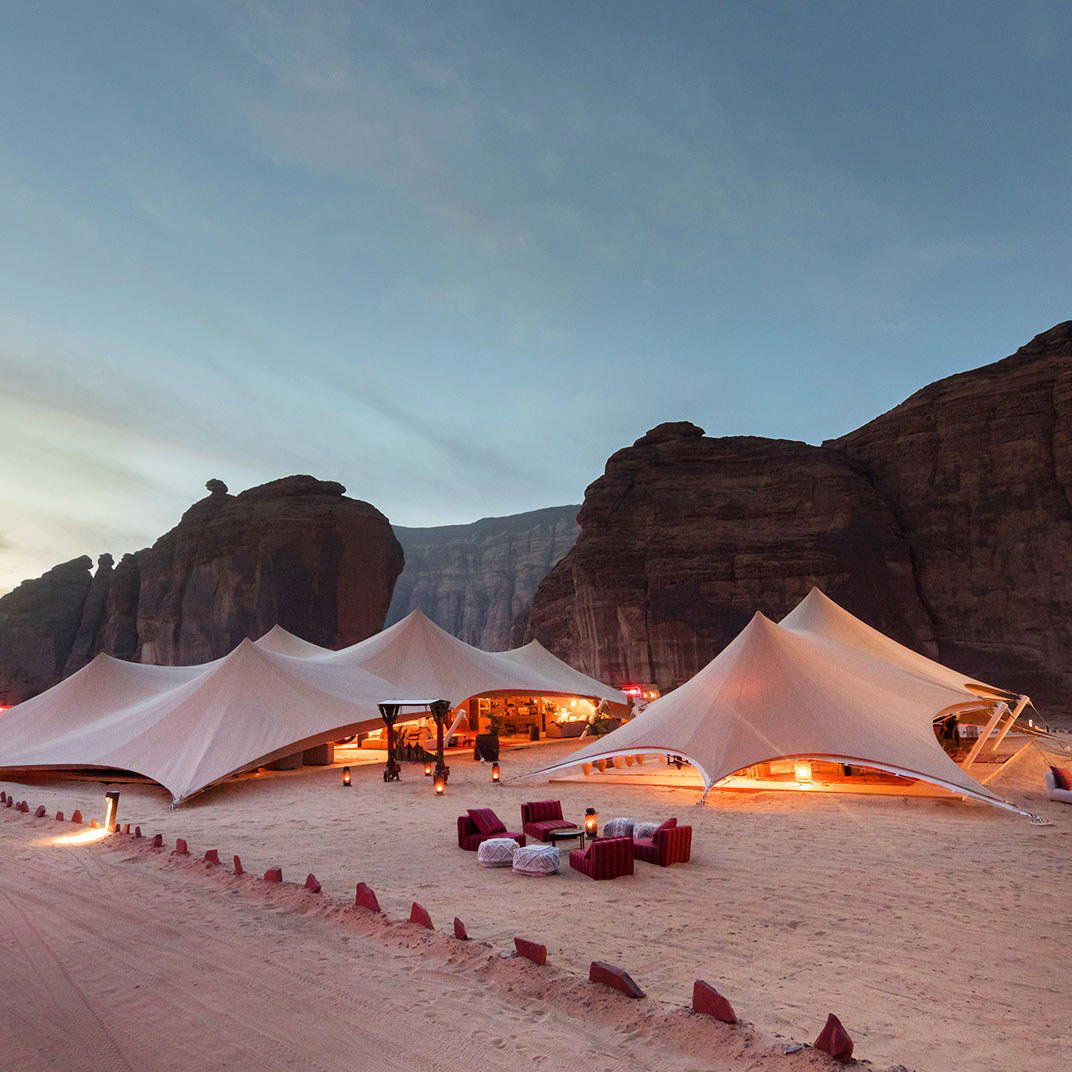
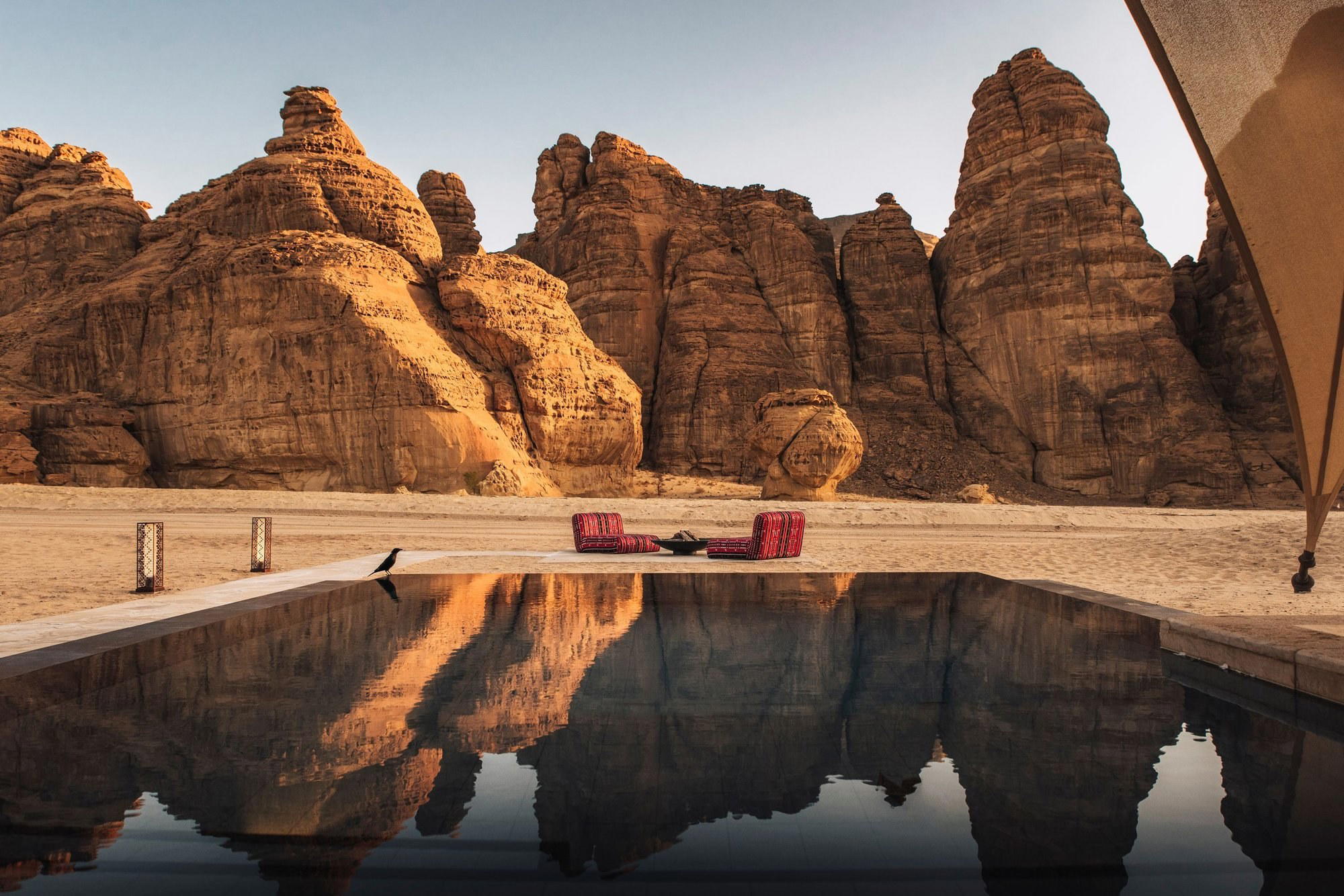
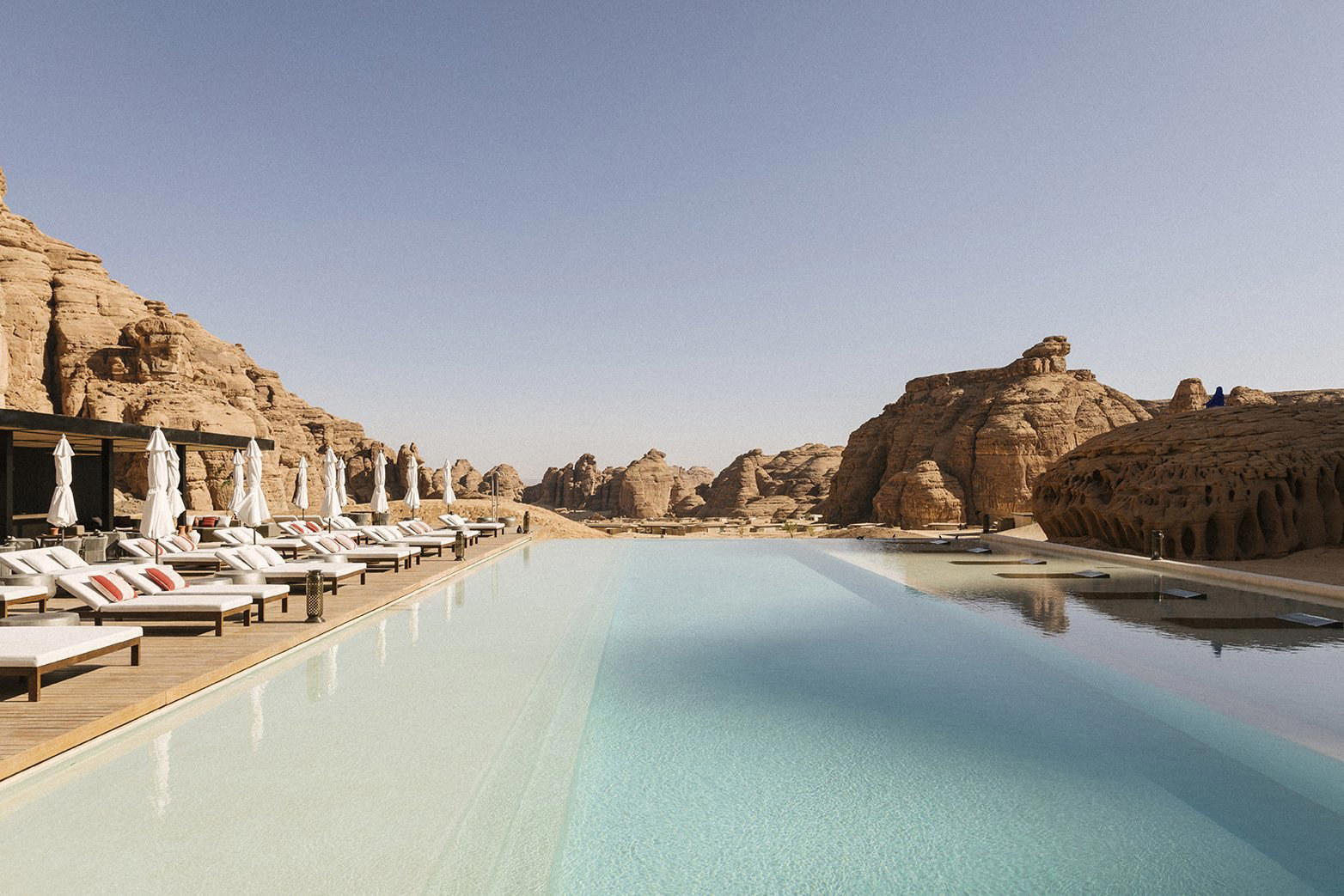
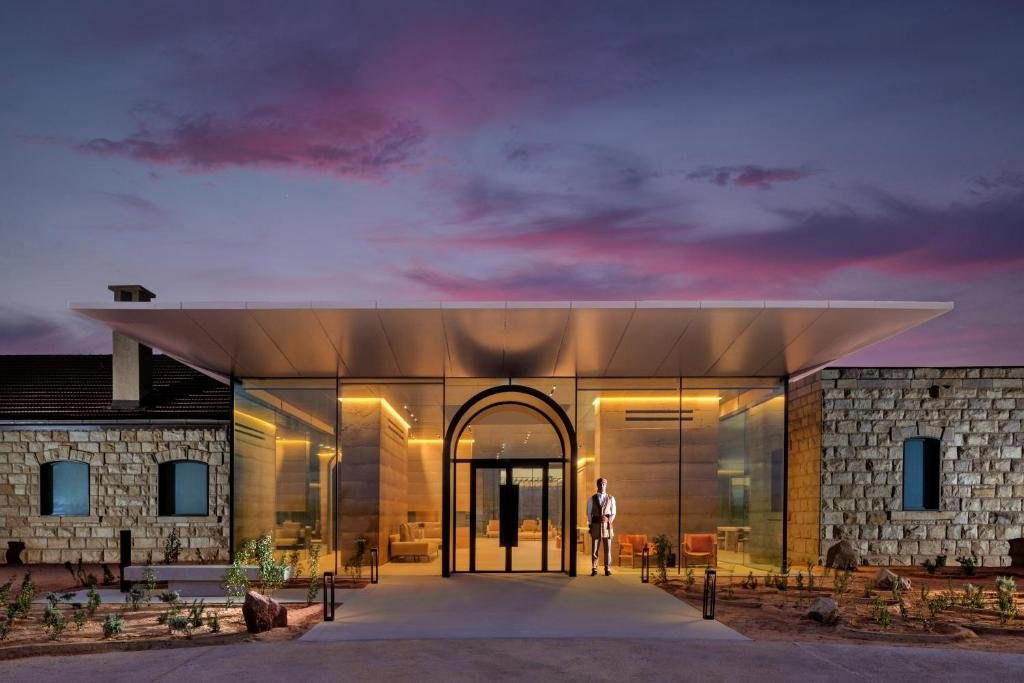
Luxurious and lively with burgundy, black, and gold velvet and leather textures juxtaposed against the stark desert landscape; transforms from elegant dining to lively nightclub with live musicians and DJs.