Tama

Michelin Plate
Our verdict
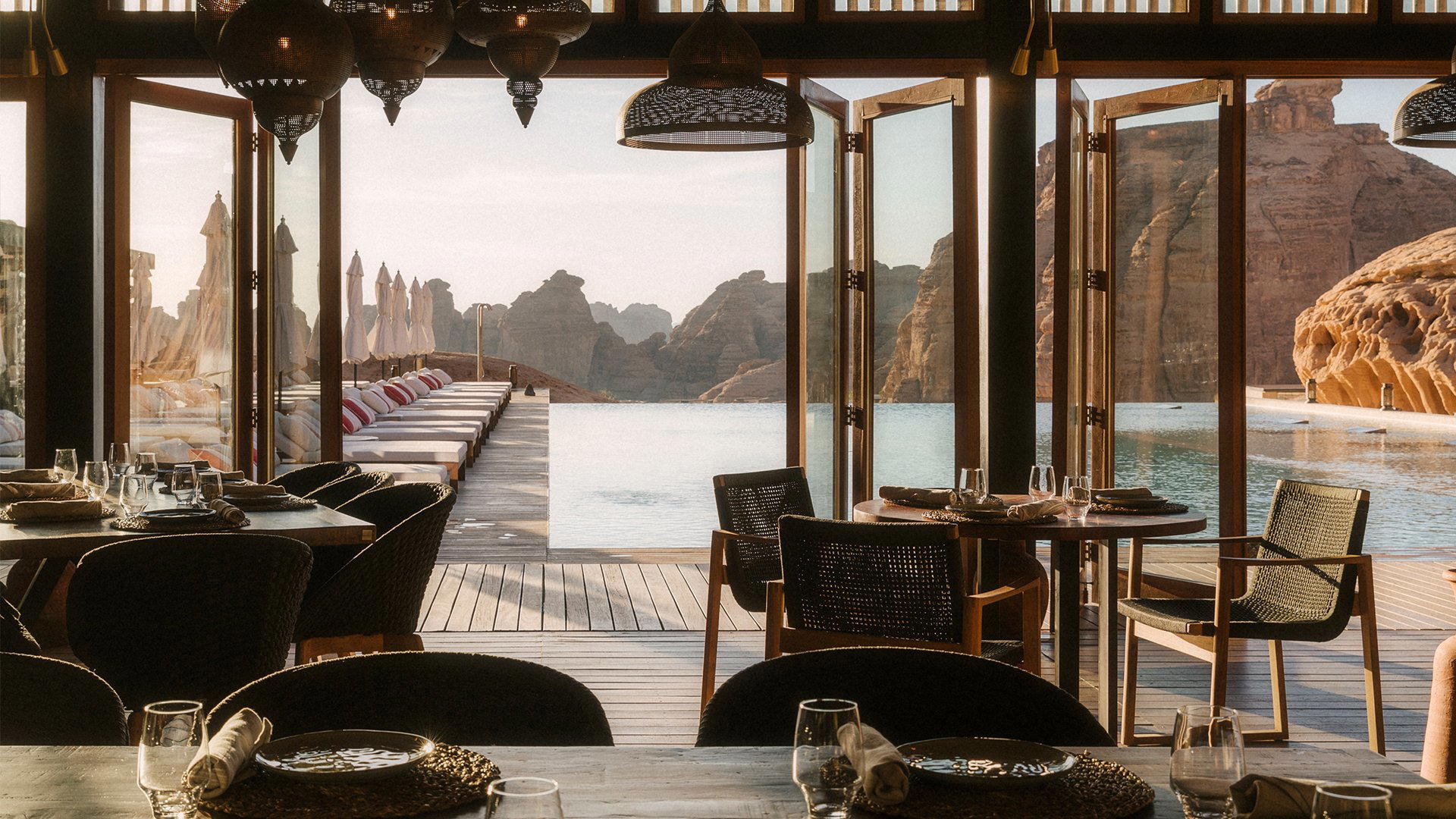
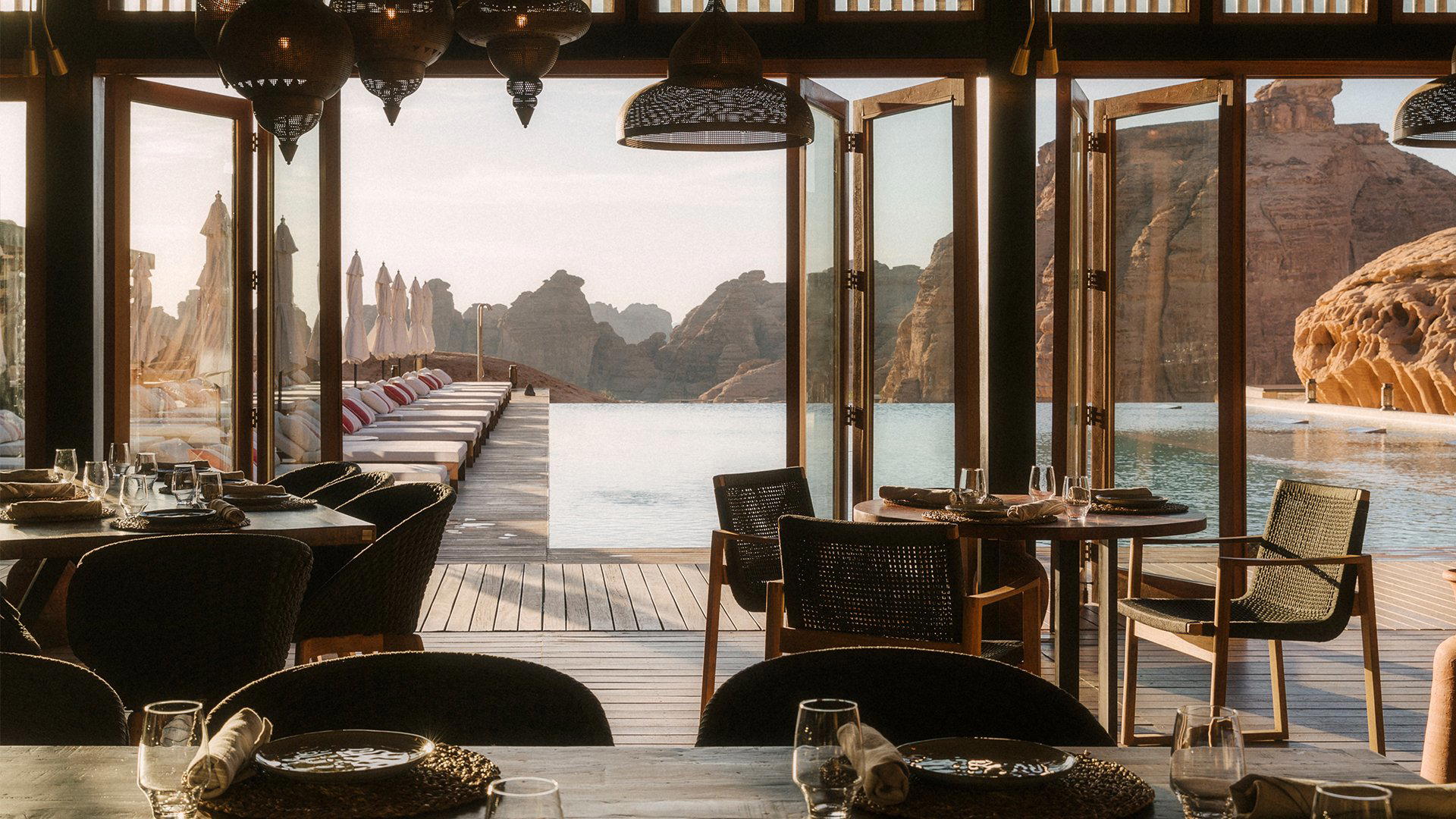
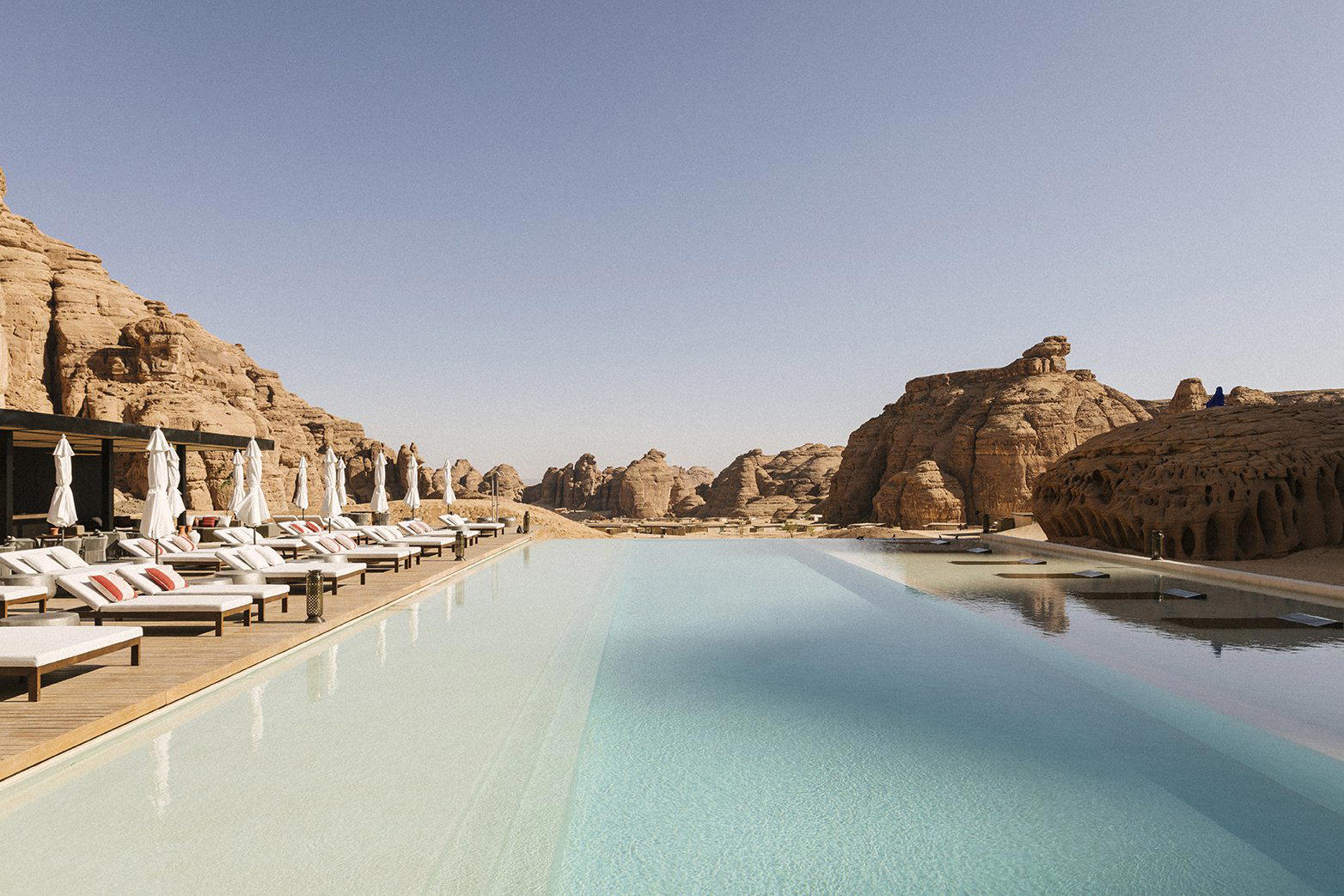
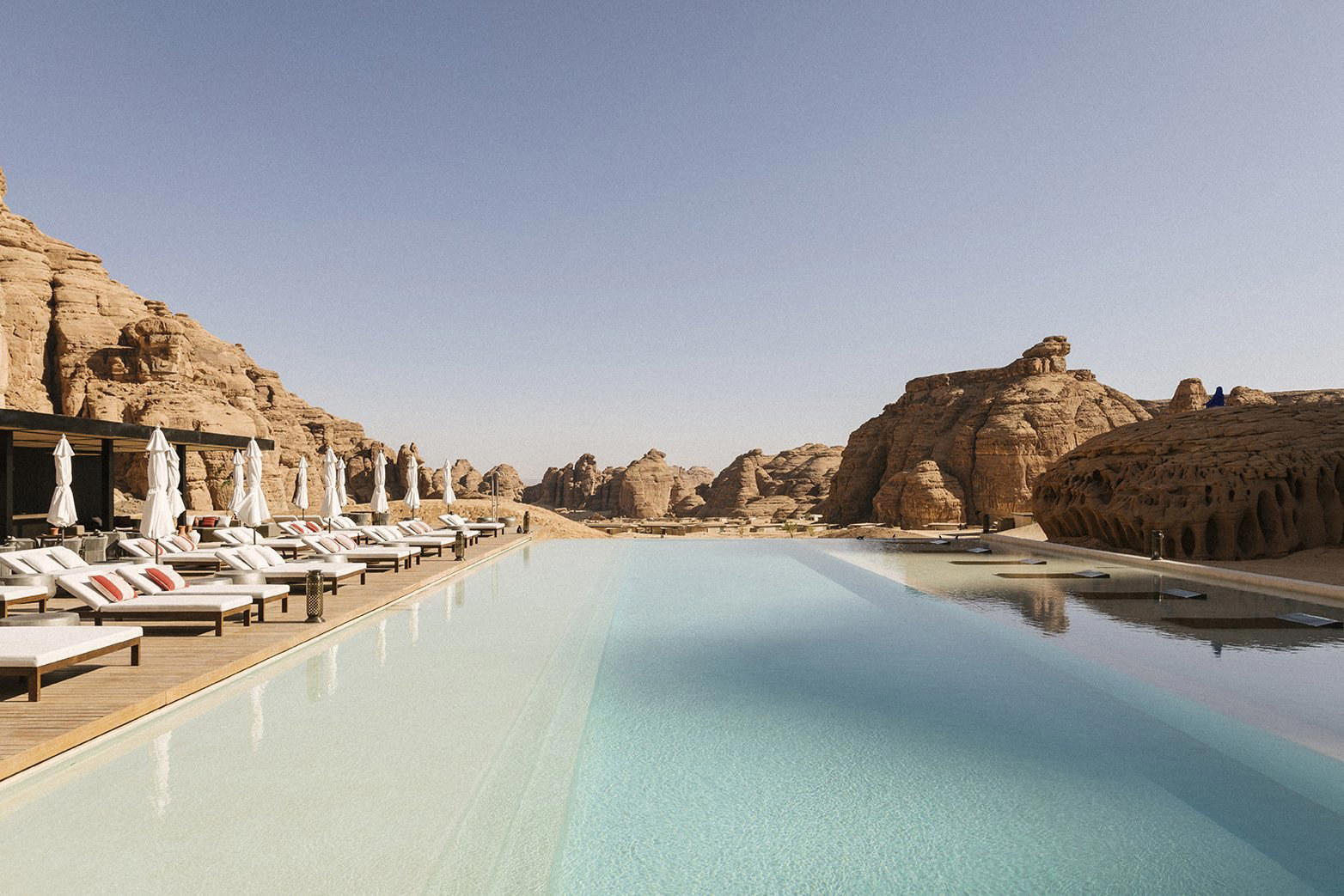
Sitting poolside at Our Habitas AlUla in the Ashar Valley, Tama serves modern Middle Eastern food built around Saudi-grown produce and Red Sea seafood. The menu reads lighter than its resort setting might suggest — carrot hummus, local greens with coffee dressing, and a vegan pavlova are among the more talked-about dishes. For AlUla visitors, it sits among a small handful of restaurants where setting and substance reinforce each other.

Pearl is the En Primeur Club membership app — saves, bookings, and concierge access live there. Same editors, same standards.
- Address
- Our Habitas AlUla, Ashar Valley
- Phone
- +966 14 821 3900
- Website
- ourhabitas.com
- Directions
- Get directions
- Booking
- Book on OpenTable
The menu
What to order
- Carrot hummus
- Chicken shawarma
- Pesto flatbread
Where the Ashar Valley Does the Work
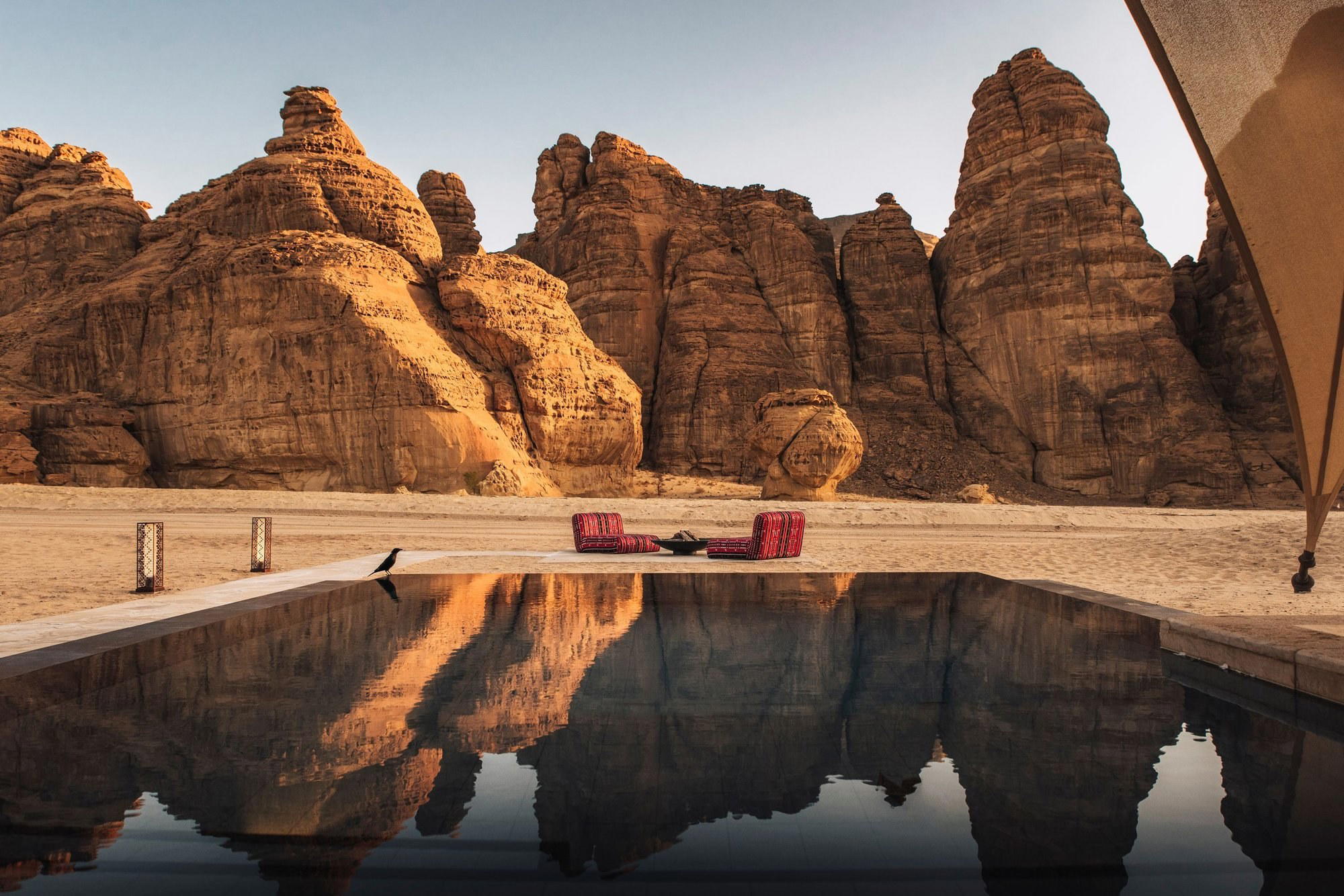
AlUla's dining scene is small, geographically spread, and shaped almost entirely by the resort properties that anchor it. That context matters when assessing Tama, the restaurant at Our Habitas AlUla in the Ashar Valley. In a destination where most meals are taken at hotel restaurants or organised experiences, the setting of any given venue carries real weight — and Tama's setting is among the most considered in the region. A pool terrace positioned to face the valley's sandstone formations means the physical environment is not incidental to the meal; it is structurally part of it. Arriving in the late afternoon, when the light drops at an angle across the rock walls, reinforces what the menu is trying to do: place the diner in a specific geography rather than a generic luxury hotel experience.
That geographic specificity is what separates stronger AlUla restaurants from weaker ones. In a destination this remote — roughly 300 kilometres from Tabuk by road, and served by a regional airport with limited connections, visitors are captive audiences in the leading and worst sense. The restaurants that treat that captivity as permission to coast on scenery alone are easy to spot. Tama takes a different approach, using the provenance of its ingredients as a direct line back to the landscape on the plate, not just through the window.
Modern Middle Eastern, Built on Local Material
Saudi Arabia's fine-dining shift over the past several years has involved a gradual move toward ingredient sourcing that reflects the country's own agricultural and maritime geography, rather than defaulting to imported produce dressed in regional spicing. Tama fits that pattern. The kitchen draws on ingredients grown domestically and on seafood from the Red Sea, which sits roughly 250 kilometres west of AlUla. That is a meaningful commitment in a landlocked desert valley, and it gives the menu a coherence that menus relying on generic "Middle Eastern" framing often lack.
The food itself is modern in technique without being theatrical. Carrot hummus reframes a foundational Levantine preparation through a single ingredient substitution that shifts both colour and sweetness without abandoning the dish's structural logic. A salad built on local greens dressed with coffee signals the same sensibility: familiar format, unexpected local inflection. The vegan pavlova, described as feather-light, follows the same logic applied to dessert, a form associated with egg-white structure, executed here without animal products, and apparently convincing enough to be worth ordering. These are not concept dishes. They are dishes that use the region's produce to make a point quietly. That restraint is more interesting than it would first appear at a resort restaurant in a heritage destination where the temptation to over-signify is considerable.
Among the small group of restaurants currently operating in AlUla, Tama occupies a specific position. Harrat, Joontos, Somewhere, and Tofareya each bring different formats and settings to the AlUla dining circuit. Tama's differentiation is the combination of its pool terrace position, its produce sourcing, and the relative lightness of its menu, it is not trying to be a formal dining event in the way some AlUla venues do. Globally, the move toward place-specific, produce-led menus at resort properties has been visible at a range of venues, from technically ambitious programs like Lazy Bear in San Francisco and Alinea in Chicago to classically anchored institutions like Le Bernardin in New York City and Alain Ducasse at Louis XV in Monte Carlo. Tama is not in that register of ambition or recognition, but it shares the underlying principle: that where food comes from should be legible in what you eat.
Saudi Arabia's broader restaurant development, visible in cities like Riyadh, where venues such as Lunch Room have built audiences, and in Jeddah, where Kuuru operates in a different register, has tended to concentrate in urban centres. AlUla is the exception: a heritage tourism destination developing its food offering in parallel with its archaeological and cultural infrastructure, rather than as a consequence of urban density. Tama reflects that developmental moment, when a handful of resort restaurants are doing the early work of establishing what AlUla dining can mean.
Planning a Meal at Tama
Tama operates within Our Habitas AlUla, which means access is oriented around guests of the property, though the broader AlUla visitor circuit does bring non-resident diners to resort restaurants during peak season. AlUla's visitor season runs most actively between October and March, when temperatures in the valley are manageable for outdoor dining. The Ashar Valley terrace setting is significantly more appealing in cooler months; midday heat in summer makes open-air dining impractical, and AlUla's cultural tourism programming is largely concentrated in the October-to-March window anyway. The AlUla experiences calendar and the full AlUla restaurant guide are useful references for planning around the destination's rhythms rather than individual venues in isolation.
Given the limited number of restaurants in the valley and the concentration of visitors during peak months, planning ahead is sensible. Our Habitas AlUla operates as a boutique resort with limited capacity relative to some of the larger properties in the region; consulting the AlUla hotels guide alongside restaurant planning helps situate Tama within the broader accommodation and dining picture. For visitors building an AlUla itinerary that covers bars and other experiences, the AlUla bars guide and wineries guide round out the planning picture.
Internationally, resort restaurants at properties of this type, boutique, design-led, place-specific, tend to sit in a mid-to-upper price tier relative to the local market, though below the formal tasting-menu pricing of venues like Alléno Paris au Pavillon Ledoyen or 8½ Otto e Mezzo Bombana in Hong Kong. Specific pricing at Tama is not publicly listed, and confirming current rates through Our Habitas AlUla directly before visiting is advisable. The same applies to hours and reservation requirements, which vary by season at properties of this type.
Frequently asked questions
Is Tama Michelin-listed?
Tama has received recognition including: Come here for picturesque views of the Ashar Valley and tasty Middle Eastern dishes. This modern restaurant in Our Habitas AlUla is located by a pool which overlooks an incredible landscape. The food is fitting for the setting; it is modern….
Where exactly is Tama?
Tama is located at Our Habitas AlUla, Ashar Valley, AlUla.
What do regulars order at Tama?
The carrot hummus, a salad dressed with coffee and local greens, and the vegan pavlova are the dishes most frequently cited in descriptions of the menu. All three reflect the kitchen's approach: Saudi-grown and Red Sea-sourced ingredients handled with a light creative touch rather than heavy elaboration.
Should I book Tama in advance?
Tama sits within Our Habitas AlUla, a property with limited capacity in a destination that draws concentrated visitor traffic around AlUla's heritage season. Coordinating access through the resort ahead of arrival is the practical approach, particularly if you are not a guest of the property.
What is Tama known for?
Tama is known for pairing an open view over the Ashar Valley with a modern Middle Eastern menu grounded in local sourcing — ingredients grown in Saudi Arabia or pulled from the Red Sea. The pool-side setting makes the dining room one of the more visually compelling in AlUla's limited restaurant circuit.
Can Tama accommodate dietary restrictions?
The menu includes vegan options — the feather-light vegan pavlova is a documented dish — and the broader lineup of vegetable-forward plates like carrot hummus suggests reasonable flexibility. For specific allergen or dietary needs, confirming directly with Our Habitas AlUla before your visit is the reliable route.
A Minimal comparable set
Comparable venues nearby, for context on price, style, and recognition.
| Venue | Cuisine | Price | Awards | Notes |
|---|---|---|---|---|
| TamaThis venue — the venue you are viewing | Modern Middle Eastern Fusion | Not listed | Michelin Plate | Not listed |
| Sass Cafe | Mediterranean & South American Fusion with Open-Fire Cooking | $150–200 | Not listed | AlUla, Mediterranean & South American Fusion with Open-Fire Cooking |
| طوفرية | Traditional Saudi Cuisine | $10–20 | Michelin Bib Gourmand | Al Ula Old Town, Traditional Saudi |
| Harrat | Pan-Arabic Fusion with International Influences | $100–150 | Michelin Plate | Ashar Valley, Pan-Arabic Fusion with International Influences |
| Somewhere | Modern Middle Eastern Fusion | $50–100 | Michelin Plate | Alula Oasis, Modern Middle Eastern Fusion |
| Our Habitas AlUla | Modern Middle Eastern Fusion | $100–150 | Not listed | Ashar Valley, Modern Middle Eastern Fusion |
Recognition history
Dated appearances from independent guides and award organizations, with the underlying list record or original source where available.
Michelin Plate
Michelin
Details
- Scenic
- Elegant
- Modern
- Sophisticated
- Date Night
- Special Occasion
- Celebration
- Terrace
- Panoramic View
- Hotel Restaurant
- Local Sourcing
- Mountain
- A La Carte
- Vegetarian Friendly
- Vegan Options
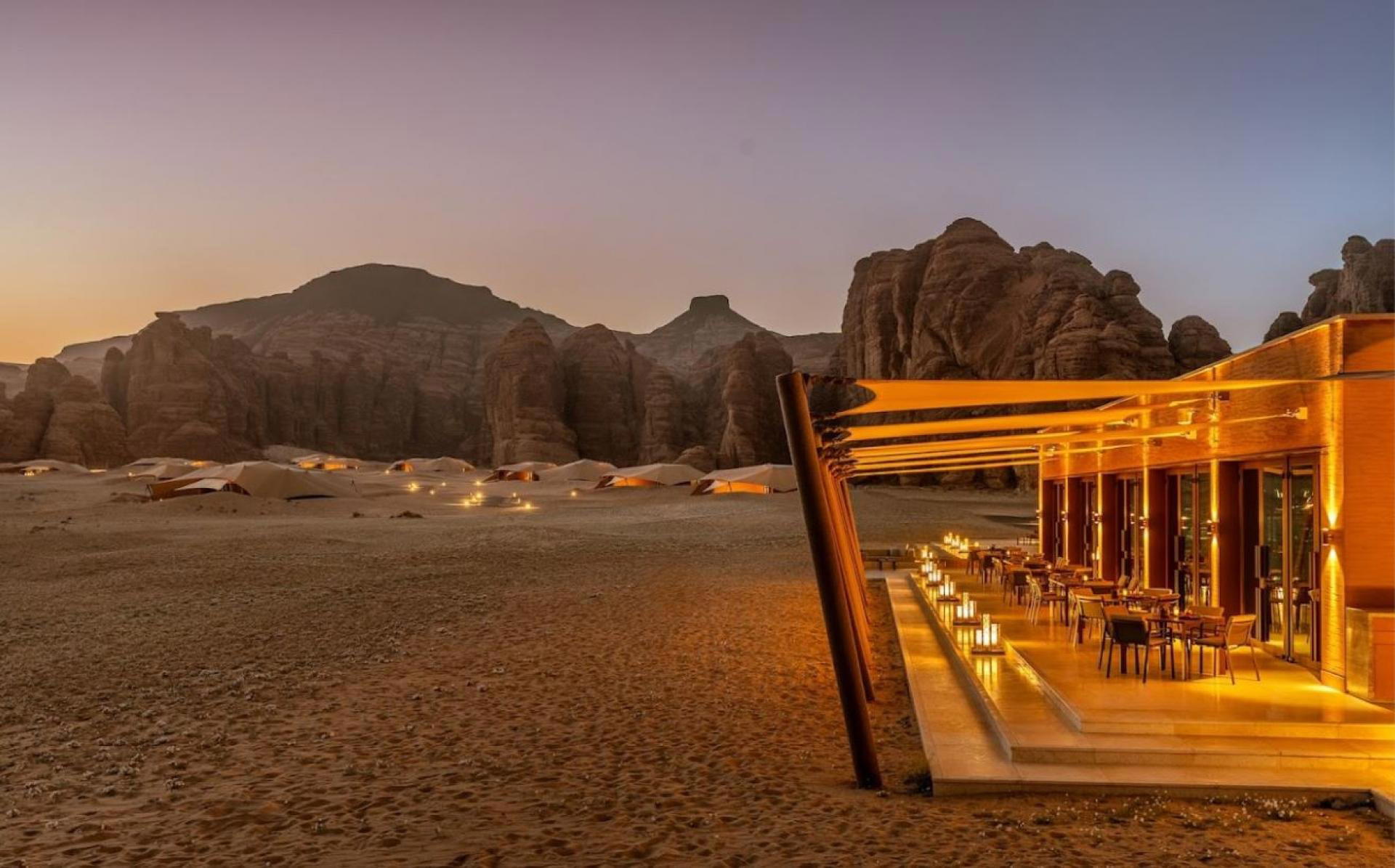
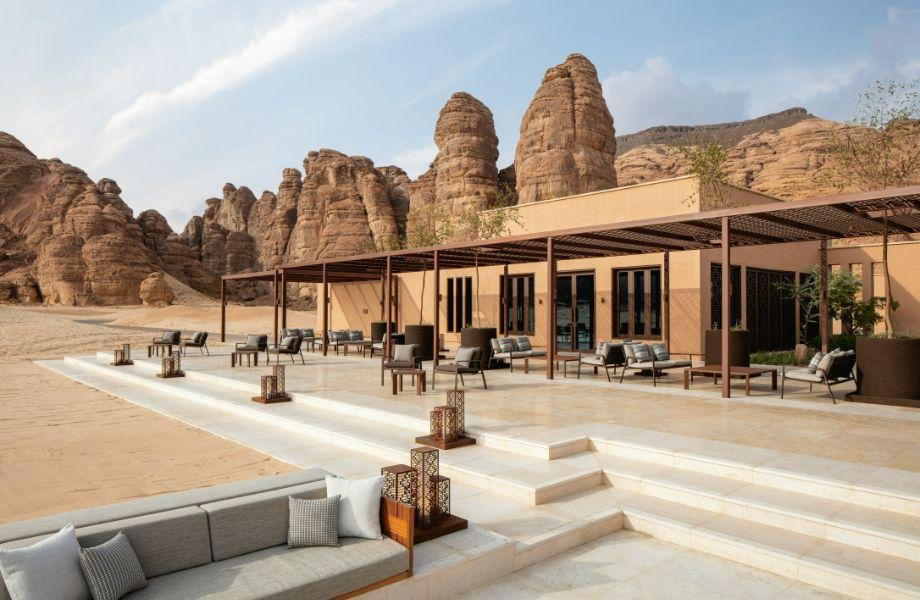
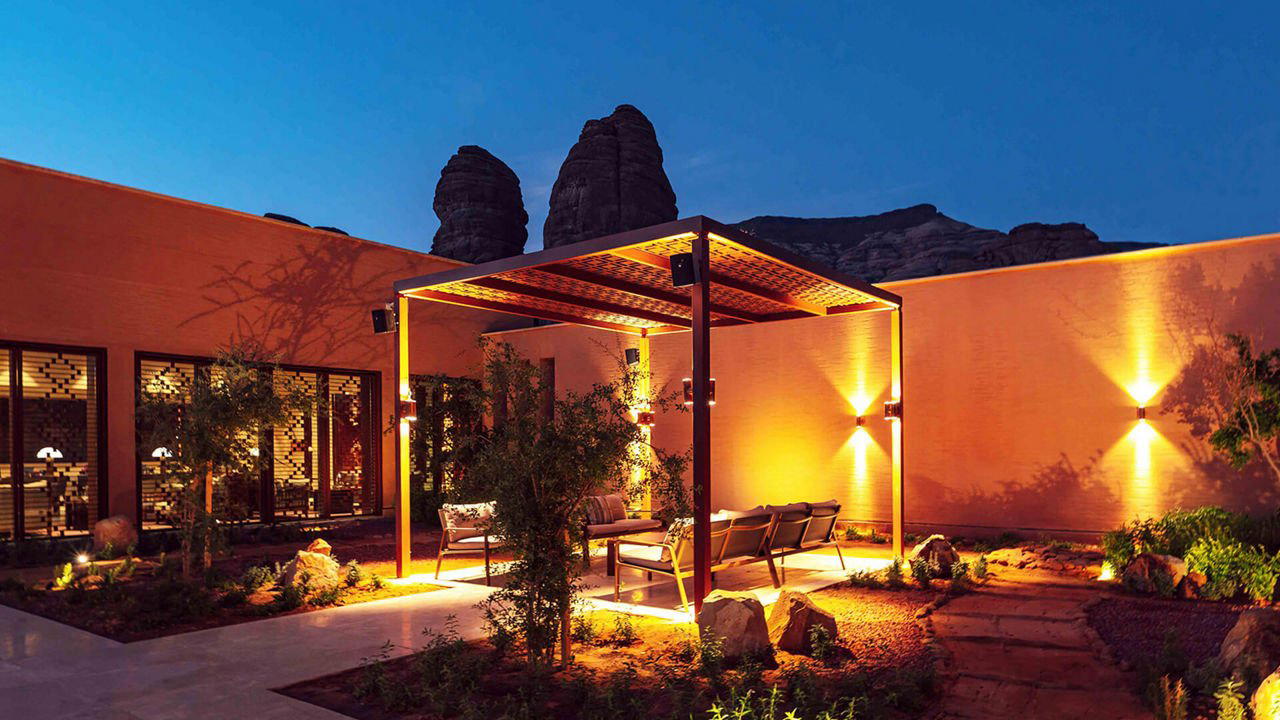
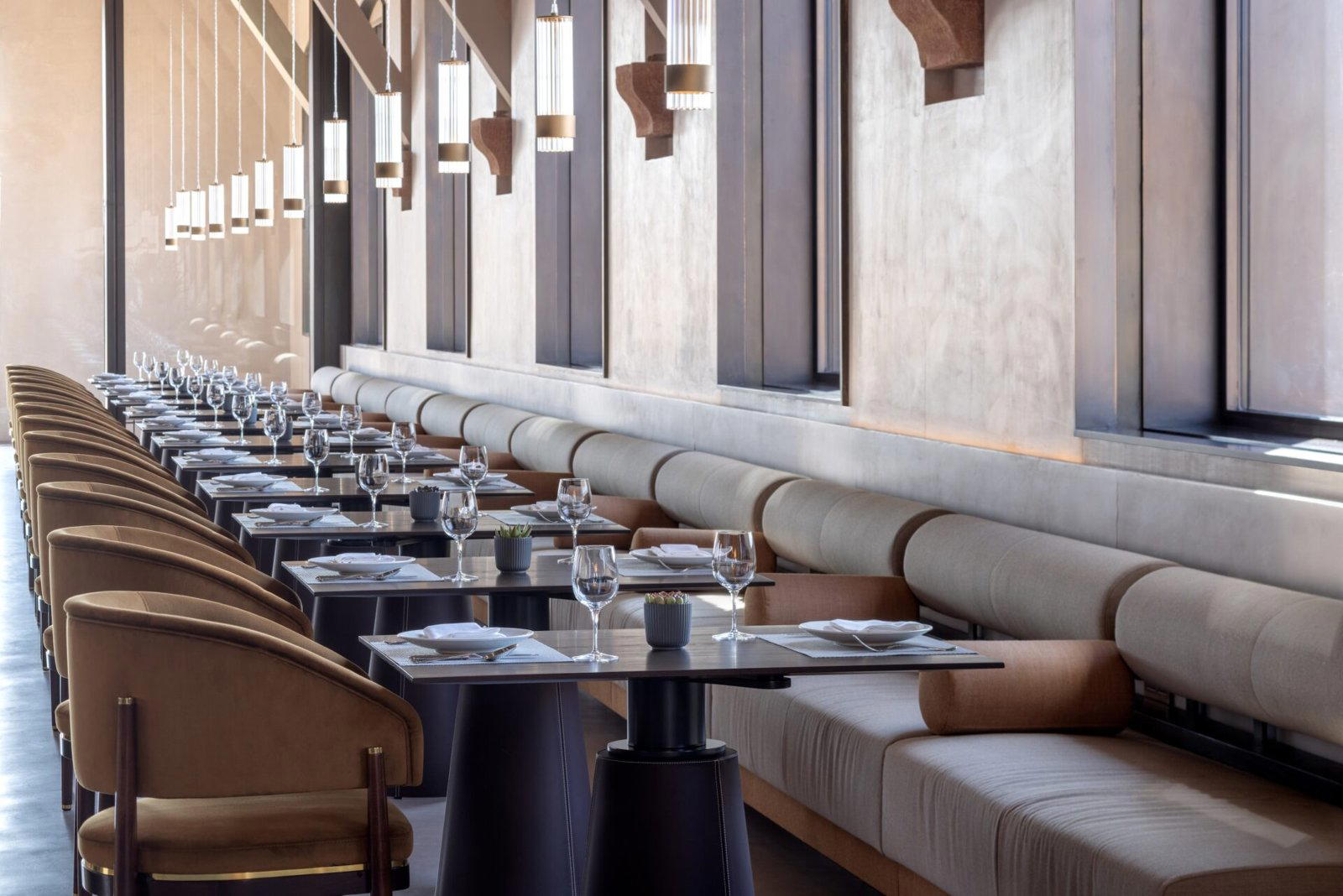
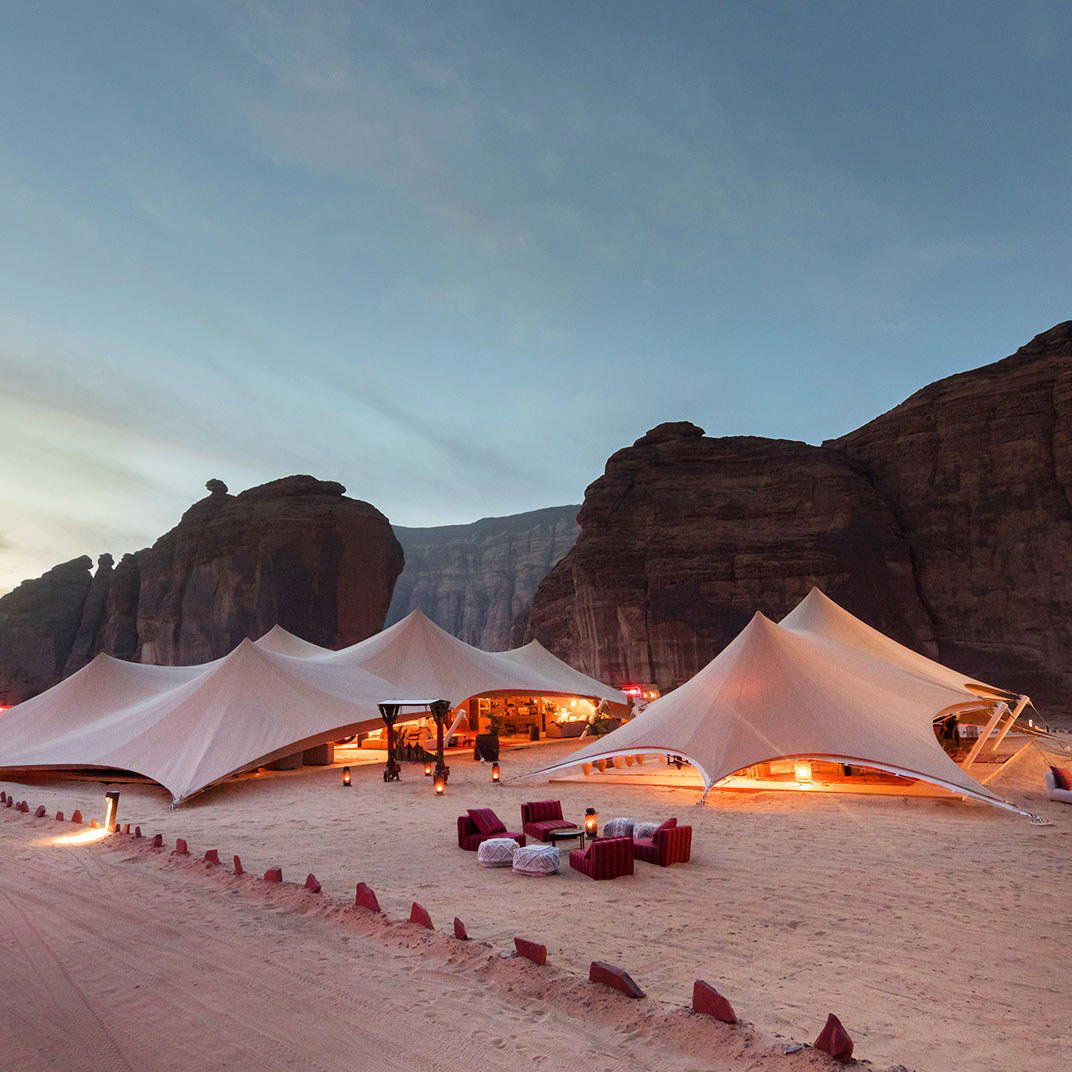
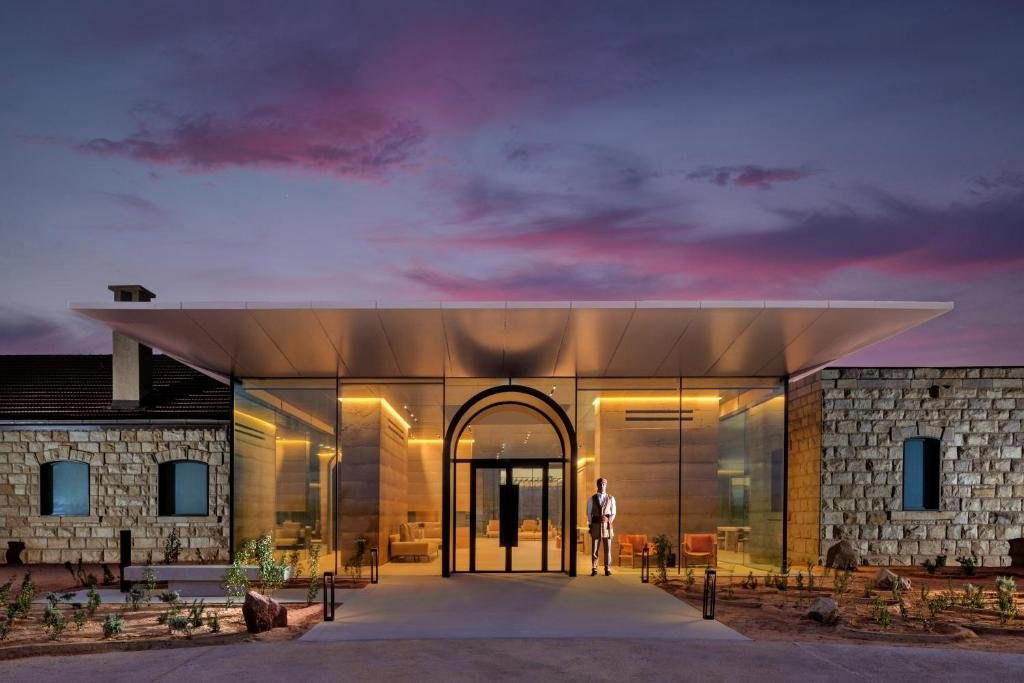
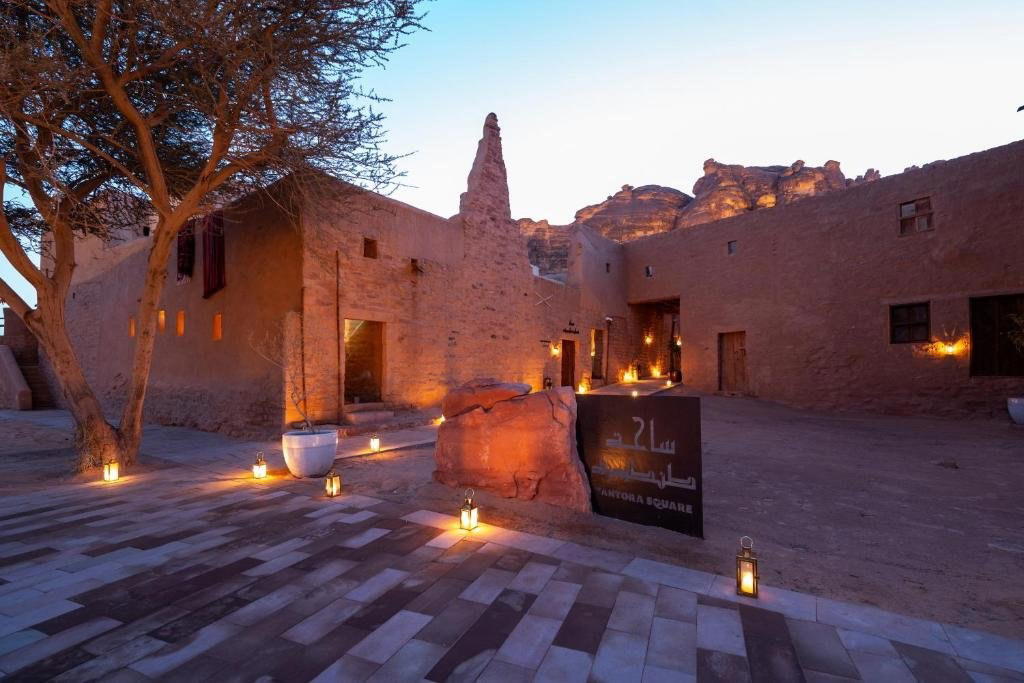
Serene and elegant desert atmosphere with picturesque valley views, stylish interiors, and a magical setting blending nature and luxury.