Harrat

Set within Banyan Tree AlUla's Ashar Valley property, Harrat places Pan Arabic cooking against one of the region's most striking desert backdrops. The menu draws on deep-rooted Levantine and Arabian pantry traditions, from muhammara paste to slow-cooked margoog, with moringa making an appearance in dessert. Non-hotel guests are welcome with a restaurant reservation.
Pearl is the En Primeur Club membership app — saves, bookings, and concierge access live there. Same editors, same standards.
- Address
- Road, Wadi Ashar Tabuk, Alula 43563, Saudi Arabia
- Phone
- +966 14 512 0000
- Website
- banyantree.com
- Directions
- Get directions
 Saves & bookings on Pearl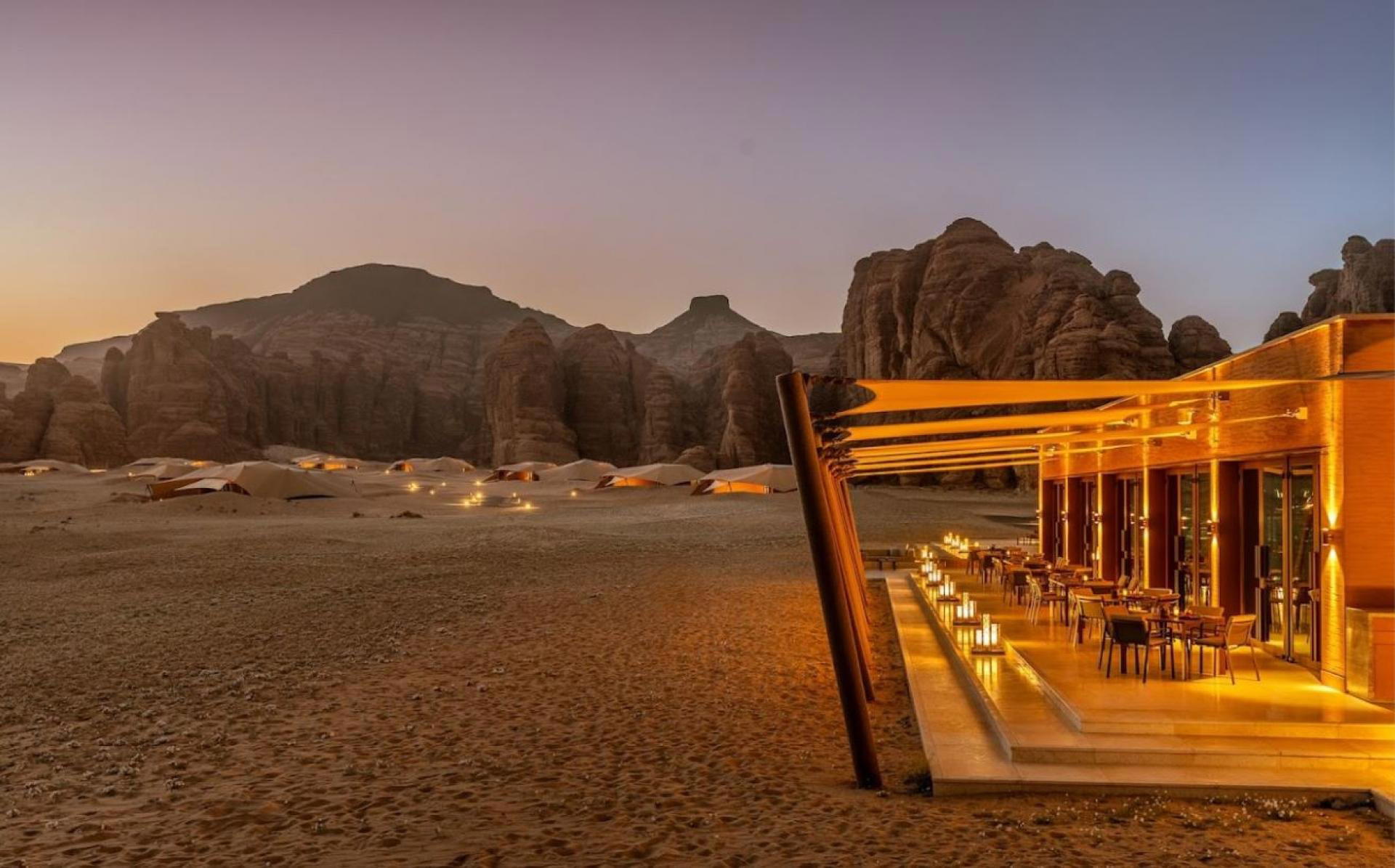
Where the Desert Sets the Table
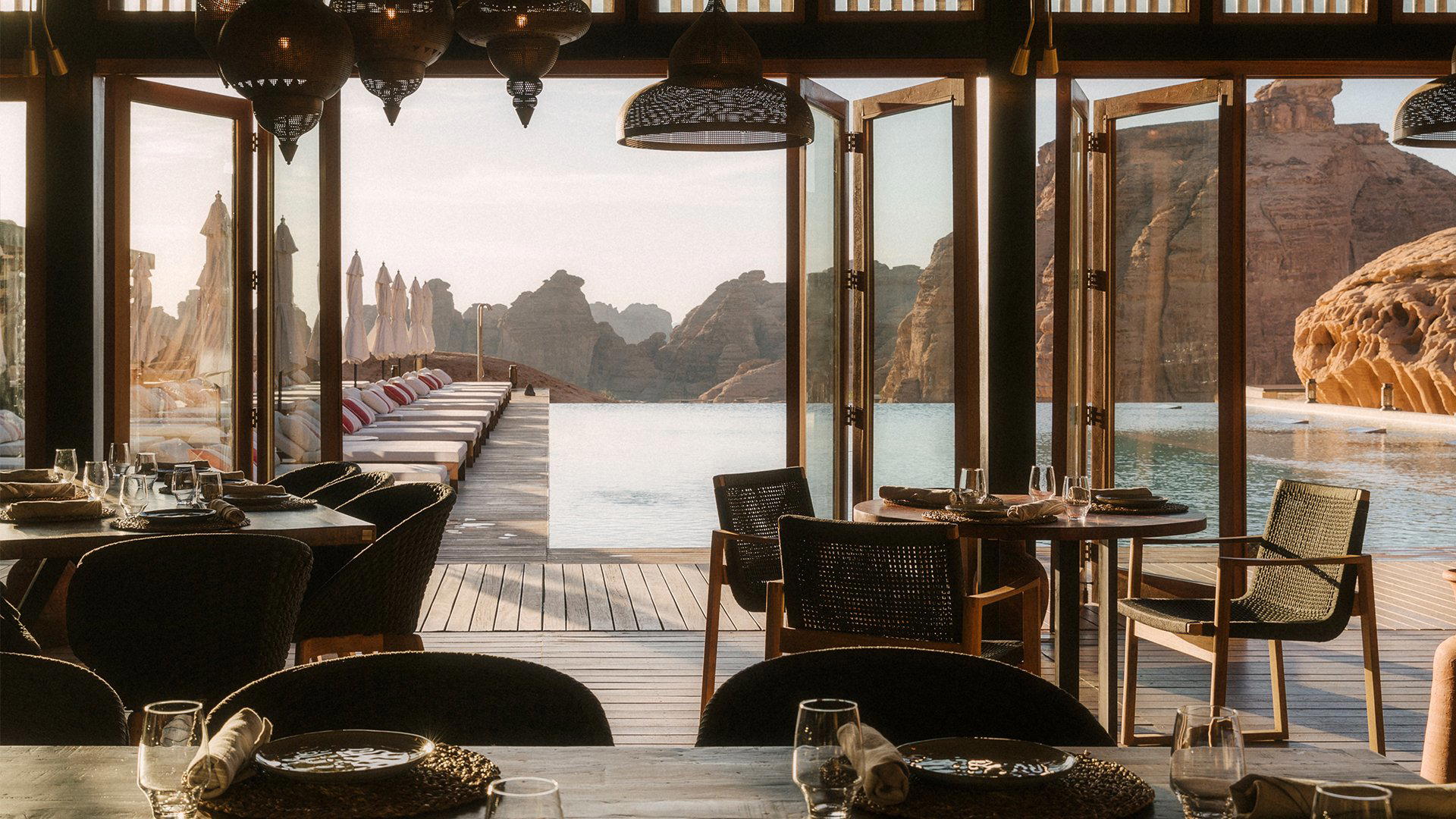
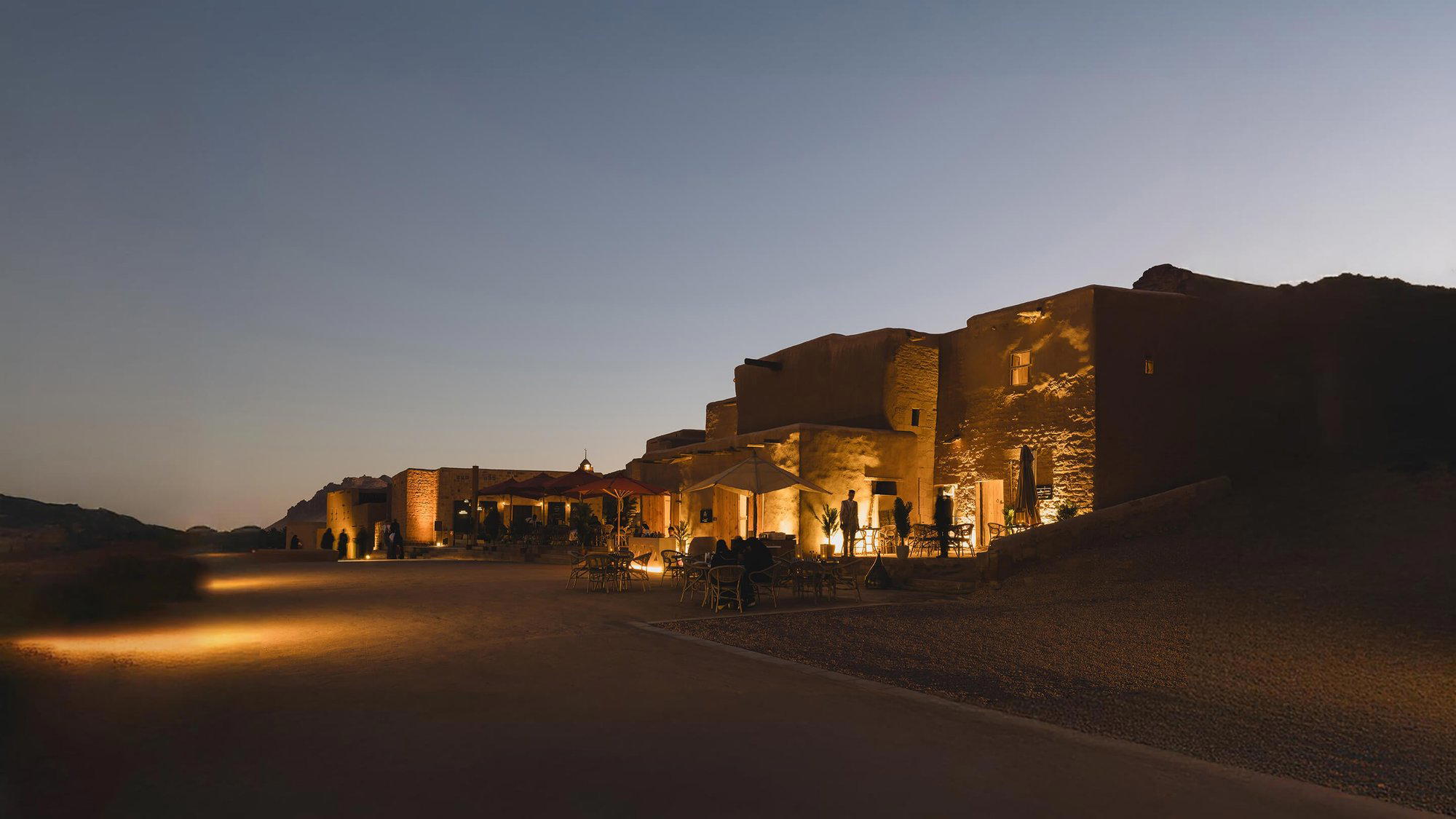
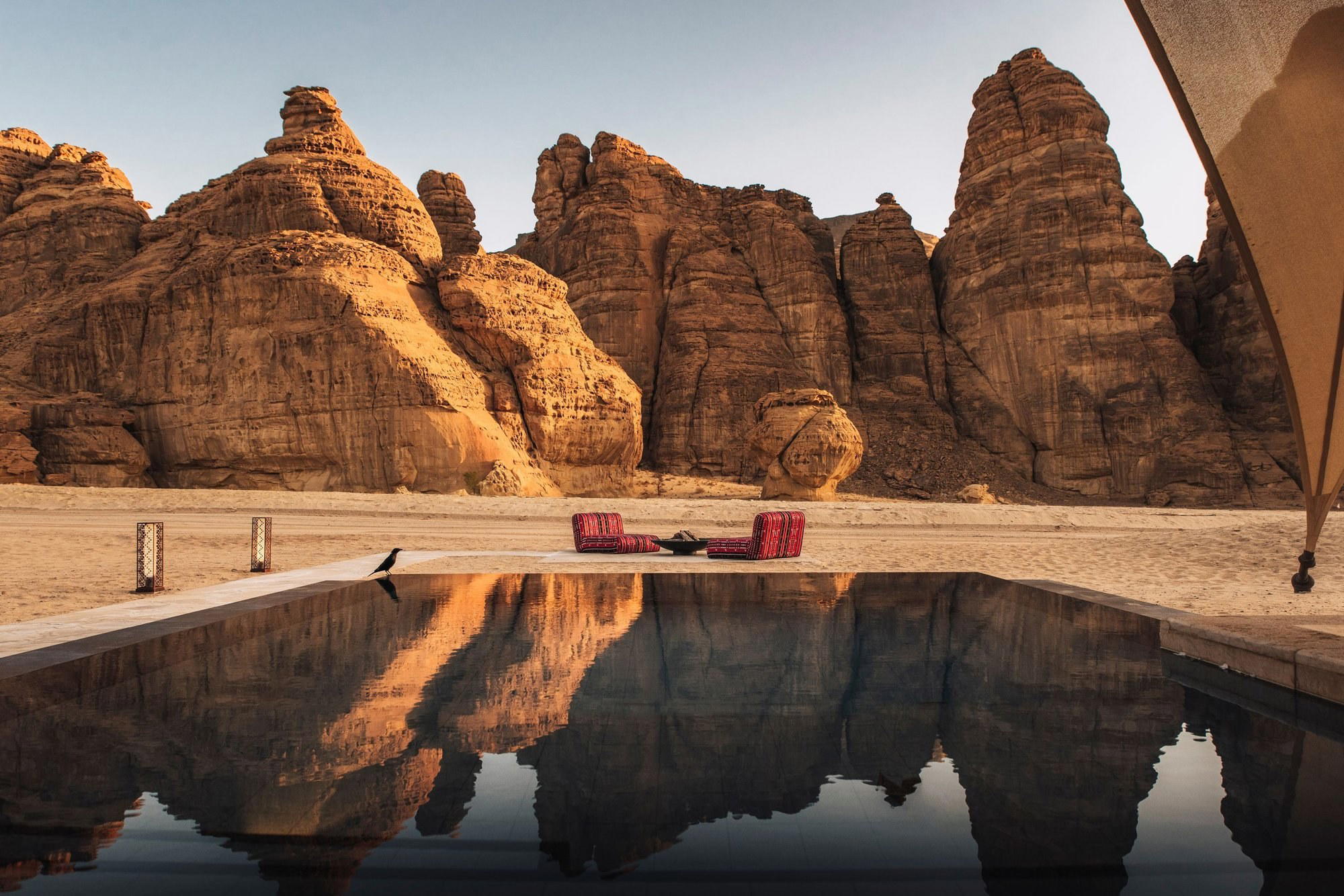
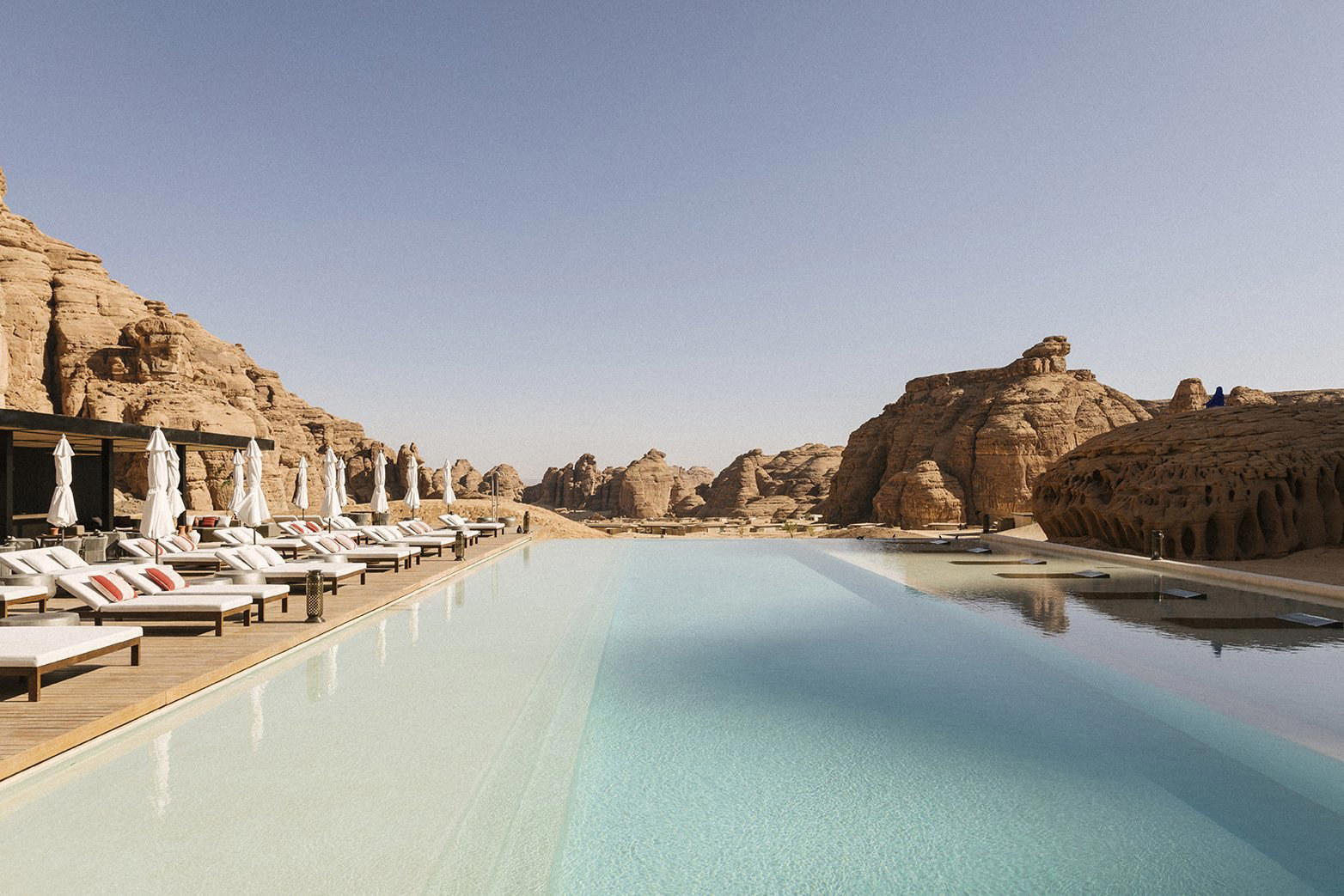
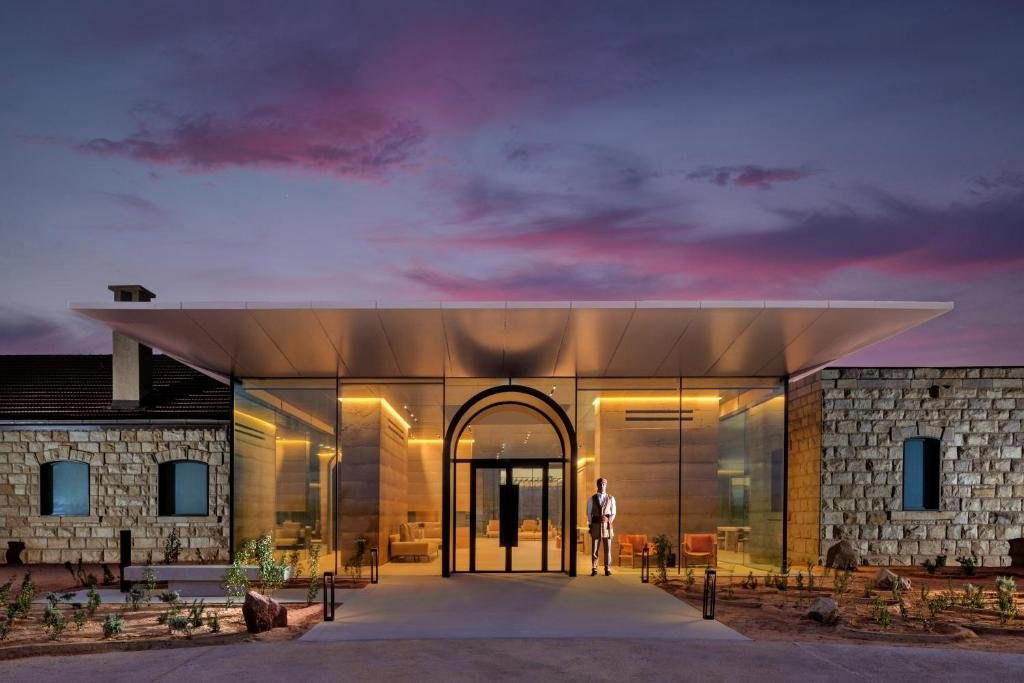
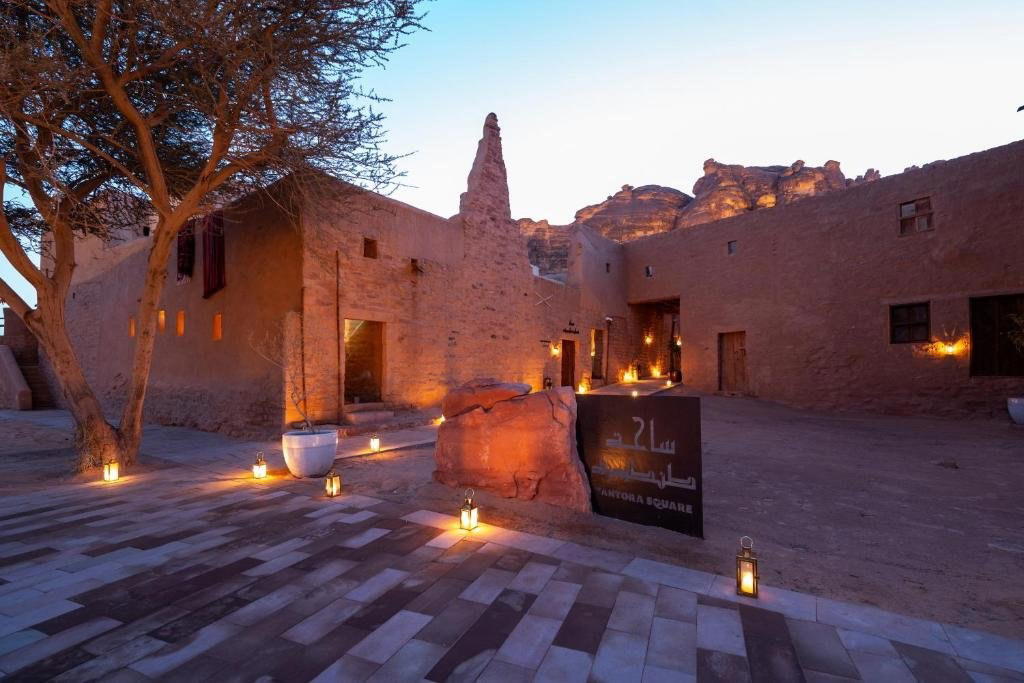
Arriving at Harrat means arriving at a particular kind of quiet. Harrat is a restaurant at Banyan Tree AlUla in Ashar Valley, AlUla, Saudi Arabia. Restaurants in AlUla compete, almost involuntarily, with their surroundings, and Harrat takes full advantage of this setting. The view from the dining space across the desert is striking.
That setting is not incidental to the food. Pan Arabic cooking has always been grounded in the specific conditions of place: the dryness of climate, the scarcity and abundance that alternate in desert geographies, the spice routes that seeded regional pantries with ingredients carried from the Levant, the Hejaz, Mesopotamia, and beyond. Harrat draws on those traditions without collapsing them into a single nationality. The menu reads as a considered survey of the wider Arabic kitchen, which is a more interesting proposition than a narrowly regional one.
The Pantry Behind the Plate
Muhammara, the Levantine red pepper and walnut paste that appears as one of the opening specialties, is a condiment with deep Syrian and Turkish roots, arriving at the table with soft flatbread. The paste's characteristic depth comes from the balance of dried Aleppo pepper, walnuts, and pomegranate molasses, ingredients that travel well as dried or preserved goods and have circulated through Arabian trade networks for centuries. It also suits AlUla’s setting.
The margoog is harder to pin to a single origin point and more specifically at home in the Gulf and the Hejaz. A lamb and vegetable stew cooked long and shared in the middle of the table, it belongs to the category of dishes where the cooking method is the technique. The lamb breaks down slowly, its fat enriching the broth; the vegetables absorb rather than float. Sharing food of this kind at a table changes the social register of a meal, and the kitchen here is clearly aware of that. It arrives generous, meant to be passed.
Moringa dessert is especially pointed statement of all in terms of sourcing. Moringa oleifera grows across the broader Middle East and South Asia, and its leaves have been used in cooking and medicine for centuries. Its appearance in a lightly layered cake signals kitchen literacy about under-utilised regional botanicals at a moment when Saudi gastronomy more broadly is looking inward for its ingredient identity. Where high-profile restaurants in Riyadh like Lunch Room and coastal addresses in Jeddah such as Kuuru are also working through questions of local versus imported pantry, Harrat's use of moringa feels like a coherent position rather than a novelty garnish.
The Room and What It Does
Welcome at Harrat is warm and attentive. The team is described as genuinely engaged rather than formally efficient, which matters more than it might sound: the dinner dynamic in a resort-adjacent setting can default to transactional if the floor isn't handled well. Here, the staff are prepared to walk guests through the menu rather than leave them to read descriptions alone, which is the appropriate approach when the vocabulary of Pan Arabic cooking may be unfamiliar to international visitors arriving in AlUla for the first time.
Scene at Harrat fits a pattern visible at other destination restaurant formats, from Lazy Bear in San Francisco to Alinea in Chicago, where the physical environment is inseparable from how the food is received. The mechanism is different here: there is no theatrical plating or dramatic service choreography, but the desert view works on a diner in its own way, slowing the pace of a meal and sharpening attention to what is in the bowl. That effect is not manufactured by the kitchen; it is given by the valley.
AlUla's Restaurant Scene in Context
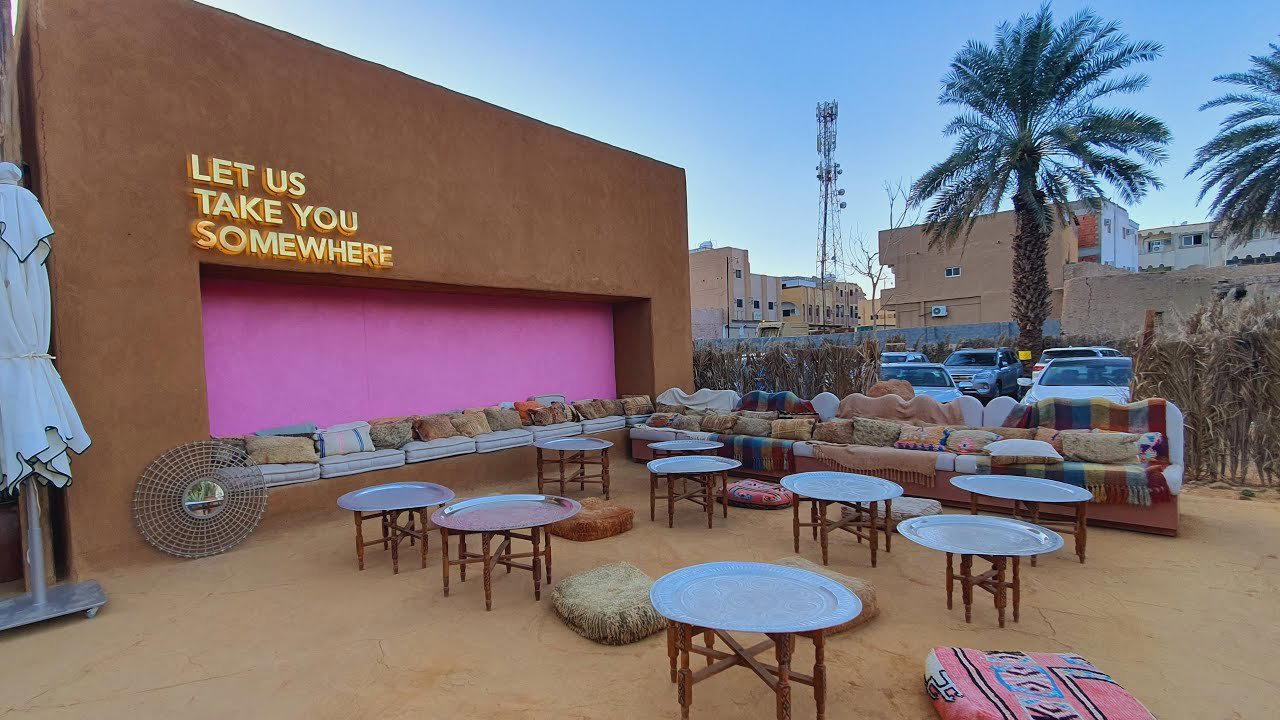
AlUla's dining options have expanded as the destination itself has developed under the Royal Commission for AlUla's wider tourism strategy. Harrat occupies a specific tier within this: it is a hotel restaurant with a serious kitchen, not a pop-up or a heritage experience format. That places it in a different conversation than venues like Joontos, Somewhere, Tama, or Tofareya, each of which brings its own format logic to the city's still-forming food identity.
Among the globally recognised restaurant formats that demonstrate how hotel fine dining can develop its own distinct voice, addresses like Alain Ducasse at Louis XV in Monte Carlo or Alléno Paris at Pavillon Ledoyen represent one extreme of that evolution. Harrat is operating at a different scale and with different ambitions, but the underlying question is the same: what does a restaurant owe its setting, and how do you cook food that belongs to a place rather than merely landing in it? The Pan Arabic menu at Harrat answers that question with more coherence than most resort dining rooms manage.
Harrat works well for guests looking for Saudi and Levantine flavours. It is not trying to compete with international benchmark addresses like Le Bernardin in New York or 8½ Otto e Mezzo Bombana in Hong Kong on technical precision. The ambition is cultural accuracy, generous hospitality, and a view that earns its place in the meal.
Planning Your Visit
Harrat is located within Banyan Tree AlUla at the Southern Reception, Ashar Valley. Guests not staying at the hotel are welcome to dine, and the direct path through security is to show your restaurant reservation on arrival. Making a reservation in advance is the more reliable approach given the resort's controlled access model.
Side-by-Side Snapshot
Comparable venues nearby, for context on price, style, and recognition.
| Venue | Cuisine | Price | Awards | Notes |
|---|---|---|---|---|
| HarratThis venue — the venue you are viewing | Pan-Arabic Fusion with International Influences | $$$$ | Michelin Plate | Not listed |
| Somewhere | Modern Middle Eastern Fusion | $$$$ | Michelin Plate | Alula Oasis |
| Tama | Modern Middle Eastern Fusion | $$$$ | Michelin Plate | Ashar Valley |
| Our Habitas AlUla | Modern Middle Eastern Fusion | $$$$ | Not listed | Ashar Valley |
| طوفرية | Traditional Saudi | $$ | Not listed | Al Ula Old Town |
| Banyan Tree AlUla | Middle Eastern Fusion & Thai | $$$$ | Not listed | Ashar Valley |
Recognition history
Dated appearances from independent guides and award organizations, with the underlying list record or original source where available.
Michelin Plate
Michelin
Continue exploring
More in AlUla
Restaurants in AlUla
Browse all →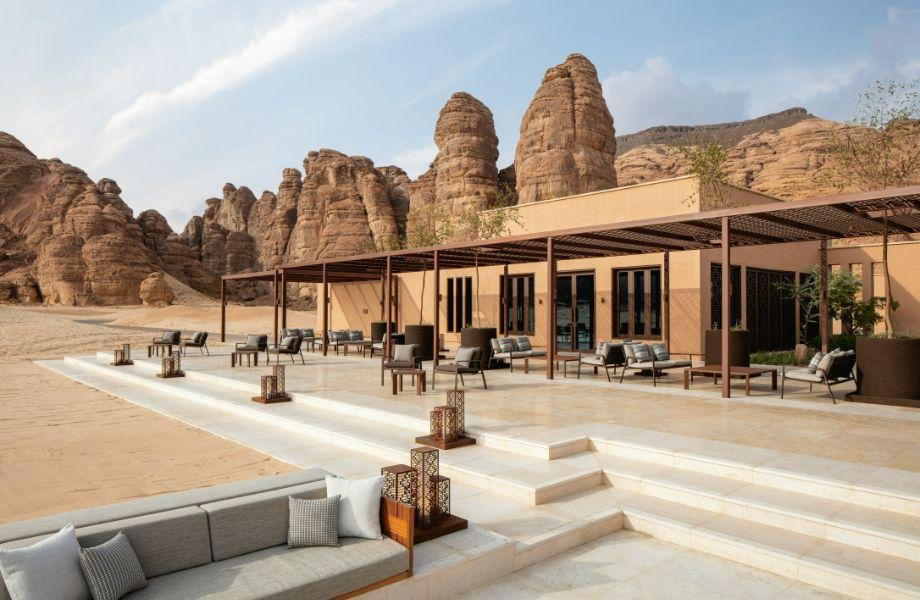
At a Glance
- Scenic
- Elegant
- Rustic
- Sophisticated
- Date Night
- Family
- Group Dining
- Celebration
- Special Occasion
- Hotel Restaurant
- Terrace
- Panoramic View
- Open Kitchen
- Craft Cocktails
- Sommelier Led
- Farm To Table
- Local Sourcing
- Sustainable
- Mountain
Warm and welcoming atmosphere with handmade rugs and local earthenware creating an authentic rustic setting, complemented by spectacular desert views and refined contemporary design.