
Michelin Plate
Our verdict
Otora sits in Nishiazabu, a Tokyo district where serious dining often hides behind low signage and residential calm rather than street-level spectacle. The draw is less about broad public detail than the area’s familiar rhythm: controlled rooms, chef-led pacing, and a clientele prepared to seek out addresses between Roppongi, Hiroo, and Omotesando.

Pearl is the En Primeur Club membership app — saves, bookings, and concierge access live there. Same editors, same standards.
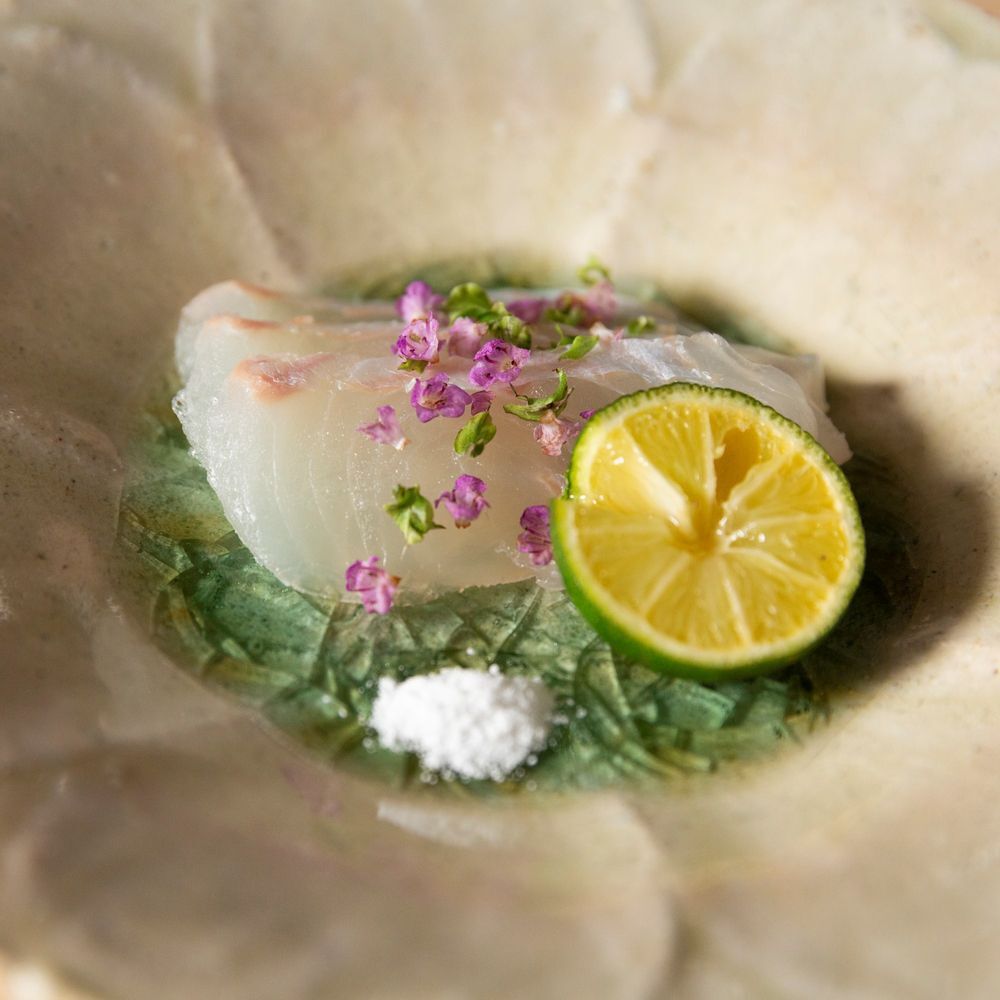
The menu
What to order
- Seasonal sashimi selection at peak ‘junkan’ maturity
- Charcoal-grilled seasonal fish course
- Seasonal vegetable and dashi-focused hassun appetizer plate
Tokyo changes tone after dark. The main roads carry traffic, but side streets can quickly turn quiet: low façades, discreet entrances, taxis pulling away. In that setting, Otora belongs to a Tokyo dining tradition built on restraint rather than display. The room is not the point alone; the point is how this city has trained diners to read small signals, from entrance scale to meal pacing.
Tokyo contains several restaurant cities. Some areas reward ceremony, others lean sociable, and others fold old-town texture into modern dining; across the city, polished discretion has long been part of the serious dining vocabulary. Restaurants in this mode assume guests arrive with intent. They are not built for casual discovery between shopping stops, and rarely compete through visual noise. Otora fits that pattern: a serious Tokyo address where quietness is part of the currency.
Tokyo dining works through silence, sequence, and control
The sensory experience in this pocket of Tokyo is rarely loud. Approach matters: a meal begins before the first course, in the shift from avenue to side street, from city glare to a narrower, darker rhythm. Restaurants like this are judged less by spectacle than by control. Room, service tempo, encounter temperature, and the house’s guiding idea all matter because this dining culture leaves little room for distraction.
Otora’s public profile points to a focused restaurant rather than a broad, casual format. That distinction matters in Tokyo. A restaurant built around a tightly held point of view differs from a neighbourhood izakaya, café, curry shop, or high-turnover grill. It asks the diner to accept the house’s sequence and tone. In a city of deep specialization, that is a familiar contract: the narrower the point of view, the more the guest is expected to pay attention.
The nearby comparison set reinforces the point. Ren operates above everyday dining. Azabu Kogaiken Hiroo honten reads as a more casual reference point. NISHIAZABU SHANGU occupies a polished Chinese dining category. Tokyo is not one market but several: quiet luxury, specialist counters, composed Chinese dining, and local-access restaurants share the map but serve different occasions.
For broader calibration, Our full Tokyo restaurants guide helps because Tokyo’s restaurant logic is category-driven. A yakitori counter should not be judged by the same expectations as a quiet, focused dining room, while a casual specialist answers a different appetite. The city rewards precision: choose the format before the name.
The pleasure here is in a narrow frame, not a sprawling menu
In Tokyo, restraint can be luxury when it removes choice instead of multiplying it. Serious dining culture here has never needed oversized menus to signal ambition. Counters, specialist rooms, and modern tasting formats often share the same discipline: fewer variables, closer attention, sharper sequencing. Otora should be read through that lens. The appeal is the focused frame, not abundance.
That makes the venue better for diners who enjoy quiet concentration than for those seeking a loud room or flexible group meal. Tokyo’s strength, at this level, is atmosphere under control: lower street noise, less obvious foot traffic, and a dining public used to reservations, pacing, and discretion. The experience likely suits a compact evening built around conversation and attention rather than a celebratory circuit of multiple stops.
Tokyo visitors often underestimate how much area choice changes the night. Some parts of the city give range and velocity; others turn practical and informal; slower dining areas reward walking, smaller rooms, and intention. A venue like Otora rarely works as a spontaneous add-on. It is the centre of the evening.
Planning matters. In Tokyo, guests should treat confirmation as part of the experience, especially with allergies, children, or rigid timing. The more focused the room, the less useful it is to arrive with unresolved questions. In a city where dining formats can be exacting, advance clarity is not fussiness; it is respect for the format.
Where it sits in a Tokyo itinerary
Otora makes most sense for a Tokyo evening built around one serious table. It pairs naturally with a composed city itinerary, but not with the same kind of night as a hotel-bar crawl or casual station-area dinner. Travellers comparing categories can use Our full Tokyo hotels guide, Our full Tokyo bars guide, Our full Tokyo wineries guide, and Our full Tokyo experiences guide to keep the rest of the trip in proportion.
Tokyo’s broader dining map prevents false comparisons. Playful cafés, casual station-area restaurants, and regional options beyond the capital belong to other travel moods. Even Japanese dining abroad shows how format shapes expectation before a dish arrives.
The editorial case for Otora is therefore not volume of disclosed detail. It is placement. Tokyo remains one of the world’s reliable cities for quiet, adult, focused dining, and this address sits inside that code. For travellers who read atmosphere as carefully as menus, that is enough to justify attention.
Frequently asked questions
How do I find Otora?
Otora is located in Tokyo.
What awards or recognition does Otora have?
Otora is listed in the MICHELIN Guide with a MICHELIN Plate distinction.
Should I book Otora in advance?
Yes. Otora is a Tokyo dining room where advance planning is the safer approach, especially if your timing is fixed or you have specific requests.
What makes Otora worth seeking out?
Otora is compelling for its restraint and focused tone. In Tokyo, that kind of composed dining experience carries weight, particularly for guests who prefer quiet attention over a broad, generic format.
What if I have allergies at Otora?
Allergies are best flagged before the meal, especially at a focused Tokyo address. A room built around a controlled dining format may be less forgiving of last-minute changes than a loose à la carte restaurant.
Would Otora be comfortable with kids?
That depends on the child and the timing, but Otora’s profile points toward a quieter, adult-leaning dinner. In Tokyo, this style of dining is generally better suited to composed meals than casual family drop-ins.
Is Otora better for a quiet night or a lively one?
Quiet, without question. Otora is best read as a controlled, reservation-minded Tokyo dining room rather than a high-volume nightlife stop.
Peers Worth Knowing
Comparable venues at a glance for context.
| Venue | Cuisine | Price | Awards | Notes |
|---|---|---|---|---|
| OtoraThis venue — the venue you are viewing | Seasonal Japanese Kaiseki Omakase | $200–300 | Michelin Plate | Not listed |
| K+ | Modern Italian Fine Dining | $100–150 | Tabelog 100 #49 | Not listed |
| Azabu Kogaiken Hiroo honten | Japanese-style Western (yoshoku) restaurant | $20–30 | Tabelog 100 #44 | JPY 2,000 - JPY 2,999 JPY 1,000 - JPY 1,999 |
| Ren | Modern Chinese with French influence tasting menu | $150–200 | Tabelog 100 #82 | JPY 20,000 - JPY 29,999 JPY 10,000 - JPY 14,999 |
| NISHIAZABU SHANGU | Modern Cantonese Fine Dining | $200–300 | Michelin Plate | Chinese |
Recognition history
Dated appearances from independent guides and award organizations, with the underlying list record or original source where available.
Michelin Plate
Michelin · 2026 Michelin Plate
Continue exploring
More in Tokyo
Restaurants in Tokyo
All restaurants in Tokyo →



Bars in Tokyo
All bars in Tokyo →






Otora
The wine
- Wine program
- Curated wine list
- Extensive wine list
- Sommelier-led
- Sake program
Details
- Elegant
- Intimate
- Sophisticated
- Modern
- Date Night
- Special Occasion
- Business Dinner
- Solo
- Chefs Counter
- Open Kitchen
- Design Destination
- Standalone
- Sake Program
- Sommelier Led
- Extensive Wine List
- Local Sourcing
- Sustainable Seafood
- Tasting Menu
- Omakase
- Counter Dining
- Set Menu
- Sake
- Wine
- Pescatarian Friendly
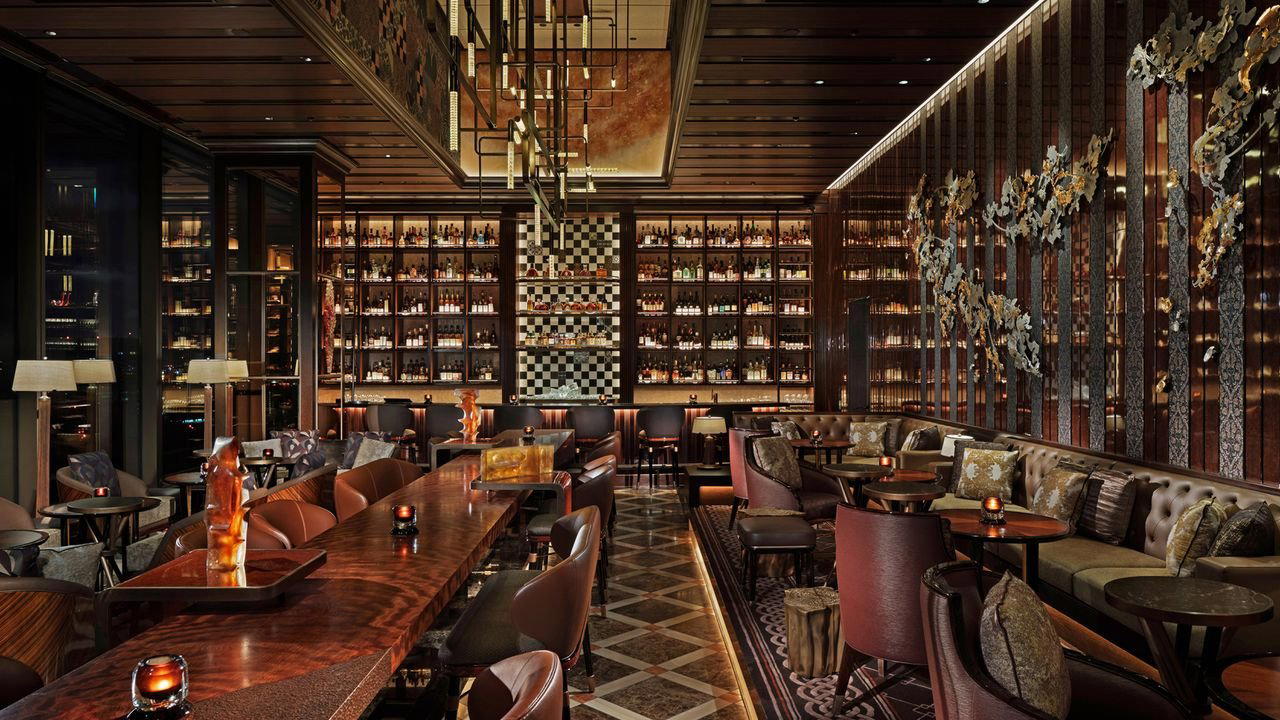
A small, tranquil counter-only space with refined, contemporary Japanese design, subdued lighting, and a calm, almost meditative atmosphere that focuses attention on the chef’s meticulous preparation and the beauty of seasonal ingredients.