Osteria Vibrato

Osteria Vibrato brings Italian cooking into Soho, where London diners tend to read pasta, antipasti and wine through regional cues rather than a single national shorthand. With no awards or chef-led mythology doing the work, the interest lies in how the room fits the neighbourhood’s appetite for Italian food that feels social, urban and easy to fold into a West End evening.
Pearl is the En Primeur Club membership app — saves, bookings, and concierge access live there. Same editors, same standards.
- Address
- 6 Greek Street, London, W1D 4DE, United Kingdom
- Phone
- +44 20 3326 5231
- Website
- osteriavibrato.co.uk
- Directions
- Get directions
 Saves & bookings on Pearl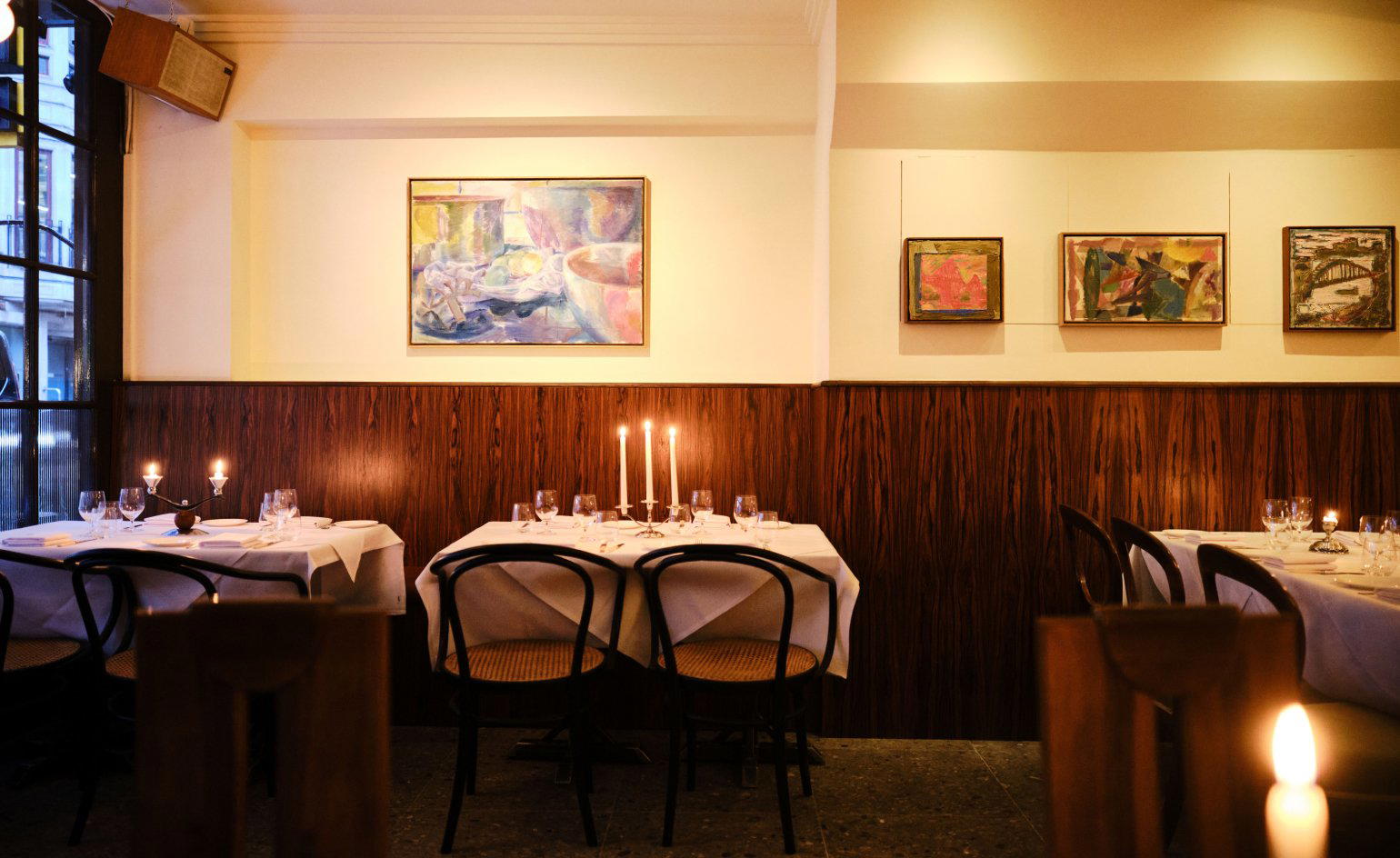
Soho changes register quickly: theatre crowds, late tables, quick glasses of wine, and restaurants that need to work at several speeds without losing their point of view. In that setting, an Italian osteria has to do more than offer a familiar vocabulary of pasta, olive oil and red sauce comfort. London diners now read Italian cooking through regional signals: Roman directness, Tuscan grill-and-bean restraint, Neapolitan generosity, Milanese polish. Osteria Vibrato enters that conversation in a neighbourhood where the room matters almost as much as the cooking, because Soho rewards places that can feel informal without becoming careless.
Soho Italian dining is now judged by regional discipline, not generic comfort
The stronger Italian rooms in London have trained diners to ask better questions. Is the pasta treated as a regional anchor or a catch-all category? Does the wine list lean toward trattoria ease, northern structure, or southern warmth? Is the service model built for lingering or for a pre-theatre meal that cannot drift? Those questions matter because “Italian” in central London can mean several different commercial formats, from polished counters to neighbourhood osterie and post-work dining rooms.
Osteria Vibrato is most useful to understand through that lens. The name points toward the osteria tradition: social, wine-friendly, less formal than a ristorante, and historically tied to everyday eating rather than ceremony. In London, the term carries extra pressure because it promises looseness, but the city’s dining audience expects clarity. A convincing osteria in Soho needs recognisable Italian structure, not a broad Mediterranean blur. Regional identity, even when expressed quietly, is the difference between a room that feels authored and one that simply trades on appetite.
Italian cooking also behaves differently in Soho than it does in a residential neighbourhood. The area compresses multiple dining occasions into the same evening: early arrivals before a show, late tables after a performance, quick central meetups, and longer meals that use the West End as a backdrop rather than the main event. That rhythm favours restaurants with immediate readability. Guests need to know, within minutes, whether the meal is built around antipasti and wine, pasta as the centre of gravity, or a broader Italian spread. The more coherent the regional cues, the less the restaurant has to explain itself.
The useful test is whether the room feels Italian, or merely Italian-themed
London has become less forgiving of decorative Italianism. Checked cloths, a few familiar dishes and a list of crowd-pleasing bottles are not enough for diners who can distinguish a Roman carbonara logic from a Tuscan ribollita instinct or a Neapolitan tomato-and-dough culture. The osteria format works when informality has discipline: a room that can take walk-in energy, central London pace and wine-led dining, while keeping the food anchored to a legible Italian grammar.
That is where Osteria Vibrato’s Soho setting gives it a clear editorial frame. The neighbourhood is not short of appetite, but it is short on patience for restaurants that require a long explanation. A place like this has to make its case through proportion: how much of the meal is built around pasta, how much around shared starters, how firmly the wine supports the cooking, and whether the atmosphere encourages a second bottle or a swift plate before the next appointment. Those are not small details in Soho; they decide the use-case.
Without Michelin stars, chef-name theatre or a tasting-menu structure leading the conversation, the judgement shifts to category fit. For an Italian osteria, that can be healthy. The format is not supposed to behave like a destination dining room. It should carry the confidence of everyday ritual: the sense that a meal can be assembled from a few well-chosen parts, that wine is part of the architecture, and that the room can absorb the friction of central London without turning frantic.
How to place it in a London itinerary
For travellers, the decision is less about chasing a trophy table and more about matching the restaurant to the evening. Soho suits diners who want Italian food folded into a West End plan rather than separated from it. The smarter move is to treat the restaurant as part of a central London circuit: useful before or after theatre, suitable for a relaxed dinner where regional Italian cues matter, and better judged against the demands of Soho than against the formality of a destination tasting menu.
Readers planning around the city can widen the lens with Our full London restaurants guide, then cross-check nearby dining styles through Archway, Artusi, Bancone, Bocca di Lupo and Brutto. For a broader trip plan, keep Our full London hotels guide, Our full London bars guide, Our full London wineries guide and Our full London experiences guide close. Beyond London, the UK map broadens through 'Seasgair' by Michel Roux Jr in Fort William, “8” By Andrew Sheridan in Liverpool, 1 York Place in Bristol, 10 Tib Lane in Manchester, 11th and Social in Norwich and 1215 in Egham. International Italian references can be read through 112 Eatery, Italian in Minneapolis and 8 1/2 Otto e Mezzo Bombana (Hong Kong), Italian in Hong Kong.
- White risotto with 30‑month Parmigiano Reggiano
- Pici with breadcrumbs, chilli, garlic & olive oil
- Pansotti with walnut sauce
- Grilled whole sole with Pantelleria capers
- House mixed grill
- Aged ricotta with Bosana olive oil and Sarawak black pepper
Comparable venues nearby, for context on price, style, and recognition.
| Venue | Cuisine | Price | Notes |
|---|---|---|---|
| Osteria VibratoThis venue — the venue you are viewing | Regional Italian osteria & wine bar | $$$ | Not listed |
| Terra Moderna | Antipodean Modern Italian | $$$ | Swiss Cottage |
| Mercante | Contemporary Italian Market Cuisine | $$$ | Mayfair |
| Riva | Authentic North Italian | $$$ | Barnes |
| L'ulivo Leicester Square | Authentic Italian Trattoria | $$$ | Leicester Square |
| Il Baretto | Authentic Italian with Robata Grill | $$$ | Marylebone |
Recognition history
Dated appearances from independent guides and award organizations, with the underlying list record or original source where available.
National Restaurant Awards Top 100 #69 · No. 69
National Restaurant Awards · 2026 National Restaurant Awards Top 100
Continue exploring
More in London
Restaurants in London
Browse all →
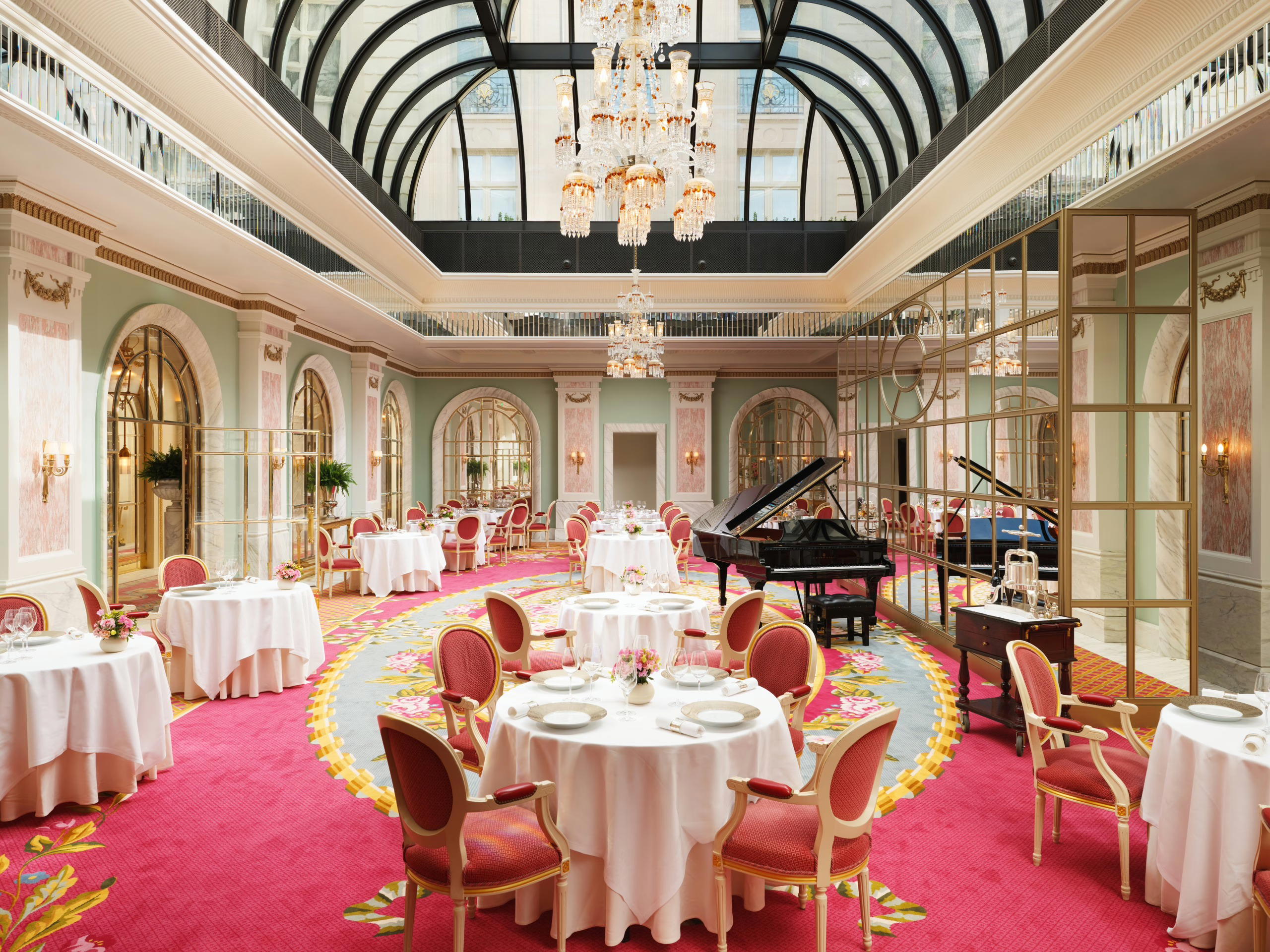
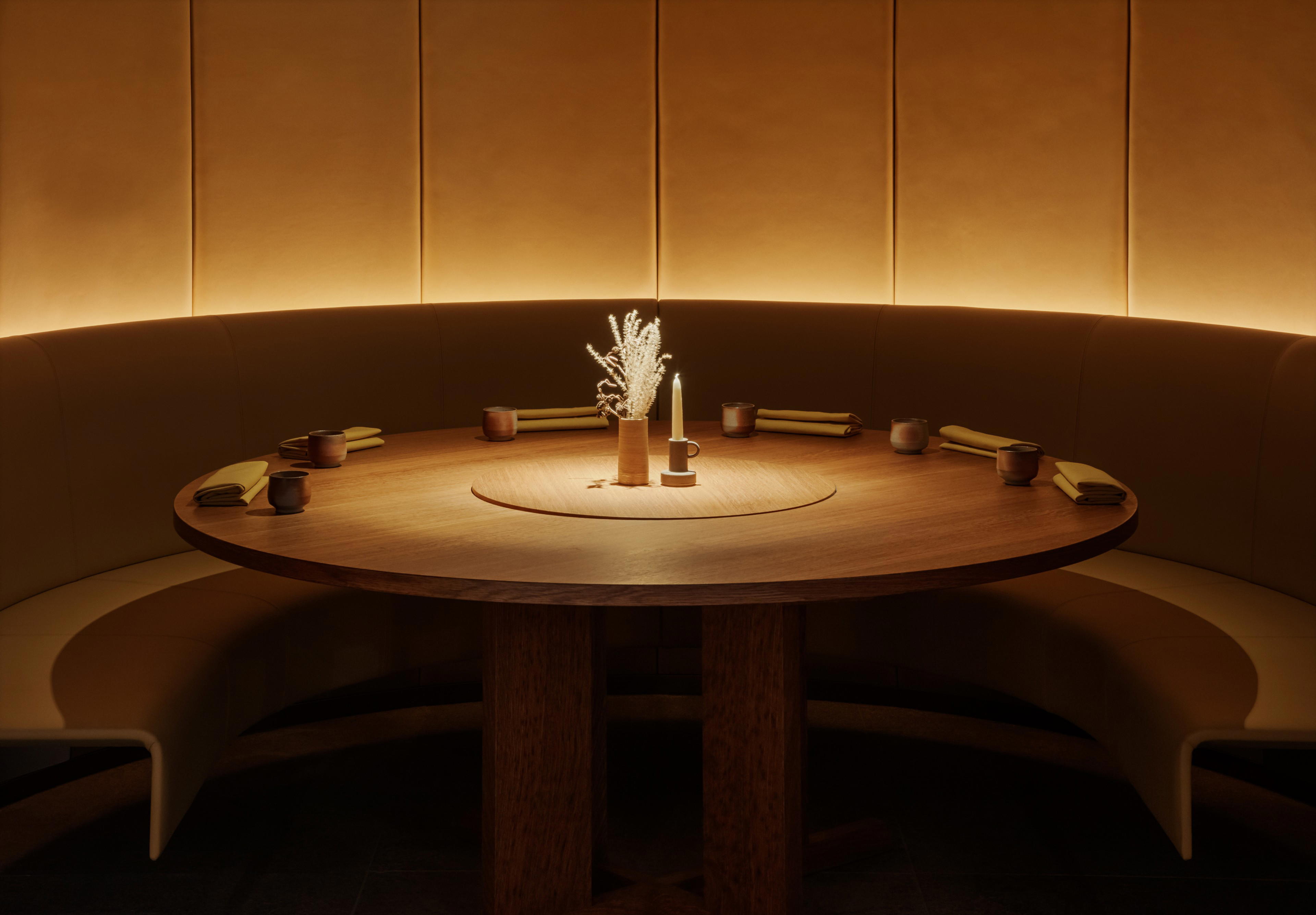
Bars in London
Browse all →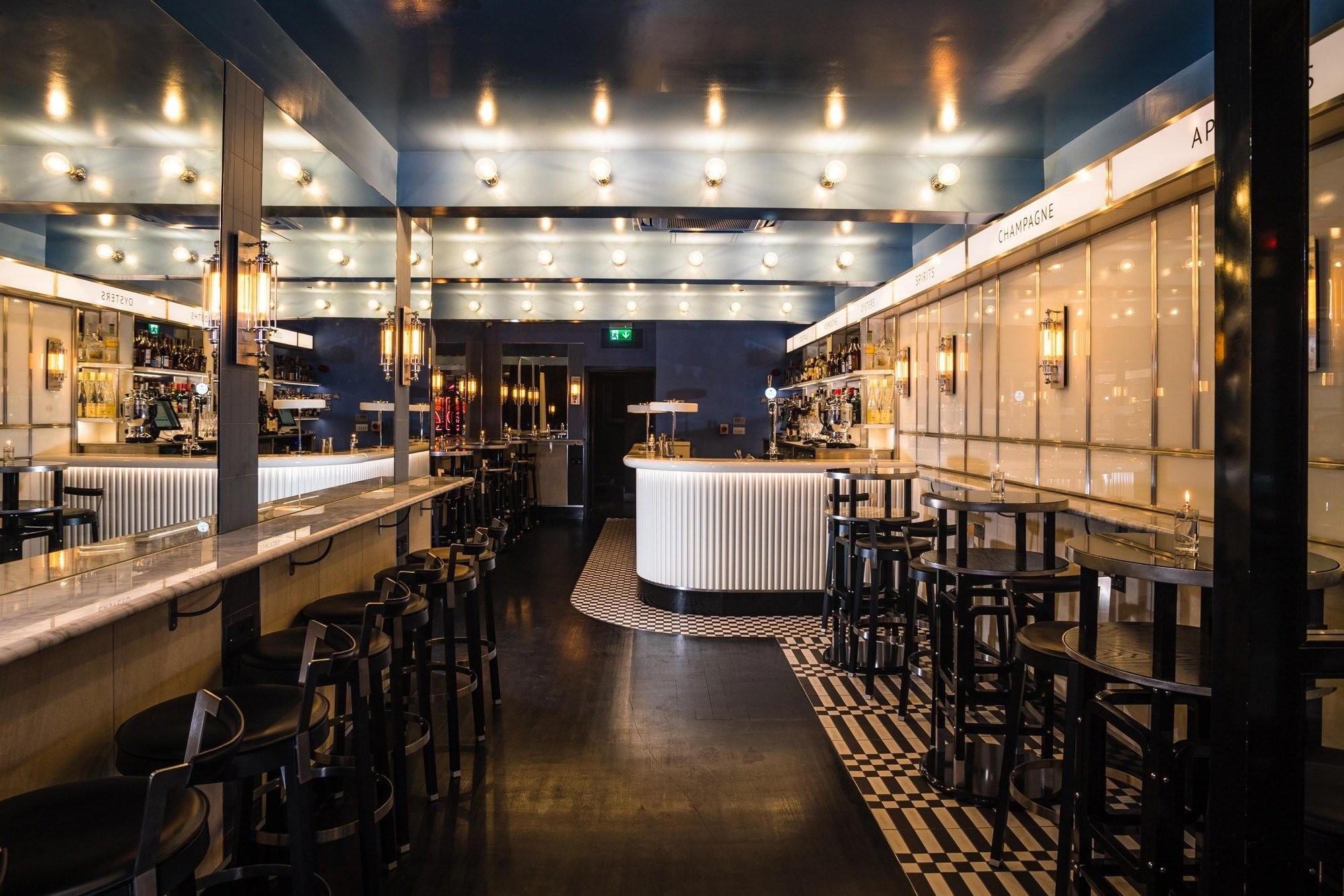
Hotels in London
Browse all →



At a Glance
- Intimate
- Lively
- Classic
- Elegant
- Sophisticated
- Date Night
- Business Dinner
- Celebration
- Special Occasion
- After Work
- Solo
- Wine Cellar
- Design Destination
- Standalone
- Private Dining
- Extensive Wine List
- Natural Wine
- Sommelier Led
- Craft Cocktails
- Natural Wine
- Street Scene
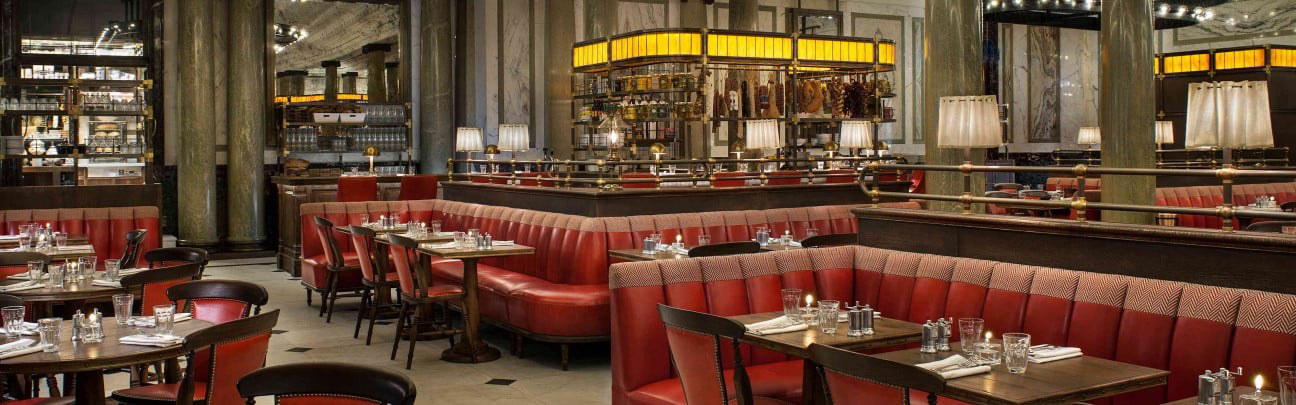
Low-lit, wood-and-linen classic Soho dining room with a long bar, closely set tables, and a relaxed but polished atmosphere that encourages long lunches and lingering dinners over wine.