Archway

Set inside a railway arch in Nine Elms, Archway holds a Michelin Plate (2025) for rustic Italian cooking that leans hard into simplicity. The focaccia and Amalfi lemon tart have drawn a loyal following to this corner of south London, where the food prioritises purity over spectacle. A £££ price point makes it one of the more accessible Michelin-recognised Italian addresses in the city.
Pearl is the En Primeur Club membership app — saves, bookings, and concierge access live there. Same editors, same standards.
- Address
- Arch 65 Queen's Circus, Nine Elms, London SW8 4NE, United Kingdom
- Phone
- +44 20 3781 1102
- Website
- archwaybattersea.co.uk
- Directions
- Get directions
 Saves & bookings on Pearl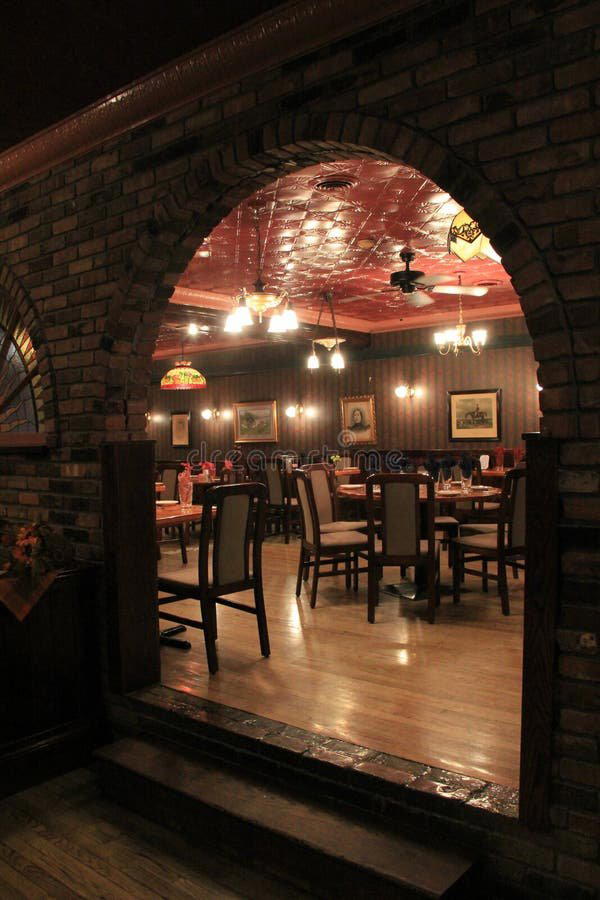
Cooking Under the Arches: Italian Simplicity in Nine Elms
Archway is a modern Italian restaurant in Nine Elms, London, with a Michelin Plate for 2025 and a price point of about £65 per person. There is a particular kind of Italian restaurant that refuses to perform. No tableside theatre, no truffle shaved at volume, no tasting menu designed to impress rather than feed. The philosophy is older and less fashionable than all of that: good ingredients, minimal intervention, and the confidence to let a dish be what it is. This strain of Italian cooking has found a natural home in London, but it tends to cluster in Soho, Clerkenwell, and the northern reaches of the City. Finding it under a railway arch in Nine Elms, close to Battersea Park and the redeveloped Battersea Power Station, is a different proposition entirely.
Archway occupies Arch 65 on Queen's Circus, SW8. The physical setting shapes the experience before a plate arrives: railway arches carry inherent sound, and the occasional overhead rumble from trains becomes part of the ambient texture rather than an intrusion. London has a long history of converting these structures into eating and drinking venues, from Bermondsey's wine warehouses to Borough's market traders, and the format rewards a certain casualness that suits a kitchen cooking this way.
What the Michelin Plate Signals in 2025
Archway holds a Michelin Plate for 2025, the designation the guide uses to mark cooking that is good enough to recommend without the elaboration of a Star. In London's Italian category, this places it in identifiable company. Luca in Clerkenwell and Bocca di Lupo in Soho operate at a higher price register and with a broader regional scope. Artusi in Peckham and Bancone in Covent Garden represent a more neighbourhood-oriented, pasta-forward sensibility. Archway's ££ pricing and south London address place it closer to the neighbourhood end of that spectrum than to the destination-dining tier.
The Michelin Plate designation is also meaningful in what it withholds. This is not a venue trying to climb a star bracket. The food has been recognised for doing something specific well, not for ambition beyond its stated register. That distinction matters when reading a menu that prizes restraint above expansion.
The Italian Ethos of Purity on the Plate
Italian cooking at its most serious is not about complexity. The cuisine's authority comes from treating raw material as the argument, a principle that has occasionally been lost in translation when the food travels north. What makes the Italian south particularly instructive is the Amalfi coast tradition: citrus used cleanly, acidity as a structural element rather than a garnish, desserts that require no embellishment because the ingredient makes the case on its own.
An Amalfi lemon tart on a London menu is a small editorial statement. It announces that the kitchen understands what that fruit is for and has chosen not to complicate it. The focaccia operates on the same logic: a bread that, when made correctly, requires nothing beyond itself, salt, olive oil, and time. That both items have generated the attention they have at Archway reflects how rarely London's Italian restaurants hold this line.
For broader reference, particularly recognised Italian addresses abroad, 8½ Otto e Mezzo Bombana in Hong Kong and cenci in Kyoto, translate Italian technique into entirely different ingredient environments. What they share with the simpler end of the register, from a country house kitchen to a south London arch, is a commitment to the underlying logic of the cuisine: the dish should taste of what it is.
Nine Elms and the Case for Going South
The Nine Elms strip has changed significantly since the Battersea Power Station development accelerated the neighbourhood's commercial identity. The area now draws visitors from across London for reasons that extend well beyond the residential tower blocks that characterise much of the riverside. Archway benefits from proximity to this footfall without being absorbed into the development's own hospitality circuit, which tends toward larger, internationally branded operations.
For diners thinking about London's Italian scene as a whole, the distribution of good independent restaurants remains uneven. Central and north London hold the majority of Michelin-recognised Italian addresses. Finding a kitchen earning Michelin attention at a ££ price point south of the river, and outside the obvious Peckham corridor that gave Artusi its reputation, is the practical reason to make the journey. The address sits close to Battersea Park, reachable from Victoria in under ten minutes by train or by the Overground to Queenstown Road.
Service and the Room
The service at Archway has been noted as personable and engaged rather than formal. In a room defined by its industrial setting and a menu that does not require explanation, that register fits. Italian hospitality at its most effective is not demonstrative; it reads as attentive without surveillance, warm without performance. This is harder to achieve than it sounds in a city where front-of-house calibration tends to default either to studied cool or to choreographed enthusiasm.
The combination of the room's acoustic character, the straightforwardness of the food, and that service approach places Archway in a cohort of London Italian restaurants that feel more like destinations within a neighbourhood than destinations in spite of one. Brutto in Farringdon operates with a comparable spirit, trattoria format, deliberate simplicity, a room that rewards repetition over occasion. The arch setting gives Archway a physical character of its own, but the underlying hospitality model is similarly unpretentious.
Planning Your Visit
Archway sits at Arch 65, Queen's Circus, Nine Elms, SW8 4NE, close to Battersea Park and the Power Station development.
The Fat Duck in Bray, L'Enclume in Cartmel, Moor Hall in Aughton, Gidleigh Park in Chagford, Hand and Flowers in Marlow, and hide and fox in Saltwood.
At a Glance
Comparable venues nearby, for context on price, style, and recognition.
| Venue | Cuisine | Price | Notes |
|---|---|---|---|
| ArchwayThis venue — the venue you are viewing | Battersea, Modern Italian | $$$ | Not listed |
| Cicoria | Not listed | $$$ | Covent Garden, Seasonal Italian (Emilia-Romagna) |
| The House of KoKo | Camden Town, Italian Pizza and Bar | $$$ | Not listed |
| Locatelli at the National Gallery | Charing Cross, Modern Italian | $$$ | Not listed |
| Olivomare | Belgravia, Sardinian Seafood | $$$ | Not listed |
| Al Boccon Divino | Richmond, Traditional Venetian Trattoria | $$$ | Not listed |
Recognition history
Dated appearances from independent guides and award organizations, with the underlying list record or original source where available.
Michelin Plate
Michelin
Michelin Plate
Michelin
Continue exploring
More in London
Restaurants in London
Browse all →
Bars in London
Browse all →
Hotels in London
Browse all →

At a Glance
- Romantic
- Lively
- Intimate
- Elegant
- Date Night
- Group Dining
- Celebration
- Special Occasion
- Open Kitchen
- Standalone
- Extensive Wine List
- Natural Wine
- Local Sourcing
Current opening hours
- Monday
- Closed
- Tuesday
- 6–9:30 PM
- Wednesday
- 6–9:30 PM
- Thursday
- 6–9:30 PM
- Friday
- 6–9:30 PM
- Saturday
- 6–9:30 PM
- Sunday
- Closed
Hours can change for holidays and private events. Last verified .
Warm, buzzy atmosphere with candlelit tables, exposed brick railway arch architecture, open kitchen views, and jazz music creating an unpretentious yet sophisticated setting.