Bocca di Lupo




Open since 2008, Bocca di Lupo has made a case for regionally specific Italian cooking in Soho long enough to outlast several waves of London dining fashion. The menu maps Italy by provenance, listing each dish's region of origin, while the marble counter facing the kitchen remains the seat of choice. A Michelin Plate holder with consistent Opinionated About Dining recognition, it sits at the accessible end of the ££ bracket for the neighbourhood.
Pearl is the En Primeur Club membership app — saves, bookings, and concierge access live there. Same editors, same standards.
- Address
- 12 Archer St, London W1D 7BB, United Kingdom
- Phone
- +44 20 7734 2223
- Website
- boccadilupo.com
- Directions
- Get directions
 Saves & bookings on Pearl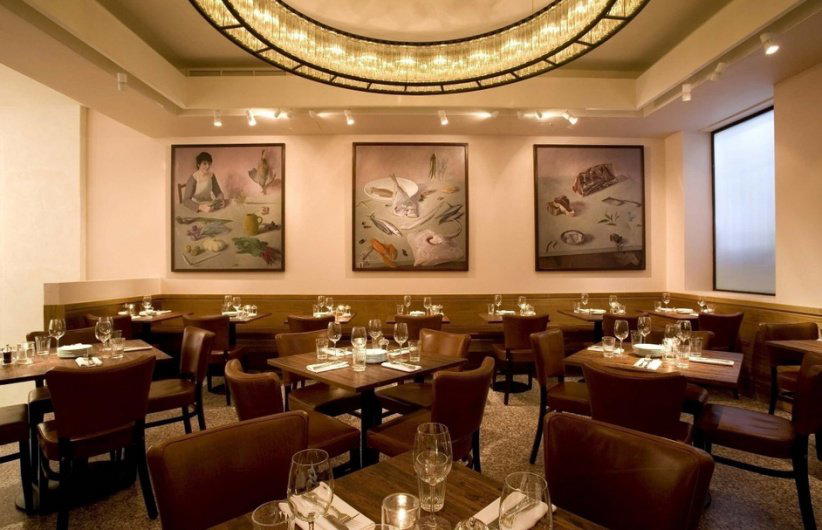
Soho's Regional Italian Argument, Still Running
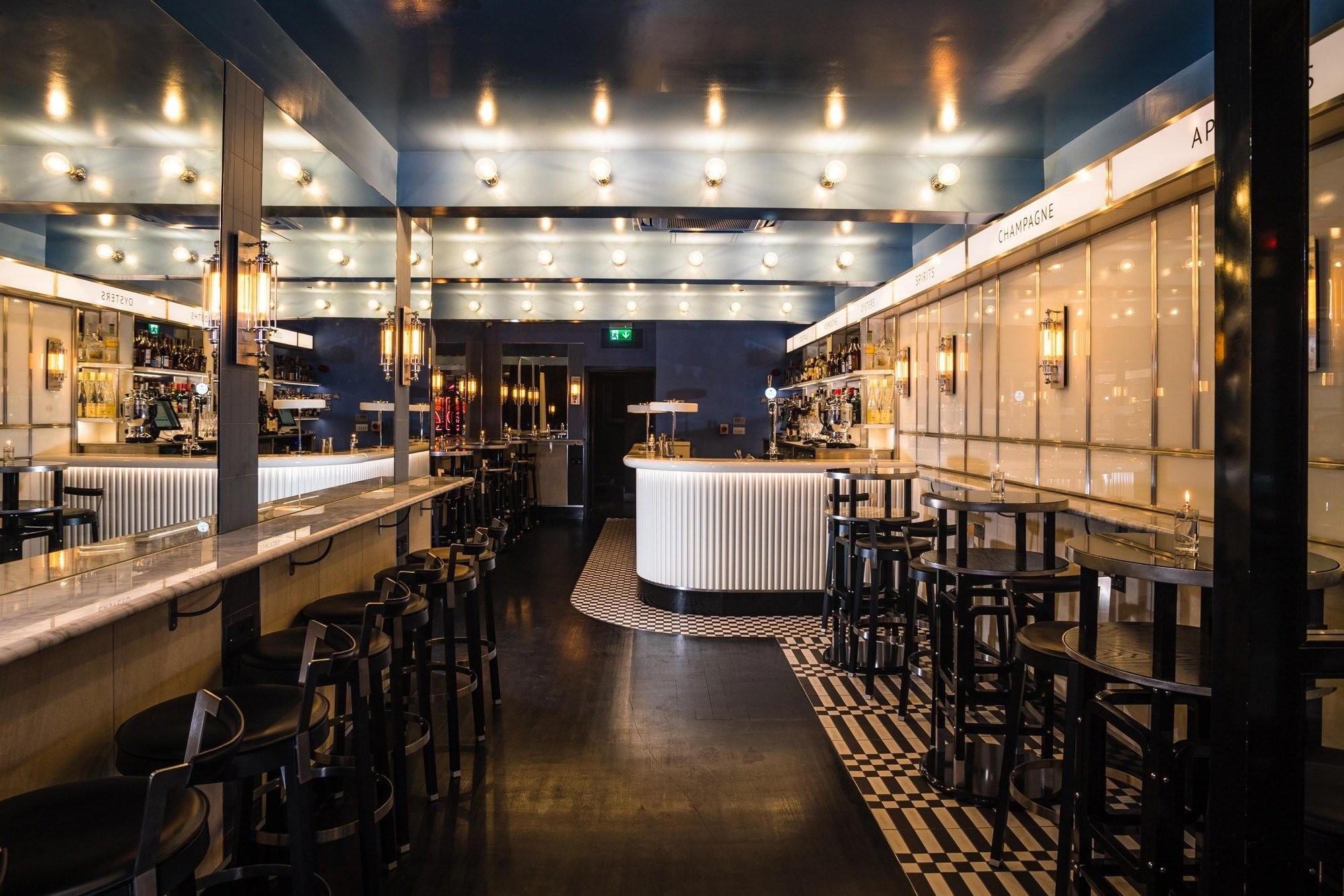
Archer Street on a weekday evening carries the particular energy of a Soho side street that knows it has somewhere to be: theatre-goers cutting through from the Tube, pre-dinner groups spilling out of doorways, the low hum of a neighbourhood that cycles through trends without ever quite settling. Bocca di Lupo has occupied this stretch since 2008, and the room still pulls with the kind of purposeful noise that takes years of consistent cooking to earn. Chef Jacob Kennedy has led the kitchen since opening. The marble counter, angled toward an open kitchen, remains the place to sit, close enough to watch the pass without the theatrical self-consciousness that plagued the open-kitchen boom of the 2010s.
What the Menu Architecture Tells You
One revealing thing about Bocca di Lupo's menu is not what it contains but how it is organised. Every dish carries a regional attribution: a note of whether you are eating something Venetian, Roman, Sicilian, or from the kitchens of Emilia-Romagna. This is not decorative geography. In London's Italian dining scene, where the category spans everything from red-sauce neighbourhood trattorias to modernist tasting menus, this kind of structural discipline signals a genuine editorial position. The kitchen is not cooking a generalised idea of Italy; it is cooking particular places, particular traditions, and accounting for the difference.
That regional specificity puts Bocca in a distinct tier from most of its Soho neighbours and from many of the city's better-resourced Italian openings of the past decade. Places like Luca and Bancone have each staked their own claims on the category, Luca through a British-Italian hybrid register, Bancone through a pasta-specialist format, while Brutto occupies a deliberately rougher, Florentine trattoria lane. Artusi in Peckham and Archway each represent the neighbourhood-Italian model at a remove from the West End. Bocca's position in this field is as the longstanding regionalist, holding a particular method across nearly two decades when the temptation to drift or modernise would have been substantial.
The menu changes fast enough that specific dishes shift season to season, but the architecture stays fixed. Fritti open proceedings, Roman-style fried snacks that function both as a style statement and a practical solution to a large, decision-heavy menu. Pasta sits in its own defined territory: dishes like orecchiette in chard, garlic, and pecorino, or rigatoni in a cream sauce of nutmeg and more pecorino, arrive as generous, direct plates rather than architect's portions. The region is named; the technique is classical; the result is food that earns its price rather than justifying itself through narrative.
Main courses follow the same logic: proteins handled with straightforwardness and sourced to a clear specification. A pork T-bone grilled and sliced, served alongside datterini tomatoes and borlotti beans. Fish dishes, a grilled amberjack collar with gremolata, sea bream baked under a salt crust, that treat the ingredient as the point rather than a vehicle for technique demonstration. The famous radish, celeriac, Parmesan, pomegranate, truffle, and parsley salad, a combination that has endured on the menu long enough to have become something of a reference point for what considered Italian cooking can do with contrast and texture.
Gelupo and the Logic of the Satellite
The ice cream shop Gelupo, which the Bocca team operates across the road on Archer Street, represents a model that has become more common in London hospitality but was less routine when Bocca launched it: the satellite venue that extends a single culinary argument rather than diversifying into a different category. Gelupo's presence means the meal can formally end at the restaurant or continue across the street, and the gelato programme draws from the same regional reference points as the main kitchen. It also functions as a walk-in entry point for guests who want a lower-commitment version of the same sourcing and flavour priorities.
Longevity as Evidence
Seventeen years in Soho at a consistent quality level is a testament to the restaurant's staying power. The neighbourhood has absorbed and expelled restaurants at a pace that makes most openings look provisional. The dining rooms that persist long enough to shape local habits rather than just serve them are a smaller group, and Bocca sits within it alongside a handful of addresses that have survived multiple shifts in what London considers worth eating.
The restaurant holds a Michelin Plate as of 2025, a recognition that marks consistent cooking without the starred tier's implication of destination-level ambition.6 across more than 3,500 reviews reflects sustained satisfaction over time. These credentials, taken together, position Bocca clearly: not at the summit of London's formal dining hierarchy, where Le Manoir aux Quat' Saisons, The Fat Duck, or L'Enclume operate, but securely inside the tier of London restaurants that consistently deliver against a clearly stated purpose.
The wine list reinforces this positioning. Described as regionally informed across Italy, it follows the same editorial logic as the menu: organised by origin, chosen to support the food's provenance argument rather than to showcase familiar labels.
The Counter vs. The Room
Physical layout of Bocca di Lupo creates two meaningfully different experiences within the same service. The marble counter, where guests sit facing the kitchen, produces a more immediate relationship with the cooking, dishes arrive faster, the pace is set by the kitchen's rhythm, and the environment is louder and more kinetic. The dining room proper offers a more conventional restaurant experience. Neither is wrong, but they are different enough that the choice is worth making deliberately rather than leaving to whatever is available on the night. For a first visit, the counter is the more instructive seat.
Service is characterised as switched-on but occasionally in need of more ease. This is a fair description of a restaurant that runs at high volume in a demanding neighbourhood: the fundamentals are there, but the texture of the hospitality can read as efficient rather than warm under pressure.
Italian at This Register, Elsewhere
For readers comparing Italian at a similar register internationally, 8 1/2 Otto e Mezzo Bombana in Hong Kong occupies the Italian-abroad category at a significantly higher price and formality tier, while cenci in Kyoto applies Italian technique to Japanese ingredients in a way that makes regional provenance secondary to the cross-cultural dialogue. Bocca's position is different from both: it is neither transplanted fine dining nor conceptual fusion, but a restaurant that has spent seventeen years making the case that Italian cooking's regional specificity is, in itself, a sufficient organising principle for a serious restaurant.
Know Before You Go
- Address: 12 Archer St, London W1D 7BB
- Price range: ££ (mid-range for Soho; small glasses of wine from £5.80)
- Awards: Michelin Plate (2024, 2025); Opinionated About Dining Casual Europe Ranked #405 (2024), #574 (2025)
- Counter seating: Marble counter facing the kitchen, request this at booking for one direct experience
- Gelupo: Ice cream shop operated by the same team, directly across Archer Street
- Context: Well-placed for pre- or post-theatre dining given proximity to the West End theatre district
For broader UK dining, Moor Hall in Aughton, Gidleigh Park in Chagford, and Hand and Flowers in Marlow sit in different registers but are relevant reference points for readers building a picture of where the UK's serious kitchens sit.
What Should I Order at Bocca di Lupo?
The menu changes frequently, which is by design, tracking Italy's seasonal and regional repertoire rather than anchoring to a fixed card. That said, certain categories hold across most visits. The fritti are a sound opening move: Roman-style fried snacks that arrive quickly and let you approach the broader menu without urgency. Pasta is the structural centre of the meal rather than a supporting act; the format here is generous and ingredient-led, so ordering one or two pasta dishes alongside a main course is a reasonable approach rather than excess. The salad of radish, celeriac, Parmesan, pomegranate, truffle, and parsley has remained on the menu long enough to function as a house reference point and is worth ordering as a lesson in how Italian cooking handles contrast. For dessert, the Gelupo ice creams are available in the restaurant as well as across the street, and they close the regional argument the meal has been making since the first course. Chef Jacob Kennedy has led the kitchen since opening in 2008, and the Michelin Plate recognition reflects the consistency that kind of tenure produces.
At-a-Glance Comparison
Comparable venues nearby, for context on price, style, and recognition.
| Venue | Cuisine | Price | Awards | Notes |
|---|---|---|---|---|
| Bocca di LupoThis venue — the venue you are viewing | Regional Italian Small Plates | $$$ | Michelin Plate | Not listed |
| manteca | Modern Nose-to-Tail Italian | $$$ | Bib Gourmand | Shoreditch |
| Norma | Modern Sicilian Italian | $$$ | Bib Gourmand | Fitzrovia |
| Legare | Modern Italian | $$$ | Bib Gourmand | Bermondsey |
| Brutto | Tuscan Trattoria | $$$ | Bib Gourmand | Farringdon |
| Farang | Modern Thai | $$$ | Bib Gourmand | Highbury |
Recognition history
Dated appearances from independent guides and award organizations, with the underlying list record or original source where available.
Michelin Plate
Michelin
Opinionated About Dining Casual in Europe Recommended
Opinionated About Dining
Star Wine List
Star Wine List
Michelin Plate
Michelin
Opinionated About Dining Casual in Europe Ranked #574
Opinionated About Dining
The Good Food Guide GFG Good
The Good Food Guide
Michelin Plate
Michelin
Opinionated About Dining Casual in Europe Ranked #405
Opinionated About Dining
Opinionated About Dining Casual in Europe Recommended
Opinionated About Dining


At a Glance
- Lively
- Energetic
- Intimate
- Date Night
- Group Dining
- Special Occasion
- Open Kitchen
- Private Dining
- Extensive Wine List
Current opening hours
- Monday
- 12–3 PM, 5 PM–12 AM
- Tuesday
- 12–3 PM, 5 PM–12 AM
- Wednesday
- 12–3 PM, 5 PM–12 AM
- Thursday
- 12–3 PM, 5 PM–12 AM
- Friday
- 12–3 PM, 5 PM–12 AM
- Saturday
- 12–3 PM, 5 PM–12 AM
- Sunday
- 12–3:15 PM, 5 PM–12 AM
Hours can change for holidays and private events. Last verified .