
A 16-seat Italian address in Komagome with a seasonal Southern Italian frame: house-made cheese, wild herbs, mushrooms, game and a wine-led service style. OSTERIA SELVAGGINA sits in Tokyo’s smaller neighborhood-Italian tier rather than the hotel-dining circuit, with Tabelog Italian Tokyo 100 selections in 2023 and 2025 supporting its place in the city’s serious Italian conversation.
Pearl is the En Primeur Club membership app — saves, bookings, and concierge access live there. Same editors, same standards.
- Address
- Japan, 〒170-0003 Tokyo, Toshima City, Komagome, 3 Chome−2−7 1階
- Phone
- +81 3-6903-7020
- Website
- selvaggina.net
 Saves & bookings on Pearl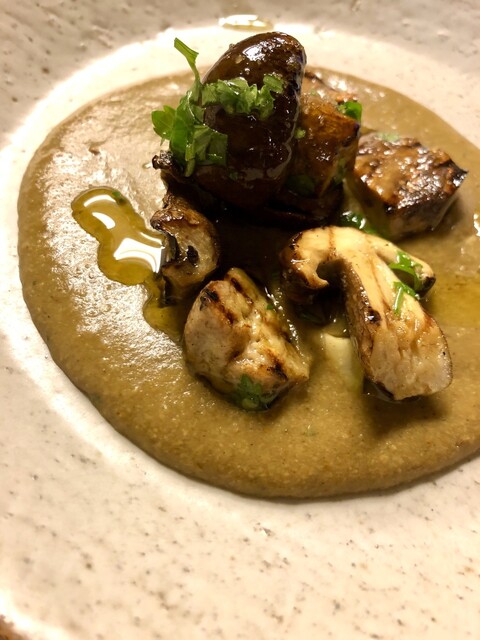
Komagome changes a Tokyo dinner before the first plate: quieter than Ginza, less performative than Aoyama, more domestic in rhythm, with station exits, low-rise blocks, and small rooms where pacing matters more than spectacle. Here, OSTERIA SELVAGGINA fits a Tokyo tradition that treats Italian cooking with the seriousness of sushi counters and kappo rooms: limited seats, seasonal sourcing, wine as structure, and a kitchen that asks guests to follow the table’s tempo.
Tokyo Italian now spans polished hotel rooms, pasta-led neighborhood counters, luxury tasting menus, and quieter osterie where regional Italian references meet Japanese seasonality. This address belongs to the last group. Its public identity points to Southern Italy, especially Puglia, yet the meal is not a southern postcard. A better frame is Tokyo’s interpretation of rural Italian habits: fresh cheese, wild greens, mushrooms, game, and wine built into the meal rather than added after it.
Southern Italian ritual, filtered through Komagome's small-room discipline
The ritual matters because the restaurant is not built for anonymous volume. Sixteen seats create the scale of a compact osteria and change the etiquette. The meal rewards guests who arrive on time, order with the table in mind, and let the sequence build. Tokyo diners know this discipline from Japanese formats; the interesting part is how naturally it transfers to Italian cooking.
The kitchen’s stated focus gives the meal shape. House-made burrata and handmade cheese put dairy at the center, with milk from Isonuma Farm in Hachioji named in the restaurant’s materials. Wild herbs and mountain vegetables appear in spring; wild mushrooms are associated with summer into autumn; game takes a larger role during hunting season. These details explain the restaurant better than broad authenticity claims: seasonality in a rural Italian vocabulary, executed within Tokyo’s precise service culture.
Recognition has followed that niche, not a generic luxury script. Selection for Tabelog Italian Tokyo 100 in 2023 and 2025 places the restaurant among a citywide Italian-category group, while a Tabelog score of 3.77 signals strong local approval in a market where small numerical differences matter. For travelers, the award is useful less as trophy than sorting tool: this is not casual pasta between sightseeing stops, nor a grand dining room built only around ceremony.
Why Komagome makes the meal feel different from central Tokyo Italian
Komagome gives the restaurant a clear advantage. Central Tokyo Italian often competes through design, imported luxury cues, or chef-counter theater. In Toshima’s northern pocket, the argument narrows to a small room, a seasonal Italian register, and enough local regularity to avoid destination-dining stiffness. Compared with nearby neighborhood options such as Grill K Komagome honten or FRENCH POUND HOUSE Yamatogou honten, this sits in a more deliberate dinner bracket. Compared with Ikewanagi no Mise Tsugumi An, where unagi and yakitori pull the meal into another Japanese register, the distinction is not price alone but ritual: wine, cheese, vegetables, game, and the slow accumulation of courses.
The wine emphasis is not decorative. A sommelier is listed as part of service, and the restaurant describes itself as particular about wine. In Tokyo Italian rooms of this scale, the bottle or pairing decision usually shapes the meal’s pace. Treat wine as integral, not optional, if the evening is meant to show the kitchen properly. The food vocabulary, from fresh cheese to game, gives wine more work than a simple pasta-and-main structure.
There is also a practical Tokyo lesson: serious dining is not concentrated only in obvious luxury districts. Komagome, Kagurazaka, Akihabara, Shinjuku and smaller residential nodes each hold their own genres of commitment. Readers mapping a broader trip can place this meal beside the city’s other formats through Our full Tokyo restaurants guide, then contrast it with drinking-led itineraries in Our full Tokyo bars guide, hotel strategy in Our full Tokyo hotels guide, producer-focused detours in Our full Tokyo wineries guide, and cultural planning in Our full Tokyo experiences guide.
The right expectation: seasonal osteria, not checklist dining
The appeal depends on accepting a seasonal frame rather than chasing a fixed signature. Public materials name categories and ingredients, not one trophy dish: Southern Italian cooking, house-made burrata, natural mushrooms, game, handmade cheese, Puglian references and wild herbs. That argues against checklist ordering. Follow what the season allows, especially spring greens, summer-to-autumn mushrooms and hunting-season game.
Families are not excluded: children and strollers are welcomed, though there is no dedicated children’s menu or high chairs. That makes the restaurant more flexible than many small serious rooms, but the compact scale still asks adult-level consideration of other tables. Private-room dining is not part of the setup, while private use is listed for groups up to 20, logical for a small room. Non-smoking service matches current Tokyo expectations for serious dining.
For itinerary building, protect this dinner from over-scheduling. It suits a quieter northern Tokyo evening more than a rushed pre-theater meal or post-bar-crawl stop. Travelers comparing formats might pair the idea of a compact seasonal room with other Tokyo listings such as 124. KAGURAZAKA (Yakitori), 12/10 Shinjuku ten. 鮪と炭火焼き うお炭 秋葉原店, 2D Cafe, and 3 Chome no Curry Ya San. For wider Japan comparisons, the spectrum runs from -Grilled beef Sukiyaki- KAMAKURA TANUKIAN 鎌倉 たぬき庵 in Kamakura to.cafe in Osaka.know in Kumamoto, (Shoku) Vietnam in Kawasaki, [Curry Senmon Ten] Maruyama Kyoju. in Sapporo, and [ki:] in Kyoto; outside Japan, Jōdo Saké Bar in Los Angeles and Onigiri Time in Pasadena show how Japanese and Japan-adjacent dining categories travel into different city contexts.
The verdict is simple: this is a serious small-room Italian meal for diners who care about season, pacing and wine more than dining-room spectacle. Its Tabelog Italian Tokyo 100 selections give external validation; Komagome gives it the setting where the ritual can stay focused.
Cuisine Context
Comparable venues side-by-side for orientation.
| Venue | Cuisine | Price | Notes |
|---|---|---|---|
| OSTERIA SELVAGGINAThis venue — the venue you are viewing | Seasonal Puglian osteria with house-made cheese and game | $$$ | Not listed |
| Mercer Brunch Ginza Terrace | NY-style Italian brunch & bistro | $$$ | Chūō |
| Osteria Tramandare | Regional Italian Osteria with Rotating Tasting Courses | $$$ | Chūō |
| neo | Italian Standing Bar | $$$ | Shibuya |
| ANTICA OSTERIA CARNEYA | Italian Steak Osteria | $$$ | Shinjuku |
| aniko | Marche-style Italian (Michelin Bib Gourmand) | $$$ | Minato |
Recognition history
Dated appearances from independent guides and award organizations, with the underlying list record or original source where available.
Tabelog 100 #34 · No. 34
Tabelog · Tabelog 100 - Italian - TOKYO - 2025










At a Glance
- Cozy
- Rustic
- Intimate
- Date Night
- Special Occasion
- Celebration
- Group Dining
- Casual Hangout
- Standalone
- Design Destination
- Extensive Wine List
- Local Sourcing
- Farm To Table
- Sustainable Seafood
Current opening hours
- Monday
- Closed
- Tuesday
- Closed
- Wednesday
- 6–11 PM
- Thursday
- 6–11 PM
- Friday
- 6–11 PM
- Saturday
- 12–3 PM, 6–11 PM
- Sunday
- 12–3 PM, 6–11 PM
Hours can change for holidays and private events. Last verified .
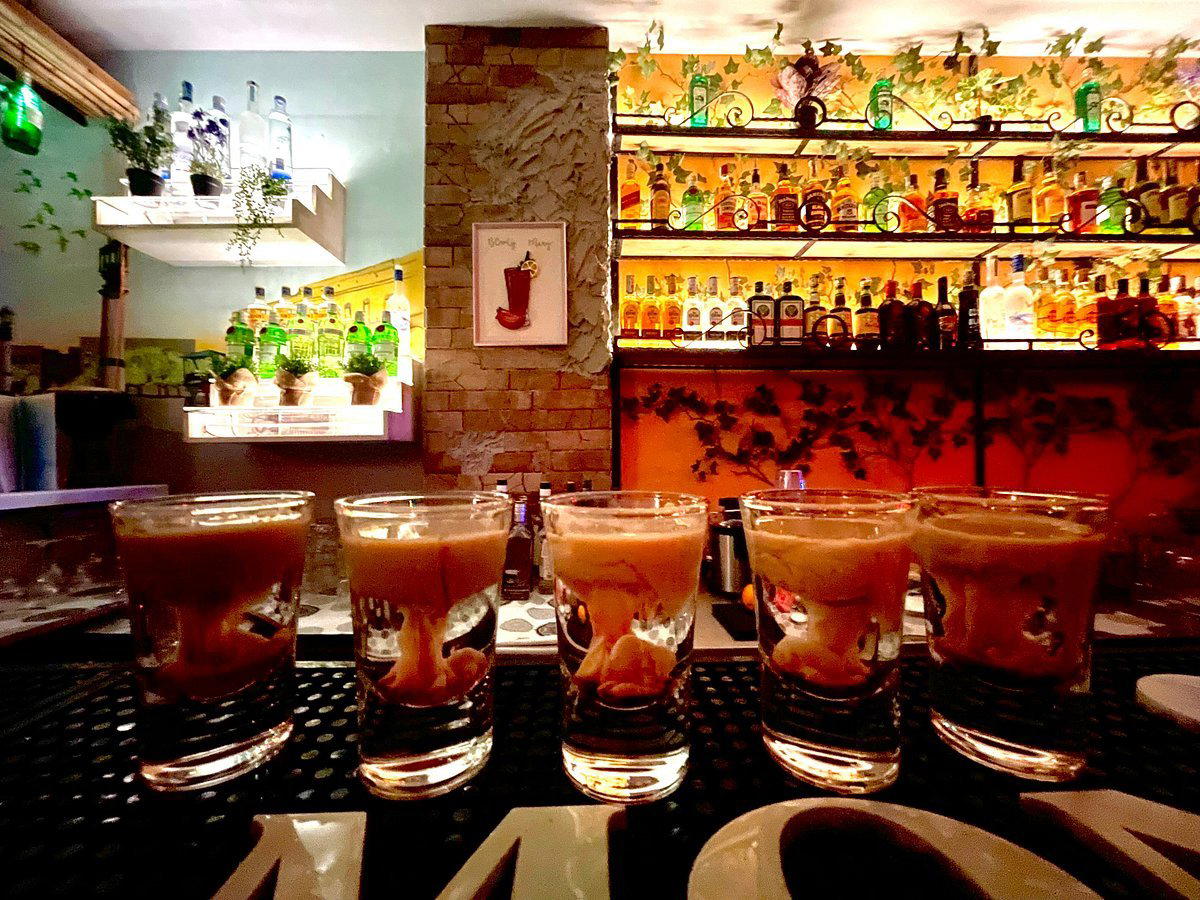
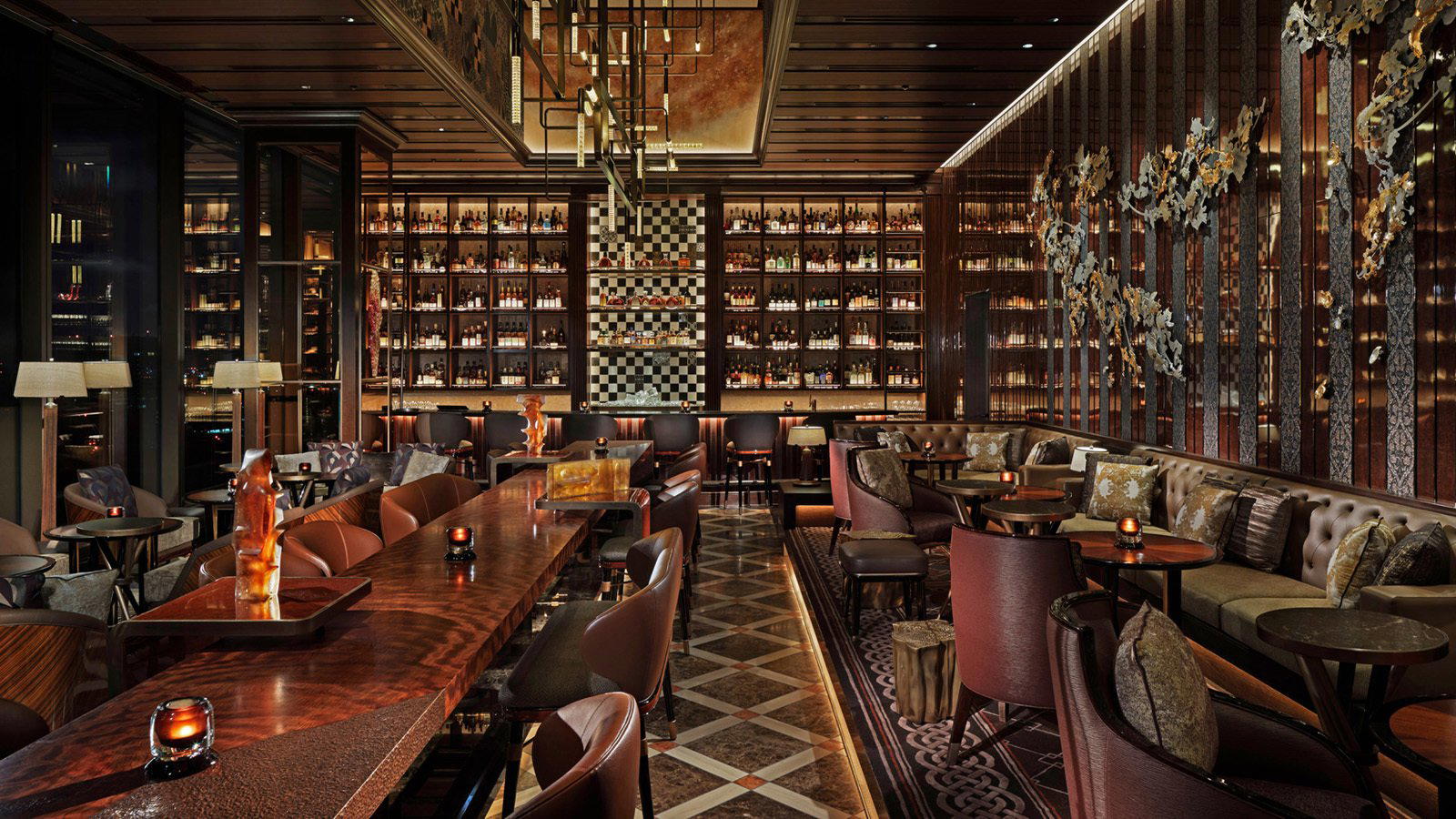
A small, cozy neighborhood osteria with a rustic, homey feel, where the focus is on seasonal Puglian dishes, house-made cheeses, and game; the atmosphere reads as relaxed yet special, more like a dedicated destination for food lovers than a casual everyday spot.