Osteria


Osteria occupies a prominent position on North Broad Street, where Philadelphia's arts corridor meets its Italian dining tradition. The address places it squarely in a neighbourhood undergoing sustained cultural investment, and the restaurant has become a reference point for wood-fired Italian cooking in a city that takes its red-sauce heritage seriously. For visitors arriving from out of town, the Broad Street location offers straightforward access from Center City.
Pearl is the En Primeur Club membership app — saves, bookings, and concierge access live there. Same editors, same standards.
- Address
- 640 N Broad St, Philadelphia, PA 19130
- Phone
- +12157630920
- Website
- osteriaphilly.com
- Directions
- Get directions
 Saves & bookings on Pearl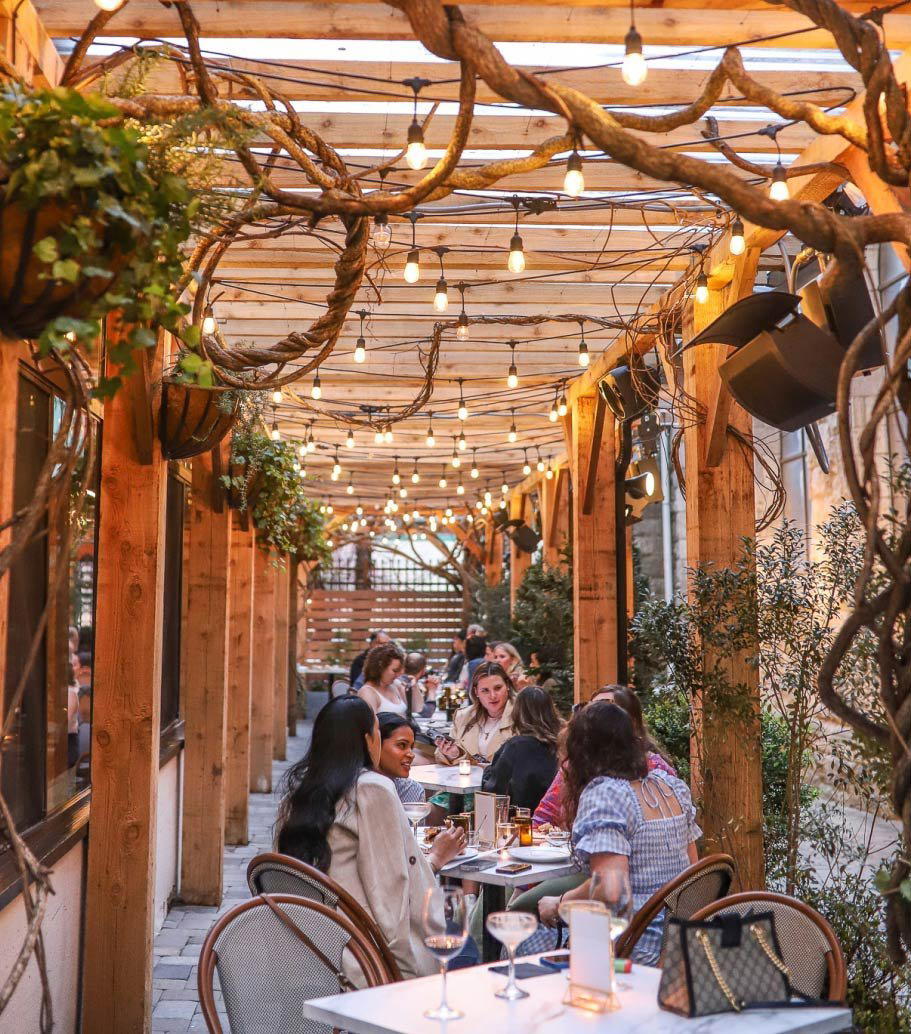
North Broad Street and What It Says About Where Philadelphia Eats
Philadelphia's restaurant geography has never been a single-neighbourhood story. South Philly carries the weight of the city's Italian-American legacy, with corner BYOBs and red-sauce institutions that predate the current dining boom by decades. Center City holds the expense-account tier. But North Broad Street, running past the Academy of Music, the Barnes Foundation, and the Kimmel Center, represents something different: a corridor where cultural institutions and dining destinations have grown up alongside each other, attracting a crowd that arrives already primed for a considered evening out. Osteria, at 640 N Broad Street, sits inside that context. Its address is not incidental. The Broad Street Arts Corridor has drawn investment and foot traffic that supports the kind of Italian kitchen that prioritises wood-fired technique and ingredient sourcing over the comfort of familiarity.
That positioning matters when you consider Philadelphia's broader Italian dining picture. The city has never lacked for pasta, but the split between old-school red-sauce tradition and a newer, more produce-forward Italian approach has sharpened over the past decade. Osteria belongs to the latter cohort, part of a wave of American Italian restaurants that draw more from regional Italian cooking than from the Ellis Island adaptations that defined the South Philly baseline. Peer comparisons within Philadelphia include Barbuzzo on 13th Street, which occupies a similar Mediterranean-leaning register. Nationally, the conversation about ambitious Italian-American kitchens ranges from Le Bernardin in New York City to Providence in Los Angeles, restaurants where European technique and American sourcing produce something that neither continent could claim as its own.
The Wood-Fired Kitchen as Editorial Commitment
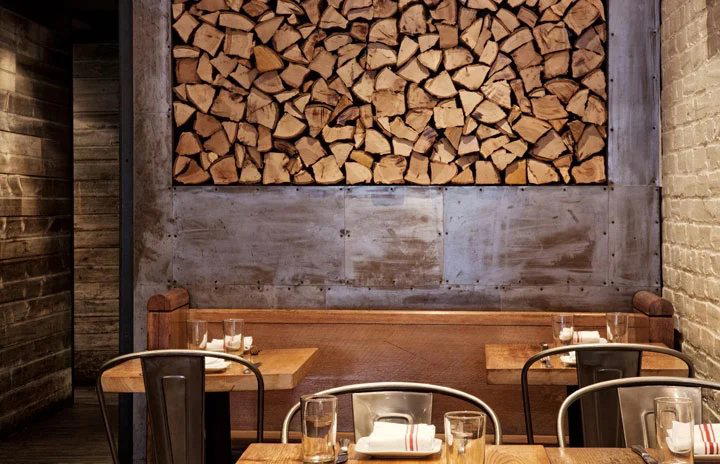
Wood-fired cooking has become so common a restaurant signifier that it risks losing meaning. What separates the restaurants where the hearth actually shapes the food from those where it functions as décor is the degree to which heat management, smoke, and char inform the menu rather than accessorise it. In Philadelphia's better Italian kitchens, the wood oven is a constraint as much as a tool: it dictates timing, imposes limits on delicacy, and rewards ingredients that respond well to intense, dry heat. Pizza, the most legible output of this approach, becomes a test of dough hydration, fermentation, and bake time rather than a canvas for toppings. Other wood-roasted proteins and vegetables carry the same logic.
This is the tradition Osteria operates within. The North Broad address gives the kitchen physical space that smaller Center City sites do not, and that space allows for a fuller expression of the format than a cramped row-house kitchen would permit. Philadelphia diners who move between the city's Italian options, from South Philly's legacy spots to newer entrants like the contemporary American tables at Fork and Friday Saturday Sunday, find in Osteria a register that is specifically Italian in its reference points rather than broadly European or New American.
Philadelphia's Dining Moment and Where Italian Fits
The past several years have confirmed what local food writers were saying for some time: Philadelphia punches above its weight as a dining city relative to its profile in national food media. The arrival of serious Southeast Asian cooking at restaurants like Kalaya and pan-Asian ambition at Mawn has complicated the city's once meat-and-potatoes reputation. French-leaning modern American tables like My Loup have raised the floor of what serious cooking looks like here. Within that context, an Italian restaurant on North Broad needs a clear identity to avoid being flattened by the competition.
Osteria's answer has been consistency of format and a willingness to hold its position on a stretch of Broad Street that, for all its cultural cachet, is not the city's most trafficked dining block. That geographic specificity is a feature, not a liability: the Arts Corridor crowd is destination-oriented by habit, conditioned by theatre schedules, gallery openings, and concert nights to plan their evenings rather than wander into wherever looks busy. A restaurant that can rely on that audience has different economics and a different relationship with regulars than one competing for walk-in traffic in Rittenhouse or Fishtown.
For out-of-town visitors planning Philadelphia around its dining options, the North Broad location is worth mapping against the rest of an evening. The Barnes Foundation sits nearby on the Benjamin Franklin Parkway, and the Kimmel Cultural Campus anchors the lower stretch of Broad. Combining a performance or gallery visit with dinner at Osteria is the kind of itinerary Philadelphia's tourism infrastructure has been building toward for a generation.
By comparison, the national tier of fine Italian-influenced American cooking, represented by destinations like Blue Hill at Stone Barns in Tarrytown, Single Thread Farm in Healdsburg, or The French Laundry in Napa, operates at a price point and formality level that Osteria does not aspire to replicate. The reference points are more useful as coordinates than comparisons: they mark the outer edge of the American fine-dining Italian conversation, and Osteria sits closer to the accessible, lively end of that spectrum, where the wood oven is central and the room is meant to feel in use rather than reverential. Other high-ambition American tables worth considering in that broader national frame include Alinea in Chicago, Atomix in New York City, Addison in San Diego, Emeril's in New Orleans, Lazy Bear in San Francisco, The Inn at Little Washington in Washington, and, internationally, 8 1/2 Otto e Mezzo Bombana in Hong Kong.
For a full picture of where Osteria sits within Philadelphia's wider dining options, see our full Philadelphia restaurants guide.
Know Before You Go
- Address: 640 N Broad Street, Philadelphia, PA 19130
- Neighbourhood: North Broad Street Arts Corridor, within walking distance of the Barnes Foundation and the Kimmel Cultural Campus
- Getting There: Broad Street Line subway stops at Fairmount/Eastern State station; street parking available along N Broad
- Ideal time to visit: Pre-theatre and pre-concert evenings align the restaurant's rhythm with the surrounding cultural calendar; autumn and winter bring the wood oven into its most relevant season
- Reservations: Confirm booking requirements directly with the restaurant; demand on performance nights at the Kimmel can affect availability
How Osteria Philadelphia compares with similar nearby venues.
| Venue | Awards |
|---|---|
| Osteria | Wine Spectator Best of Award of Excellence (2026) |
Recognition history
Dated appearances from independent guides and award organizations, with the underlying list record or original source where available.
Wine Spectator Best of Award of Excellence
Wine Spectator
James Beard Award Best Chefs
James Beard Award
Continue exploring
More in Philadelphia
Restaurants in Philadelphia
Browse all →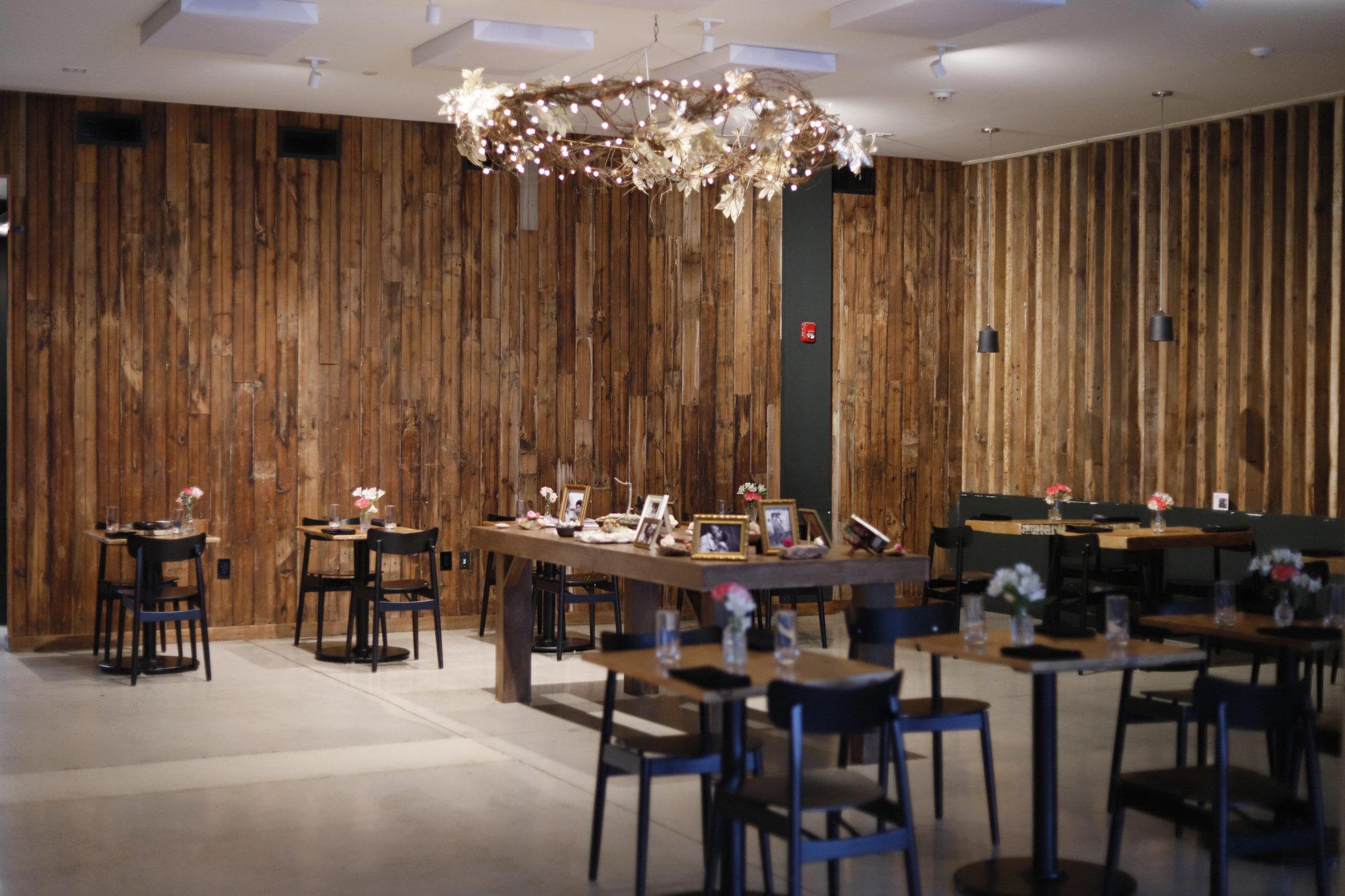
Bars in Philadelphia
Browse all →
At a Glance
- Rustic
- Elegant
- Intimate
- Lively
- Date Night
- Special Occasion
- Open Kitchen
- Extensive Wine List
Current opening hours
- Monday
- 5–10 PM
- Tuesday
- 5–10 PM
- Wednesday
- 5–10 PM
- Thursday
- 5–10 PM
- Friday
- 4–10 PM
- Saturday
- 4–10 PM
- Sunday
- 4–9 PM
Hours can change for holidays and private events. Last verified .
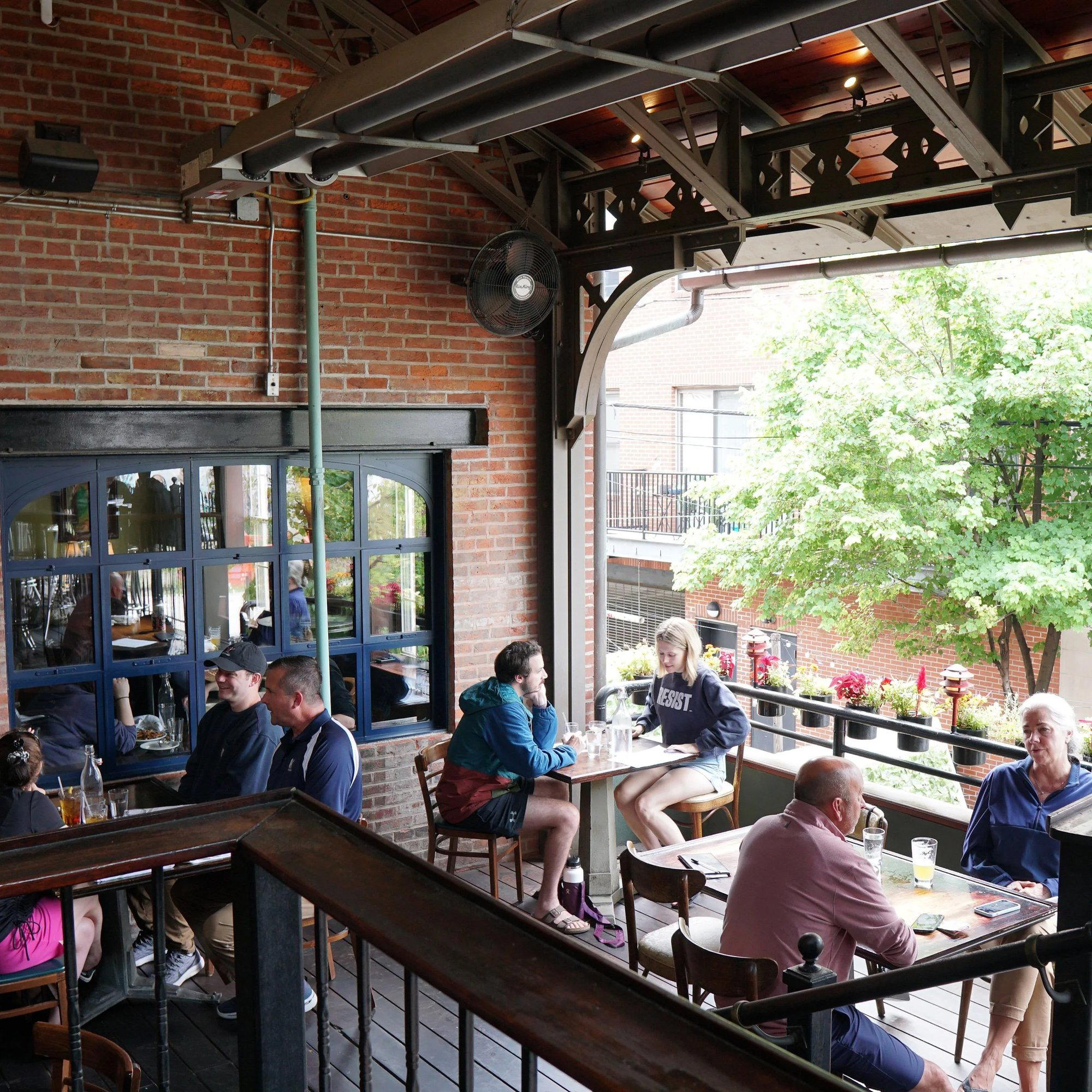
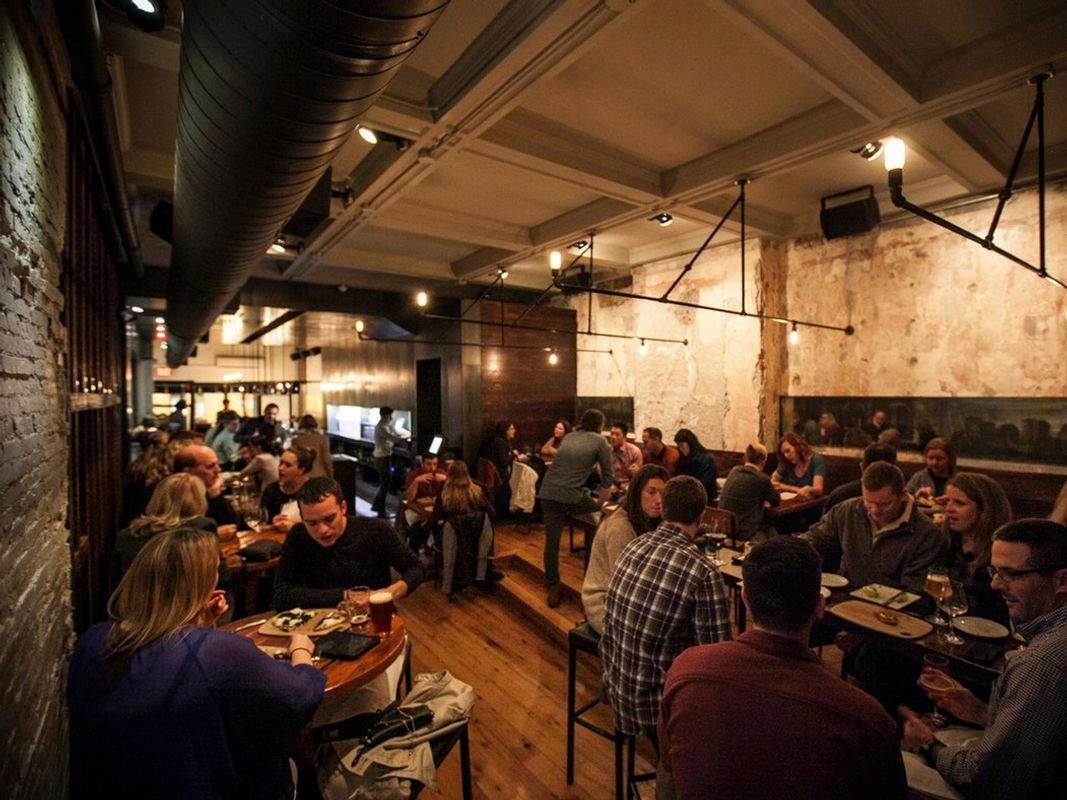
Gorgeously lush with an atmospheric yet casual feel that is urbane but rustic, roomy but intimate.
Know Before You Go
- Getting there
- 640 N Broad St, Philadelphia, PA 19130