Adoro
On East Passyunk Avenue, one of Philadelphia's most competitive dining corridors, Adoro occupies a street address that rewards the attentive visitor. The avenue's density of independent restaurants means that daytime and evening service here carry distinct rhythms, menus, and expectations — and understanding that divide is the starting point for anyone planning a visit.
Pearl is the En Primeur Club membership app — saves, bookings, and concierge access live there. Same editors, same standards.
- Address
- 769 Passyunk Ave, Philadelphia, PA 19147
- Phone
- +12156271454
- Website
- adorobistro.com
- Directions
- Get directions
 Saves & bookings on Pearl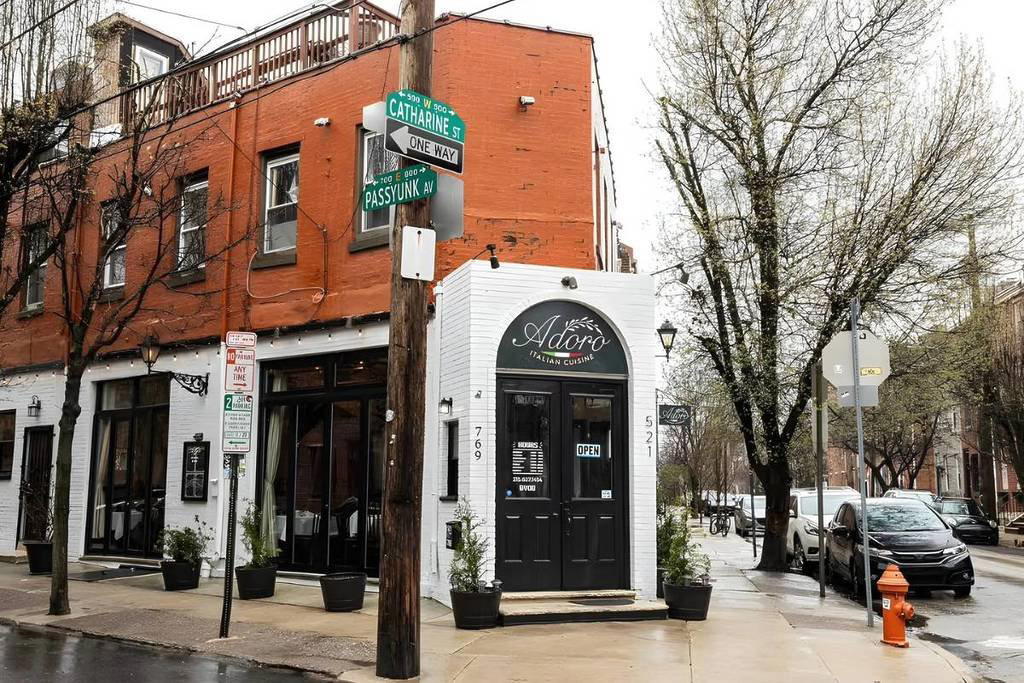
East Passyunk and the Pressure of a Good Block
East Passyunk Avenue is one of the more instructive stretches of restaurant real estate in Philadelphia. The corridor runs through South Philly with enough independent operators packed close together that every address faces immediate, visible comparison. On a Tuesday afternoon, the foot traffic is unhurried and the windows of neighboring spots are half-lit. By Friday evening, the same block operates at a different register entirely: tables full by seven, a line at the door of South Philly Barbacoa down the street, and a sense that the neighborhood knows exactly what it is doing. Adoro, at 769 Passyunk Ave, sits within that competitive frame.
The avenue has accumulated enough critical attention over the past decade to function as a proving ground for Philadelphia's independent dining scene. Where some American cities route their serious restaurant energy toward a single high-profile neighborhood, Philadelphia distributes it more broadly, with East Passyunk, Fishtown, and Center City each hosting distinct concentrations of ambition. Passyunk's identity is particularly tied to the independent and mid-format operator — smaller rooms, tighter menus, cooking that answers to regulars as much as to out-of-town visitors.
Daytime Passyunk: A Different Kind of Audience
The lunch-versus-dinner divide on East Passyunk is more pronounced than on comparable corridors in cities like Chicago or San Francisco, where downtown density keeps midday foot traffic high regardless of the day. Here, daytime service tends to draw a neighborhood-weighted crowd: residents, people working from nearby coffee shops, the occasional food-aware visitor who times their arrival deliberately to avoid evening competition for tables. The rhythm is slower, the transactions more casual, and the kitchen typically operating at a fraction of its evening output.
This matters for how you read a restaurant. A venue that performs well at lunch — where there is less ceremony, less margin for theatrical presentation, and fewer mechanisms for disguising an average dish behind an elaborate sequence, is demonstrating something about the reliability of its cooking. The Passyunk operators that sustain both services without obvious drop-off in quality are the ones that have built a coherent program rather than an event-style dinner format. Philadelphia's dining scene, at its stronger end, has gravitated toward restaurants that can hold their own in both registers. Friday Saturday Sunday in Rittenhouse and Fork in Old City each built reputations partly on consistency across dayparts, not just on the strength of their Saturday evening service.
Evening on the Avenue: Format and Competition
By dinner, East Passyunk operates as a genuine destination. The concentration of independently owned restaurants means that a visitor choosing between options within a two-block radius is already working with a reasonably curated shortlist. The competitive set here is not fine dining in the tasting-menu sense, it sits in the middle tier where format is more flexible, wine lists are shorter and more personal, and the kitchen tends to express a specific point of view rather than a comprehensive one.
That middle tier is where the most interesting American restaurant evolution has been happening over the past several years. Nationally, the distance between the extended tasting-counter format, the kind of experience offered at places like Smyth in Chicago, Lazy Bear in San Francisco, or The French Laundry in Napa, and the casual neighborhood spot has widened. What has grown is the space in between: restaurants with serious kitchens and informal rooms, where a two-course lunch and a four-course dinner sit on the same menu architecture without either feeling out of place. East Passyunk has become one of Philadelphia's more reliable addresses for that in-between format.
The avenue's character means that evening ambition here is understood against a neighborhood norm rather than against destination-dining benchmarks. A visitor coming from a city with a more vertically stratified dining scene, New York, Los Angeles, or the kind of high-low context that defines Le Bernardin versus its downtown counterparts, will find Passyunk's horizontal structure refreshing. The restaurants here compete on quality and identity, not on price tier.
Philadelphia's South Philly Dining Identity
South Philly's restaurant identity has been shaped partly by its immigrant food history and partly by the wave of chef-driven independents that moved into the neighborhood as rents stayed lower than in Center City or Fishtown. The result is a corridor where a Filipino-American kitchen can open next to an Italian-leaning spot, which sits across from a French-trained operator working with local product, and all of them draw from the same neighborhood audience. This diversity of reference is genuinely present rather than assembled for effect, which is part of what distinguishes the avenue from more curated dining districts elsewhere.
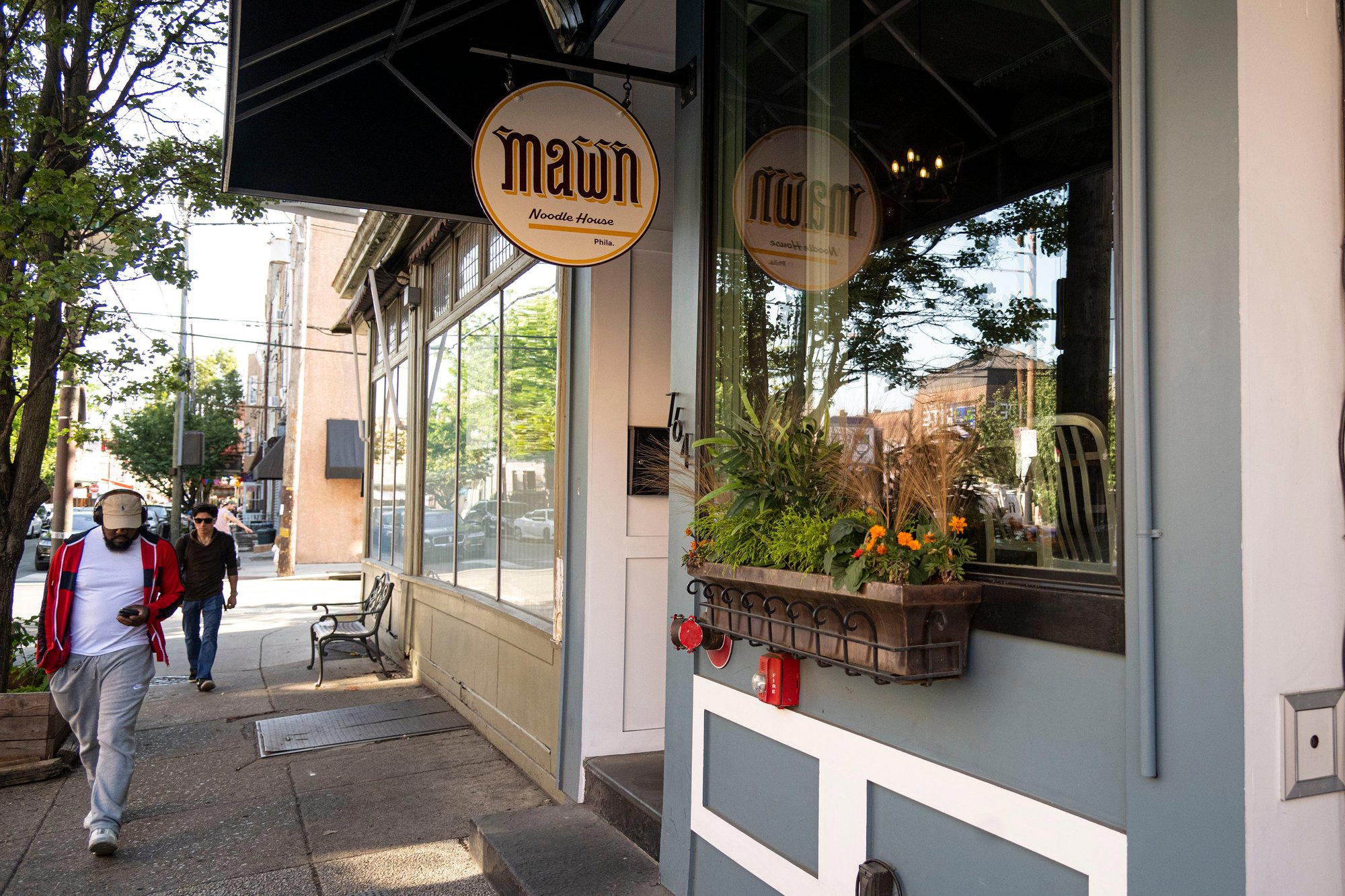
Nationally, the South Philly model has counterparts in certain New Orleans neighborhoods and in parts of Los Angeles, where Providence represents a different tier of ambition within a similar geographic logic of distributed excellence. In Philadelphia specifically, the conversation between South Philly independents and their counterparts in other neighborhoods runs through a shared set of values: local sourcing, format flexibility, and a preference for cooking that speaks plainly rather than performing complexity for its own sake. Mawn and My Loup both reflect versions of that sensibility from different culinary starting points.
For the out-of-town visitor building a Philadelphia itinerary, the broader context of American fine and mid-format dining is worth holding in mind. Properties like Blue Hill at Stone Barns, Single Thread Farm in Healdsburg, Addison in San Diego, The Inn at Little Washington, Atomix in New York City, Emeril's in New Orleans, and Atelier Moessmer Norbert Niederkofler in Brunico each represent the upper ceiling of their respective formats. East Passyunk operates several tiers below that ceiling, and deliberately so. The ambition here is neighborhood excellence, not destination spectacle, and the avenue delivers on that narrower, more repeatable proposition.
See the full Philadelphia restaurants guide for broader context on where Adoro sits relative to the city's other dining priorities.
Know Before You Go
- Address: 769 Passyunk Ave, Philadelphia, PA 19147
- Neighborhood: East Passyunk, South Philadelphia
- Nearby reference points: East Passyunk Avenue corridor, accessible from Broad Street via the Broad Street Line subway
- Booking: Contact details not currently listed; check the venue directly for reservation availability
- Timing note: Weekday lunch on the avenue is notably lower-volume than weekend dinner service; arriving mid-week gives you the most relaxed experience of the block
Continue exploring
More in Philadelphia
Restaurants in Philadelphia
Browse all →
Bars in Philadelphia
Browse all →
At a Glance
- Cozy
- Romantic
- Charming
- Date Night
- Family
- Casual Hangout
- Standalone
- Byob
- Local Sourcing
Current opening hours
- Monday
- 12–9 PM
- Tuesday
- 12–9 PM
- Wednesday
- 12–9 PM
- Thursday
- 12–9 PM
- Friday
- 12–10 PM
- Saturday
- 12–10 PM
- Sunday
- 12–9 PM
Hours can change for holidays and private events. Last verified .
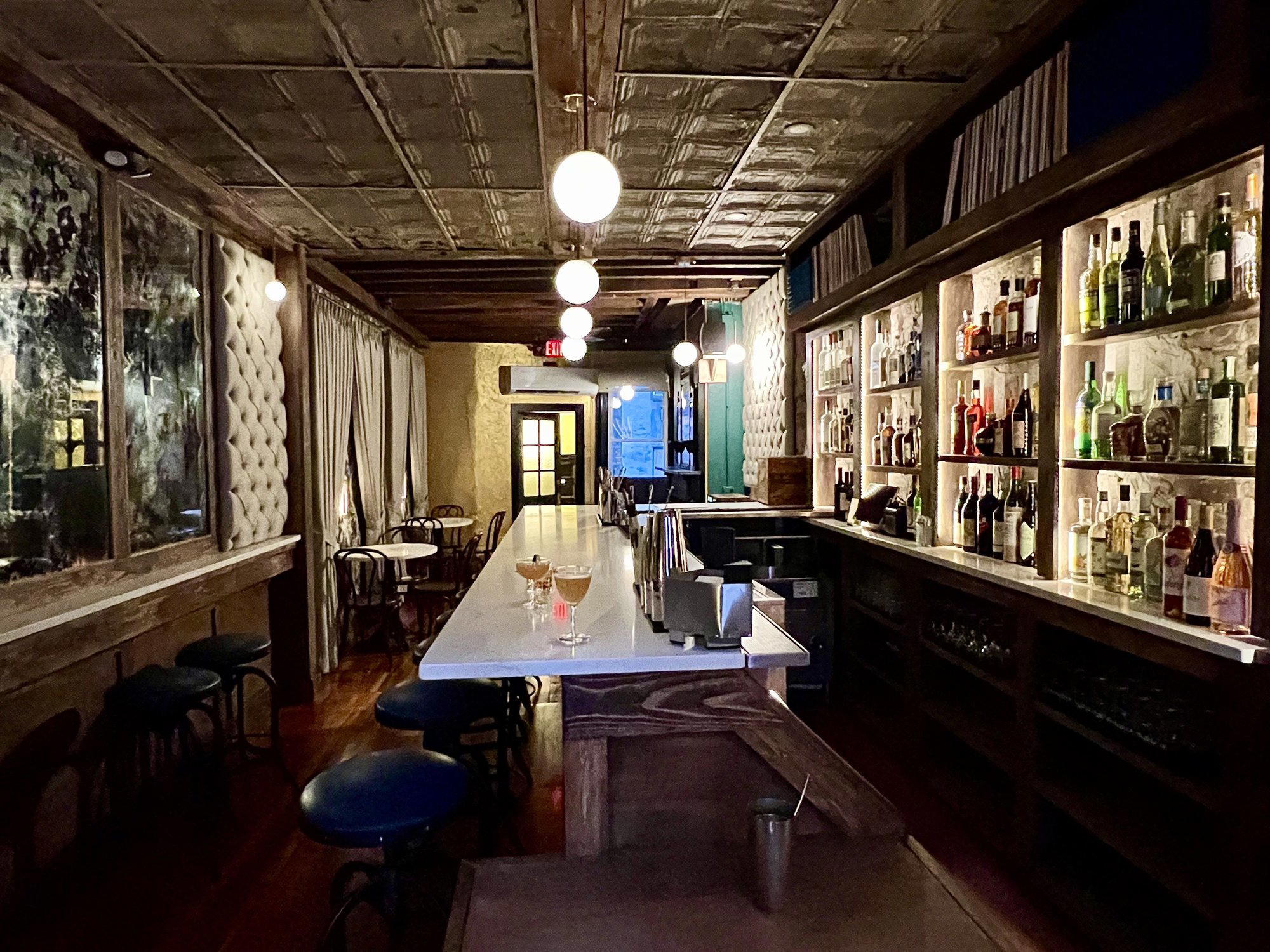
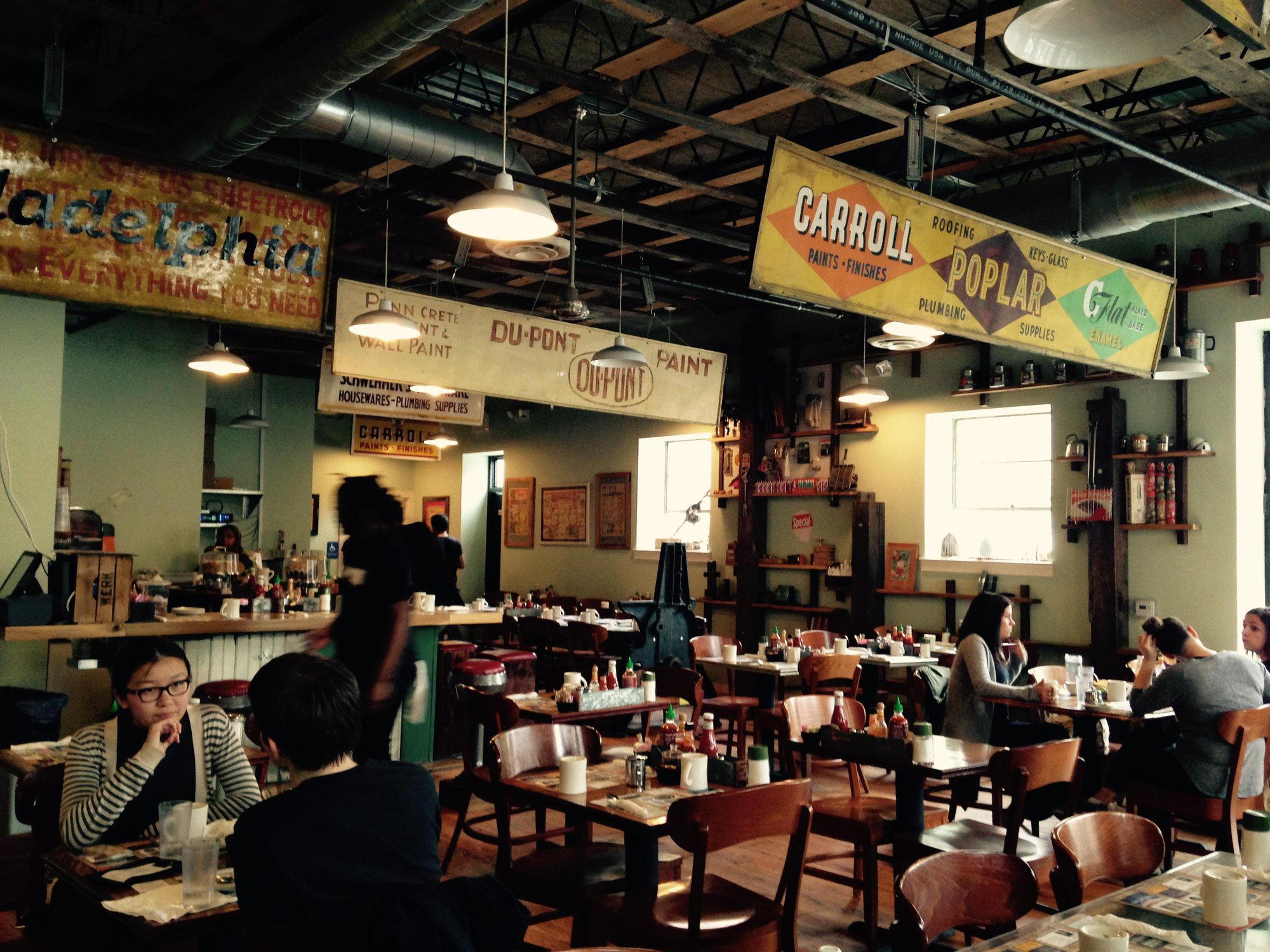
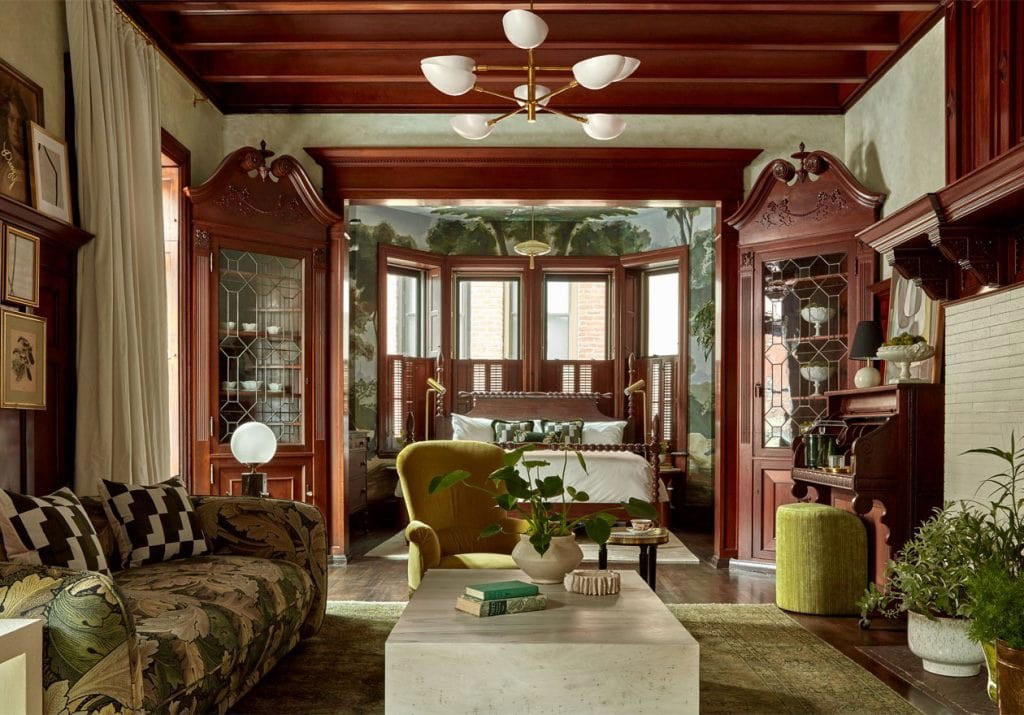
Warm, inviting, and cozy atmosphere well-suited for date nights or family meals with a low-key charm.
Know Before You Go
- Getting there
- 769 Passyunk Ave, Philadelphia, PA 19147