The Room and What It Signals
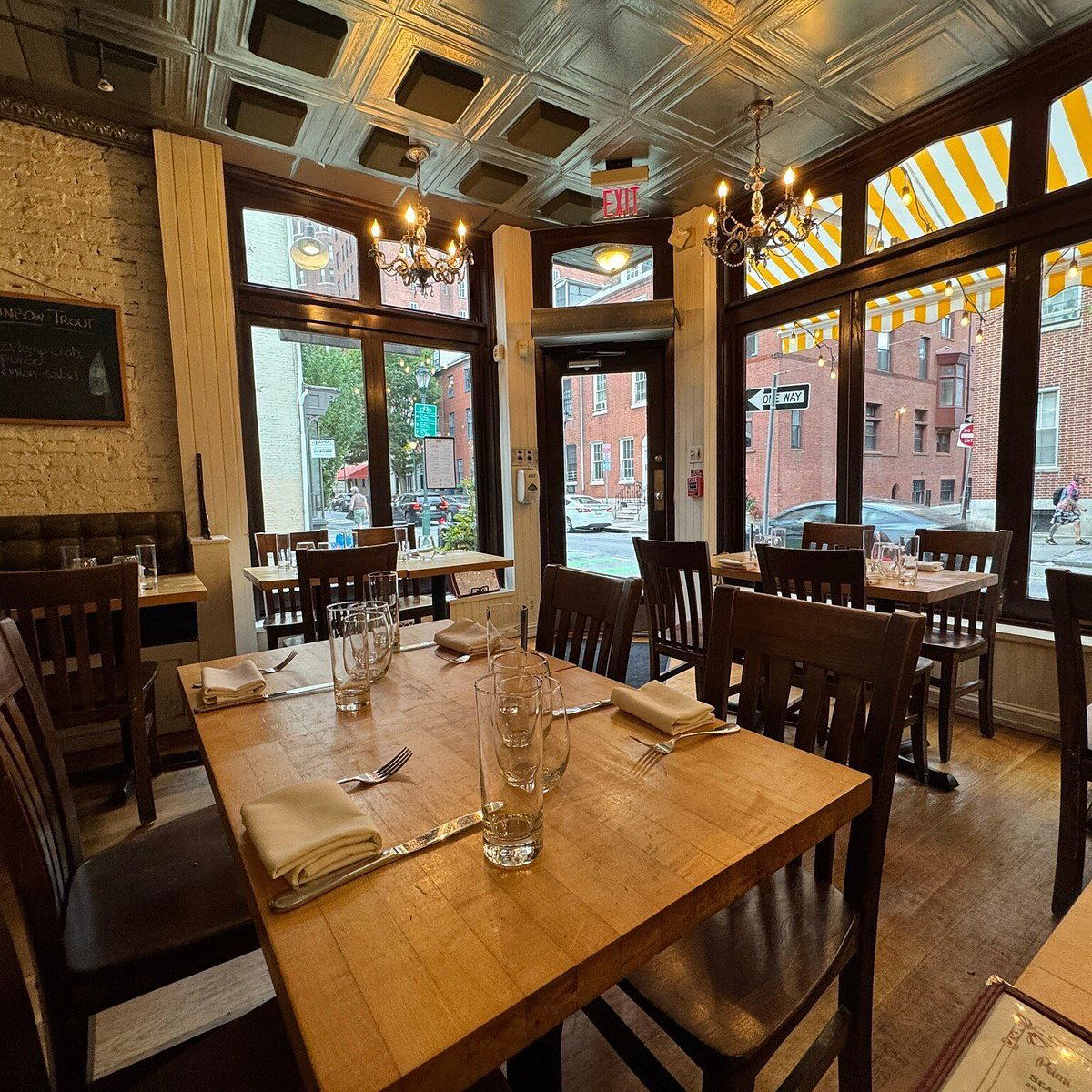
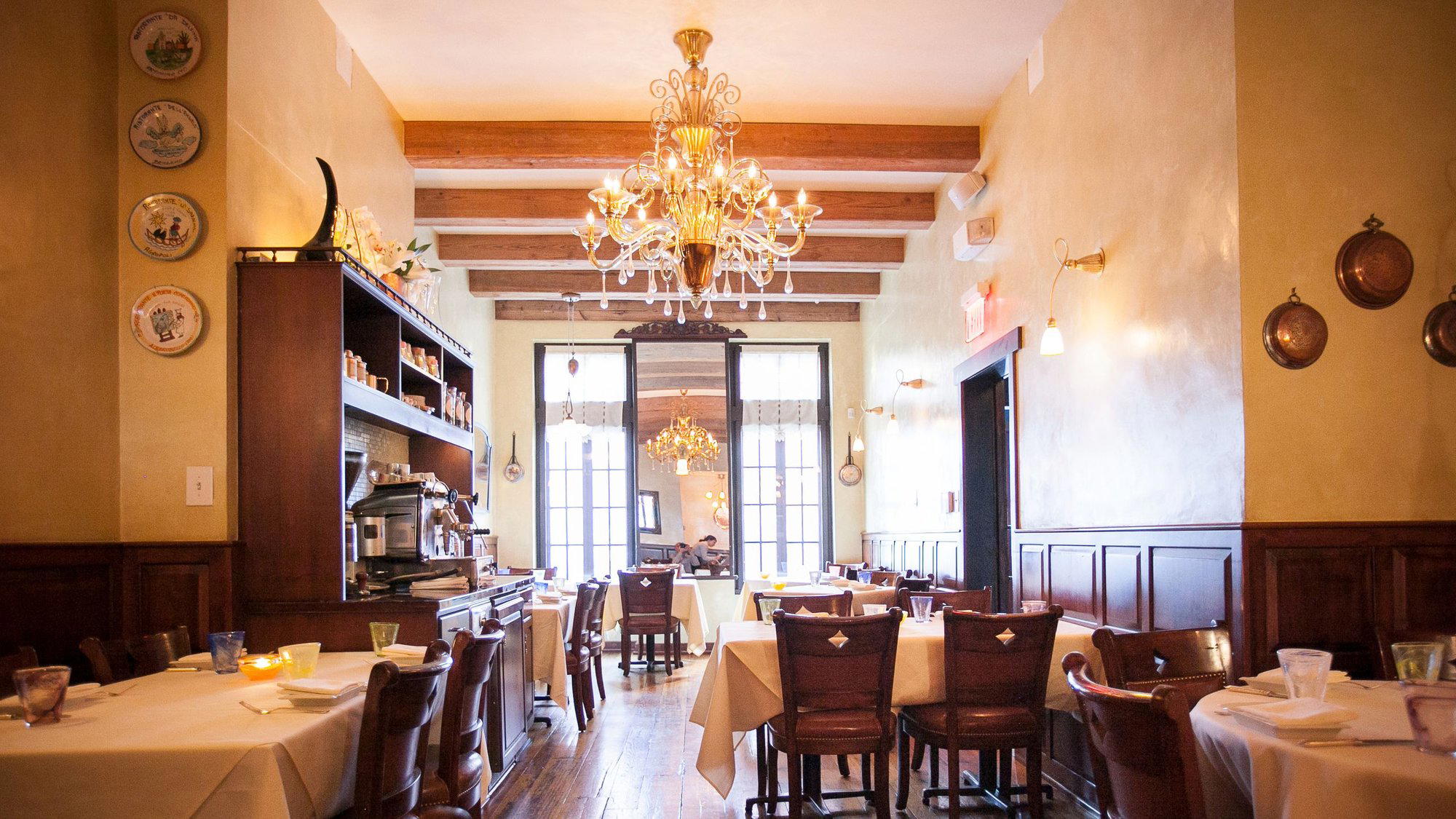
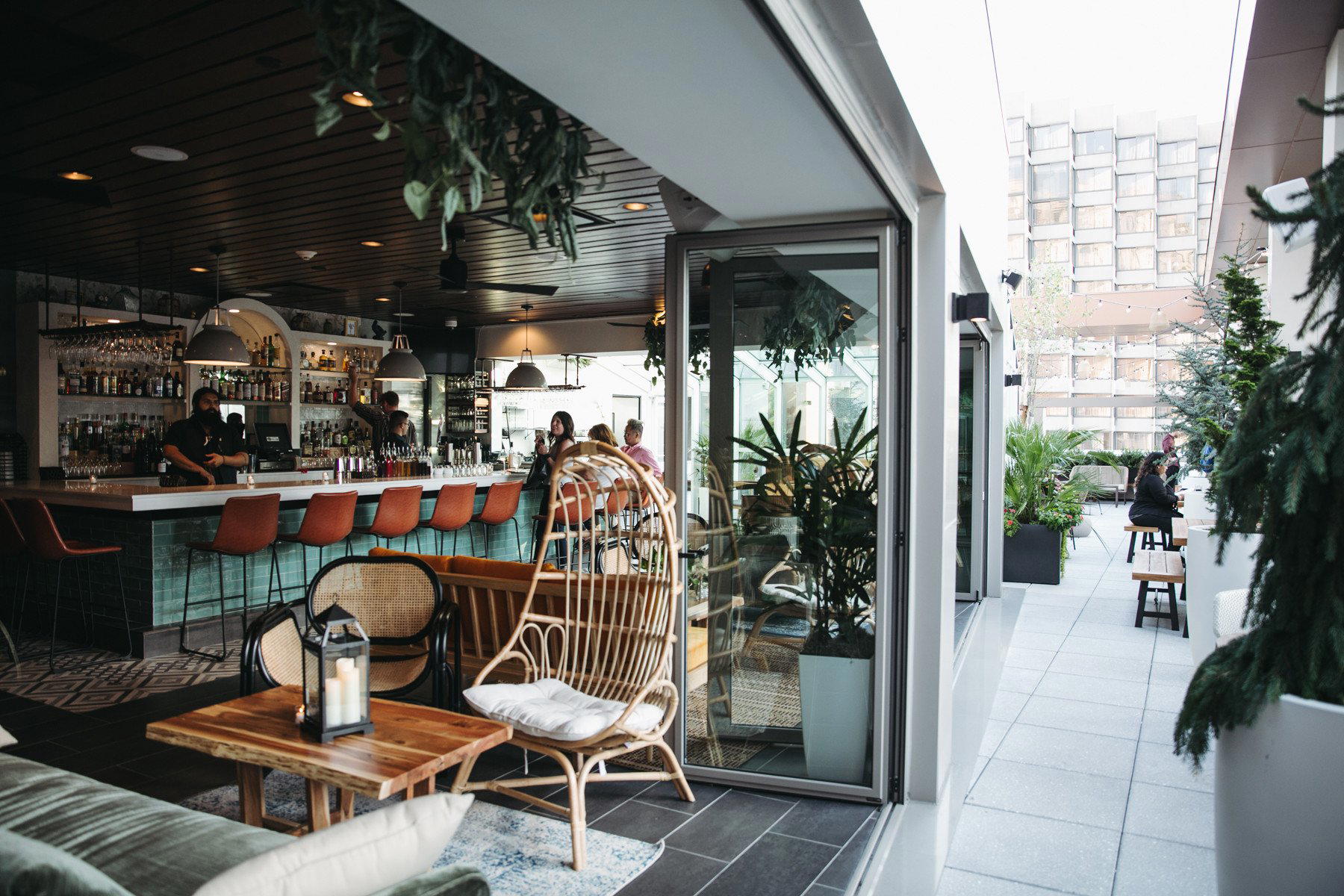
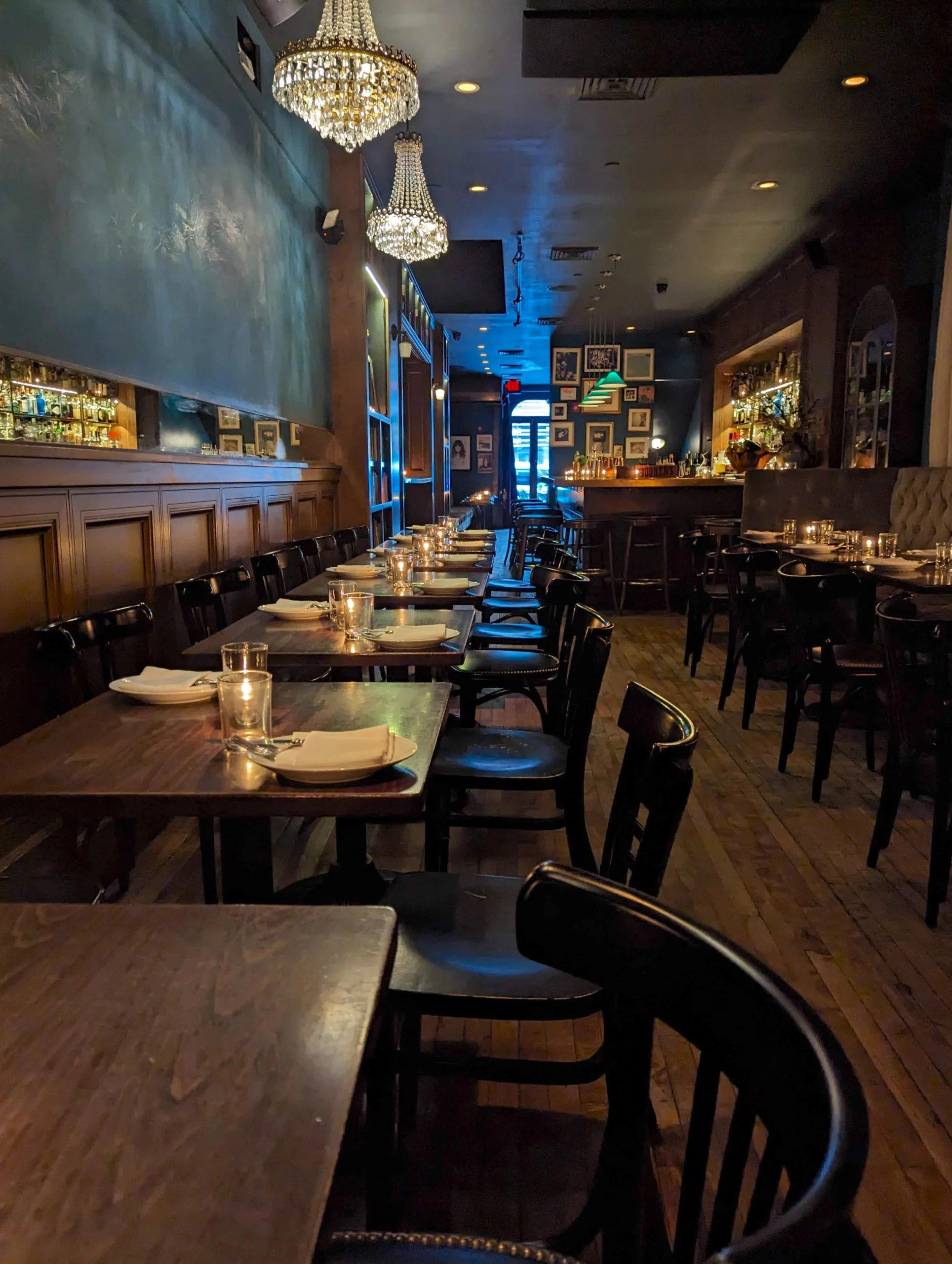
Washington Square West restaurants tend to communicate their identity through space rather than marketing. Mercato's Spruce Street address puts it in a block-level conversation with bars, cafes, and other mid-scale independents, a setting where foot traffic matters less than word-of-mouth loyalty. The room at this scale, typically under fifty seats in Philadelphia's rowhouse-adapted dining rooms, creates a specific acoustic and social environment: you are aware of neighboring tables, the rhythm of the kitchen is audible at the right moments, and the pacing of the meal is set as much by the room as by the menu.
That sensory register, candlelight, close quarters, the low percussion of a well-run service, is something Philadelphia has preserved more deliberately than cities where the dining economy has pushed toward larger, investor-backed formats. For comparison, the kind of intimate, owner-operated room that defines Mercato's category exists in other American cities but often at a premium: the equivalent in San Francisco, as seen at Lazy Bear, or the high-technique end in New York at Atomix, layers significant price and formality on top of the intimacy. Philadelphia's version of this format tends to stay more accessible without abandoning seriousness.
Italian Tradition in a Philadelphia Context
The Italian-American dining tradition in Philadelphia is one of the city's most durable culinary identities. It runs deeper and broader than in most American cities, not just in South Philadelphia's generational institutions but in the way Italian structure (antipasto to pasta to secondi, wine-forward, unhurried) has shaped how Center City diners expect a full evening to unfold. A restaurant operating in this tradition is navigating high ambient knowledge in its audience: Philadelphia diners know what a properly sauced pasta should taste like, and they know when kitchen shortcuts are being taken.
That context matters for how to read Mercato. It is not operating in a vacuum or setting its own terms in the way a more experimental kitchen might. It is in conversation with a tradition, and the measure of a room like this is how well it sustains quality and consistency over time, across seasons, across service, rather than how dramatically it redefines its category. The comparison set here is less the Michelin-chasing dining rooms of The French Laundry or Le Bernardin and more the reliable neighborhood restaurant that earns a place in weekly rotation.
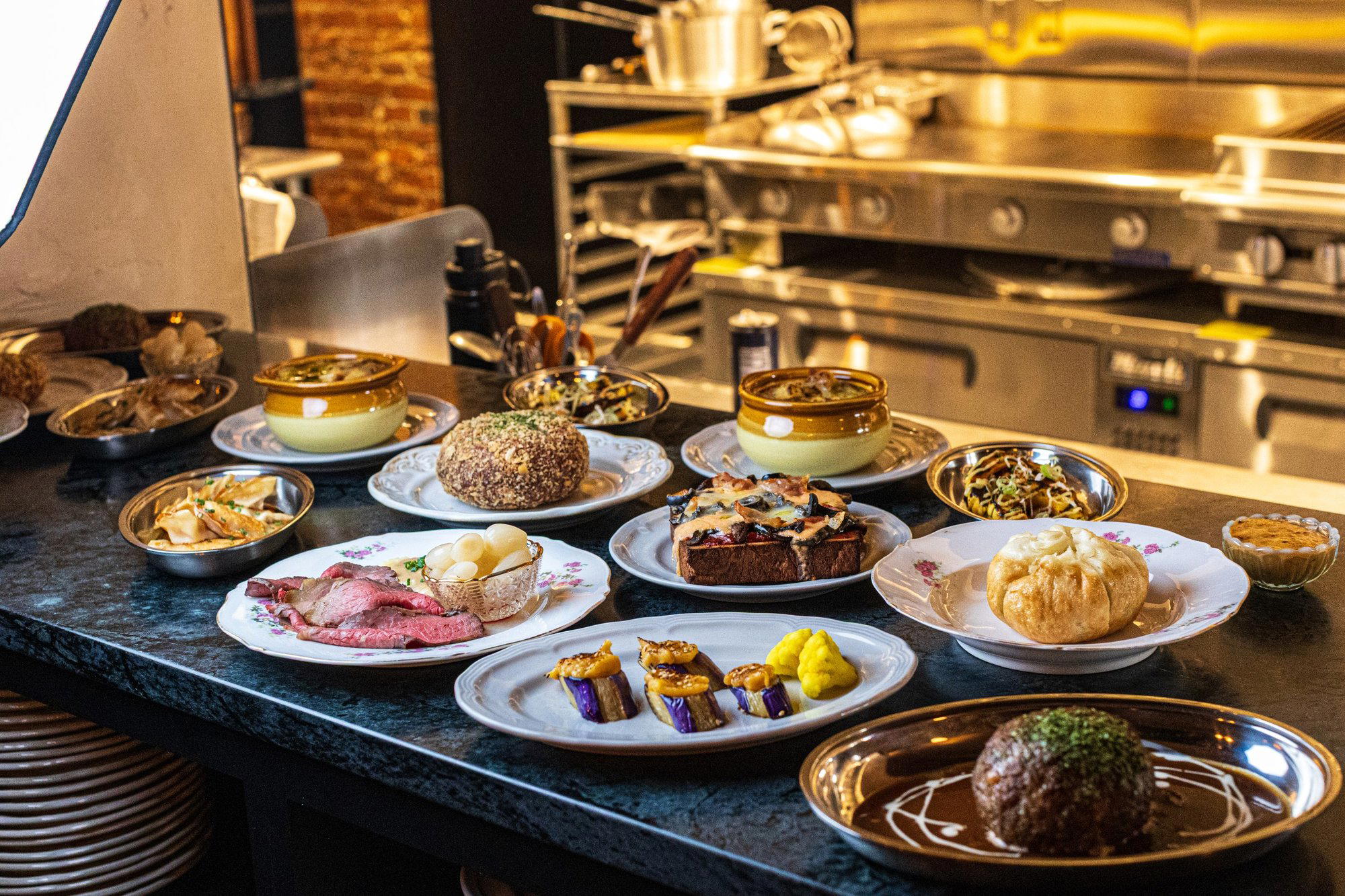
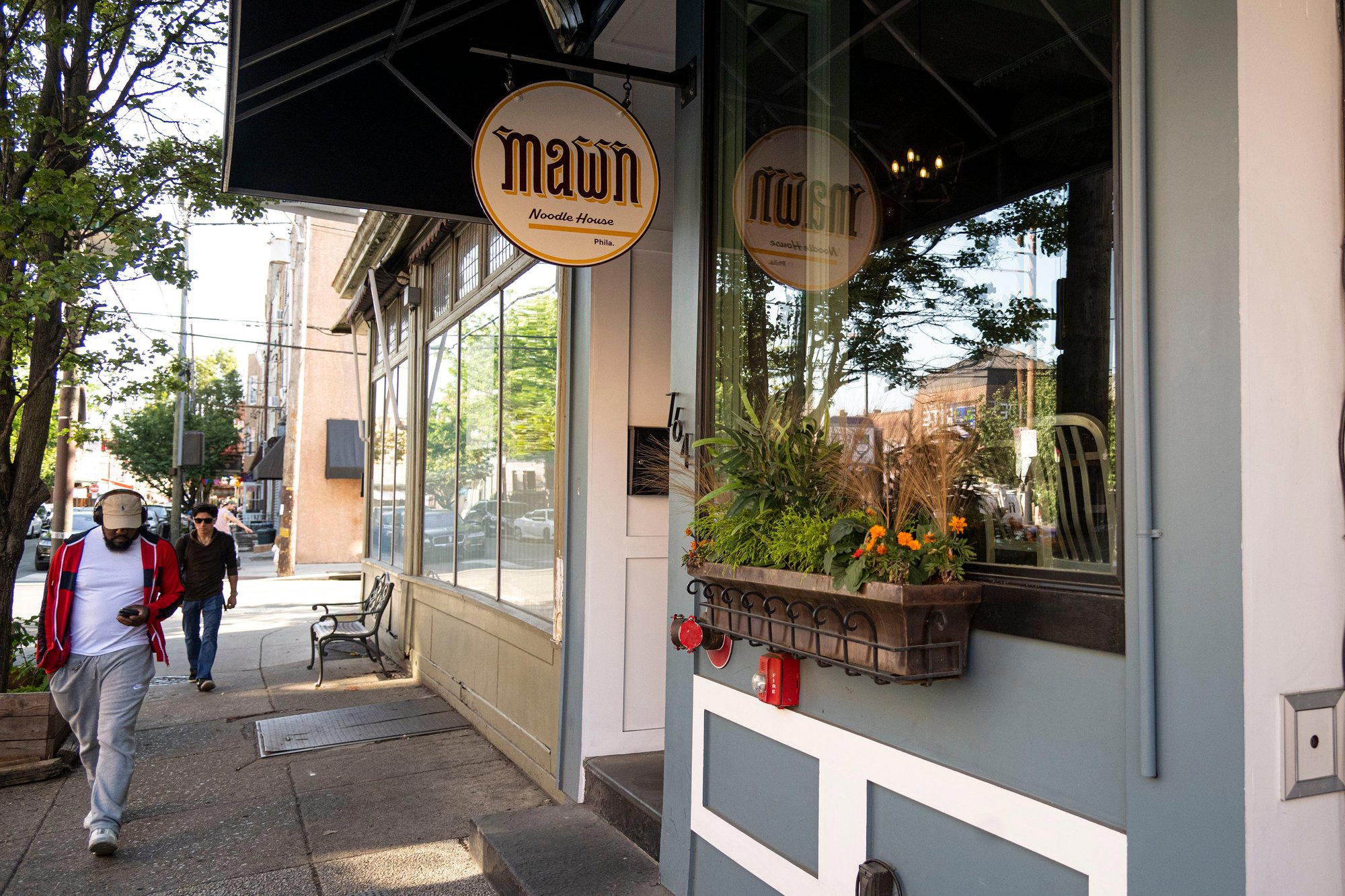
Other Philadelphia kitchens drawing on non-Italian traditions show how much range the city has built at this scale. Mawn brings Cambodian and pan-Asian reference points to a similarly intimate format, while My Loup applies French instincts to a neighborhood-focused room. South Philly Barbacoa demonstrates what deep culinary specificity looks like when it stays committed to a single tradition. Taken together, these restaurants describe a city where independent operators with clear points of view have built a dining culture that doesn't require destination-level pricing to deliver serious food.
Where Mercato Sits in the Philadelphia Scene
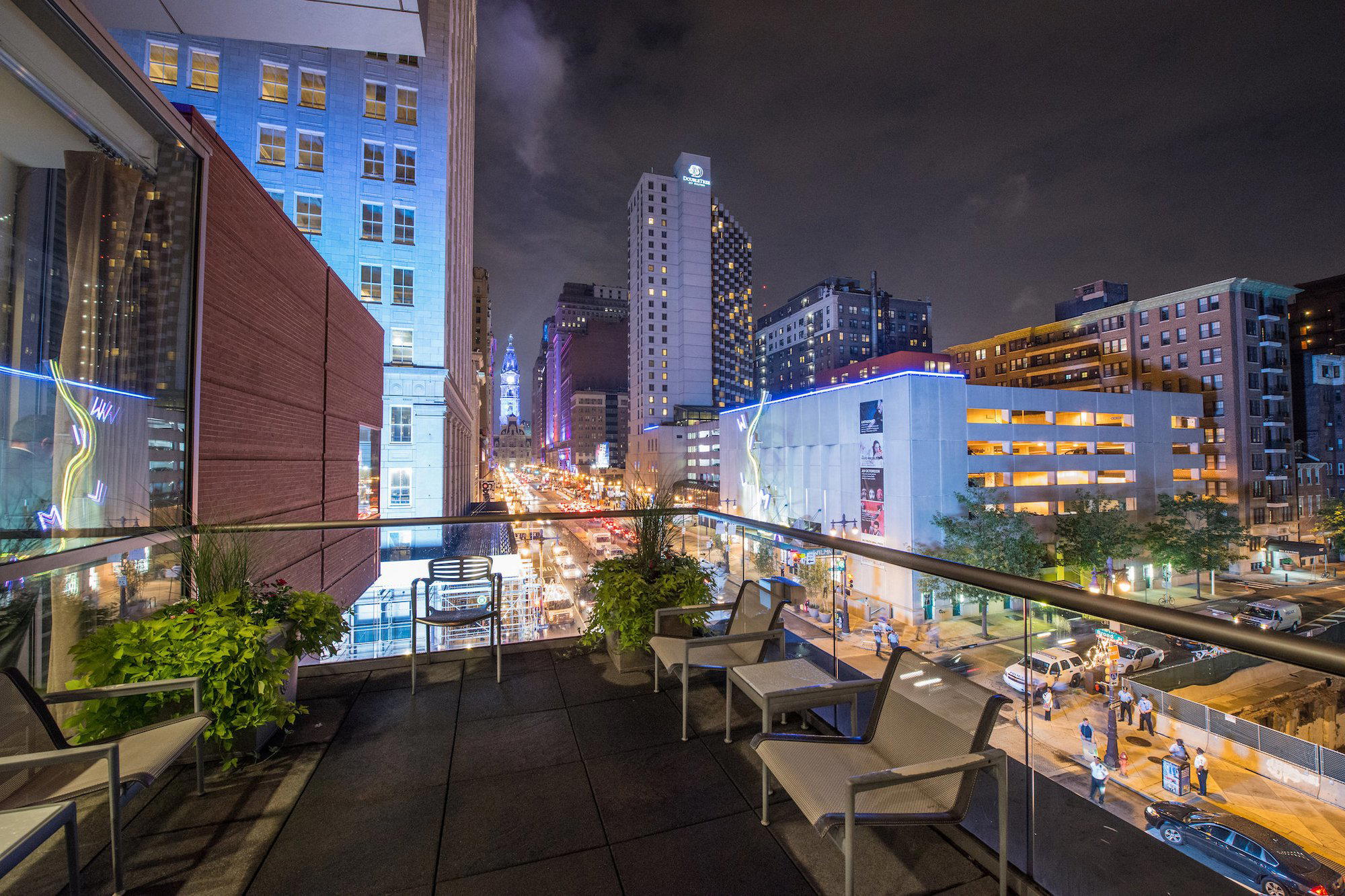
Philadelphia's independent restaurant tier has become one of the more consistent in the mid-Atlantic region. The city occupies an interesting position nationally: large enough to sustain genuine competition and a skilled-labor pipeline, but without the cost structures of New York or Los Angeles that force independent restaurants toward either the cheap or the expensive. This compression has been good for mid-range quality. A restaurant like Mercato can operate in a price bracket that would be difficult to sustain in comparable Manhattan or San Francisco neighborhoods.
The competitive set for a Spruce Street Italian restaurant includes both the legacy institutions of South Philly and the newer, more edited trattorias of Rittenhouse and Fitler Square. At the higher end of the city's dining spectrum, the frame shifts entirely: the tasting-menu and destination-dining conversation in the United States runs through places like Blue Hill at Stone Barns, Smyth in Chicago, or Addison in San Diego. Mercato is not in that conversation and doesn't need to be. Its register is different: the neighborhood Italian with enough seriousness to satisfy a critical diner and enough warmth to function as a regular's room.
For a fuller picture of where Mercato sits among Philadelphia's independent dining options, the EP Club Philadelphia restaurants guide maps the city's dining character across neighborhoods and cuisine types. Internationally, the farm-to-table precision of Single Thread Farm in Healdsburg, the California seafood authority of Providence in Los Angeles, the New Orleans institution of Emeril's, the old-world European craft of Atelier Moessmer Norbert Niederkofler in Brunico, and the Virginia grandeur of The Inn at Little Washington all represent what stronger examples from the American and European fine-dining market looks like. Mercato operates several tiers below that ceiling, which is precisely what makes it useful: not every dinner requires that level of commitment or expense.
Planning Your Visit
Mercato is at 1216 Spruce Street, Philadelphia, PA 19107, in the Washington Square West neighborhood. The address is walkable from the Walnut-Locust station on the Broad Street Line and within a short distance of Center City hotels. As a small independent restaurant in a high-demand corridor, reservations are advisable, particularly for weekend evenings when the neighborhood's dining rooms fill early. Because current hours, booking channels, and pricing were not confirmed at the time of publication, checking directly with the restaurant before visiting is one reliable approach.