Osteria
Our verdict
Osteria on Biscayne Boulevard sits at a crossroads moment for Miami Italian dining, where the neighborhood's northward creative drift has begun reshaping what an osteria format can mean in this city. Located at 8001 Biscayne Blvd in the Upper Eastside corridor, the restaurant occupies a stretch of Miami that has quietly accumulated serious dining options over the past decade, placing it in an interesting peer conversation with the city's broader Italian and contemporary scene.

Pearl is the En Primeur Club membership app — saves, bookings, and concierge access live there. Same editors, same standards.
- Address
- 8001 Biscayne Blvd, Miami, FL 33138
- Phone
- (305) 571-6249
- Hours
- Mon ClosedTue–Thu 5–10:30 PMFri–Sat 5–11 PMSun 12–10 PM
- Website
- osteria.miami
- Directions
- Get directions
- Booking
- Book on OpenTable
The menu
What to order
- Cacio e Pepe
- Spaghetti alle Vongole
- Tiramisu
Biscayne Boulevard and the Northward Drift of Miami Dining
For much of Miami's restaurant history, serious dining meant Brickell, the Design District, or South Beach. The corridor running north along Biscayne Boulevard through the Upper Eastside was, until relatively recently, an afterthought on most informed visitors' itineraries. That has changed. The stretch around the 7000 and 8000 blocks has accumulated a density of independently operated restaurants that increasingly pull diners away from the city's more established, higher-profile zones. Osteria, at 8001 Biscayne Blvd, sits squarely in this shift.
The evolution is worth understanding in context. Miami's dining scene has undergone several distinct reinventions over the past two decades: the celebrity-chef hotel era of the 2000s, the craft-cocktail and farm-table interlude of the early 2010s, and more recently a wave of smaller, operator-driven rooms that prioritize depth of concept over spectacle. The Upper Eastside has become a natural home for this third phase, in the same way that certain Brooklyn neighborhoods absorbed New York's post-fine-dining energy, or the way Mission District independents in San Francisco predated a broader reassessment of where that city's most interesting cooking was happening. Venues like Boia De helped establish that Italian cooking in Miami could occupy a serious, chef-driven register without the formality or price points of hotel dining rooms.
What the Osteria Format Means in This City
The word osteria carries specific weight in Italian dining tradition. Historically, an osteria was the more casual, neighborhood-facing sibling of a ristorante: simpler preparations, local wine, a menu shaped by what was available rather than what impressed. In the American context, the format has been reinterpreted repeatedly, sometimes as a vehicle for rustic authenticity, sometimes as cover for something more ambitious dressed down aesthetically. In Miami specifically, the Italian dining register spans a wide range, from white-tablecloth rooms with extensive tasting menus to fast-casual pasta operations, with only a handful of addresses occupying the genuinely middle-ground, operator-led position that the osteria label implies at its most serious.
Upper Eastside placement matters here. A restaurant at this address is not competing primarily against the Design District's more formal Italian options, nor against the tourist-facing South Beach market. Its competitive conversation is with other neighborhood-anchored independents on the same corridor, which means the comparison set includes Ariete in Coconut Grove, a modern American room that has sustained serious culinary attention at a similar operator scale, and the broader wave of Miami independents that have renegotiated what value and atmosphere look like outside the hotel dining context.
The Reinvention Pressure Facing Miami Italian Right Now
Italian cooking in American cities is in the middle of a significant reassessment. The red-sauce institution, the high-end Tuscany-referencing fine dining room, and the fast-casual pasta bar each represent a different generational response to how Italian food gets framed for non-Italian audiences. What has become more interesting, and more editorially relevant, is the cohort of restaurants attempting to work through Italian regional specificity without either nostalgic cliché or over-intellectualized concept. In Miami, that conversation sits alongside other ambitious independent rooms: Cote Miami has demonstrated that a single-format, deeply researched dining concept can build real staying power in this market, while ITAMAE has shown that Miami's Peruvian-Japanese register can sustain serious critical attention at a neighborhood scale.
The broader American fine dining conversation provides useful orientation. Restaurants like Le Bernardin in New York City, Alinea in Chicago, and The French Laundry in Napa represent one end of the American dining spectrum: institutionally recognized, format-stable, operating in a register defined by decades of consistent identity. At the other end, places like Lazy Bear in San Francisco and Blue Hill at Stone Barns in Tarrytown have used concept clarity and sourcing philosophy to build peer-set credibility outside the traditional Michelin framework. Miami's most compelling independent restaurants are increasingly navigating toward the latter model, building identity through consistency and specificity rather than award-driven validation cycles. Globally, the Italian format has proven it can carry serious fine dining weight, as 8½ Otto e Mezzo Bombana in Hong Kong demonstrates in a very different geographic context.
The Upper Eastside as a Planning Consideration
For visitors organizing a Miami itinerary, the Biscayne Boulevard corridor requires a deliberate choice. It is not a walk-by discovery zone in the way that certain South Beach blocks or the Wynwood perimeter operate. Arriving on purpose, with a reservation, is the standard mode. The address at 8001 Biscayne places Osteria north of the main Wynwood cluster and south of the Little Haiti transition point, in a stretch that has genuine neighborhood character without the self-conscious design-district finish that marks Miami's more polished hospitality blocks. For Miami dining references from across the city, our full Miami restaurants guide maps the broader scene by neighborhood and format.
Seasonality shapes Miami dining more than most American cities acknowledge. The October-to-April window concentrates the highest-demand dining period, when snowbird and tourist volumes push reservation lead times at serious independent restaurants considerably further out than the summer baseline. Any upper-tier independent operating in this corridor will feel that compression during peak months. For comparison, L'Atelier de Joël Robuchon Miami in the Design District represents the hotel-anchored formal end of Miami French cooking, a useful contrast point for understanding where an independent Italian room sits in the city's broader dining geography. Other American high-format rooms like Providence in Los Angeles, Addison in San Diego, Atomix in New York City, The Inn at Little Washington, and Emeril's in New Orleans demonstrate how American fine dining has evolved across different regional contexts, each developing distinct identities tied to their cities. Single Thread Farm in Healdsburg offers another reference point for how the farm-to-table philosophy has matured into something more architecturally defined at the top of the American independent market.
Frequently asked questions
What should I eat at Osteria?
How far ahead should I plan for Osteria?
Is Osteria suitable for a special occasion dinner in Miami?
What It’s Closest To
Comparable venues nearby, for context on price, style, and recognition.
| Venue | Cuisine | Price | Notes |
|---|---|---|---|
| OsteriaThis venue — the venue you are viewing | Authentic Italian Osteria | Not listed | Not listed |
| La Ferneteria | Modern Italian Rooftop | $50–100 | Miami Fashion District |
| Rosaluna | Authentic Italian | $30–50 | Downtown |
| Ristorante Fratelli Milano | Traditional Italian Pasta House | $30–50 | Miami Jewelry District |
| San Lorenzo Ristorante | Traditional Italian Trattoria | $50–100 | Shorecrest |
| 'O Munaciello Coral Way | Authentic Neapolitan Pizza & Italian | $30–50 | Coral Way |
Continue exploring
More in Miami
Restaurants in Miami
Browse all →

Details
- Cozy
- Classic
- Intimate
- Elegant
- Date Night
- Family
- Casual Hangout
- Private Dining
- A La Carte
Current opening hours
- Monday
- Closed
- Tuesday
- 5–10:30 PM
- Wednesday
- 5–10:30 PM
- Thursday
- 5–10:30 PM
- Friday
- 5–11 PM
- Saturday
- 5–11 PM
- Sunday
- 12–10 PM
Hours can change for holidays and private events. Last verified .
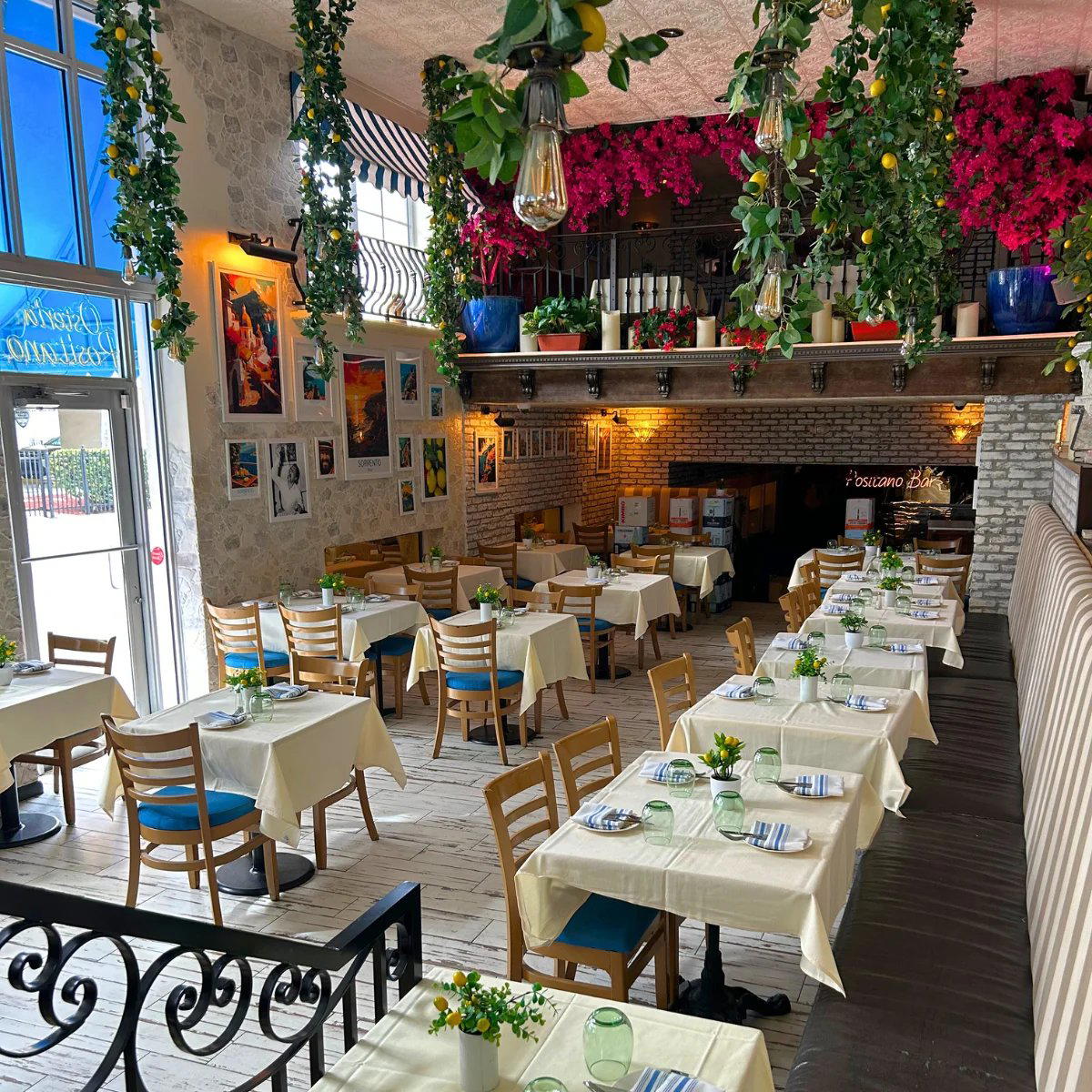
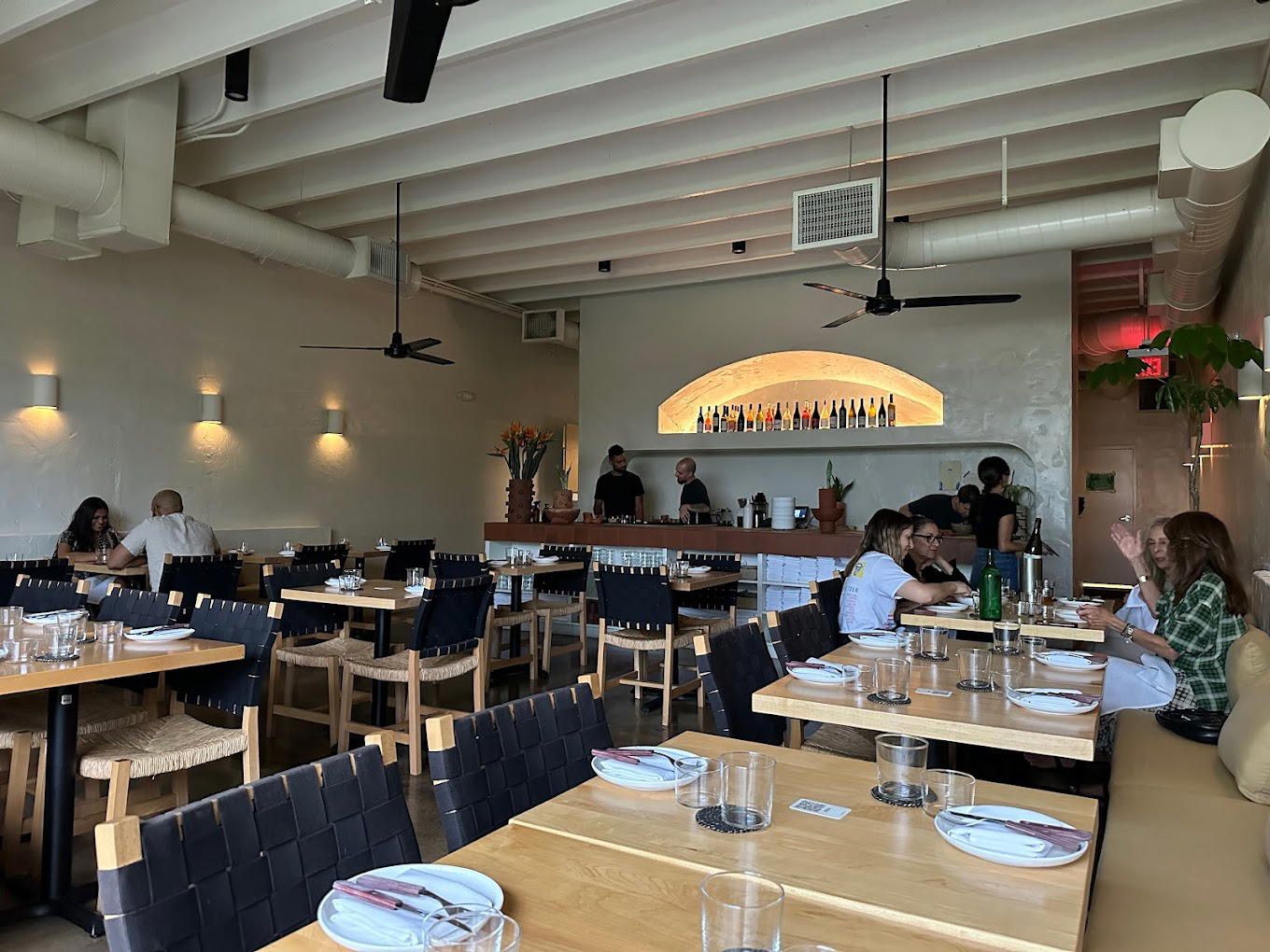
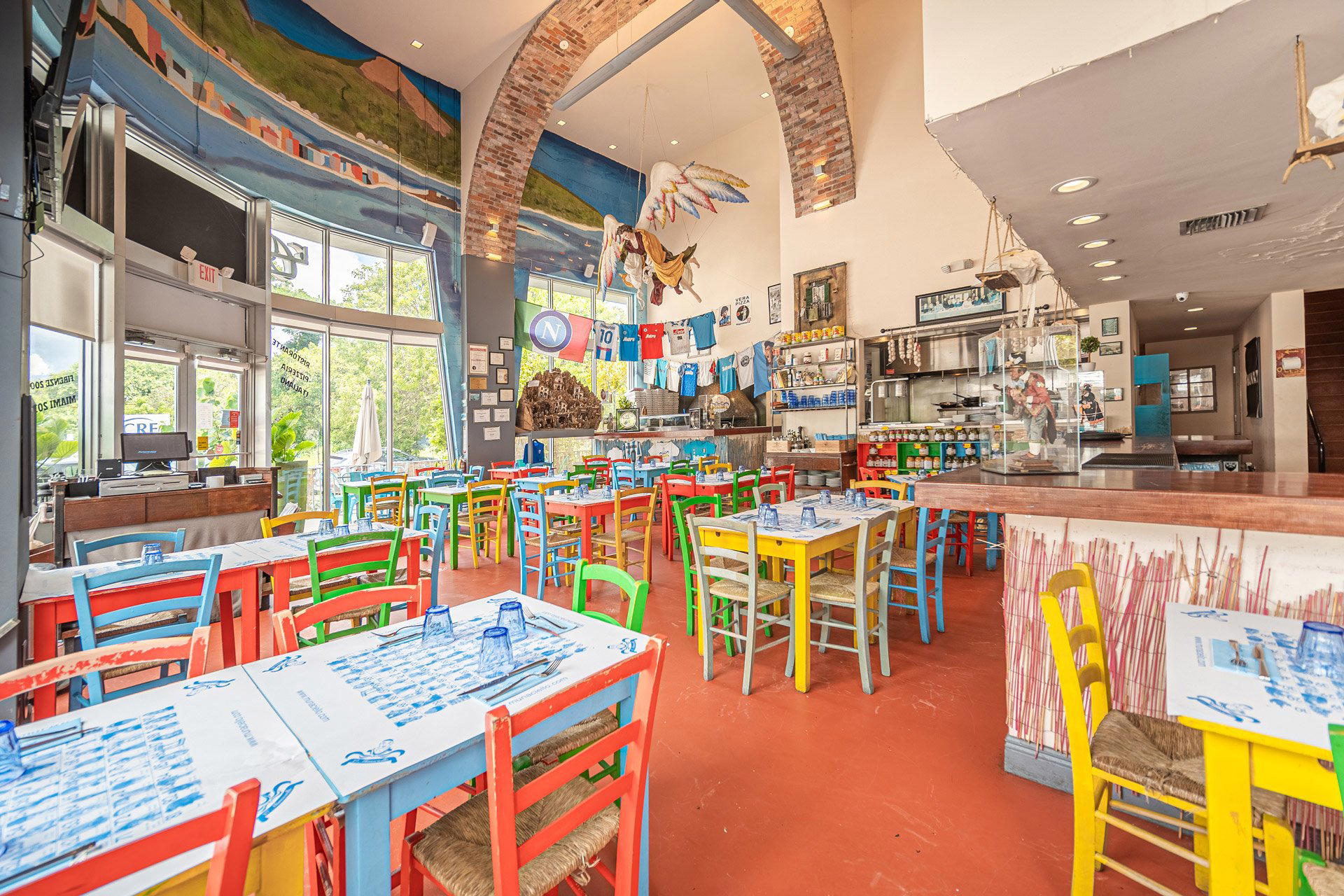
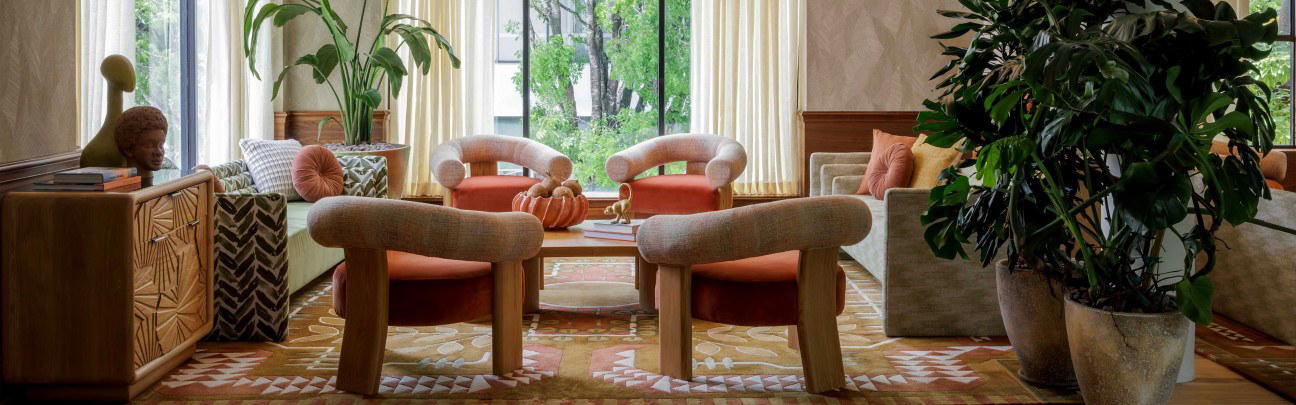
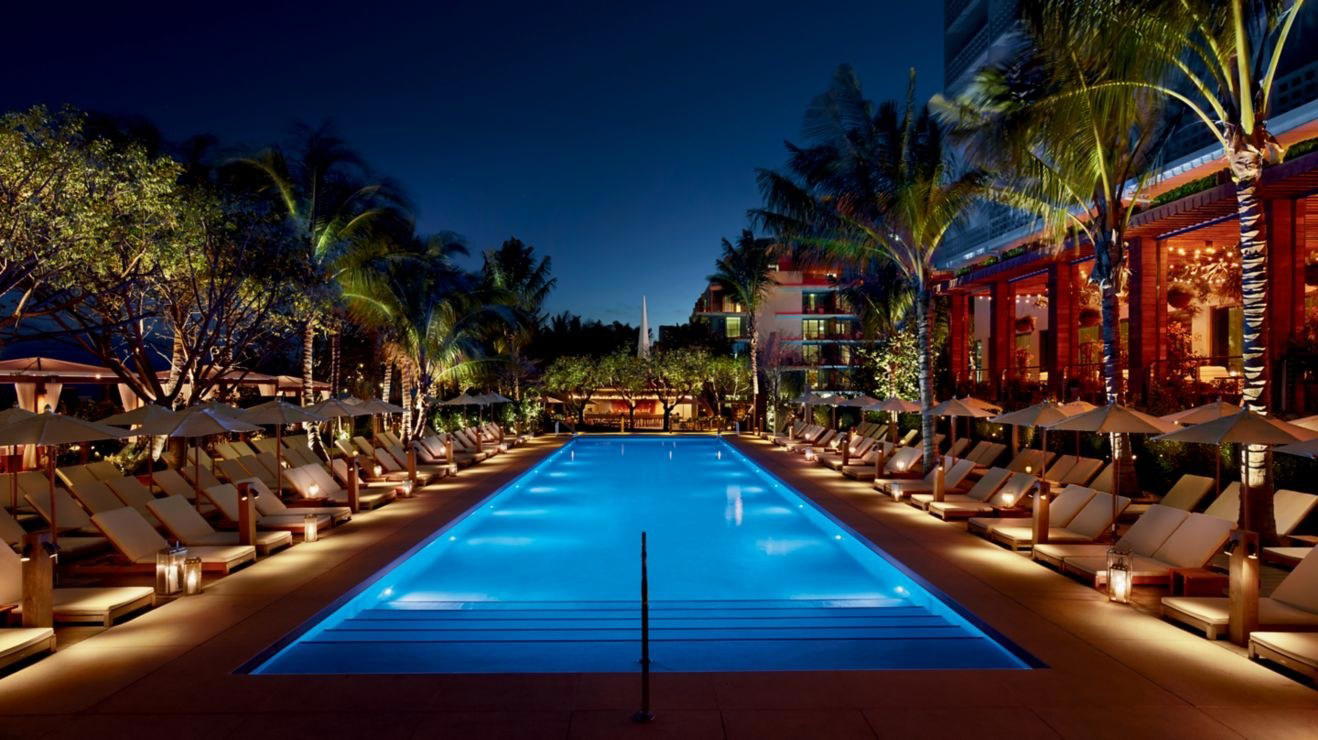
Warm, lively, and cozy with nostalgic black and white Italian wall prints, lively yet conversational atmosphere.