La Ferneteria
Our verdict
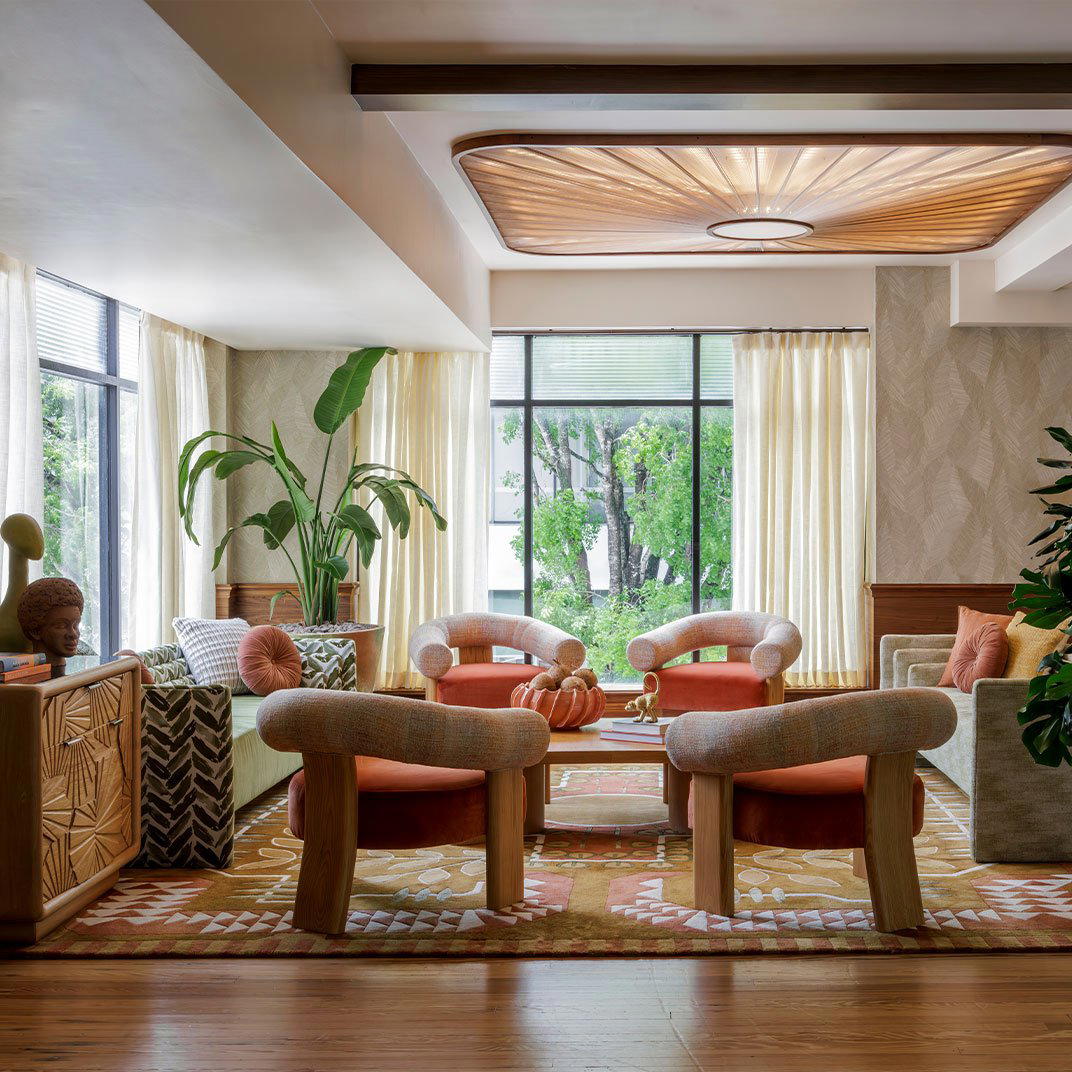
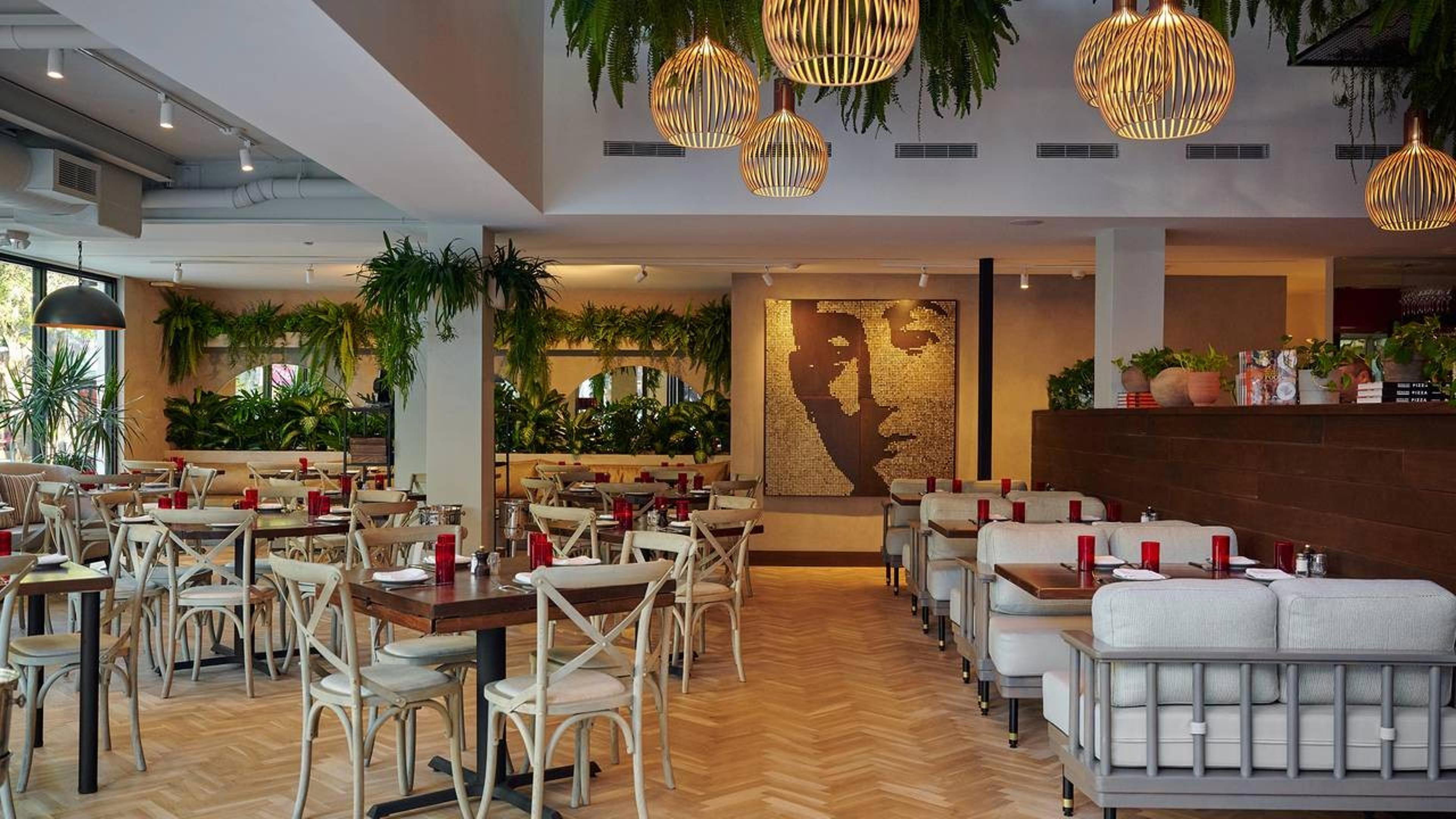
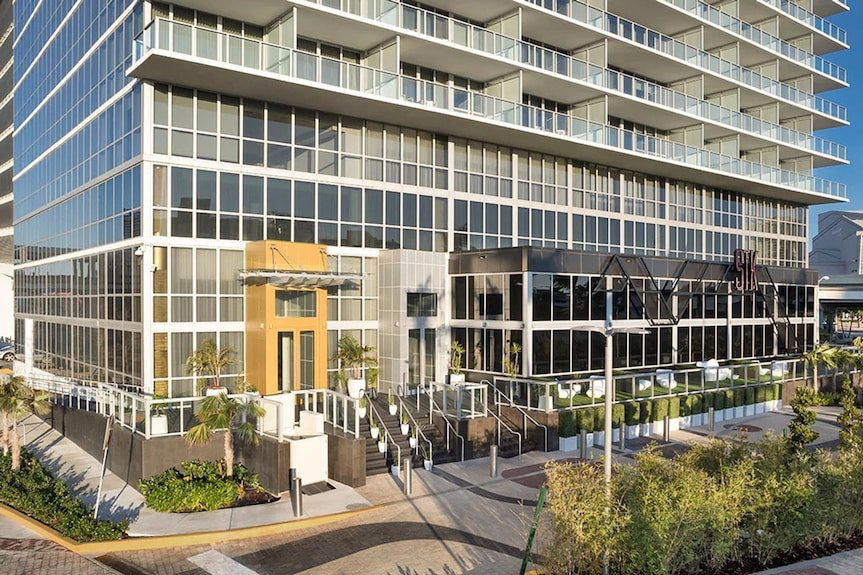
On the ninth floor of a Wynwood building at 230 NW 24th Street, La Ferneteria operates within Miami's most creatively charged neighborhood, where the line between bar program and kitchen has grown increasingly thin. The venue draws on the city's Latin American pantry while applying technique that looks outward toward Europe and beyond, a convergence that defines how Miami's serious dining scene now positions itself.

Pearl is the En Primeur Club membership app, where members save venues, book tables and use the concierge.
The menu
What to order
- Seafood Risotto
- Pasta alla Puttanesca
- Grilled Octopus
- Margherita Pizza
- Fettuccine al Tartufo Nero
Wynwood at Altitude: What the Ninth Floor Signals
Miami's Wynwood district has spent the better part of a decade shedding its reputation as a daytime gallery crawl and reasserting itself as a place where serious hospitality happens after dark. The neighborhood's conversion of warehouse and industrial space into multi-level venues is not accidental, developers and operators understand that vertical separation creates a distinct arrival experience, one that street-level rooms rarely achieve. La Ferneteria occupies the ninth floor of a building at 230 NW 24th Street, which means the approach involves an elevator ride rather than a front door, and the city view from that height reframes Wynwood's rooftop infrastructure as a kind of skyline in miniature. That physical remove from the street is its own editorial statement about what kind of room this is.
The name itself is a signal. Fernet, the bitter, herbal amaro produced primarily in Argentina and consumed ritualistically there as a digestif, often mixed with Coca-Cola in a pairing that Argentines defend with the same seriousness Americans reserve for bourbon, gives the venue its identity anchor. In Miami, where Venezuelan, Colombian, Argentine, and Cuban populations all maintain distinct cultural poles, the choice to center a room on a specifically Argentine reference positions La Ferneteria within a particular current of the city's Latin American identity rather than gesturing vaguely at the whole continent.
Where Miami's Latin Pantry Meets Imported Technique
The intersection of local ingredients and globally sourced method is where Miami's most interesting kitchens currently operate. A decade ago, the city's fine dining conversation was largely imported wholesale, French technique, Japanese precision, New York credentialism. What has shifted is the directional logic. Venues that now generate the most attention in Miami are those that run the technique equation in reverse: training acquired in Lyon or Tokyo applied to produce sourced from Florida's coast, the Caribbean basin, or South America's agricultural interior.
This is the same creative framework that has produced notable work at venues like ITAMAE, where Peruvian-Japanese method is applied to Gulf and Atlantic seafood, and at Ariete in Coconut Grove, where modern American technique engages directly with Miami's Cuban heritage. The pattern is consistent enough across the city's better rooms that it now constitutes a recognizable Miami culinary position rather than individual novelty. La Ferneteria's address places it squarely within this conversation, operating from a neighborhood that has become a testing ground for exactly this kind of hybrid ambition.
For comparative context within the broader American scene, the technique-over-terroir model has operated for years at destination rooms like Blue Hill at Stone Barns in Tarrytown and Single Thread Farm in Healdsburg, though those rooms anchor the ingredient-sourcing argument in hyper-local agricultural specificity. Miami's version of the same logic runs through imported produce and diaspora pantries rather than farm-adjacent localism, a distinction that makes the city's take genuinely its own.
The Bar Program as Editorial Statement
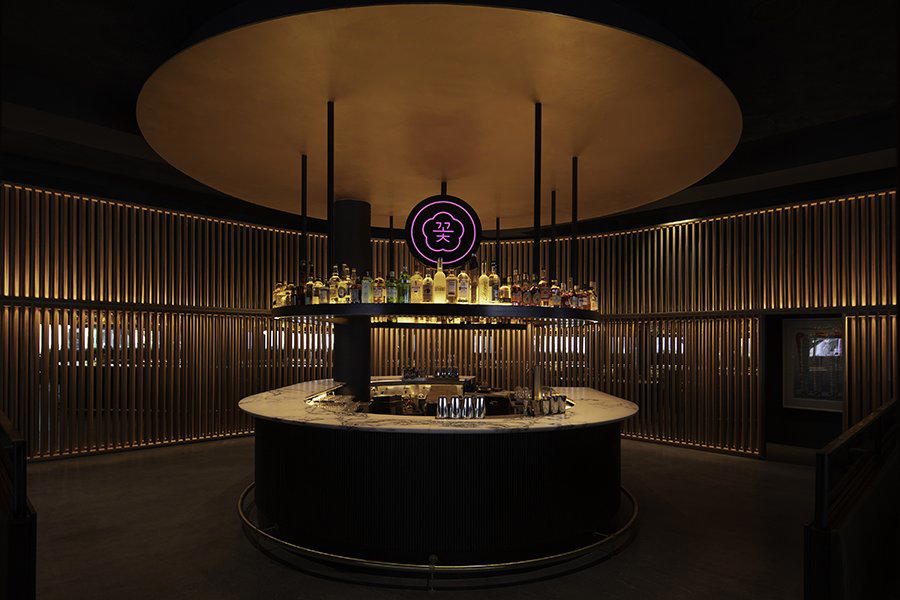
In Miami's current hospitality moment, the bar program is rarely incidental. Rooms that arrived in the last five years have largely abandoned the model where drinks exist to occupy guests before food arrives. Instead, the cocktail list functions as an argument about identity, sourcing, and technique, often as considered as the kitchen's output. The Fernet reference embedded in La Ferneteria's name suggests the bar operates with a similar intentionality, positioning bitter, complex amaro-adjacent flavors as a through-line rather than an afterthought.
Miami's cocktail culture has matured considerably over the past decade, moving from tropical-by-default (rum, citrus, sweetness) toward programs that treat South American spirits, Caribbean agricultural rum, and European digestifs as serious vocabulary. The venues leading that shift have drawn comparison to the broader American bar scene's technical turn, a movement documented at rooms like Lazy Bear in San Francisco and, at the highest technical register, Le Bernardin in New York, which redefined what a beverage program could mean within a fine dining context. La Ferneteria's naming choice aligns it with the more serious end of that local spectrum.
Wynwood's Competitive Set
Understanding La Ferneteria means understanding what Wynwood has become for Miami dining. The neighborhood now functions as the city's most concentrated zone of culinary experimentation, distinct from South Beach's hotel-driven dining economy and Brickell's corporate-expense-account register. Wynwood venues compete on concept clarity and cultural specificity rather than on square footage or celebrity chef attachment. Within that frame, La Ferneteria's Argentine identity anchor and refined physical position give it a clear competitive angle.
The comparison set across Miami's higher-ambition rooms includes Boia De, which applies Italian technique to an intimate, counter-focused format in Little Haiti, and Cote Miami, where Korean steakhouse tradition is executed at a price point and production level that competes nationally. Both demonstrate the model that works in Miami's current dining economy: a clear cultural identity, technique that signals serious training, and a format that creates genuine demand rather than relying on foot traffic. For a broader survey of where La Ferneteria fits within the city's full dining range, the EP Club Miami restaurants guide maps the complete competitive terrain.
Nationally, the ambition level at Miami's better independent rooms now competes with destination venues in cities with longer fine dining histories. The reference points are no longer just local: Alinea in Chicago, Atomix in New York, Providence in Los Angeles, and The French Laundry in Napa all represent the ceiling of American serious dining. Miami's independent operators, increasingly, are measuring themselves against that ceiling rather than against the city's own recent past. Internationally, the conversation extends further: 8½ Otto e Mezzo Bombana in Hong Kong represents the kind of Italian technique applied in a non-European context that Miami venues have begun to approximate with their own Latin American material.
Planning Your Visit
La Ferneteria is located at 230 NW 24th Street, ninth floor, in Wynwood. The address puts it within walking distance of the neighborhood's gallery and restaurant corridor, though the vertical position means arriving with enough time to orient before service begins is sensible. Wynwood parking is available in several surface lots along NW 24th and NW 25th Streets, and rideshare drop-off along NW 2nd Avenue is direct given the neighborhood's established hospitality infrastructure. Given the sparse public information currently available for La Ferneteria, no booking platform, hours, or pricing are listed in EP Club's database at this stage, contacting the venue directly before planning a visit is advisable. Additional Miami context, including peer venues across multiple neighborhoods and price tiers, is available through L'Atelier de Joël Robuchon Miami for the French fine dining register and Emeril's in New Orleans and Addison in San Diego for comparable American ambitious dining formats. For Washington's high-end counterpart, The Inn at Little Washington represents the kind of long-established destination dining that Miami's newer independents are increasingly measured against.
Frequently asked questions
Is La Ferneteria a family-friendly restaurant?
La Ferneteria sits on the ninth floor of a Wynwood building, which signals a bar-forward concept rather than a family dining destination. The neighborhood itself skews toward an adult evening crowd, and the bar program is central to the room's identity. Families with young children will find more accommodating options elsewhere in Miami.
What's the vibe at La Ferneteria?
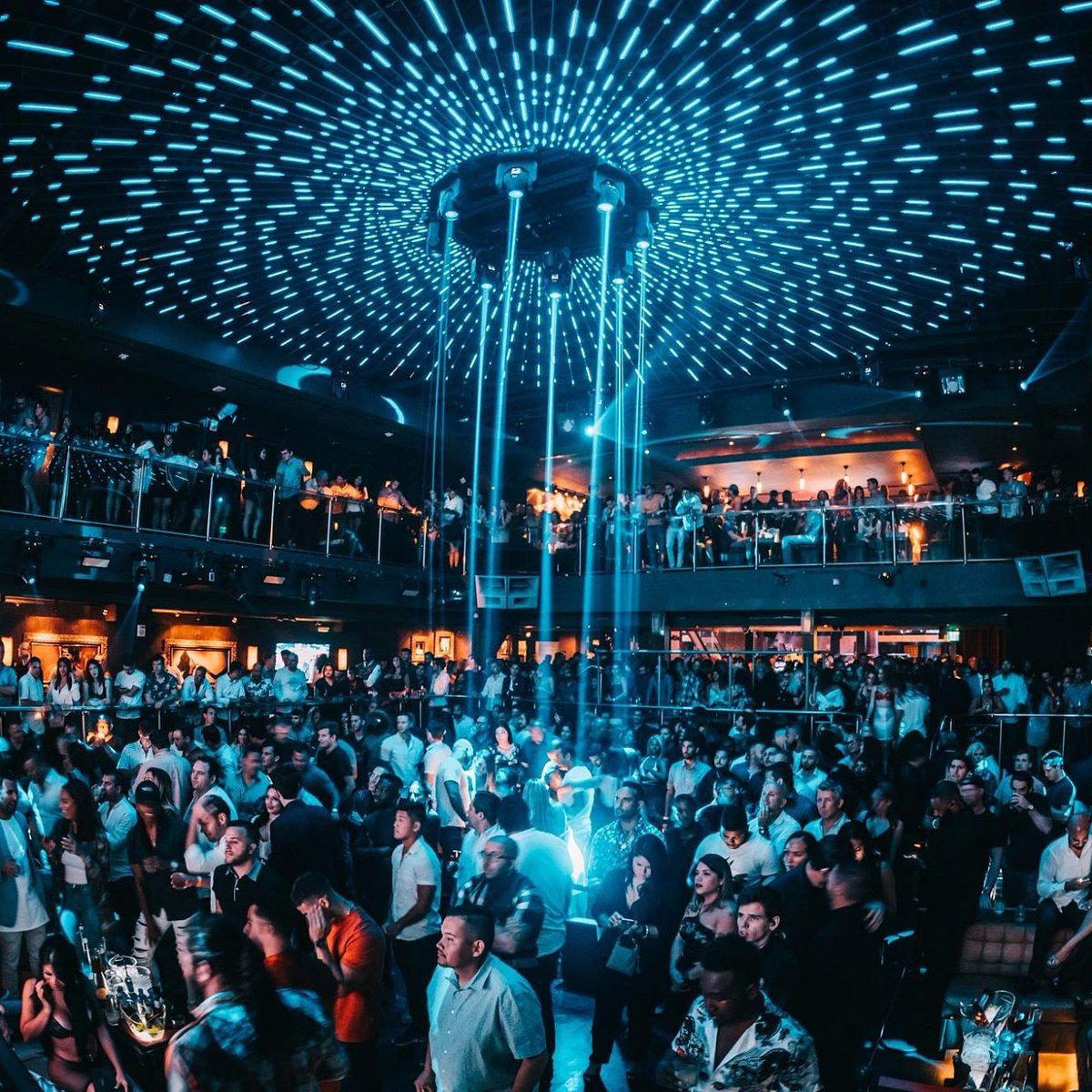
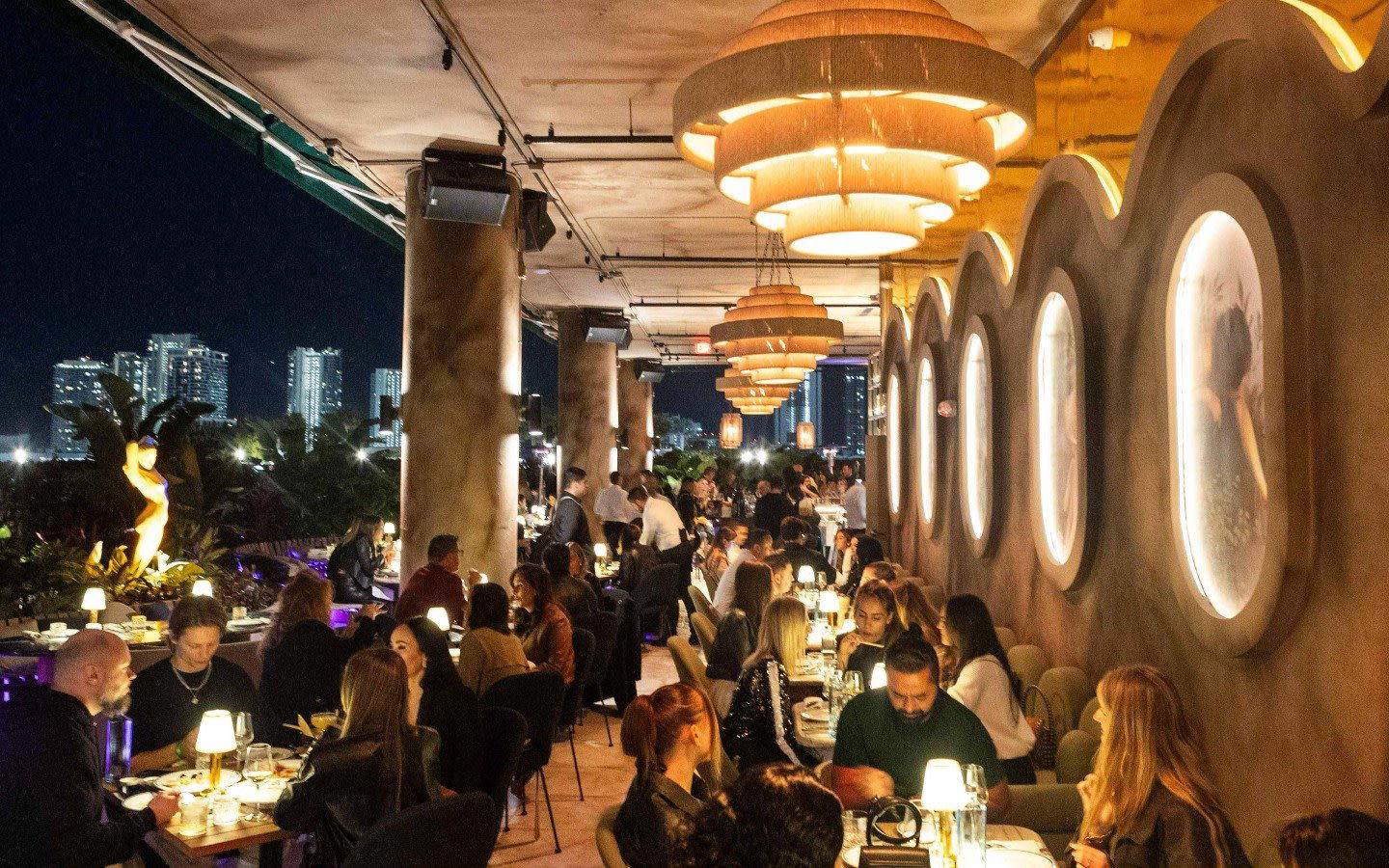
The ninth-floor address in Wynwood sets the tone before you arrive: this is a room that rewards the effort of getting there. Wynwood's current hospitality moment favors serious bar programs over dining-room formality, and La Ferneteria fits that pattern, with Latin-inflected references running through both the food and the drinks. The altitude gives it a different register from the street-level galleries and pop-ups that define the neighborhood during daylight hours.
Does La Ferneteria have a rooftop or outdoor seating area on the ninth floor in Wynwood?
La Ferneteria is located on the ninth floor at 230 NW 24th Street in Miami's Wynwood district, which positions it well above the neighborhood's street-level activity. Given the address and altitude, contacting the venue directly before visiting is the most reliable way to confirm seating arrangements.
What dish is La Ferneteria famous for?
What the venue's positioning in Wynwood and its bar-forward format do suggest is that the kitchen likely supports the drinking experience rather than leading it.
What's the address for La Ferneteria?
La Ferneteria is located at 230 NW 24th St 9th Floor, Miami, FL 33127, Miami.
Accolades, Compared
Comparable venues nearby, for context on price, style, and recognition.
| Venue | Cuisine | Price | Awards | Notes |
|---|---|---|---|---|
| La FerneteriaThis venue (the venue you are viewing) | Modern Italian Rooftop | $50–100 | Not listed | Not listed |
| Casa Gianna | Modern Italian Trattoria | $50–100 | Not listed | Park West |
| Zucca | Modern Italian Fine Dining | $50–100 | Star Wine List · Wine Spectator Best of Award of Excellence | Downtown Coral Gables |
| 11th Street Pizza | New York-Style Sourdough Pizza | $30–50 | Not listed | Park West |
| Soya e Pomodoro | Authentic Southern Italian Trattoria | $30–50 | Not listed | Miami Jewelry District |
| Mister 01 Extraordinary Pizza | Extraordinary Star-Shaped Pizza | $20–30 | Not listed | Miami Riverwalk |