Osteria Enoteca Cuntitt

1 Michelin Star
Our verdict
A Michelin-starred osteria set in a Lombard-style farmhouse in the small historic village of Castel San Pietro, Osteria Enoteca Cuntitt brings modern Italian cooking with regional Ticinese inflections to the Swiss-Italian border. The kitchen leans on quality vegetables and precise technique, with a cellar stocked with regional labels and Champagne. Open for lunch and dinner Thursday through Saturday, closed Wednesday and Sunday.

Pearl is the En Primeur Club membership app, where members save venues, book tables and use the concierge.
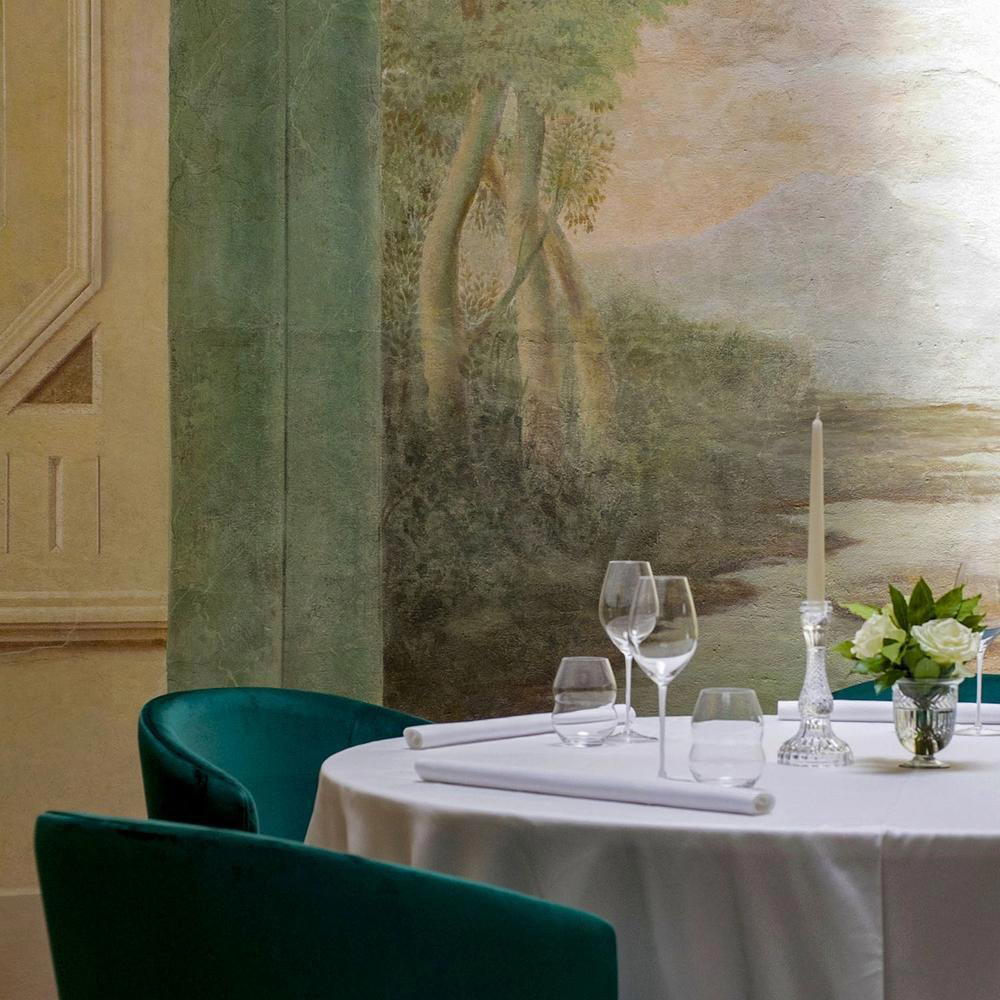
The menu
What to order
- Pork Shoulder
- Milk Ravioli
- Kristal Caviar with Blini
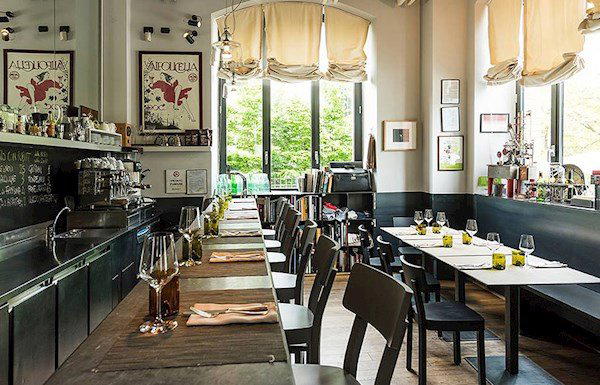
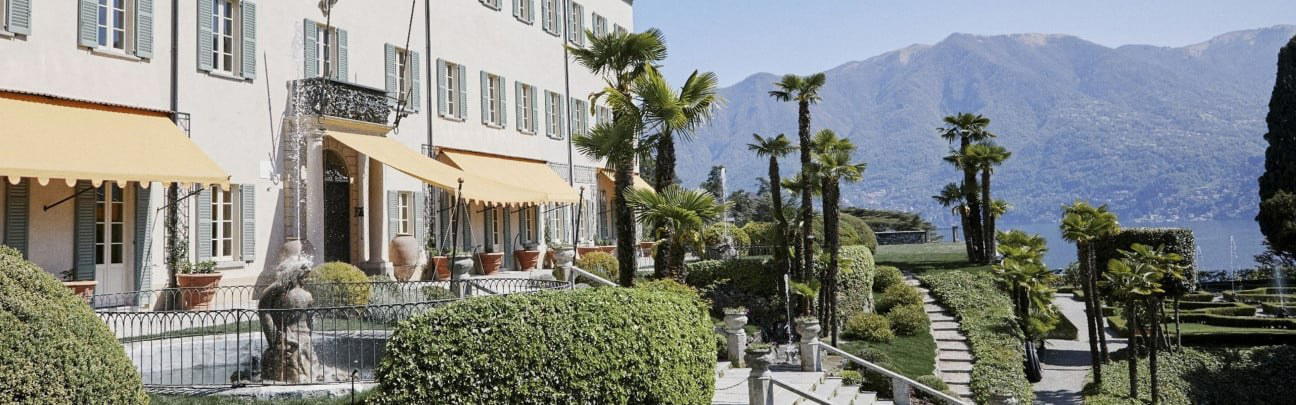
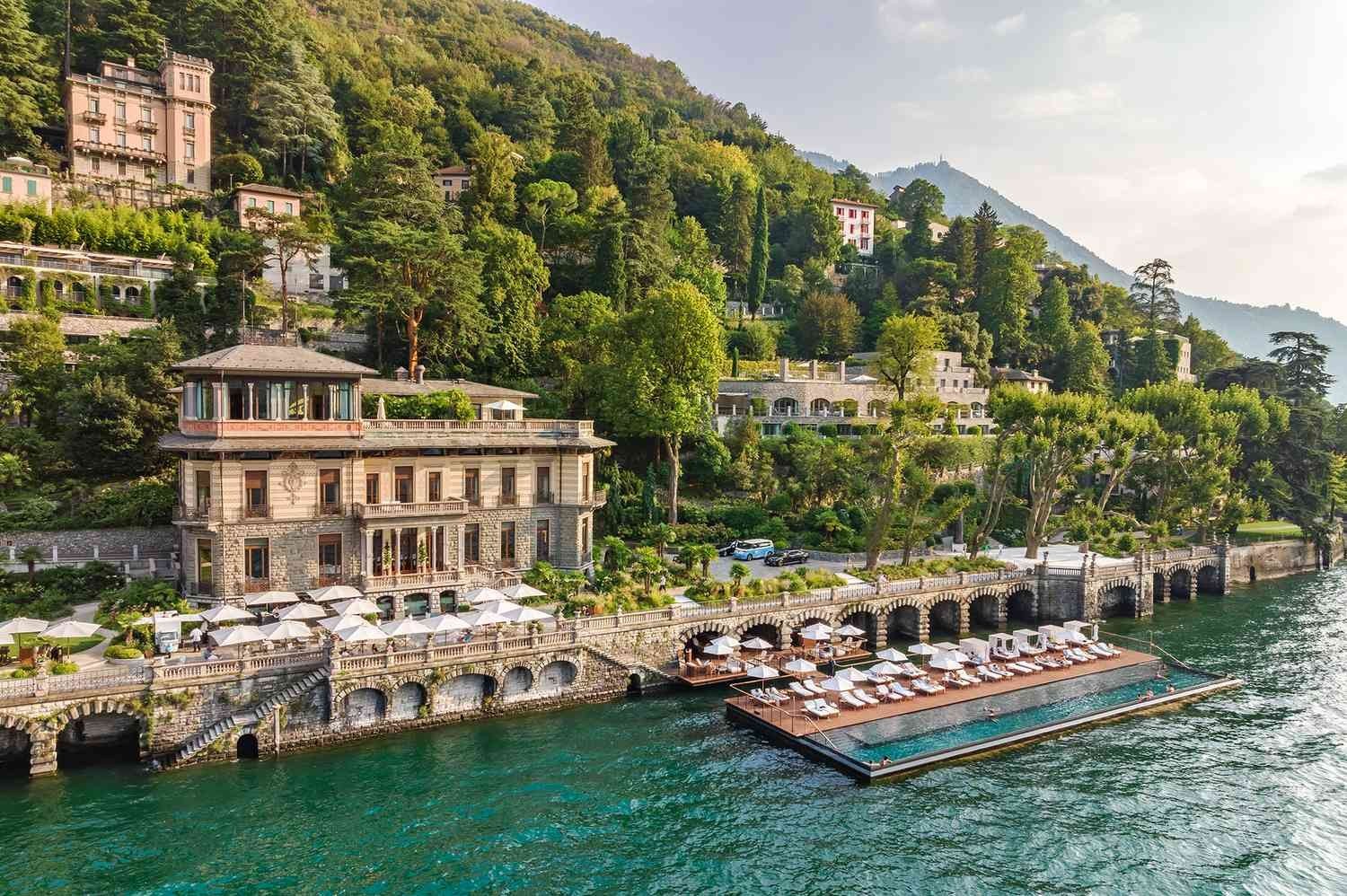
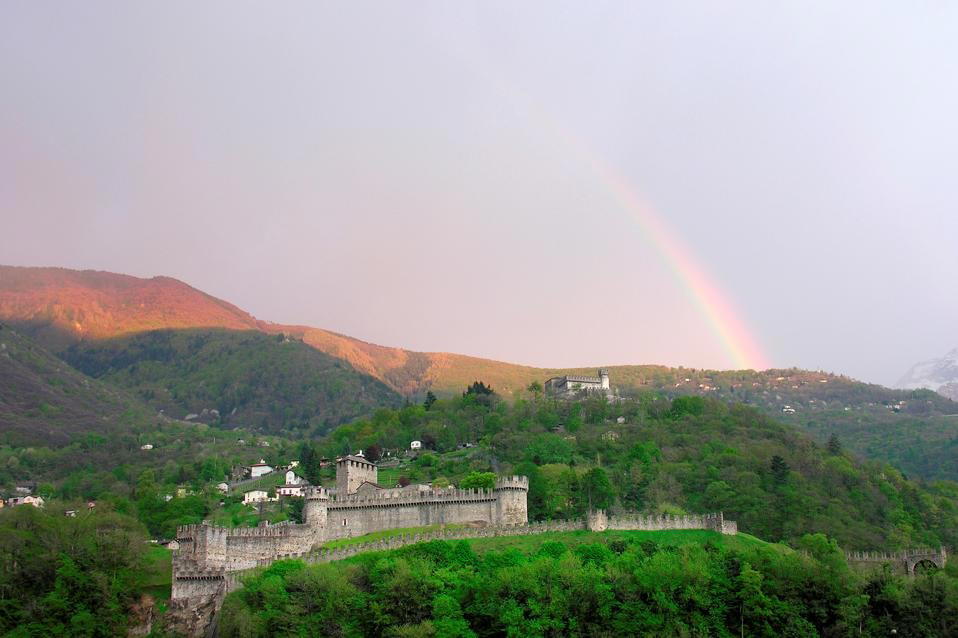
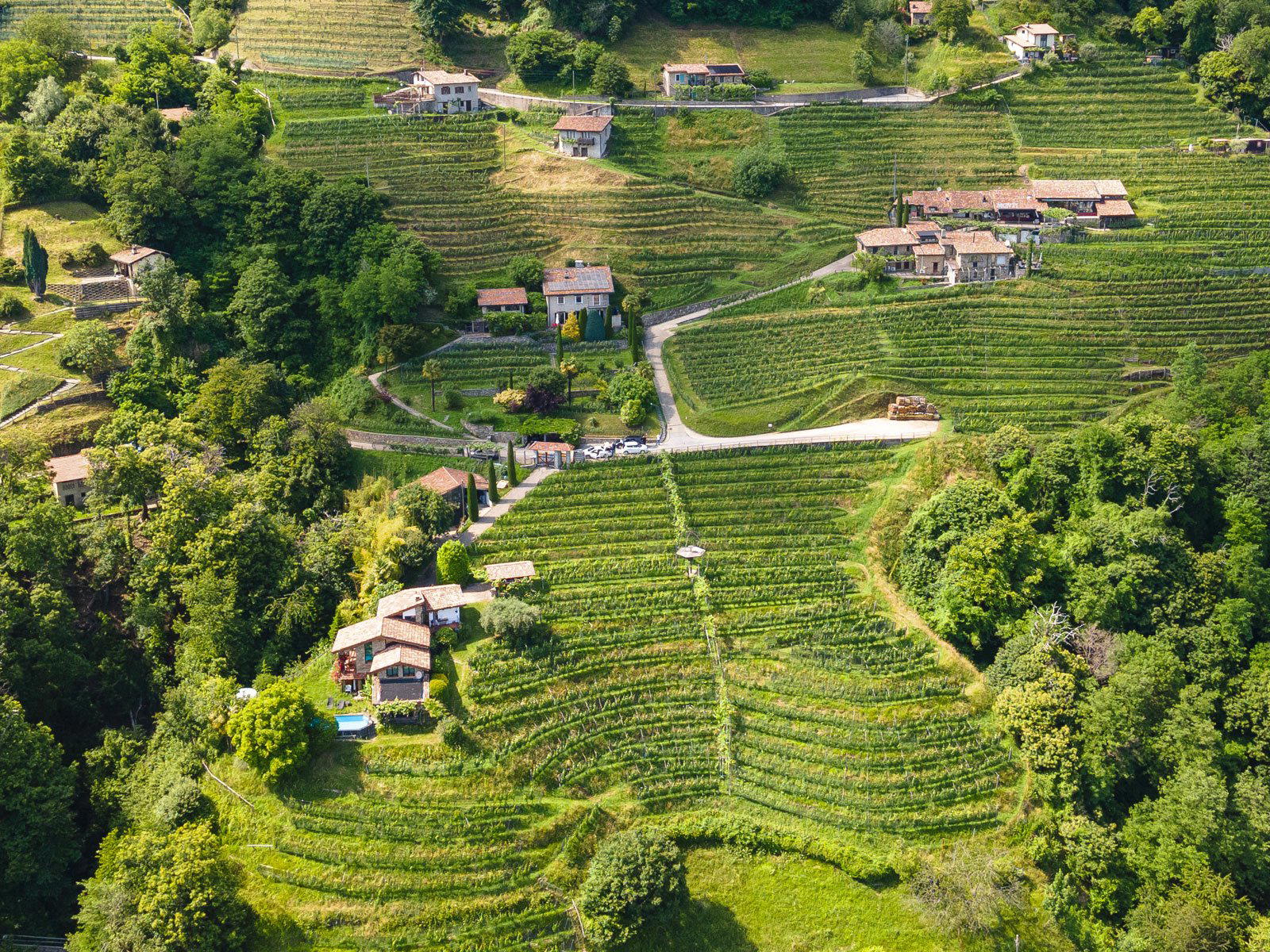
The Mendrisiotto district occupies a narrow strip of Italian-speaking Switzerland wedged between the cantons of Graubünden and the Lombardy plain, and it has long operated as a cultural relay point between Swiss precision and Italian culinary instinct. Villages here look and feel Lombard, stone churches, terracotta rooflines, vine-covered farmhouses, yet they sit firmly inside the Swiss administrative and gastronomic orbit. It is in this particular kind of borderland, where the categories of 'Swiss restaurant' and 'Italian trattoria' blur productively, that Osteria Enoteca Cuntitt has built its identity. The farmhouse that houses it, in the compact historic centre of Castel San Pietro just above Mendrisio, is exactly the kind of structure these villages have been repurposing for serious dining for decades: thick-walled, unhurried in atmosphere, its architecture doing much of the welcome work before a plate arrives.
Where Ticinese Cooking Meets Northern Italian Tradition
To understand what the kitchen at Cuntitt is doing, it helps to understand the culinary lineage of the Ticino. The canton has never belonged cleanly to any single Italian regional tradition. It shares the emphasis on rice, polenta, and lake fish with Lombardy, while drawing on Alpine ingredient logic, preserved meats, aged cheeses, root vegetables, that aligns it more with the northern arc from Piedmont through the Engadine. What contemporary Ticinese cooking at the serious end tends to do is use this hybrid inheritance as permission: not to reproduce Milanese or Piemontese cooking faithfully, but to work in a register that is recognisably Italian without being regionally specific to any one tradition. The result, when it works, is modern Italian cuisine with genuine local rootedness rather than a generic 'contemporary Italian' template applied from outside.
Cuntitt holds a Michelin star (2024), which places it in a small tier of Ticino restaurants, and a still smaller group in the Mendrisiotto specifically, that have attracted sustained international recognition for this kind of cooking. The guide's own language for the restaurant points to modern Italian cuisine with regional influences, caviar selections, and a notable commitment to vegetables. The pigeon with carrots is flagged explicitly in Michelin's notes, a dish that illustrates the kitchen's approach: classical protein-cookery intelligence applied to a menu that gives vegetables equal structural weight rather than treating them as garnish.
For comparison with the wider Swiss fine-dining field, Cuntitt operates in a distinctly different register from the €€€€ tier that includes addresses like Schloss Schauenstein in Fürstenau, Memories in Bad Ragaz, or focus ATELIER in Vitznau. Those are destination restaurants built around creative tasting menus and international draw. Cuntitt, priced at €€€ and rooted in a village setting, occupies the tier where regional identity does more of the work than architectural ambition, a deliberate positioning that suits the Lombard farmhouse context and the Ticinese culinary tradition it draws from.
The Cellar and the Caviar
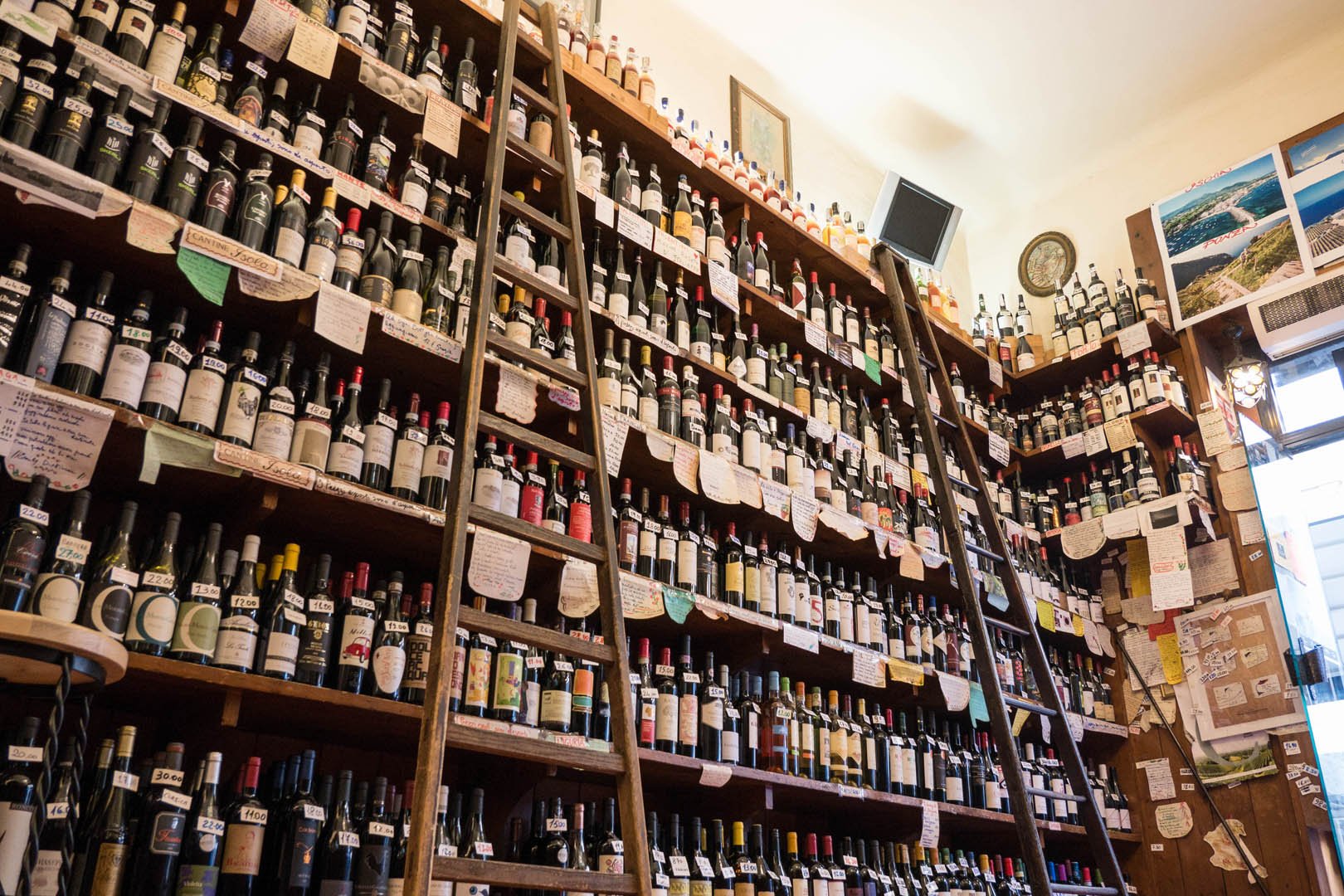
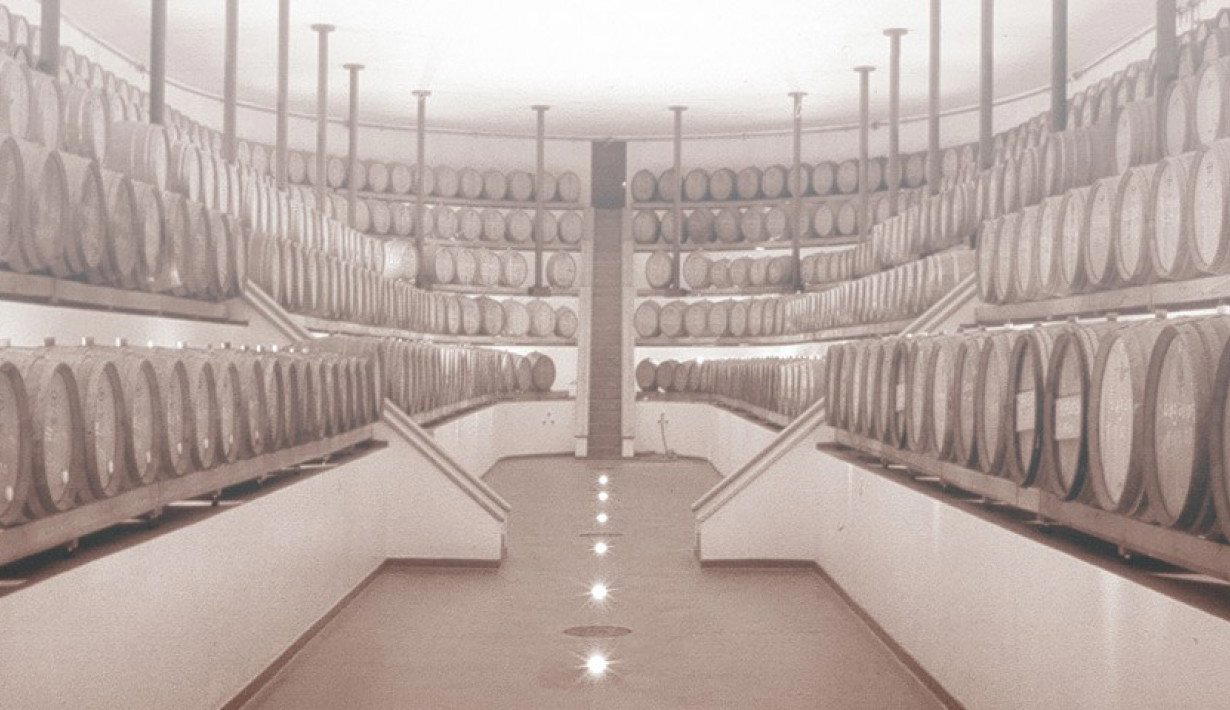
One of the more telling details about Cuntitt's editorial identity is the combination of assets the Michelin citation calls out: regional wine labels, Champagne, and caviar selections alongside the vegetable-forward cooking. This is not the profile of a direct country osteria. Regional labels in the Ticino means primarily Merlot-dominant reds from the Mendrisiotto, wines like Bianchi's Sassello or producers from the Lugano hinterland, grapes that arrived in Ticino via Bordeaux cuttings and have since found their own expression in the canton's limestone and moraine soils. The cellar's inclusion of Champagne alongside these local references signals a house that is serving both the regional enthusiast and the international traveller passing through on the way between Milan and Zurich. Caviar appears on serious menus in this region partly because of proximity to the luxury transit corridor of northern Italy, and partly because caviar has become a standard marker of premium positioning in Italian-adjacent fine dining across Switzerland.
For those interested in exploring what the Mendrisiotto wine scene looks like beyond the restaurant, our full Castel San Pietro wineries guide maps the local producers worth seeking out. The same border-region logic that shapes Cuntitt's menu also runs through the wine landscape here.
The Village Context
Castel San Pietro is the kind of village that does not announce itself loudly. It sits above Mendrisio on a gentle rise, its historic centre compact enough to walk end-to-end in a few minutes, with the church that gives Cuntitt's address its reference point, Via alla Chiesa, literally the road to the church, anchoring the old core. The farmhouse setting means arriving on foot from the village centre is direct; by car from Mendrisio or the A2 motorway, the village is a short drive. For those travelling from Lugano, the distance is roughly 20 kilometres south, making it a viable lunch or dinner destination. The Italian border at Chiasso is less than five kilometres away, which explains why the restaurant draws from both Swiss and Italian audiences.
Castel San Pietro's small scale means accommodation options are limited in the village itself, but Mendrisio below and Lugano to the north both offer a full range of hotels. See our full Castel San Pietro hotels guide for current options. For those building a longer Mendrisiotto itinerary, our Castel San Pietro experiences guide, bars guide, and full restaurants guide provide additional context for the area.
Italian Contemporary in a Swiss Context: The Broader Picture
Cuntitt belongs to a category of restaurant that is more common in Ticino than in any other Swiss canton: the Michelin-recognised Italian-tradition kitchen that does not fit cleanly into either the Swiss fine-dining narrative or the mainstream Italian osteria category. For the broader Swiss Michelin field, addresses like Hotel de Ville Crissier in Crissier, Cheval Blanc by Peter Knogl in Basel, or L'Atelier Robuchon in Geneva represent the French-technique-dominant strand of Swiss fine dining. Cuntitt's Italian contemporary positioning aligns it instead with a small peer group that includes Da Vittorio in St. Moritz, which transplants a three-Michelin-star Bergamo Italian kitchen to a Swiss Alpine setting. The comparison is instructive: both operate in the space where Italian cooking tradition meets Swiss appetite for formal dining, though Cuntitt's farmhouse scale and village location give it a considerably different atmosphere from the resort glamour of Da Vittorio's St. Moritz context.
For readers interested in how Italian contemporary cooking translates across other European settings, Agli Amici Rovinj in Rovinj and L'Olivo in Anacapri offer useful reference points: both work within the modern Italian register, each shaped by the specific coastal and regional ingredients of their location. Cuntitt's Ticinese and Lombard framing is its equivalent anchor. The restaurant also sits in a broader Swiss Michelin constellation that includes addresses like Colonnade in Lucerne, Einstein Gourmet in Sankt Gallen, and IGNIV Zürich by Andreas Caminada, though its identity is more locally specific than any of those urban peers.
Planning a Visit
It is open for lunch (12:00 to 14:00) and dinner (19:00 to 22:00) Monday, Tuesday, Thursday, Friday, and Saturday. Wednesday and Sunday are closed. At the €€€ price tier for a Michelin-starred kitchen in this part of Switzerland, it represents accessible fine dining relative to the €€€€ bracket of comparable Swiss addresses, though reservations should be made well ahead, particularly for weekend dinner. No booking method is listed in the venue data, so contacting the restaurant directly or checking current reservation platforms is the practical approach. The address is Via alla Chiesa 8, 6874 Castel San Pietro.
Frequently asked questions
Can I bring kids to Osteria Enoteca Cuntitt?
The venue data does not include a children's menu or family dining policy. At the €€€ price point in a Michelin-starred farmhouse setting in Castel San Pietro, the dining format is geared toward adult, course-led meals. Contacting the restaurant directly before booking with children is advisable.
Is Osteria Enoteca Cuntitt better for a quiet night or a lively one?
The setting answers the question: a Lombard-style farmhouse in a compact historic village above Mendrisio, operating at the €€€ tier with a Michelin star, is built for focused, unhurried meals rather than high-energy evenings. Wednesday and Sunday closures reinforce the deliberate, quality-controlled pace the kitchen maintains across a four-day service week.
What awards or recognition does Osteria Enoteca Cuntitt have?
Osteria Enoteca Cuntitt has received recognition including: Just above Mendrisio, this charming little village, complete with a historic center and church, offers both visitors and locals a beautiful Lombard-style farmhouse, where the refined restaurant serves modern Italian cuisine with regional in….
What's the signature dish at Osteria Enoteca Cuntitt?
Michelin's own citation for the restaurant singles out the pigeon with carrots as the dish to order. It reflects the kitchen's Italian contemporary approach: regional produce handled with technical discipline rather than novelty. The caviar selection, also referenced in the Michelin note, sets Cuntitt apart from most farmhouse-format restaurants in the canton.
How It Stacks Up
| Venue | Cuisine | Price | Awards | Notes |
|---|---|---|---|---|
| Osteria Enoteca CuntittThis venue (the venue you are viewing) | Contemporary Italian with Regional Ticino Influences | $100–150 | 1 Michelin Star | Not listed |
| Schloss Schauenstein | Creative Swiss Country Fine Dining | $300–500 | 3 Michelin Stars · World's 50 Best #52 | Modern European, Creative |
| Memories | Modern Swiss Alpine Cuisine | $300–500 | 3 Michelin Stars · La Liste Top Restaurants | Modern Swiss |
| focus ATELIER | Modern French Fine Dining | $200–300 | 2 Michelin Stars · La Liste Top Restaurants | Modern Swiss, Creative |
| IGNIV Zürich by Andreas Caminada | Modern Swiss Fusion Sharing | $150–200 | 2 Michelin Stars · La Liste Top Restaurants | Sharing |
| La Table du Lausanne Palace | Contemporary French Fine Dining | $200–300 | 2 Michelin Stars · La Liste Top Restaurants | Modern French |
Recognition history
Dated appearances from independent guides and award organizations, with the underlying list record or original source where available.
Michelin 1 Star
Michelin
Full recognition history (2 entries)
Michelin 1 Star
Michelin
Continue exploring
More in Castel San Pietro
Restaurants in Castel San Pietro
All restaurants in Castel San Pietro →
Bars in Castel San Pietro
Browse all →


Osteria Enoteca Cuntitt
The wine
- Wine program
- Deep wine list
- Extensive wine list
Details
- Rustic
- Elegant
- Cozy
- Intimate
- Sophisticated
- Date Night
- Special Occasion
- Terrace
- Historic Building
- Wine Cellar
- Extensive Wine List
- Local Sourcing
- Street Scene
- A La Carte
- Wine
- Vegetarian Friendly
- Gluten Free Options
Current opening hours
- Monday
- 12–2 PM, 7–10 PM
- Tuesday
- 12–2 PM, 7–10 PM
- Wednesday
- Closed
- Thursday
- 12–2 PM, 7–10 PM
- Friday
- 12–2 PM, 7–10 PM
- Saturday
- 12–2 PM, 7–10 PM
- Sunday
- Closed
Hours can change for holidays and private events. Hours as of .
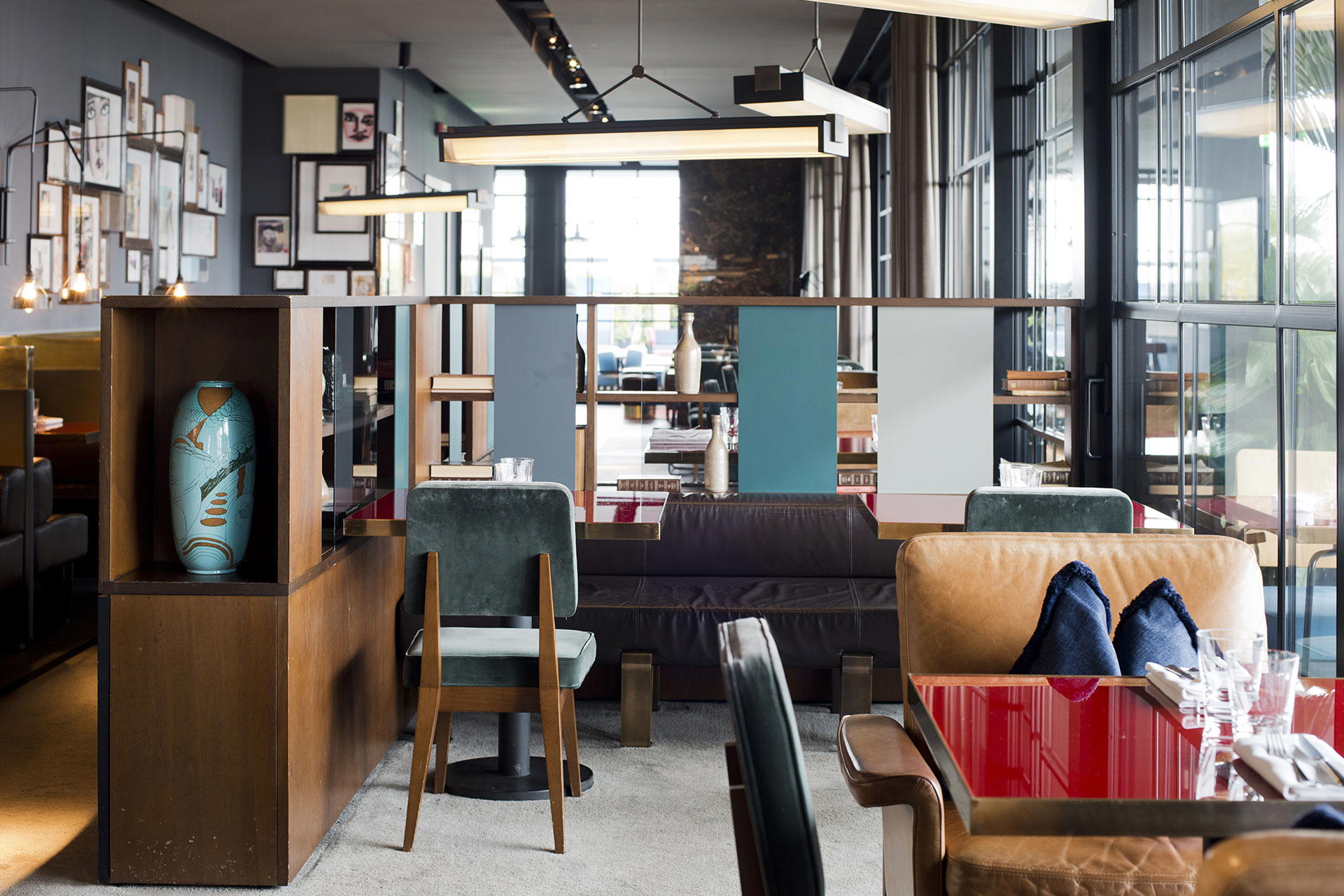
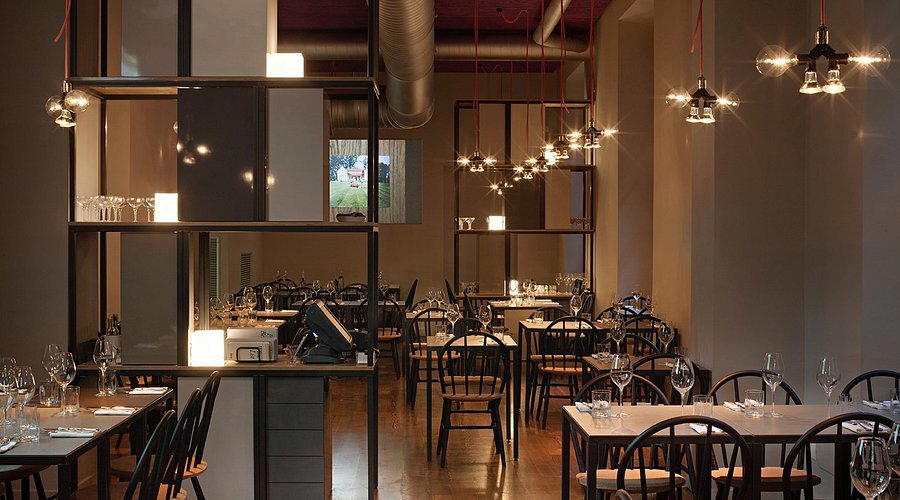
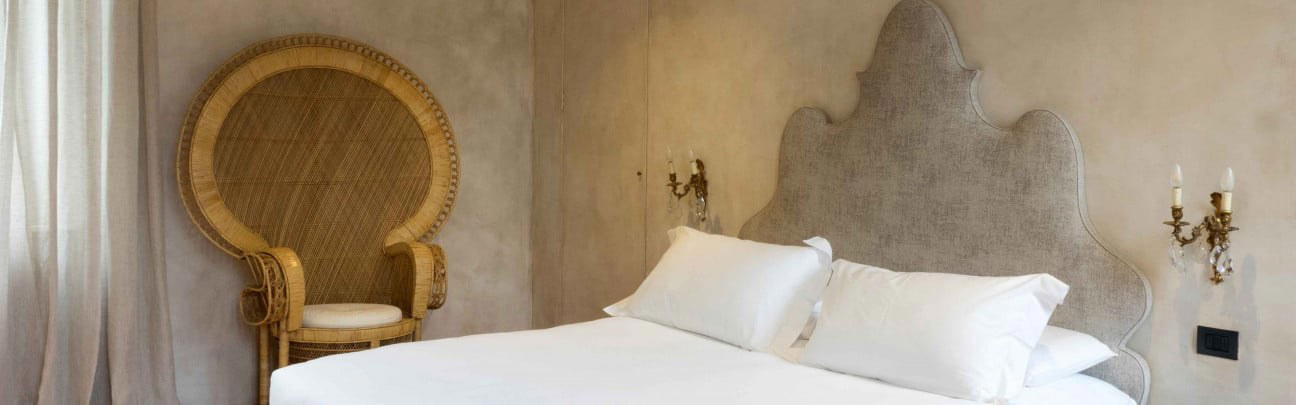
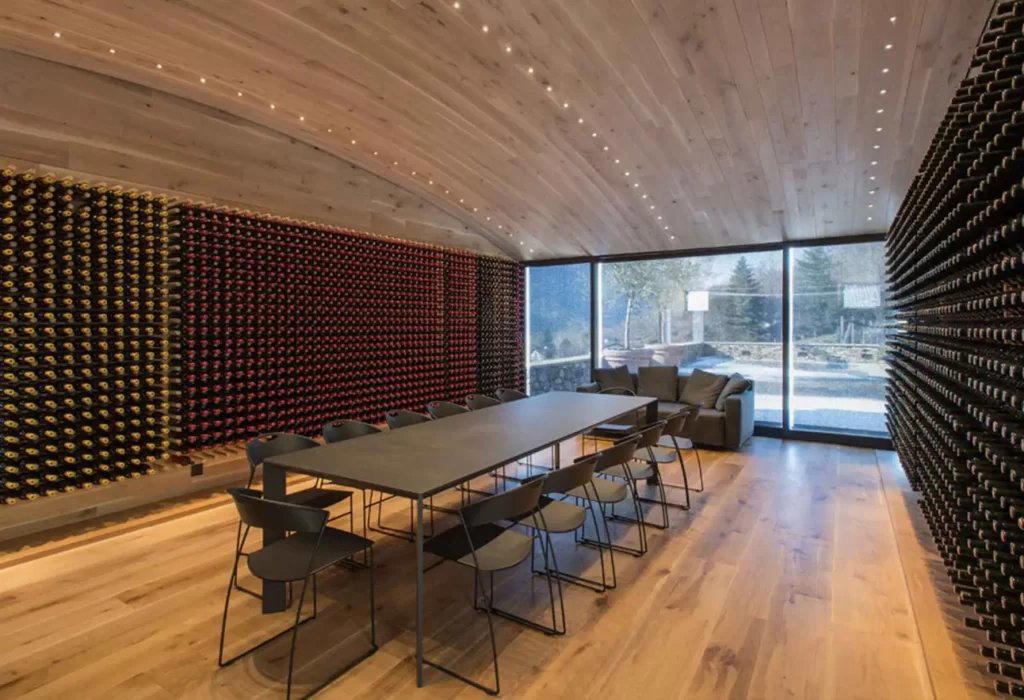
Charming restored farmhouse blending rustic stone and timber with elegant contemporary design, soft lighting, warm and inviting atmosphere.