Al Cavallino Bianco

A century-old family-run trattoria on the banks of the River Po in Polesine Parmense, Al Cavallino Bianco holds a Michelin Plate for its commitment to Emilian regional cooking. The kitchen centres on culatello di Zibello, the prized cured ham produced in the river mists of this stretch of the Po Valley, alongside broader regional specialities priced accessibly relative to the ingredient quality on the plate.
Pearl is the En Primeur Club membership app — saves, bookings, and concierge access live there. Same editors, same standards.
- Address
- Via Sbrisi, 3, 43016 Polesine Zibello PR, Italy
- Phone
- +39 0524 96136
- Directions
- Get directions
 Saves & bookings on Pearl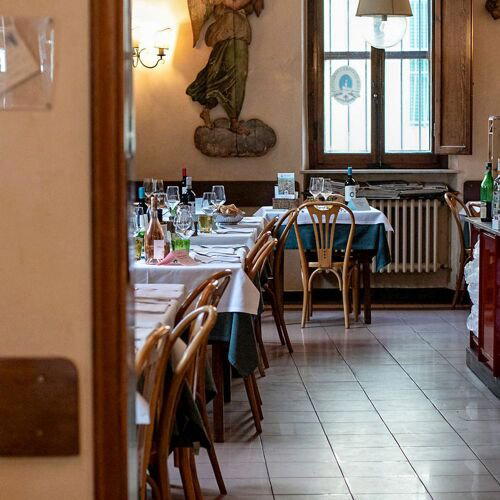
Where the River Dictates the Menu
The low-lying bend of the River Po between Parma and Cremona produces some of northern Italy's most site-specific food. The damp, foggy microclimate along this corridor is not incidental to what ends up on the table at the restaurants and norcerie here, it is the production condition that makes culatello di Zibello possible. Culatello is cured in the riverside cellars of this zone precisely because the seasonal humidity drives the slow, extended aging that gives the ham its characteristic sweetness and depth. Without the Po's mists, you have a different product. The geography is inseparable from the ingredient.
Al Cavallino Bianco, operating for over a century at Via Sbrisi, 3 in Polesine Zibello, is one of the restaurants built most directly around that fact. The building sits close to the river's edge, and the kitchen's identity is grounded in regional produce that could not plausibly come from anywhere else. The restaurant draws a consistent audience of locals and visitors who understand that eating culatello at its source, in a room where that tradition has been maintained across generations, is a different proposition from ordering it in Milan or Rome.
Culatello at the Source
Culatello di Zibello holds DOP status, which means its production is legally tied to a defined zone along the Po, a cluster of municipalities that includes Zibello, Polesine Parmense, and a handful of neighboring communes. The DOP designation covers only the rear muscle of the pig's haunch, aged in natural casings for a minimum of ten months, typically longer for the leading examples. The distinction from Prosciutto di Parma is not merely one of prestige marketing but of texture, fat distribution, and the particular aromatic character that extended riverside aging produces.
Eating it at a table within that production zone, at a restaurant with a century of family involvement in how the product is sourced and served, gives the tasting context that a charcuterie board in an urban restaurant cannot replicate. Al Cavallino Bianco makes culatello the anchor of its regional identity rather than a premium add-on. This approach positions it differently from Italy's major fine-dining addresses, such as Osteria Francescana in Modena or Enoteca Pinchiorri in Florence, where notable ingredients appear within ambitious tasting architectures, or from the three-Michelin-star Italian contemporary kitchens like Dal Pescatore in Runate, Le Calandre in Rubano, and Enrico Bartolini in Milan. Al Cavallino Bianco's authority derives not from technical ambition but from proximity and lineage.
The comparison that makes more immediate sense is with Antica Corte Pallavicina, the other significant address in Polesine Parmense for traditional Emilian country cooking. Both restaurants operate in the same ingredient territory and share a commitment to regional specificity, though they occupy different registers of formality and scale. Visitors spending time in this part of the Po Valley will find both worth understanding on their own terms.
Two Formats, One Kitchen Logic
The restaurant operates in two distinct formats depending on when you visit. During the week at lunchtime, the offer is the 'Tipico di Casa Spigaroli', a direct menu of local dishes at prices that sit in the moderate range for the region. Weekends shift to themed menus that reframe the same regional ingredients within a more considered structure. Both formats keep the kitchen's sourcing logic intact; the difference is primarily in pacing and presentation.
Weekday lunch format is a practical entry point for visitors who want direct access to the Po Valley's cured-meat tradition without the commitment of a longer weekend meal. The pricepoint, indicated by the €€ classification, makes the restaurant accessible in a way that the three-Michelin-star kitchens in northern Italy are not. Restaurants such as Atelier Moessmer Norbert Niederkofler in Brunico, Piazza Duomo in Alba, Reale in Castel di Sangro, Uliassi in Senigallia, and Quattro Passi in Marina del Cantone represent a higher-investment tier of Italian fine dining where the same regional ingredients are filtered through a different economic and technical frame. The restaurant does not compete in that register, and the Michelin Plate designation reflects a quality acknowledgment rather than a star-level ambition signal.
For Emilian cooking at a comparable local-trattoria register in Rubiera, Arnaldo - Clinica Gastronomica and Osteria del Viandante offer reference points in the same regional tradition, though in a different geographic setting further from the culatello production zone.
Planning a Visit
Polesine Parmense sits in the low plain south of the Po, roughly midway between Parma and Cremona. The village is small and the road infrastructure is rural; visitors arriving by car from Parma follow provincial roads northwest through the plain, crossing the river if approaching from the Cremona side. The address at Via Sbrisi, 3 is in the village center, close enough to the riverbank that the landscape context is immediately legible on arrival. Weekday lunches offer direct access to the kitchen's everyday output; weekend visits require planning around the themed menu format. Visitors should confirm availability and format directly with the restaurant before traveling, particularly for weekend visits when the meal structure differs from the weekday offer.
The region repays time; a single meal is a reasonable starting point, but the agriculture and food production culture of the Po corridor rewards a longer stay.
Quick Comparison
Comparable venues nearby, for context on price, style, and recognition.
| Venue | Cuisine | Price | Awards | Notes |
|---|---|---|---|---|
| Al Cavallino BiancoThis venue — the venue you are viewing | Traditional Emilian with Culatello | $$$ | Michelin Plate | Not listed |
| Antica Corte Pallavicina | Emilian Farmhouse with Culatello | $$$$ | Michelin 1 Star | Polesine Parmense |
| Da Giovanni | Modern Italian Seafood | $$$ | Michelin Plate | Cortina Vecchia |
| Moscatello Muliner | Modern Italian Fine Dining | $$$ | Michelin Plate | Pozzolengo |
| Osteria Bakaré | Modern Italian Seafood | $$$ | Michelin Plate | Peschiera del Garda |
| Miranda | Modern Italian with Seafood Focus | $$$ | Michelin Plate | Riva di Solto |
Recognition history
Dated appearances from independent guides and award organizations, with the underlying list record or original source where available.
Michelin Plate
Michelin
Michelin Plate
Michelin
Michelin Plate
Michelin
Continue exploring
More in Polesine Parmense
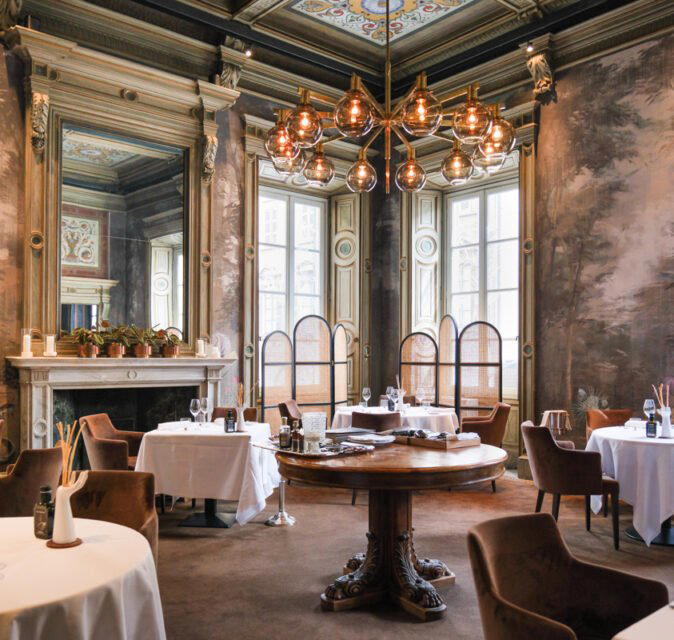
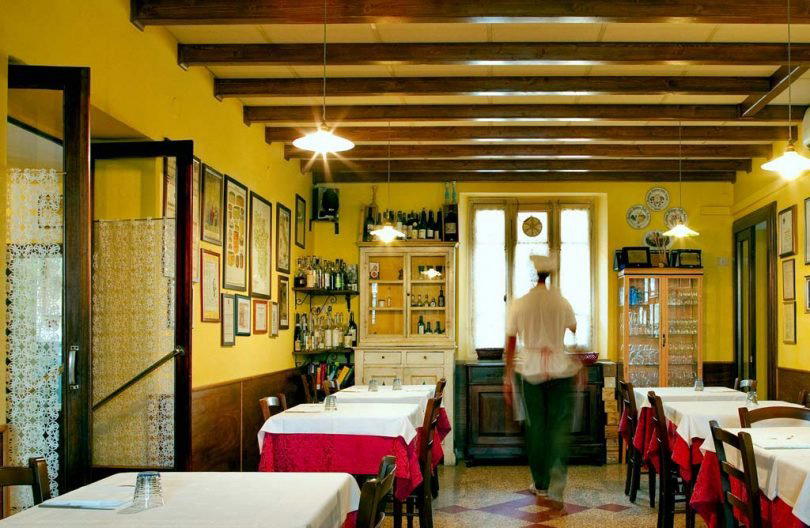
Restaurants in Polesine Parmense
Browse all →
Bars in Polesine Parmense
Browse all →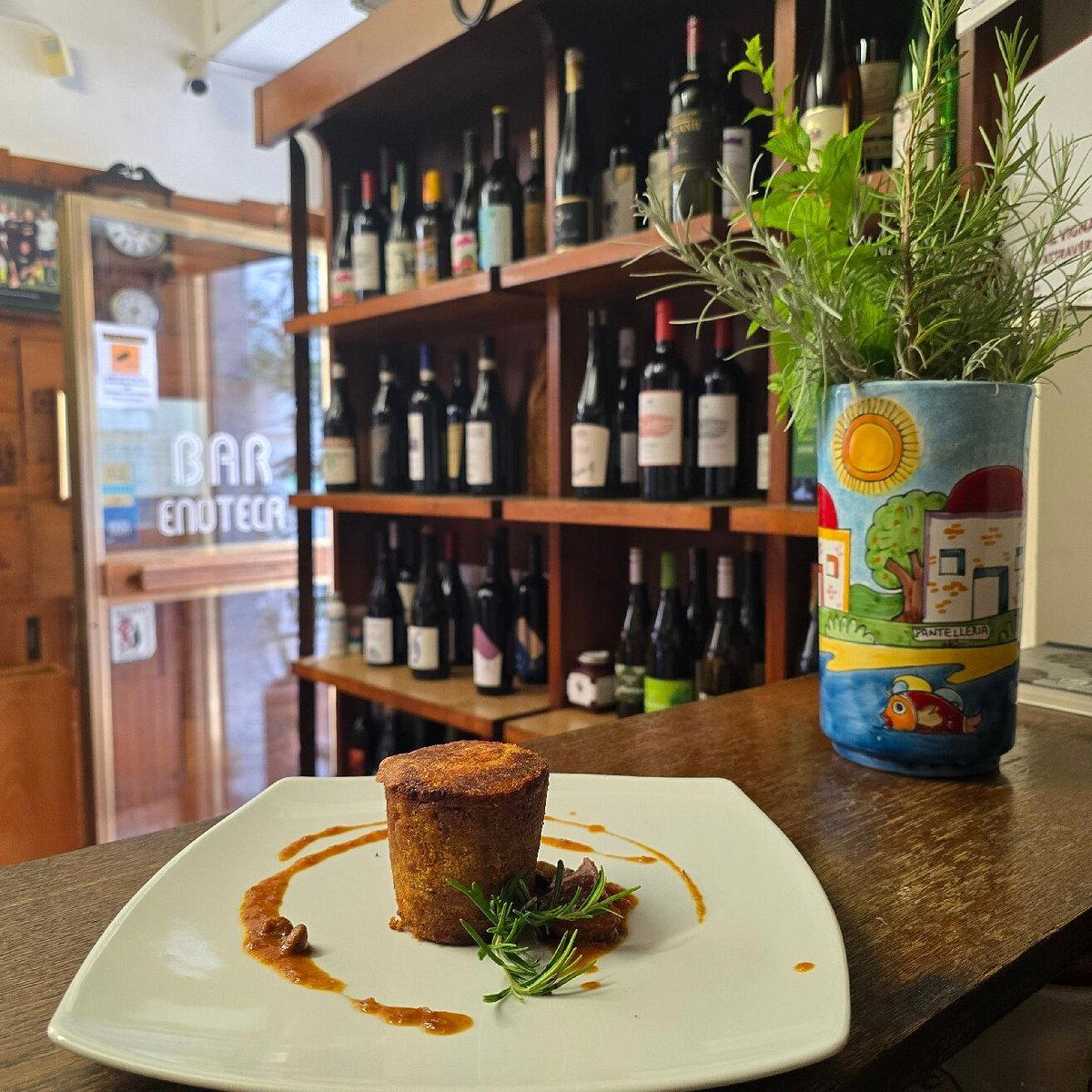
Hotels in Polesine Parmense
Browse all →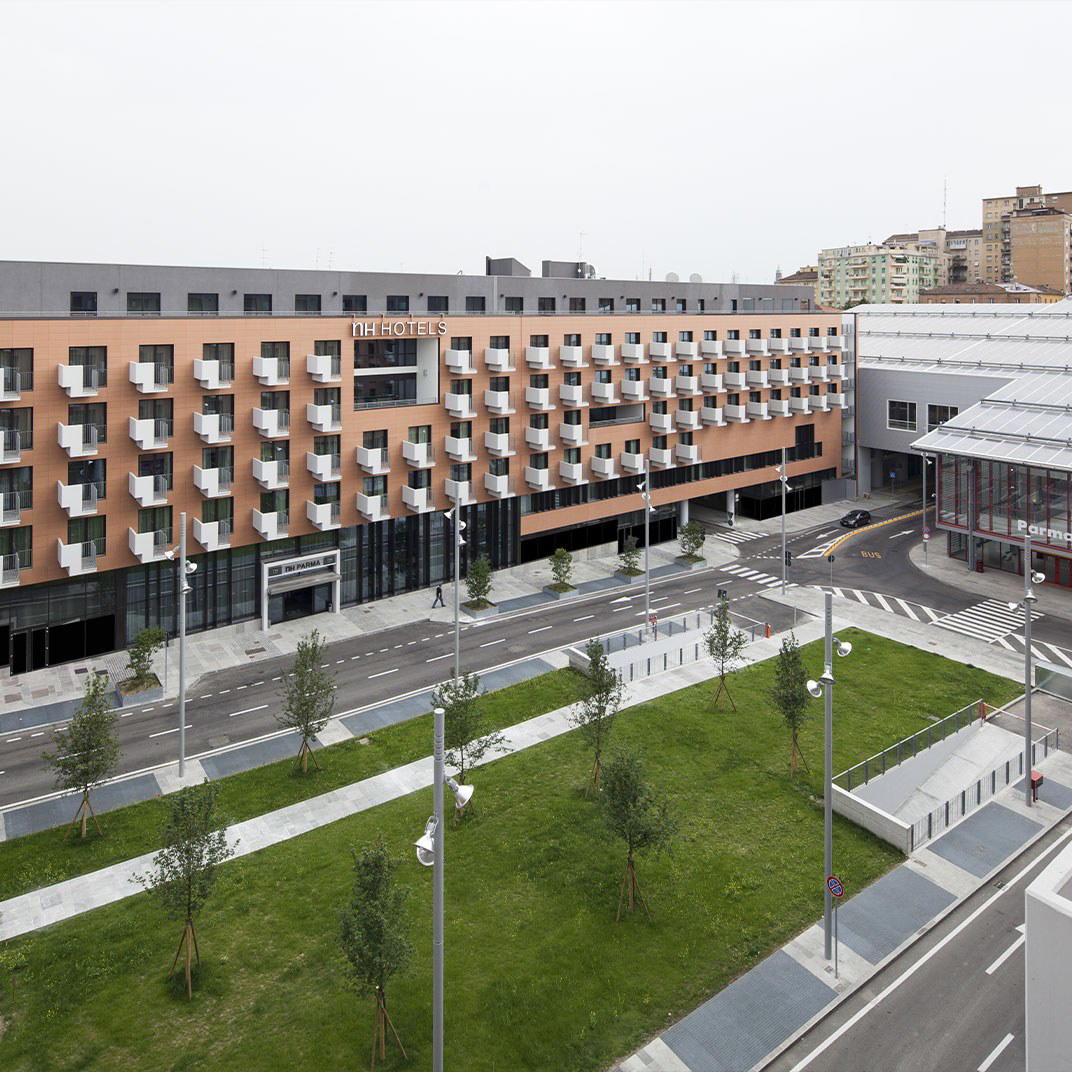


At a Glance
- Rustic
- Cozy
- Intimate
- Classic
- Special Occasion
- Family
- Celebration
- Historic Building
- Extensive Wine List
- Local Sourcing
- Farm To Table
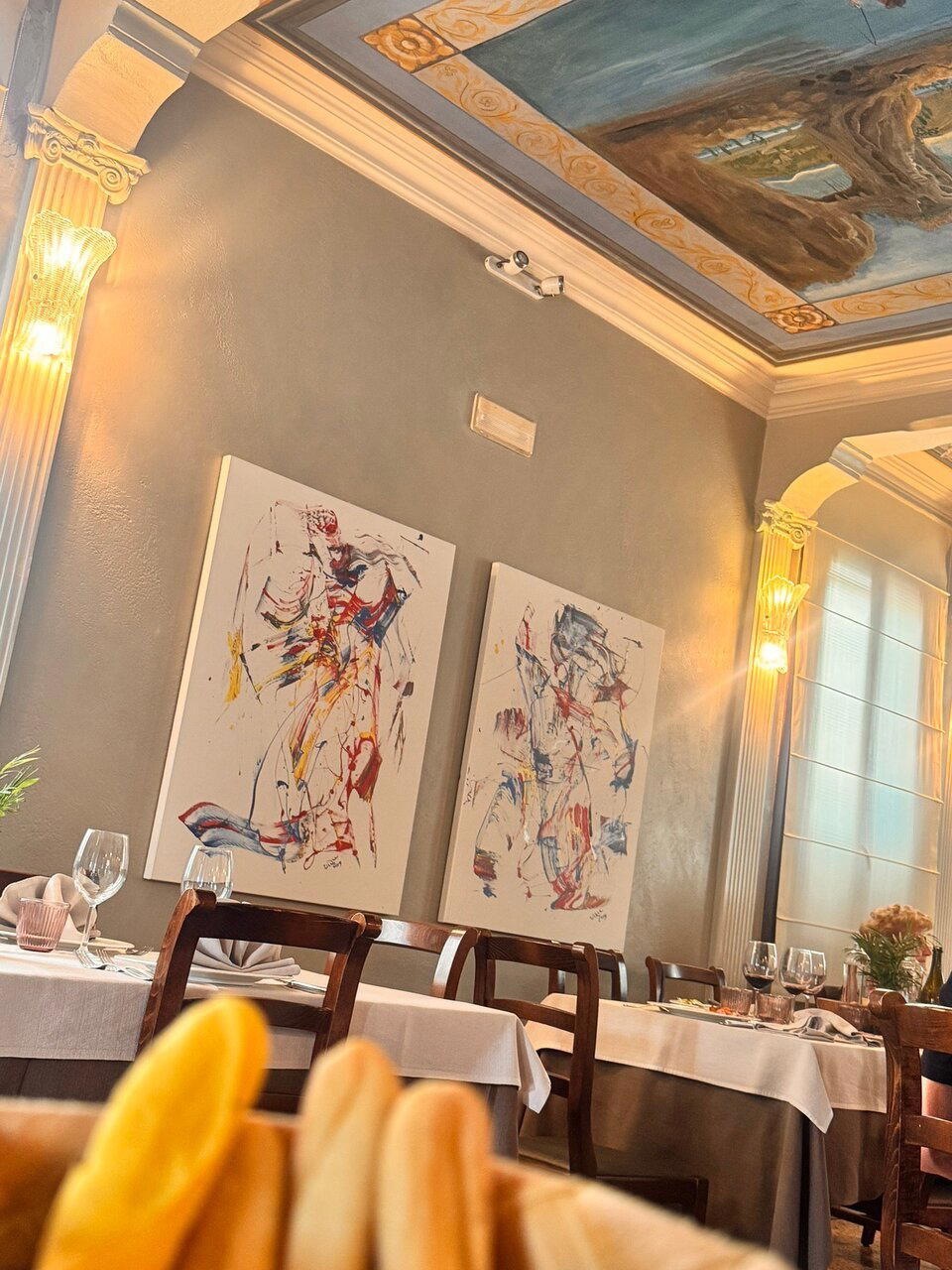
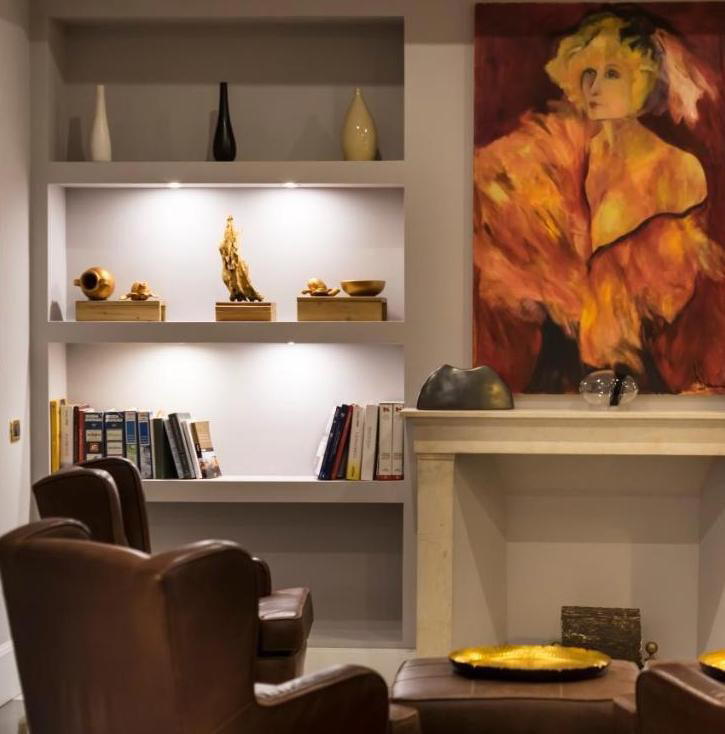
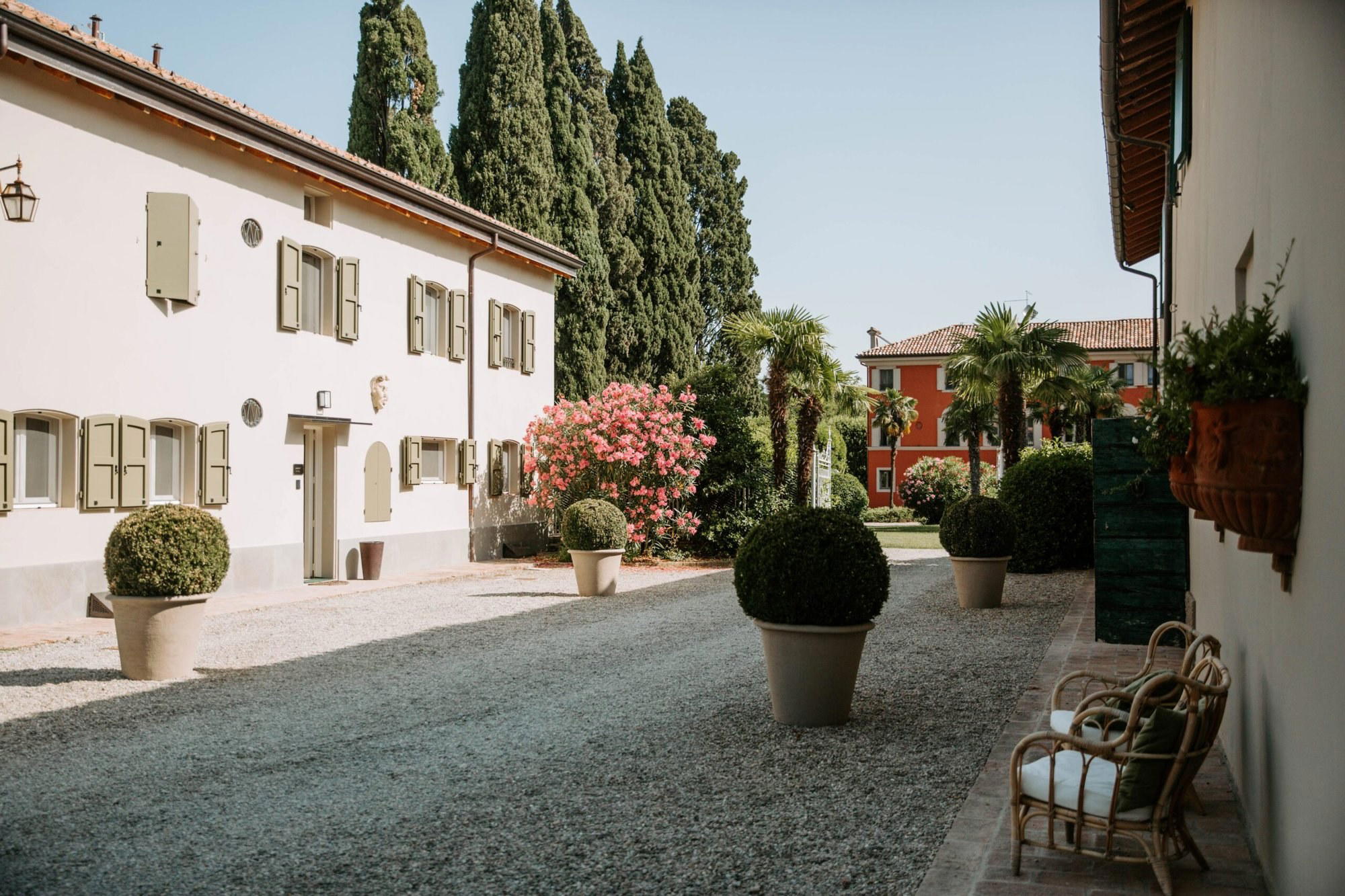
Comfortable and well-spaced tables in a century-old setting with friendly, attentive service creating a welcoming, home-like atmosphere.