
Al Vedel in the hamlet of Vedole, outside Colorno, is one of the Po Valley's most serious addresses for culatello ham, maturing the product on-site across 16, 26 and 38-month cycles. The Michelin Plate-recognised kitchen pairs that production focus with Emilian classics including tortel dols, gran lesso and Parmesan-enriched specialities, while a wine list strong in Lambrusco and French selections accompanies a well-stocked cheese trolley.
Pearl is the En Primeur Club membership app — saves, bookings, and concierge access live there. Same editors, same standards.
- Address
- Località Vedole, 68, 43052 Colorno PR, Italy
- Phone
- +39 0521 816169
- Website
- poderecadassa.it
- Directions
- Get directions
 Saves & bookings on Pearl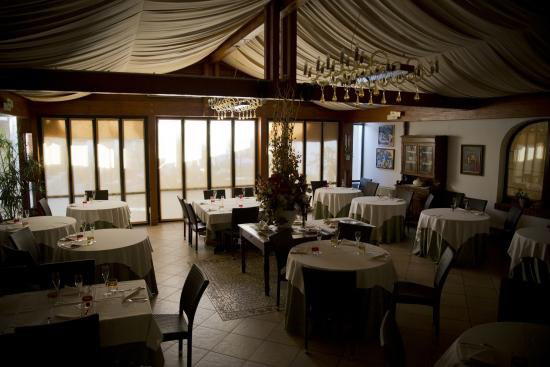
Where the Fog and the Ham Define the Kitchen
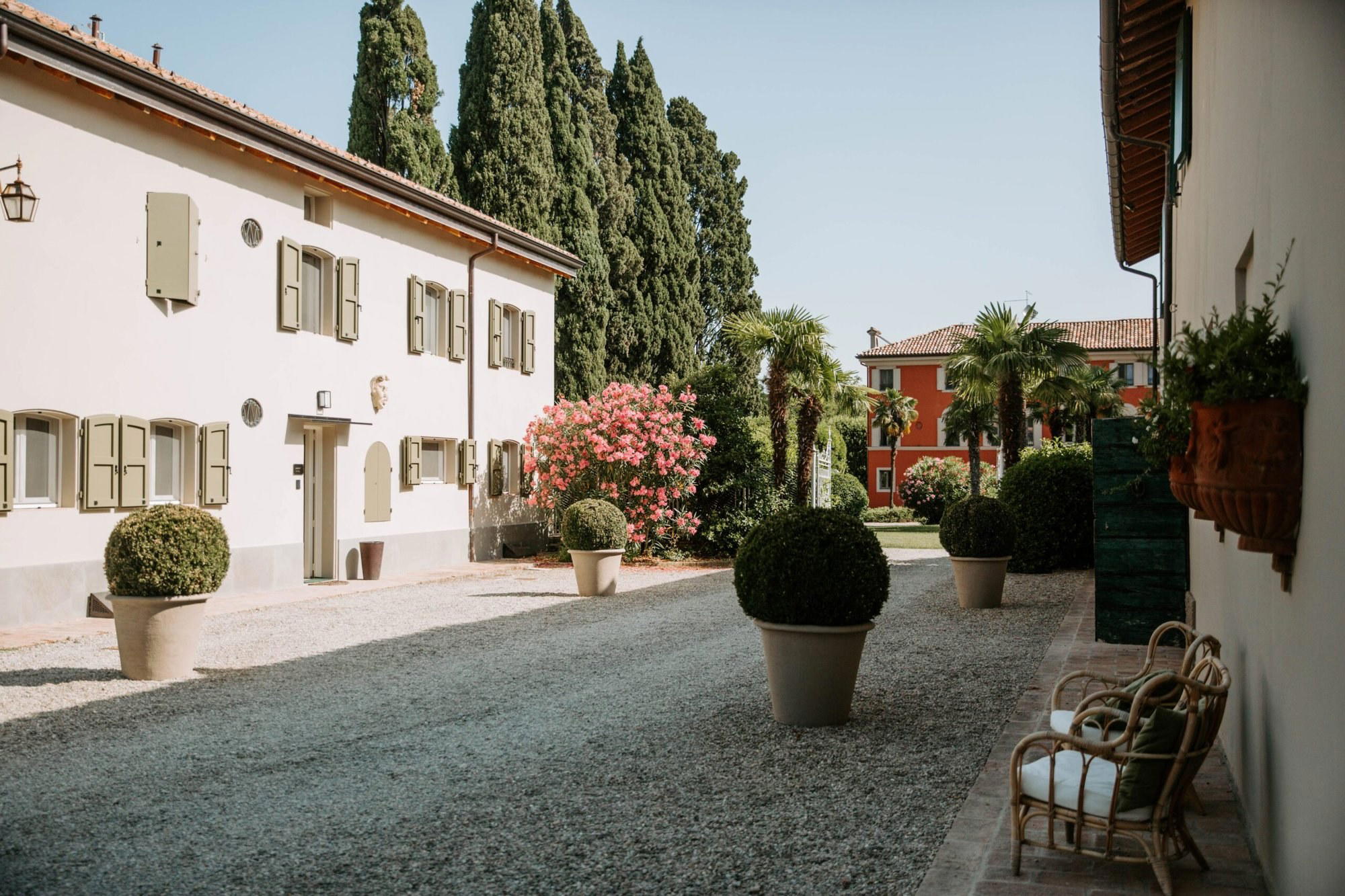
The Po Valley flatlands between Parma and the river have produced culatello for centuries, and the conditions that make this stretch of Emilia so agriculturally particular, the dense winter fog, the humidity rising off the water, the cool air that settles into the old farmhouse cellars, are also the conditions that make curing here different from anywhere else in Italy. Al Vedel, at Località Vedole just outside Colorno, sits directly inside that geography. The approach through flat fields and the low-lying farmstead architecture sets the register before you reach the door: this is a place built around a product, not a concept.
The Culatello at the Centre of Everything
Italy's cured-meat tradition is broad and regionally fractured, but culatello di Zibello, the DOP product made from the rear thigh of the pig, salted, cased in bladder and aged in the riverside air, occupies a specific and fiercely protected tier within it. The ham is expensive to produce, slow to mature, and deeply dependent on place: the microclimate of the Po basin is not replicable at altitude or inland. At Al Vedel, the production rooms are part of the visit. Culatello matures on-site across three distinct cycles: 16 months, 26 months and 38 months. Each stage produces a meaningfully different product, the 16-month is younger, softer and more yielding, while the 38-month develops the concentrated, almost mineral depth that the tradition prizes. Visiting the cellars is presented as a standard part of the experience, not a tour-group addition, and it contextualises everything that arrives at the table.
This kind of vertical integration between production and kitchen is rare even within Emilia, where many osterie and trattorias source culatello from nearby producers rather than ageing it in-house. It places Al Vedel in a different relationship to the ingredient than a restaurant that simply buys well. The ham is not just on the menu; it is the reason the building functions as it does.
The Menu as a Document of Emilian Cooking
Beyond the culatello, the kitchen works across the full register of Emilian classicism. Gran lesso, boiled beef and chicken, served in the tradition that predates most of what contemporary Italian cooking considers modern, appears on the menu as a statement of intent rather than nostalgia. Tortel dols, the filled pasta with its faint sweetness that defines the cooking of the lower Parma plains, sits alongside preparations that use Parmesan and red butter in ways the region has practised for generations. Parmesan here is not a garnish but a structural ingredient, and red butter, clarified and cooked to a nutty depth, reappears across multiple dishes.
The snails prepared in a Bourguignon style represent the more imaginative strand of the kitchen: a French technique applied to a local product, the kind of cross-border borrowing that has moved through Emilian cooking since the ducal courts of the region were importing French culinary influence in the seventeenth and eighteenth centuries. Colorno itself was a seat of the Farnese and later Bourbon-Parma dynasties, and the territory around the town carries that history in its food culture.
The cheese trolley covers regional Italian selections alongside options from further afield, including Brillat-Savarin, the triple-cream Burgundian cheese with its bloomy rind. The selection signals a kitchen that takes the end of a meal as seriously as the middle of it, and the presence of a dedicated trolley, rather than a plate-based cheese course, places the restaurant within the older, more formal dining tradition of the region.
A Wine List Built Around Lambrusco and Beyond
Wine program takes Lambrusco seriously, which is the only intellectually honest position for a restaurant in this part of Emilia. The sparkling red wines of the Po plain, made from several Lambrusco sub-varieties across different appellations including Sorbara, Grasparossa and Salamino, are the natural accompaniment to cured fat and rich pasta, cutting through both with acidity and carbonation. A list that treats them as a point of pride rather than a regional afterthought is a trust signal about the kitchen's orientation overall.
Alongside the Emilian core, the list extends to French wines and includes representation from newer wine-producing regions. For a restaurant at the €€ price tier, the scope suggests considered buying rather than a default international selection.
Where Al Vedel Sits in the Wider Italian Picture
Italian fine dining has a well-documented upper tier: three-Michelin-star restaurants like Osteria Francescana in Modena, Dal Pescatore in Runate, and Enoteca Pinchiorri in Florence operate in a different bracket, as do creative addresses like Le Calandre in Rubano, Enrico Bartolini in Milan, Piazza Duomo in Alba, Atelier Moessmer Norbert Niederkofler in Brunico, Reale in Castel di Sangro, Uliassi in Senigallia, Quattro Passi in Marina del Cantone, and Casa Perbellini 12 Apostoli in Verona. The restaurant does not compete in that register.
Its comparable set is the network of Emilian trattorias and osterie that hold Michelin Plate recognition, a designation indicating kitchens that cook well without the apparatus of fine dining. Within that cohort, the in-house production differentiates the restaurant from restaurants that operate purely as kitchens. The closest regional comparisons in terms of tradition-led, ingredient-anchored cooking include Arnaldo - Clinica Gastronomica in Rubiera and Osteria del Viandante in Rubiera, both of which occupy a similar position in the Emilian canon.
Planning Your Visit
The restaurant is located at Località Vedole 68, in the hamlet of Vedole near Colorno in the Province of Parma. The address is rural, and the journey by road from Parma takes roughly 20 minutes, passing through the flat agricultural terrain of the Po basin. This is not a destination that reveals itself from the street, and arriving by car is the practical choice. Given the depth of the culatello cellar visit and the length of a meal that covers pasta, meat courses, cheese and wine, this is a lunch or dinner that warrants time. The price point at €€ makes the depth of experience financially accessible relative to the region's higher-end addresses. Booking in advance is recommended.
Comparable Venues
Comparable venues nearby, for context on price, style, and recognition.
| Venue | Cuisine | Price | Awards | Notes |
|---|---|---|---|---|
| Al VedelThis venue — the venue you are viewing | Emilian with Culatello Focus | $$$ | Michelin Plate | Not listed |
| Momento al 25 | Modern Emilian with Seafood | $$$ | Michelin Plate | historic center |
| Osteria de l'Umbreleèr | Traditional Lombardian Osteria | $$$ | Michelin Plate | Cicognolo |
| Baretto di San Vigilio | Modern Northern Italian | $$$ | Michelin Plate | San Vigilio |
| La Locanda di Fabio e Vale | Modern Italian Fine Dining | $$$ | Michelin Plate | Offanengo |
| Locanda del Falco | Modern Italian Country Cooking | $$$ | Michelin Plate | Rivalta Trebbia |
Recognition history
Dated appearances from independent guides and award organizations, with the underlying list record or original source where available.
Michelin Plate
Michelin
Michelin Plate
Michelin
Michelin Plate
Michelin


At a Glance
- Elegant
- Rustic
- Cozy
- Business Dinner
- Family
- Special Occasion
- Historic Building
- Extensive Wine List
- Local Sourcing
Current opening hours
- Monday
- Closed
- Tuesday
- Closed
- Wednesday
- 12–2:30 PM, 7:30–10:30 PM
- Thursday
- 12–2:30 PM, 7:30–10:30 PM
- Friday
- 12–2:30 PM, 7:30–10:30 PM
- Saturday
- 12–2:30 PM, 7:30–10:30 PM
- Sunday
- 12–2:30 PM, 7:30–10:30 PM
Hours can change for holidays and private events. Last verified .
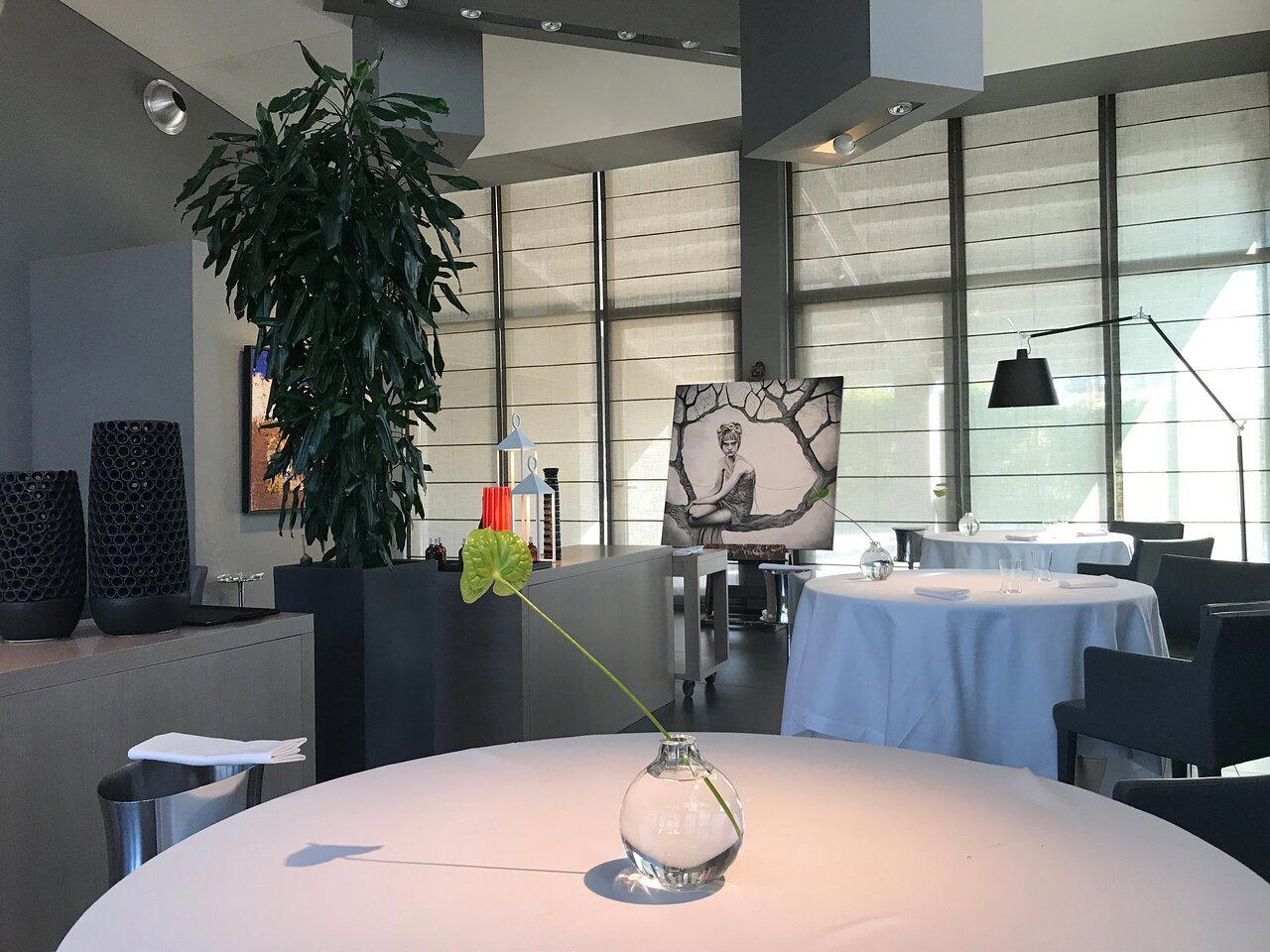
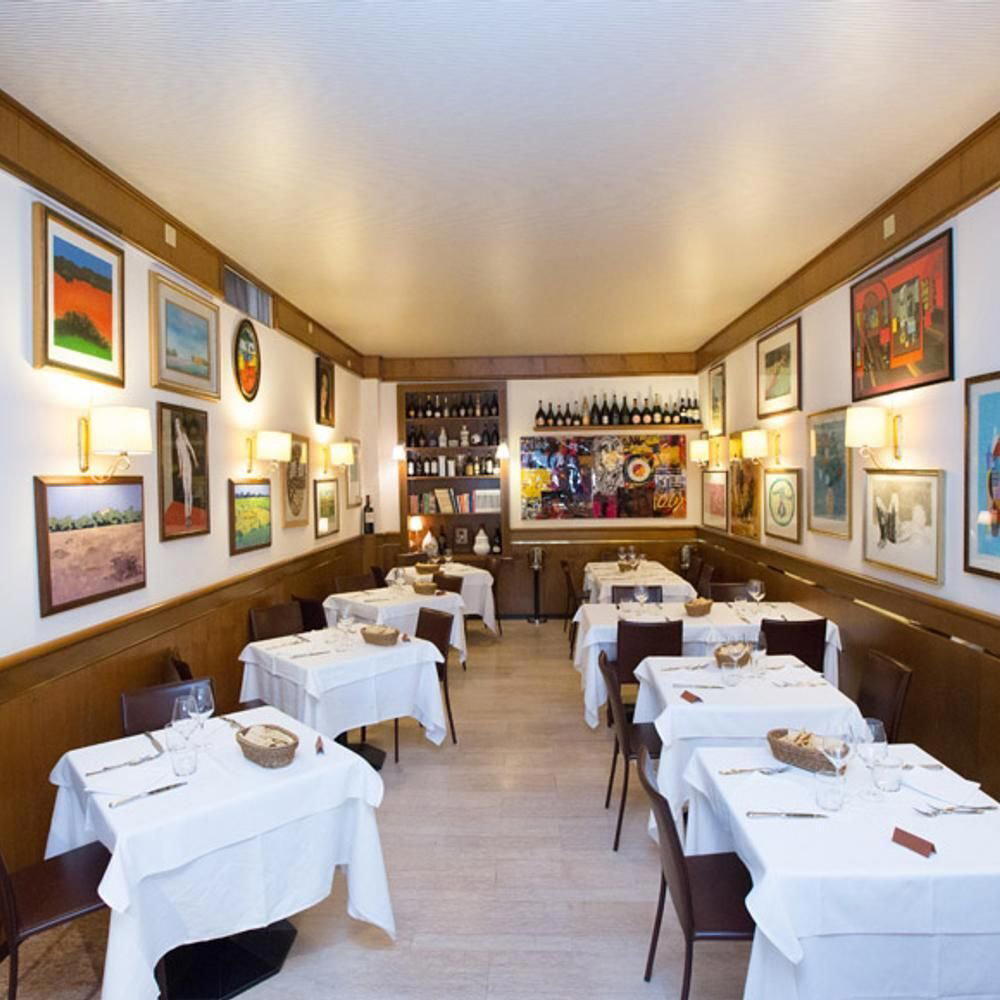
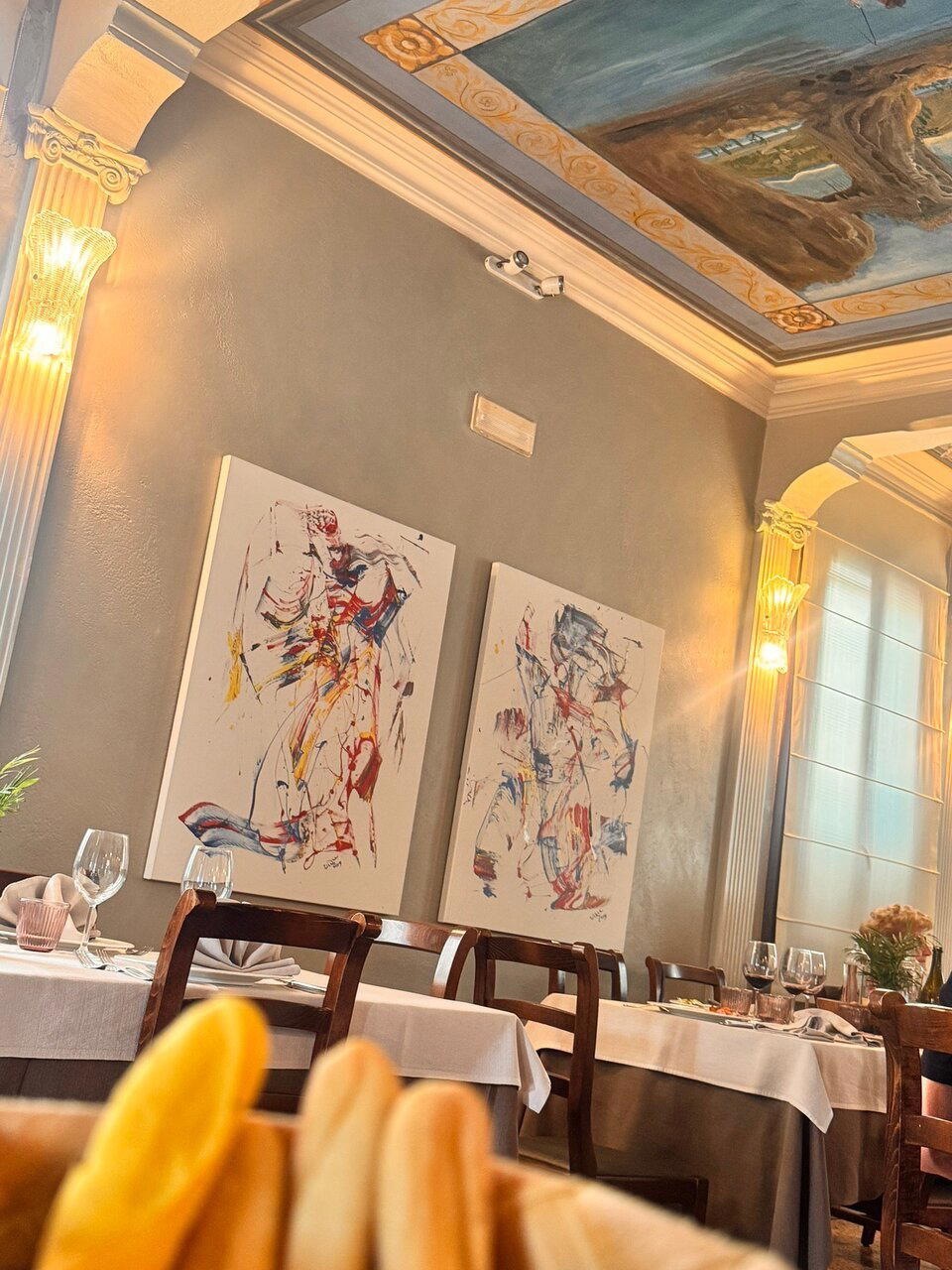
Elegant yet informal atmosphere with relaxing environment, pleasant setting, and warm welcoming service.