
A Michelin Plate-recognised trattoria in San Polo, Osteria da Fiore serves Venetian seafood with an emphasis on seasonal produce and lagoon tradition. The 800-label wine cellar, canal-side terrace, and a reputation built around soft-shell crab season make it one of the more focused addresses for traditional cucina di mare in the city.
Pearl is the En Primeur Club membership app — saves, bookings, and concierge access live there. Same editors, same standards.
- Address
- S. Polo, 2202, 30125 Venezia VE, Italy
- Phone
- +39 041 721308
- Website
- ristorantedafiore.com
- Directions
- Get directions
 Saves & bookings on Pearl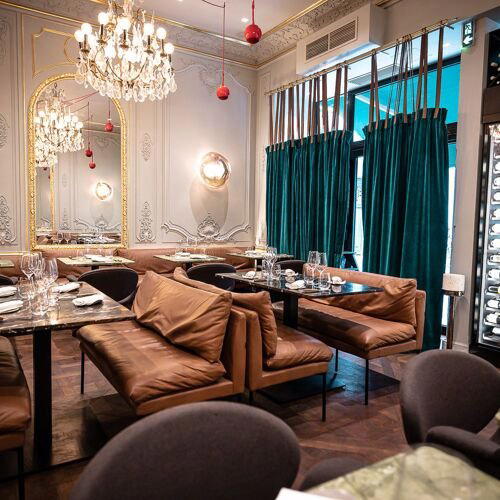
Where San Polo Meets the Lagoon Table
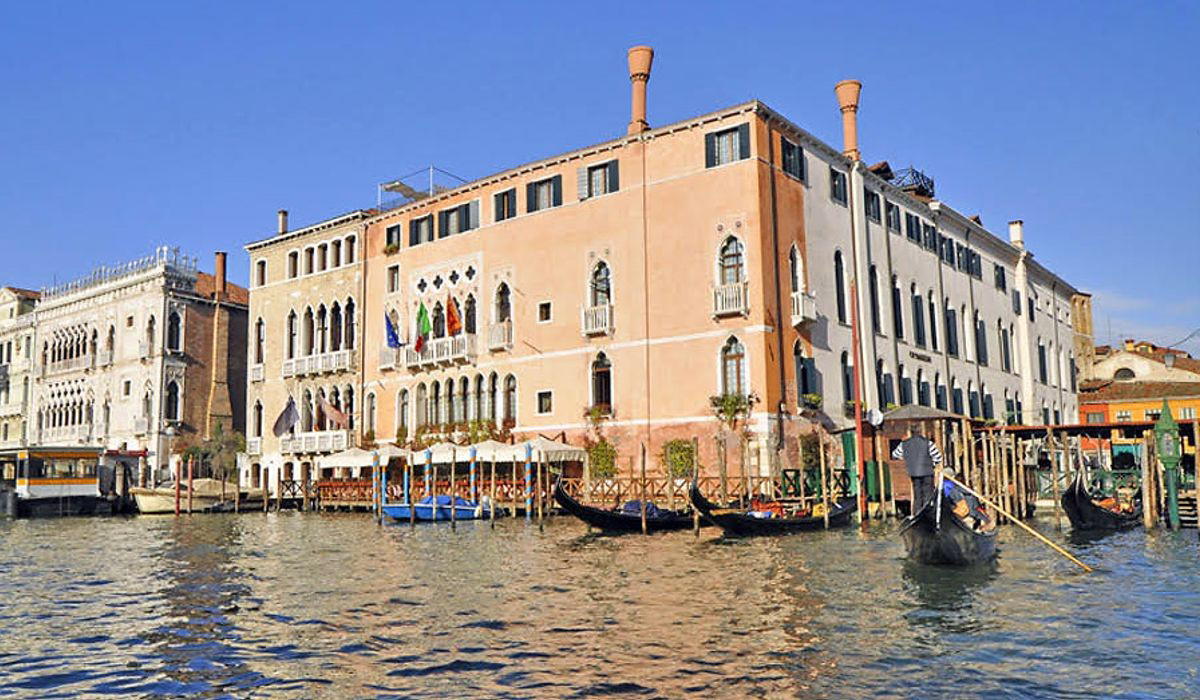
Osteria da Fiore is a Venice restaurant serving modern Venetian seafood in San Polo. Osteria da Fiore sits in the second category. Located on a calle in San Polo at Sestiere 2202, the address requires the kind of deliberate navigation that filters out casual foot traffic almost entirely. The approach through the neighbourhood's narrow passages is, itself, part of the experience: San Polo's density of workshops, bacari, and family-run osterie means the transition from campo to dining room feels gradual rather than sudden.
Inside, the layout follows a format that has served Venetian family-run restaurants for decades: a main hall with warm materials and close-set tables, and a terrace positioned directly beside a canal that accommodates a table for two. In a city where most canal-adjacent tables are shared with coach-tour itineraries, the intimacy of a single canal-side cover is a real distinction. The room functions at the quieter, more deliberate end of the Venetian dining register.
The Progression of a Venetian Seafood Meal
The tasting arc at Da Fiore follows a logic shaped by the lagoon's calendar. The opening moves are typically lighter: raw or minimally handled shellfish, small crustaceans dressed simply with oil and lemon, that establish the freshness benchmark for everything that follows. In the Venetian tradition, this restraint in the early courses is not understatement, it is the point. The lagoon's produce, when recent and well-sourced, makes elaboration redundant.
From there, the meal typically deepens into pasta courses built around the day's catch. Venetian pasta traditions lean toward bigoli (a thick, extruded wholewheat spaghetti served with sardines and onions, or with duck ragu in land-facing variants) and risotto nero made with cuttlefish ink, both of which demand high-quality stock and sourcing discipline to succeed at any level. At this price point, the expectation is that these foundations receive full attention.
The seasonal anchor of the menu is moleche: soft-shell crabs harvested from the lagoon during the brief spring and autumn moulting seasons. Moleche are a Venetian ingredient with near-zero export culture, they are consumed almost entirely within the region, and their availability at a given restaurant is directly tied to sourcing relationships with lagoon fishermen. At Da Fiore, fried moleche are cited explicitly as a seasonal highlight. To eat them in Venice during the right window is not a romantic gesture toward tradition; it is one direct possible expression of what lagoon fishing actually produces. No version of this dish exists outside its context.
Second courses at this level typically involve grilled or baked whole fish sourced from the Adriatic and lagoon, plated without the heavy sauce architecture of inland Italian cooking. The discipline is in what is withheld. Dessert and digestivo complete the arc: the grappa and cognac list at Da Fiore, described as particularly strong, signals that the post-meal portion of the sitting is taken seriously as a counterweight to the seafood courses.
The Wine Cellar as a Structural Argument
An 800-label wine list signals serious intent. Venice's dining scene includes a tier of osterie where the wine program functions essentially as a supermarket list, and another where the cellar is maintained with the same discipline as the kitchen. Da Fiore belongs to the second group. The list spans French and Italian labels with sufficient depth to support serious food pairing across multiple courses, which, in a city where the dominant seafood tradition calls for whites of varying weight and salinity, means coverage from Soave and Vermentino through to aged Burgundian Chardonnay. The grappa and whisky selection alongside cognac rounds out a post-dinner program that few similarly-priced Venetian venues match.
For reference, this wine scope places Da Fiore in a different category from neighbours like Osteria alle Testiere and Antiche Carampane, which operate at €€€ and focus their energy on daily-sourced seafood with shorter, more curated drinks lists. The €€€€ price point at Da Fiore funds both the cellar depth and the higher fixed costs of the canal-side premises.
Where Da Fiore Sits in Venice's Dining Tier
Venice at the €€€€ level currently includes both modernist and tradition-focused addresses. Ai Gondolieri and Alessandro Borghese represent the contemporary end of that bracket. Da Fiore's Michelin Plate recognition in both 2024 and 2025, combined with a 4.4 rating across 467 reviews, positions it as a reliable representative of the traditional Venetian seafood format at the upper price tier.
Across Italy more broadly, the comparison set for a traditional seafood osteria at this level includes addresses like Quattro Passi in Marina del Cantone and Dal Pescatore in Runate, both of which handle regional Italian traditions at comparable price points with substantial cellar programs. At the more technically ambitious end of Italian fine dining, venues like Osteria Francescana in Modena, Enrico Bartolini in Milan, and Enoteca Pinchiorri in Florence occupy a different tier altogether. Atelier Moessmer Norbert Niederkofler in Brunico represents a further point of contrast, contemporary, alpine, and highly awarded, which clarifies by opposition what Da Fiore is doing. Venetian tradition interpreted without conceptual overlay, backed by serious wine depth, is a coherent position in its own right.
Those interested in how the Venetian format travels should note La Caravella on the Amalfi Coast and March in Houston, both of which draw on Venetian culinary logic in different geographic contexts. Anice Stellato offers a further local reference point at the more casual end of Venice's lagoon-sourced seafood spectrum.
Planning Your Visit
Da Fiore's San Polo location at S. Polo 2202 is reachable on foot from the Rialto area within a few minutes once you have your bearings. Reservations are essential, particularly during moleche season in spring and autumn when demand is highest.
Pricing, Compared
Comparable venues nearby, for context on price, style, and recognition.
| Venue | Cuisine | Price | Awards | Notes |
|---|---|---|---|---|
| Osteria da FioreThis venue — the venue you are viewing | Santa Croce, Modern Venetian Seafood | $$$$ | Michelin Plate | Not listed |
| Lineadombra | San Marco, Modern Venetian Seafood | $$$$ | Michelin Plate | Not listed |
| Antiche Carampane | Not listed | $$$ | Michelin Plate | San Polo, Traditional Venetian Seafood Trattoria |
| Arva | San Polo, Modern Italian Farm-to-Table | $$$$ | Michelin Plate | Not listed |
| Alessandro Borghese | Santa Croce, Modern Italian Fine Dining | $$$$ | Michelin Plate | Not listed |
| Ai Gondolieri | Not listed | $$$ | Michelin Plate | Dorsoduro, Traditional Venetian Meat-Focused |
Recognition history
Dated appearances from independent guides and award organizations, with the underlying list record or original source where available.
Michelin Plate
Michelin
Michelin Plate
Michelin
Michelin Plate
Michelin
Continue exploring
More in Venice
Restaurants in Venice
Browse all →
Bars in Venice
Browse all →
Hotels in Venice
Browse all →
At a Glance
- Romantic
- Elegant
- Intimate
- Classic
- Cozy
- Date Night
- Special Occasion
- Waterfront
- Extensive Wine List
- Sommelier Led
- Street Scene
Current opening hours
- Monday
- 7–10:30 PM
- Tuesday
- 7–10:30 PM
- Wednesday
- 7–10:30 PM
- Thursday
- 7–10:30 PM
- Friday
- 12:30–2 PM, 7–10 PM
- Saturday
- 12:30–2:30 PM, 7–10:30 PM
- Sunday
- Closed
Hours can change for holidays and private events. Last verified .
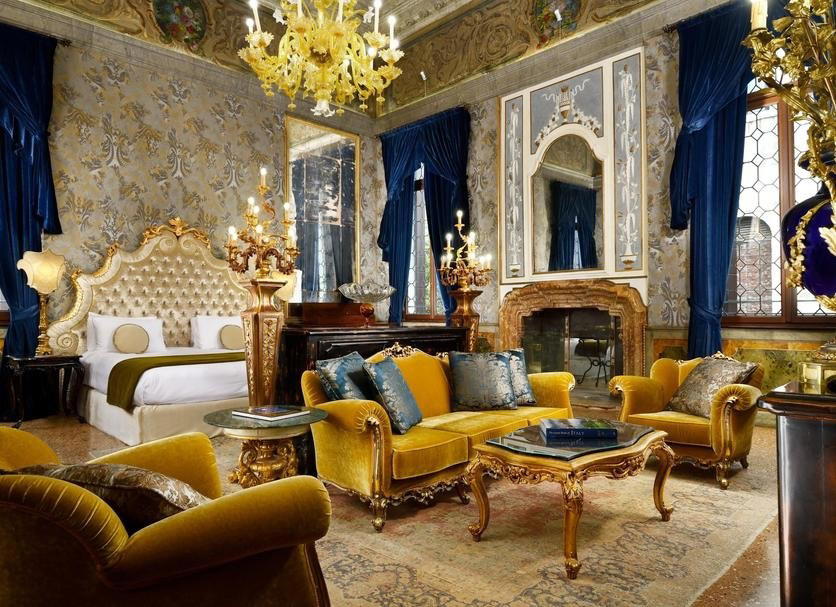
Elegant and family-like with warm main hall lighting, stylish furnishings, and romantic canal-side terrace tables.