Osteria 1861

Michelin Plate
Our verdict
Housed in a converted warehouse behind the beach in Santa Maria di Castellabate, Osteria 1861 works through Cilento's larder with the kind of specificity the region deserves. Chef Antoni Tafuri holds a Michelin Plate (2025) and runs tasting menus alongside à la carte, with vegetarian and vegan formats available. At €€€, it sits above casual coastal dining without reaching the stratosphere of Italy's starred rooms.

Pearl is the En Primeur Club membership app, where members save venues, book tables and use the concierge.
The menu
What to order
- Ricciola Cruda with green mandarin and wild fennel pollen
- Tra Fico e Mare grilled octopus with fig mosto
- Raviolo di Cacioricotta del Cilento
- Lobster three ways
- Cuttlefish with tomato and potato
Stone Vaults and Smoking History on the Cilento Coast
The approach matters here. A narrow alleyway cuts behind the beach at Santa Maria di Castellabate, and the building it leads to once had a working life in preservation rather than pleasure, curing meats, drying the figs that the Cilento hills still produce in abundance. That history is legible in the architecture: stone-vaulted ceilings, thick walls that absorb the heat of a southern Italian afternoon, a small terrace softened by plants. The space reads as a converted working building rather than a designed-from-scratch restaurant, and that distinction shapes the atmosphere in ways that a purpose-built room rarely achieves. For a fuller picture of where Osteria 1861 sits within the local dining scene, see our full Santa Maria di Castellabate restaurants guide.
The Cilento Larder and Why It Warrants Attention
Cilento is one of those Italian food regions that operates below the radius of the country's loudest culinary conversations. The debates tend to cluster around Modena (where Osteria Francescana has redefined what progressive Italian cooking can mean), or Florence (the long-established formalism of Enoteca Pinchiorri), or the northern Italian kitchens where French technique absorbed into Italian produce over generations, as at Dal Pescatore. Cilento's contribution is quieter and more agricultural in character: a UNESCO-recognised territory whose ingredients, white figs, chickpeas from Cicerale, anchovies from Menaica fishing, buffalo mozzarella from the plains, carry centuries of cultivation behind them.
What that means at the table is that sourcing decisions here are not marketing positions. The figs that once dried in the very building Osteria 1861 now occupies are still a Cilento product with genuine historical weight. Anchovies from the Menaica method, caught individually on single hooks rather than in nets, are among the most considered small fish in Italian gastronomy. A kitchen that chooses to work seriously with these materials is engaging with a productive tradition, not constructing an origin story.
Chef Tafuri's Approach: Combination as Argument
Chef Antoni Tafuri's menu structure reflects the ingredients-first logic that defines the stronger end of regional Italian cooking. Tafuri works through tasting menus, including dedicated vegetarian and vegan formats, as well as à la carte, a combination that gives the kitchen range without forcing the commitment-averse diner into a set sequence. The tasting menus allow Tafuri to build argument through combination: showing how a single Cilento ingredient reads differently across multiple preparations, or how the coastal and inland halves of this compressed geography can speak to each other on a single plate.
At the €€€ price tier, Osteria 1861 occupies the space between casual coastal trattorias and the fully starred rooms that characterise Italy's highest-profile kitchens. For context, the creative Italian restaurants at the top of that ladder, places like Enrico Bartolini in Milan or Atelier Moessmer Norbert Niederkofler in the Dolomites, operate at €€€€ and carry Michelin stars. Tafuri's Michelin Plate recognition (awarded in both 2024 and 2025) signals a kitchen that meets the guide's standard for cooking quality without yet carrying a star; it is an honest credential rather than a headline one, and it places Osteria 1861 in a competitive tier that rewards the curious traveller willing to move beyond the flagged addresses. Similar coastal-region ambition can be found at Quattro Passi in Marina del Cantone, where the Amalfi Coast's ingredients receive comparable precision, and at Uliassi in Senigallia, where Adriatic produce has been the organising principle for decades.
The Room, the Terrace, the Season
The interior's stone vaulting creates a cool, low-lit space that works well in Cilento's warm months, the southern Italian summer is long and humid, and a room with thermal mass rather than air conditioning as its first line of defence feels considered rather than accidental. The terrace, framed by plants, extends the experience outdoors for the right conditions. Visitors arriving in summer will find both options available; shoulder-season visits in May or October typically offer lower prices on accommodation across the Cilento coast and a dining room that operates without peak-season pressure.
The alleyway approach, accessed from behind the beach, means first-time visitors should allow time to locate the entrance rather than arriving with a narrow margin before a reservation.
Placing Osteria 1861 in Italy's Modern Cuisine Conversation
Italy's modern cuisine tier has fragmented in interesting directions over the past decade. The grand northern rooms, Le Calandre in Rubano, Piazza Duomo in Alba, represent one pole: highly technical, often conceptual, priced and staffed accordingly. At the other end, a generation of southern and central Italian kitchens have found that regional specificity, genuine agricultural identity rather than a generically Italian aesthetic, offers a more durable argument than technique alone. Reale in Castel di Sangro has made this case for Abruzzo with considerable force; Casa Perbellini does something related in Verona from a different starting point. The comparison with fully starred rooms outside Italy is also instructive: the technical demands of a place like Frantzén in Stockholm or FZN by Björn Frantzén in Dubai represent a different set of priorities entirely, built on supply chains and kitchen infrastructure that the Cilento model explicitly rejects.
Osteria 1861 is making a regional argument, and the Michelin Plate, awarded two years running, is the guide's signal that the argument is being made coherently. Whether it develops further along the starred trajectory or remains in this tier as a destination in its own right will depend on factors outside the food itself, the constraints of a small building, a remote location, a regional audience. For the traveller already in Cilento, those constraints are the point.
Planning a Visit
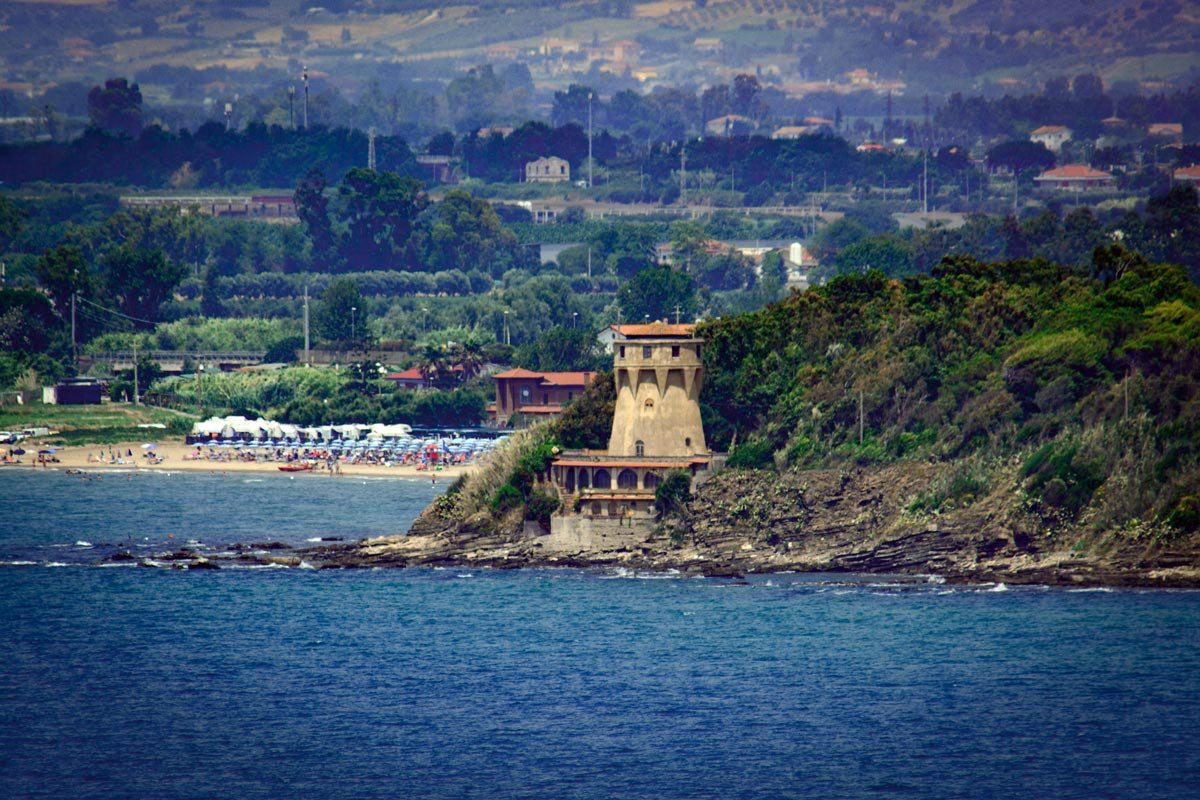
Osteria 1861 sits on Via Valentino Izzo in Santa Maria di Castellabate, accessed via the alleyway behind the beach. The town itself is a small coastal comune in the Cilento and Vallo di Diano National Park, reachable by car from Salerno in roughly an hour. Those combining the visit with a longer stay will find relevant guidance in our Santa Maria di Castellabate hotels guide; for drinks before or after, see our bars guide. The local wine and agricultural context is covered in our wineries guide, and broader regional activities in our experiences guide. The à la carte option means a visit need not commit to a full tasting sequence, which keeps the format accessible for shorter stays or mixed-appetite groups.
Frequently asked questions
What should I budget for a meal at Osteria 1861?
Pricing at Osteria 1861 is listed as €€€.
At-a-Glance Comparison
| Venue | Cuisine | Price | Awards | Notes |
|---|---|---|---|---|
| Osteria 1861This venue (the venue you are viewing) | Modern Cilento Coastal | $50–100 | Michelin Plate | Not listed |
| Atelier Moessmer Norbert Niederkofler | Modern Alpine Fine Dining | $300–500 | 3 Michelin Stars · World's 50 Best #20 | Italian, Creative |
| Dal Pescatore | Classic Italian Fine Dining | $200–300 | 3 Michelin Stars · World's 50 Best #38 | Italian, Italian Contemporary |
| Enoteca Pinchiorri | Contemporary Italian Fine Dining | $200–300 | 3 Michelin Stars · World's 50 Best #32 | Italian - French, Italian Contemporary |
| Enrico Bartolini | Modern Italian Fine Dining | $300–500 | 3 Michelin Stars · World's 50 Best #85 | Creative |
| Osteria Francescana | Avant-Garde Italian Contemporary | $300–500 | 3 Michelin Stars · World's 50 Best #1 | Progressive Italian, Creative |
Recognition history
Dated appearances from independent guides and award organizations, with the underlying list record or original source where available.
Michelin Plate
Michelin
Full recognition history (3 entries)
Michelin Plate
Michelin
Michelin Plate
Michelin
Continue exploring
More in Santa Maria di Castellabate
Restaurants in Santa Maria di Castellabate
All restaurants in Santa Maria di Castellabate →
Bars in Santa Maria di Castellabate
Browse all →
Hotels in Santa Maria di Castellabate
Browse all →

Details
- Romantic
- Elegant
- Intimate
- Scenic
- Date Night
- Special Occasion
- Celebration
- Terrace
- Waterfront
- Historic Building
- Standalone
- Sommelier Led
- Local Sourcing
- Farm To Table
- Sustainable Seafood
- Waterfront
- Tasting Menu
- A La Carte
- Campania Wines
- Fiano
- Greco
- Aglianico
- Vegetarian Friendly
- Vegan Options
- Gluten Free Options
- Pescatarian Friendly
- Allergy Accommodating
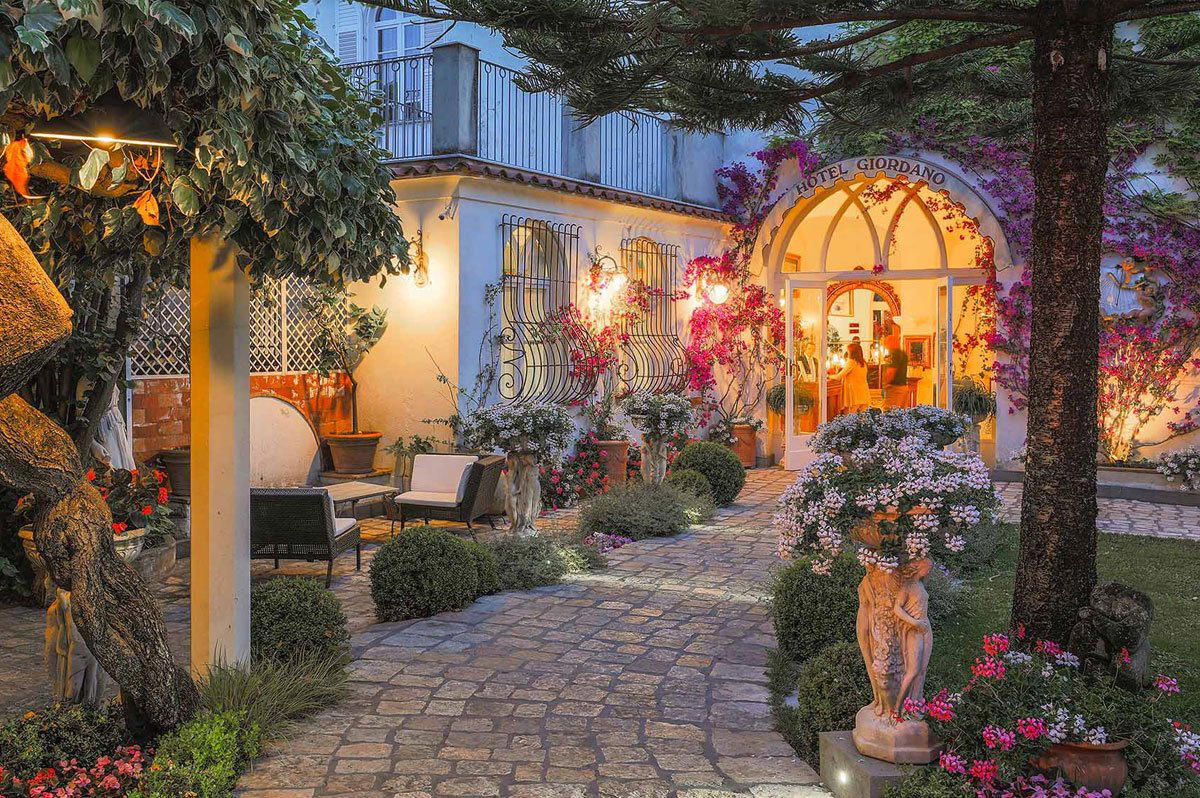
Stone-vaulted ceilings and candlelit corners create an enveloping calm; a petite terrace lush with climbing greens whispers of the sea beyond, evoking romantic coastal authenticity.