
Set within the Royal Paestum hotel, Osteria Arbustico holds a Michelin star under chef Cristian Torsiello, whose modern Campanian cooking draws on hyper-local ingredients from the surrounding Cilento region. The signature 'Tanagro' ten-course tasting menu traces the seasonal rhythms of the Campania interior, while an à la carte selection brings the same precision to individual dishes. A serious dining destination in a town better known for its Greek temples than its restaurant scene.
Pearl is the En Primeur Club membership app — saves, bookings, and concierge access live there. Same editors, same standards.
- Address
- via Francesco Gregorio 40, Paestum, 84047, Italy
- Phone
- +39 0828 851525
- Website
- osteriaarbustico.it
- Directions
- Get directions
 Saves & bookings on Pearl
Dining in the Shadow of Ancient Stones
Paestum is a town that commands attention for the wrong reasons, at least from a culinary standpoint. Visitors arrive for the Doric temples, three of particularly intact Greek structures in the world, and tend to eat accordingly, settling for trattorie geared toward coach-tour throughput. Against that backdrop, the emergence of serious modern cuisine here carries more weight than the same achievement would in Naples or Milan. When a Michelin star lands in a town of this size, it signals something: that a chef is working with enough conviction, and enough local material, to justify the attention of the guide's inspectors making the journey south of Salerno.
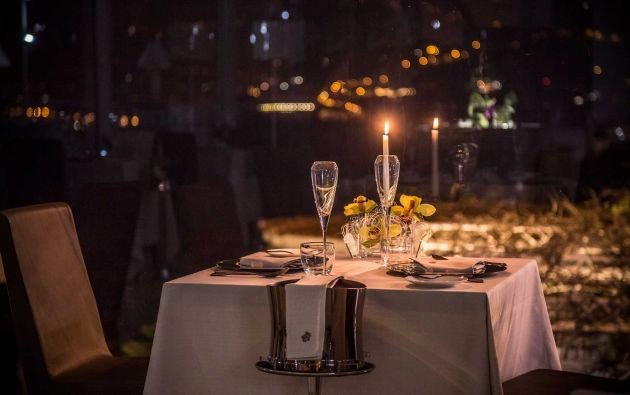
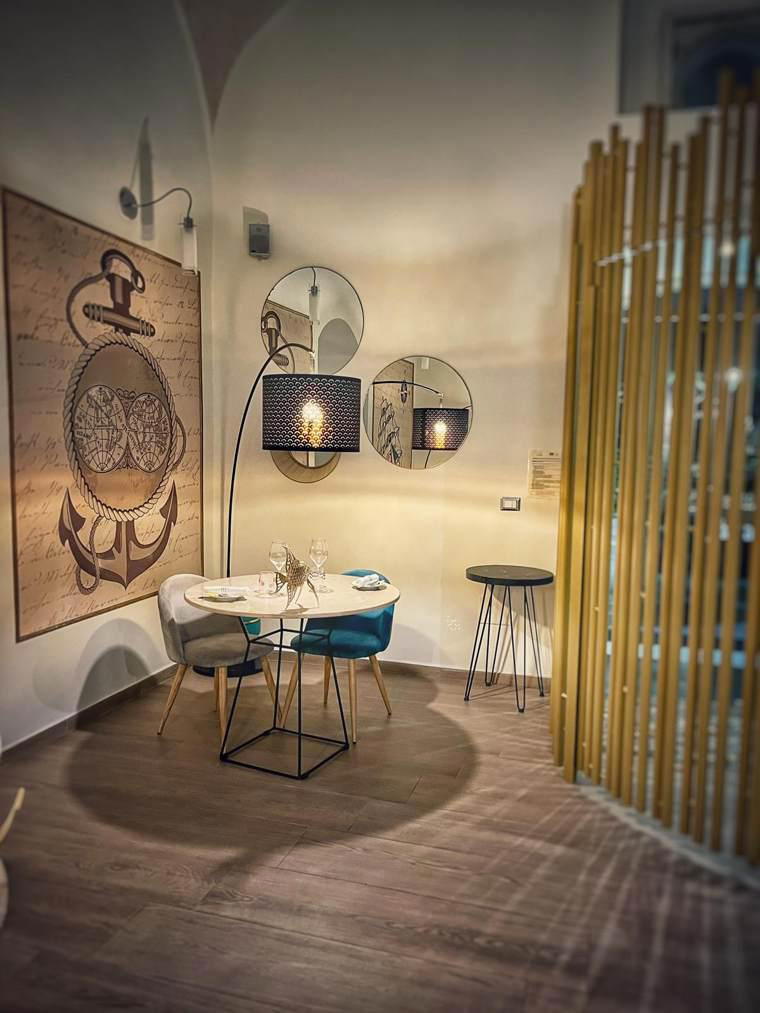
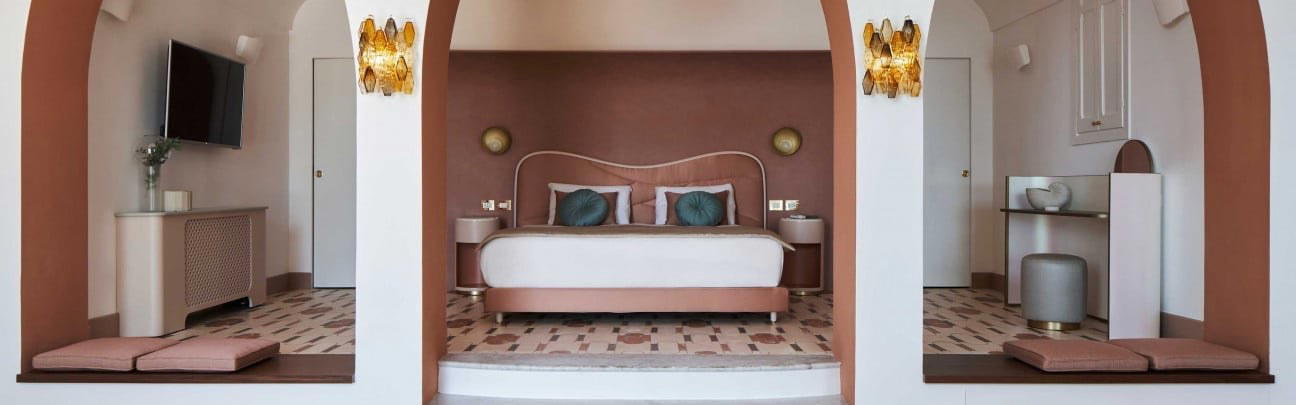
Osteria Arbustico operates from within the Royal Paestum hotel on via Francesco Gregorio 40 in Paestum, a setting that places it in the bracket of hotel dining rooms that have outgrown their accommodation context. The dining room is contemporary in finish, which in this region reads as a deliberate statement: the Cilento coast and its hinterland are not short of rustic charm, and choosing a spare, modern interior is a way of signalling that the cooking will not lean on folkloric atmosphere to do its work.
The Structure of the Meal
Modern Italian tasting menus at this level follow a grammar that has become fairly standardised across the country's Michelin tier: a long procession of small courses, each constructed around a single local ingredient or technique, moving from delicate to more substantial. What distinguishes one kitchen from another within that format is how much the cooking teaches you about a specific place. In that sense, the 'Tanagro' ten-course menu at Osteria Arbustico is a structured argument about the Campanian interior. The name refers to the Tanagro River, which flows through the Vallo di Diano in the heart of Cilento, a territory that rarely features in the shorthand descriptions of Campanian food, which tend to default to the coastline and the volcanic plains around Naples.
Working through a menu of this length requires a particular kind of patience from the diner. The pacing of a serious tasting menu, the deliberate interval between courses, the shift from light to more concentrated flavours, the moment when a cheese trolley or a pre-dessert signals the meal is entering its final third, is not merely logistical. It is the architecture of the experience itself. At restaurants of this type, service timing becomes a form of hospitality, and the two and a half to three hours at the table are not incidental to the meal but constitutive of it. The operating hours reflect this: lunch service runs 12:30 to 2:00 PM, dinner 7:30 to 10:00 PM, with Wednesday and Thursday closed. Booking well in advance is advisable, particularly for dinner seatings on Friday and Saturday.
The à la carte at Osteria Arbustico runs alongside the tasting menu and gives access to signature dishes without the full commitment of ten courses. For diners who prefer to eat more selectively, or who are returning and want to revisit specific preparations, this represents a meaningful option. In a dining category where the tasting menu has become almost obligatory, the parallel à la carte is a considered structural choice rather than a fallback.
Where Osteria Arbustico Sits in the Regional Picture
The Michelin star places the restaurant in a specific competitive tier for the Paestum area. The local fine-dining scene has a small number of serious operators. Le Trabe and Tre Olivi occupy the higher end of the price spectrum at €€€€, while Da Nonna Sceppa operates at the more accessible €€ level with a focus on traditional Campanian cooking. The restaurant at €€€ sits between those poles: above the casual register, below the leading price tier, and distinguished by the Michelin credential that neither of the more expensive local competitors currently holds publicly at this level.
In the broader Italian context, the kitchen's emphasis on regional specificity and restraint connects it to a current in modern Italian cooking that values what the territory actually produces over imported techniques or imported ingredients. Kitchens like Quattro Passi in Marina del Cantone and Uliassi in Senigallia represent similar commitments to coastal and regional specificity within their respective territories, while restaurants operating at different price and complexity points, Osteria Francescana in Modena, Enoteca Pinchiorri in Florence, Enrico Bartolini in Milan, Le Calandre in Rubano, and Dal Pescatore in Runate, map the full range of where Italian fine dining has positioned itself internationally. Atelier Moessmer Norbert Niederkofler in Brunico offers the closest philosophical parallel in its mountain-specific sourcing discipline. Internationally, the precision-led modern format finds equivalents at places like Frantzén in Stockholm and FZN by Björn Frantzén in Dubai, though the culinary vocabularies differ considerably.
What makes the restaurant's position specifically interesting is its geography. Campania's fine-dining reputation concentrates heavily around Naples, the Amalfi Coast, and the Sorrentine Peninsula. A Michelin-starred kitchen operating further south, in a town with a primarily archaeological tourist draw, is working against the grain of where destination diners typically route themselves. That cut-against-the-tide position is part of what makes the restaurant worth understanding on its own terms.
The Cooking and What It Asks of the Diner
Chef Cristian Torsiello, originally from Valva in the Salerno province, has built a kitchen practice around Cilento-area sourcing. The Michelin documentation notes a consistent emphasis on locally sourced ingredients and what it describes as deceptively simple presentations, where technique serves flavour rather than announces itself. This is a meaningful distinction in modern tasting-menu cooking, where technical display can easily become the point rather than the means.
The 'Tanagro' menu's ten courses create a particular rhythm: it is long enough that you will feel the passage of time, short enough that the meal does not tip into endurance. For a first visit, the tasting menu is the more instructive choice, it gives the fullest account of where the kitchen's thinking currently sits. For diners returning, or those with specific dietary structures that make long menus impractical, the à la carte provides a different kind of access to the same culinary argument.
Planning a Visit
The restaurant is located at via Francesco Gregorio 40 within the Royal Paestum hotel. Arriving from Naples, Paestum sits roughly 90 kilometres south on the A3 Autostrada del Sole before the Battipaglia exit, then south through the Piana del Sele; the drive takes approximately 90 minutes depending on traffic around Salerno. A regional train service runs from Naples Centrale to Paestum station, making the restaurant accessible without a car, though the hotel location is a short transfer from the station. Given the Michelin recognition and the limited scale of the local market, advance reservations are the operative approach, particularly for weekend evenings. The price tier at €€€ positions a full dinner with wine in the range of what a Michelin one-star in a secondary Italian city typically commands, which is to say meaningfully above casual dining but not at the level of a multi-star urban counter.
For a fuller picture of where to eat, stay, and drink in the area, consult our full Paestum restaurants guide, Paestum hotels guide, Paestum bars guide, Paestum wineries guide, and Paestum experiences guide.
Cuisine Context
Comparable venues nearby, for context on price, style, and recognition.
| Venue | Cuisine | Price | Awards | Notes |
|---|---|---|---|---|
| Osteria ArbusticoThis venue — the venue you are viewing | Modern Italian Fine Dining | $$$$ | Michelin 1 Star | Not listed |
| Tre Olivi | Modern Italian Fine Dining | $$$$ | Michelin 1 Star | Paestum |
| Le Trabe | Contemporary Mediterranean Fine Dining | $$$$ | Michelin 1 Star | Capaccio Paestum |
| Da Nonna Sceppa | Traditional Campanian Seafood | $$$ | Michelin Plate | Laura |
| Casa Coloni | Dining | Not listed | Michelin Plate | Paestum |
| Veritas | Modern Italian Fine Dining | $$$$ | Michelin 1 Star | Chiaia |
Recognition history
Dated appearances from independent guides and award organizations, with the underlying list record or original source where available.
Michelin 1 Star
Michelin
Michelin 1 Star
Michelin
Continue exploring
More in Paestum
Restaurants in Paestum
Browse all →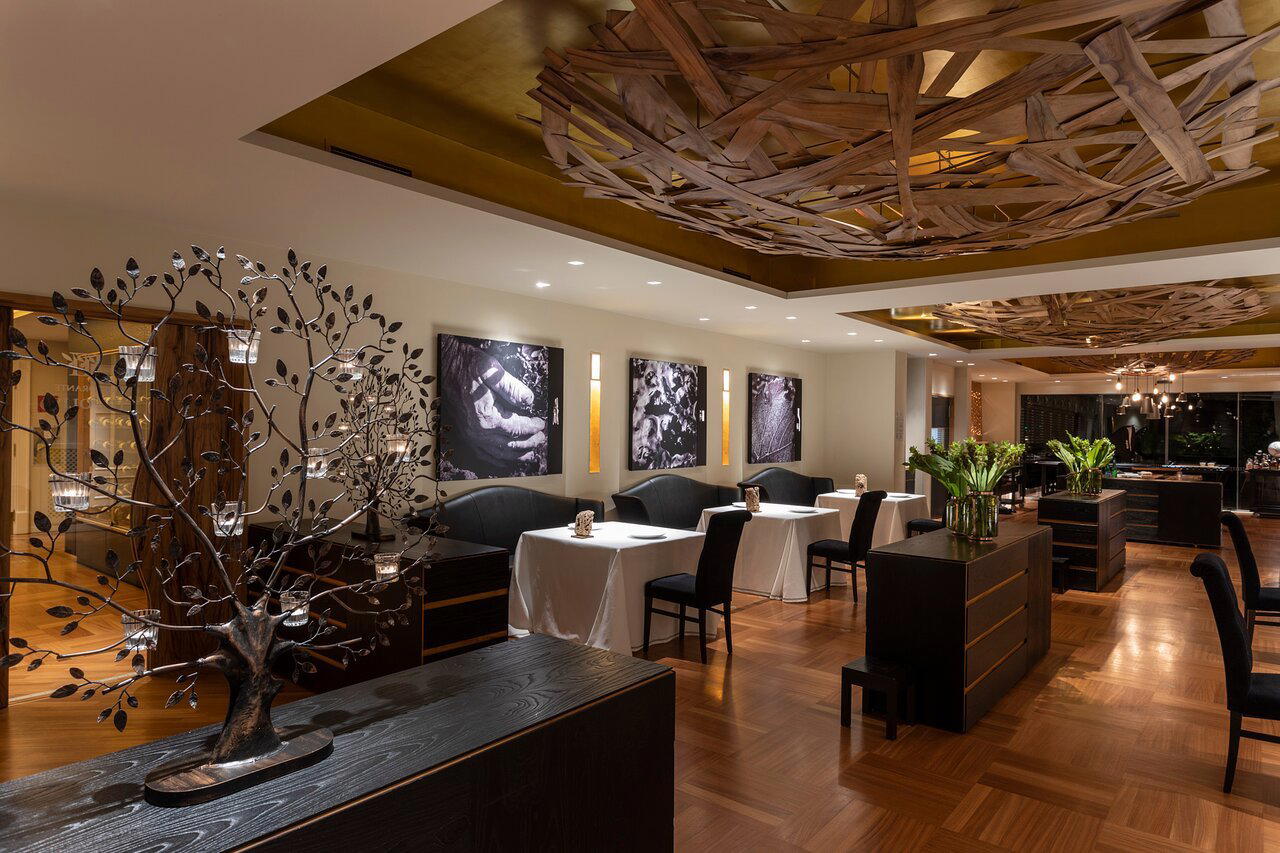
Bars in Paestum
Browse all →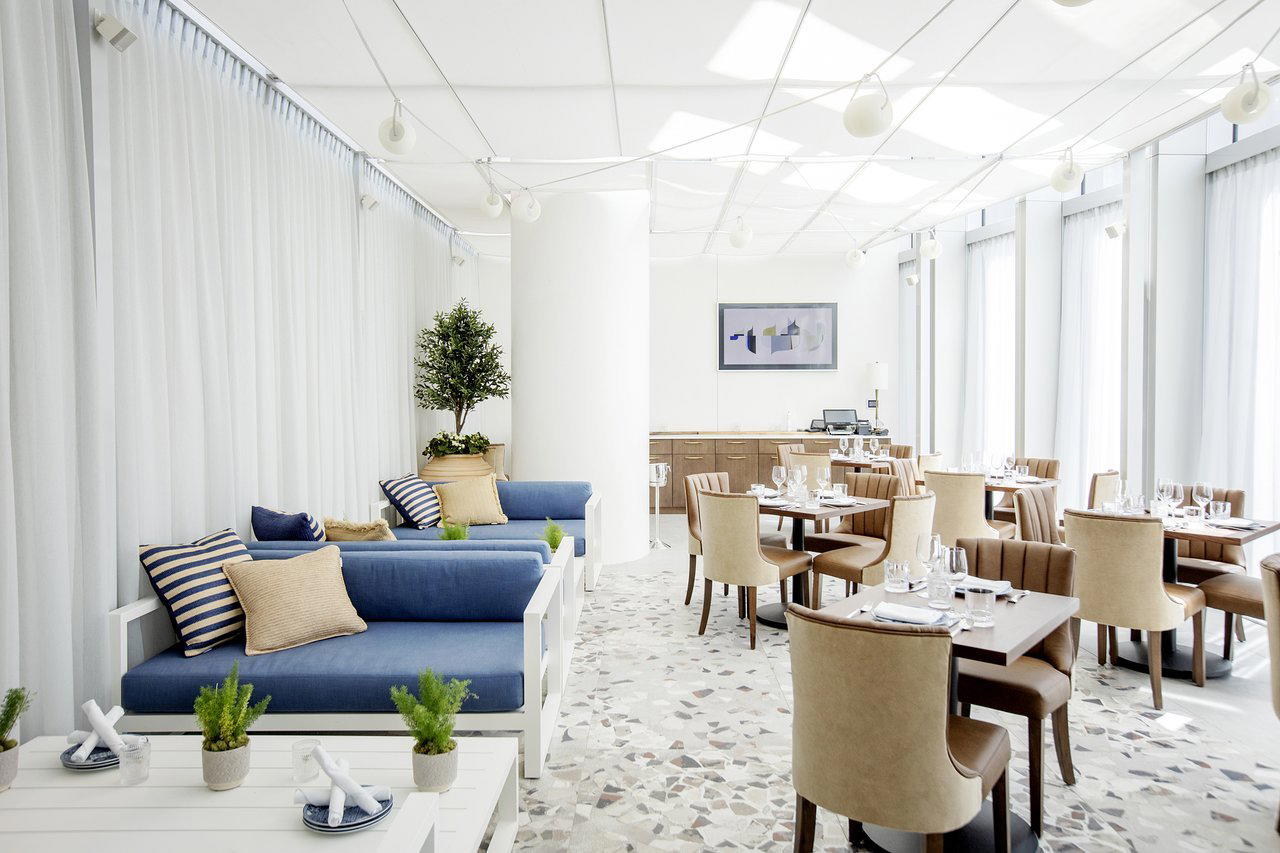
Hotels in Paestum
Browse all →

At a Glance
- Modern
- Elegant
- Sophisticated
- Minimalist
- Special Occasion
- Date Night
- Hotel Restaurant
- Extensive Wine List
- Sommelier Led
- Local Sourcing
Elegant, contemporary minimalist ambience where the cuisine takes center stage, with modern decor and professional service.