Osha sits on Trubarjeva cesta in Ljubljana's Tabor quarter, operating within a city whose restaurant scene has quietly reoriented around ethical sourcing and reduced environmental footprint. The address places it within walking distance of the old town's pedestrian core, making it a practical anchor for diners exploring Ljubljana's emerging sustainability-conscious dining tier.
Pearl is the En Primeur Club membership app — saves, bookings, and concierge access live there. Same editors, same standards.
- Address
- Trubarjeva cesta 40, 1000 Ljubljana, Slovenia
- Phone
- +38640282713
- Website
- osha.si
- Directions
- Get directions
 Saves & bookings on Pearl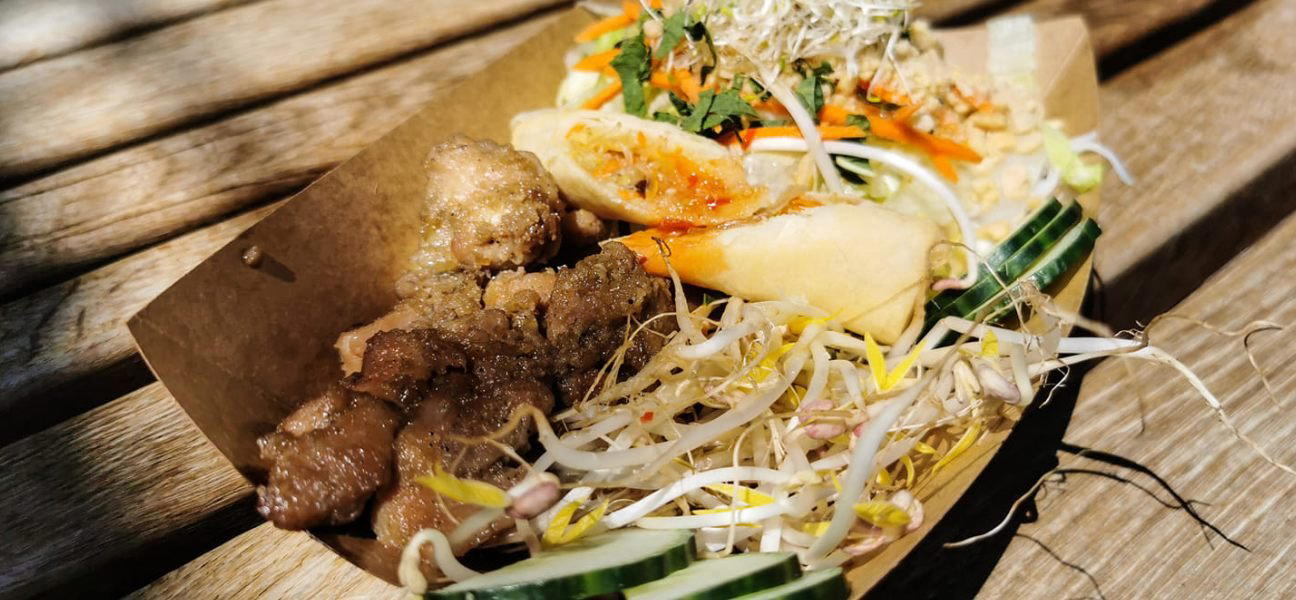
Where Ljubljana's Sustainability Turn Gets Specific
Slovenia's capital has been repositioning its food identity for the better part of a decade, and the direction of travel is clear: away from volume catering and toward kitchens that treat sourcing as craft. That shift isn't distinctive to Ljubljana, it runs through the country's fine dining circuit from Hiša Franko in Kobarid to Gostilna Pri Lojzetu in Vipava, but the capital's version has its own texture. Osha, at Trubarjeva cesta 40 in Ljubljana, serves Thai & Vietnamese Street Food at a casual price point. The address itself signals something: Tabor is east of the old town's tourist circuit, a neighbourhood where locals eat rather than one where itineraries are managed. Arriving from the pedestrian zone, the city's scale drops noticeably, and the street-level atmosphere shifts from managed heritage to lived-in urban.
The Sourcing Argument in Slovenia's Dining Scene
Across Slovenia's serious kitchens, from Altrokè, which operates at the affordable end with a regional produce focus, to the higher price points of Restavracija Strelec, the sourcing conversation has moved past marketing language into operational specifics. Short supply chains, reduced waste protocols, and seasonal menus timed to agricultural reality rather than customer expectation have become the markers separating credible sustainability commitments from surface-level positioning. Ljubljana's proximity to the Karst region, the Julian Alps foothills, and the Vipava Valley means the raw material supply for ethical sourcing is genuinely available, unlike in larger European capitals where provenance claims require more sceptical reading.
Osha operates within this context. What distinguishes the better-positioned restaurants in Ljubljana's sustainability tier isn't a single dramatic gesture but the accumulation of smaller decisions: how waste is handled across a service, whether the menu length is disciplined enough to minimise spoilage, and whether the kitchen relationship with suppliers is direct and durable rather than intermediated. These criteria are harder to verify from the outside than an award or a price bracket, but they shape the dining experience in ways that become apparent across a meal.
Trubarjeva and the Tabor Quarter
Trubarjeva cesta runs through one of Ljubljana's more characterful inner-city corridors, named after the 16th-century Protestant reformer Primož Trubar, whose influence on Slovenian literary culture gives the street an intellectual weight the signage doesn't shout about. The neighbourhood draws a mix of students from the nearby faculty buildings, residents from the surrounding apartment blocks, and diners specifically seeking restaurants that operate outside the old town's more concentrated cluster. That spatial separation matters in a city of Ljubljana's size: the walk from the Triple Bridge takes roughly ten minutes, but the psychological distance from the tourist circuit is more significant than the physical one.
Within Ljubljana's restaurant geography, Trubarjeva cesta sits in productive proximity to a cluster of addresses that reward purposeful exploration. For diners building a broader Ljubljana itinerary, AFTR and Allegria offer different points on the contemporary dining spectrum, while Abi Falafel represents the city's more casual, internationally influenced register. Osha occupies its own position within this spread, with a character shaped by the Tabor context rather than the pressures of old-town-adjacent visibility.
Slovenia's Broader Fine Dining Circuit as Reference Point
Understanding Osha's place requires some sense of where Ljubljana sits in Slovenia's wider culinary geography. The country punches above its size in serious dining: Hiša Franko has brought international attention to the Soča Valley, while Hiša Denk in Zgornja Kungota, Hiša Linhart in Radovljica, and Dam in Nova Gorica have collectively demonstrated that the country's ambitions extend well beyond the capital. Milka in Kranjska Gora, Pavus in Lasko, Gostilna Mlinar in Idrija, and Gostišče Karavla 297 in Trzic reinforce that pattern, serious cooking is dispersed across the country, not concentrated in Ljubljana alone. Grič in Šentjošt nad Horjulom adds a rural, terroir-focused dimension to that picture.
In this national context, Ljubljana restaurants that build a credible sustainability position are competing not just with each other but with countryside addresses where proximity to the source is structural rather than aspirational. A Ljubljana kitchen that sources from Vipava Valley winemakers or Karst pastoralists is doing something architecturally more complex than a rural gostilna sitting next to its own kitchen garden, and should be evaluated accordingly. For reference points at the other end of the ambition scale, kitchens like Le Bernardin in New York and Atomix illustrate how sourcing philosophy can coexist with technical rigour at the highest price points, though Slovenia's version of that argument is built on entirely different economic and agricultural conditions.
Planning a Visit
Osha's Trubarjeva cesta address is reachable on foot from Ljubljana's main train station in under fifteen minutes, and from the old town in around ten. The Tabor neighbourhood has enough daytime and evening life to warrant arriving early and spending time in the area before a meal. Osha is walk-in friendly and open Monday through Saturday from 11 AM to 9 PM; it is closed on Sunday. Ljubljana's dining culture leans toward evening service, with kitchens typically most animated after 19:00, and the city's compact scale makes combining dinner in Tabor with drinks elsewhere in the centre direct. Seasonal shifts in Slovenia's agricultural calendar, spring asparagus, summer soft fruits, autumn mushroom and game, tend to register visibly in menus built around short-chain sourcing, so timing a visit to align with those transitions rewards the attention.
Cuisine Context
Comparable venues nearby, for context on price, style, and recognition.
| Venue | Cuisine | Price | Notes |
|---|---|---|---|
| OshaThis venue — the venue you are viewing | Thai & Vietnamese Street Food | $$ | Not listed |
| Tokyo Piknik | Japanese Street Food & Ramen | $$ | Ljubljana City Center |
| Zanoodle | Asian Fusion Noodle Bistro | $$ | Center |
| Italian restaurant Mirje | Authentic Italian Pizza and Pasta | $$ | Mirje |
| Ošterija Pr'Noni | Modern Slovenian-Mediterranean | $$ | Vič |
| Restavracija Most | Slovenian Mediterranean | $$ | Central Ljubljana |
Continue exploring
More in Ljubljana
Restaurants in Ljubljana
Browse all →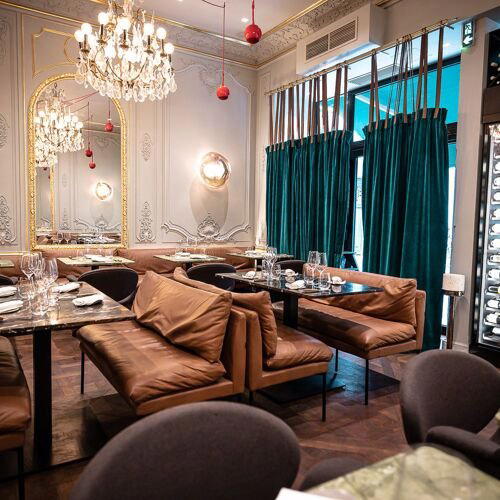
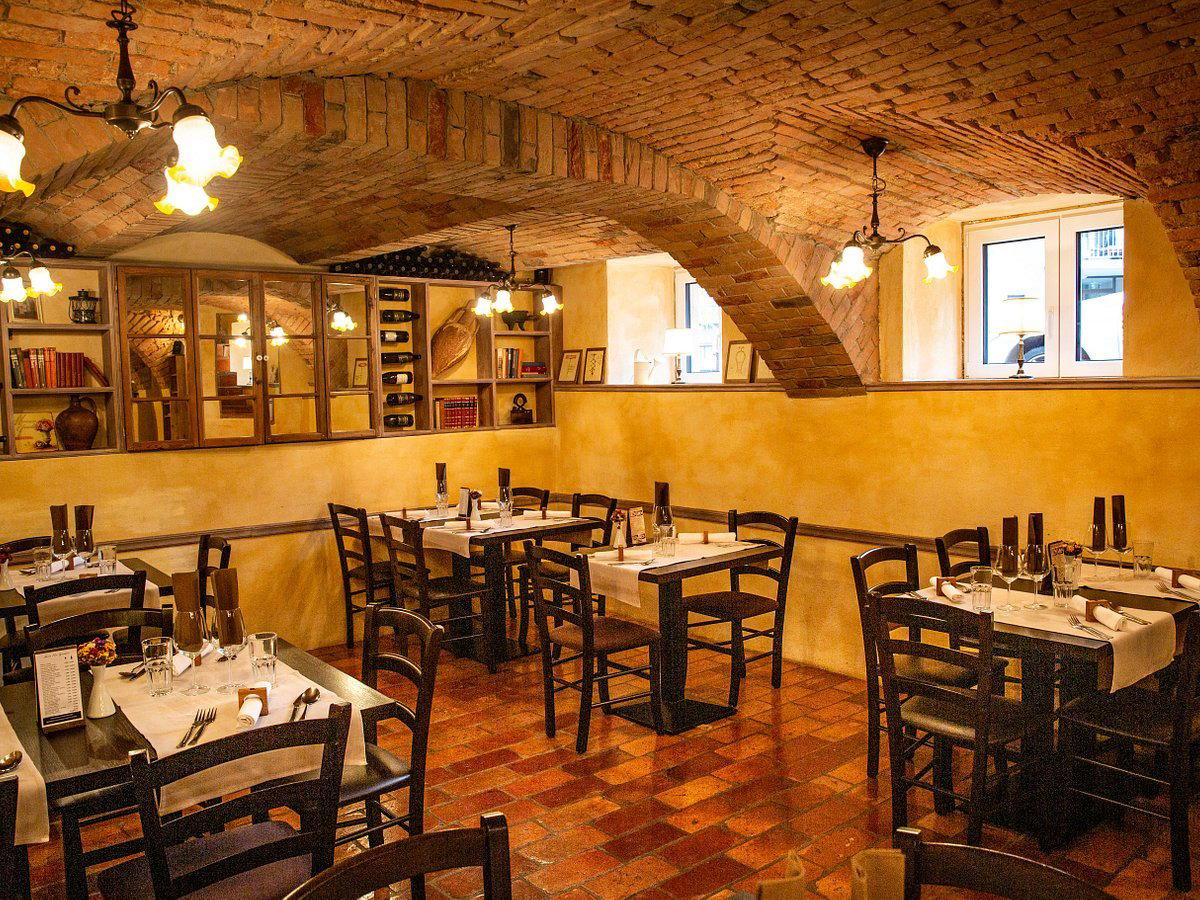
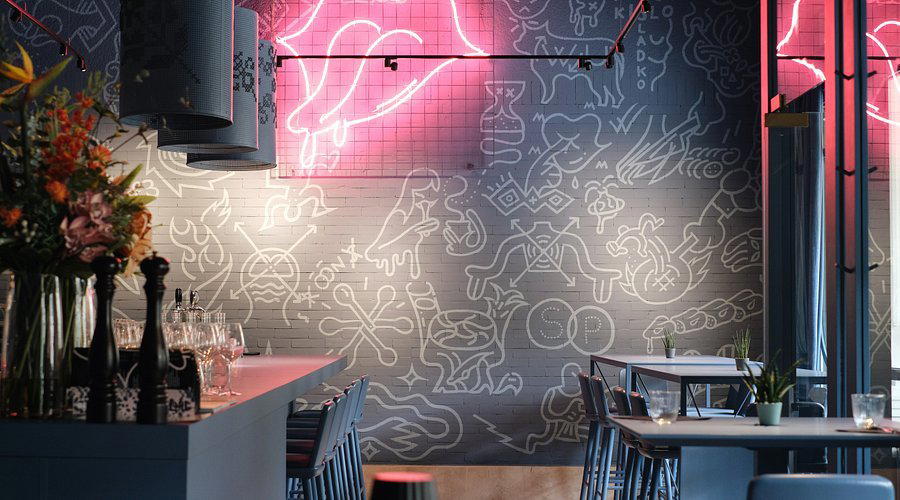
Bars in Ljubljana
Browse all →
Hotels in Ljubljana
Browse all →


Wineries in Ljubljana
Browse all →
At a Glance
- Cozy
- Trendy
- Casual Hangout
- Street Scene
Current opening hours
- Monday
- 11 AM–9 PM
- Tuesday
- 11 AM–9 PM
- Wednesday
- 11 AM–9 PM
- Thursday
- 11 AM–9 PM
- Friday
- 11 AM–9 PM
- Saturday
- 11 AM–9 PM
- Sunday
- Closed
Hours can change for holidays and private events. Last verified .
Cosy and cool with lively street vibes, offering a casual spot for fresh southeast Asian flavors indoors or outside.