On Tržaška cesta, one of Ljubljana's main southwestern arteries, Italian restaurant Mirje occupies a position that reflects a broader pattern in the city's dining scene: Italian cooking done at neighbourhood scale, without the ceremony of the old town tourist belt. For diners who want the structure and pacing of a proper Italian meal in a local setting, Mirje is a practical and considered address.
Pearl is the En Primeur Club membership app — saves, bookings, and concierge access live there. Same editors, same standards.
- Address
- Tržaška c. 5, 1000 Ljubljana, Slovenia
- Phone
- +38670727373
- Website
- restavracija-mirje.si
- Directions
- Get directions
 Saves & bookings on Pearl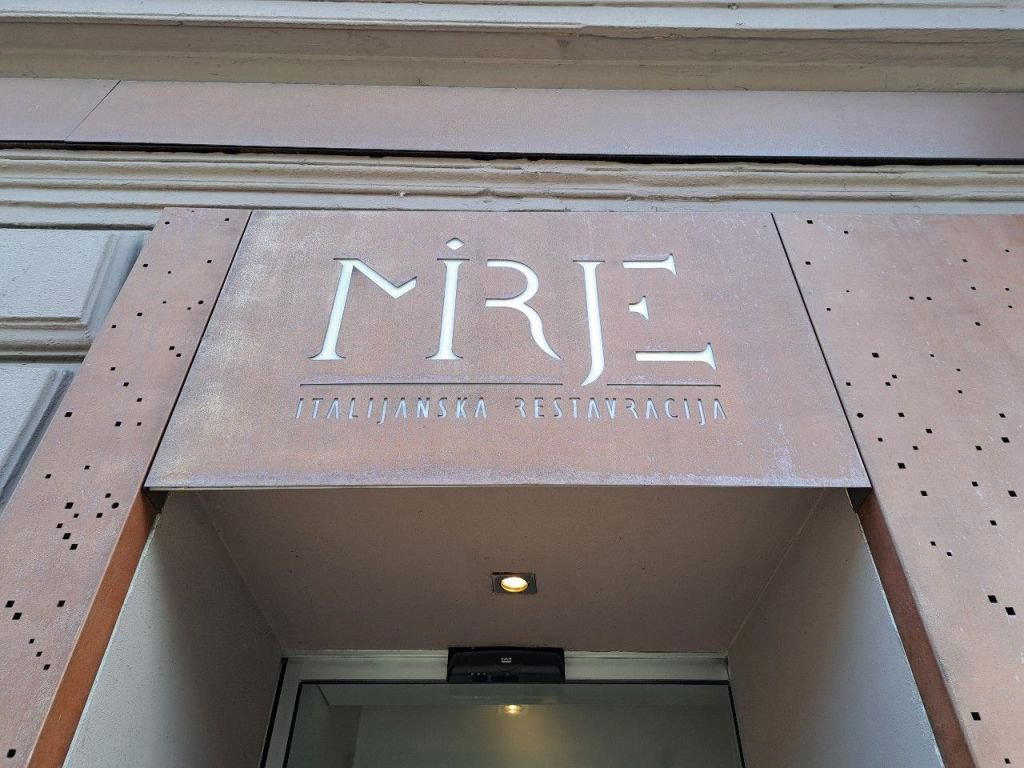
Where Ljubljana's Italian Tradition Meets the Neighbourhood Table
Tržaška cesta runs southwest from Ljubljana's centre toward the Mirje district, and the restaurants along it tell a different story from the terraced cafés of Mestni trg or the tourist-facing trattorias near the triple bridge. Here, the dining rooms are smaller, the clientele is local, and the meal tends to follow a pace dictated by habit rather than performance. Italian restaurant Mirje sits in that context: an address that functions as a proper neighbourhood Italian, where the rhythm of the meal matters as much as any individual dish.
Slovenia's proximity to Italy, the border is less than an hour's drive from Ljubljana, gives the city's Italian restaurants a credibility that landlocked capitals rarely have. Ingredients, culinary influence, and even trained cooks move freely across that border. The result is that Ljubljana's Italian dining scene sits closer to the Friuli-Venezia Giulia tradition than to the genericised pasta-and-pizza format that circulates in northern European cities. At the neighbourhood end of that spectrum, places like Mirje carry that regional proximity into everyday cooking rather than into tasting-menu showmanship.
The Ritual of the Italian Meal, Ljubljana Style
The structure of a proper Italian meal, antipasto, primo, secondo, dolce, with no pressure to compress the sequence, survives better in neighbourhood restaurants than in their more visible, award-tracked peers. At the middle and upper tiers of Ljubljana's dining scene, formats have shifted toward shorter tasting menus and contemporary plating conventions. At Mirje, the expectation is different: the meal unfolds at a tempo the diner controls, and the kitchen's role is to execute each stage cleanly rather than to surprise.
This pacing carries its own discipline. A well-run neighbourhood Italian is harder to assess than a tasting-menu restaurant precisely because the benchmarks are less visible. There are no Michelin citations to use as shorthand, no published tasting notes to triangulate against. The judgment rests on whether the pasta is properly seasoned, whether the secondi arrive at the right temperature, and whether the room operates with the quiet competence that regular customers return for. In Ljubljana's mid-range Italian tier, those standards separate the reliable from the merely convenient.
For comparison, the city's more formally recognised Italian addresses tend to price at a premium and operate with a degree of ceremony that not every meal warrants. Restavracija Strelec operates at the €€€ tier with a modern cuisine approach that signals ambition rather than tradition. AFTR sits at the €€ tier with a contemporary framing. Mirje's neighbourhood positioning means it occupies a different function in the city's dining ecology: the restaurant you return to on a Tuesday evening, not the one you book two months ahead for a celebration.
Italian Cooking in the Context of a Small Capital
Ljubljana's restaurant scene is compact by Western European standards, which concentrates competition and sharpens the distinction between tiers. The city has enough volume of Italian restaurants, from quick-service pizza counters to mid-range trattorias to the occasional fine-dining exception, that an address on Tržaška cesta must earn its local reputation through consistency rather than novelty.
The Mirje district itself has a residential character that filters the clientele. This is not a restaurant built on passing tourist trade. The patrons are largely Slovenian, largely regular, and largely indifferent to the kind of staging that drives social media traffic. That audience is, in many respects, one demanding one: they know what a properly made risotto should cost and taste like, and they have alternatives within walking distance.
Slovenia's dining scene more broadly has attracted serious critical attention in recent years, concentrated at the high end. Hiša Franko in Kobarid holds two Michelin stars and ranks on the World's 50 Best list. Gostilna Pri Lojzetu in Vipava and Hiša Denk in Zgornja Kungota carry Michelin recognition. Milka in Kranjska Gora, Dam in Nova Gorica, Grič in Šentjošt nad Horjulom, Hiša Linhart in Radovljica, Pavus in Lasko, and Gostilna Mlinar in Idrija collectively signal that Slovenian regional cooking has found international legibility. That context matters for understanding where neighbourhood Italian restaurants in Ljubljana sit: they are not attempting to participate in that conversation, and they are better for it.
Placing Mirje in Ljubljana's Broader Italian Tier
Within Ljubljana specifically, the Italian format spans a range. At the accessible end, Altrokè operates at the single-euro tier with a regional cuisine focus. Allegria and Abi Falafel represent different points on the city's casual dining spectrum. Mirje's address on Tržaška cesta places it in a residential pocket where the competition is local and the expectations are grounded. For visitors staying outside the old town core, or for those who prefer to eat as Ljubljana residents rather than as tourists, the Mirje district offers a more representative cross-section of how the city actually eats.
It is also worth situating this against the broader international frame. The discipline of a well-executed neighbourhood Italian, the kind of cooking that Le Bernardin in New York or Atomix operate at radically different price points and ambition levels, rests on a different set of virtues. Precision here means consistency across covers, not innovation across courses. That is not a lesser ambition; it is a different one, and Ljubljana's neighbourhood Italian tier is where that version of the craft operates.
For those building a fuller picture of Ljubljana's dining options, the full Ljubljana restaurants guide covers the city's range from neighbourhood staples to its more formally recognised addresses. The Gostišče Karavla 297 in Trzic represents a regional example of the kind of local-focused cooking that defines this tier across Slovenia.
Planning Your Visit
Italian restaurant Mirje is located at Tržaška cesta 5 in the Mirje district of Ljubljana, southwest of the city centre. The address is accessible by tram or a short walk from the inner ring. The restaurant recommends reservations, and regular hours run Monday through Friday from 11:30 AM to 9:30 PM, Saturday from 12 PM to 9:30 PM, with Sunday closed.
Cuisine-First Comparison
Comparable venues nearby, for context on price, style, and recognition.
| Venue | Cuisine | Price | Notes |
|---|---|---|---|
| Italian restaurant MirjeThis venue — the venue you are viewing | Authentic Italian Pizza and Pasta | $$ | Not listed |
| Piazza | Classic Italian Pizzeria | $$ | Central Ljubljana |
| Restavracija diVino | Modern Mediterranean & Italian | $$$ | BTC City |
| Kruhkerija Gorjanc Ljubljana | Traditional Slovenian Hotemaški Kruhki | $$ | Dunajska Street / Central Ljubljana |
| Saraj Restavracija | Bosnian Grill & Balkan Cuisine | $$ | Ljubljana |
| Restavracija Valentin | Seafood and Adriatic Classics | $$ | Center |
Continue exploring
More in Ljubljana
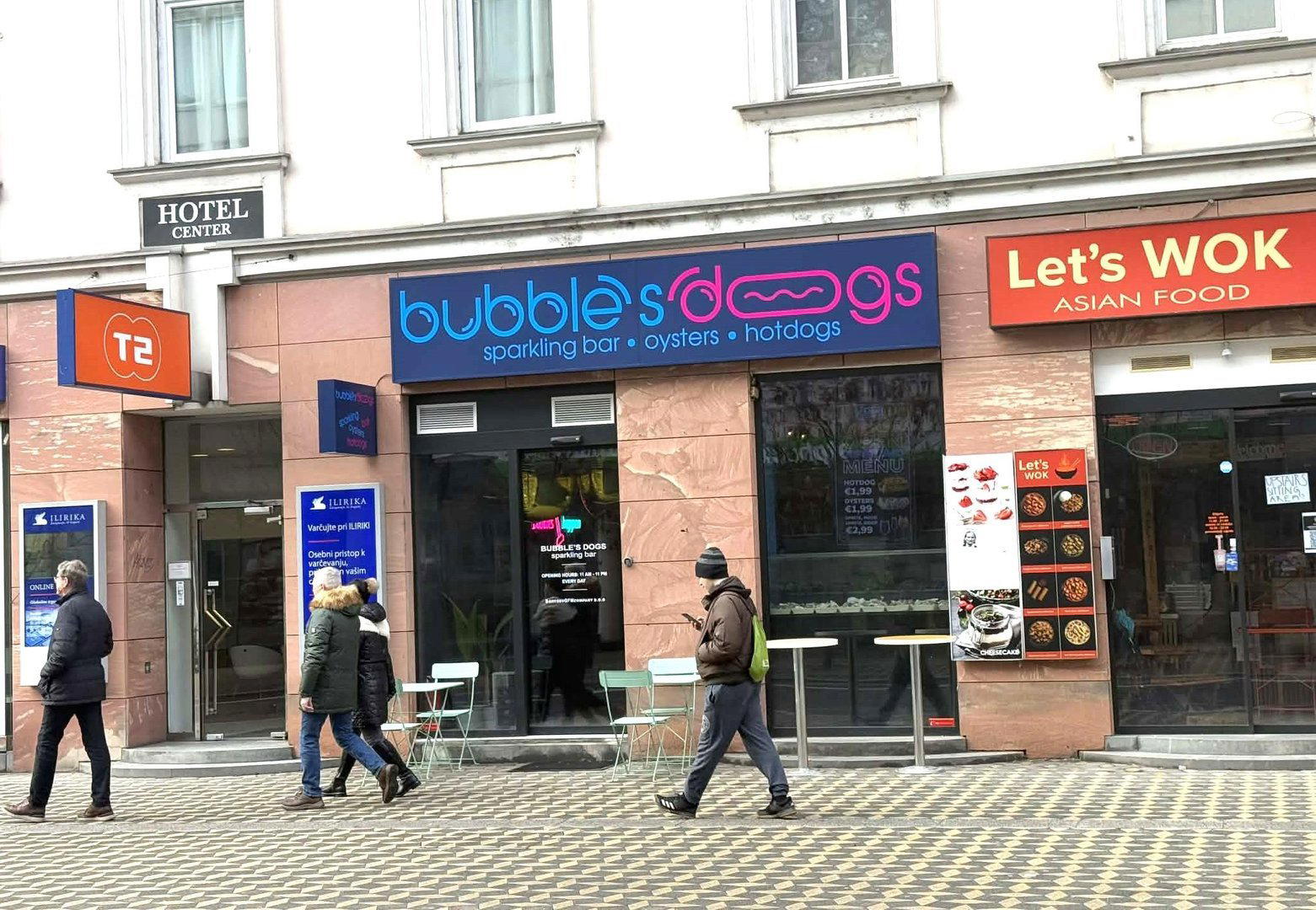
Restaurants in Ljubljana
Browse all →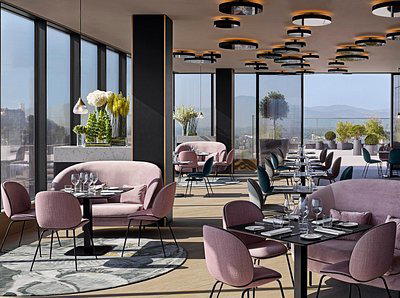
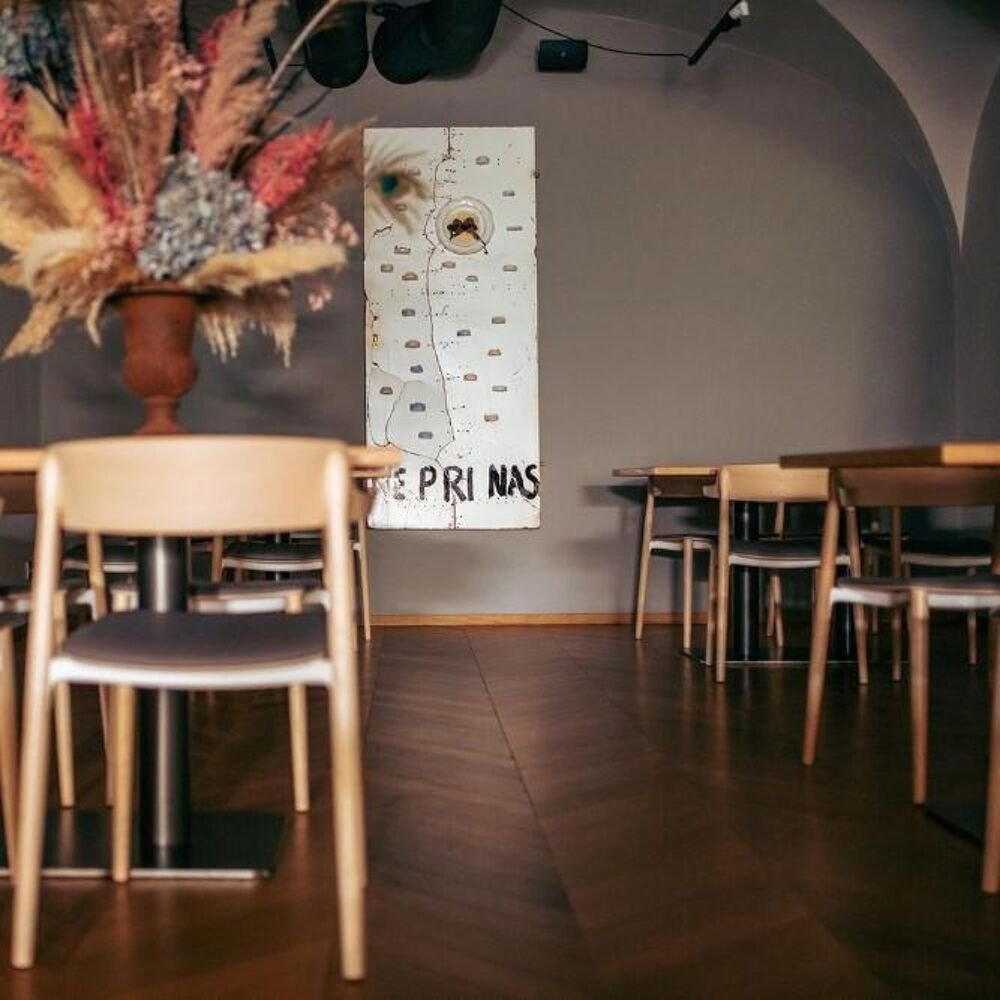
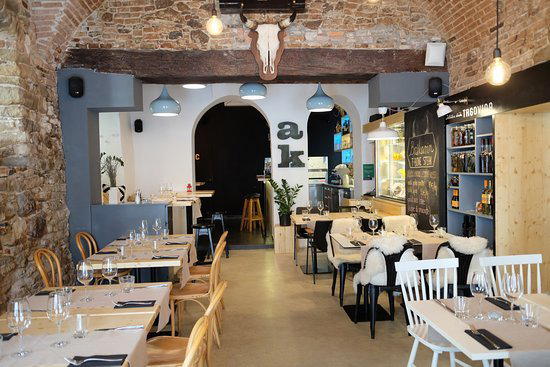
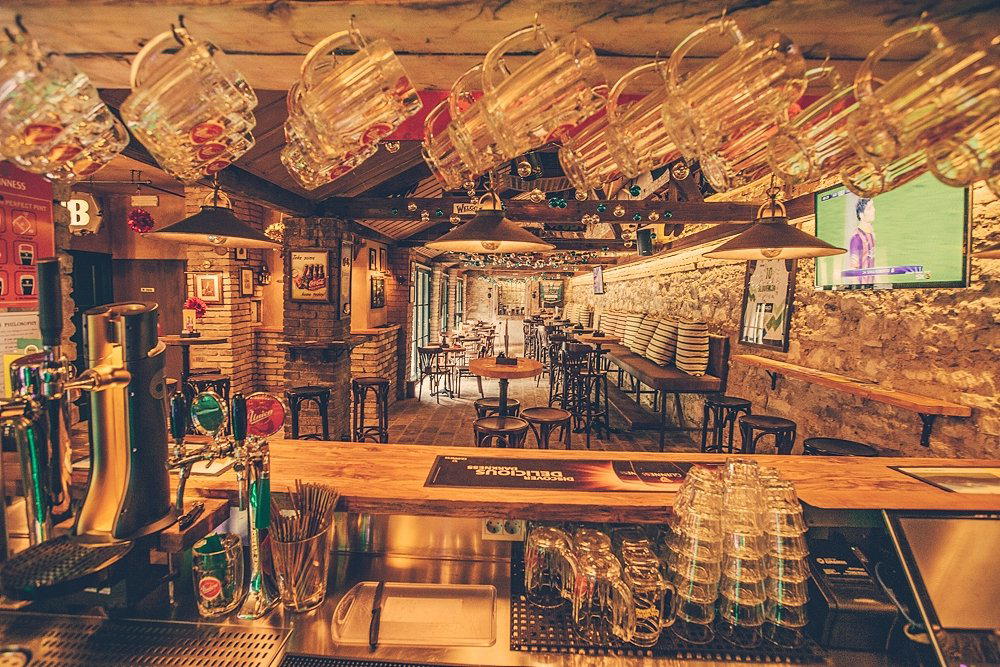
Bars in Ljubljana
Browse all →
Hotels in Ljubljana
Browse all →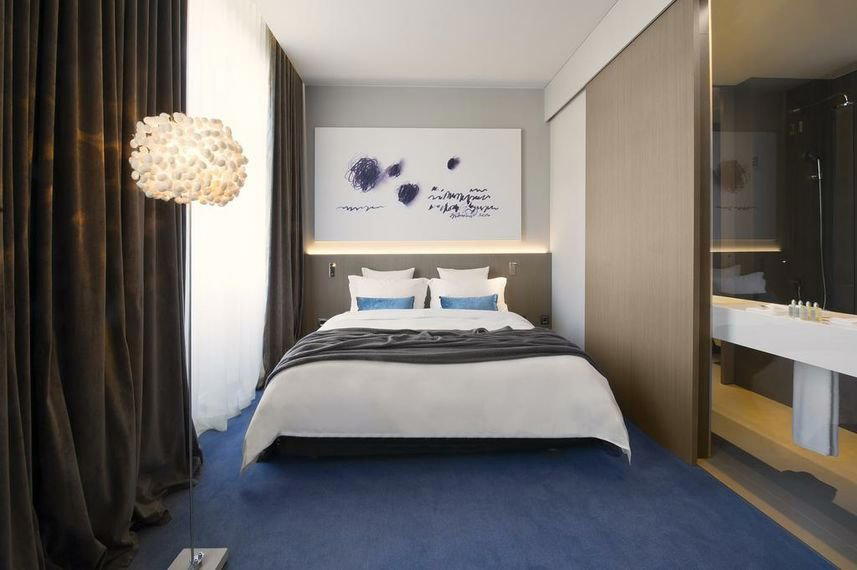
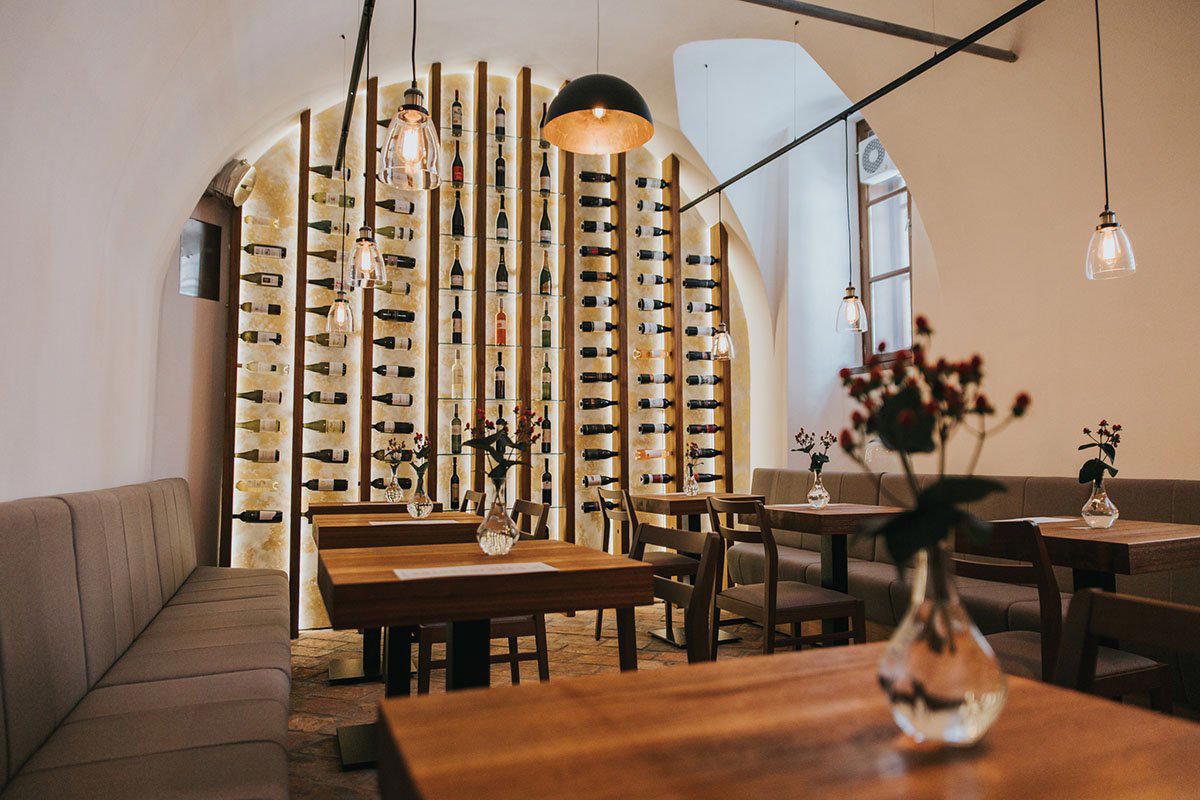
Wineries in Ljubljana
Browse all →
At a Glance
- Cozy
- Modern
- Classic
- Casual Hangout
- Family
- Date Night
- Open Kitchen
- Extensive Wine List
Current opening hours
- Monday
- 11:30 AM–9:30 PM
- Tuesday
- 11:30 AM–9:30 PM
- Wednesday
- 11:30 AM–9:30 PM
- Thursday
- 11:30 AM–9:30 PM
- Friday
- 11:30 AM–9:30 PM
- Saturday
- 12–9:30 PM
- Sunday
- Closed
Hours can change for holidays and private events. Last verified .
Special modern atmosphere from 2016 makeover, cozy and pleasant with warm inviting feel.