Mon Loup occupies a quiet address on Rue la Condamine in the 17th arrondissement, a neighbourhood that sits between the market density of Batignolles and the more composed dining rooms of the 8th. Where much of Paris's serious restaurant conversation fixes on grand boulevard addresses, the 17th has quietly developed a counter-tradition of smaller, sourcing-led kitchens that reward return visits over spectacle.
Pearl is the En Primeur Club membership app — saves, bookings, and concierge access live there. Same editors, same standards.
- Address
- 114 Rue la Condamine, 75017 Paris, France
- Phone
- +33749161229
- Website
- mabichemonloup.com
- Directions
- Get directions
 Saves & bookings on Pearl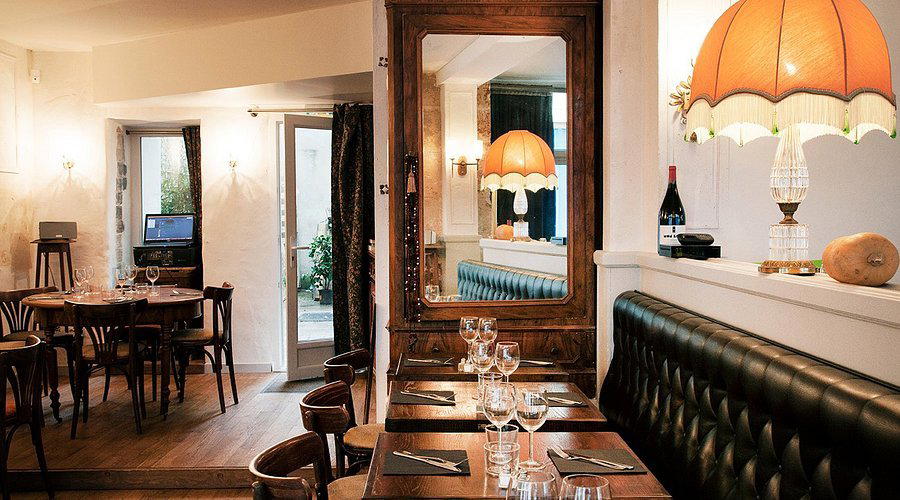
Where the 17th Arrondissement Does Its Eating
Paris dining has long operated on a two-tier geography: the monuments of the 8th and 1st arrondissements, and the neighbourhood rooms that serious eaters actually frequent. The 17th arrondissement, and Batignolles in particular, belongs to the second category. Rue la Condamine sits in the heart of that quarter, a street where the pace is residential rather than touristic and where the restaurants that take root tend to be shaped by what the markets and producers around them can supply rather than by the ambitions of a hotel dining group. Mon Loup, at number 114, fits that template.
The sourcing-led bistro format that has defined the better end of Paris neighbourhood dining over the past fifteen years works differently from the grand tasting-menu model you find at Alléno Paris au Pavillon Ledoyen or Le Cinq at the Four Seasons George V. The point is not to construct a complete artistic statement from a fixed sequence of courses, but to present what the season and the supplier network have made available that week, cooked with enough skill to let those materials carry the argument. It is a model that depends entirely on the quality of the sourcing relationships behind it, which is why the address matters less than who is delivering to the kitchen door.
Sourcing as the Structural Argument
France's broader dining culture has always treated ingredient provenance as a first-order question rather than a marketing footnote. The tradition runs from Michel Bras at Bras in Laguiole, where the plateau's flora and foraging inform the menu architecture, through to the Troisgros family's long-standing relationships with specific farmers and growers, documented across decades at Troisgros - Le Bois sans Feuilles in Ouches. At Auberge de l'Ill in Illhaeusern and Flocons de Sel in Megève, the relationship between a kitchen and its immediate geography is structural: the menus would not make sense transplanted anywhere else.
The question for a Paris neighbourhood room is how to build a version of that logic inside a city, where the kitchen cannot step outside and forage but must instead maintain relationships with the right markets, the right farmers at Rungis or the smaller specialist suppliers who work directly with restaurants. When those relationships are functioning, the result is a menu that changes often, tracks the real season rather than a calendar approximation of it, and reflects a kitchen paying close attention to what arrives at the back door each morning. That responsiveness is the sourcing-led model's signature, and it is what distinguishes the rooms that practice it genuinely from those that use seasonal language as decoration.
Internationally, the sourcing discipline that France codified has become the default reference point for serious kitchens everywhere. Mirazur in Menton, which holds three Michelin stars and reached the best of the World's 50 Best list, built its identity around a kitchen garden on site and a menu that rotates with the biodynamic calendar. At the other end of the format spectrum, Atomix in New York and Le Bernardin both treat primary ingredient quality as non-negotiable, regardless of the cultural framework around it.
The Batignolles Quarter in Practice
For a visitor planning time in the 17th, the neighbourhood works well understood in relation to its market infrastructure. The Marché Batignolles on Boulevard des Batignolles runs on Saturdays and is one of the better organic markets in Paris, drawing the kind of small-scale producers whose output tends to end up on the plates of the neighbourhood's more considered restaurants. The area does not have the concentration of high-profile addresses you find in the 11th or around Saint-Germain, but that relative absence of destination-dining pressure is part of what allows the rooms here to operate on their own terms.
In terms of peer context, a meal at Mon Loup occupies a different register from the grand-institution experience at L'Ambroisie on Place des Vosges or the Franco-Japanese precision of Kei in the 1st. Those rooms are making a different kind of argument, with different price points and a different set of expectations from the room. The 17th neighbourhood format is a more direct transaction: produce of quality, cooked with intelligence, in a room that functions as a local restaurant for people who eat in restaurants regularly. The comparison that matters is not with the grands tables but with the other sourcing-led neighbourhood bistros across the city, where the bar has risen considerably over the past decade.
For a broader view of where Mon Loup sits within the Paris dining map, see our full Paris restaurants guide.
Reading the Room
The category of restaurant that Mon Loup represents has become one of the more contested in Paris. As the sourcing-led bistro format has gained critical credibility, it has also attracted operators who use the vocabulary without the underlying commitment: short menus that claim seasonality but change infrequently, supplier name-dropping that functions as branding rather than evidence of a genuine relationship. The rooms that sustain reputations in this tier are those where the kitchen's engagement with its suppliers is visible in the cooking itself, where the menu reflects what is actually at peak rather than what photographs well.
The French regional restaurants that have maintained the clearest sourcing integrity across decades tend to be those where the geography made it unavoidable. Auberge du Vieux Puits in Fontjoncouse, AM par Alexandre Mazzia in Marseille, Assiette Champenoise in Reims, and Au Crocodile in Strasbourg each operate in relation to a specific regional larder that defines what they can cook well. A Paris kitchen does not have that geographic constraint, which means the sourcing choices are more deliberate and the supply relationships more actively maintained. At Paul Bocuse's Auberge du Pont de Collonges near Lyon, the relationship between kitchen and regional producers became part of the restaurant's documented history. Paris rooms have to build equivalent credibility through consistency over time rather than geography.
Mon Loup, on its residential stretch of Rue la Condamine, represents the kind of address that rewards a reservation made with some advance planning and a return visit to judge the consistency. The 17th is not a neighbourhood built for single-visit tourism. It is built for eating.
Planning Your Visit
Mon Loup is at 114 Rue la Condamine, 75017 Paris, in the Batignolles quarter of the 17th arrondissement. The nearest Metro stations are Rome (line 2) and La Fourche (line 13). The Saturday organic market on Boulevard des Batignolles makes a natural pairing for a morning visit to the neighbourhood before an afternoon or evening meal.
Continue exploring
More in Paris
Restaurants in Paris
Browse all →

Bars in Paris
Browse all →
Hotels in Paris
Browse all →
At a Glance
- Cozy
- Classic
- Intimate
- Casual Hangout
- Brunch
- Open Kitchen
- Extensive Wine List
- Farm To Table
- Local Sourcing
Current opening hours
- Monday
- 12–2 PM, 6–10 PM
- Tuesday
- 12–2 PM, 6–11:30 PM
- Wednesday
- 12–2 PM, 6–11:30 PM
- Thursday
- 12–2 PM, 6–11:30 PM
- Friday
- 12–2 PM, 6–11:30 PM
- Saturday
- 11 AM–2 PM, 6–11:30 PM
- Sunday
- 10:30 AM–5:30 PM
Hours can change for holidays and private events. Last verified .
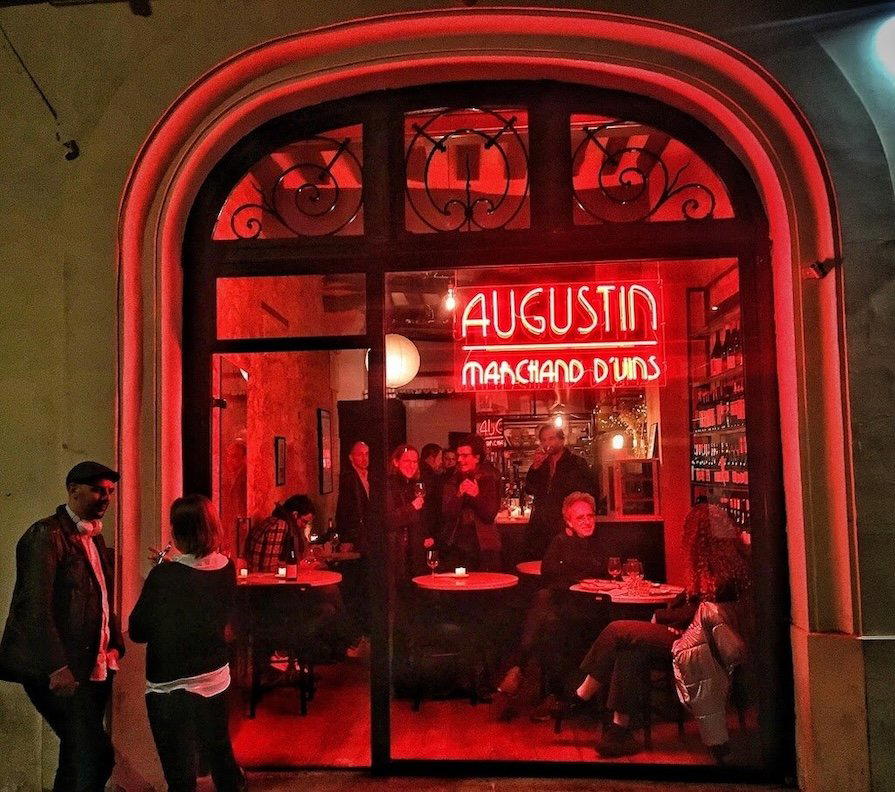
Cozy bistro designed like a grandmother's apartment with inviting traditional atmosphere.
Know Before You Go
- Getting there
- 114 Rue la Condamine, 75017 Paris, France