
Tabelog 100 #24
Our verdict
Osaka teppanyaki sits between performance and precision, and Osaka Teppanyaki Kobe Beef TATARA places that tradition in Umeda’s busy Ohatsu Tenjin orbit. Its Tabelog Steak / Teppanyaki WEST 100 selection for 2025, counter-led format, English support, private rooms, and 46-seat scale make it a useful reference point for travelers comparing beef-focused dining above Osaka’s casual grill tier.

Pearl is the En Primeur Club membership app — saves, bookings, and concierge access live there. Same editors, same standards.
The menu
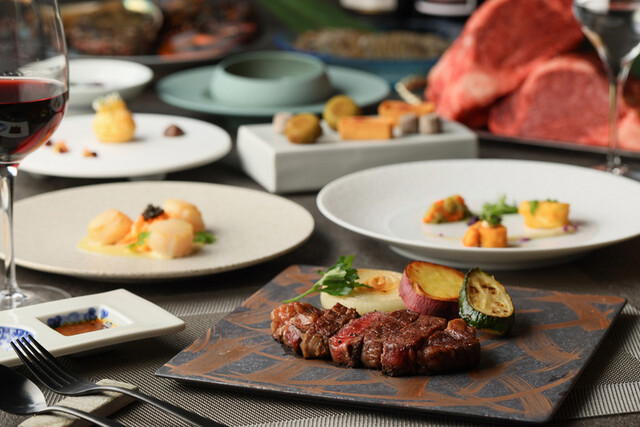
What to order
- Kobe Beef Course
- Tatara Omakase 10-course menu
- Kobe beef fillet or strip loin teppanyaki
- Kobe beef sushi
- Live abalone and lobster teppanyaki
Osaka has a particular rhythm: office workers cutting through covered arcades, small drinking rooms filling before last trains, and beef restaurants competing with yakitori, ramen, standing bars, and late-night snack counters. In that setting, teppanyaki gives structure to the noise: the grill becomes the focal point, the room narrows attention, and the meal slows Osaka’s usual speed into heat, timing, and service.
That is the appeal of Osaka Teppanyaki Kobe Beef TATARA. It is not chasing kaiseki’s hush or a counter noodle shop’s speed; it belongs to Japan’s steakhouse tradition, where grill culture is shaped by Japanese sequencing, portion control, and counter-facing craft. Its 2025 Tabelog Hyakumeiten recognition places it inside a recognized group rather than the broad field of tourist steak rooms. In Osaka, where beef ranges from casual yakiniku to polished course dining, that distinction matters.
Teppanyaki in Osaka means theatre with commercial discipline
Osaka’s dining character is often described through takoyaki, okonomiyaki, and kushikatsu, but the city also has serious beef culture. Teppanyaki translates that appetite into formal rhythm: the guest watches, the chef controls the pace, and the grill turns dinner into a sequence rather than a single plate. At its stronger end, the format is less spectacle than calibration: heat, rest time, knife work, and portioning.
Here, the blend of teppanyaki, steak, and French signals Osaka premium grill dining: Japanese beef culture with a more composed restaurant structure in the background. That helps mixed groups, where one diner wants a beef-led meal and another wants a more course-like restaurant experience.
The comparison set in Osaka shows how sharply this restaurant changes spend and occasion. Stand Tiger Lily and Sakaba Yamato sit in a lower drinking-dining bracket; sumibi yaki tori kamo jin Ohatsu tenjin ten and Yakiniku fujimoto Umeda ohatsu tenjin ten occupy more casual charcoal or yakiniku territory; Osaka Mentetsu is a budget noodle-style reference point. Against those Osaka choices, Osaka Teppanyaki Kobe Beef TATARA shifts the question from “where can a group eat well in Osaka?” to “which beef-led format fits a business dinner, anniversary, or controlled course meal?”
For a broader Osaka eating map, this is one expression of the city rather than the whole argument. A day might run through bakeries, pork buns, coffee, Italian cooking, pizza, standing bars, ramen counters, or other unnamed Osaka dining rooms. Teppanyaki enters when the evening needs ceremony without a temple-like dining room’s silence.
The room fits groups better than the tiny-counter stereotype
Many travelers imagine teppanyaki as a very small counter with a narrow booking window and a chef performing for one row. This restaurant is better understood through its listed categories of teppanyaki, steak, and French rather than as a bare-bones counter stop. That changes the use case, making business dinners and small celebrations feel more natural than at the most intimate counters associated with Japan’s high-price omakase culture.
The format also has practical advantages for international diners. The cooking is visible, the sequence is clear, and the meal is easier to follow than many free-form drinking rooms. Those details shape how confidently a visiting group can choose teppanyaki in Osaka without needing to turn the evening into a long negotiation over every order.
There is also timing to consider. Osaka has enough casual food options for spontaneous eating, but a recognized teppanyaki meal rewards advance planning, especially for groups or travelers building a full evening around dinner.
Where it sits in Japan's beef-and-counter culture
Teppanyaki in Japan is partly visual, but its deeper value is social. It gives formal dining a clear script without making the room stiff. The chef-facing format suits diners who want to watch technique; the course-like rhythm suits hosts who want a predictable spend band. That combination makes teppanyaki the middle ground between yakiniku’s do-it-yourself energy and steakhouse formality.
The price band clarifies the lane. Dinner is listed at JPY 8,000 - JPY 9,999, above neighborhood izakaya and casual grilled-meat choices, while lunch is listed at JPY 4,000 - JPY 4,999. The 2025 Tabelog Hyakumeiten recognition and 3.51 score signal that the restaurant is being judged within its category, not merely benefiting from Kobe beef as a search term.
For travelers comparing Japan-wide dining styles, this differs from sukiyaki, charcoal grilling, sake-led drinking rooms, casual Japanese formats abroad, and regional specialist restaurants. The point is not that one category outranks another; Osaka’s beef dining has several languages, and teppanyaki makes technique visible while keeping the evening orderly.
The editorial case is strongest for travelers who want beef-focused dining in Osaka with a recognized category signal and enough structure for couples or small groups. Diners seeking a rough-edged local drinking crawl should look elsewhere first. Diners who want a controlled Osaka steak dinner with counter energy and a more polished rhythm will understand why this format endures.
Just the Basics
Comparable venues by cuisine and price in the same metro.
| Venue | Cuisine | Price | Awards | Notes |
|---|---|---|---|---|
| Osaka Teppanyaki Kobe Beef TATARAThis venue (the venue you are viewing) | Kobe beef teppanyaki with French-influenced courses | $50–100 | Tabelog 100 #24 | Not listed |
| Stand Tiger Lily | Standing Teppan Izakaya & Bar | $20–30 | Tabelog 100 #45 | JPY 2,000 - JPY 2,999 |
| sumibi yaki tori kamo jin Ohatsu tenjin ten | Japanese Yakitori & Duck Hot Pot | $30–50 | Tabelog 100 #78 | JPY 4,000 - JPY 4,999 |
| Osaka Mentetsu | Osaka-style ramen counter | $10–20 | Tabelog 100 #91 | JPY 1,000 - JPY 1,999 JPY 1,000 - JPY 1,999 |
| Yakiniku fujimoto Umeda ohatsu tenjin ten | Yakiniku (Japanese BBQ) | $30–50 | Tabelog 100 #32 | JPY 5,000 - JPY 5,999 |
| Sakaba Yamato | Seafood Izakaya | Not listed | Tabelog 100 #93 | JPY 3,000 - JPY 3,999 JPY 3,000 - JPY 3,999 |
Recognition history
Dated appearances from independent guides and award organizations, with the underlying list record or original source where available.
Tabelog 100 #24 · No. 24
Tabelog · Tabelog 100 - Steak / Teppanyaki - WEST - 2025
Continue exploring
More in Osaka
Restaurants in Osaka
All restaurants in Osaka →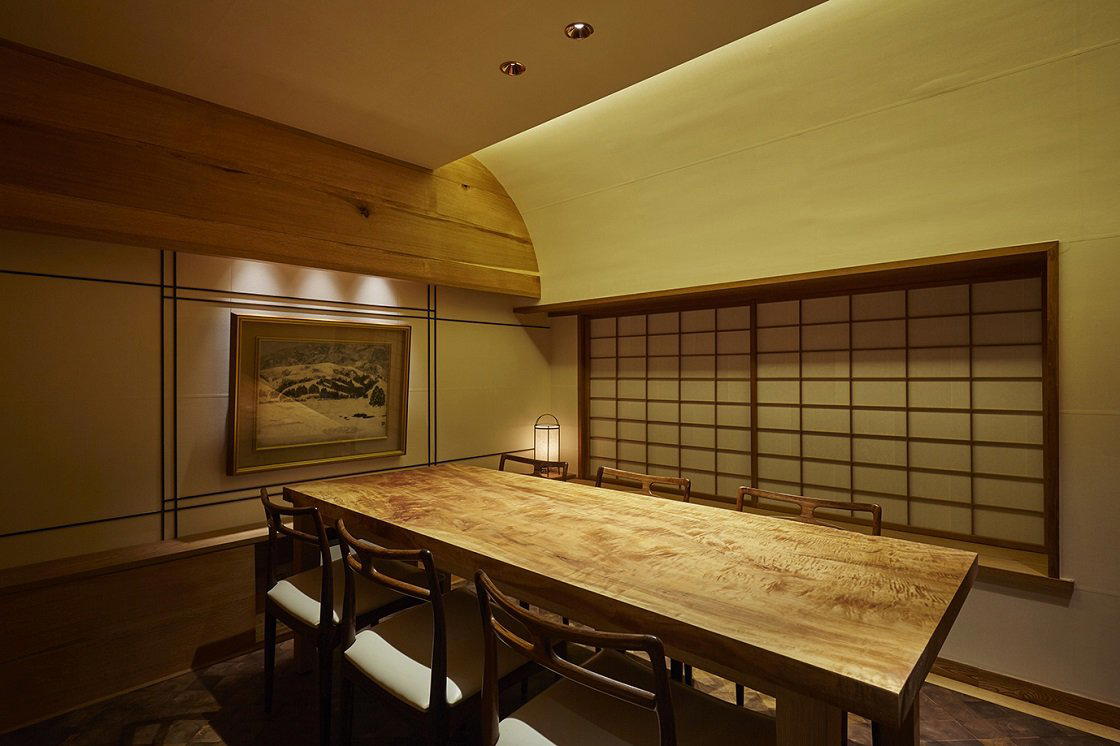


Bars in Osaka
All bars in Osaka →

Hotels in Osaka
All hotels in Osaka →



Wineries in Osaka
Browse all →
Osaka Teppanyaki Kobe Beef TATARA
The wine
- Wine program
- Curated wine list
- Extensive wine list
Details
- Elegant
- Modern
- Intimate
- Sophisticated
- Date Night
- Business Dinner
- Celebration
- Special Occasion
- After Work
- Group Dining
- Chefs Counter
- Open Kitchen
- Private Dining
- Standalone
- Extensive Wine List
- Tasting Menu
- Omakase
- Counter Dining
- Set Menu
- Wine
- Sake
- Beer
- Pescatarian Friendly
Current opening hours
- Monday
- 5–11 PM
- Tuesday
- 5–11 PM
- Wednesday
- 5–11 PM
- Thursday
- 5–11 PM
- Friday
- 5–11 PM
- Saturday
- 12–3 PM, 5–11 PM
- Sunday
- 12–3 PM, 5–11 PM
Hours can change for holidays and private events. Last verified .
Refined yet relaxed teppanyaki counter setting with chefs cooking on an open iron griddle in front of guests, combining the feel of a high‑end hotel teppanyaki with a modern, intimate atmosphere suited for dates and special occasions.