Tabelog 100 #93
Our verdict
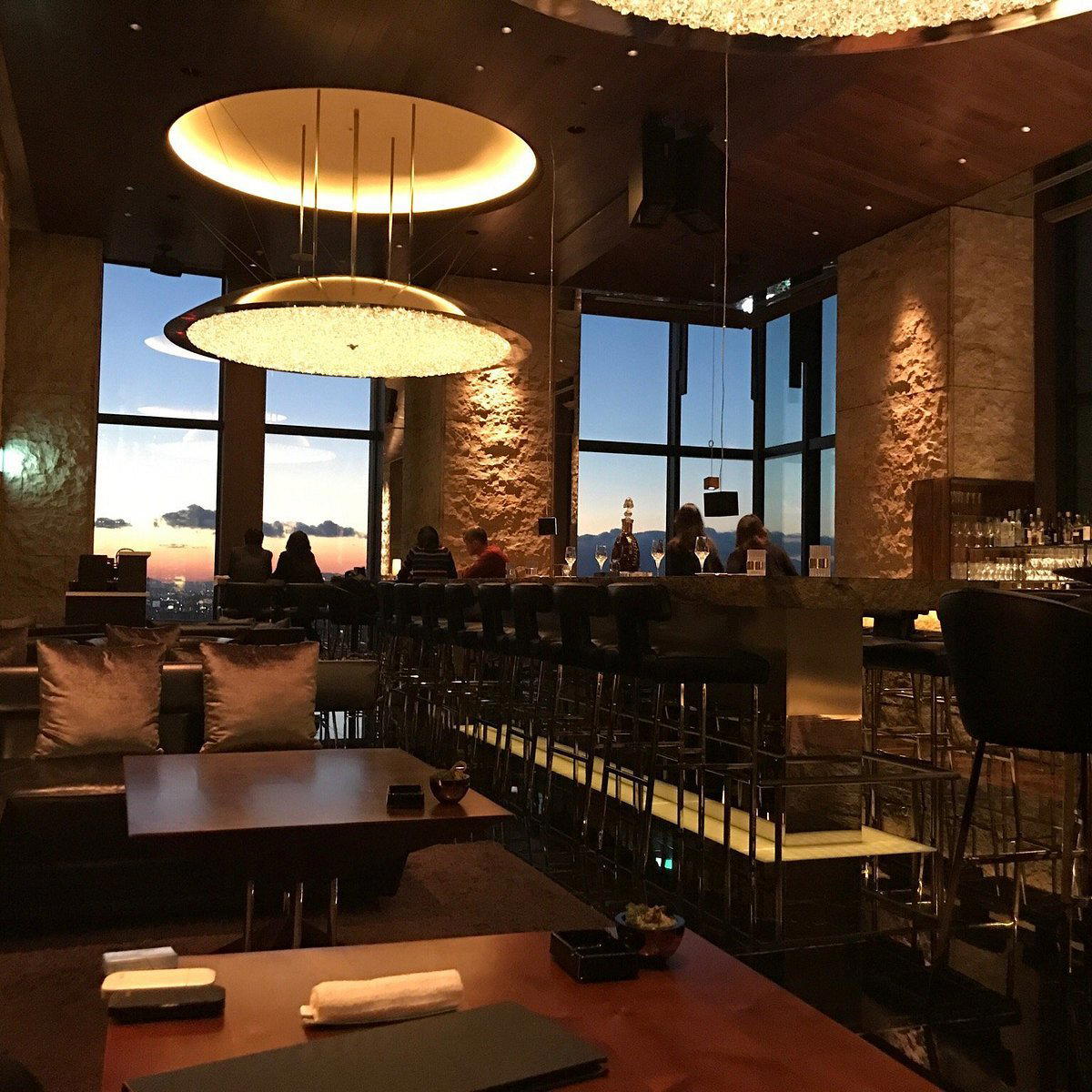
Sakaba Yamato sits in Osaka’s Umeda orbit, where station-level dining rewards speed, repetition, and regulars who know exactly how to use a counter. The appeal is not ceremony but rhythm: seafood, deep-fried izakaya cooking, sake, shochu, and a 40-seat counter format that keeps the room moving with little wasted motion.

Pearl is the En Primeur Club membership app — saves, bookings, and concierge access live there. Same editors, same standards.
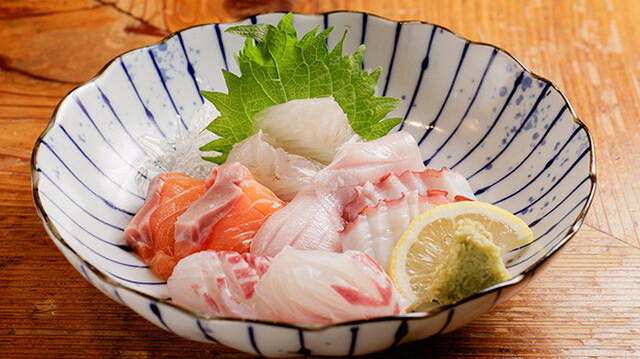
The menu
What to order
- Akashi-yaki
- Daily fresh fish
- Mozuku seaweed tempura
Within Osaka’s fast-moving dining scene, local taverns have their own tempo: clipped greetings, quick turnover, solo diners settling in, groups waiting until everyone has arrived, and menus built for people who already understand the grammar of a night out. Sakaba Yamato belongs to that world. The cooking sits in the izakaya lane of seafood and deep-fried foods, and the mood is closer to a practiced local habit than a destination tasting menu.
That distinction matters in Osaka. The city’s drinking culture has always treated value, immediacy, and appetite as serious virtues, not compromises. Around its busiest dining areas, those virtues get compressed by transit and routine: meals happen before the last train, between office hours, after shopping, or as the first stop before a longer night. A place like this is judged less by theatrical originality than by whether regulars can return often, order without overthinking, and leave satisfied within a defined rhythm.
Osaka izakaya culture, read from the room
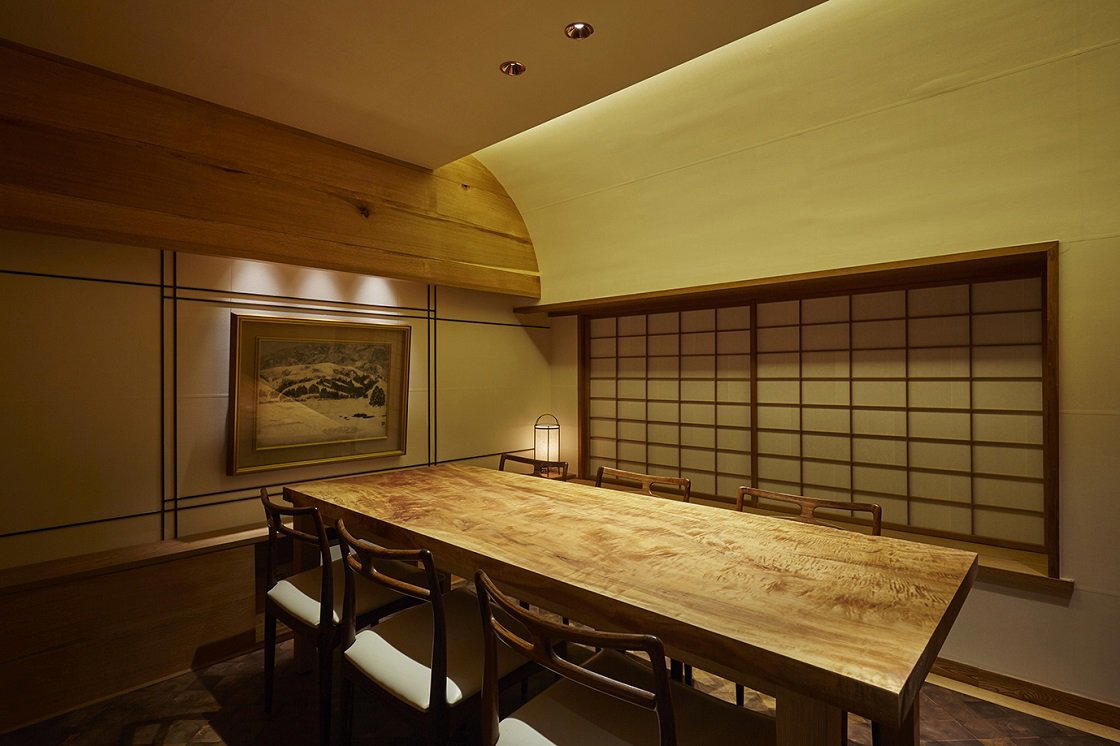
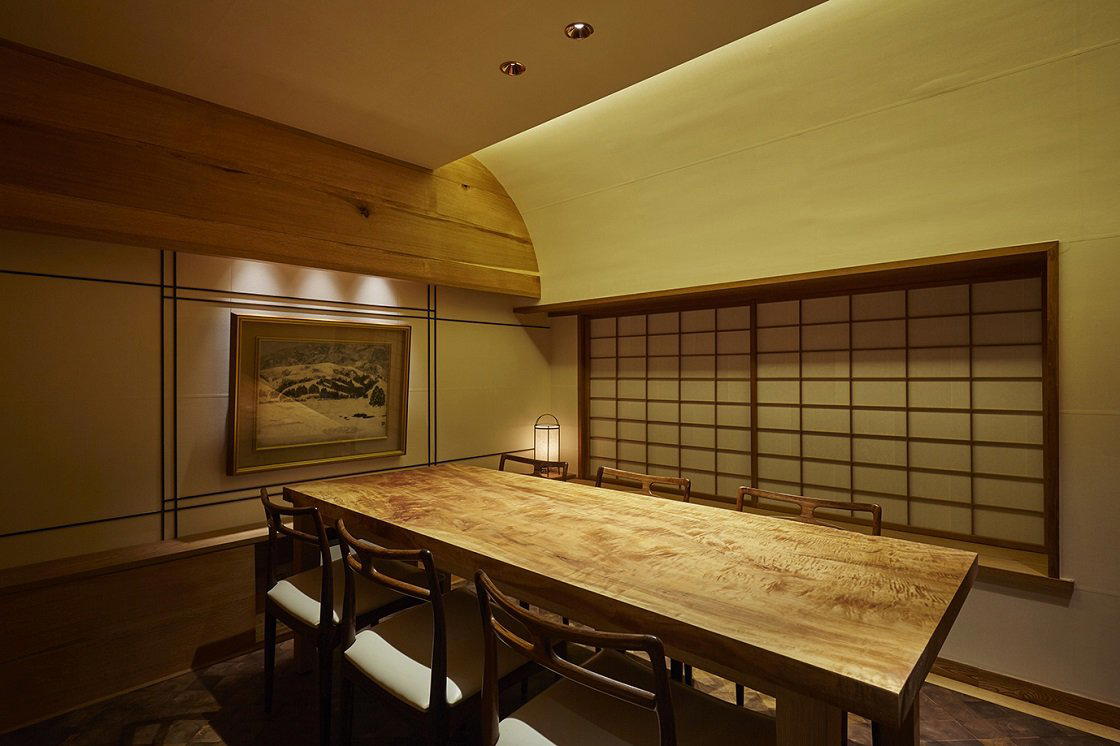
The room is a useful way to understand this kind of Osaka meal. It creates a different social contract from private-room dining or formal chef-led menus. Guests eat in public, turnover is visible, and the venue’s energy depends on pace. That format suits Osaka’s practical side: it lowers the barrier for solo diners, keeps groups compact, and makes the meal feel communal without requiring ceremony.
Sakaba Yamato has Tabelog Hyakumeiten recognition in 2025. For an izakaya, that recognition is useful because the category is crowded and often misunderstood by visitors. Hyakumeiten does not turn a tavern into fine dining; it signals that the venue has traction inside a competitive field where consistency matters more than polish. The listed Tabelog score of 3.58 places it in a serious local bracket for casual dining, especially in a genre where volume and informality can drag ratings down.
The food categories tell a concise story: izakaya, seafood, deep-fried foods. That combination sits near the centre of Osaka drinking culture. Fish gives the meal range, fried dishes provide ballast for alcohol, and the tavern format keeps ordering flexible rather than linear. The appeal is not a single signature narrative so much as the familiar pleasure of hot, direct, drink-friendly food served without unnecessary theatre.
Why regulars return: speed, fish, and no ceremony
The regulars’ perspective is the right way to read the place. A repeat customer does not need a manifesto. The appeal is knowing the format before sitting down: izakaya cooking, a seafood-and-fried-food structure, and a room built around the practical rhythm of a local drinking meal. The underlying logic remains local even when the format is accessible to visitors.
Osaka’s stronger casual restaurants often operate on narrow promises. A curry counter such as curry restaurant BRUNO HEP NAVIO ten works in a different everyday lane; Kishimen Amano occupies the quick noodle register; Stand Tiger Lily points toward another tavern style; Osaka Teppanyaki Kobe Beef TATARA sits in a more expensive beef-led category. Sakaba Yamato lands in the middle ground: not a snack stop, not a splurge counter, but a repeatable izakaya for a full drinking meal. That middle is where regulars are made.
The absence of ceremony also sharpens the experience. This is not a venue to approach as a hushed special-occasion room. It is for people who want the choreography of a public Osaka meal: ordering in rounds, watching plates move, and drinking with enough structure to keep the meal from drifting. In cities with more formal dining cultures, that might read as merely casual. In Osaka, it is a serious form of hospitality because it values timing, price discipline, and appetite equally.
For readers mapping the city more broadly, this is one node in a much larger Osaka pattern. Other bakeries, snack counters, Italian rooms, pizza specialists, cafes, and casual dining rooms show how Osaka rewards sharply defined formats. The full context sits in Our full Osaka restaurants guide, with adjacent planning in Our full Osaka hotels guide, Our full Osaka bars guide, Our full Osaka wineries guide, and Our full Osaka experiences guide.
How to place it in a Japan dining itinerary
Sakaba Yamato makes sense when the itinerary needs Osaka at street level rather than another reserved counter. It pairs well with a day built around the city, especially for travellers who want a meal that explains how locals use casual restaurants after work. The practical character is part of the point: a tavern rhythm that rewards a settled plan, decisive ordering, and an appetite for seafood and fried dishes.
There is also a broader Japan lesson here. Not every meaningful meal needs a chef biography, a tasting progression, or a luxury frame. Some of the country’s strongest food experiences are format-led: a public dining room, a narrow category, repeat customers, and a venue that has refined its own rules over time. Similar format clarity appears across Japan in different registers, and other Japanese dining formats travel well when they keep their discipline.
The editorial verdict is simple: this is an Osaka regulars’ izakaya with enough third-party recognition to justify attention from visitors, but its value lies in using it correctly. Come for the local rhythm, seafood-and-fry structure, and drinks-led pacing, not for privacy or ceremony. In Osaka, that is often the sharper choice.
Frequently asked questions
What part of town is Sakaba Yamato in?
Osaka.
What price level is Sakaba Yamato?
Pricing at Sakaba Yamato is listed as Dinner: JPY 3,000 - JPY 3,999; Lunch: JPY 3,000 - JPY 3,999.
Should I book Sakaba Yamato in advance?
If the plan depends on a specific dining window, it is sensible to check current availability and operating details before going.
What is Sakaba Yamato known for?
Sakaba Yamato is known as an Osaka izakaya serving seafood and deep-fried foods, with Tabelog Hyakumeiten recognition in 2025.
Local
Comparable venues by price and recognition.
| Venue | Cuisine | Price | Awards | Notes |
|---|---|---|---|---|
| Sakaba YamatoThis venue (the venue you are viewing) | Seafood Izakaya | Not listed | Tabelog 100 #93 | Not listed |
| curry restaurant BRUNO HEP NAVIO ten | Japanese Curry House | $10–20 | Tabelog 100 #8 | JPY 1,000 - JPY 1,999 JPY 1,000 - JPY 1,999 |
| Kishimen Amano | Nagoya-style miso udon and kishimen | $10–20 | Tabelog 100 #95 | JPY 1,000 - JPY 1,999 JPY 1,000 - JPY 1,999 |
| Stand Tiger Lily | Standing Teppan Izakaya & Bar | $20–30 | Tabelog 100 #45 | JPY 2,000 - JPY 2,999 |
| le Boulanger de monge Umeda hankyuu ten | French Bakery | $1–10 | Tabelog 100 #55 | JPY 999 - JPY 999 View spending breakdown |
| Osaka Teppanyaki Kobe Beef TATARA | Kobe beef teppanyaki with French-influenced courses | $50–100 | Tabelog 100 #24 | JPY 8,000 - JPY 9,999 JPY 4,000 - JPY 4,999 |
Recognition history
Dated appearances from independent guides and award organizations, with the underlying list record or original source where available.
Tabelog 100 #93 · No. 93
Tabelog · Tabelog 100 - Izakaya - WEST - 2025