Orta occupies a quiet address on Bismarckstraße in Munich's Schwabing district, positioning itself within a city whose fine-dining tier has grown steadily more competitive over the past decade. The restaurant draws from a neighbourhood known for its residential calm rather than tourist traffic, offering a contrast to the more formal venues clustered around the Altstadt. For Munich diners tracking where serious cooking happens outside the established Michelin circuit, Orta is a name that surfaces consistently.
Pearl is the En Primeur Club membership app — saves, bookings, and concierge access live there. Same editors, same standards.
- Address
- Bismarckstraße 21, 80803 München, Germany
- Phone
- +498923755030
- Website
- orta-restaurant.de
- Directions
- Get directions
 Saves & bookings on Pearl
Schwabing's Quiet Register
Munich's dining scene has long operated on two parallel tracks: the grand, heavily decorated rooms of the city centre, where venues like Tantris and Atelier have held Michelin recognition for years, and a quieter residential current running through Schwabing and Maxvorstadt, where restaurants earn loyalty through consistency rather than ceremony. Orta sits in that second register on Bismarckstraße 21. The street is wide, tree-lined, and unhurried, the kind of address where a serious neighbourhood restaurant can build a regular clientele without competing on spectacle.
That geographic positioning matters more than it might initially appear. In cities where fine dining concentrates around tourist infrastructure, the restaurants that choose residential addresses are usually making a deliberate statement about their audience. They are cooking for people who come back, not for people passing through. Orta's location in Schwabing places it in a tradition of Munich dining that values the return visit over the destination meal, a distinction that shapes everything from the pace of service to the architecture of the room.
The Physical Container
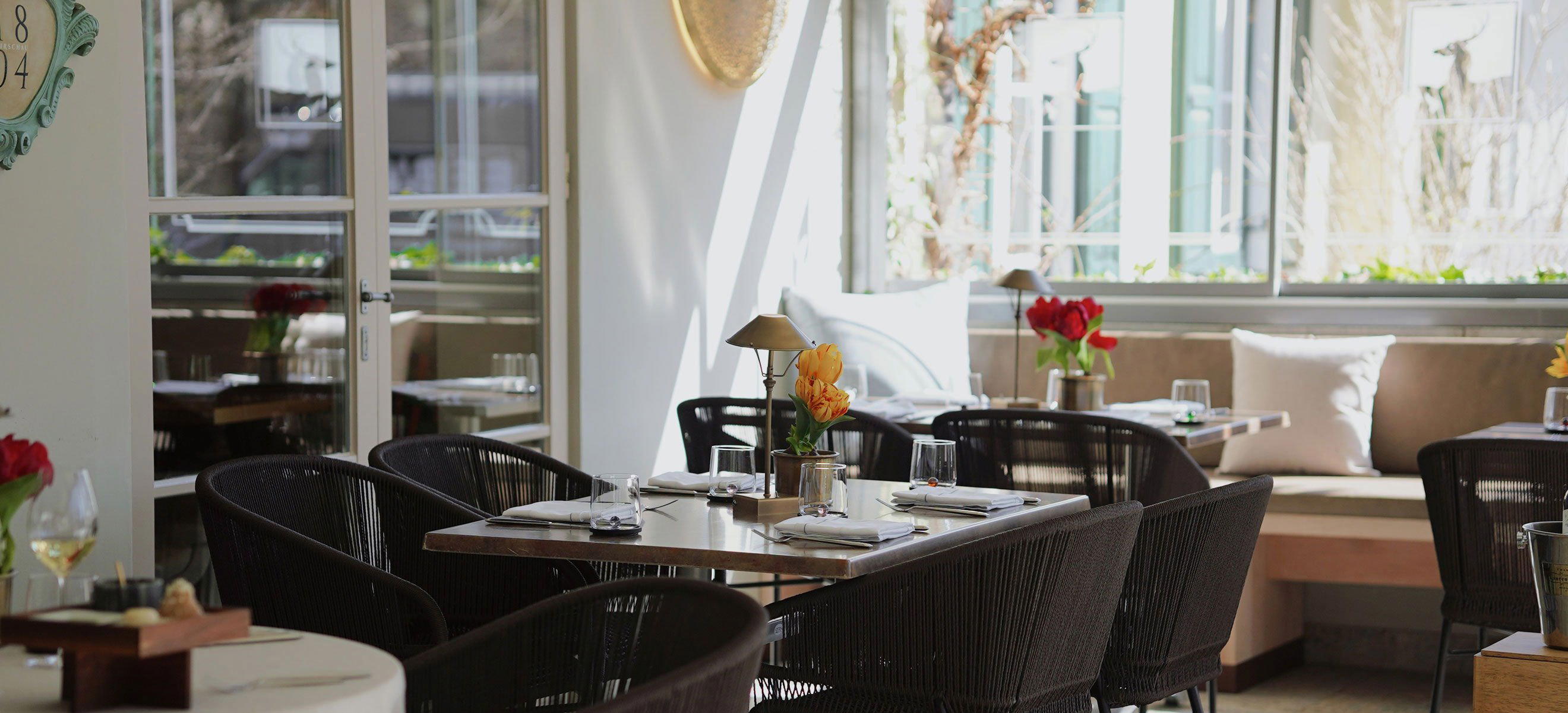
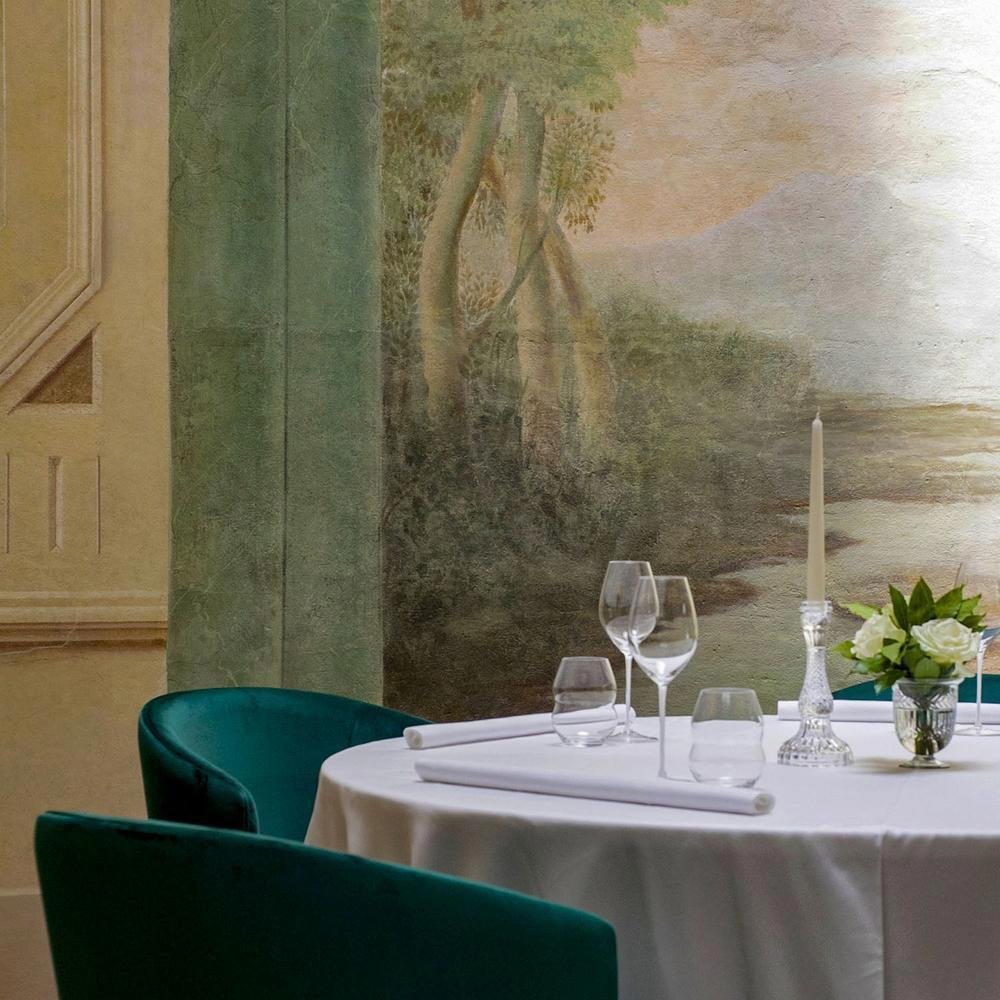
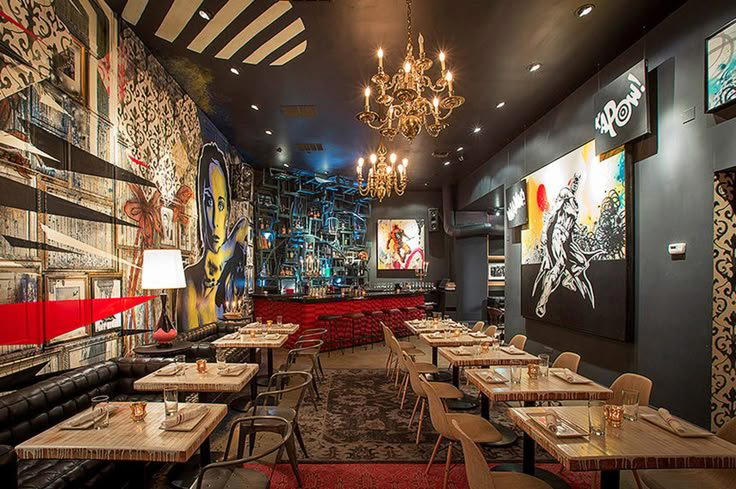
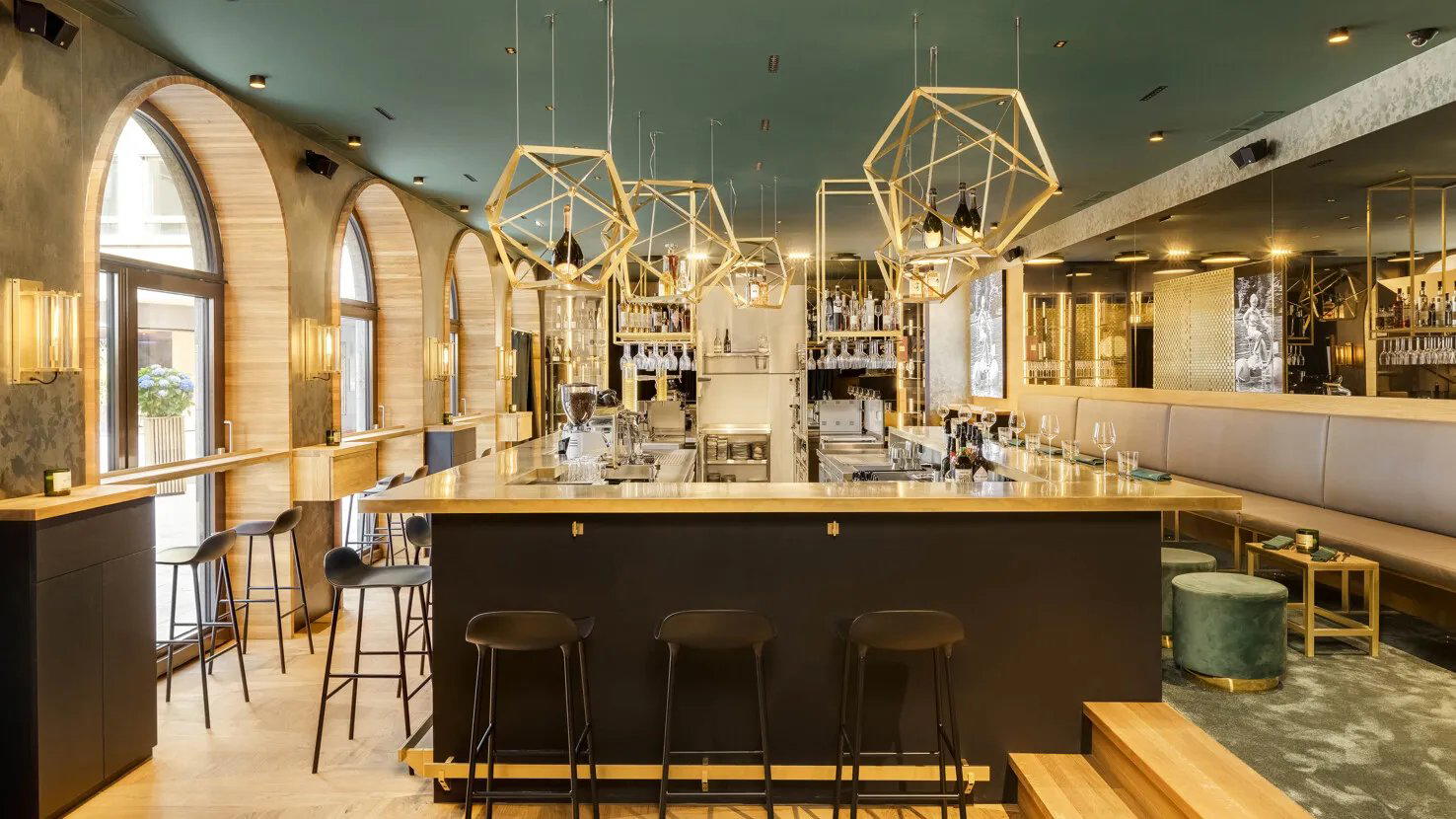
The design language of serious European restaurants has shifted considerably over the past fifteen years. The white tablecloth formality that once signalled ambition has largely given way to a more considered materiality: exposed surfaces, considered lighting temperatures, furniture that asks you to sit for three hours without noticing you're doing so. Munich's newer entrants to the upper-middle dining tier have generally tracked this shift. Tohru in der Schreiberei occupies a historic scriptorium with architecture that precedes any interior decision. Alois works within the constraints of the Dallmayr building. Orta, on a Schwabing residential block, would have made different choices.
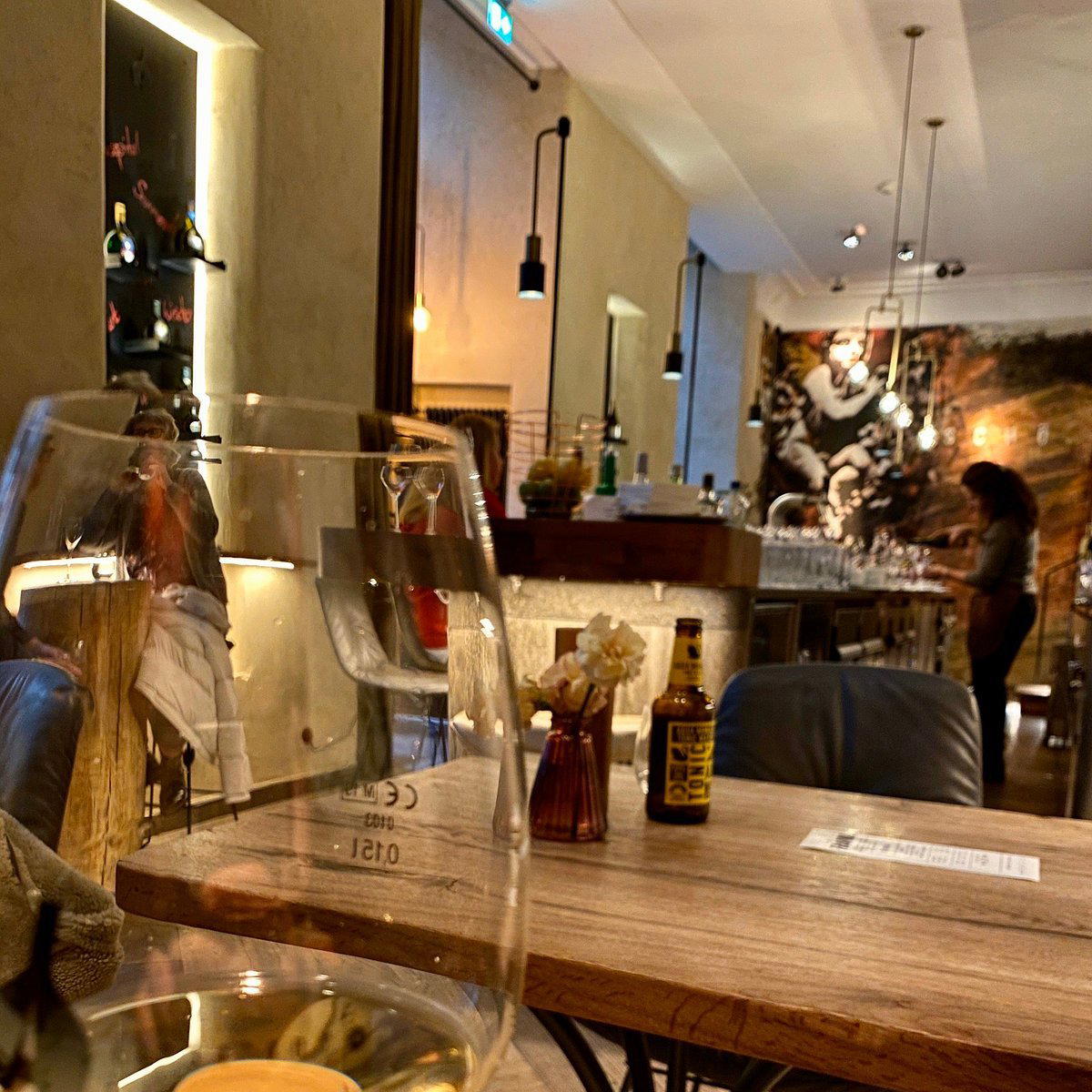
The spatial logic of restaurants at this address in this neighbourhood tends toward the intimate. Bismarckstraße is not a grand boulevard; the buildings are handsome but domestic in scale. Restaurants that open in these ground-floor spaces typically inherit a room that rewards restraint over grandeur. The ceiling heights, the street-level windows, the pedestrian rhythm outside, these are the physical facts that any interior conception has to answer. Particularly coherent rooms in Munich's mid-to-upper tier are the ones that work with those constraints rather than against them.
Seating arrangements in this context tend to favor separation and quiet. The Schwabing diner is not looking for the energy of a room performing at full volume; the neighbourhood's dining culture runs closer to the Viennese model of the purposeful table than to anything approximating a Parisian brasserie. If Orta's room reflects its address, it is likely composed rather than crowded, lit for conversation rather than theater.
Where Orta Sits in Munich's Competitive Field
Munich's decorated fine-dining tier is smaller than its European peers in London or Paris, but it has grown more consistent. The city now holds multiple three-star addresses and a wider band of one-star and unstarred restaurants operating at serious technical levels. JAN represents the creative independent format. Atelier and Tantris anchor the French-influenced high end. Across Germany more broadly, the benchmark has been set by venues like Aqua in Wolfsburg, Schwarzwaldstube in Baiersbronn, and Vendôme in Bergisch Gladbach, all of which operate within a German fine-dining culture that prizes precision, seasonal sourcing, and a certain structural seriousness.
Orta's position within Munich's tier is best understood through geography and format. A Schwabing address, an absence from the loudest critical circuits, and a name that circulates through word-of-mouth channels rather than press releases: these are the markers of a restaurant building a different kind of credibility. Comparable positioning exists in other German cities, think of the way Bagatelle in Trier or Schanz in Piesport operate outside the major urban spotlight, and the pattern suggests that particularly coherent cooking in Germany happens at precisely this remove from the centre.
For the Munich diner comparing options, Orta sits in a different decision bracket than the city's Michelin-decorated rooms. It is not competing with Tantris for the occasion dinner; it is likely competing for the regular table, the mid-week booking, the meal that a Schwabing resident returns to quarterly. That is a harder loyalty to earn, and restaurants that manage it tend to be more technically stable than their decorated peers.
The German Restaurant Scene as Context
Germany's restaurant culture has undergone a quiet reorientation over the past decade. The country's high-end tier once ran heavily on French technique and French vocabulary; the generation of chefs now in mid-career have increasingly drawn from Japanese precision, Scandinavian restraint, and regional German produce in ways that older establishments didn't. CODA in Berlin pushed the dessert-dining format into serious critical territory. ES:SENZ in Grassau brought alpine produce into a fine-dining frame. Victor's Fine Dining by Christian Bau and Waldhotel Sonnora represent the older model of French-rooted excellence at its most disciplined.
Munich sits at the intersection of these currents. Its proximity to Austria and its strong regional food culture, white sausage, pretzels, and beer aside, gives it a grounding in produce and season that the city's better restaurants have learned to use rather than override. A Schwabing restaurant opening in this environment has access to a literate dining public that understands both the French canon and the newer German idiom. The question any serious Munich opening has to answer is which tradition it is in conversation with, and how.
Planning Your Visit
Know Before You Go
- Address: Bismarckstraße 21, 80803 München, Germany
- Neighbourhood: Schwabing, Munich
- Booking: Contact details not confirmed, use the restaurant's current reservation channels
- Price range: Not confirmed; approximately €40 per person
- Awards: No awards are listed in the record
- Getting there: Schwabing is well served by Munich's U-Bahn network; Münchner Freiheit is a short walk from Bismarckstraße
For international reference points on what serious tasting-menu dining looks like at the upper end, Le Bernardin in New York and Atomix in New York offer two distinct models, classical French technique and Korean-influenced precision respectively, that define the range within which contemporary fine dining currently operates. Munich's leading rooms, including the restaurants around Orta's neighbourhood, are in active dialogue with both traditions. Equally, Restaurant Haerlin in Hamburg represents the north German high end worth benchmarking against the Bavarian scene when evaluating what the country's dining culture looks like in aggregate.
Comparable Venues
Comparable venues nearby, for context on price, style, and recognition.
| Venue | Cuisine | Price | Notes |
|---|---|---|---|
| OrtaThis venue — the venue you are viewing | Mediterranean Mezze Bar | $$$$ | Not listed |
| Levante | Levantine Mezze Bar | $$$ | Schwabing |
| Lancelot - Rittermahl | Medieval German Rittermahl | $$$$ | Theresienwiese |
| le Plaisant | Modern French Fine Dining | $$$$ | Au |
| EssZimmer (DE) | Modern European Fine Dining | $$$$ | Kleinhadern |
| Platzl 6-8 | Modern Bavarian Fine Dining | $$$$ | Altstadt |
At a Glance
- Elegant
- Intimate
- Trendy
- Date Night
- Casual Hangout
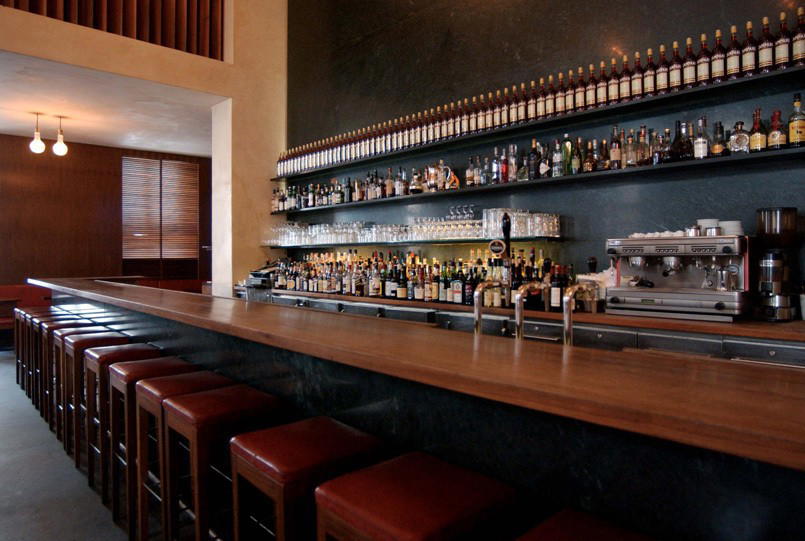
- Wine Cellar
- Extensive Wine List
Current opening hours
- Monday
- 5 PM–12 AM
- Tuesday
- 5 PM–12 AM
- Wednesday
- 5 PM–12 AM
- Thursday
- 5 PM–12 AM
- Friday
- 5 PM–12 AM
- Saturday
- 5 PM–12 AM
- Sunday
- 5 PM–12 AM
Hours can change for holidays and private events. Last verified .
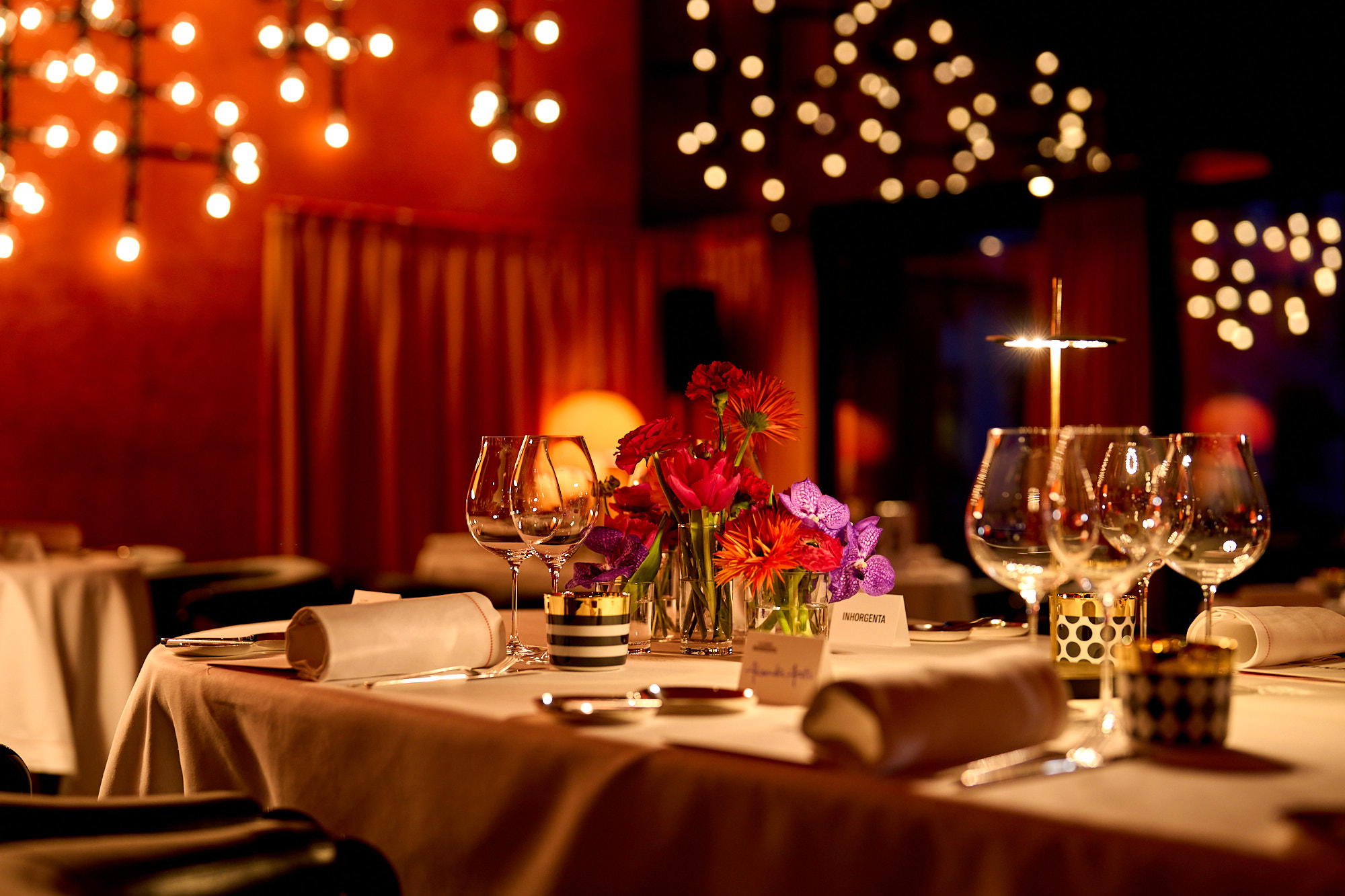
Lovely ambience with warm lighting and a welcoming atmosphere as noted in guest reviews.