Oriana

Oriana brings wood-fired grill cooking and large-format sharing plates to New York City, sitting within a tier of occasion-focused restaurants where the format itself sets the tone for the meal. The communal structure suits milestone dinners as naturally as it does unhurried weeknight tables, placing it in a distinct category among the city's fire-driven kitchens.
Pearl is the En Primeur Club membership app — saves, bookings, and concierge access live there. Same editors, same standards.
- Address
- 174 Mott St, New York, NY 10012
- Phone
- (212) 452-1248
- Website
- oriananewyork.com
- Directions
- Get directions
 Saves & bookings on Pearl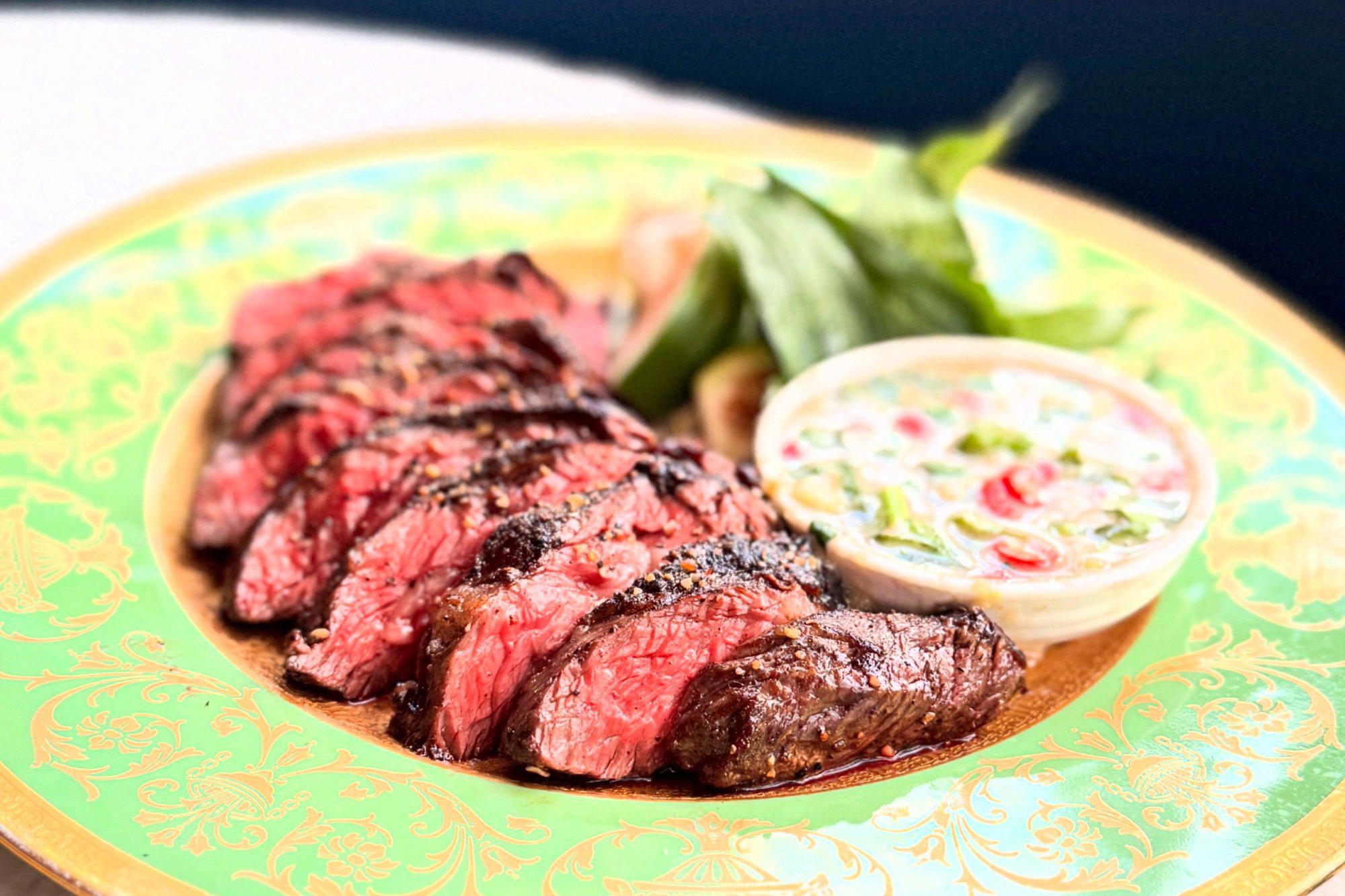
Fire, Season, and the Logic of Sharing
New York's occasion-dining tier has fractured in interesting ways over the past decade. The old model, a white-tablecloth room where a tasting menu arrived in sequence and conversation paused between courses, has given ground to a different format: large-format sharing plates built around a live fire source, where the table rather than the kitchen controls the pace. Oriana operates inside that second category, with a wood-fired grill at the centre of its cooking and a seasonal, sharing-plate structure that changes what a celebratory dinner actually feels like. The food arrives to be divided, passed, and argued over, which is a more social contract than a tasting menu allows.
That distinction matters when you are choosing a venue for a milestone meal. At a counter like Masa or a formal room like Per Se, the occasion is framed by the kitchen's sequence and pacing. At a wood-fire sharing table, the occasion is framed by the group. That is a fundamentally different emotional proposition, and it suits certain celebrations, anniversaries, birthday dinners, reunion meals, better than the silence-adjacent formality of a tasting counter.
What the Wood Fire Does to a Menu
Wood-fired cooking imposes a discipline that other heat sources do not. The fire cannot be adjusted with a dial; the cook moves the protein, raises or lowers the grate, reads the ember. The result, in kitchens that take the format seriously, is a particular kind of char and smoke integration that gas or induction cannot replicate. At Oriana, the grill acts as the menu's organising principle rather than as a single technique among many. That means the seasonal ingredients the kitchen sources are chosen partly for how they respond to direct flame and ember heat, which pushes towards cuts with fat and collagen, roots and alliums that caramelise under heat, and stone fruits or grains that take on smoke without collapsing.
The large-format sharing structure reinforces this. Wood-fire cooking naturally produces things meant to be carved at the table: a whole fish, a leg of lamb, a cauliflower roasted to its core. Portioning for one person is technically possible but conceptually awkward. The sharing format resolves that tension, and it is why the two elements, fire and communal service, tend to appear together in this category of New York restaurant. It is a coherent logic, not a trend borrowed from somewhere else.
Oriana's Position in the New York Fire-Cooking Tier
New York has a meaningful cluster of wood-fire restaurants, ranging from the Argentine-inflected rooms in the Meatpacking District to the more produce-led kitchens operating in Brooklyn and the lower West Side. The category sits below the three-Michelin-star tier occupied by Le Bernardin and Per Se, but it is not casual dining. The price signals, the sourcing standards, and the occasion-friendliness of these rooms place them in a serious mid-upper tier, where a table for four at a birthday dinner makes financial and experiential sense in a way that a tasting menu for four at $400 per head might not.
Comparable formats exist across American cities. Lazy Bear in San Francisco uses a communal-table structure built around fire cooking for special-occasion dinners, and Single Thread Farm in Healdsburg takes a hyper-seasonal approach to the group meal. In Chicago, Alinea occupies a different register but addresses the same emotional need: a restaurant where the evening itself becomes the event. Oriana's approach is less theatrical than Alinea and less prix-fixe than Single Thread, which positions it as a more flexible occasion table, one that works for a group that wants the feeling of a serious restaurant without the full tasting-menu apparatus.
For diners comparing fire-driven kitchens internationally, the wood-grill occasion format has strong precedents. Emeril's in New Orleans helped establish the idea that serious American cooking could be generous and communal rather than architectural and restrained. That sensibility persists in the sharing-plate kitchens that followed. Providence in Los Angeles and 8½ Otto e Mezzo Bombana in Hong Kong represent the other side of that fork: structured, chef-directed, portion-controlled. Oriana sits with the former rather than the latter.
Booking, Timing, and the Occasion Question
Wood-fire sharing restaurants in New York fill on weekends and struggle mid-week. For milestone occasions, a Friday or Saturday booking typically requires lead time of two to four weeks at this tier, longer for larger groups. Mid-week tables at the same rooms are more available and often quieter in terms of ambient noise, which matters for a dinner where conversation is the point. If the occasion calls for intimacy rather than energy, Tuesday through Thursday at a restaurant like this produces a materially different experience than the same room on a Saturday.
Group size shapes the meal. Two people eating large-format sharing plates will see fewer dishes than six people at the same table for a similar spend per head. The format rewards groups of four to six, where you can move through enough of the menu to understand what the kitchen is doing without ordering redundantly. For a significant birthday or anniversary with a larger party, this is one of the practical arguments for sharing-plate formats over tasting menus: the cost scales in a more legible way, and the table dynamic remains social throughout rather than shifting into a passive, course-by-course reception.
New York has many occasion options at the summit of the market. Saga takes a more formal American approach with its tower-dining format, and César occupies a contemporary register with different sensory priorities. The French Laundry in Napa and Alain Ducasse at Louis XV in Monte Carlo represent how differently the occasion-dining category plays at its most formal international tier. Oriana is pitched at none of those registers. It is a room where the fire is the spectacle, the season is the menu logic, and the occasion is whatever the group brings to the table.
For a broader view of where Oriana fits within New York's dining scene, see our full New York City restaurants guide. Pair your reservation with advice from our New York City hotels guide, our New York City bars guide, and our New York City experiences guide to build a complete itinerary around the dinner.
Cuisine and Credentials
Comparable venues nearby, for context on price, style, and recognition.
| Venue | Cuisine | Price | Notes |
|---|---|---|---|
| OrianaThis venue — the venue you are viewing | American Wood-Fired Grill | $$$$ | Not listed |
| The Park | Plant-Based Fine Dining | $$$$ | Flatiron District |
| Hoexters | American Brasserie | $$$$ | Upper East Side-Carnegie Hill |
| Oh-yacht | Northeast American Seafood | $$$$ | Carnegie Hill |
| queensyard | Modern American with British Tavern Fare | $$$$ | Chelsea-Hudson Yards |
| Tavern On the Green | Seasonal American Fine Dining | $$$$ | Central Park |
Recognition history
Dated appearances from independent guides and award organizations, with the underlying list record or original source where available.
Wine Spectator Best of Award of Excellence
Wine Spectator
Continue exploring
More in New York City
More from Chef Andy Quinn
Browse all →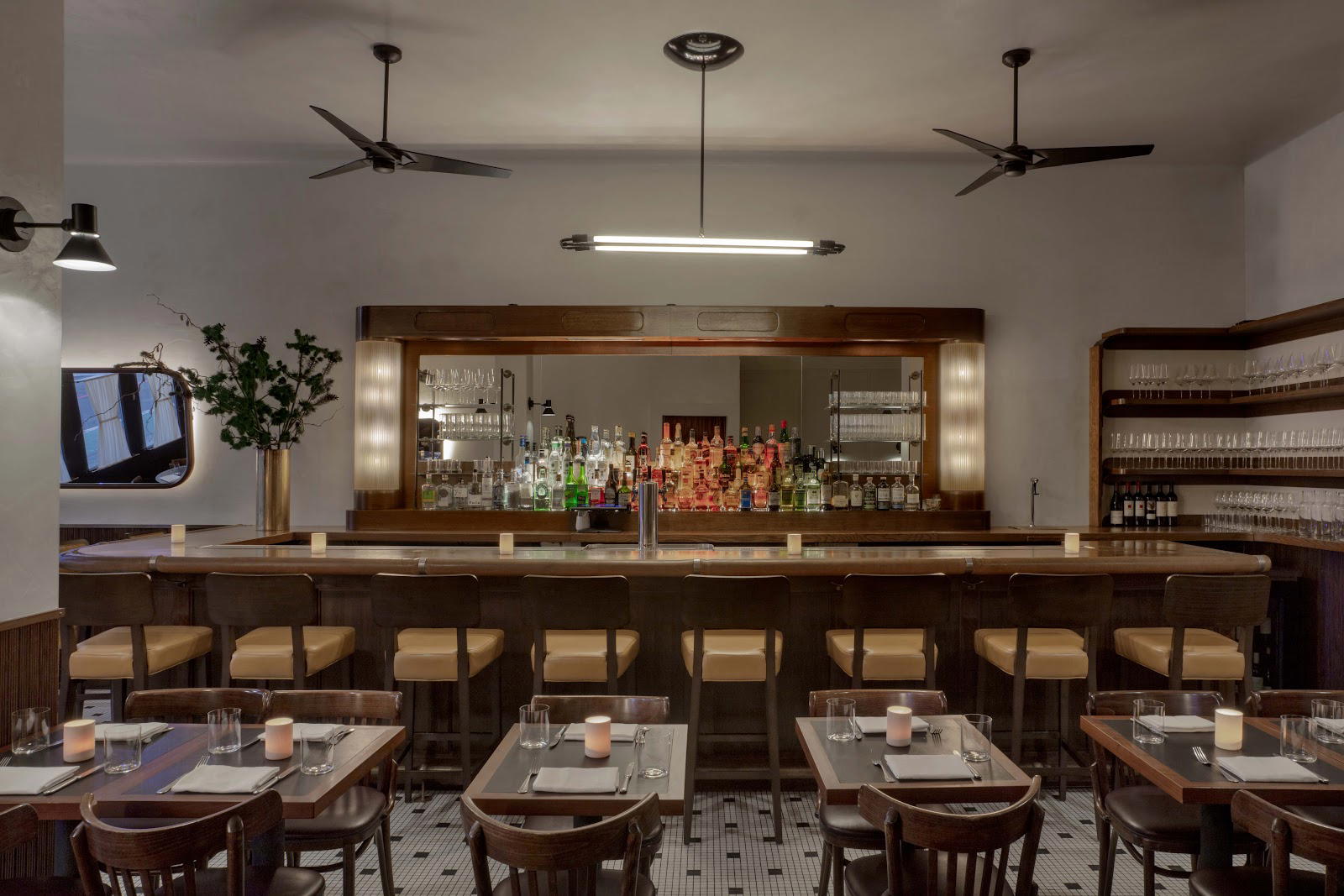
Restaurants in New York City
Browse all →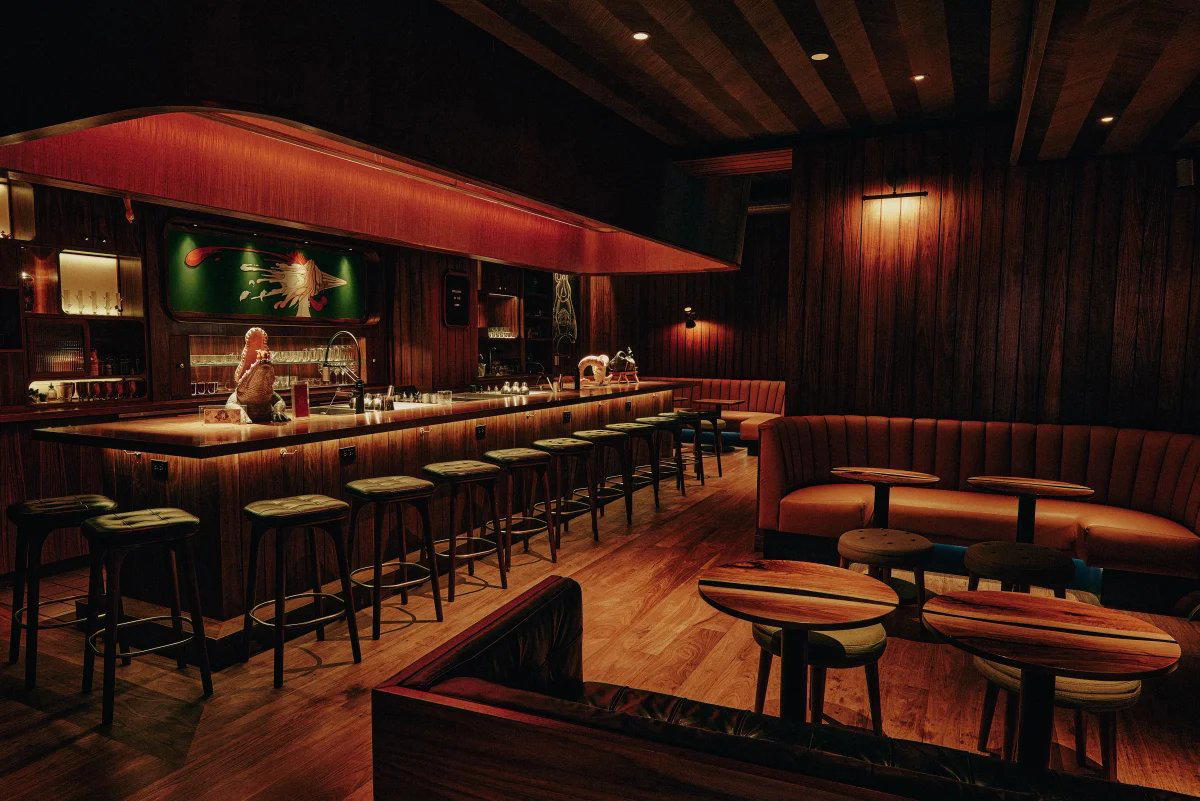
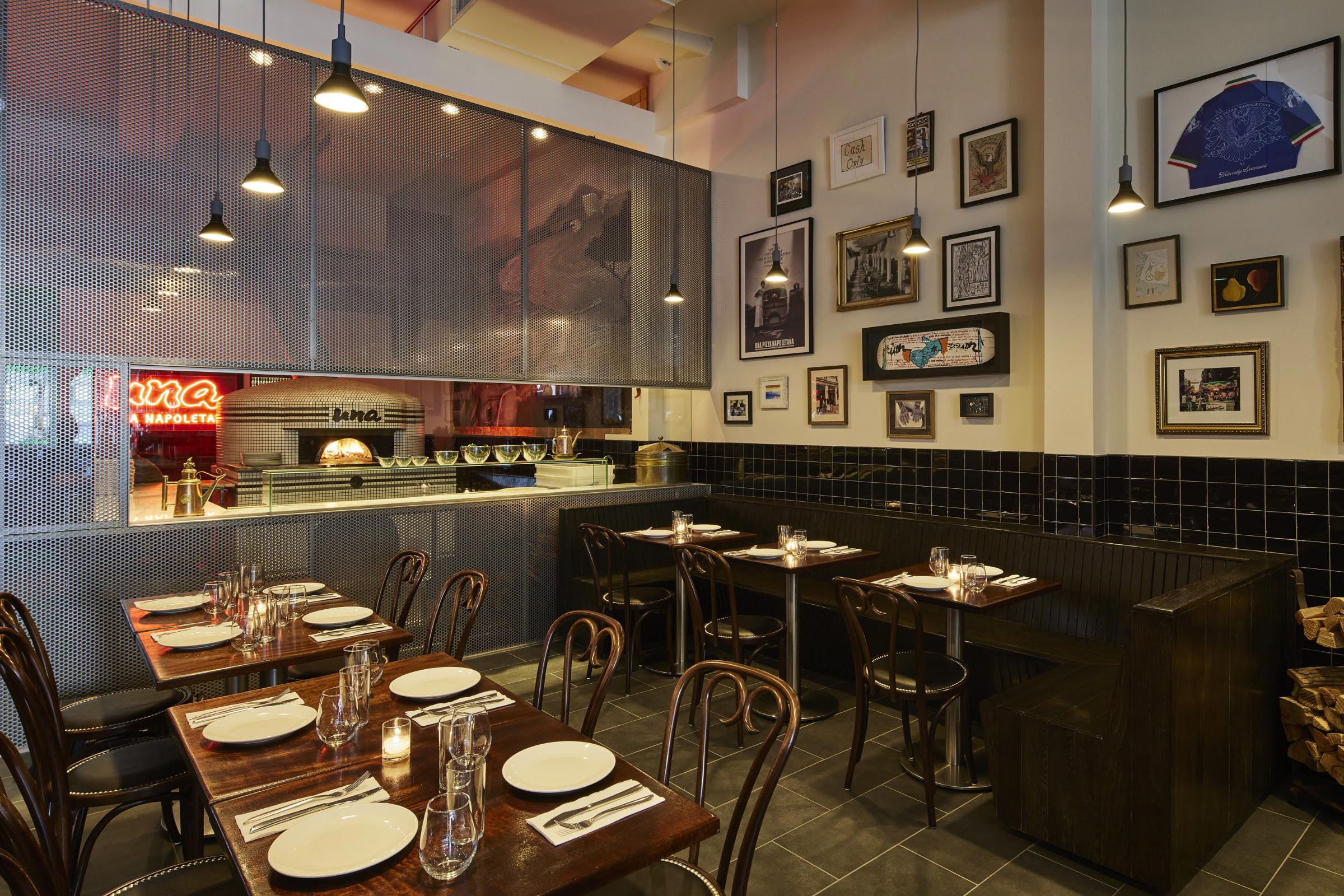
Bars in New York City
Browse all →
Hotels in New York City
Browse all →





At a Glance
- Elegant
- Modern
- Sophisticated
- Date Night
- Special Occasion
- Open Kitchen
- Extensive Wine List
Elegant atmosphere centered on fire-cooked dishes and extensive wine selection.