Oh-yacht
Oh-yacht (pronounced 'oh-yacht') occupies a specific tier in New York's contemporary fine dining scene: seasonal tasting menus built around the intersection of global technique and locally sourced ingredients. Positioned against the city's most demanding prix-fixe counters, it draws comparisons to Per Se and Le Bernardin in format if not in identical tradition. Advance planning is advised.
Pearl is the En Primeur Club membership app — saves, bookings, and concierge access live there. Same editors, same standards.
- Address
- New York City, United States
- Directions
- Get directions
 Saves & bookings on Pearl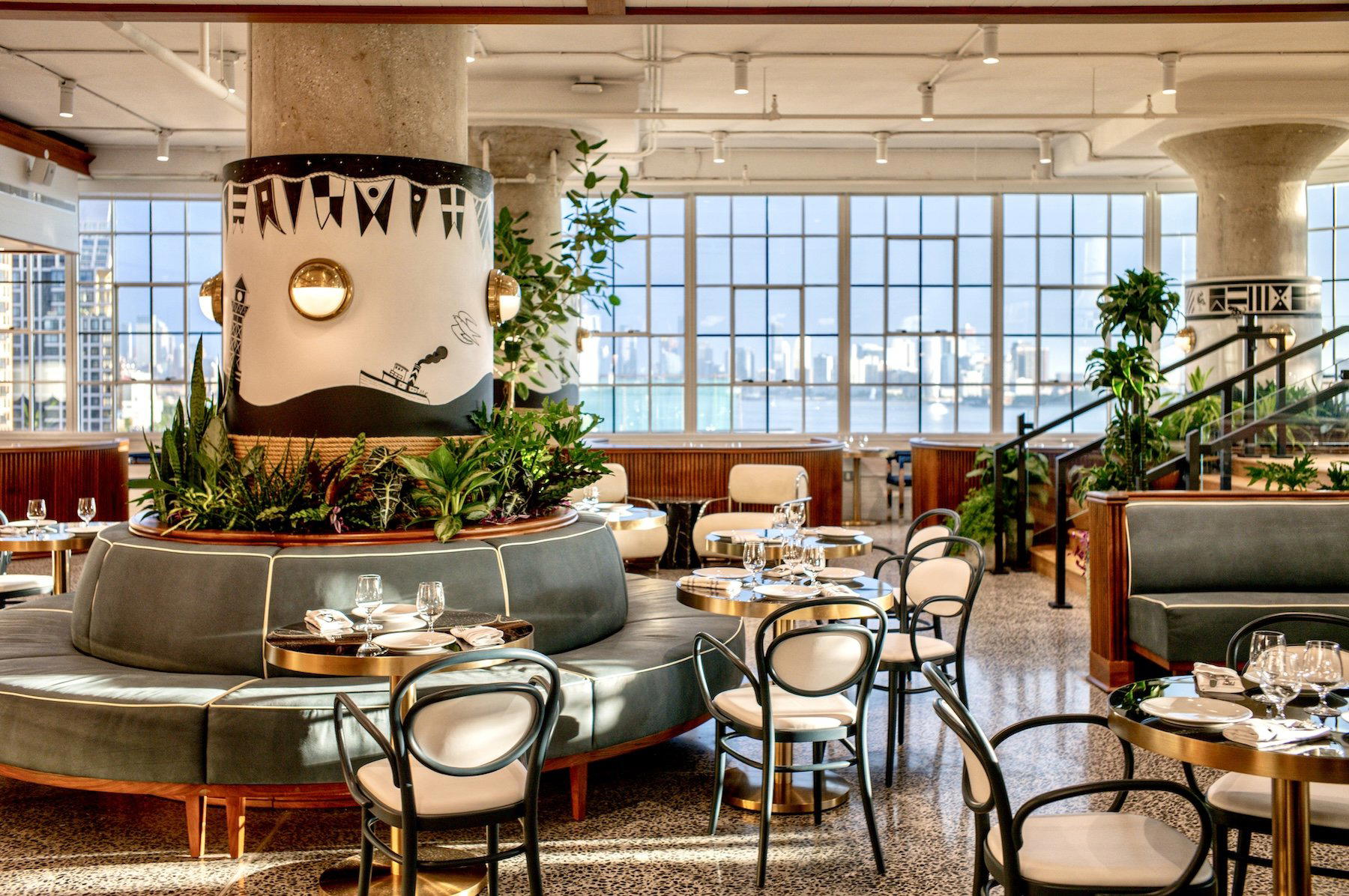
Where New York's Seasonal Fine Dining Meets Imported Technique
New York's fine dining room has always been a negotiation between European method and American produce. The city's most serious tasting-menu restaurants, from Le Bernardin to Per Se, have long anchored their credibility in classical French or Japanese frameworks while drawing from Hudson Valley farms and North Atlantic fishing grounds. Oh-yacht, pronounced 'oh-yacht', is a New York City restaurant serving Northeast American Seafood at about $50 per person, with a smart casual dress code and reservations recommended.
What that means in practice is a restaurant where the ingredient isn't the point and the technique isn't the point, the relationship between the two is. This is the operating logic behind the better end of American fine dining right now, seen at comparable houses like Single Thread Farm in Healdsburg and Lazy Bear in San Francisco, where the season dictates the menu and the training dictates how far that produce is pushed. Oh-yacht belongs to that conversation.
The Format: Tasting Menu Logic in a City That Has Heard Every Version
New York diners have been through multiple cycles of the tasting menu format. The high-ceremony, multi-hour progression that defined the early 2000s gave way to more informal expressions, and then back toward structured multi-course formats as the city's most serious kitchens reasserted the case for the long meal. The contemporary seasonal tasting menu, which is the format the restaurant operates within, now carries a specific set of expectations: rotation tied to genuine seasonal availability, a menu length calibrated to sustain attention rather than simply demonstrate endurance, and a wine program that can keep pace with the kitchen's range.
In this context, the restaurant competes for the same booking window and the same discretionary spend as Masa, César, and the broader cohort of New York restaurants where the tasting menu is the only available format. That peer group is demanding. Diners who have eaten at The French Laundry in Napa or Alinea in Chicago arrive with calibrated expectations. The burden on any tasting-menu kitchen in this tier isn't novelty, it's coherence, and the ability to make a seasonal ingredient feel like the inevitable conclusion of a technique, not a prop for it.
Local Ingredients, Global Technique: The Editorial Argument
The phrase 'local ingredients, global technique' has been repeated often enough to lose meaning in certain contexts. At its weakest, it describes a kitchen that sources from a nearby farm and then applies basic French preparation. At its strongest, and this is the version worth paying for, it describes a kitchen that has absorbed technique from multiple culinary traditions and uses that range to find one precise expression of a specific product at a specific moment in the season.
The American Northeast offers a serious larder for this kind of cooking. The Hudson Valley's vegetable and grain producers, the seafood coming through the Fulton Center, foraged products from the region's deciduous forests, and the dairy infrastructure upstate all give a committed kitchen enough material to build a year-round program that genuinely changes as the season shifts. Restaurants working seriously in this space, including Providence in Los Angeles on the West Coast equivalent, or Emeril's in New Orleans at a different point on the American fine dining spectrum, demonstrate that regional sourcing and technical ambition are not in tension when the kitchen's training is broad enough.
Global technique half of that equation draws most naturally, in New York's fine dining context, from French classical structure, Japanese precision around temperature and texture, and increasingly from Korean and other East Asian frameworks for fermentation, aging, and umami-forward flavour building. Hasung Lee represents the Korean-inflected strand of this broader movement in New York's contemporary dining. The restaurant operates in a scene where those influences are no longer novel but where their integration into a coherent seasonal tasting menu format remains genuinely difficult to execute at a high level.
Placing Oh-yacht in the New York Fine Dining Tier
New York's fine dining market has stratified sharply. At the summit of the price band sit restaurants where the per-person spend, including wine, reliably exceeds $400, a cohort that includes Masa, Per Se, and Le Bernardin, all of which carry Michelin recognition and decades of institutional credibility. Beneath that, but still firmly in the premium category, sits a second tier of tasting-menu restaurants where the format is equally serious but the institutional weight is still being built. This is a competitive position that places significant demands on consistency: diners at this level are comparing the meal to what they ate at 8½ Otto e Mezzo Bombana in Hong Kong or Alain Ducasse's Louis XV in Monte Carlo, not to a neighbourhood bistro.
The restaurant's contemporary seasonal format places it in this second tier by design. The question for any restaurant at this level isn't whether the food is good, it almost always is, but whether the kitchen has a clear enough point of view to justify the format's demands on the diner's time and attention. The seasonal tasting menu asks a lot: arrive hungry, arrive without agenda, and trust the kitchen's logic for the next two to three hours. That trust is earned incrementally, reservation by reservation, season by season.
Planning Your Visit
A meal at a tasting-menu restaurant of this type pairs naturally with a pre-dinner drink at one of the city's more technically focused cocktail programs, the contrast between a structured, long tasting menu and a shorter, precise bar experience before or after tends to clarify both.
A Tight Comparison
Comparable venues nearby, for context on price, style, and recognition.
| Venue | Price | Notes |
|---|---|---|
| Oh-yachtThis venue — the venue you are viewing | $$$$ | Not listed |
| Harry's | $$$$ | Financial District-Battery Park City, Classic American Steakhouse |
| Home | $$$$ | West Village, Contemporary American Fine Dining |
| queensyard | $$$$ | Chelsea-Hudson Yards, Modern American with British Tavern Fare |
| BOTA Supper Club | $$$$ | St. George-New Brighton, Polished Modern American |
| Pier Sixty | $$$$ | Chelsea-Hudson Yards, American Fine Dining |
Continue exploring
More in New York City
Restaurants in New York City
Browse all →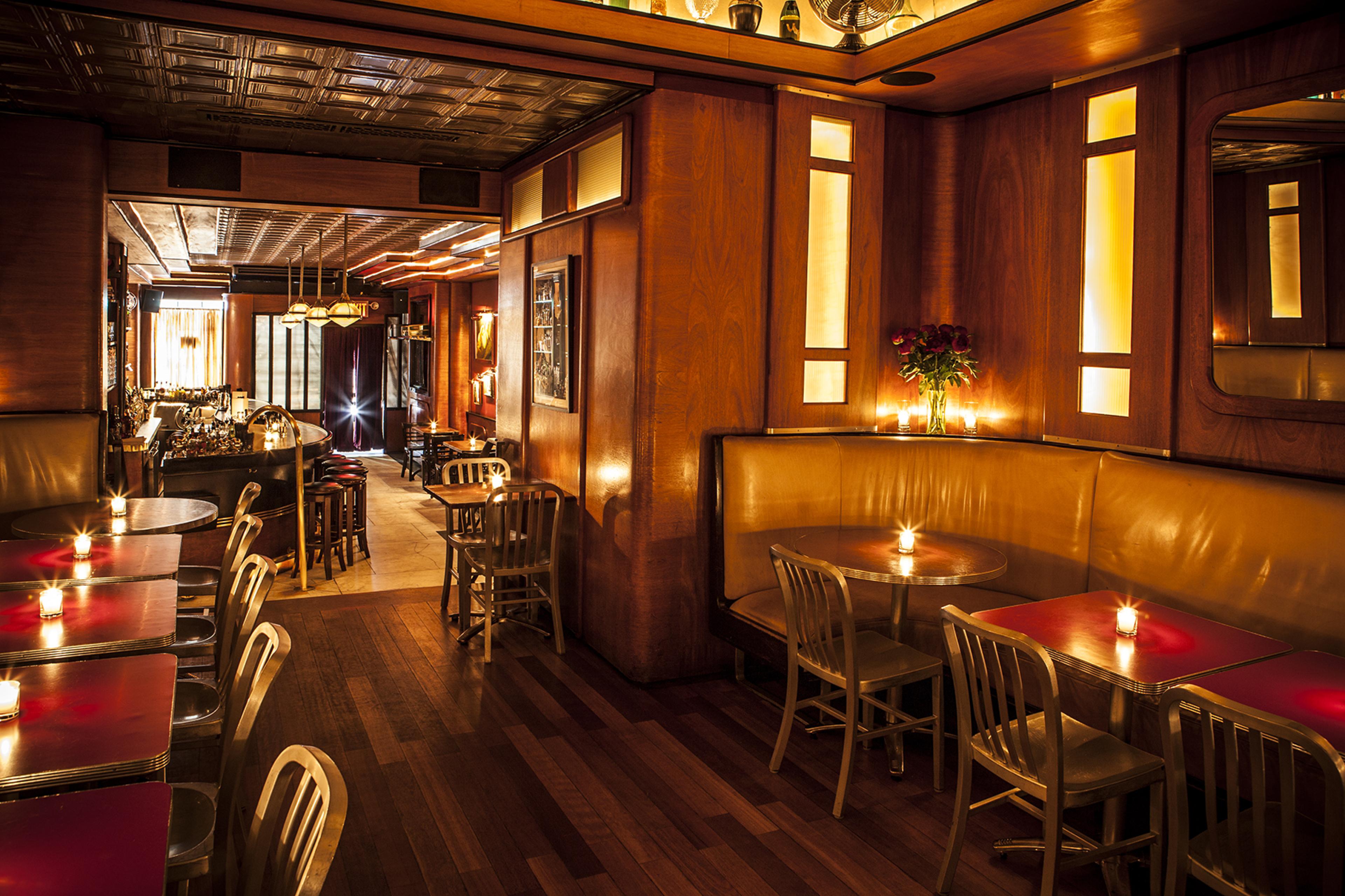
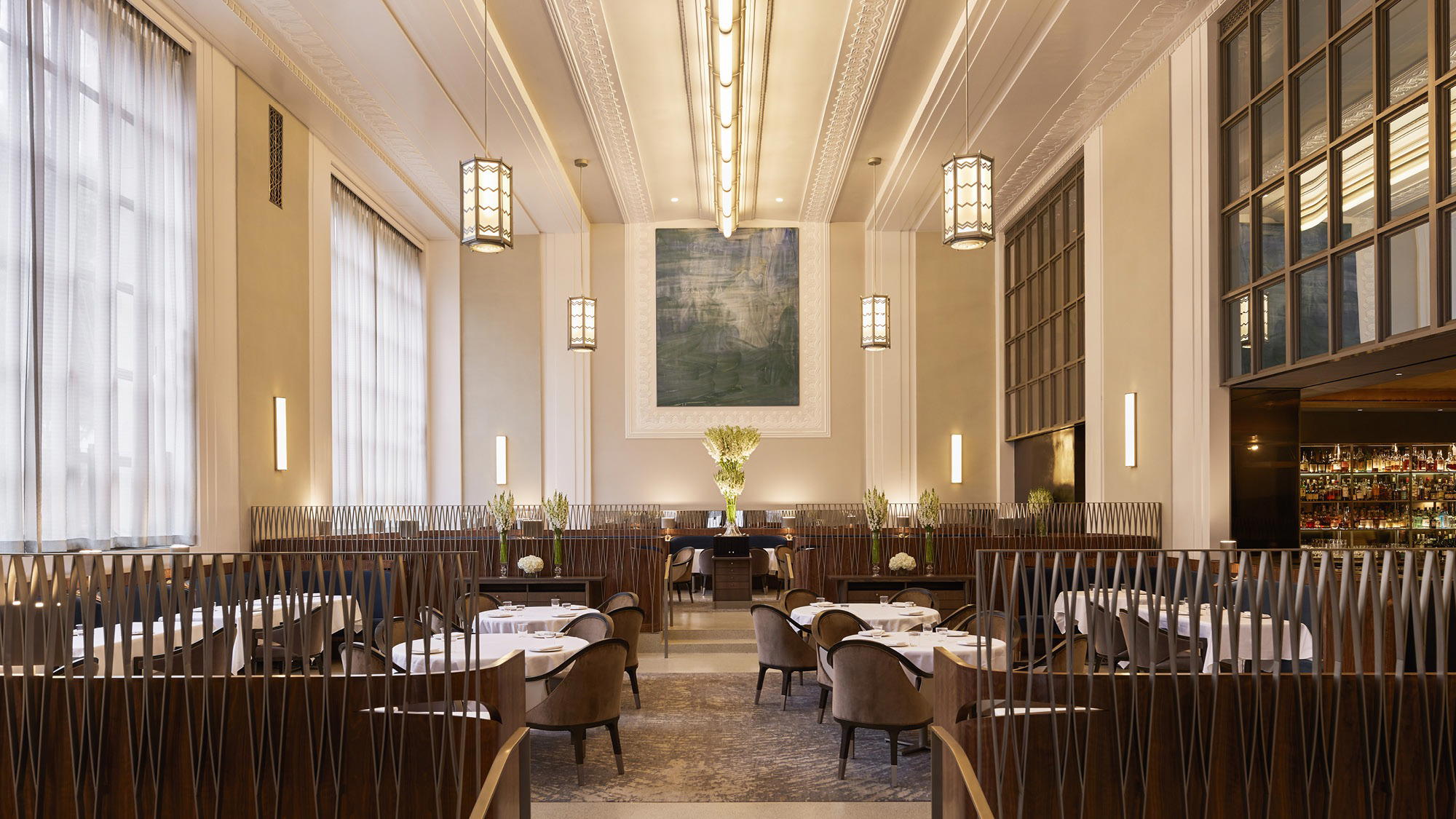
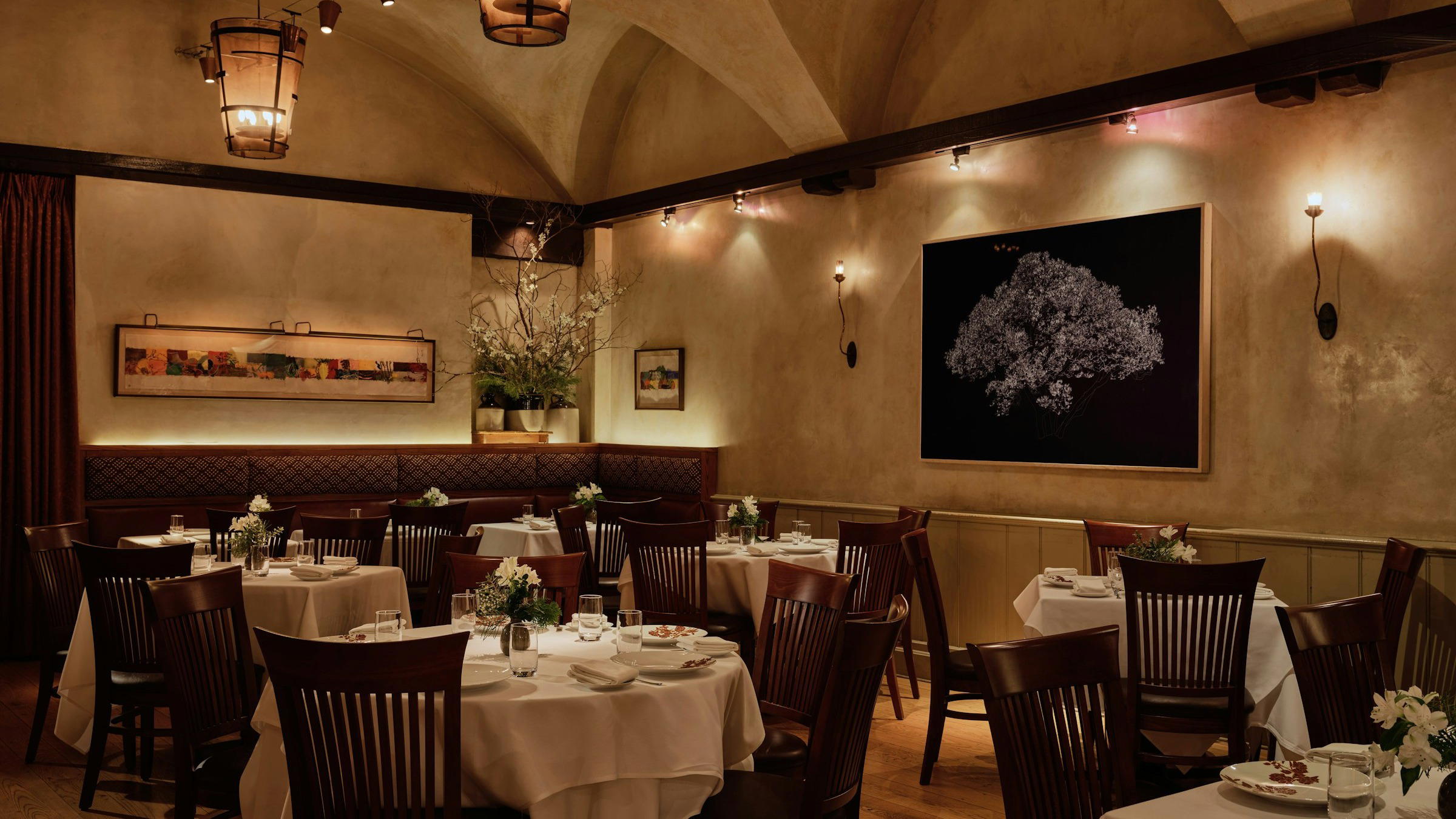
Bars in New York City
Browse all →


Hotels in New York City
Browse all →







At a Glance
- Elegant
- Scenic
- Date Night
- Special Occasion
- Waterfront
- Waterfront
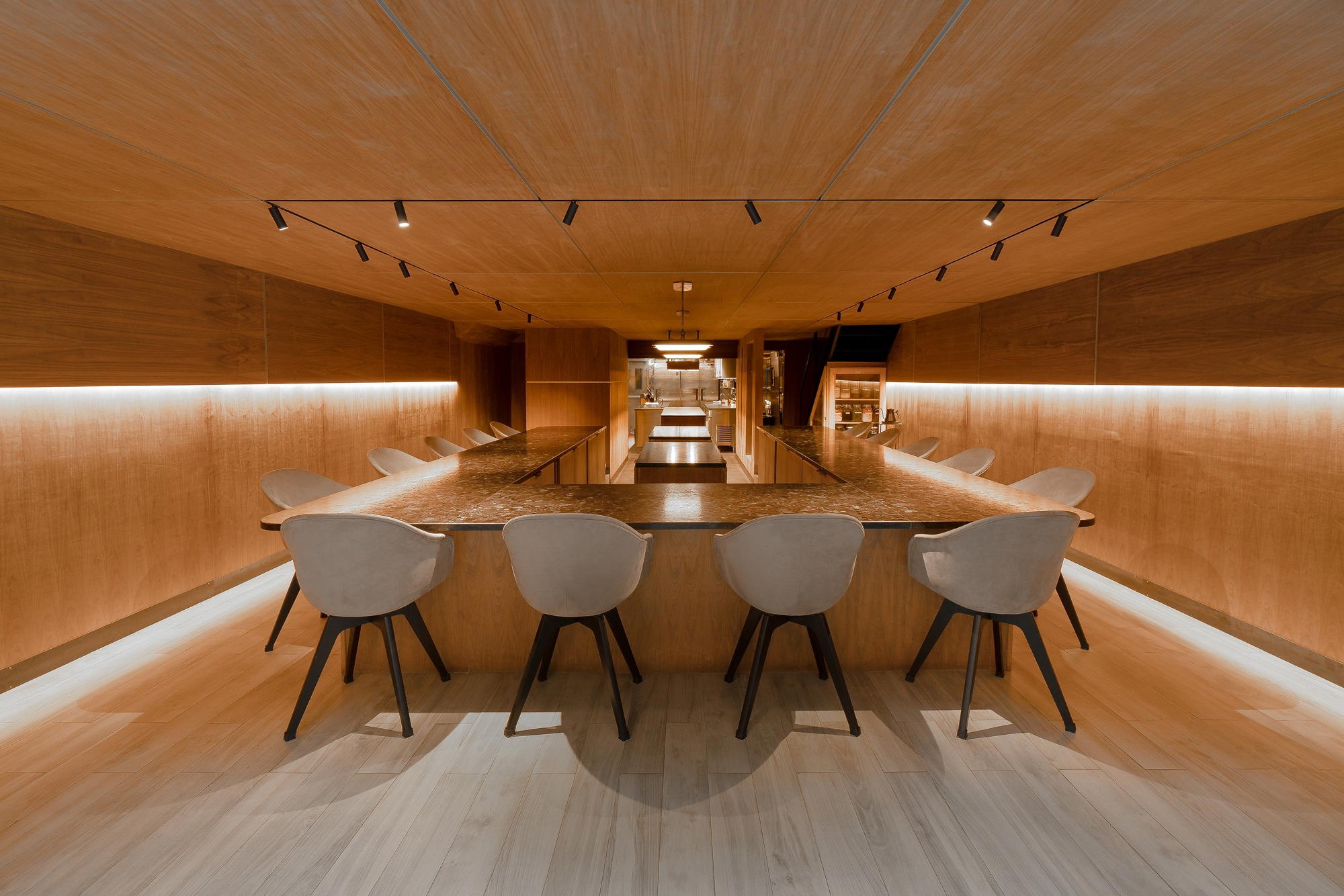
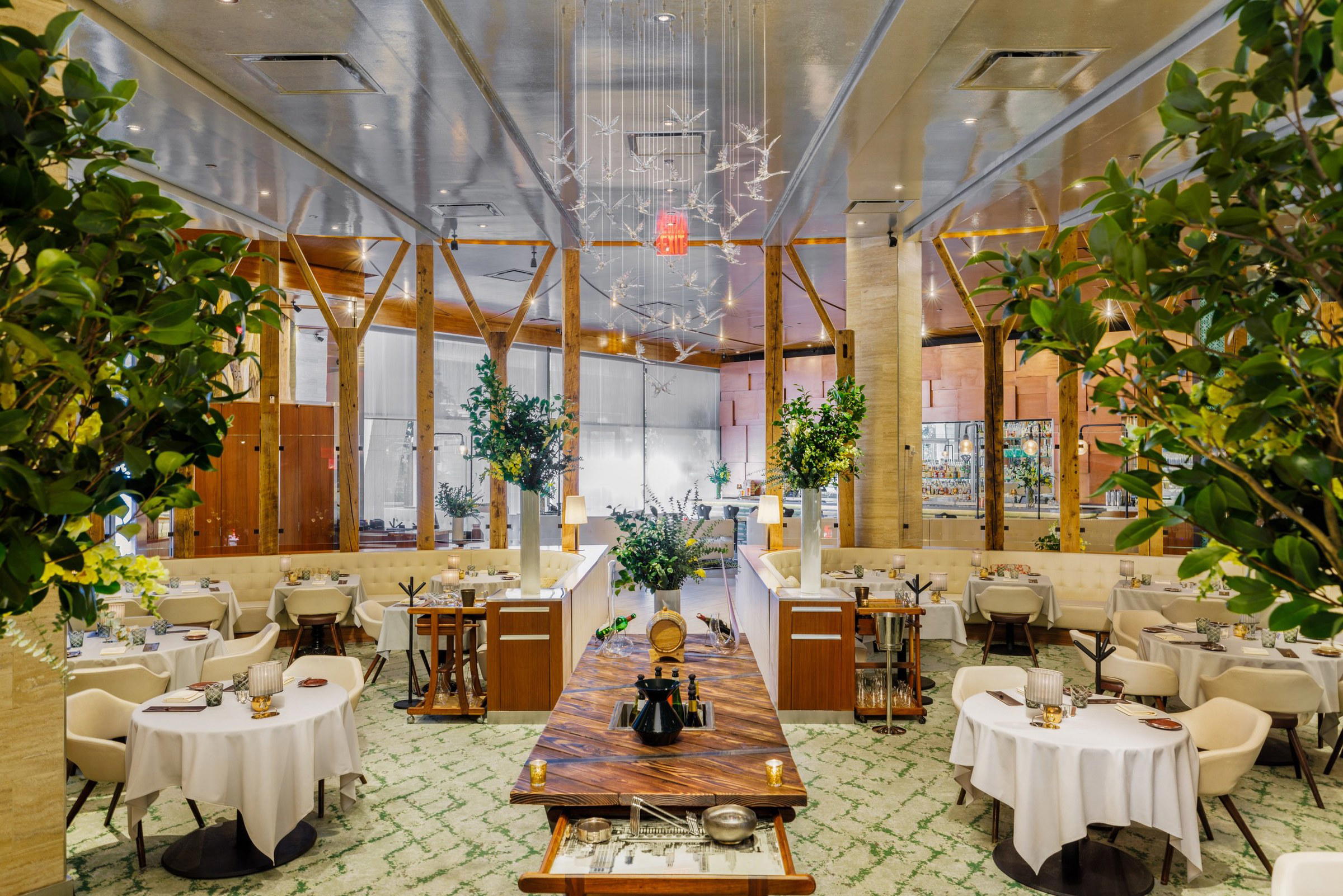
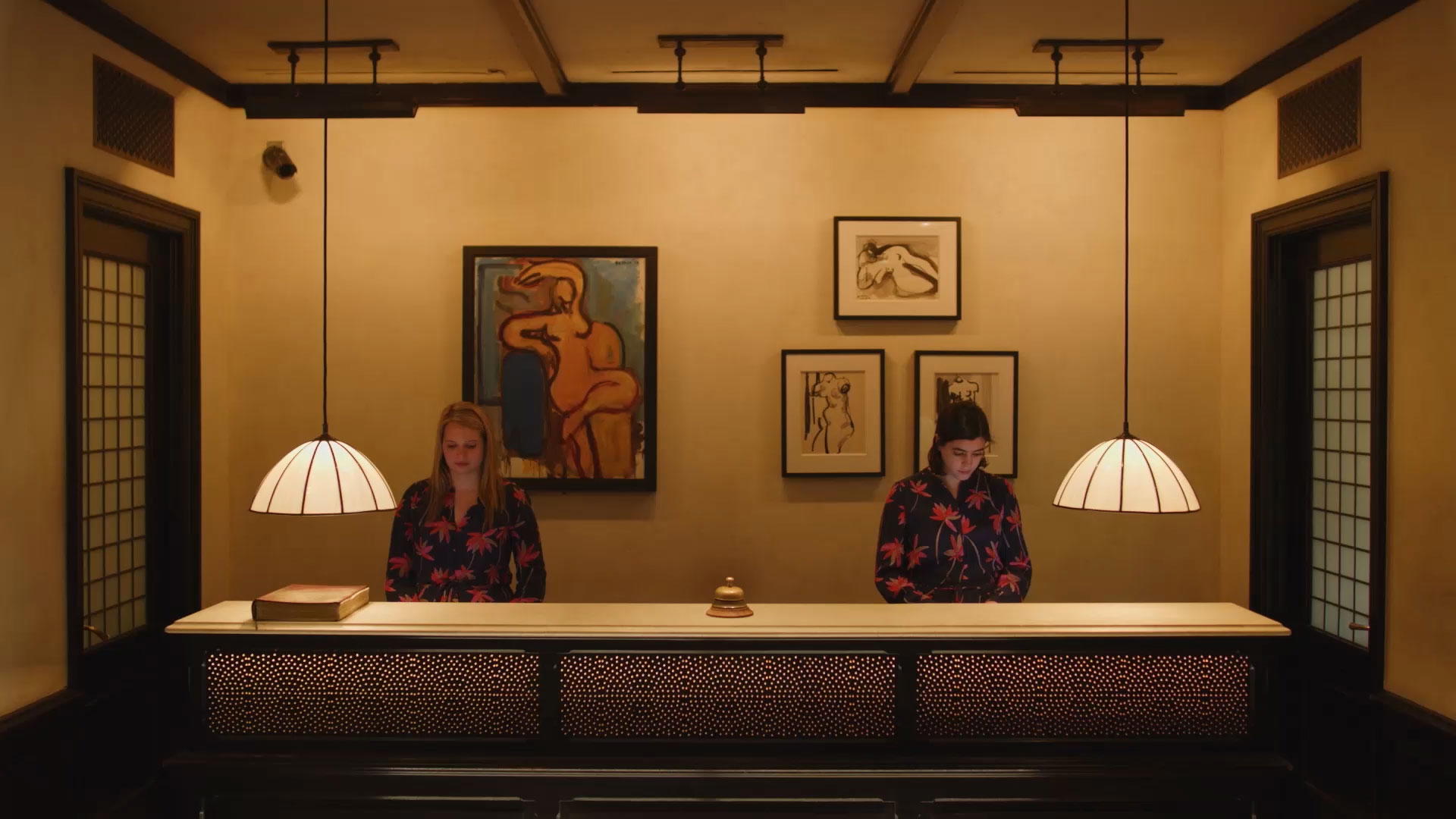
Clubby feel with yar woodwork, white linen tablecloths, and a sophisticated, leisurely atmosphere.