Michelin Plate
Our verdict
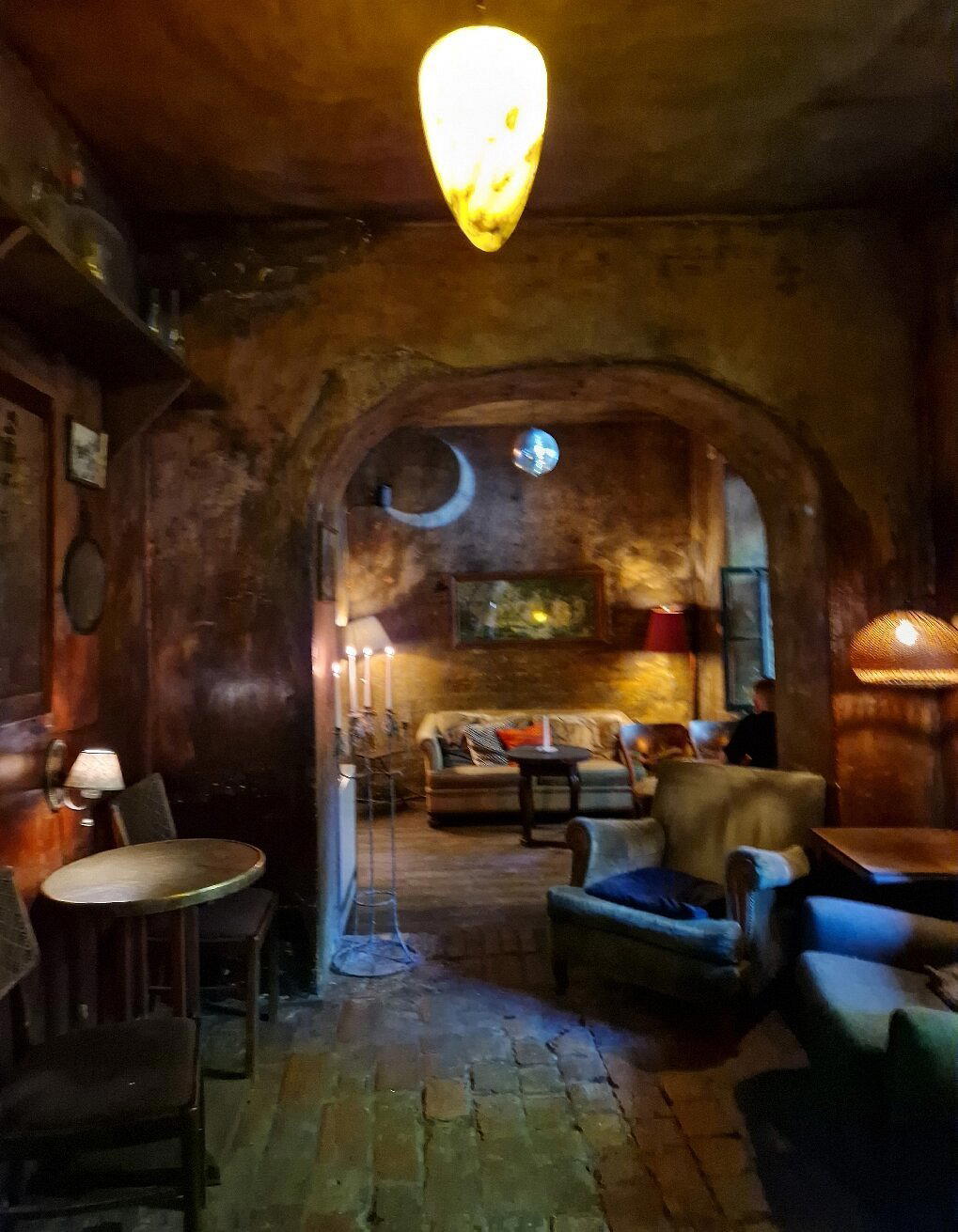
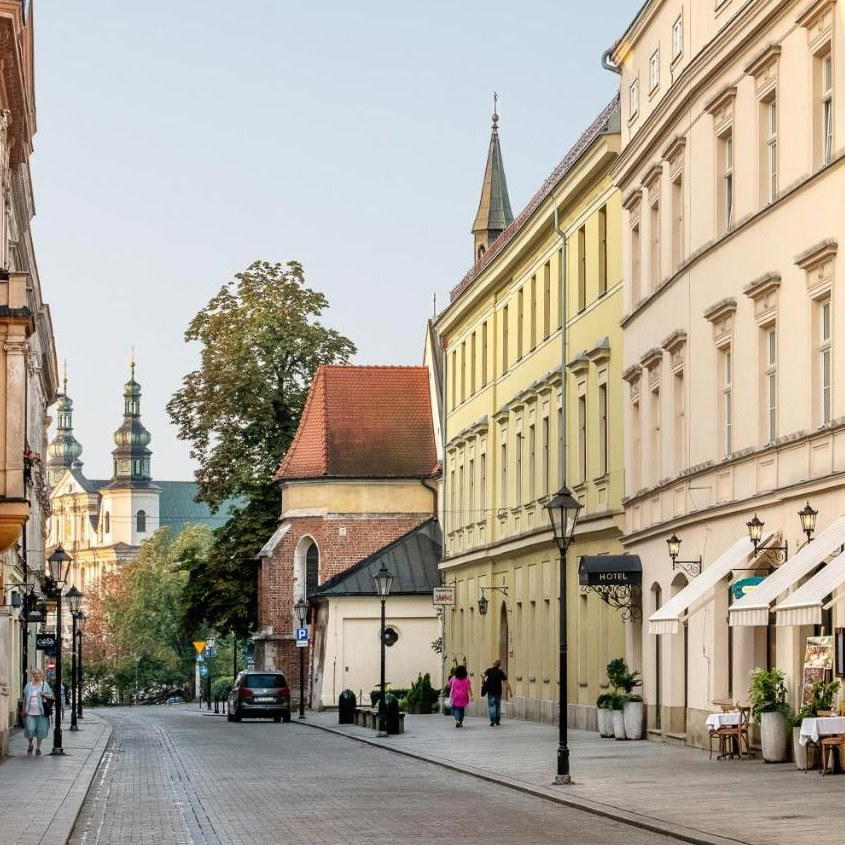
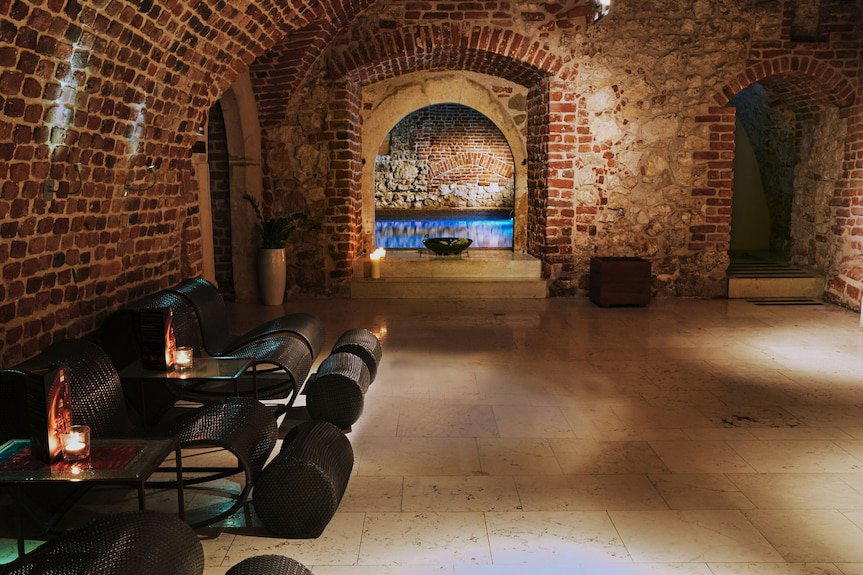
On Kanonicza, one of Kraków's oldest and most architecturally preserved streets, Pod Nosem occupies a medieval building where -hung ground-floor rooms give way to dimly lit brick vaults below. The kitchen applies modern updates to classic Polish recipes, earning a Michelin Plate in 2024. Three furnished suites above the restaurant extend the stay for those who want the address as well as the meal.

Pearl is the En Primeur Club membership app, where members save venues, book tables and use the concierge.
Kanonicza Street and the Architecture of a Polish Meal
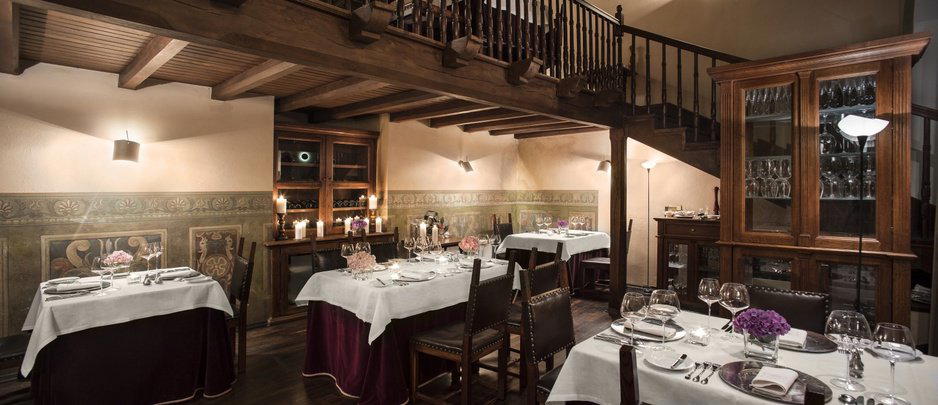
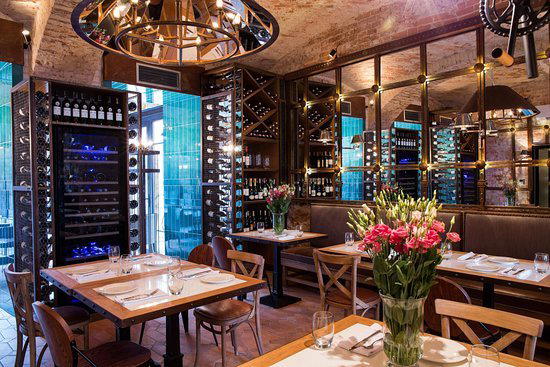
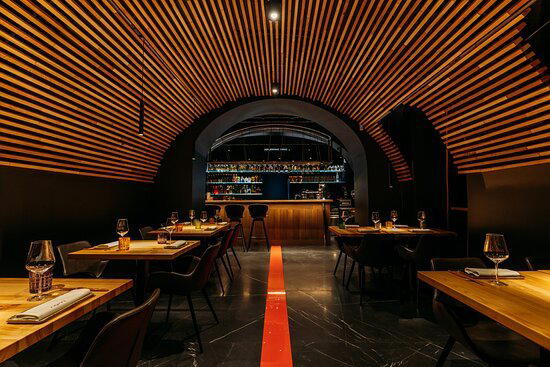
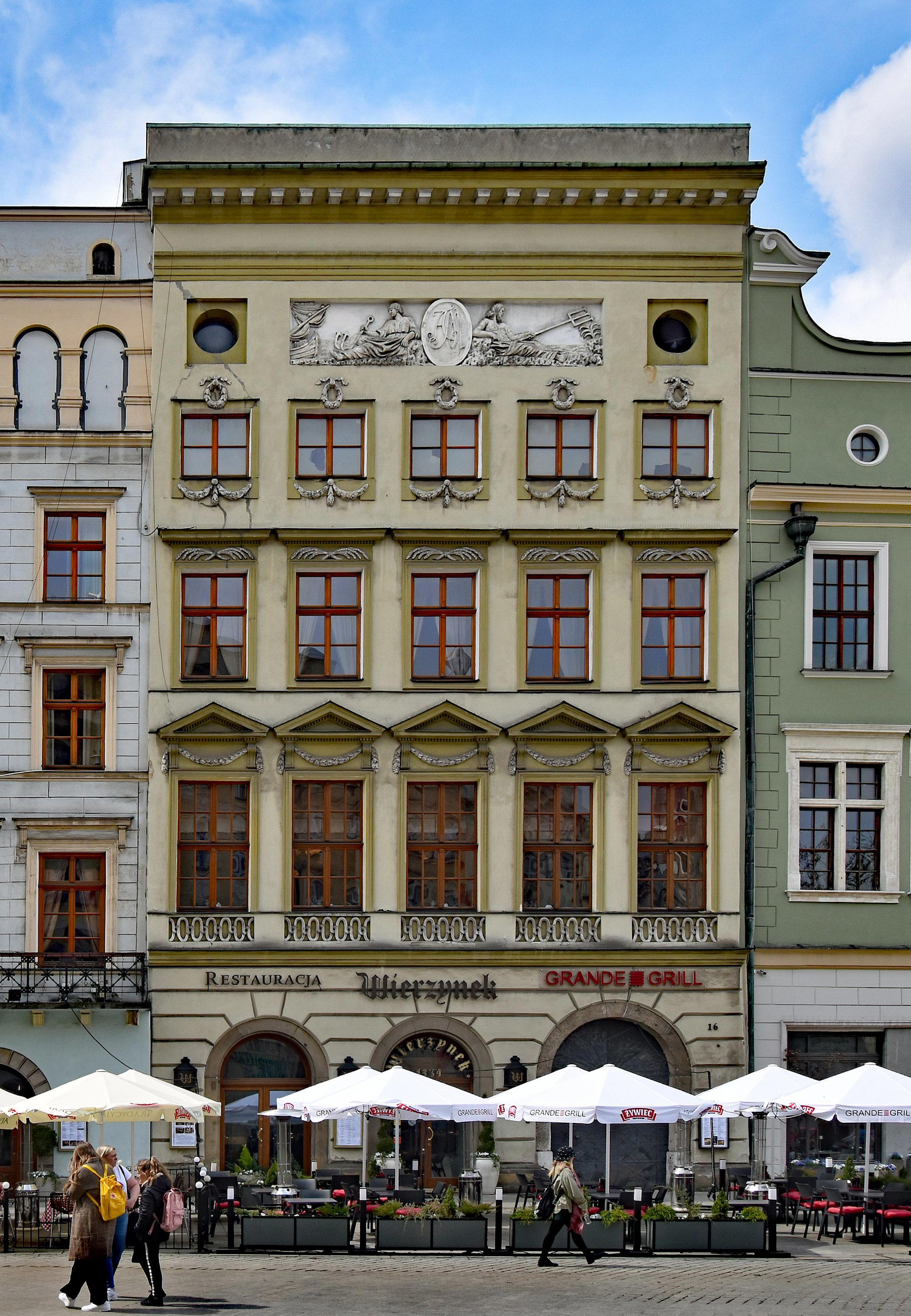
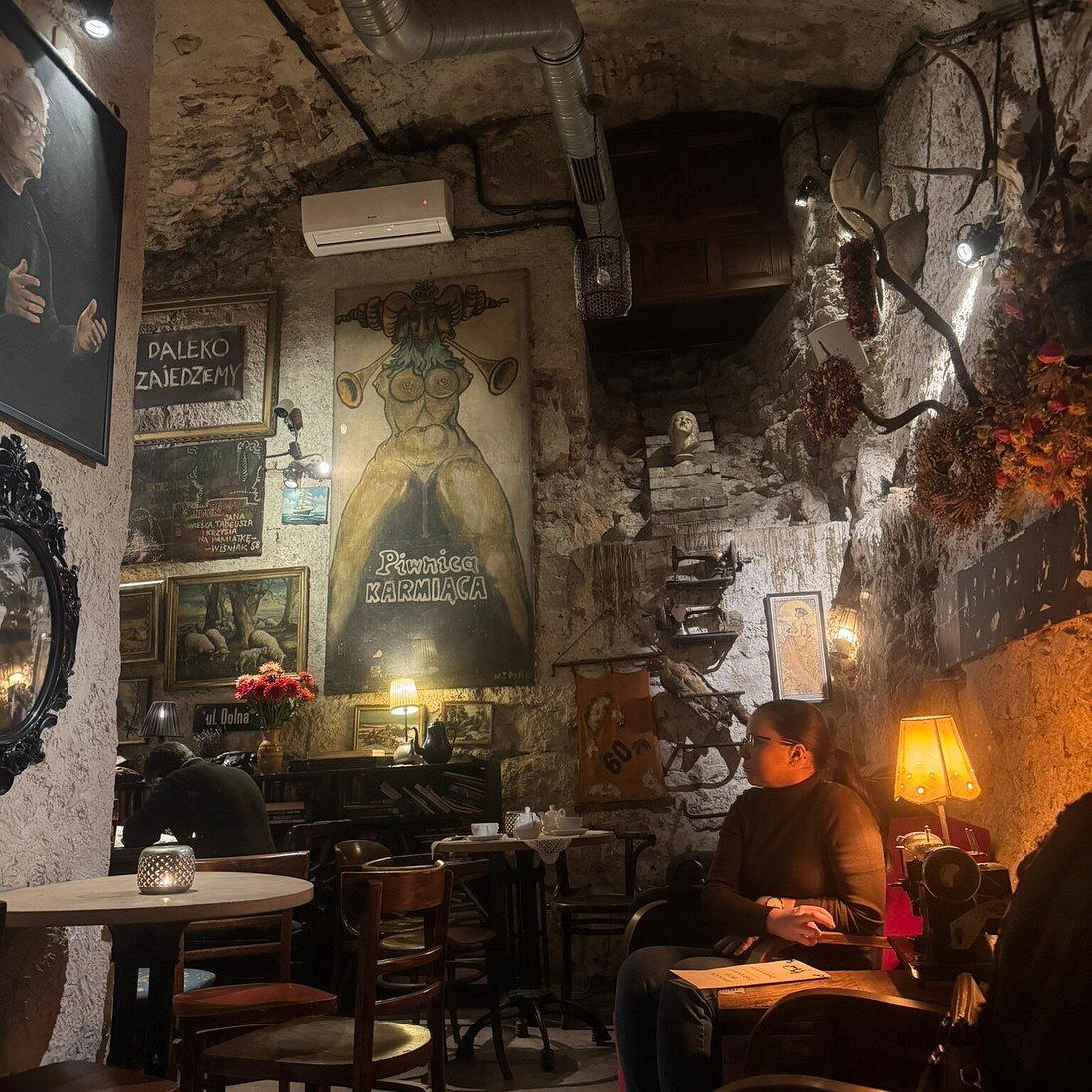
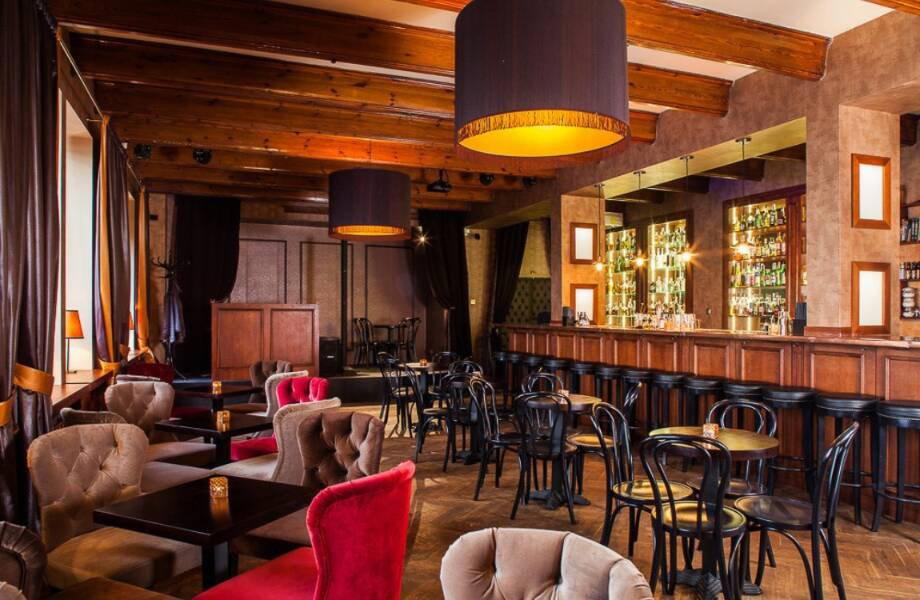
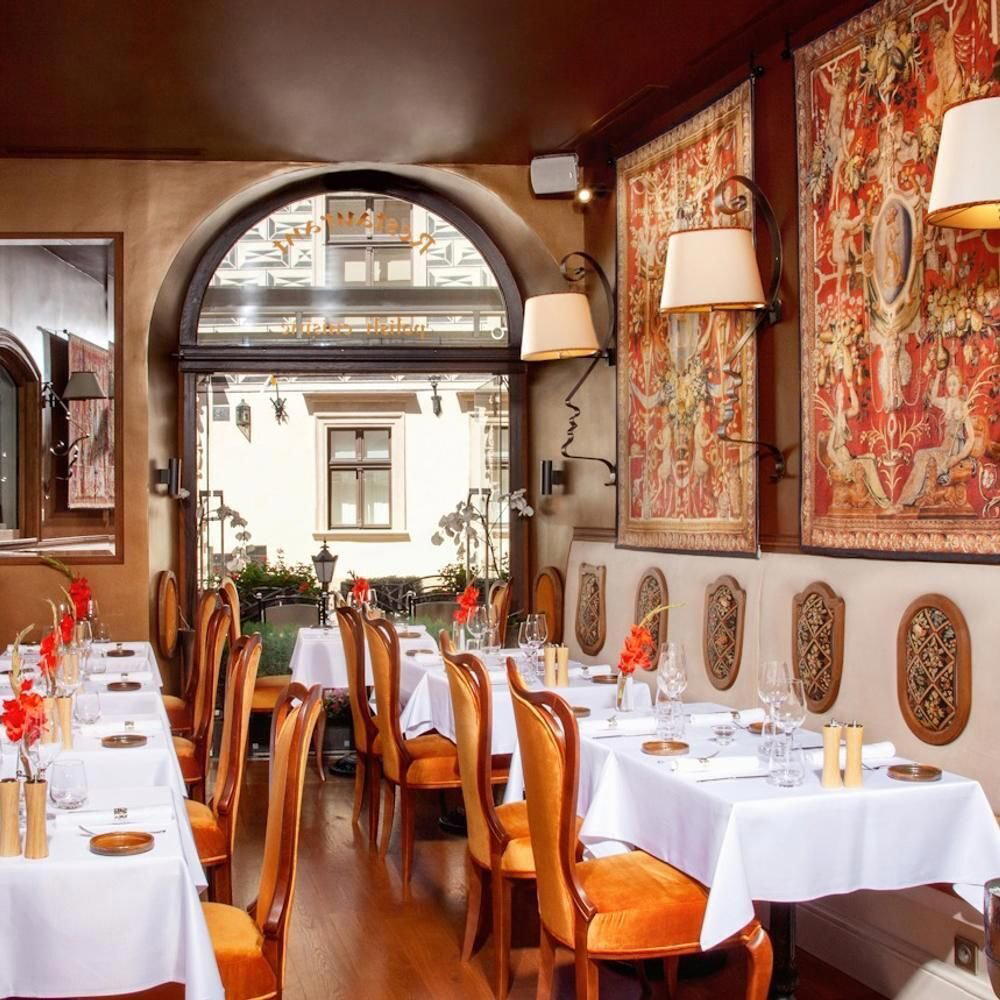
Kraków's Kanonicza runs parallel to Wawel Hill, and its preserved medieval townhouses have housed canons, bishops, and, in later centuries, some of the city's most atmosphere-laden dining rooms. The street functions as a kind of slow-travel corridor: fewer tourists than the Main Market Square, a heavier architectural gravity, and a sense that the buildings themselves impose a certain pace on whoever enters them. Pod Nosem, at number 22, belongs to this setting in a way that is architectural rather than decorative. The whitewashed banquettes on the ground floor are fitted with cushions that mirror the wall hangings above them; descend the stairs and the brick and stone of a medieval cellar takes over, with correspondingly lower light. The two levels function almost as two different dining registers within the same address.
That physical duality sets up the dining ritual before a single dish arrives. In many Polish cities, the question of how to eat traditional cuisine has split between preservationist nostalgia and aggressive modernisation. Pod Nosem sits in the middle of that spectrum: classic recipes acknowledged and then adjusted, rather than either fossilised or dismantled. The Michelin Guide recognised this positioning with a Plate in 2024, placing the restaurant inside Kraków's tier of quality-acknowledged addresses without assigning it to the starred category occupied by more formally structured tasting menus.
How the Meal Tends to Unfold
Traditional Polish dining has its own internal logic, one that differs from the tasting-menu format that defines high-end restaurants like Artesse or the modern creative approach at Bottiglieria 1881. At Pod Nosem, the format is à la carte, which means the pacing is in the hands of the guest rather than choreographed by the kitchen. This matters for how you approach the menu. Polish meals traditionally move through cold starters, soup, a main built around meat or game, and something sweet to close; that sequence is worth following even if the menu doesn't enforce it, because the dishes make more sense in that order than if picked at random.
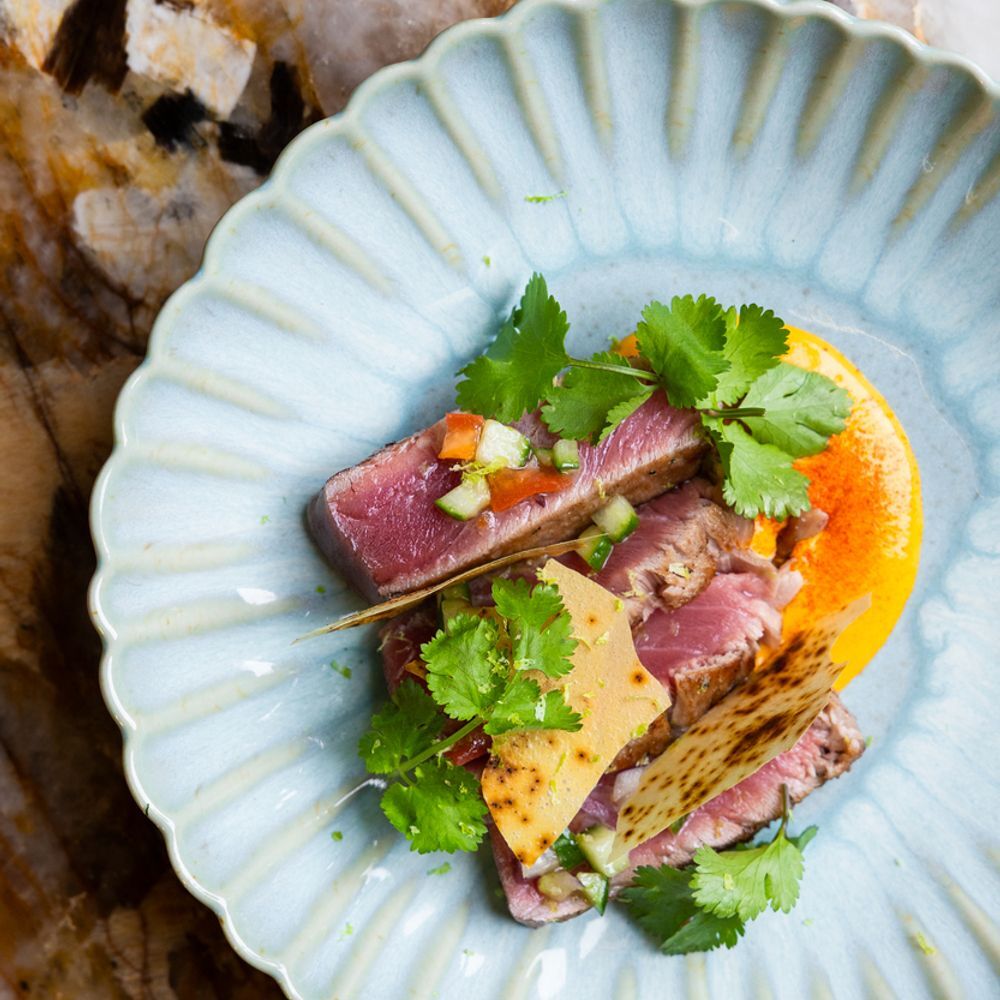
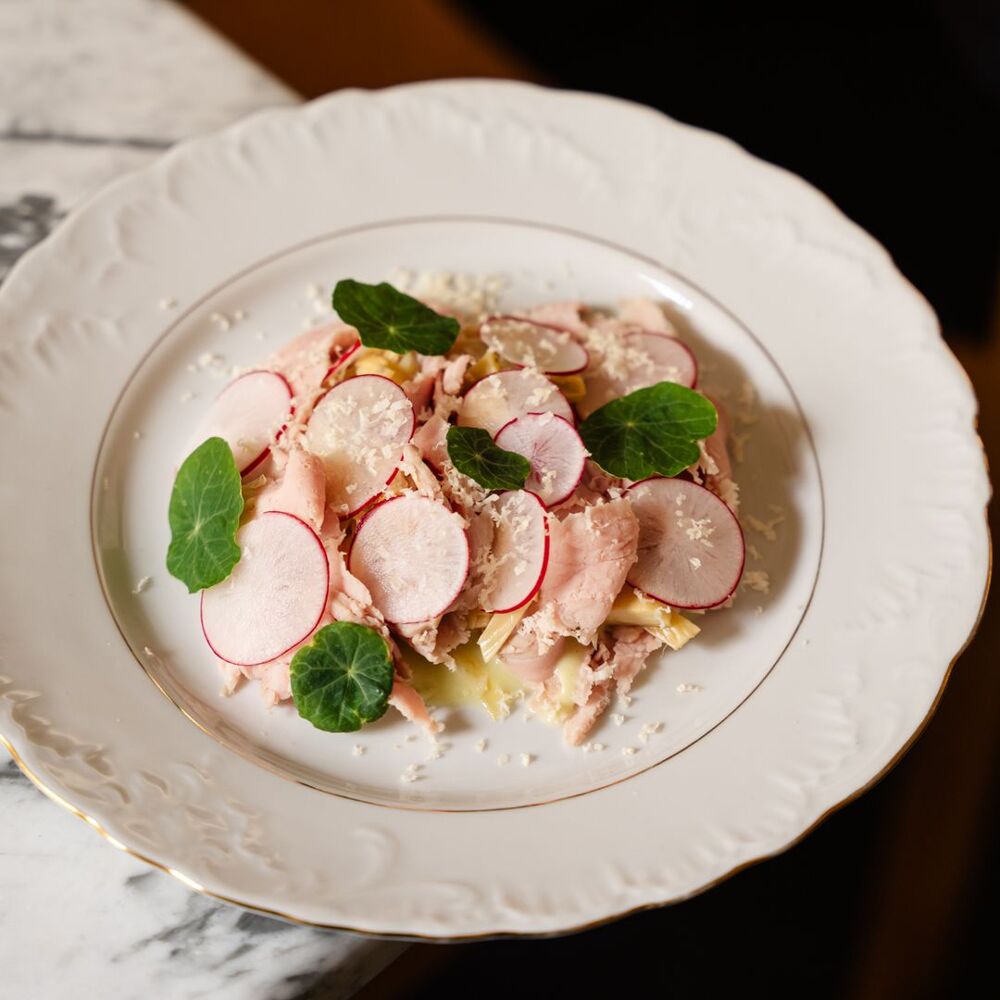
The kitchen applies what the Michelin Guide describes as modern updates to classic recipes: the underlying structure of the dishes reads as Polish, while the execution reflects contemporary technique and presentation. The price point sits at €€, meaning the meal lands broadly in the same value tier as Amarylis and Bufet KRK, and below the €€€ bracket of Copernicus or the €€€€ level of Artesse. That positions Pod Nosem as accessible rather than ceremonial, which reinforces the à la carte, guest-paced format.
The Room and What It Does to the Experience
Interior design in Central European restaurant culture frequently leans on heritage signals, sometimes heavy-handedly. The -and-banquette approach at Pod Nosem avoids the museum-diorama trap because the materials are functional: the cushions are there to sit on, the wall hangings reduce echo in a stone-walled room. The ground floor reads as the convivial option, brighter and more sociable; the cellar is better suited to unhurried dinners where the low vaulting and dimmer light compress the space in a way that turns the table into a more private event.
Choosing between the two levels is itself part of the ritual. A lunch on the ground floor and a longer dinner downstairs are effectively different experiences in the same building, a split that few Kraków restaurants of this price range manage as naturally. For visitors staying elsewhere in the Old Town, the address also offers three furnished suites above the restaurant, making it possible to extend the evening into an overnight stay. The suites are priced to reflect the address rather than the standard rate for the neighbourhood, which is worth accounting for in planning.
Pod Nosem in Kraków's Broader Dining Context
Kraków's restaurant scene has developed distinct tiers over the past decade. At the leading, formally structured creative kitchens like Artesse operate at €€€€ and deliver tasting menus with international reference points. One level down, €€€ addresses like Copernicus focus on refined modern cuisine with Wawel-adjacent gravitas. The €€ bracket, where Pod Nosem competes, is where the most interesting negotiation between Polish tradition and contemporary cooking tends to happen, because the price point demands accessibility while the Michelin Plate signals a commitment to quality that separates it from purely tourist-facing dining.
Across Poland, that negotiation plays out differently depending on city. Warsaw's hub.praga approaches Polish ingredients from an urban, neighbourhood angle; Poznań's Muga works within a more formal creative framework. Gdańsk's Arco by Paco Pérez imports a Spanish fine-dining sensibility to northern Poland, while Acquario in Wrocław works seafood into a Polish culinary context. Pod Nosem's approach, anchored in Kraków's medieval centre with a format that is historically grounded but not frozen, is its own answer to the same underlying question about what Polish cooking should look like now. Outside Poland, the comparison runs closest to traditional-cuisine restaurants that earn Michelin recognition without operating in the starred tier: Auberge Grand'Maison in Mûr-de-Bretagne and Auga in Gijón occupy similar territory in their respective regions, where regional tradition and modern cooking intersect at a mid-luxury price point.
For a comparison within Kraków's own traditional-leaning tier, Kogel Mogel offers a different angle on Polish cooking, and the broader Kraków scene is mapped in our full Kraków restaurants guide. Those planning a longer stay will find additional context in our Kraków hotels guide, bars guide, wineries guide, and experiences guide.
Kraków's mountain-adjacent restaurant culture also has a regional footprint worth noting: Giewont in Kościelisko and 1911 Restaurant in Sopot show how Polish traditional cooking varies considerably once you move out of the city-centre fine-dining frame. Pod Nosem's value is partly that it places that tradition in a setting as specific and historically weighted as any in the country.
Planning Your Visit
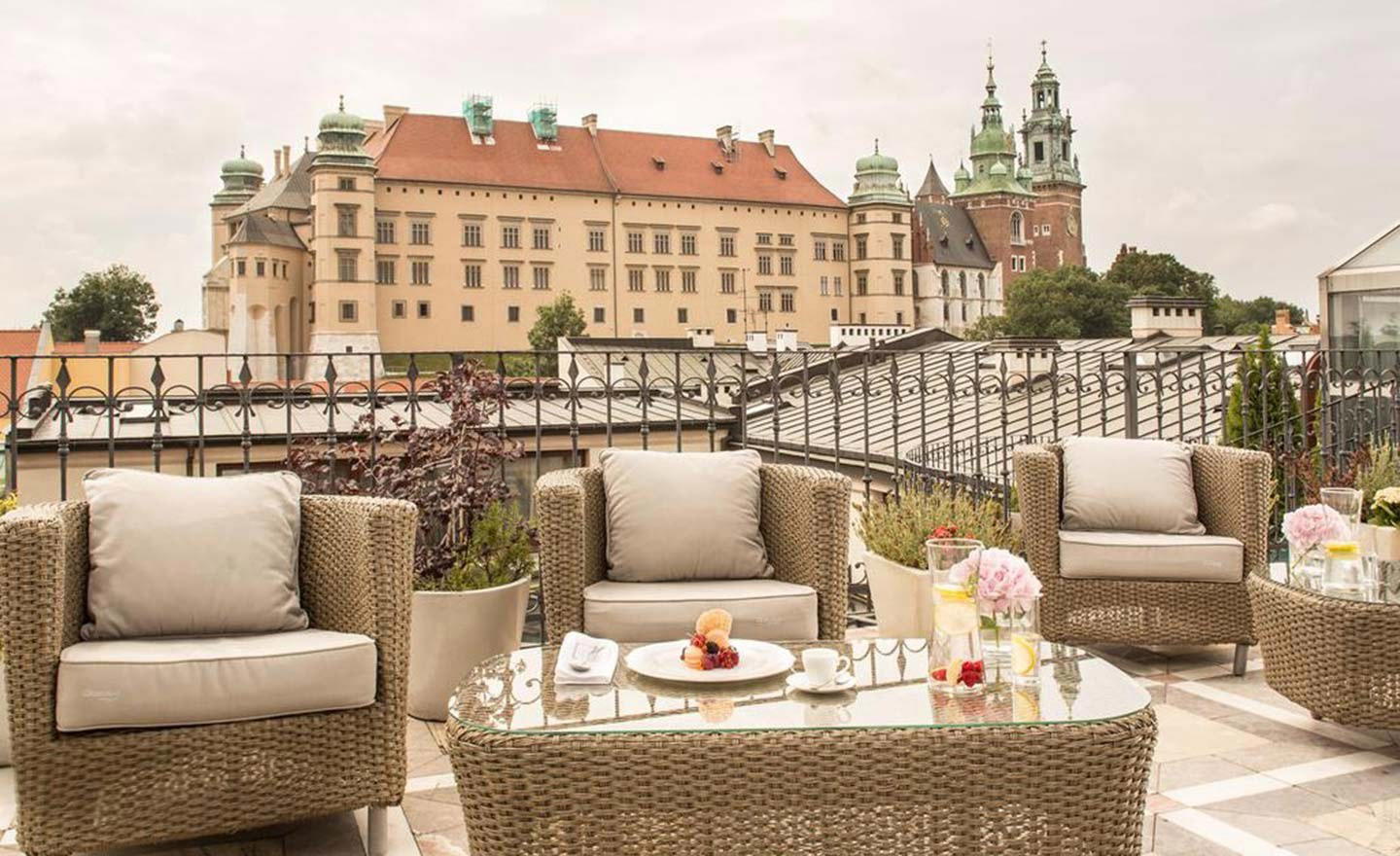
Pod Nosem sits at Kanonicza 22, in the southern section of Kraków's Old Town, within walking distance of Wawel Castle. The address places it at the quieter end of the historic centre, away from the Main Market Square's heavier foot traffic, which affects the experience meaningfully: arrival feels deliberate rather than accidental. The €€ price range suggests an average spend in the moderate bracket for Kraków, making it accessible for a full three-course meal without the commitment of a fixed tasting menu. For those considering the suites, booking the accommodation and the dinner together is the practical approach given that both reflect the premium of the Kanonicza location.
Frequently asked questions
Is Pod Nosem Michelin-listed?
Pod Nosem has received recognition including: The bright ground floor of this characterful medieval-style restaurant is hung with tapestries and the white wooden banquettes have tapestry seat cushions to match; downstairs, amongst the brick and stone, it’s more dimly lit. Classic Polis….
What's the price range at Pod Nosem?
Pricing at Pod Nosem is listed as €€.
What dish is Pod Nosem famous for?
Pod Nosem does not anchor its identity to a single signature dish. The kitchen's approach, applying modern updates across the breadth of classic Polish recipes, is the defining quality recognised by the Michelin Plate (2024). That positions the restaurant as a reference point for traditional Polish cooking rather than a destination built around one preparation.
What kind of cuisine does Pod Nosem serve?
Where do I go for Pod Nosem?
Pod Nosem is located at Kanonicza 22, 31-002 Kraków, Poland, Kraków.
Just the Basics
| Venue | Cuisine | Price | Awards | Notes |
|---|---|---|---|---|
| Pod NosemThis venue (the venue you are viewing) | Modern Polish | $50–100 | Michelin Plate | Not listed |
| Bottiglieria 1881 Restaurant | Modern Polish Fine Dining | $200–300 | 2 Michelin Stars · La Liste Top Restaurants | Modern Polish |
| Copernicus | Modern Polish Royal Cuisine | $30–50 | Michelin Plate | Modern Cuisine |
| Farina | Modern Seafood with Polish Influences | $50–100 | Michelin Plate · Wine Spectator Best of Award of Excellence | Seafood |
| MOLÁM | Modern Thai Canteen | $20–30 | Michelin Bib Gourmand | Thai |
| Artesse | Modern Historical Polish Fine Dining | Not listed | Michelin Plate | Creative |
Recognition history
Dated appearances from independent guides and award organizations, with the underlying list record or original source where available.
Michelin Plate
Michelin
Full recognition history (3 entries)
Michelin Plate
Michelin
Michelin Plate
Michelin