Our verdict
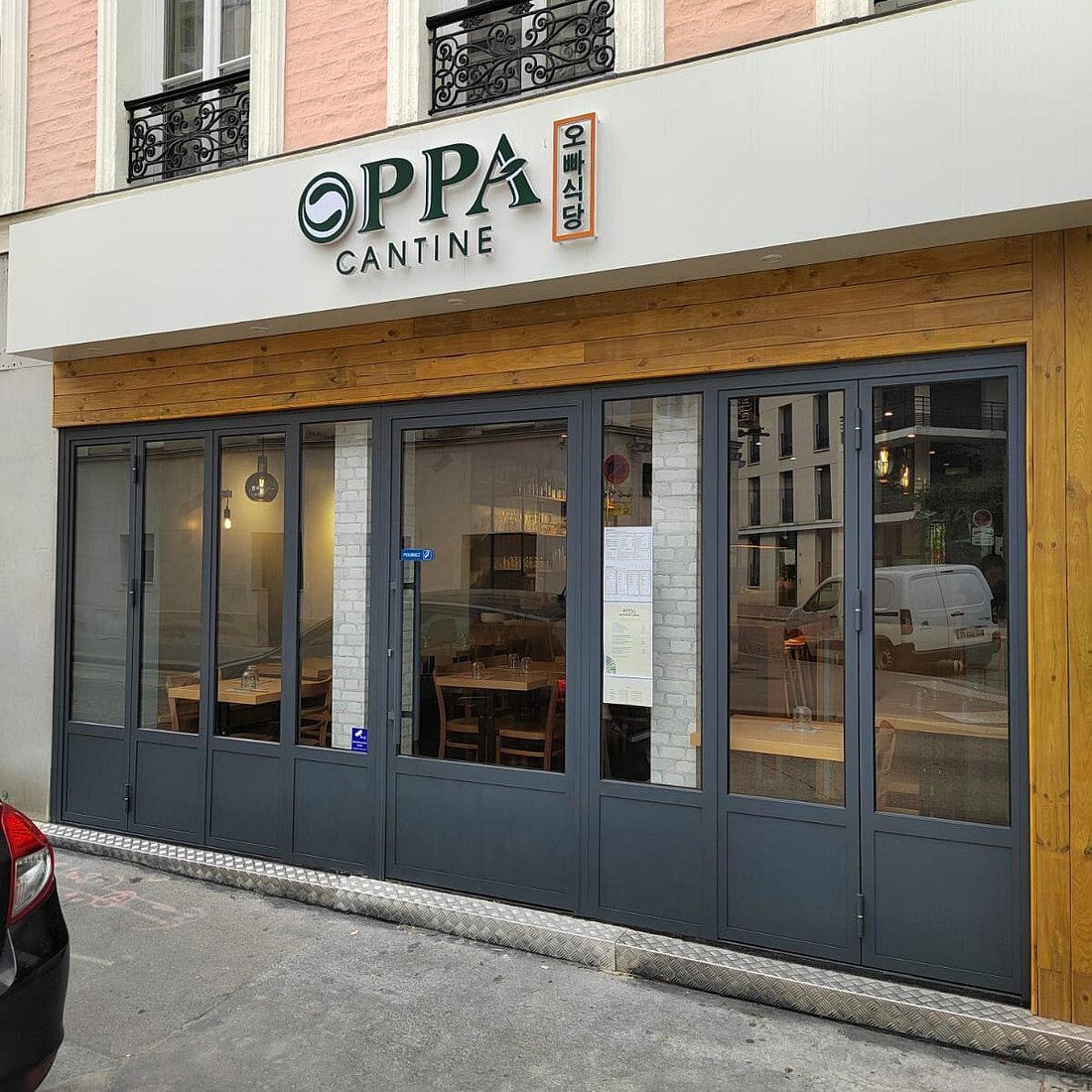
A neighbourhood cantine on Rue Béatrix Dussane in the 15th arrondissement, OPPA CANTINE operates in a Paris dining tier defined by locality and restraint rather than spectacle. The 15th has quietly accumulated a range of address-driven spots where sourcing ethics and seasonal menus carry more weight than formal recognition, and OPPA sits within that current.

Pearl is the En Primeur Club membership app, where members save venues, book tables and use the concierge.
The menu
What to order
- Bibimbap
- Ramen
- Tempura
- Kimbap
- Korean fried chicken
- Gua bao
The 15th's Quieter Current
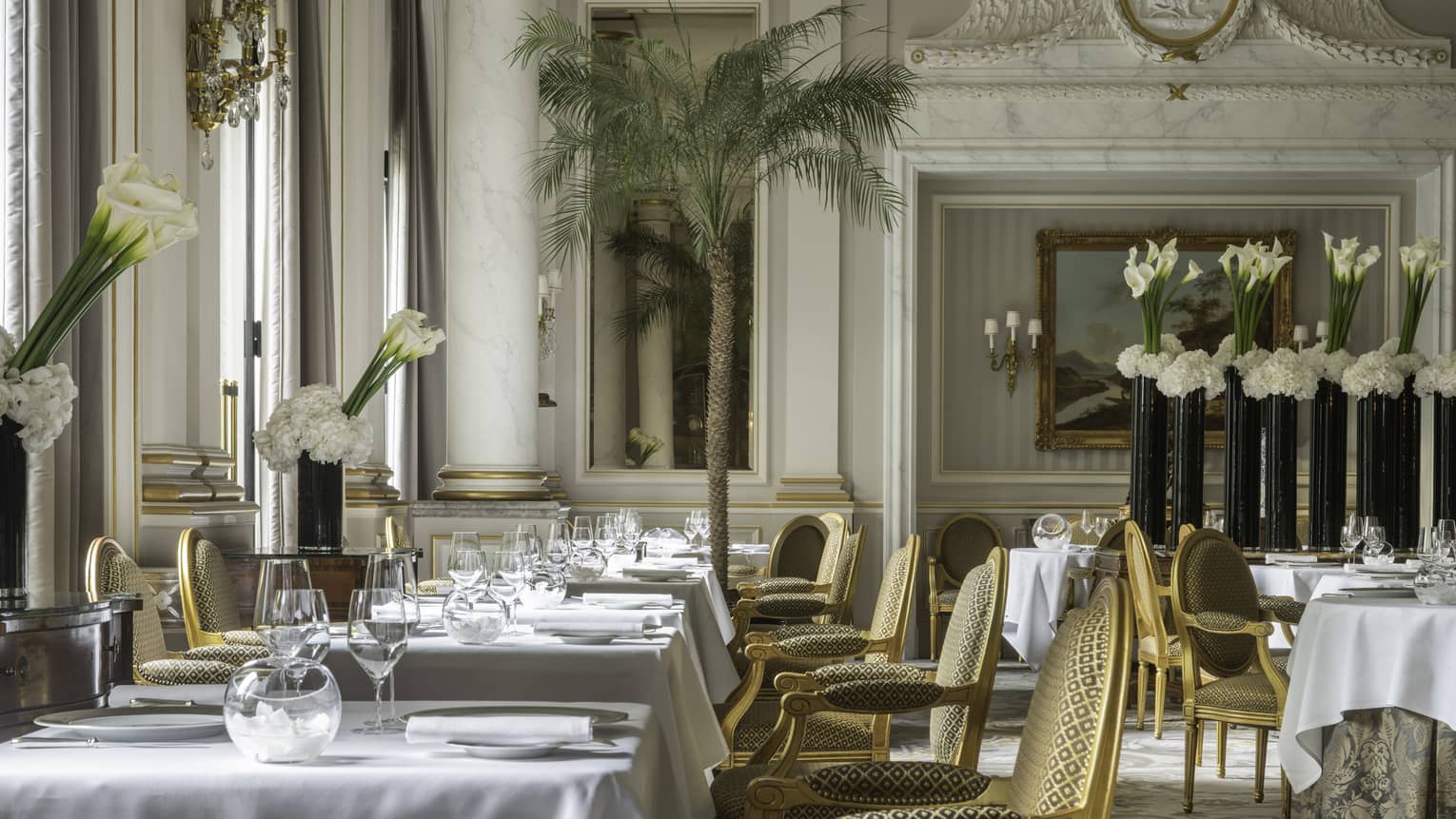
Paris dining has long sorted itself by arrondissement legibility. The 8th gives you the grand salons: Le Cinq at Four Seasons Hôtel George V and Alléno Paris au Pavillon Ledoyen anchoring a tier where a single dinner rarely comes in under €200 per head. The 7th has Arpège, where the kitchen's commitment to garden-sourced produce has become a reference point for vegetable-forward fine dining across the country. The 15th operates differently. It is the most densely populated arrondissement in France and, for decades, was considered a purely residential zone, the kind of neighbourhood that fed locals rather than drew visitors from outside the périphérique.
That profile has gradually shifted. A cluster of address-led rooms has appeared in the 15th over the past decade, shaped less by Michelin ambition and more by what a certain segment of Paris diners now prioritise: short supply chains, menus that change with what arrives from the producer rather than what the printer scheduled, and formats that fit a regular weekday rather than a special occasion. OPPA CANTINE on Rue Béatrix Dussane belongs to this current. The address itself, a small residential street in the southern part of the arrondissement, signals the register before the door is open.
Sourcing as the Structural Argument
The sustainability story in Paris dining is no longer a marketing positioning; it has become a structural distinction between categories of restaurant. At the recognised end of the spectrum, places like Mirazur in Menton, which topped the World's 50 Best list in 2019, built its reputation partly on a biodynamic garden that supplies a meaningful portion of what arrives on the plate. Bras in Laguiole has spent decades making the Aubrac plateau's producers as central to the restaurant's identity as the kitchen itself. These are formal, destination-level commitments.
The cantine format takes a different approach to the same underlying logic. The word cantine in French implies a certain unpretentiousness, a room that feeds people, not one that performs feeding. When a Paris address adopts that label, it is usually signalling something about its relationship to volume, waste, and the daily rhythm of the market. Short menus reduce the number of ingredients held in rotation. Smaller formats mean less prep-scale waste. The sourcing tends to run through relationships with specific producers rather than broad wholesale channels. These are not abstract principles; they are practical consequences of operating at small scale with limited infrastructure.
Across France, this model has produced some of the country's more interesting cooking in the past fifteen years. Flocons de Sel in Megève has used Alpine-specific sourcing to define a regional identity that functions independently of the broader luxury ski-resort market. Auberge du Vieux Puits in Fontjoncouse turned a village in the Corbières into a destination by anchoring the kitchen to what the surrounding land could actually produce. The logic scales down from three-star rooms into neighbourhood spots, and the 15th has become one of the Paris arrondissements where that scaled-down version is being worked out in real time.
The Paris restaurant tier that OPPA CANTINE occupies is distinct from the one occupied by L'Ambroisie on Place des Vosges or Kei in the 1st, both of which operate at price points and formality levels that position them primarily as event-dining destinations. The cantine tier prices for return visits, not one-time occasions. It competes on reliability, the sense that a regular can come back Thursday after Thursday and find the menu adjusted to what came in that morning, rather than on the kind of theatrical presentation that defines AM par Alexandre Mazzia in Marseille or the classical rigour of Assiette Champenoise in Reims.
This is not a lesser category. In cities where dining culture is genuinely embedded in daily life rather than reserved for special occasions, the neighbourhood room that operates with discipline and a clear sourcing position often carries more cultural weight than the formal destination restaurant. Paris has always had both, and the 15th is currently producing more of the former than most arrondissements inside the boulevard périphérique.
For comparative framing from outside France, this format parallels what has happened in certain New York dining corridors, where restaurants like Atomix operate as tasting-menu destinations while a separate tier of producer-connected neighbourhood rooms carries equal critical attention for entirely different reasons. In Paris, the equivalent split runs between the grand institution, Paul Bocuse - L'Auberge du Pont de Collonges near Lyon, Au Crocodile in Strasbourg, Auberge de l'Ill in Illhaeusern, Troisgros - Le Bois sans Feuilles in Ouches, and the smaller, more agile address that competes on sourcing coherence and daily relevance.
Planning a Visit
OPPA CANTINE is located at 4 Rue Béatrix Dussane in the 15th arrondissement, reachable from the Boucicaut or Félix Faure metro stations on line 8. The 15th is a working residential neighbourhood, which means the rhythm around the address is local rather than tourist-facing, arriving early or at off-peak hours is advisable to read how the room operates before committing to a pace.
For a broader map of Paris dining at every tier, the EP Club Paris restaurants guide covers the full range from formal destination rooms to neighbourhood addresses in the outer arrondissements. For those travelling specifically for food at the high end of the French spectrum, Le Bernardin in New York offers a useful point of comparison for how French culinary rigour translates into a different civic context.
Quick reference: 4 Rue Béatrix Dussane, 75015 Paris. Nearest metro: Boucicaut or Félix Faure (line 8).
Frequently asked questions
What's the must-try dish at OPPA CANTINE?
Addresses operating in the cantine format typically anchor their menus to whatever the producer delivered that week, which means the menu shifts frequently. The most reliable approach is to ask at the time of booking or arrival what the kitchen is currently working with, this is usually the clearest signal of what a given visit will centre on.
Do I need a reservation for OPPA CANTINE?
Neighbourhood canteens in Paris vary considerably: some run entirely on walk-ins, others fill a week ahead through a small number of covers. Given that the 15th has a local rather than tourist-facing dining rhythm, the room may operate with a different lead time than destination addresses in the 1st or 8th. Contacting the venue directly before arriving is the safest approach, particularly for dinner.
What's OPPA CANTINE leading at?
Based on its positioning within the 15th arrondissement's neighbourhood dining tier, OPPA CANTINE operates in a format where daily relevance and sourcing coherence carry more weight than formal recognition. The cantine model rewards diners who prioritise a room calibrated to a regular local rhythm over one built for occasion dining.
How does OPPA CANTINE fit into the broader Paris natural and ethical sourcing movement?
The cantine format in Paris has become one of the more visible expressions of a shift toward reduced-waste, producer-direct cooking that doesn't require a fine-dining price point to execute. Addresses operating under this model typically run shorter menus that minimise ingredient turnover and work with a small roster of suppliers rather than broad wholesale networks. OPPA CANTINE's positioning in the 15th, a residential arrondissement with a local rather than destination-facing clientele, places it within this movement, where the discipline of small-format cooking and ethical sourcing is the editorial argument, not the decoration around it.
Pricing, Compared
Comparable venues nearby, for context on price, style, and recognition.
| Venue | Cuisine | Price | Notes |
|---|---|---|---|
| OPPA CANTINEThis venue (the venue you are viewing) | Authentic Korean Canteen | $20–30 | Not listed |
| JOAYO Montparnasse | Authentic Korean BBQ & Karaoke | $20–30 | Montparnasse, Authentic Korean BBQ & Karaoke |
| Kokogrill | Korean Barbecue | $20–30 | Montparnasse, Korean Barbecue |
| Ga Jeong Jip | Traditional Korean Bistro | $20–30 | 1er Arrondissement, Traditional Korean Bistro |
| Kokodak | Korean-Italian Fusion | $20–30 | Montparnasse, Korean-Italian Fusion |
| Go Oun | Korean Fusion | $20–30 | Louvre / Palais-Royal, Korean Fusion |
Continue exploring
More in Paris
Restaurants in Paris
All restaurants in Paris →
Bars in Paris
All bars in Paris →



Details
- Casual
- Modern
- Cozy
- Family
- Group Dining
- Casual Hangout
- Open Kitchen
- A La Carte
- Family Style
- Vegetarian Friendly
- Allergy Accommodating
Current opening hours
- Monday
- 12–2:30 PM, 7–10:30 PM
- Tuesday
- 12–2:30 PM, 7–10:30 PM
- Wednesday
- 12–2:30 PM, 7–10:30 PM
- Thursday
- 12–2:30 PM, 7–10:30 PM
- Friday
- 12–2:30 PM, 7–10:30 PM
- Saturday
- 7–10:30 PM
- Sunday
- Closed
Hours can change for holidays and private events. Hours as of .
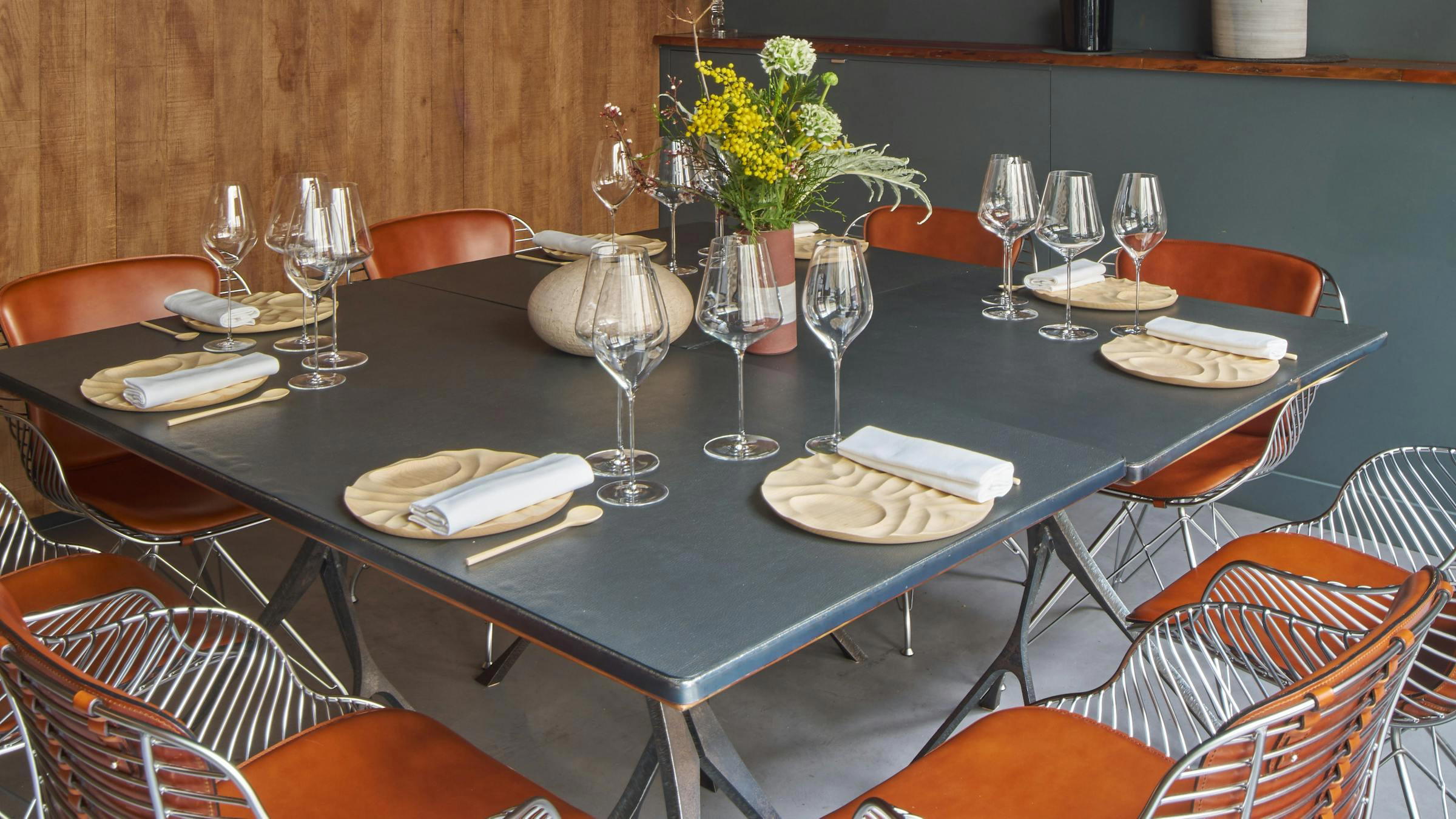
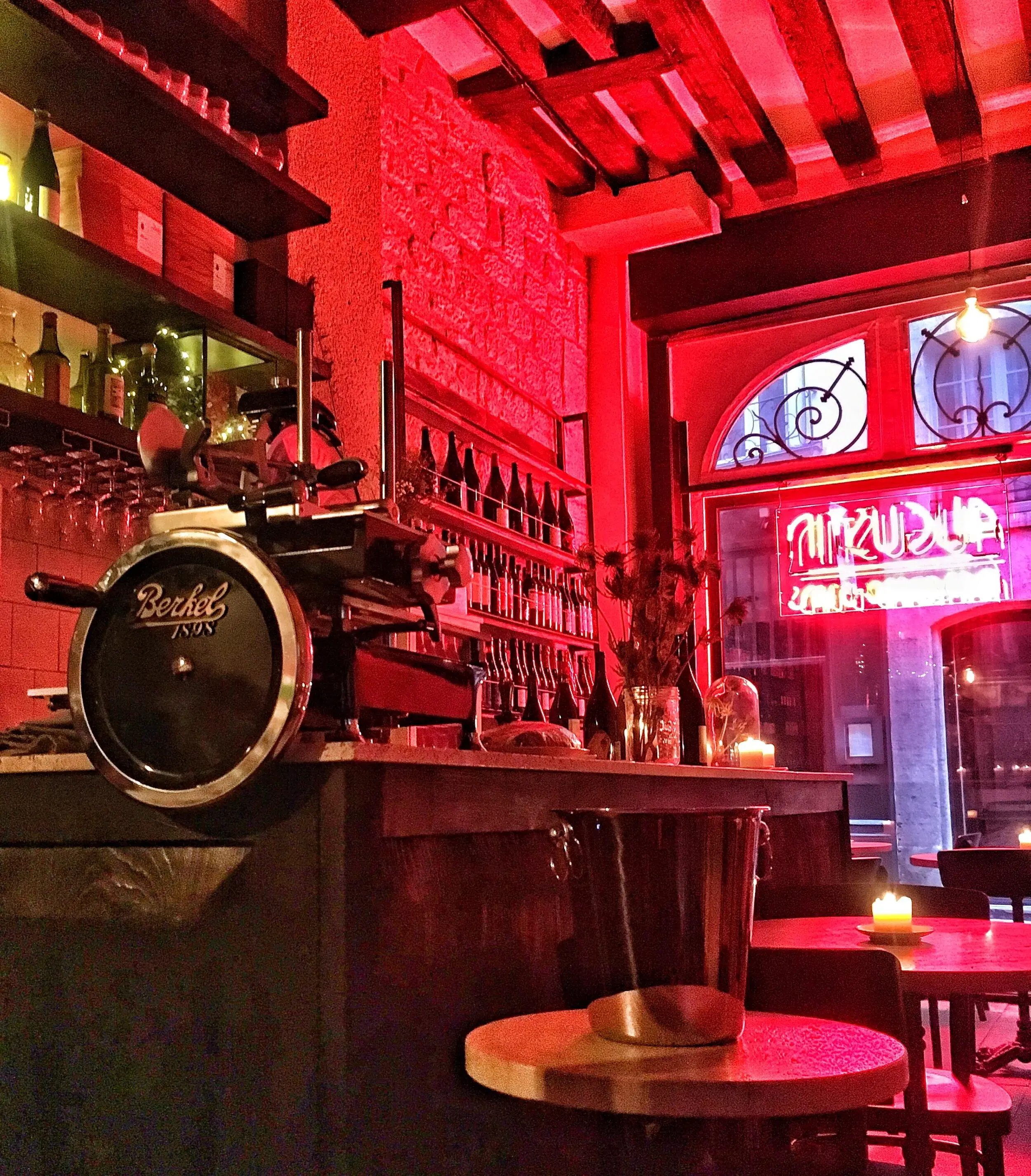
Clean, modern, and welcoming with a warm atmosphere; described as ultra-efficient and friendly by guests.