
Gunjo belongs to Osaka’s compact, high-intensity ramen culture: counter seating, quick turnover, and a menu language that includes tsukemen, ramen, abura-soba, and maze-soba. Its repeated Tabelog 100 selections place it among the city’s closely watched noodle addresses, while the Tenjinbashisuji Rokuchome setting keeps the experience grounded in everyday Osaka rather than ceremony.
Pearl is the En Primeur Club membership app — saves, bookings, and concierge access live there. Same editors, same standards.
- Address
- 大阪府大阪市北区天神橋6-3-26
- Website
- tabelog.com
 Saves & bookings on Pearl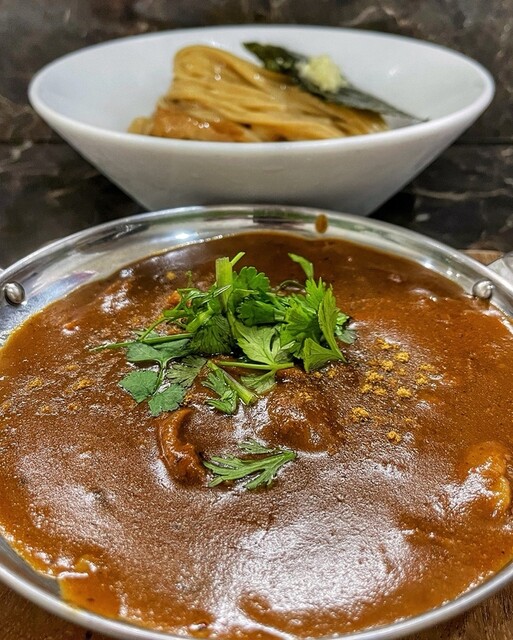
The approach to a serious Osaka noodle counter is rarely theatrical. The city’s ramen rooms tend to announce themselves through compression: a narrow frontage, a short line, a ticket-machine rhythm or counter choreography, and the expectation that diners understand the pace. Gunjo fits that grammar. Six counter seats define the room, which puts the experience closer to a specialist workshop than a restaurant built for lingering.
Osaka’s ramen culture is often discussed less than Tokyo’s, but the city has its own advantage: density. Around transport nodes, shotengai arcades, office districts, and late-night streets, noodle shops compete on specificity rather than scale. Tsukemen specialists, mazesoba counters, and hybrid ramen rooms can survive because the local audience knows the differences. Gunjo’s category spread, tsukemen, ramen, abura-soba, and maze-soba, places it in that practical Osaka register where format matters as much as reputation.
A six-seat counter in Osaka's serious noodle tier
The defining fact here is not décor, personality, or chef biography. It is capacity. A six-seat counter changes the meal before the first bowl arrives: turnover is visible, pacing is disciplined, and the room has little tolerance for indecision. This is where Osaka’s casual dining culture becomes exacting. The price band sits at the low end of the city’s dining spectrum, yet the access equation is shaped by scarcity rather than cost.
Recognition sharpens that equation. Gunjo was selected for Tabelog Ramen OSAKA “Tabelog 100” in 2025, following earlier selections across the Osaka and West ramen lists. In Japan’s noodle scene, that kind of repeat listing matters because it reflects sustained attention in a category where new shops appear constantly and local regulars are quick to recalibrate loyalties. A Tabelog score of 3.73 is another signal of standing in a platform culture where small decimal differences can shift demand.
The useful comparison is not with high-spend Osaka dining. Kuma no Yakitori 106 and Katsuya charcoal grill steakhouse occupy a different cost and occasion tier, while Sushi Marumine belongs to the city’s sushi conversation. Gunjo’s competitive set is narrower: low-ticket, high-demand noodle counters where the meal is short, the seating is tight, and the reward lies in technical focus rather than ceremony. For broader planning across the city, Our full Osaka restaurants guide gives the wider map, while Our full Osaka bars guide is the better companion for building an evening around a quick counter meal.
Tsukemen, ramen, abura-soba, and maze-soba as a format decision
Japanese noodle shops often reveal their priorities through format before flavor. Ramen centers broth and temperature; tsukemen separates noodles and dipping broth, asking more of texture and concentration; abura-soba and maze-soba move toward sauce, fat, tare, and mixing technique. A shop working across those categories is speaking to diners who already know that “ramen” is not one thing. Osaka rewards that fluency because the city’s eating culture is fast, comparative, and repeat-driven.
That is why the booking experience here is better understood as planning discipline rather than luxury access. Reservations are not part of the format, so timing, party size, and flexibility carry more weight than concierge intervention. Solo dining is structurally suited to the room; larger groups work against the counter’s basic mathematics. The smart read is to treat it like a focused stop within Tenjinbashisuji Rokuchome rather than the anchor of a long meal.
The neighborhood context helps. Tenjinbashisuji Rokuchome sits near one of Osaka’s great everyday food corridors, where casual eating has a civic quality: bakeries, pork buns, curry shops, coffee counters, and specialist restaurants all sit in close range. That makes Gunjo part of a broader pattern rather than an isolated destination. Readers building a food day around compact, low-friction stops could pair the mental model with Osaka entries such as .cafe, 52CHO-ME BAKERY, 551 Horai (551蓬莱), 99 Pizza Napoletana Gourmet, or a canto (Italian), each showing a different side of the city’s appetite.
How to place it in an Osaka itinerary
The case for Gunjo is strongest for travelers who value local intensity over tablecloth comfort. Counter-only ramen is not designed for a drawn-out conversation, and that is part of the point. The experience rewards a diner who can arrive with a flexible window, keep the party small, and treat the meal as a precise insertion into the day. It is especially useful around Kita and Tenjinbashisuji plans, where a short noodle stop can sit between shopping streets, coffee, and drinks without consuming the evening.
Osaka also benefits from category-hopping. A ramen counter in the afternoon, a standing bar later, and a more formal dinner on another night will teach more about the city than one expensive meal repeated across several reservations. For sleeping arrangements and wider logistics, Our full Osaka hotels guide is the relevant companion; for non-restaurant planning, see Our full Osaka experiences guide and Our full Osaka wineries guide.
The broader Japan map reinforces the point that casual formats can carry serious editorial weight. Compare the category clarity of [Curry Senmon Ten] Maruyama Kyoju. in Sapporo, the compact appeal of [ki:] in Kyoto, or the everyday specialization of (Shoku) Vietnam in Kawasaki. Outside Japan, Jōdo Saké Bar in Los Angeles and Onigiri Time in Pasadena show how Japanese formats travel when they retain discipline. Other useful contrasts include -Grilled beef Sukiyaki- KAMAKURA TANUKIAN 鎌倉 たぬき庵 in Kamakura. 鮪と炭火焼き うお炭 秋葉原店 in Tokyo, and.know in Kumamoto, which sit in different price, cuisine, and occasion lanes.
The editorial verdict is simple: this is a small-capacity Osaka noodle counter with enough external recognition to justify planning around it, but not the kind of place that benefits from overcomplication. Go for the format, the pace, and the city context. The lesson is not that ramen needs to become formal to matter; in Osaka, serious eating often happens fastest.
Cuisine and Credentials
Comparable venues by category and price.
| Venue | Cuisine | Price | Notes |
|---|---|---|---|
| GunjoThis venue — the venue you are viewing | Tsukemen and ramen noodle bar | $ | Not listed |
| Men Genso | Ramen & Tsukemen | $ | Kita |
| Mori no Okashi | Seasonal Japanese wagashi (ohagi & dorayaki) shop | $ | Kita |
| Yusuke | Handmade Udon | $ | Yodogawa |
| Zeroku Honmachi ten | Traditional Japanese kissaten with coffee and monaka ice cream | $ | Chūō |
| Udon Kurajuu | Osaka Udon & Tempura Shop | $ | Asahi |
Recognition history
Dated appearances from independent guides and award organizations, with the underlying list record or original source where available.
Tabelog 100 #87 · No. 87
Tabelog · Tabelog 100 - Ramen - OSAKA - 2025
Continue exploring
More in Osaka
Restaurants in Osaka
Browse all →




Bars in Osaka
Browse all →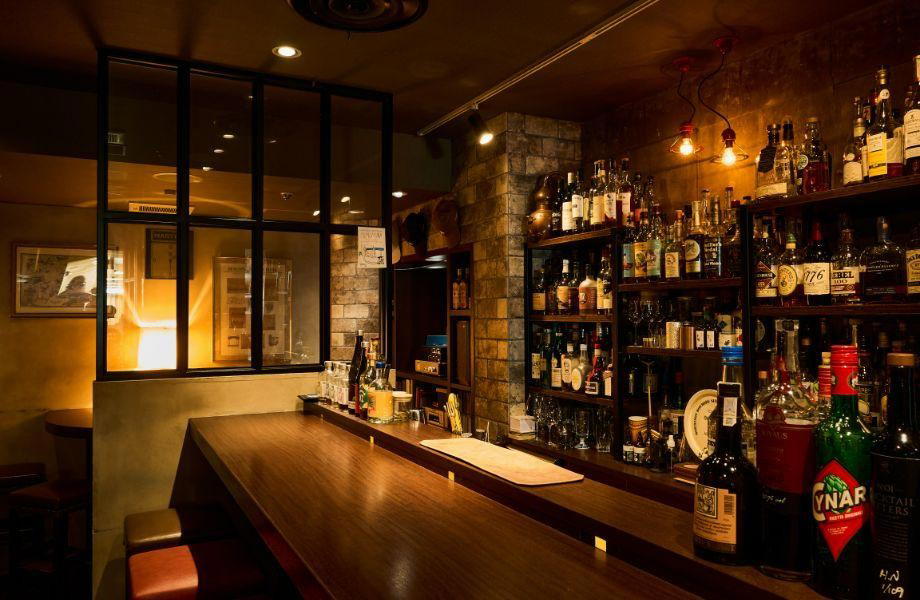

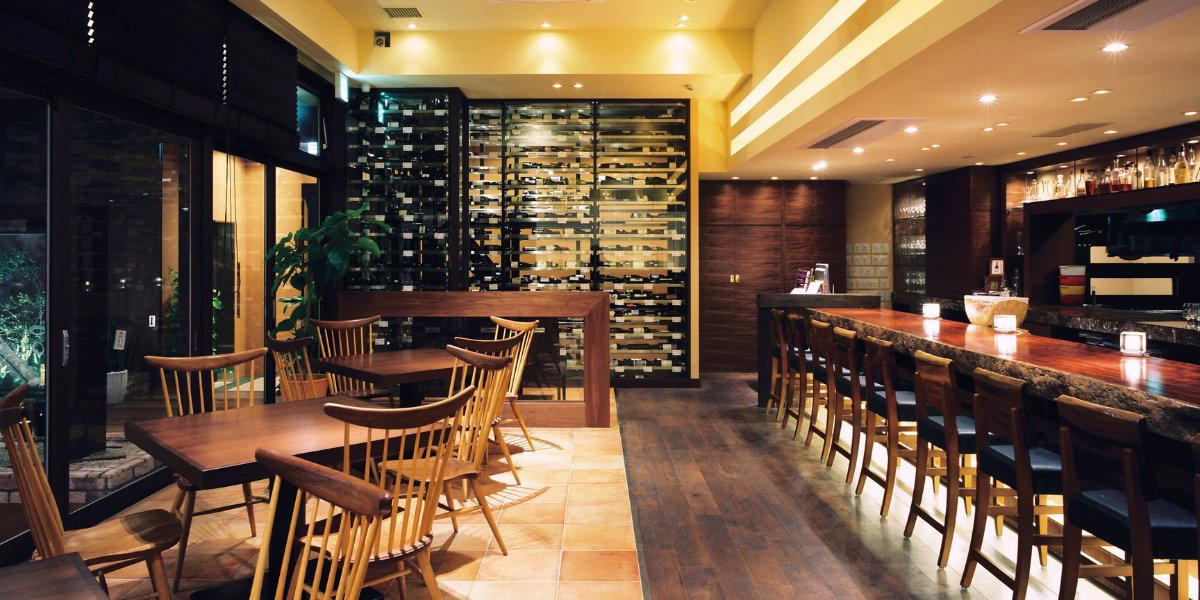

Hotels in Osaka
Browse all →



Wineries in Osaka
Browse all →
At a Glance
- Cozy
- Intimate
- Solo
- Casual Hangout
- After Work
- Standalone
A small, non-smoking noodle shop down a narrow brick alley (Renga Street) with just six counter seats, simple decor, and an energetic, queue-heavy atmosphere focused on serious ramen and tsukemen.