Onze em Ponto occupies a central address on Rua Quatro de Março in Taubaté, São Paulo state, putting it within the older commercial core of a city that sits between two of Brazil's most food-serious metros. The restaurant draws from a regional dining tradition that prizes provenance and local supply chains over imported glamour, making it a reference point for what interior São Paulo cooking looks like when it takes itself seriously.
Pearl is the En Primeur Club membership app — saves, bookings, and concierge access live there. Same editors, same standards.
- Address
- R. Quatro de Março, 268 - Centro, Taubaté - SP, 12020-270, Brazil
- Phone
- +5511973221983
- Website
- intagram.com
- Directions
- Get directions
 Saves & bookings on Pearl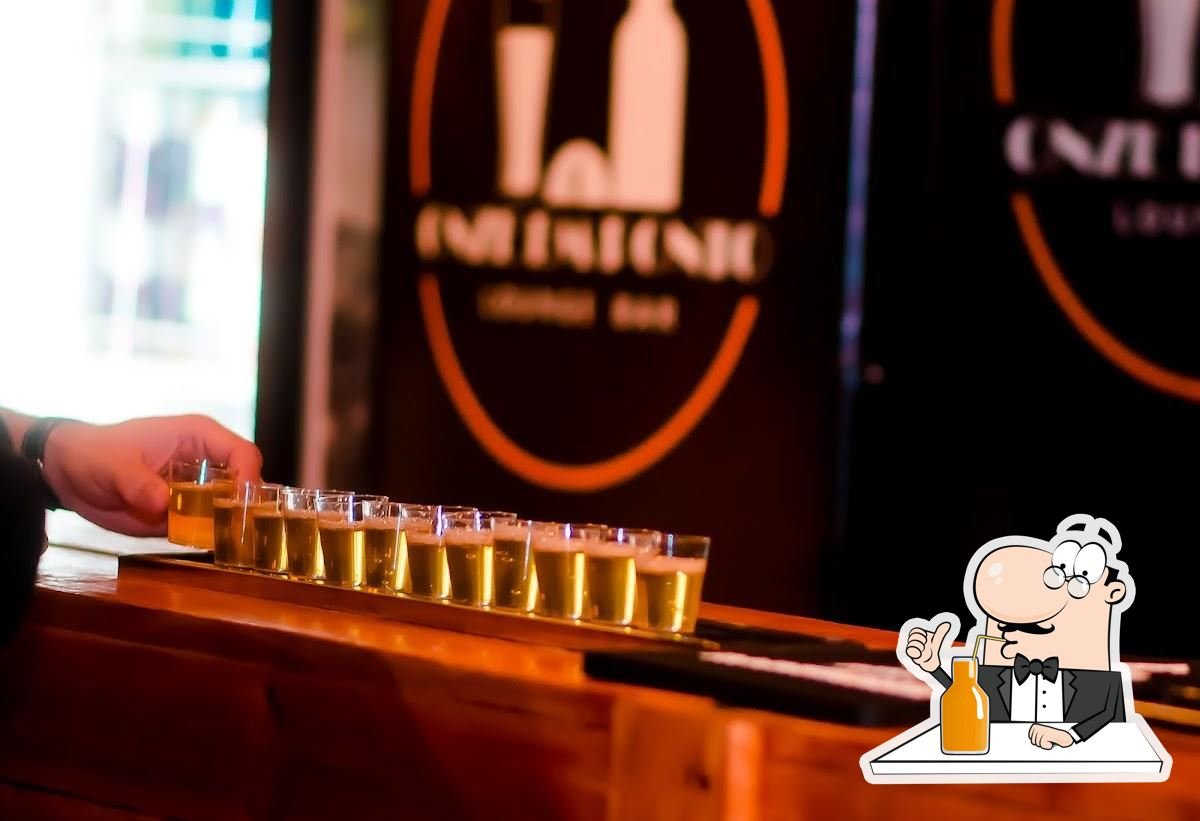
Where Interior São Paulo Eats With Intent
Taubaté sits in the Paraíba Valley, roughly midway along the BR-116 corridor between São Paulo and Rio de Janeiro, and it carries the culinary character of that in-between position. The city is large enough to sustain a real restaurant culture but removed enough from the metropolitan spotlight that its dining rooms operate on local logic rather than trend cycles imported from Pinheiros or Botafogo. That insularity, in the leading sense, tends to produce kitchens that source close to home because it is the practical and delicious choice, not because a marketing consultant suggested it.
Onze em Ponto sits at Rua Quatro de Março, 268, in the Centro district, which places it in one of the older, more pedestrian-facing parts of a city founded in 1645. Centro addresses in Brazilian interior cities like Taubaté carry a specific social weight: they serve office workers at lunch, families on weekend afternoons, and the kind of regulars who have been eating at the same table for years. That audience shapes what a kitchen must deliver. There is no tourist forgiveness, no novelty premium, and limited appetite for abstraction. The food has to work for people who will return next week.
The Provenance Question in Interior Brazilian Cooking
Ingredient sourcing in the Paraíba Valley context is worth understanding before you sit down anywhere in Taubaté. The valley has a long agricultural history tied to coffee, cattle, and smallholder farming, and the region's proximity to Serra da Mantiqueira to the north gives local producers access to cooler growing conditions than coastal São Paulo. That temperature variation supports a broader range of produce than the metropolitan basin further west, and kitchens with established supplier relationships can work with ingredients that simply are not available through the São Paulo wholesale networks.
The broader shift visible across Brazilian restaurant culture, from the Amazonian ingredient focus pioneered at venues like D.O.M. in São Paulo to the hyper-local sourcing approach at Lasai in Rio de Janeiro, has filtered down into interior cities over the past decade. It shows up less as a formal tasting-menu philosophy and more as a practical preference: knowing the producer's name, buying what is available rather than what the menu demands, and cooking with seasonal rhythm rather than against it. Restaurants in cities like Taubaté that have absorbed this orientation tend to offer a more honest read on regional Brazilian cooking than their metropolitan counterparts, where the sourcing story can become more performance than practice.
Onze em Ponto's Centro location and its relationship with the older commercial fabric of Taubaté suggests it operates within this tradition. The address on Rua Quatro de Março, a street that references the early republican calendar rather than a developer's branding exercise, signals a kitchen embedded in local life rather than positioned against it.
Taubaté's Dining comparable set
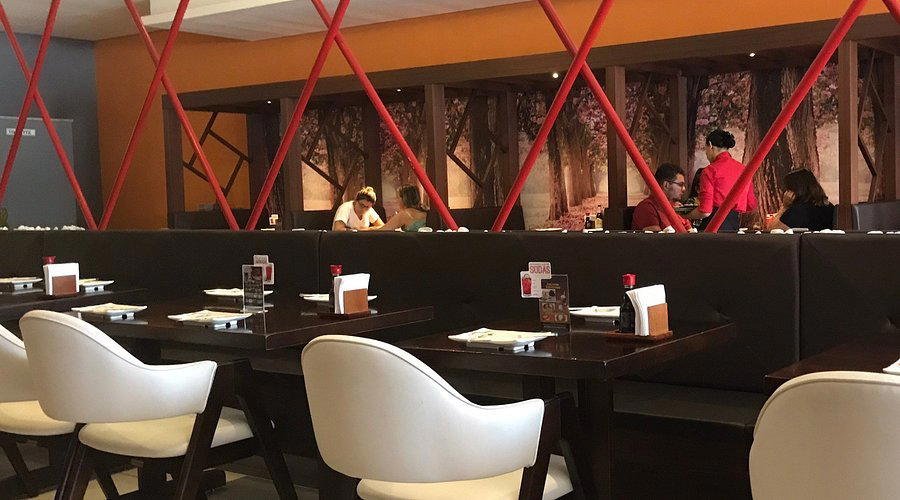
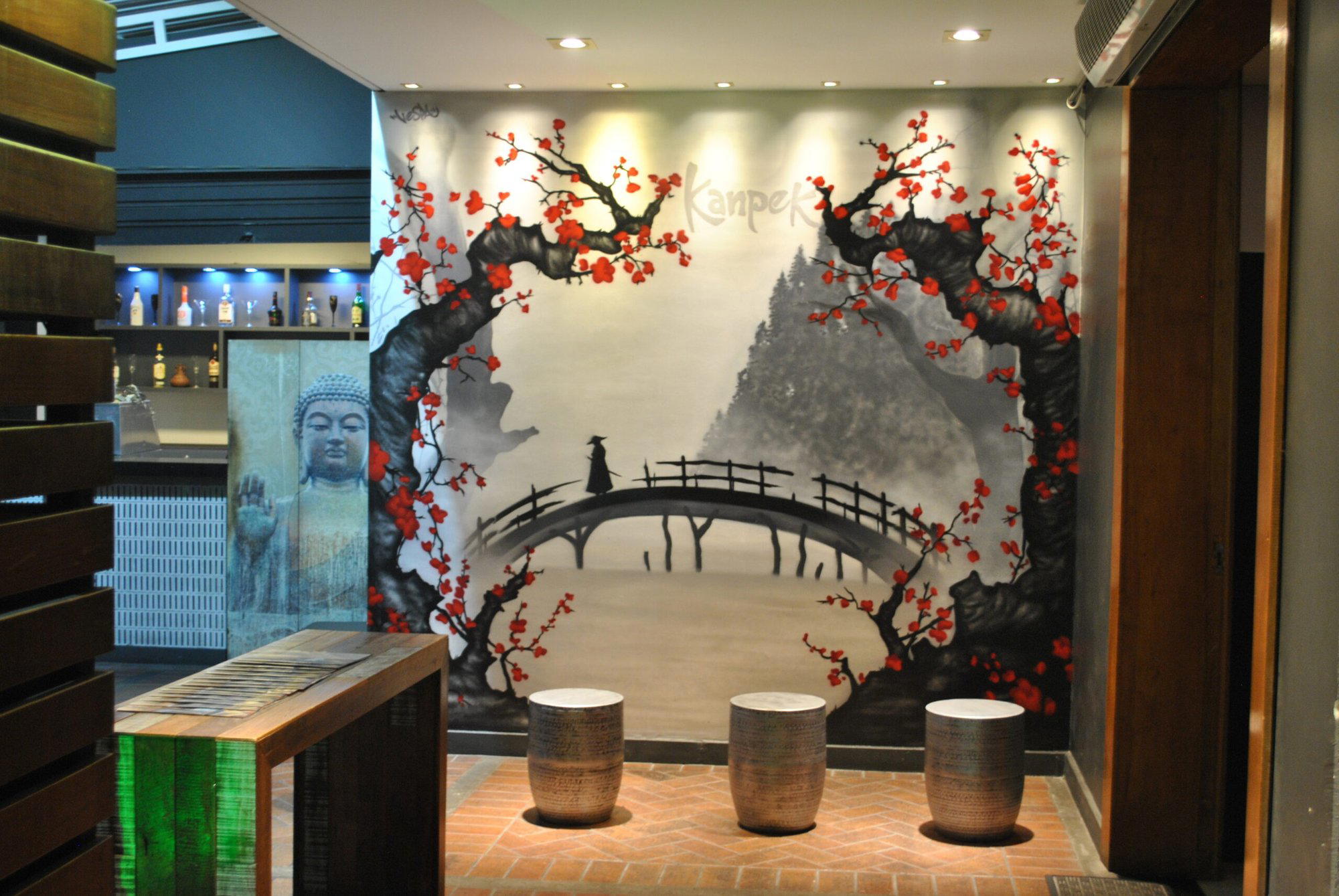
Understanding where Onze em Ponto sits requires a brief map of what Taubaté's restaurant scene looks like as a whole. The city has a range of formats across its Centro and surrounding neighbourhoods. Kyoko Sushi Taubaté represents the Japanese-Brazilian dining tradition that runs deep throughout São Paulo state, a legacy of early twentieth-century immigration that has produced among the more technically accomplished sushi cultures outside Japan. Kanpek Restaurante and Casa De Shawerma represent the city's appetite for formats that fall outside the traditional Brazilian churrasco and per-kilo categories. Together, these venues suggest a dining public in Taubaté that is pluralist in its tastes and not solely anchored to any single culinary tradition.
Within this context, a restaurant at a Centro address with a name as precise and deliberate as the restaurant (Eleven on the Dot, a reference to punctuality or a specific hour) is signalling something about its own expectations. The name implies structure, timing, and a certain seriousness about the transaction between kitchen and table.
For further context on what strong regional Brazilian restaurants look like across a range of city types and formats, the full Taubaté restaurants guide maps the broader dining picture. Brazilian restaurants elsewhere in the country worth cross-referencing for their sourcing approaches include Bistro Fitz Carraldo in Manaus, Cantina Pozzobon in Santa Maria, Casa da Flor Restaurante in Dourados, and Casa da Dika Restô e Eventos in Bragança. For those interested in how mid-size Brazilian cities handle grilled-meat formats, Casa da Picanha Penedo in Itatiaia and Aero Burguer e Grill in Santa Cruz do Sul offer useful points of comparison. Pizza formats across the São Paulo state region have their own competitive character, illustrated by Famosa Pizza in Ribeirão Preto and Fornazzo Pizzaria in Passo Fundo. At the other end of the formality register, the technical precision visible at Le Bernardin in New York City and the ingredient-focused tasting format at Atomix in New York City demonstrate what sourcing-led cooking looks like when it operates with full fine-dining infrastructure, a useful contrast for understanding what interior Brazilian kitchens are working toward with different tools and budgets. Regional bistro formats are also well represented by Bistrô Vila Graziella in Bauru and Arte e Café Imperial in Angra dos Reis.
Planning a Visit
The restaurant is located at Rua Quatro de Março, 268, Centro, Taubaté, São Paulo state, CEP 12020-270. Centro is walkable from the city's main commercial strips and accessible by local bus lines from the rodoviária, which receives regular coach services from São Paulo's Tietê terminal. The journey from São Paulo by car along the Dutra highway runs approximately 130 kilometres and takes between one and two hours depending on traffic conditions leaving the capital. Phone, hours, pricing, and booking details were not available at time of writing; visitors should confirm current operations through local search platforms before travelling specifically for a meal.
Comparable Spots, Quickly
Comparable venues nearby, for context on price, style, and recognition.
| Venue | Cuisine | Price | Notes |
|---|---|---|---|
| Onze em PontoThis venue — the venue you are viewing | Sabor Colombiano Lounge Bar | $$ | Not listed |
| Kanpek Restaurante | Japanese Rodízio | $$ | Vila Jaboticabeira |
| Casa De Shawerma | Lebanese Shawarma | $$ | Centro |
| Kyoko Sushi Taubaté | Japanese Sushi | $$$ | Centro |
| Splendido Burger | Burger Restaurant | $$ | Centro |
| Lobby Café | Brazilian Café | $$ | Belem |
Continue exploring
More in Taubate
Restaurants in Taubate
Browse all →

At a Glance
- Lively
- Trendy
- Casual Hangout
- Live Music
- Craft Cocktails
Current opening hours
- Monday
- Closed
- Tuesday
- 11 AM–3 PM, 6–11 PM
- Wednesday
- 11 AM–3 PM, 6–11 PM
- Thursday
- 11 AM–3 PM, 6–11 PM
- Friday
- 11 AM–3 PM, 6–11 PM
- Saturday
- 11 AM–3 PM, 6–11 PM
- Sunday
- Closed
Hours can change for holidays and private events. Last verified .
Lively lounge atmosphere with excellent food and drinks.