Our verdict
Kanpek Restaurante occupies a corner of Vila Jaboticabeira on Taubaté's Avenida Independência, placing it within a mid-sized São Paulo state city that sits between the regional pull of the Vale do Paraíba and the gravitational force of the state capital two hours south.

Pearl is the En Primeur Club membership app — saves, bookings, and concierge access live there. Same editors, same standards.
- Address
- Av. Independência, 1022 - Vila Jaboticabeira, Taubaté - SP, 12031-001, Brazil
- Hours
- Mon–Thu 12–3 PM, 6–10:30 PMFri 12–3 PM, 6–11 PMSat 12–11 PMSun 12–10:30 PM
- Website
- kanpek.com.br
- Directions
- Get directions
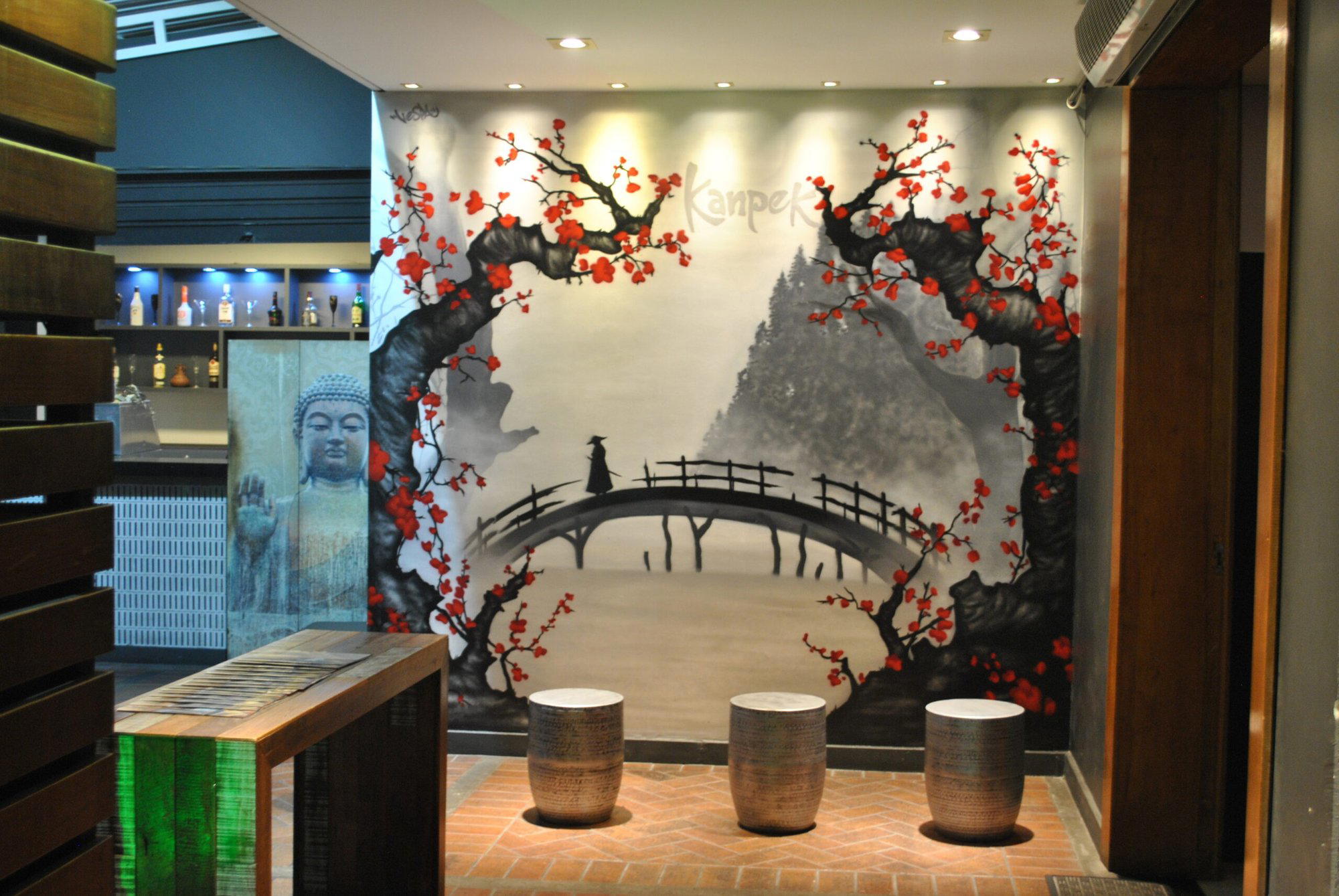
Taubaté at the Table: Where Vale do Paraíba Dining Finds Its Register
The Vale do Paraíba corridor running between São Paulo and Rio de Janeiro has long been treated as a transit zone rather than a destination. Cities like Taubaté, São José dos Campos, and Pindamonhangaba anchor a region that produces engineers, logistics workers, and industrial output rather than the kind of food tourism that gravitates toward coastal resorts or capital-city neighbourhoods. That context matters when reading a restaurant like Kanpek Restaurante, which sits on Avenida Independência in the Vila Jaboticabeira district — a location that speaks to local patronage, neighbourhood rhythm, and the kind of repeat-visit culture that sustains dining rooms far from tourist circuits.
Brazil's interior mid-sized cities have developed their own dining registers, often distinct from the techniques-first conversations happening at venues like D.O.M. in São Paulo or Lasai in Rio de Janeiro. In those cities, the headline restaurants operate within internationally legible fine-dining frameworks. In Taubaté, the reference points are different: the dining room functions as a communal anchor, the menu tends to follow regional preference over imported format, and the clientele is drawn from the city itself rather than from incoming visitors. Kanpek Restaurante's address on a major arterial avenue in a residential suburb confirms it as a venue oriented toward that local register.
The Name and What It Signals
The name Kanpek carries phonetic proximity to the Japanese word kanpeki, meaning perfect or flawless — a term that surfaces in Brazilian-Japanese culinary contexts, particularly in cities where the Nikkei community (Brazilians of Japanese descent) has shaped local food culture over generations. São Paulo state holds the largest Japanese diaspora population outside Japan, and that influence has distributed itself through cities across the interior, including the Vale do Paraíba. This is not a minor footnote: Brazilian-Japanese cuisine, distinct from Japanese-Japanese cuisine and from the pan-Asian interpretations common in European capitals, developed its own identity through decades of adaptation, using local ingredients within Japanese structural frameworks. Venues like Kyoko Sushi Taubaté in the same city operate within this tradition, suggesting that Taubaté has enough critical mass of Japanese-influenced dining to support differentiation within that category.
What can be said is that the naming choice, the city's demographic composition, and the broader pattern of São Paulo state dining all position the venue within a regional food culture shaped by migration, adaptation, and the long process of Brazilian cuisine absorbing and reinterpreting its immigrant influences. For comparison, Kampeki Sushi in Canoas, a southern Brazilian city with its own distinct immigrant heritage, operates within a parallel track, where the Japanese-inspired name signals quality aspiration within a Brazilian neighbourhood dining context.
Avenida Independência and the Logic of the Address
Restaurants positioned on major arterial roads in Brazilian mid-sized cities occupy a specific commercial logic: high visibility, car-accessible, and embedded in daily commuter patterns rather than destination-seeking foot traffic. Avenida Independência in Taubaté is one of the city's structuring roads, and the Vila Jaboticabeira district around it is residential rather than commercial-tourism in character. This is not a criticism, it is a description of the competitive context. Venues in this position compete for consistent local custom rather than for the occasional high-spend visitor. The dining room, whatever its format, is most likely configured around that reality: a place where regulars know the menu, where the kitchen calibrates to a familiar audience, and where the relationship between the restaurant and its neighbourhood is the primary value proposition.
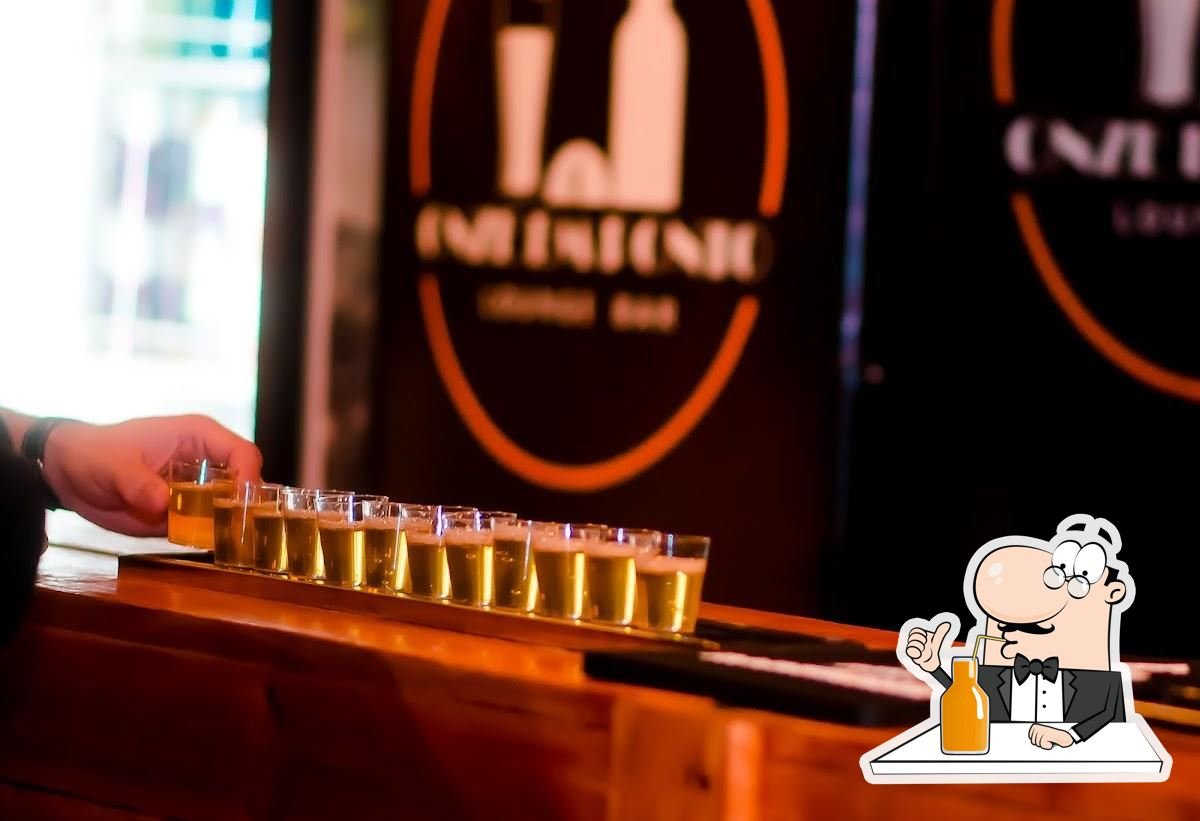
Within Taubaté's wider dining scene, that local-anchor positioning sits alongside venues with different orientations. Casa De Shawerma operates in the casual, fast-casual Middle Eastern register, while Onze em Ponto brings a different proposition to the city's mid-range dining options. Together, these venues map a city that is developing dining variety beyond the traditional churrascaria and pizza formats that still dominate interior São Paulo state. For a fuller picture of what the city offers, the EP Club Taubaté restaurants guide covers the current range.
Brazilian Dining in Mid-Sized Cities: The Broader Pattern
The dining cultures of Brazil's interior cities rarely receive the same analytical attention as São Paulo or Rio, but they follow legible patterns. Cities along the Vale do Paraíba corridor have benefited from proximity to São Paulo's supply chains, imported ingredients, trained kitchen staff moving between markets, and the gradual diffusion of techniques that originate in capital-city restaurants before filtering outward. The gap between a São Paulo tasting-menu counter and a Taubaté neighbourhood restaurant remains significant in format and price, but the distance has narrowed in terms of ingredient quality and kitchen competence over the past decade. That shift is visible across similarly sized cities: Cantina Pozzobon in Santa Maria and Bistro Fitz Carraldo in Manaus both demonstrate how regional cities develop distinctive dining identities that reflect local culture rather than simply mirroring capital-city trends.
At the premium end of this interior-city tier, the comparison set shifts again. Venues like Casa da Picanha Penedo in Itatiaia and Casa da Flor Restaurante in Dourados show how destination-adjacent positioning changes the customer mix and, consequently, the format that dining rooms adopt. Kanpek Restaurante, by contrast, sits in the residential-neighbourhood tier: accountable to its postcode rather than to passing tourism.
Planning a Visit
Kanpek Restaurante is located at Av. Independência, 1022 in Vila Jaboticabeira, Taubaté, São Paulo state. Taubaté is served by the Presidente Dutra highway and is accessible by bus from São Paulo's Tietê terminal, with the journey running approximately two hours depending on traffic. For visitors arriving from elsewhere in Brazil, the city's compact commercial core makes orientation direct once you arrive. Comparable neighbourhood venues across Brazil's interior, from Famosa Pizza in Ribeirão Preto to Fornazzo Pizzaria in Passo Fundo, tend to operate on walk-in or same-day booking basis, and Kanpek likely follows a similar pattern given its neighbourhood positioning, though this should be confirmed directly.
Frequently asked questions
Would Kanpek Restaurante be comfortable with kids?
Kanpek sits on Avenida Independência, one of Taubaté's main arterial roads — a location type that in Brazilian mid-sized cities typically signals a broad, community-facing operation rather than an intimate tasting-room format. That context suggests family groups are not unusual here.
What's the overall feel of Kanpek Restaurante?
The address in Vila Jaboticabeira along Av. Independência places Kanpek in the car-accessible, high-visibility commercial band common to Taubaté's dining strip — practical rather than destination-precious. Restaurants in this position in Vale do Paraíba cities tend to serve a local regular base as much as passing trade. The name's phonetic echo of the Japanese kanpeki, meaning flawless, hints at ambition that sits slightly apart from the neighbourhood norm.
Is Kanpek Restaurante one of the few dining options in Taubaté with a Japanese-influenced identity?
The name Kanpek carries a clear phonetic and semantic link to the Japanese word kanpeki — meaning flawless or perfect — a reference point that appears with some regularity in Brazilian-Japanese culinary culture, particularly across São Paulo state where the Nikkei community has shaped food traditions for over a century.
What's Kanpek Restaurante's location?
Kanpek Restaurante is located at Av. Independência, 1022 - Vila Jaboticabeira, Taubaté - SP, 12031-001, Brazil, Taubate.
Is Kanpek Restaurante reservation-only?
No reservation policy has been confirmed for Kanpek. Restaurants occupying major boulevard addresses in cities like Taubaté often run walk-in service alongside phone bookings rather than strict advance-only systems. Until the venue's current booking method is verified, arriving early or calling ahead is the practical approach.
Budget Reality Check
Comparable venues nearby, for context on price, style, and recognition.
| Venue | Cuisine | Price | Notes |
|---|---|---|---|
| Kanpek RestauranteThis venue — the venue you are viewing | Japanese Rodízio | Not listed | Not listed |
| Casa De Shawerma | Lebanese Shawarma | Not listed | Centro, Lebanese Shawarma |
| Onze em Ponto | Sabor Colombiano Lounge Bar | Not listed | Taubate, Sabor Colombiano Lounge Bar |
| Kyoko Sushi Taubaté | Japanese Sushi | $20–30 | Centro, Japanese Sushi |
| Temakeria Paulista | Japanese Temaki & Sushi | $10–20 | Agua Rasa, Japanese Temaki & Sushi |
| Kyuurai | Authentic Japanese Sushi and Seafood | Not listed | Embaré, Authentic Japanese Sushi and Seafood |

Details
- Family
- Group Dining
- A La Carte
- Vegetarian Friendly
Current opening hours
- Monday
- 12–3 PM, 6–10:30 PM
- Tuesday
- 12–3 PM, 6–10:30 PM
- Wednesday
- 12–3 PM, 6–10:30 PM
- Thursday
- 12–3 PM, 6–10:30 PM
- Friday
- 12–3 PM, 6–11 PM
- Saturday
- 12–11 PM
- Sunday
- 12–10:30 PM
Hours can change for holidays and private events. Last verified .
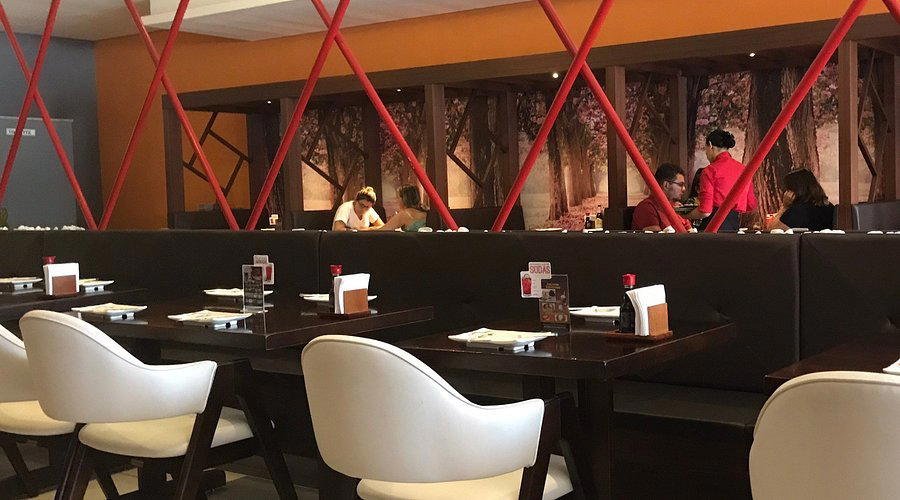
Air-conditioned family atmosphere with spacious seating and attentive service.